

The ‘1 Nojor’ media platform is now live in beta, inviting users to explore and provide feedback as we continue to refine the experience.
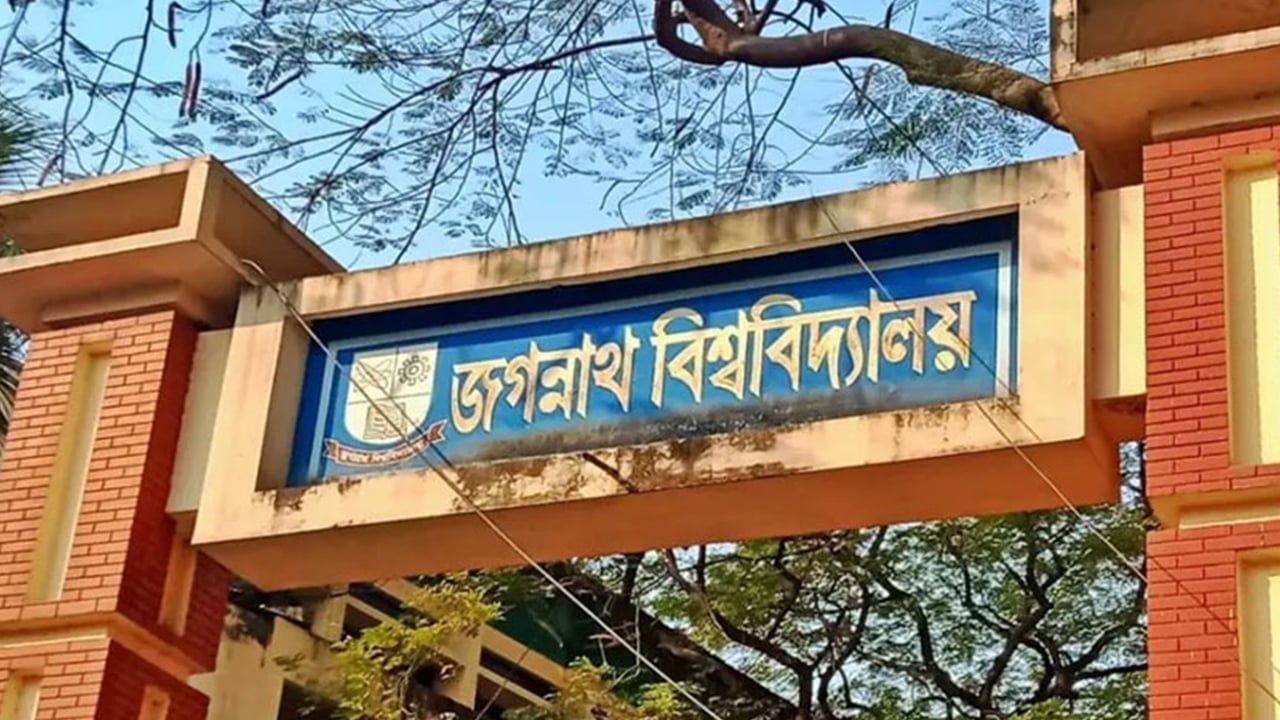
Jagannath University has announced that all undergraduate and postgraduate classes will be conducted online from February 26 to March 9 in observance of the holy month of Ramadan. The decision was confirmed on January 22 by the university’s acting registrar, Professor Dr. Md. Sheikh Gias Uddin, following an official notice issued under his signature. According to the notice, the decision was made based on the resolution of the university’s 76th Academic Council meeting held on January 15. The university administration stated that the move aims to accommodate students’ convenience and align with the Ramadan schedule. During this period, all regular classes across undergraduate and postgraduate programs will continue online as per the council’s directive.
Pakistan’s state-owned Oil and Gas Development Company Limited (OGDCL) has announced the discovery of new oil and natural gas reserves in Khyber Pakhtunkhwa province. According to a notice filed with the Pakistan Stock Exchange, production has begun from the exploratory well ‘Baragzai X-01’ in Kohat district, yielding approximately 3,100 barrels of crude oil and 8.15 million cubic feet of natural gas per day. Two other wells in the same area are already producing oil and gas. OGDCL stated that the new discovery will help narrow the gap between domestic energy demand and supply while boosting Pakistan’s hydrocarbon reserves. With the addition of the new output, the Baragzai fields are now producing about 9,480 barrels of oil daily, accounting for roughly 14.5 percent of the country’s total crude oil production. Pakistan currently produces around 66,000 barrels of crude oil per day. The announcement comes as Pakistan intensifies efforts to expand domestic oil and gas production and reduce dependence on costly imports amid ongoing economic challenges. Last year, the government signed five exploration agreements with local and international companies for three offshore and two onshore blocks.

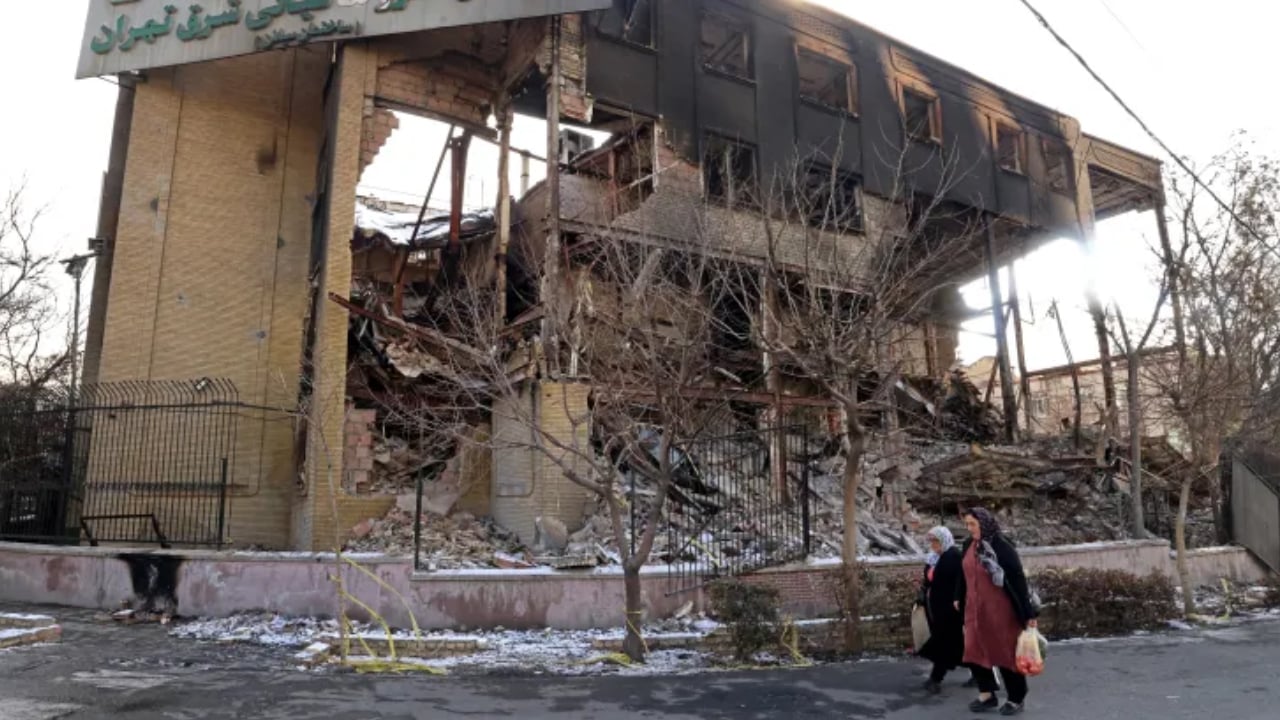
Iran has officially released the death toll from recent anti-government protests for the first time. According to a report by state television Press TV on Wednesday, citing the Interior Ministry, a total of 3,117 people were killed across the country. The Martyrs Foundation stated that among the dead were 2,427 civilians and members of the security forces. Tehran described the protests as 'foreign-backed terrorist activities.' Ali Akbar Pourjamshidian, secretary of Iran’s National Security Council, told Press TV that those who engaged in violence, including attacks on government and military facilities, were classified as 'terrorist-rioters.' Meanwhile, the U.S.-based Human Rights Activists News Agency reported a higher death toll of 4,560 since the protests began. The demonstrations started on December 28 in response to rising living costs and severe inflation, spreading across the country in the following weeks.
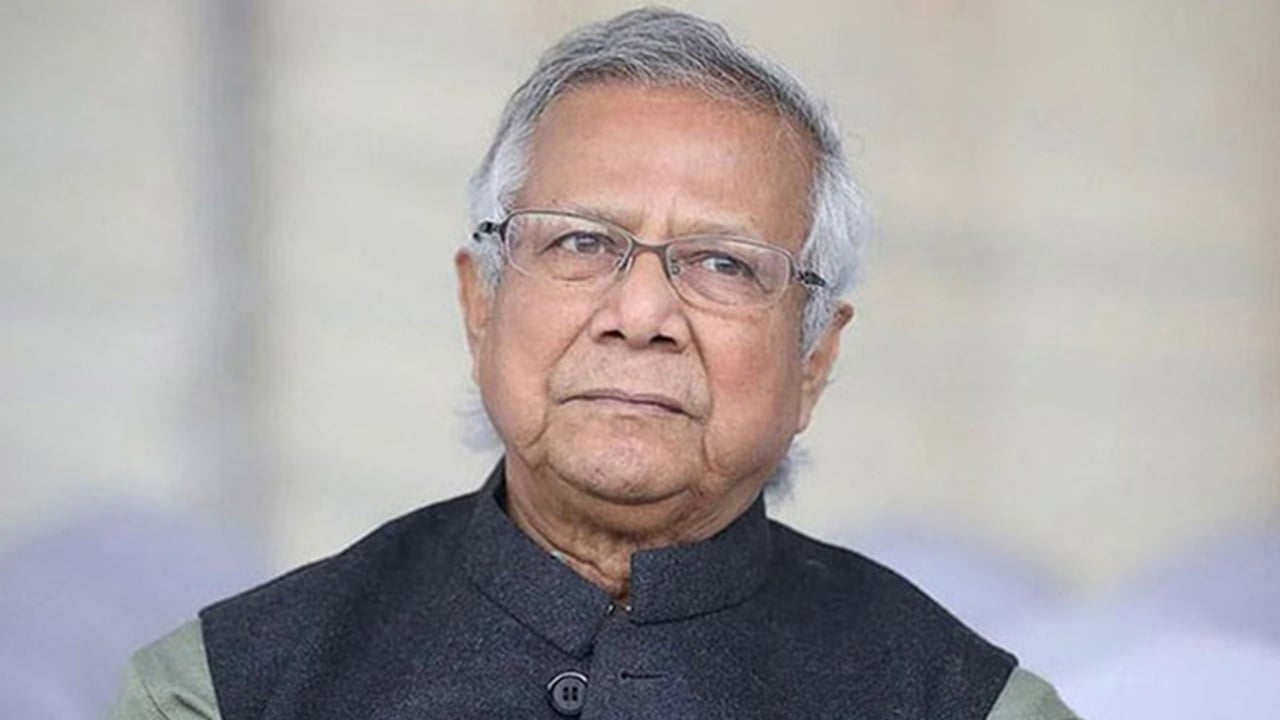
Chief Adviser Professor Muhammad Yunus has expressed deep sorrow over the death of former caretaker government adviser and prominent civil society figure M Hafiz Uddin Khan. In a condolence message issued on Wednesday, Yunus recalled Khan’s long career dedicated to the welfare of the state and its people, describing him as an honest, wise, and responsible public servant whose integrity and moral stance remain exemplary. Professor Yunus also noted his personal connection with Khan, calling him a classmate and close friend whose wisdom, humanity, and candor enriched his life. He said Khan’s honesty, dedication, and competence in public service, along with his later contributions to promoting good governance, would be remembered with respect by the nation. Hafiz Uddin Khan passed away on Wednesday evening due to old age. He had served as secretary in the ministries of Posts, Telecommunications, and others, and as adviser to the caretaker government in 2001 overseeing finance, planning, and several other ministries.
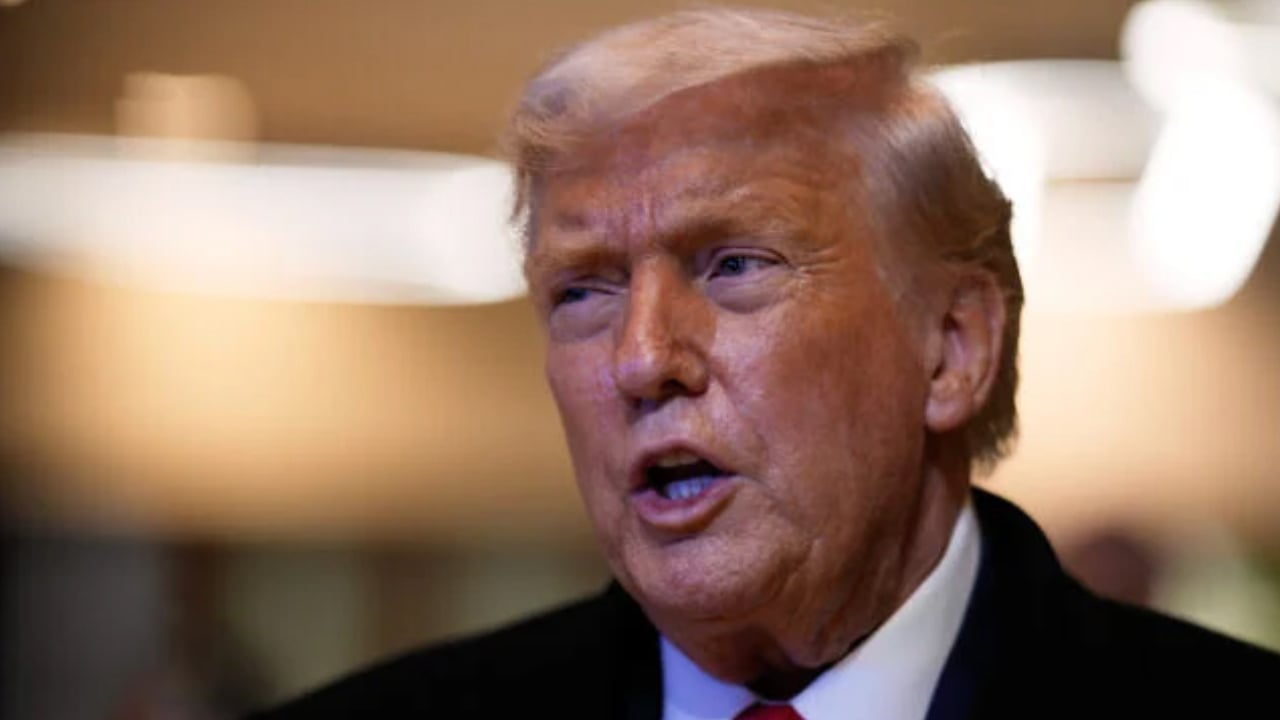
U.S. President Donald Trump warned that Hamas would be wiped out if it did not disarm within the next few weeks. He made the statement on Wednesday during his address at the World Economic Forum in Davos, Switzerland, according to the Times of Israel. Trump claimed that Hamas had agreed to lay down its weapons, though the Palestinian group has not publicly confirmed any such decision. Trump said disarming would be difficult for Hamas but insisted the group was willing to do so, adding that the situation would become clear within two to three days or at most three weeks. He also stated that 59 countries had expressed interest in joining an international stabilization force in Gaza aimed at eliminating Hamas. However, many nations were reportedly reluctant to send troops, and Azerbaijan had already declined participation. According to Trump’s Gaza peace plan, the second phase involves gradual disarmament, technology-based governance, and reconstruction. Meanwhile, Israeli Prime Minister Benjamin Netanyahu expressed anger over U.S. plans to include Turkey and Qatar in Gaza’s administration, declaring that no forces from those countries would be allowed to enter Gaza.
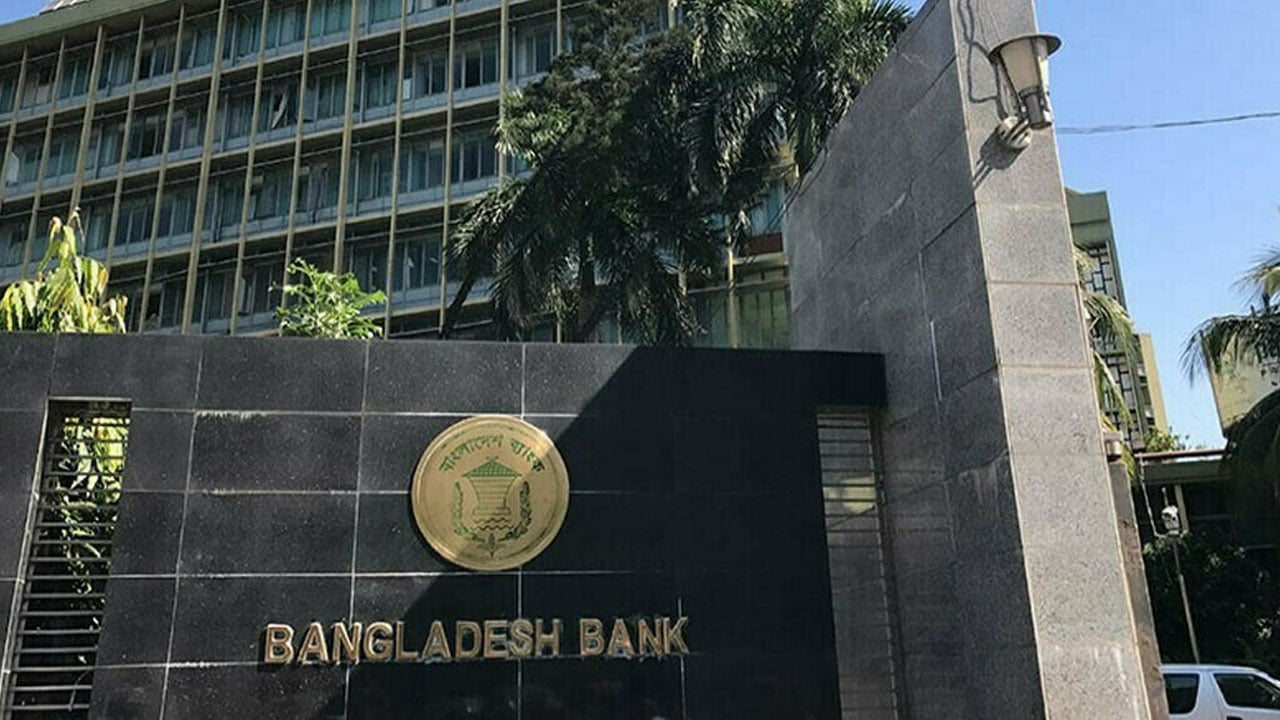
Bangladesh Bank has proposed a new rule limiting bank directors to a maximum of three consecutive months of leave per year, as part of the draft Bank Companies (Amendment) Ordinance 2025. The proposal aims to strengthen governance after reports that many directors remained absent for extended periods while retaining their positions. The draft has been published by the Financial Institutions Division of the Ministry of Finance for stakeholder feedback, and a meeting chaired by Secretary Nazma Mobarek was recently held to discuss it. The draft also includes a proposal to restrict individuals, families, or institutions from holding significant shares in multiple banks simultaneously. Under the proposed rule, anyone holding 2% or more of a bank’s shares cannot hold 2% or more in another bank. The Association of Bankers, Bangladesh (ABB) has opposed this shareholding restriction, arguing that general shareholders do not directly influence bank policy decisions. However, Bangladesh Bank officials maintain that the measure is necessary to prevent excessive control by business groups that have previously harmed the sector. If enacted, the new law would automatically cancel the position of any director absent from board meetings beyond the permitted period, ensuring stricter accountability in bank governance.
The Bangladesh Election Commission (EC) has finalized campaign guidelines for candidates in the 13th national parliamentary election, scheduled in 20 days. Returning officers completed symbol allocations on Wednesday, and official campaigning began Thursday, continuing until 10 February at 7:30 a.m. The EC urged all candidates and parties to strictly follow the code of conduct to ensure a free, fair, and neutral election. Under the new rules, candidates are prohibited from using posters for the first time in the country’s election history. Campaign materials must be black and white, with strict size limits for banners, leaflets, handbills, and festoons. The use of polythene, rexine, or any non-biodegradable material is banned. Candidates may use up to 20 billboards per constituency, and only their own portrait or the party leader’s image may appear on campaign materials. Public rallies require 24-hour prior notice to authorities and must not obstruct public movement. The EC also restricted the use of vehicles, torches, and aircraft in campaigns and introduced penalties for spreading false or AI-generated misinformation. Violations may result in fines, imprisonment, or even cancellation of candidacy.

Barcelona secured a 4-2 victory over Slavia Prague in their UEFA Champions League group match at Fortuna Arena. Despite conceding an early goal to Czech forward Vasil Kusej in the tenth minute, the Spanish champions came back strongly. Fermin Lopez scored twice, while Dani Olmo and Robert Lewandowski added one goal each. Slavia Prague’s second goal came from an own goal by Lewandowski in the first half. Barcelona dominated possession with 59 percent and registered 17 shots, 12 of which were on target, compared to Prague’s eight shots with only two on target. Coach Hansi Flick had to field his team without Lamine Yamal due to a card suspension. Dani Olmo scored just a minute after coming on as a substitute in the 61st minute, and Lewandowski redeemed his earlier own goal with a strike in the 70th minute. With this win, Barcelona climbed to ninth place in the standings with 13 points from seven matches, keeping their hopes alive for a place in the round of 16. Three other teams above them also have 13 points, with one group-stage round remaining.

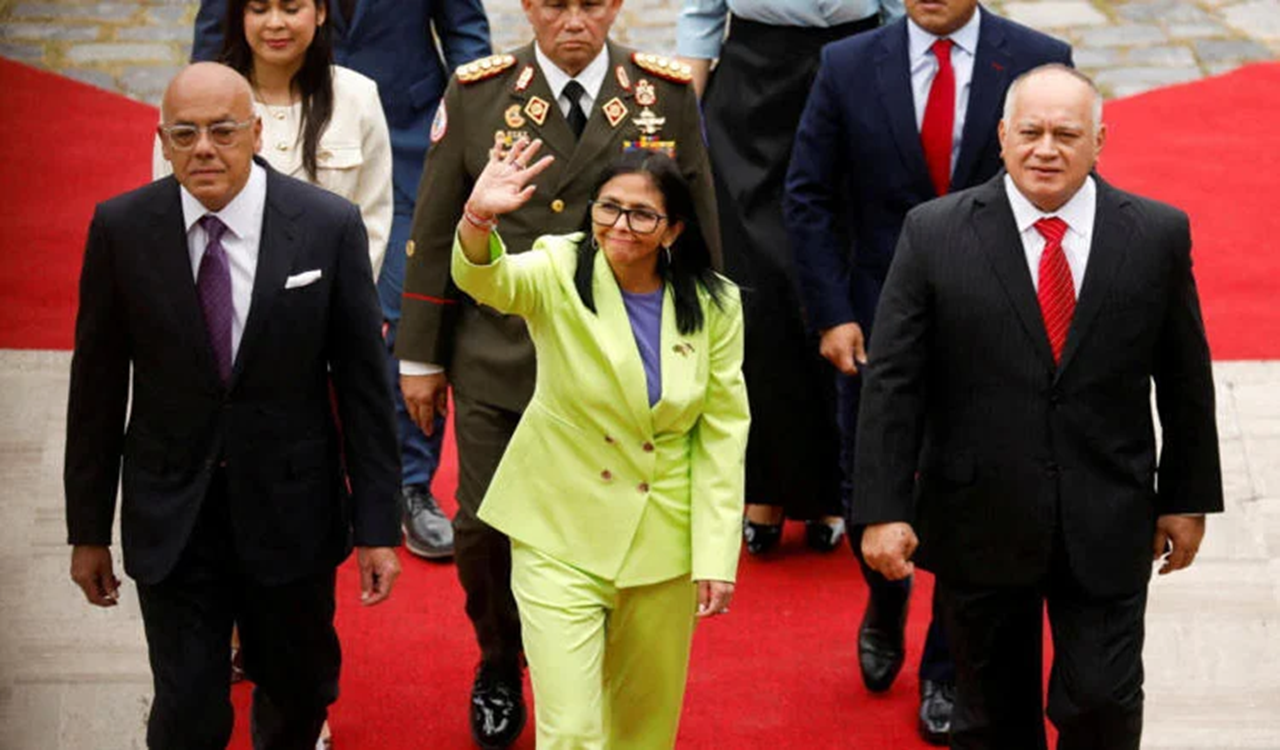
Venezuelan interim president Delcy Rodríguez is expected to visit the United States soon, according to a senior White House official. If realized, it would mark the first bilateral visit by a sitting Venezuelan president to the U.S. in nearly 25 years, excluding United Nations General Assembly sessions. Rodríguez said she has no hesitation about dialogue with Washington and emphasized that existing differences and complexities between the two nations are being addressed through diplomatic discussions. The potential visit signals a notable shift in relations between Washington and Caracas. It follows the recent U.S. Delta Force operation that led to the arrest of former Venezuelan president Nicolás Maduro, who now faces drug trafficking charges in the United States. Rodríguez, a close ally and former vice president under Maduro, currently serves as interim president. Despite U.S. sanctions, she has allowed Venezuelan oil exports through U.S. channels, supported foreign investment, and initiated the release of several political prisoners. The White House stated that the visit’s schedule has not yet been finalized, and the Venezuelan government has not officially confirmed it.
The United Kingdom’s House of Lords voted on Wednesday in favor of banning social media use for children under 16. The amendment, introduced by Conservative lawmaker John Nash and supported by members of the Labour and Liberal Democrat parties, passed with 261 votes to 150. The decision increases pressure on the government to adopt stricter measures similar to those implemented in Australia. Prime Minister Keir Starmer said earlier that he would not rule out any options for child protection but prefers to await the outcome of an ongoing consultation process before legislating. The proposal will now move to the Labour-controlled House of Commons, where over 60 Labour MPs have urged the prime minister to support the ban. Public sentiment appears strongly in favor, with a December YouGov poll showing 74 percent of Britons supporting such restrictions. Actor Hugh Grant and other public figures have also called on the government to back the measure, arguing that parents alone cannot shield children from social media’s harmful effects. Some child protection groups, however, warned that a blanket ban could create a false sense of security among parents and society. The Online Safety Act already mandates strict age verification for harmful online content.

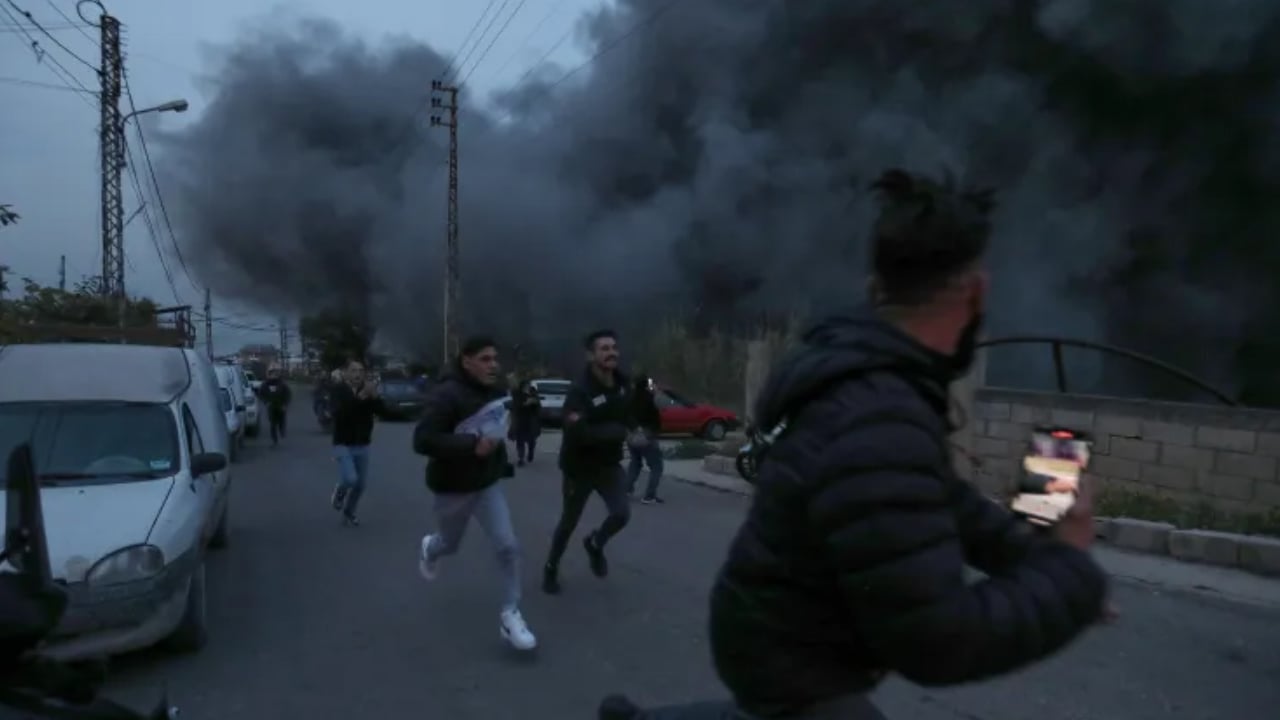
Israel carried out airstrikes on four crossing points along the Syria-Lebanon border, claiming the sites were used by Hezbollah for arms smuggling. The attacks followed earlier Israeli strikes in southern Lebanon that killed at least two people and injured around 20, according to Al Jazeera. The operations took place on Wednesday, breaking an existing ceasefire agreement. Lebanese President Joseph Aoun condemned the attacks in a statement, accusing Israel of systematically targeting populated villages and endangering civilians. He said the actions demonstrated Israel’s refusal to adhere to the terms of the ceasefire. Lebanon’s Health Ministry reported that at least 19 people were injured in the southern city of Kanarit, while state media said Israeli forces struck several towns including Al-Kharaib, Al-Ansar, Kanarit, Kfour, and Jarjouh. The previous day, Lebanon’s Health Ministry confirmed two separate Israeli strikes on vehicles in the Zahrani and Bazourieh areas, each killing one person. The renewed hostilities have heightened concerns about escalating conflict along the border region.
Rescue teams in Karachi have recovered 30 additional bodies from a shop inside the Gul Plaza shopping mall following a devastating fire. The discovery, made on the mezzanine floor of a crockery shop, has raised the death toll to 60. The bodies were sent to Civil Hospital by a special team formed by DIG (South) Syed Asad Raza. Several people remain missing as search operations continue. The fire broke out on January 17 at the Gul Plaza, one of Karachi’s largest shopping complexes. It reportedly started in the basement and spread rapidly throughout the building. Authorities suspect that an electrical short circuit triggered the blaze. Firefighters took 24 hours to bring the flames under control due to the intensity of the fire. Rescue operations had been temporarily halted on the first and second floors before resuming on the mezzanine level, where the latest bodies were found. Officials continue to search for more victims amid reports of missing persons.

India has been accused of turning cricket from a tool of soft power into an instrument of regional dominance, particularly against Bangladesh. The controversy began after the Board of Control for Cricket in India (BCCI) reportedly instructed an Indian Premier League (IPL) franchise to drop Bangladeshi cricketer Mustafizur Rahman, citing political concerns over attacks on minority communities in Bangladesh. In response, the Bangladesh Cricket Board (BCB) requested to move its upcoming T20 World Cup matches from India to Sri Lanka and the government banned IPL broadcasts, escalating the dispute. The article describes how this sports-related conflict follows a sharp deterioration in diplomatic relations between Dhaka and New Delhi, marked by reciprocal ambassador summons and attacks on diplomatic missions. Analysts suggest that India’s coercive cricket diplomacy risks alienating a key regional partner and undermining its “Neighbourhood First” policy. The move could push Bangladesh closer to China and Pakistan, both of which are expanding their strategic presence in the region. The report warns that India’s use of cricket as a political weapon contradicts its long-term strategic interests and may deepen regional isolation rather than strengthen influence.
European Commission President Ursula von der Leyen warned that the world is entering a new era dominated by economic, military, and geopolitical power. Speaking before the World Economic Forum in Davos, she said the 27-member European Union must rapidly strengthen its economy and defense to maintain global influence. Von der Leyen cautioned the United States that disputes among allies over Greenland would only empower rivals of the Western world. She described U.S. President Donald Trump’s threat to impose tariffs on European allies as a mistake and said escalating conflicts and retaliatory actions would harm both Europe and the United States strategically. Addressing the European Parliament, she emphasized that current global shifts are permanent, citing tensions over Greenland, Russia’s continued attacks in Ukraine, and instability from the Middle East to the Indo-Pacific. Von der Leyen urged Europe to move beyond its traditionally cautious stance, asserting that the EU must act decisively to protect its interests. Her remarks came ahead of an EU leaders’ meeting in Brussels to form a unified response to Trump’s statements.

Recent statements and actions by U.S. President Donald Trump, including moves toward Venezuela, Colombia, and Greenland, have drawn global attention. Analysts describe these as part of a broader strategic revival of the 1823 Monroe Doctrine, now termed the 'Donroe Doctrine.' Trump declared that American dominance in the Western Hemisphere would never again be questioned, signaling a more assertive geopolitical stance. The article links this renewed aggression to control over future energy and technology resources. Rare earth minerals such as lithium, copper, graphite, and gallium—vital for batteries, semiconductors, drones, and AI data centers—are concentrated in Latin America, where China has invested about $303 billion between 2000 and 2023. U.S. policymakers view this Chinese influence as a threat to their traditional dominance and seek to reclaim strategic leverage. Beyond Latin America, Washington’s focus extends to Greenland, rich in oil, gas, and minerals. With Arctic ice expected to recede by 2050, the region’s trade routes and security value are rising. The 'Donroe Doctrine' thus reflects a long-term U.S. bid to preserve global hegemony against growing China-Russia influence.

The ‘1 Nojor’ media platform is now live in beta, inviting users to explore and provide feedback as we continue to refine the experience.