

The ‘1 Nojor’ media platform is now live in beta, inviting users to explore and provide feedback as we continue to refine the experience.
Israeli police have arrested a 20-year-old American citizen on charges of spying for Iran. According to reports from the Times of Israel and the Jerusalem Post, the suspect allegedly took photos and videos of Israel’s sensitive locations and facilities. Police claim he sent the materials to a person linked to Tehran and received hundreds of dollars for each task. The arrest took place on June 9 in the Jerusalem district. Authorities have already filed a prosecutor’s declaration against the suspect, paving the way for formal charges to be brought within days. The reports cited Israeli police as the source of the allegations. The U.S. Embassy in Israel has not issued any immediate comment on the matter. The case highlights ongoing security tensions between Israel and Iran, as well as the scrutiny of foreign nationals suspected of espionage activities in the region.

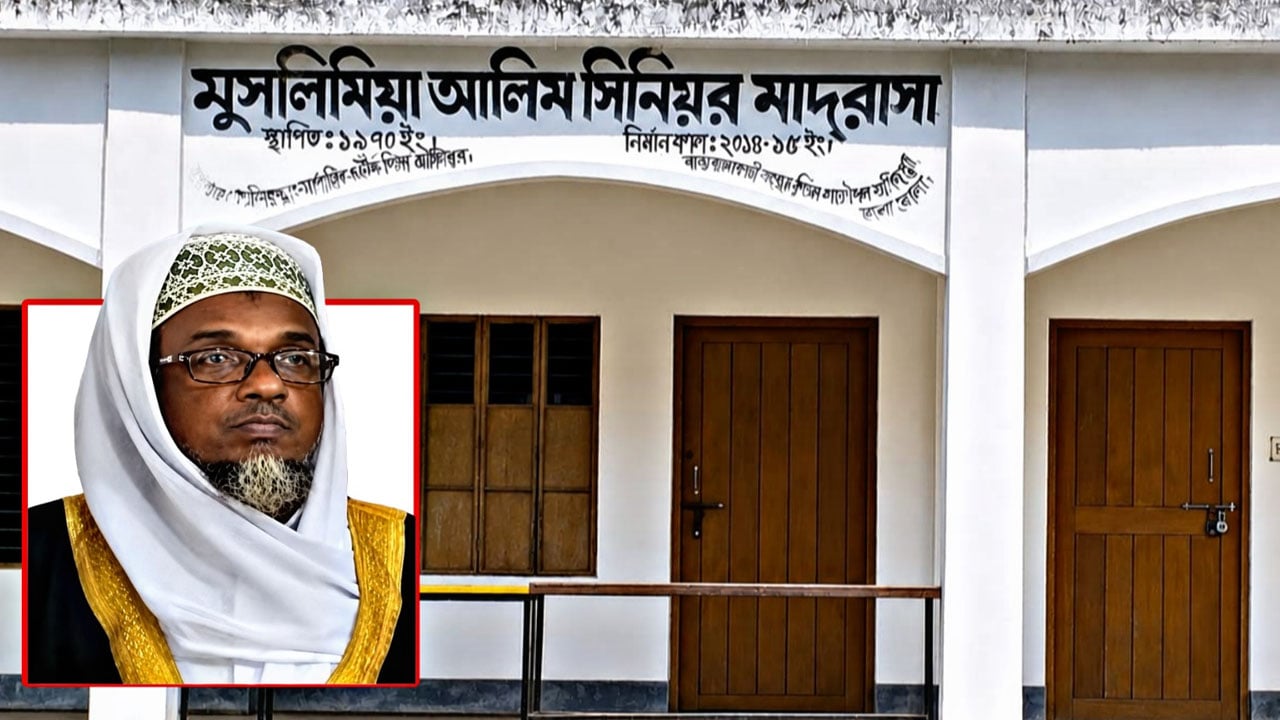
The Directorate of Madrasa Education has temporarily suspended the MPO benefits of Md. Mostafa Kamal Uddin Jafri, principal of Muslimia Alim Madrasa in Farajganj Union, Lalmohan, Bhola, following allegations of attempting to fraudulently include an employee in the MPO list. A show-cause notice was issued on June 29, 2026, asking why his MPO should not be permanently canceled within three working days. According to the office order, the alleged forgery was detected during the June 2026 MPO verification process by the selection and approval committee. The committee found that a fake letter, a false recruitment board, and fabricated result documents were created to support the MPO application of one Md. Sakil for the post of office assistant-cum-computer operator. Even the signature of the director general’s representative was allegedly forged. The Directorate cited violations of clauses 18.1(g) and (ng) of the 2026 MPO policy. The principal had previously faced similar action in December 2025 for irregularities in another recruitment. He stated that he would challenge the notice, while the acting upazila secondary education officer said the recruitment occurred before his tenure.
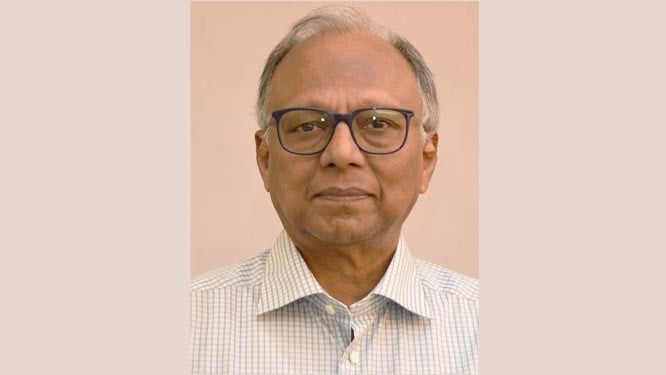
Mahmudur Rahman, writing in *Amar Desh* on July 1, 2026, reflected on the second anniversary of the July Revolution that ousted Sheikh Hasina’s government. He recounted his exile in Istanbul during the 2024 quota reform protests that evolved into a broader anti-fascist movement. Rahman described how the uprising forced the former prime minister to flee to India and expressed disappointment that post-revolution politics had devolved into power struggles rather than unity against authoritarianism. He criticized both ruling and opposition parties for reviving factionalism and warned that such divisions could delegitimize the revolution’s achievements. Rahman accused political leaders of ignoring corruption and aligning with pro-India and former Awami League elements, thereby enabling the return of fascist narratives. He argued that denying the revolutionary nature of July 36 would endanger Bangladesh’s sovereignty and the people’s rights. Rahman urged current leaders to uphold the spirit of the revolution and avoid rhetoric that mirrors Awami or leftist propaganda. He cautioned that failure to preserve the revolution’s legitimacy could reverse the gains of the movement and threaten national independence.
At least eight people were killed and 22 others injured when a bus collided with a truck on the Delhi-Mumbai Expressway near Dausa in Rajasthan early Tuesday morning. The accident occurred around 2:30 a.m. local time when the bus, traveling from Rishikesh to Indore, caught fire along with the truck after the collision. Most of the injured were women and children. Fire service personnel arrived shortly after the crash to extinguish the flames and carry out rescue operations. Officials said five passengers died from burns and two from head injuries, while eyewitnesses reported that many victims were asleep at the time of the crash. Video footage showed passengers screaming for help as both vehicles burned intensely. The cause of the accident has not yet been confirmed, though police suspect the bus driver may have fallen asleep or that excessive speed contributed to the collision. Authorities are investigating the incident to determine the exact cause and assess safety measures on the expressway.

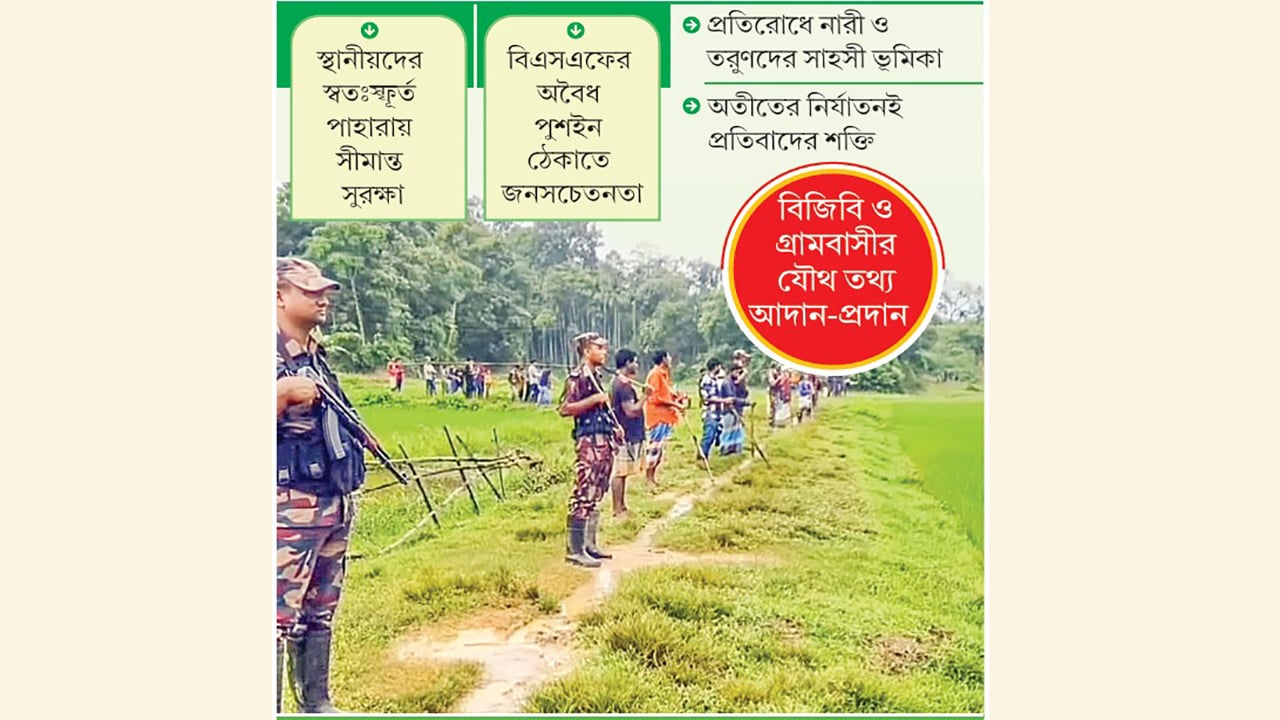
An investigative report published on July 1, 2026, describes a growing wave of civilian resistance along Bangladesh’s northern border, where local residents are joining Border Guard Bangladesh (BGB) patrols to counter alleged unilateral push-in attempts by India’s Border Security Force (BSF). From June 20 to 24, field visits across several northern districts revealed that villagers, including women and youth, are standing guard at night with torches, microphones, and whistles, forming a human barrier against incursions. BGB officials confirmed that this spontaneous public participation has significantly helped prevent unwanted incidents. Diplomatic sources cited a sharp rise in forced push-ins of ethnic Bengali groups, including women and children, from India’s West Bengal and Tripura states. Bangladesh’s Foreign Ministry reiterated that such actions, conducted without legal or bilateral procedures, violate international border laws and harm bilateral relations. Human Rights Watch also reported that India’s actions breach international norms. Despite the community’s vigilance, the report highlights severe infrastructural limitations on the Bangladeshi side, including poor border roads that hinder rapid BGB response. Officials and local representatives called for urgent road improvements to strengthen border defense and coordination.
France advanced to the World Cup round of 16 with a commanding 3-0 victory over Sweden in New Jersey. Kylian Mbappé led the charge with two goals, while Barcola added another. The French side dominated possession and chances throughout, with Mbappé’s first-half strike breaking the deadlock just before halftime. He celebrated by embracing coach Didier Deschamps, who recently lost his mother. In the second half, France maintained their attacking rhythm. Barcola doubled the lead in the 53rd minute from an Olise assist, and Mbappé sealed the win in the 74th minute with his second goal, again assisted by Olise. Sweden’s goalkeeper Zetterström made several saves to prevent a heavier defeat, as France registered 25 shots, 12 on target, while Sweden managed eight without serious threat. With six goals in the tournament, Mbappé now matches Lionel Messi in the Golden Boot race and has 18 career World Cup goals, one behind Messi’s record 19. France will face Paraguay, who eliminated Germany on penalties, in the next round.

A young man was shot dead and more than fifty others were injured during a violent clash between two groups in Bhanga upazila of Faridpur on Tuesday night. The confrontation erupted between residents of Purba Hasamdia and Kapuria Sadardi villages near the Dakshinpara bus stand. The deceased, Suman Sheikh, was a restaurant worker from Kapuria Sadardi village. The conflict reportedly began after a minor altercation between youths from the two villages several days earlier. Police and local sources said the situation escalated when hundreds of young men from both sides gathered near a bridge and engaged in multiple rounds of chasing and counter-chasing. Shots were fired at the Kapuria Sadardi group, injuring Suman Sheikh and three others. The violence disrupted traffic on the Bhanga-Faridpur-Barishal-Mawa highway. Police attempted to control the situation, but as tensions rose, they used tear gas and batons to disperse the crowd. Bhanga Police Station Officer-in-Charge Md. Mizanur Rahman confirmed that one injured youth had died and that additional police forces were deployed to maintain order. Legal procedures are ongoing.

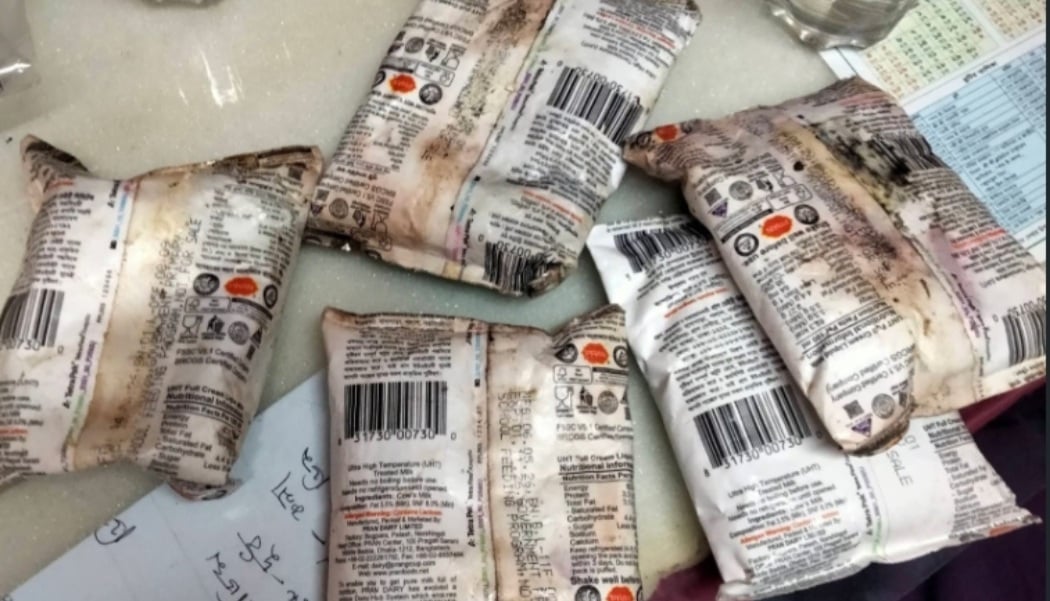
Serious allegations have emerged regarding the quality, storage, and distribution of milk supplied under the school feeding program in several government primary schools in Bajitpur upazila of Kishoreganj. Reports indicate that milk packets distributed to students were dirty, with dust, dark stains, and even insects visible on some packets. Similar complaints had previously been raised about the supply of bread, eggs, and bananas under the same program, prompting parents to express concern over potential health risks to children. During a visit to Humaypur Government Primary School, milk packets were found in unhygienic condition, while earlier incidents at Gazirchar Government Primary School involved moldy bread and rotten eggs. Local parents questioned whether substandard food had been distributed for a long time and criticized the apparent neglect of rural students’ nutrition. Similar complaints were also reported from Mashimpur Government Primary School, where teachers and parents expressed dissatisfaction. Local residents and concerned groups have urged authorities to test the quality of all food items distributed under the program and to conduct a transparent investigation into the allegations to ensure accountability and safety.
Bangladesh Bank has maintained its contractionary monetary stance for the first half of fiscal year 2026–27, keeping the policy rate unchanged at 10 percent due to inflation remaining above target. The central bank reduced the private sector credit growth target to 6.8 percent and announced a 600 billion taka stimulus package to revive economic activity. The new policy was unveiled by Governor Mostakur Rahman at the bank’s headquarters, with senior officials in attendance. The statement noted that inflationary pressure rose again in the second half of 2025–26 due to fuel price adjustments, flood-related agricultural losses, and higher global commodity prices linked to the Iran conflict. Bangladesh Bank forecasted 6.1 percent GDP growth for the coming fiscal year, while the government set a 6.5 percent target. Real GDP growth in 2025–26 was 4.14 percent, showing modest recovery but still weak momentum. The bank also introduced an 18‑month plan to reduce non‑performing loans, proposed new financial laws for faster case resolution, and capped the interest rate spread at four percent to improve banking discipline and competitiveness.
The Bangladesh Parliament on Tuesday passed the national budget for the 2026–27 fiscal year, amounting to Tk 9.38 trillion. The passage was completed through approval of the Appropriation Bill 2026, presented by Finance Minister Amir Khosru Mahmud Chowdhury. The budget takes effect from July 1, following presidential consent and gazette publication. The session, chaired by Speaker Hafiz Uddin Ahmed, approved the budget by voice vote after ministers defended expenditure proposals for 59 ministries. The new budget, titled “Journey Toward a Democratic, Humane, and Inclusive Economy,” is the country’s 55th and the finance minister’s first. It is 18.73% larger than the previous year’s budget and targets 7.5% inflation and 6.5% GDP growth. The budget sets a deficit of Tk 2.43 trillion, to be financed through domestic and foreign borrowing. Revenue collection is targeted at Tk 6.95 trillion, with an Annual Development Programme of Tk 3 trillion. Opposition lawmakers raised 1,343 cut motions and called for greater transparency and accountability in project implementation. They also demanded efficient use of funds and reduction of waste, while the government incorporated 64 amendments, including higher tax-free income limits and revised VAT measures.

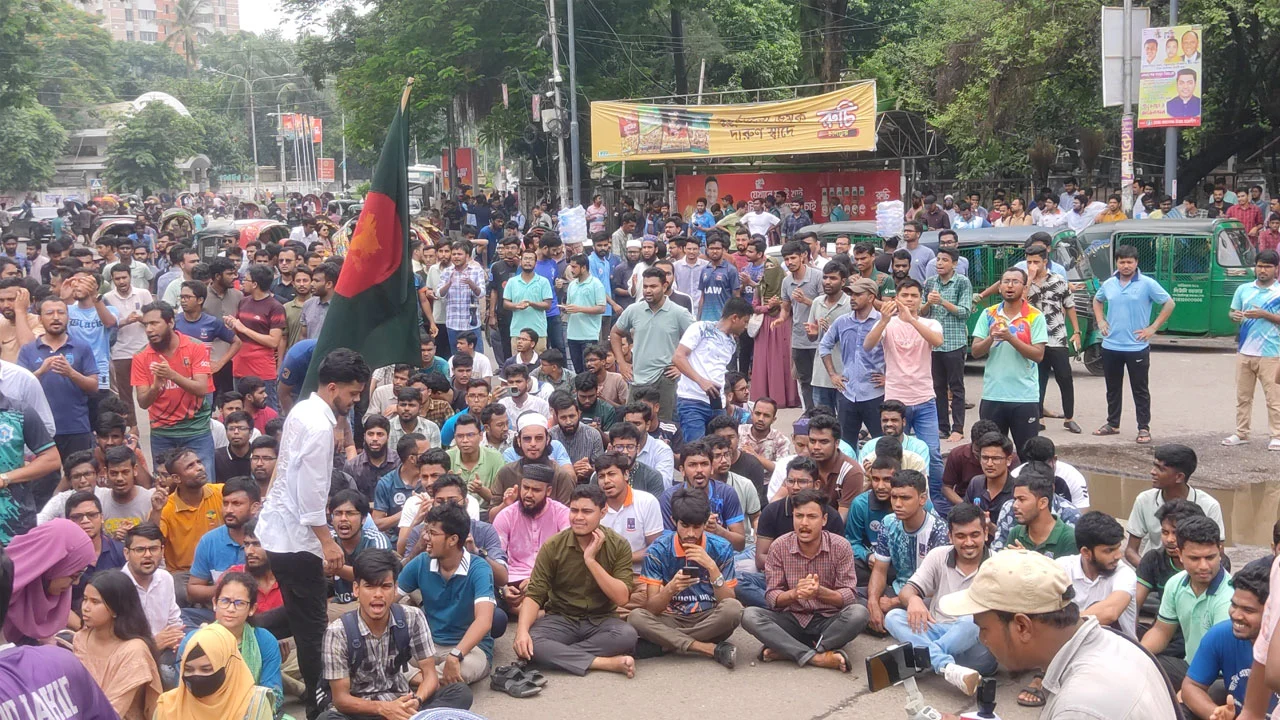
Bangladesh today observes the third anniversary of the July Revolution, which began on July 1, 2024, as a student-led uprising demanding reform of the government job quota system. The movement, initially peaceful, escalated after violent crackdowns by law enforcement and ruling party activists, leading to widespread protests across the country. The uprising culminated in early August 2024 with the fall of Sheikh Hasina’s government, ending more than sixteen years of her rule. The roots of the July Revolution trace back to 2018, when students under the Bangladesh General Students’ Rights Council demanded quota reform. Although the government initially abolished quotas for first- and second-class jobs, a 2024 High Court ruling reinstated them, reigniting protests. Students from major universities, including Dhaka, Jahangirnagar, Rajshahi, and Chittagong, organized demonstrations and set deadlines for the government to act. The newly formed Anti-Discrimination Student Movement coordinated nationwide actions, calling for the cancellation of the reinstated quota system. The July 2024 protests evolved into a mass movement that reshaped Bangladesh’s political landscape, marking a turning point in the country’s struggle against authoritarianism.
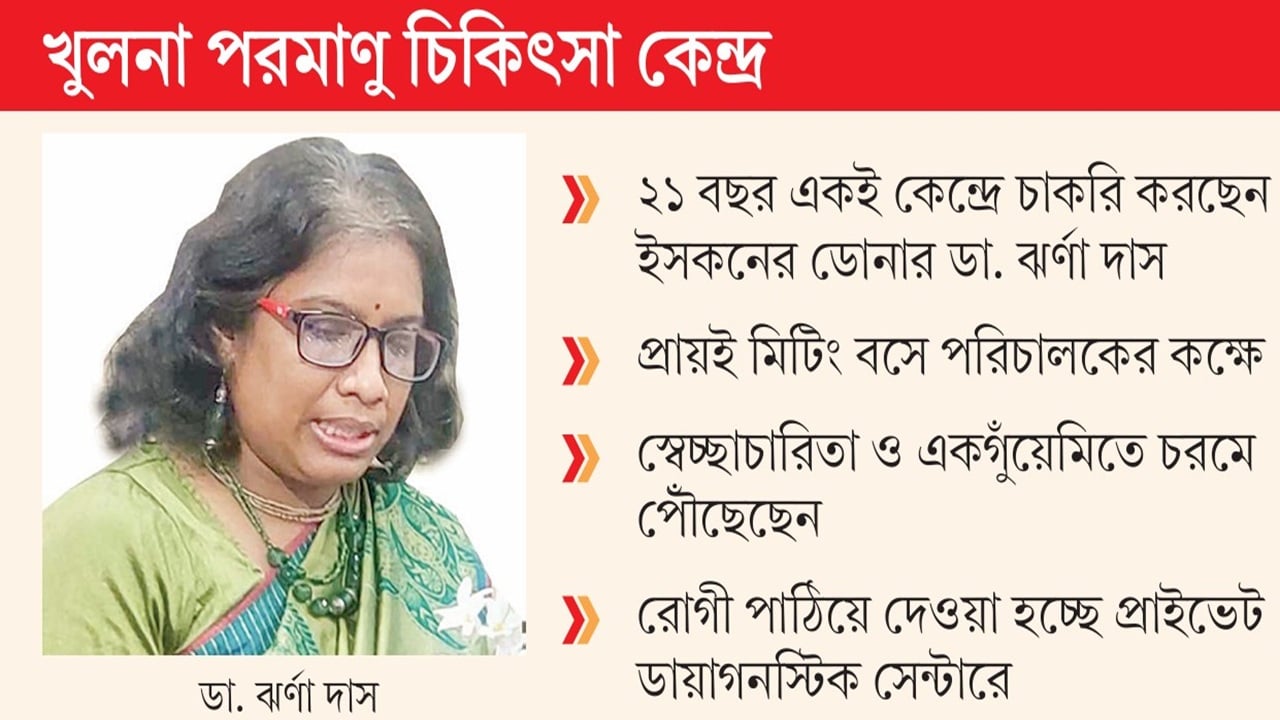
The Khulna Institute of Nuclear Medicine and Allied Sciences, established in 1983 under the Bangladesh Atomic Energy Commission, is facing severe allegations of mismanagement and favoritism. Patients from distant areas are reportedly suffering as serial registration closes before 8:30 a.m., and test reports are delayed by up to ten days. Many are redirected to private diagnostic centers. Director Dr. Jharna Das, who has been at the center for 21 years, is accused of running ISKCON-related activities within the government facility and providing free tests and early reports to ISKCON members while ordinary patients endure long waits. Staff members allege that Dr. Das’s prolonged tenure has led to authoritarian behavior, irregularities, and corruption. Fourteen employees have sought transfers due to her conduct. Written complaints have been submitted to the Atomic Energy Commission chairman and the finance director, citing procurement corruption and administrative disorder. Despite having modern equipment, the center performs limited daily tests, and the director reportedly conducts private diagnostic work using government vehicles. Attempts to contact Dr. Das for comment were unsuccessful, as she was reportedly on leave and declined to respond to inquiries.
A major controversy erupted at the 2026 World Cup after Germany’s extra-time goal against Paraguay was disallowed following a VAR review. In the round of 32 match at Boston Stadium, Jonathan Tah’s header in the 102nd minute was ruled out after the referee, consulting the video assistant referee, determined that defender Waldemar Anton had lightly impeded Paraguayan goalkeeper Orlando Gill. The match ended 1-1 and went to penalties, where Paraguay triumphed 4-3, eliminating Germany from the tournament. French football legend Thierry Henry condemned the decision as “crazy” and “very poor,” arguing that the contact was minimal and the goal should have stood. He said Germany had been “robbed” of a legitimate goal. Analysts Roy Keane and Alan Shearer also criticized the call, suggesting the goalkeeper had misjudged the cross and exaggerated the contact to influence the review. The incident reignited debate over the effectiveness of VAR technology and its role in correcting “clear and obvious errors,” with renewed scrutiny on how such decisions impact major tournament outcomes.

Germany’s head coach Julian Nagelsmann has conceded that the national team is no longer among the world’s top football powers after their elimination from the 2026 World Cup. Despite a 7–1 victory over Curaçao, Germany lost to Paraguay in a penalty shootout in the round of 32 at Boston’s Foxboro Stadium, marking their third consecutive early exit from a major tournament. Nagelsmann described the defeat as deeply disappointing and acknowledged that the team’s current level does not match its historic reputation. In the post-match press conference, Nagelsmann criticized a VAR decision that disallowed Jonathan Tah’s extra-time header, calling it “a complete joke.” He also dismissed speculation about his resignation, saying he would continue if the German Football Association (DFB) wanted him to stay. The coach emphasized that he would not walk away from the challenge despite public criticism. Nagelsmann hinted at the need for major structural changes to restore Germany’s former strength, suggesting that significant reforms and new solutions are required for the team’s future direction.

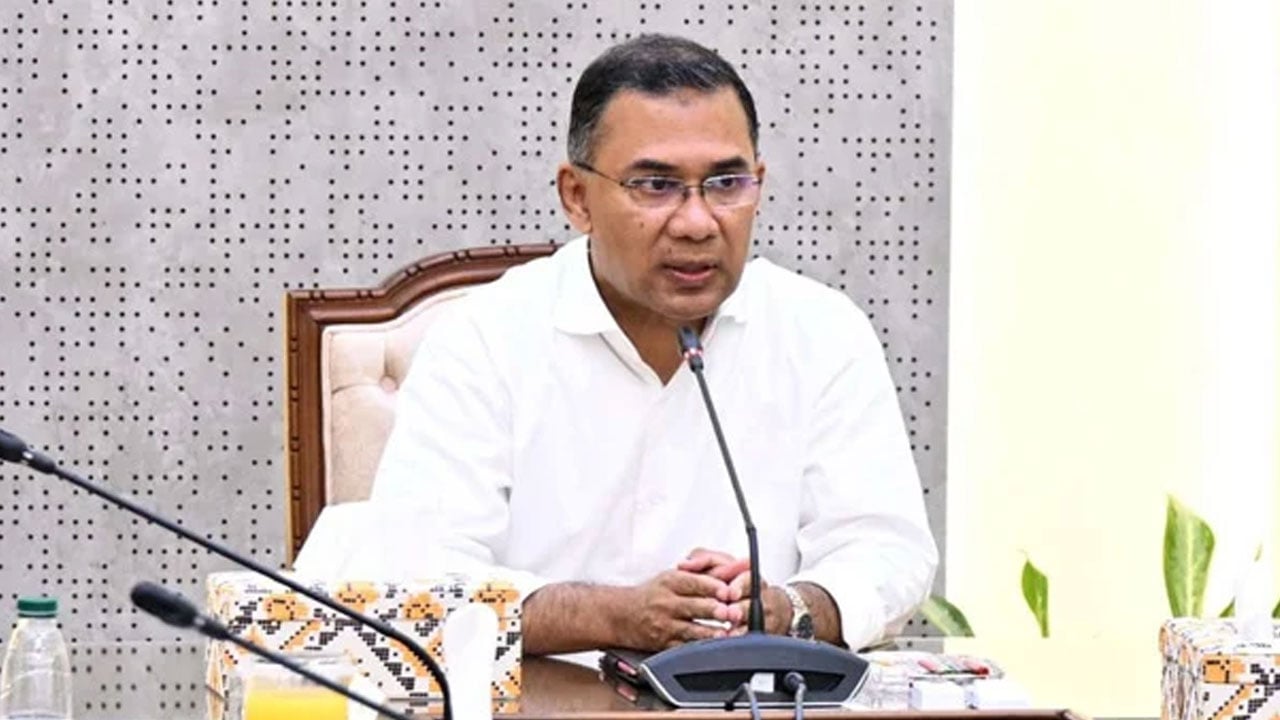
Prime Minister Tarek Rahman has ordered the cancellation of the traditional post-budget dinner for the 2026–27 fiscal year. The decision, confirmed by Additional Press Secretary Atikur Rahman Rumman, was made to reduce government expenditure. The cancellation is expected to save approximately 5 million taka. The dinner, usually hosted by the Ministry of Finance at the Parliament complex on the night of the budget’s passage, typically includes the prime minister, opposition leaders, cabinet members, lawmakers, senior officials, and journalists. According to the press secretary, previous administrations under former Prime Minister Sheikh Hasina spent between 3 to 5.5 billion taka annually on hospitality, with additional costs of 1 to 1.2 billion taka each year. The Bangladesh Tourism Corporation had supplied meals for the Prime Minister’s Office, and outstanding dues from those years are still being repaid by the current government. Rumman added that since taking office, Prime Minister Rahman has reduced hospitality allowances. In the current month, the Prime Minister’s Office spent 1.69 million taka on hospitality, while around 9 million taka was spent on two Eid events at the state guesthouse Jamuna.
The ‘1 Nojor’ media platform is now live in beta, inviting users to explore and provide feedback as we continue to refine the experience.