

The ‘1 Nojor’ media platform is now live in beta, inviting users to explore and provide feedback as we continue to refine the experience.
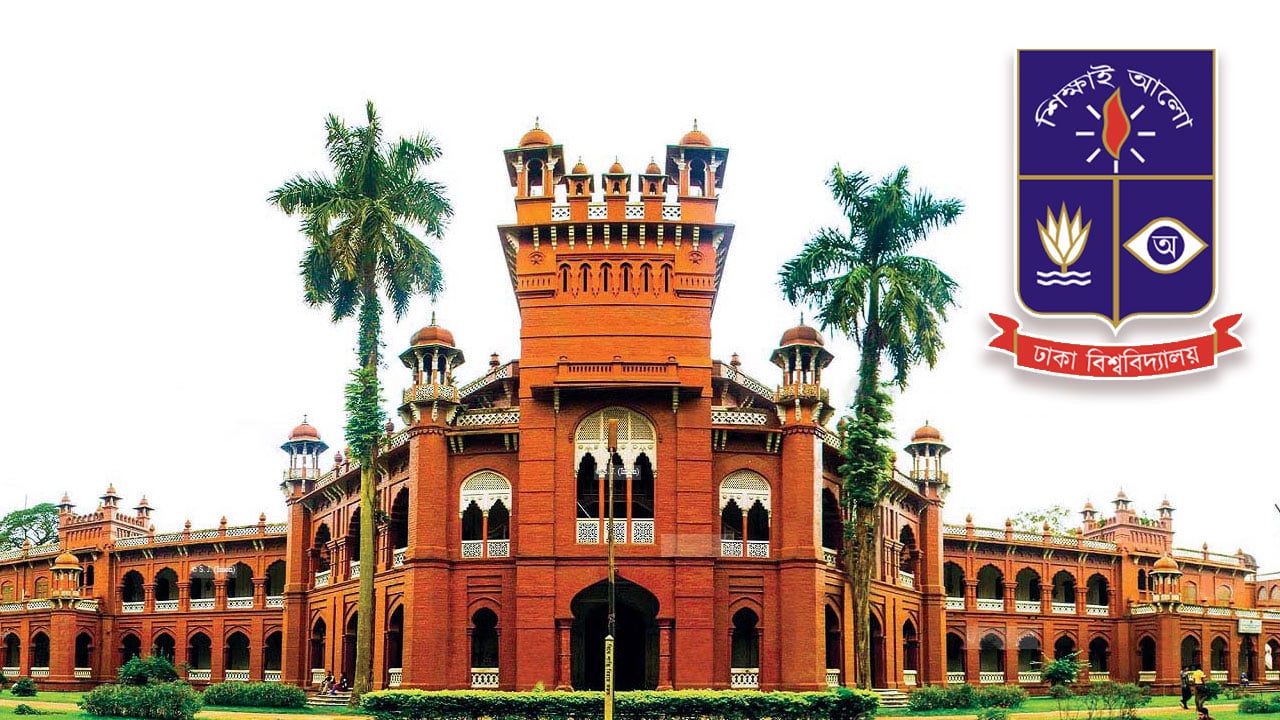
The Zoology Department of Dhaka University is facing controversy over the recruitment of three lecturers in Parasitology, Fisheries, and Wildlife branches. According to administrative sources, candidate recommendations have been finalized following oral exams held on November 27, 2025, and the final approval awaits the university syndicate’s next meeting. Allegations have surfaced that several candidates were favored due to political connections and influence rather than merit. Reports claim that Jannatun Nahar Jhinuk, recommended for Parasitology, is linked to former BUET Chhatra League leader Aminul Haque Palash, who allegedly used his influence from abroad to support her appointment. Professor Aminul Islam Bhuiyan, a member of the recruitment board, denied the allegations, asserting that Jhinuk was academically superior. In the Wildlife branch, candidate Ashiqur Rahman Sami, reportedly an aide to an interim government adviser, was recommended despite lower academic results. In Fisheries, Anika Tabassum, ranked fifth, was also nominated, prompting complaints from other candidates. University officials stated that the recruitment process followed academic merit and that final approval depends on the syndicate’s decision.
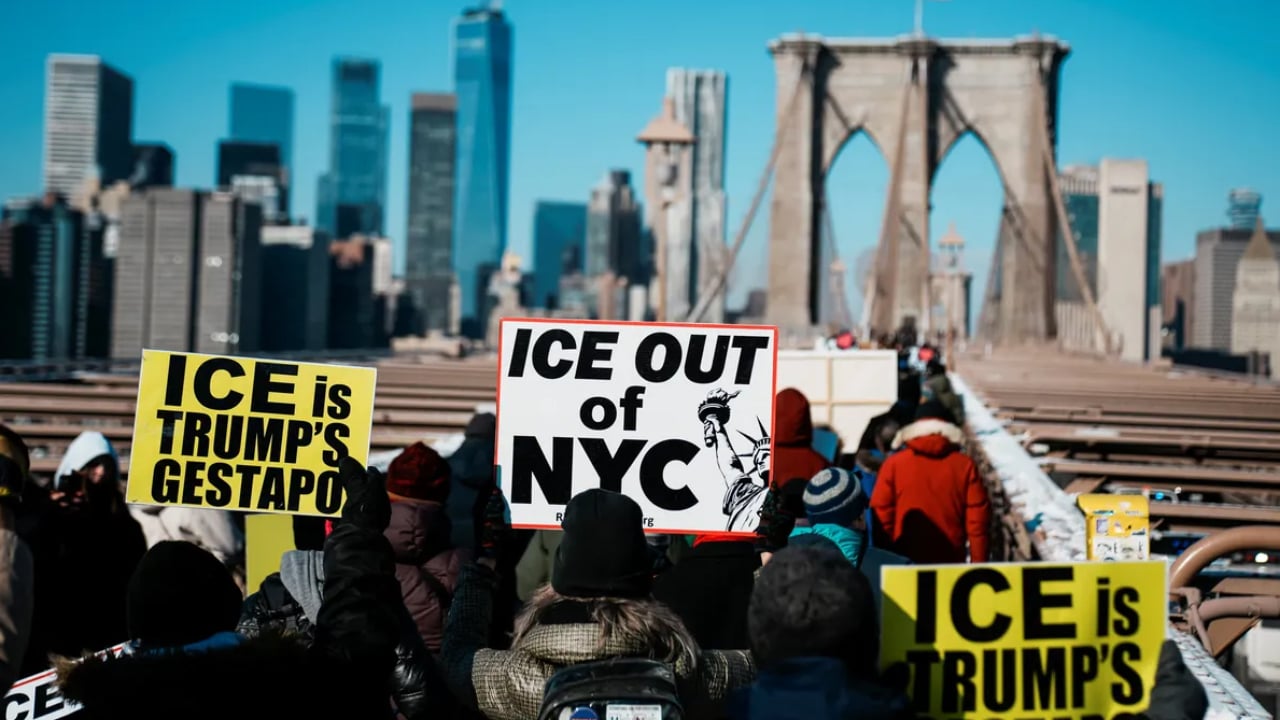
Thousands of people across the United States protested on Tuesday against President Donald Trump’s immigration policy. The demonstrations were organized by labor unions, leftist groups, and civic organizations, taking place in cities and university campuses nationwide. The protests followed weeks of unrest sparked by the fatal shooting of a man by a federal agent in Minneapolis. Hundreds gathered in Washington, while smaller cities such as Asheville, North Carolina, also saw rallies. Protesters voiced opposition to federal immigration enforcement, chanting slogans against ICE and other agencies. The Trump administration defended its deportation policy as part of its electoral mandate. However, recent opinion polls cited in the report indicated that most Americans oppose the use of force by immigration and federal officers against undocumented immigrants. Students from several universities joined the demonstrations, with participants in Cleveland, Ohio, and Santa Fe, New Mexico, walking out of classes to attend rallies. Additional gatherings were planned in cities including San Francisco and Seattle.
Bangladesh’s Election Commission has finalized 1,967 candidates to contest in 300 parliamentary constituencies after 305 individuals withdrew their nominations on Tuesday, the last day for withdrawal. The final list includes 290 candidates from the BNP, 216 from Jamaat-e-Islami, 30 from the National Citizens Party (NCP), 259 from Islami Andolan Bangladesh, 196 from Jatiya Party, and 92 from Gano Adhikar Parishad. More than 300 independent candidates will also compete, including over 50 described as BNP rebels and former minister Abdul Latif Siddique, who is running independently. According to the Election Commission, returning officers will allocate election symbols to candidates on Wednesday. Registered political parties will receive their official symbols, while independent candidates will choose from a list of approved symbols. If multiple candidates select the same symbol, allocation will be decided by lottery. With symbol distribution set for today, the official campaign period begins tomorrow, marking the start of the final phase of election preparations across the country.
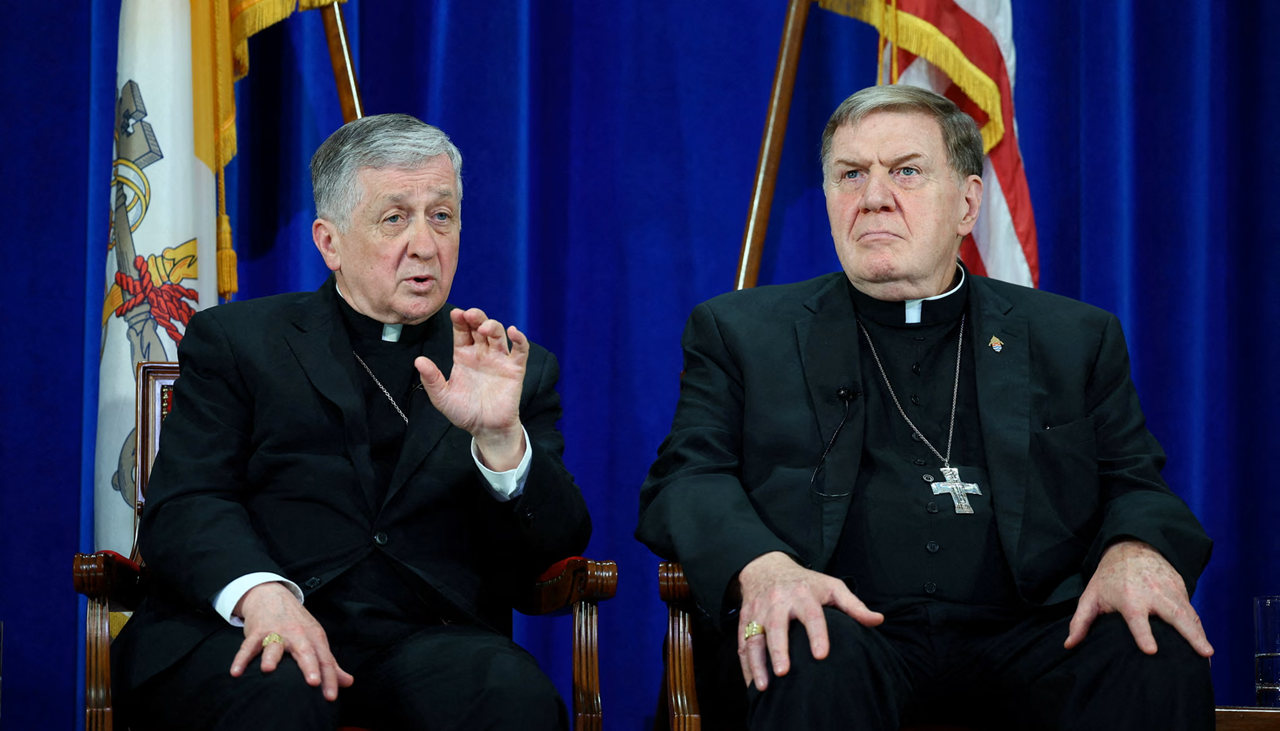
Three senior leaders of the US Catholic Church have issued a joint statement sharply criticizing the Trump administration’s foreign policy, questioning America’s moral role in global politics. The Archbishops of Washington, Newark, and Chicago—Cardinals Robert McElroy, Joseph Tobin, and Blase Cupich—expressed deep concern over the ethical justification for the use of military power in recent events involving Venezuela, Ukraine, and Greenland. They stated that military action should be a last resort in extreme circumstances, not a routine tool of national policy. The cardinals avoided partisan analysis but their remarks were seen as a reflection of growing dissatisfaction within the Church toward national leadership under Trump. Their statement referenced controversies surrounding threats to seize Greenland, naval operations against Venezuela, and the detention of President Nicolás Maduro without congressional approval. Pope Leo XIV also urged respect for Venezuela’s sovereignty and emphasized dialogue over violence, while warning that Trump’s peace plan for Ukraine could alter transatlantic alliances. Cardinal Cupich further noted concern over the decision to dismantle USAID, a long-standing humanitarian agency. The cardinals warned that force-based global systems undermine nations’ sovereignty, calling the administration’s moral outlook “Darwinian.”
Police recovered the decomposed body of BNP activist Golakajul, also known as Kajol, from the Padma River in Alatuli Union of Chapainawabganj district on Tuesday, 19 days after he went missing. The body was found opposite Godagari police station in Rajshahi. Kajol, aged 36, was a resident of Bagdanga Chakpara village in Charbagdanga Union. His family alleged that on January 2, an Awami League activist named Hasem took him from his home, after which he never returned. Kajol’s wife, Lima Begum, filed an abduction case on January 8 against eight people, including Omar Ali, president of the local Awami League unit, and Nurul Islam, president of the district Weavers League. Police said the body was sent for autopsy to the modern district hospital morgue. Kajol’s brother, Shawkat Ali, identified the body and claimed that Kajol had earlier argued with local traders over business matters. Investigators said the cause of death would be determined after receiving the post-mortem report, while the abduction case remains under investigation.
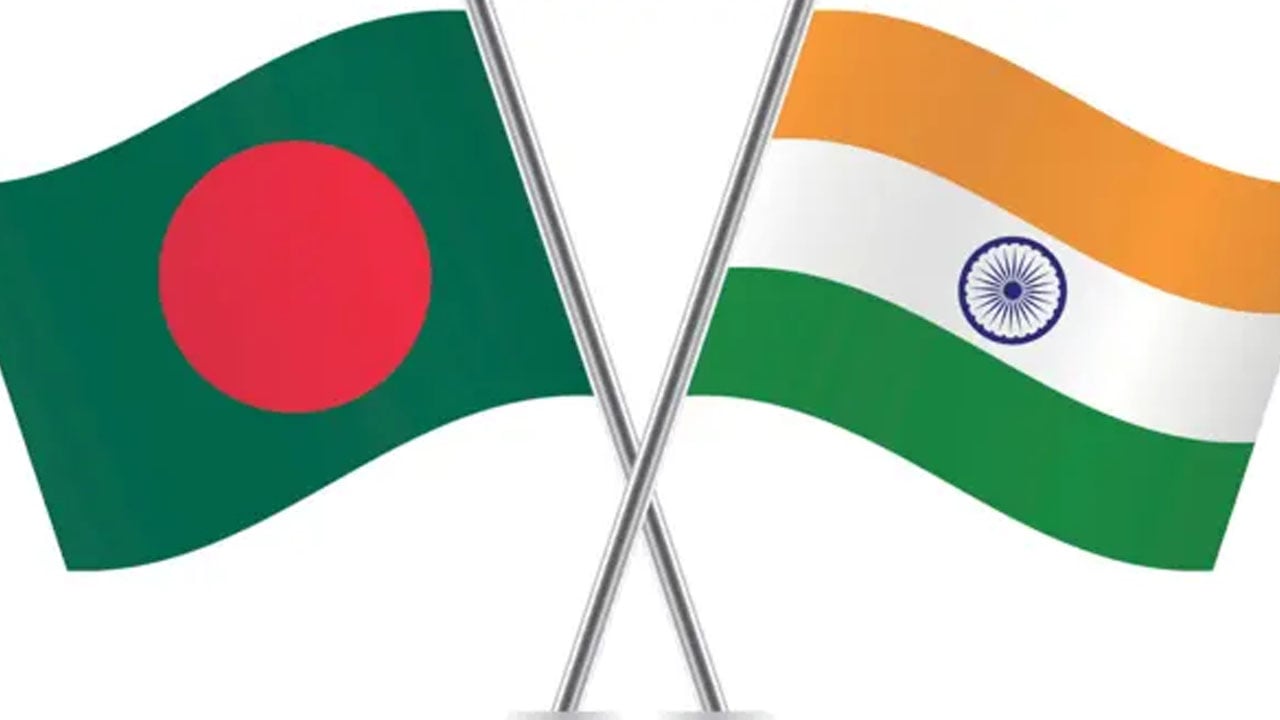
India has decided to recall the family members of its diplomats stationed in Bangladesh, citing security reasons. The country has also designated Bangladesh as a ‘non-family posting’ for its diplomatic staff. Despite this move, India’s High Commission in Dhaka and its Assistant High Commissions in Chattogram, Khulna, Rajshahi, and Sylhet will remain open and continue normal operations, according to a report by the Hindustan Times. The report, quoting unnamed sources, stated that the decision had been under consideration for some time due to the overall security situation. As part of the process, officials working in the mentioned missions have been advised to send their families back to India. However, no specific timeline has been set for when the families will return, and details about the number of Indian diplomats currently serving in Bangladesh were not disclosed. The move comes just weeks before Bangladesh’s national election, scheduled for February 12, 2026, suggesting heightened caution by India regarding the security environment in the neighboring country.
The UEFA Champions League group stage has reached its final phase, with several decisive matches scheduled tonight. European giants Barcelona, Liverpool, and Bayern Munich are among the teams fighting for crucial points that could reshape the standings. Matches include Galatasaray vs Atlético Madrid and Qarabag vs Frankfurt at 11:45 p.m., followed by Marseille vs Liverpool, Newcastle vs PSV, Slavia Prague vs Barcelona, Juventus vs Benfica, Chelsea vs Pafos, Bayern vs Union Saint, and Atalanta vs Athletic Bilbao at 2:00 a.m. Barcelona’s clash with Slavia Prague is one of the night’s highlights. Slavia recently won 4–3 in their last competitive match, while Barcelona, with three wins, one draw, and two losses in six games, sit 15th with 10 points, two behind the top eight. For Slavia, winless in six matches and four points off the playoff zone, victory is vital. Bayern are clear favorites against Union Saint, while Liverpool face a tough test away to Marseille’s passionate crowd. By the end of this round, the future of many teams in the tournament could become clearer, marking a decisive moment for both big and smaller clubs.

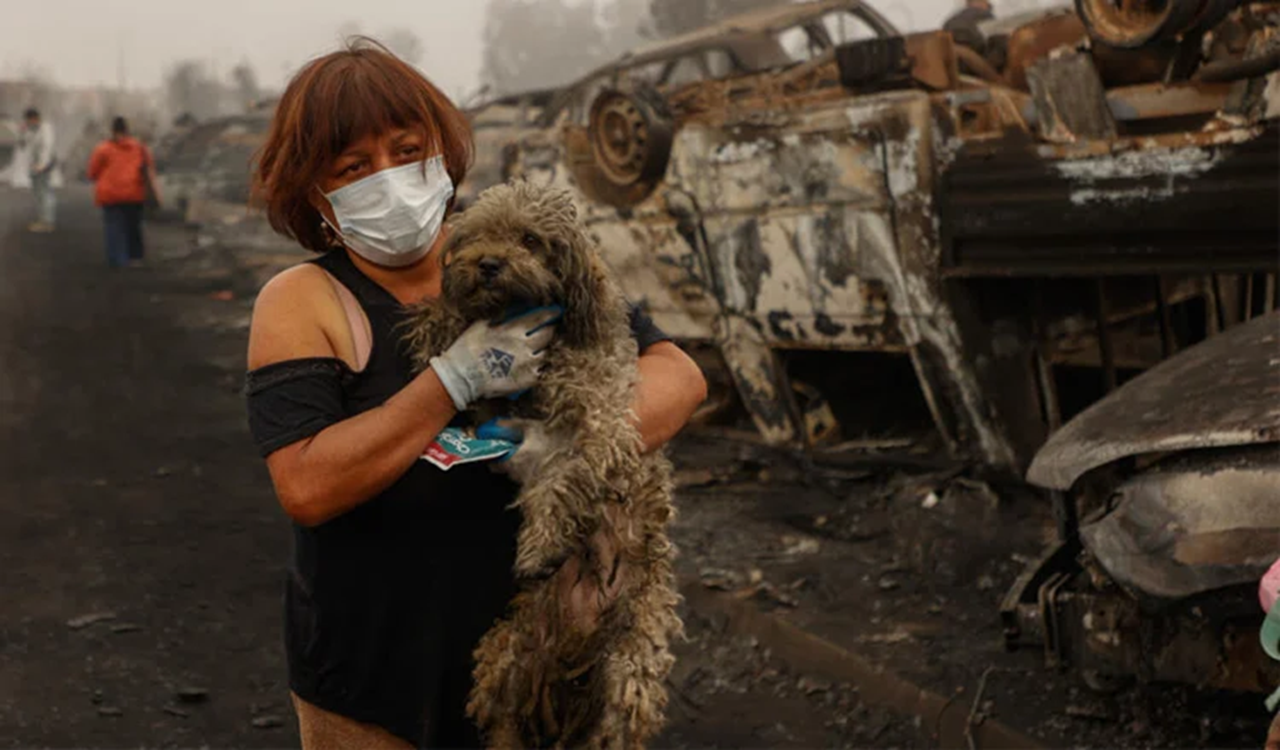
At least 20 people have died in four days of devastating wildfires across southern Chile, leaving entire communities in ruins and thick smoke blanketing the air. The fires have burned an area comparable to the size of Detroit in the United States, mainly in the Biobío and Ñuble regions, affecting about 7,200 people. Residents are appealing for urgent assistance as firefighters remain on alert amid forecasts of rising temperatures. Local accounts describe widespread frustration over limited government support, with many survivors relying on volunteers and neighbors for help. Chile’s Deputy Interior Minister Víctor Ramos said the government has intensified relief efforts and will provide financial aid ranging from 350 to 1,500 US dollars per affected family. Around 4,000 firefighters are battling 21 active fires across Biobío, Ñuble, and Araucanía regions, where hundreds of homes have been destroyed. Authorities suspect some fires were deliberately set, with one person arrested in Penco for attempted arson. Researchers link the increasing frequency of such wildfires to prolonged heat and dryness associated with climate change, making this year’s fires the worst since February 2024.
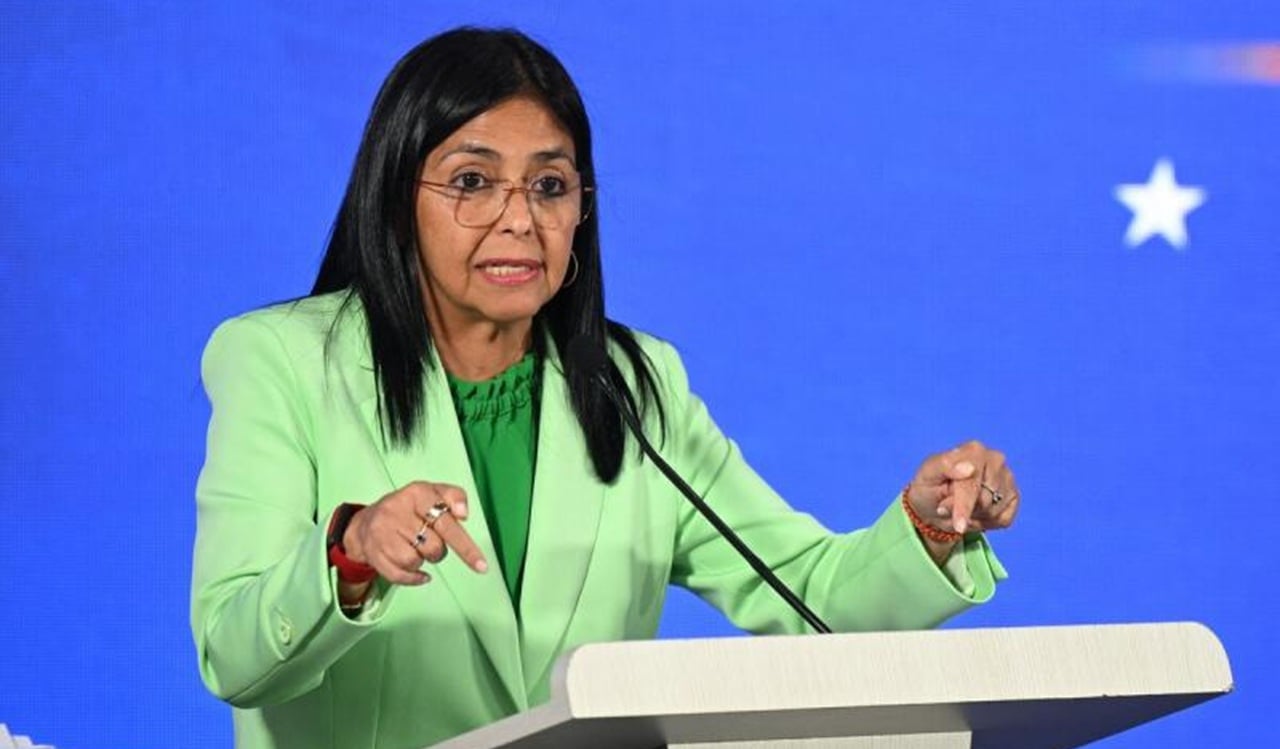
Venezuela’s interim president Delcy Rodríguez announced that the country has received 300 million U.S. dollars from oil sales. Speaking on Tuesday, she said the payment represents the first installment under a 50-million-barrel oil supply agreement announced by U.S. President Donald Trump with Caracas. The deal came into effect earlier this month following the detention of President Nicolás Maduro. According to Reuters, the Venezuelan government informed four domestic banks that the 300 million dollars, held in an account in Qatar, would be distributed among them. The funds will allow banks to sell dollars to local companies facing foreign currency shortages so they can pay for raw materials and essential imports. Rodríguez said the money, part of an initial 500 million dollar tranche, will be managed by the national and central banks to stabilize the currency market and protect workers’ income and purchasing power. On the same day, lawmaker Jorge Rodríguez stated that a proposal to reform the country’s main oil law could be discussed this week. The reform aims to attract foreign investment and build on existing partnership models introduced under Maduro’s administration.
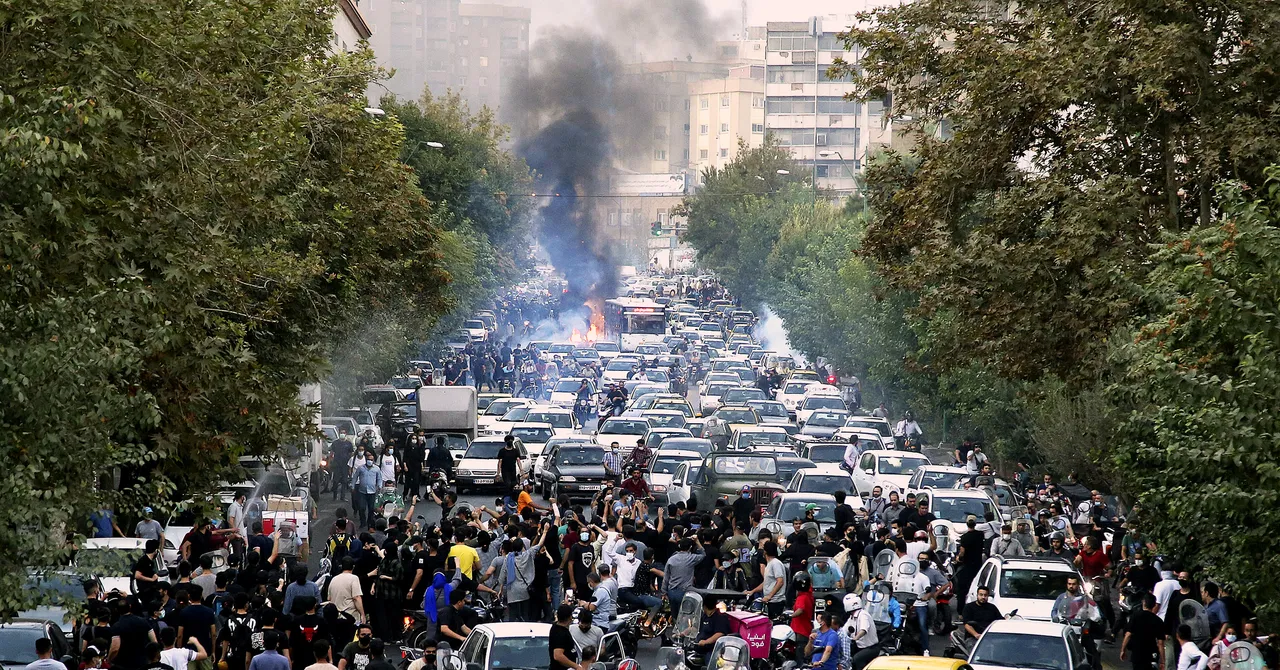
Iranian authorities have initiated the punishment process for individuals detained during recent anti-government protests across the country. Judiciary chief Gholam-Hossein Mohseni-Ejei announced on January 19 that judicial operations have been intensified, warning that leniency toward those deemed undeserving would contradict justice. The government has also restricted internet access nationwide, citing security concerns, after briefly restoring partial connectivity the previous day. Mohseni-Ejei met with President Masoud Pezeshkian and Parliament Speaker Mohammad Bagher Ghalibaf before issuing a joint statement pledging strict action against what they called 'murderous and terrorist instigators.' However, they said protesters misled by foreign powers might receive 'Islamic compassion.' Iranian officials again accused the United States and Israel of funding and arming demonstrators. Supreme Leader Ayatollah Ali Khamenei claimed that several thousand people were killed in the unrest but attributed the deaths to agents linked to foreign powers rather than state forces. The protests began on December 28 in Tehran’s downtown commercial district and have led to the arrest or detention of more than 10,000 people, according to estimates cited in the report. Authorities continue to release new arrest data daily.
A senior BNP leader, Fazlul Haque Chumku, aged 52, died in a motorcycle accident on Tuesday night in Patiya upazila of Chattogram. The incident occurred around 9:30 p.m. on the Chattogram–Cox’s Bazar highway near the Badamtal area. Chumku, a resident of Habilasdweep Union and son of the late Abul Hashem, lost control of his motorcycle while trying to save a homeless woman standing in the middle of the road. His friend Mustafa Morshed, who was riding with him, sustained minor injuries. According to local and eyewitness accounts, Chumku appeared unhurt immediately after the crash and returned home around 8 p.m. Later, he suddenly felt unwell and began vomiting. Family members prepared to take him to the hospital, but he died around 9 p.m. before reaching there. Former Habilasdweep Union Parishad chairman Shafiqul Islam confirmed the sequence of events and described Chumku as a dedicated BNP activist despite holding no current party position. The accident has drawn local attention due to the circumstances of Chumku’s death while attempting to prevent harm to another person.
Bangladesh’s domestic textile industry, with investments worth about $25 billion, is facing severe pressure due to a surge in low-priced yarn and fabric imports from India. The Bangladesh Textile Mills Association (BTMA) reported that since 2022, yarn imports from India have risen sharply—from $429 million in 2022 to $2.28 billion in 2024—now accounting for 95 percent of total yarn imports. Despite a government ban on land-route imports in August 2024, Indian exporters have continued shipments by sea at dumping prices, supported by export subsidies of 3.88 percent per kilogram. BTMA and local mill owners warn that aggressive Indian pricing has forced many domestic mills to shut down, with over 30 closures in three years. The Ministry of Commerce has proposed ending bonded warehouse facilities for certain yarns to protect local spinners, while garment exporters’ associations BGMEA and BKMEA oppose the move, citing higher production costs and reduced export competitiveness. Industry leaders are urging policy support, lower bank interest rates, and stronger oversight at land ports to prevent further losses. The ongoing dispute underscores tensions between protecting domestic textile producers and maintaining competitiveness in Bangladesh’s export-oriented garment sector.

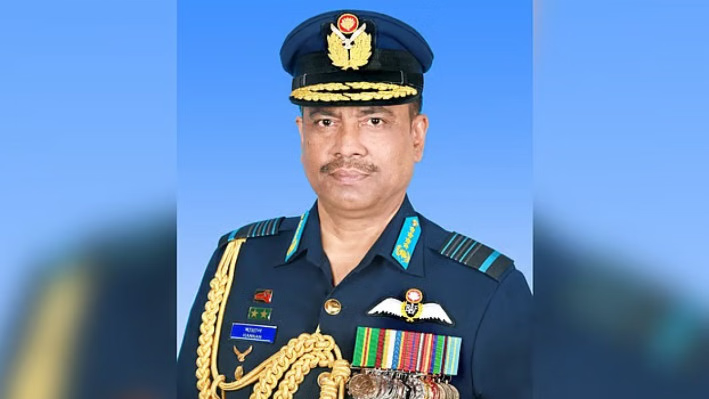
A Dhaka court has ordered the appointment of a receiver to oversee and protect immovable properties seized in a corruption case against former Air Force chief Air Chief Marshal Sheikh Abdul Hannan and his wife Tahmida Begum. The directive came from the Dhaka Metropolitan Senior Special Judge and Metropolitan Sessions Judge Court after hearing an application from the Anti-Corruption Commission (ACC). The ACC disclosed the court’s decision in a press release issued on Tuesday. According to court sources, the ACC filed the application due to the absence of a caretaker, which posed a risk of the properties being misappropriated. The ACC investigation alleges that Sheikh Abdul Hannan and his wife abused power, accepted bribes, and acquired wealth beyond known income sources. The inquiry and investigation into these allegations are still ongoing. Under the court order, two flats in Nikunja-2, a large apartment in Mirpur DOHS, a 320-square-yard plot in the Mirpur Military Officers’ Housing Project, and two plots in Rupganj, Narayanganj, will now be under the receiver’s control to ensure proper management and protection of state interests.
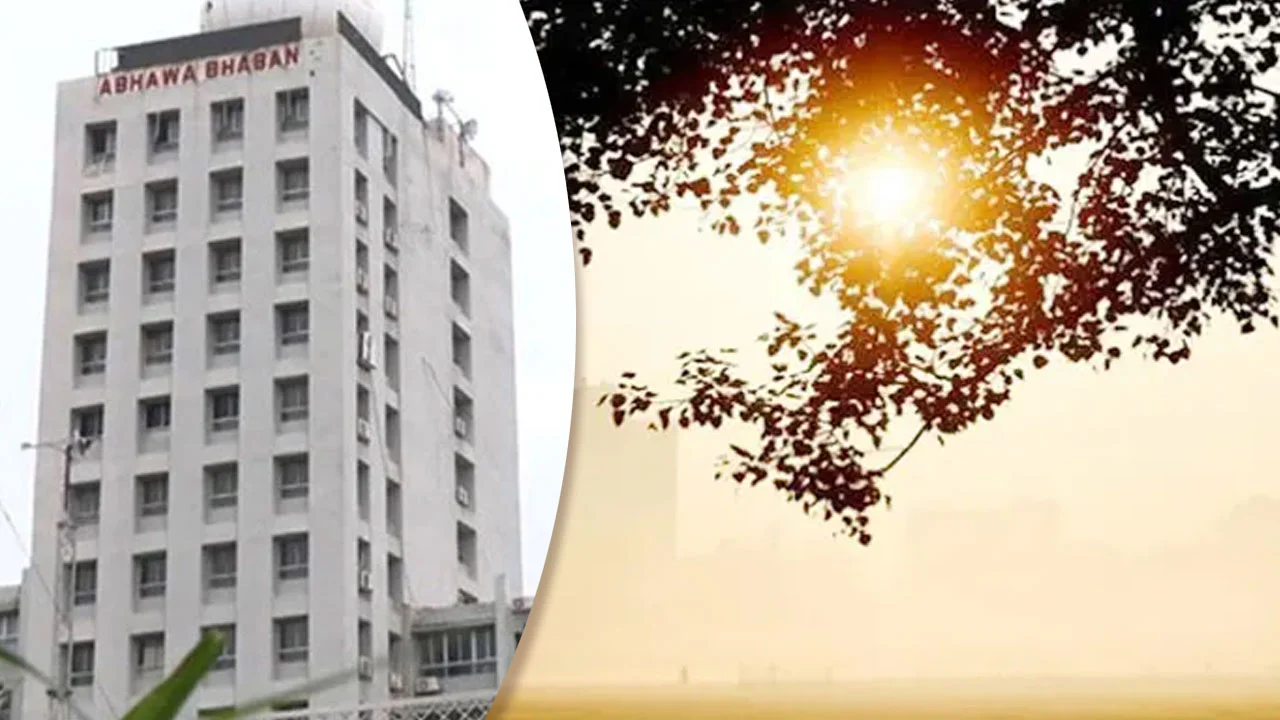
Bangladesh Meteorological Department has reported that temperatures across the country are currently 4 to 5 degrees Celsius higher than normal, even during the coldest month of the year. On Tuesday, Teknaf recorded the highest temperature at 31.4°C, while Dhaka reached 28°C. Officials described the situation as abnormal and warned that temperatures may rise further in the coming days. Meteorologist Kazi Zebun Nesa attributed the unusual warmth to air pollution and global climate change. Dr. Omar Faruk explained that a recent deep depression over the Bay of Bengal contributed to the sudden temperature increase across Bangladesh and neighboring countries. He noted that there is no sign of a cold wave or imminent temperature drop. Senior meteorologist S.M. Kamrul Hasan said the global average temperature has been rising for the past three years, affecting Bangladesh as well. He added that the minimal difference between day and night temperatures recorded on December 29 was the lowest in 73 years, underscoring the abnormal weather pattern.
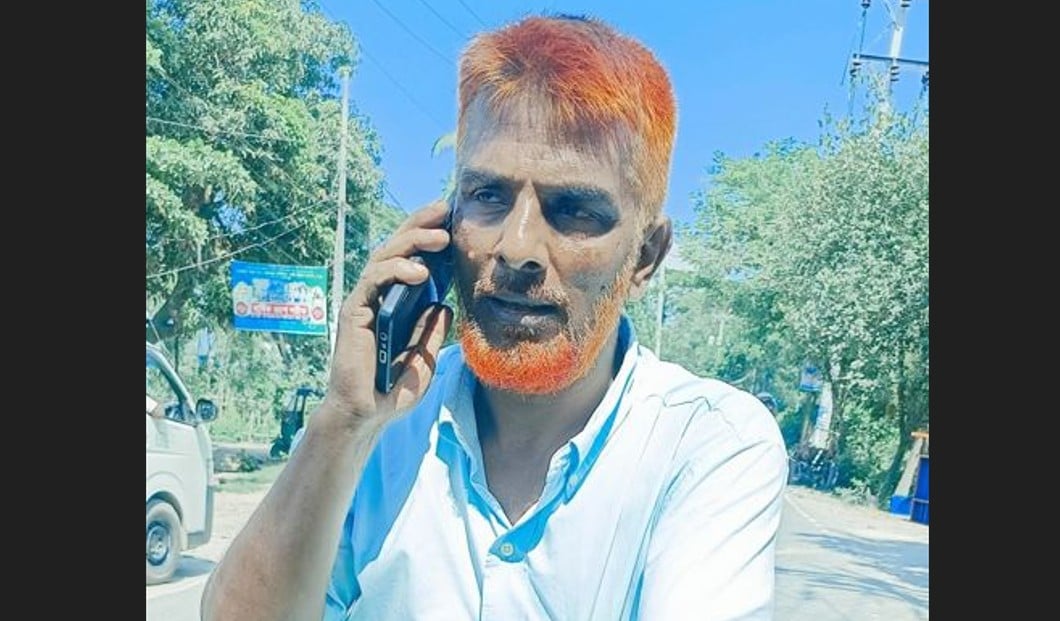
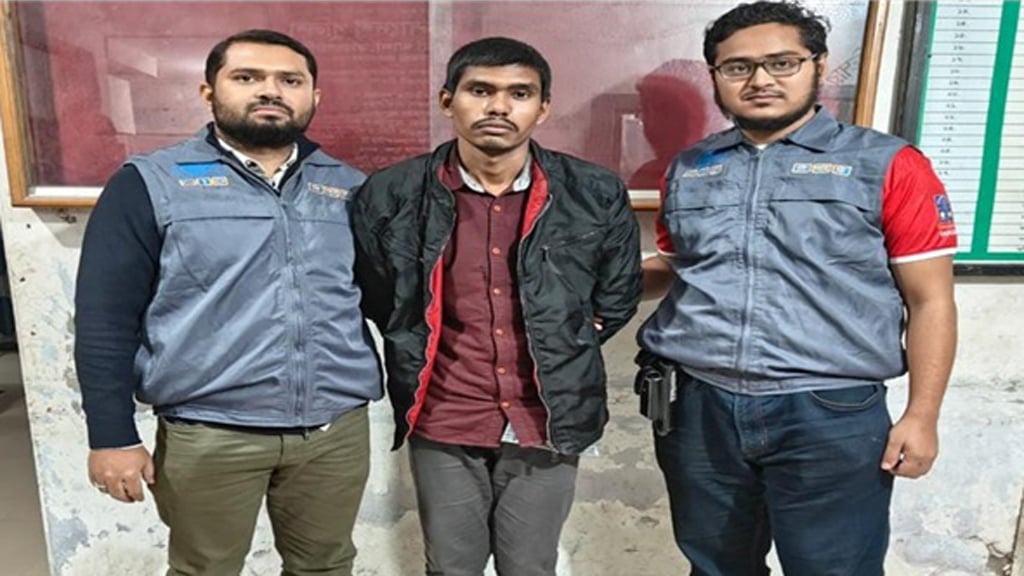
A man named Shamim Osman has been arrested for allegedly impersonating the Home Affairs adviser and sending misleading instructions to the Rajshahi Deputy Commissioner (DC) through WhatsApp. The Cyber Police Center of the Criminal Investigation Department (CID) conducted the operation on Monday in Savar, Dhaka. According to a CID press release, the suspect posed as retired Lieutenant General Jahangir Alam Chowdhury, the Home Affairs adviser, and demanded one lakh taka through mobile banking after instructing that no Awami League activists be arrested in Rajshahi. Authorities became suspicious and immediately informed the CID, which used technology to identify and apprehend the suspect. CID stated that Shamim Osman had previously committed similar frauds by impersonating senior government officials. He was also wanted under an arrest warrant issued by Bagha Police Station in Rajshahi and has been handed over to that station. Investigators are now examining whether others were involved and if the arrested man used other officials’ identities for similar fraudulent activities.
The ‘1 Nojor’ media platform is now live in beta, inviting users to explore and provide feedback as we continue to refine the experience.