

The ‘1 Nojor’ media platform is now live in beta, inviting users to explore and provide feedback as we continue to refine the experience.
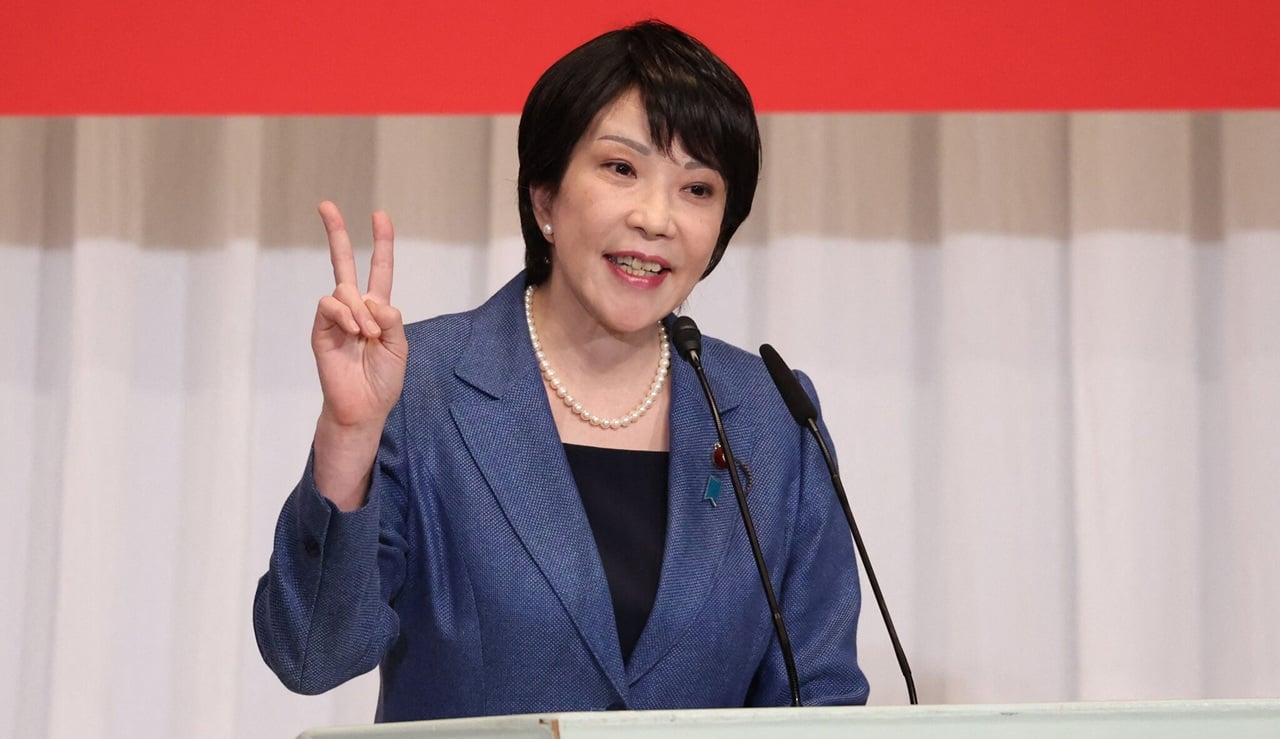
Japan’s first female prime minister, Sanae Takaichi, is set to formally announce the dissolution of parliament on Monday, paving the way for an early election aimed at accelerating her ambitious policy agenda. According to AFP, Takaichi is relying on her current popularity in opinion polls to secure victory for her ruling Liberal Democratic Party (LDP). Media reports suggest the election could be held by February 8. The LDP has long dominated Japanese politics but faces declining party support and only a slim majority in the powerful lower house, which has hindered the passage of key fiscal and defense initiatives. Tokyo University professor Sadafumi Kawato said that if the LDP wins a clear majority, Takaichi could implement her policies without concessions to other parties. Her cabinet has approved a record 122.3 trillion yen budget for the next fiscal year to tackle inflation and boost the economy. Opposition parties, however, warned that dissolving parliament could delay budget approval, with CDP leader Jun Azumi criticizing the move as harmful to citizens’ livelihoods. Analysts believe the early election could also strengthen Takaichi’s hand in dealing with China, as domestic support may enhance her international bargaining power. However, experts cautioned that Beijing might respond through trade restrictions or other measures if Japan’s stance hardens further.
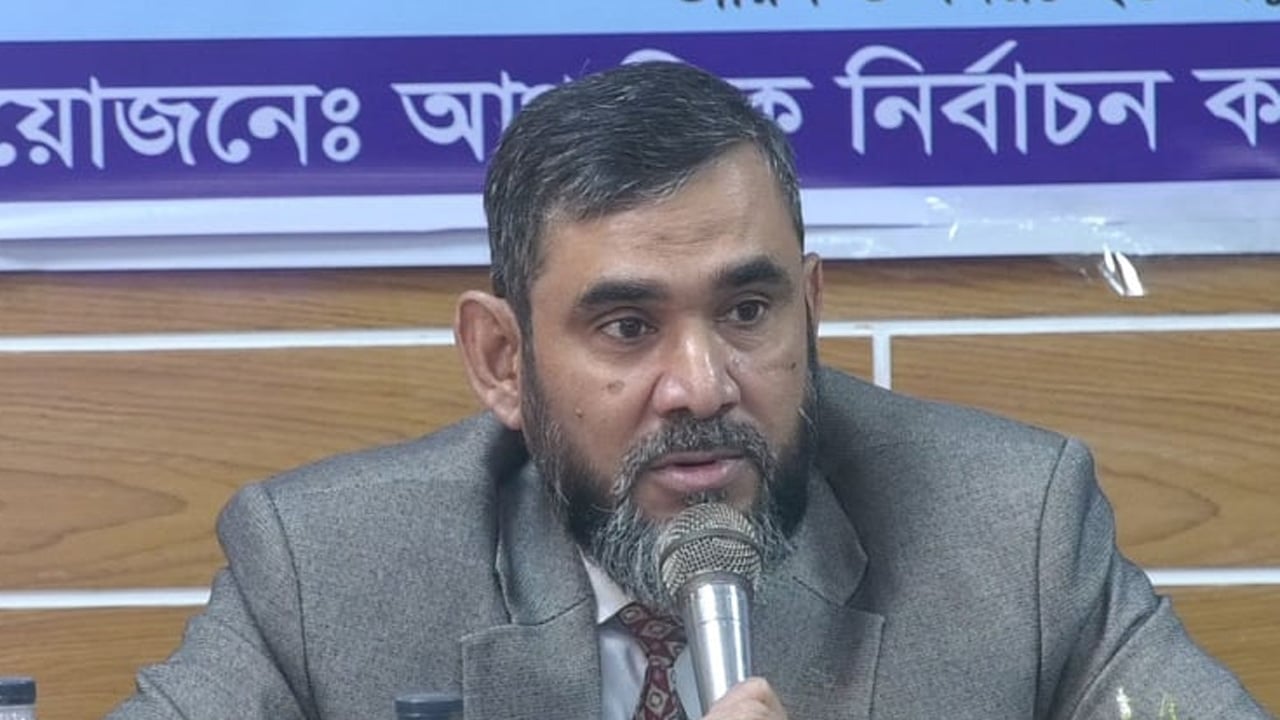
A total of 5,600 postal ballots sent to expatriate voters in Malaysia and Italy have been returned to the Bangladesh Election Commission (EC) because of incorrect or fake registered addresses. Of these, 1,600 ballots came from Italy and 4,000 from Malaysia. Election Commissioner Abul Fazl Sanaullah disclosed the information on Monday, January 19, during a training session for presiding officers assigned to oversee postal ballot counting. The returned ballots have cost the state approximately 3.92 million taka. Sanaullah explained that the ballots could not be delivered as the expatriates’ correct addresses were unavailable. He emphasized that postal ballots are secure and cannot be manipulated, citing the use of face detection technology to prevent one person from voting on behalf of another. He also dismissed misleading information circulating on social media about postal ballot fraud. According to the commissioner, each expatriate postal ballot costs the state 700 taka, and 39 ballot marks were found folded within the papers.
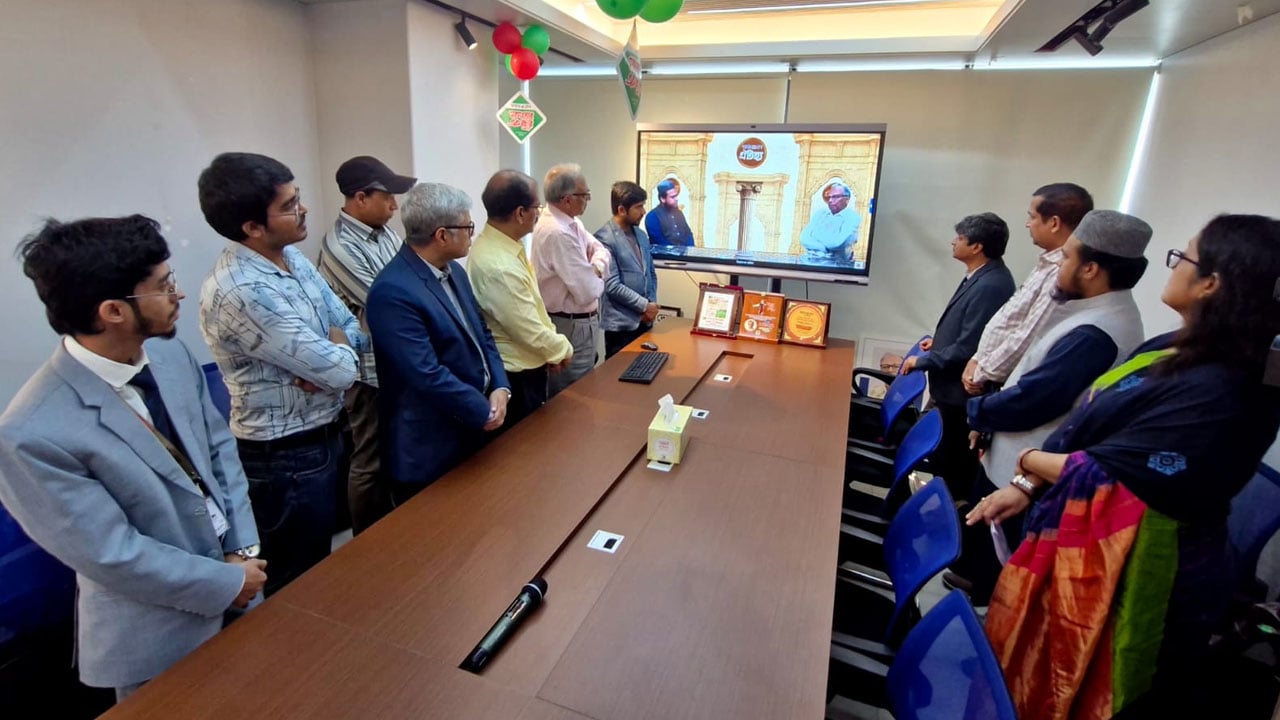
Daily Amar Desh has launched a new YouTube channel titled “Amar Desh Oitijjho” to showcase Bangladesh’s history and heritage. The inauguration took place on Monday afternoon at the newspaper’s headquarters conference room, led by Editor Mahmudur Rahman. The initiative follows the earlier success of the paper’s first YouTube channel, “Daily Amar Desh,” which gained significant viewer support within a year. During the launch, Mahmudur Rahman explained that the new channel aims to go beyond political news by focusing on cultural, historical, and religious themes. He described Amar Desh as not only a news outlet but also a platform for asserting the identity of Bengali Muslims. To strengthen that mission, he emphasized the need to revisit both Bengal’s and the broader Muslim world’s history. The editor added that “Amar Desh Oitijjho” will feature content on history, religious thought, values, literary analysis, and cultural aspects. Several senior editors and staff members of the newspaper were present at the event.
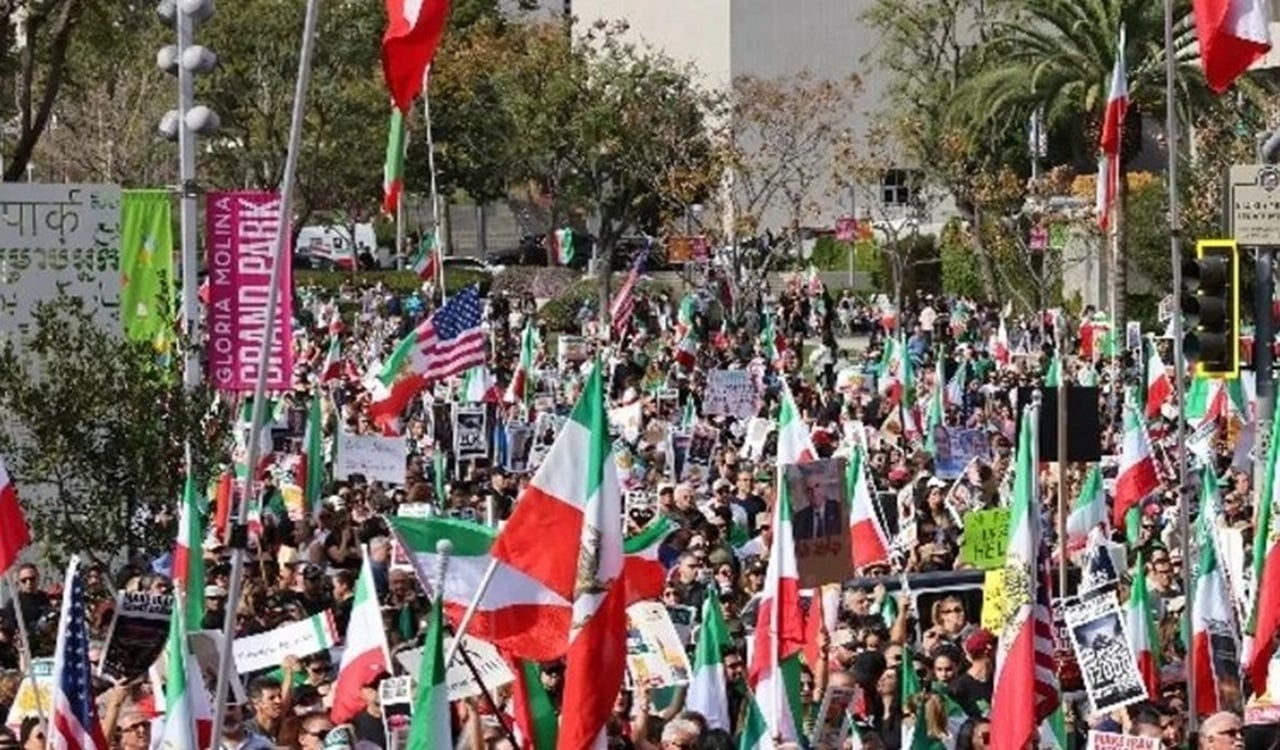
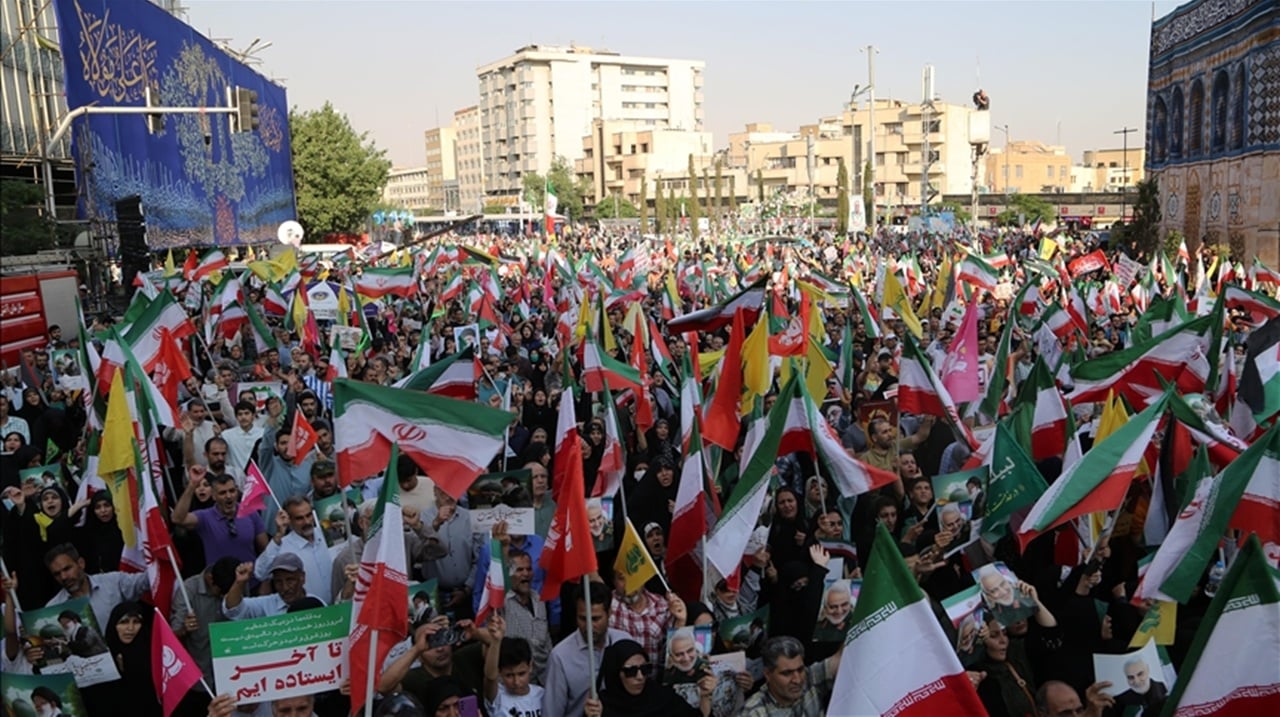
Large demonstrations took place across several US cities on Sunday as Iranian expatriates protested against Iran’s deadly suppression of anti-government movements and expressed solidarity with demonstrators inside the country. According to AFP, thousands marched in Los Angeles, home to the world’s largest Iranian diaspora, while hundreds gathered in New York. Protesters carried placards reading messages such as “New Holocaust,” “Ongoing Genocide,” and calls to end the Iranian government’s “terror.” One participant, Pery Faraj, said his cousin was killed during protests in Iran earlier in the week. The protests followed unrest that began in late December over economic hardship and quickly turned into a broader anti-government movement. Iran’s communications blackout and security crackdown since January 8 have largely subdued the demonstrations. The human rights group Iran Human Rights reported verifying 3,428 protester deaths at the hands of security forces, though the actual number may be higher. Many demonstrators voiced support for Reza Pahlavi, son of Iran’s former Shah, though experts noted his influence remains limited inside Iran. The rallies aimed to draw international attention to the repression, while observers stressed that Iran’s future will ultimately depend on its people.
European leaders have strongly reacted to U.S. President Donald Trump’s threat to impose tariffs of up to 25 percent on several European countries if Greenland is not handed over to the United States. The warning, announced in mid-January 2026, prompted Denmark, Britain, Finland, France, Germany, the Netherlands, Norway, and Sweden to issue a joint statement from Brussels condemning the move as a dangerous escalation. The European Council said it would convene a summit within days following an ambassadors’ meeting. Danish Foreign Minister Lars Løkke Rasmussen said the threat endangers global stability and NATO’s future. NATO Secretary-General Mark Rutte confirmed he had discussed Arctic security with Trump and expected further talks at the Davos summit. European leaders, including British Prime Minister Keir Starmer and ministers from France and the Netherlands, described the tariff plan as unjustified and political blackmail. Thousands protested in Denmark and Greenland against the U.S. stance. Trump argued that U.S. control over Greenland would serve national security interests, particularly against potential threats from Russia or China. European leaders warned that such measures could harm international cooperation and global trade.
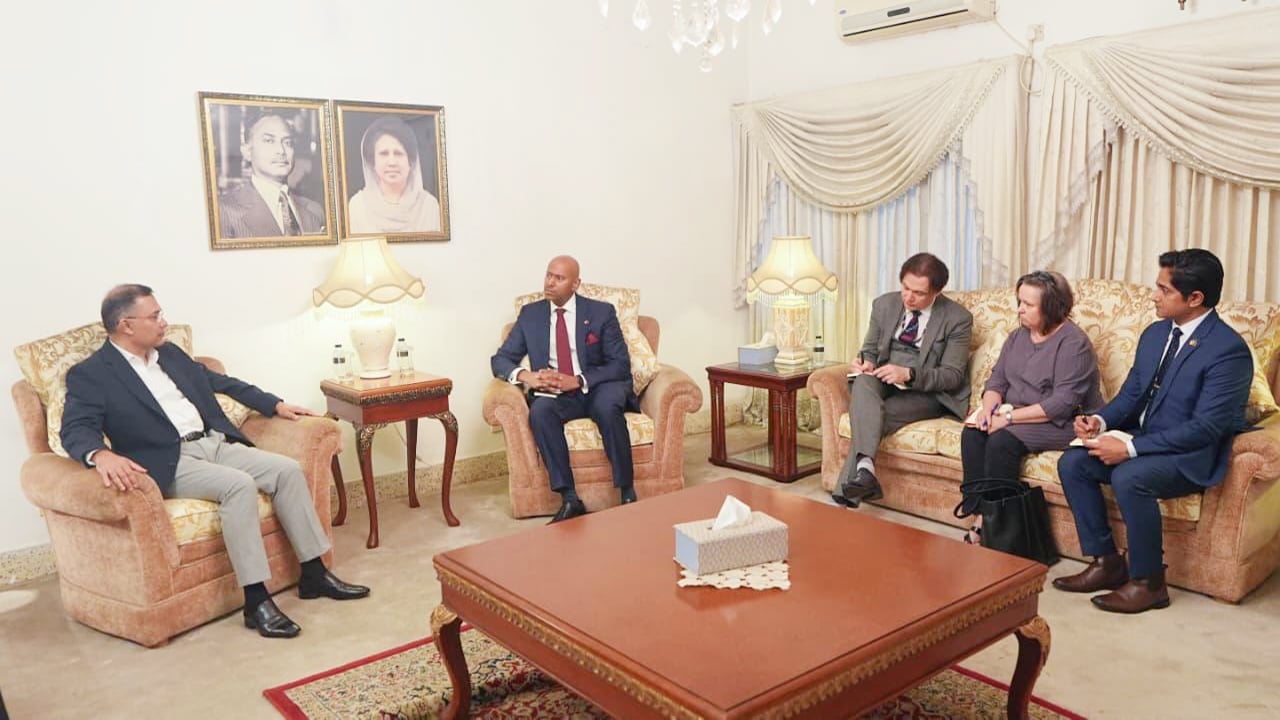
Canadian High Commissioner to Bangladesh Ajit Singh paid a courtesy call on BNP Chairperson Tarique Rahman on Monday afternoon at the BNP chairperson’s office in Gulshan, Dhaka. According to party sources, the meeting focused on matters of mutual interest, bilateral relations, Bangladesh’s political situation, and democratic progress. BNP Joint Secretary General Humayun Kabir was also present during the meeting. The discussion between the Canadian envoy and the BNP leader took place amid ongoing political developments in Bangladesh. Party sources described the meeting as part of regular diplomatic engagement, emphasizing dialogue on issues relevant to both sides. No further details were disclosed about the specific outcomes or future engagements following the meeting.
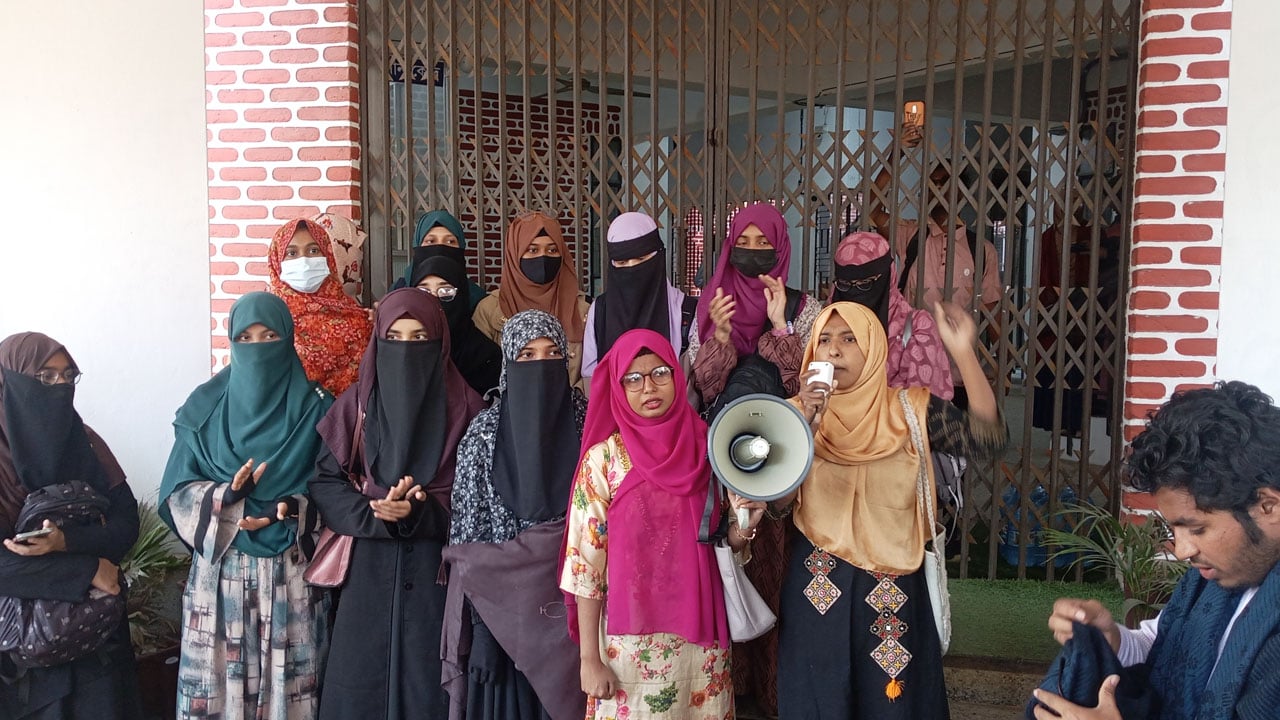
Students of Shahjalal University of Science and Technology (SUST) locked the university’s administrative building on Monday, January 19, 2026, demanding that the Shahjalal University Central Students’ Union (ShakSU) election be held on time. The protest began around 12:30 p.m., with students chanting slogans calling for the election to proceed as scheduled and asserting their right to student representation. Earlier, members of the Nationalist Teachers’ Forum held a press conference announcing that they would not cooperate with the election process. They also urged election commission members with specific ideological affiliations to resign. Following this announcement, eight election commissioners reportedly submitted their resignations. The student demonstration and the commissioners’ resignations have created uncertainty over whether the ShakSU election will proceed as planned, with tensions rising between student groups and sections of the university’s faculty.
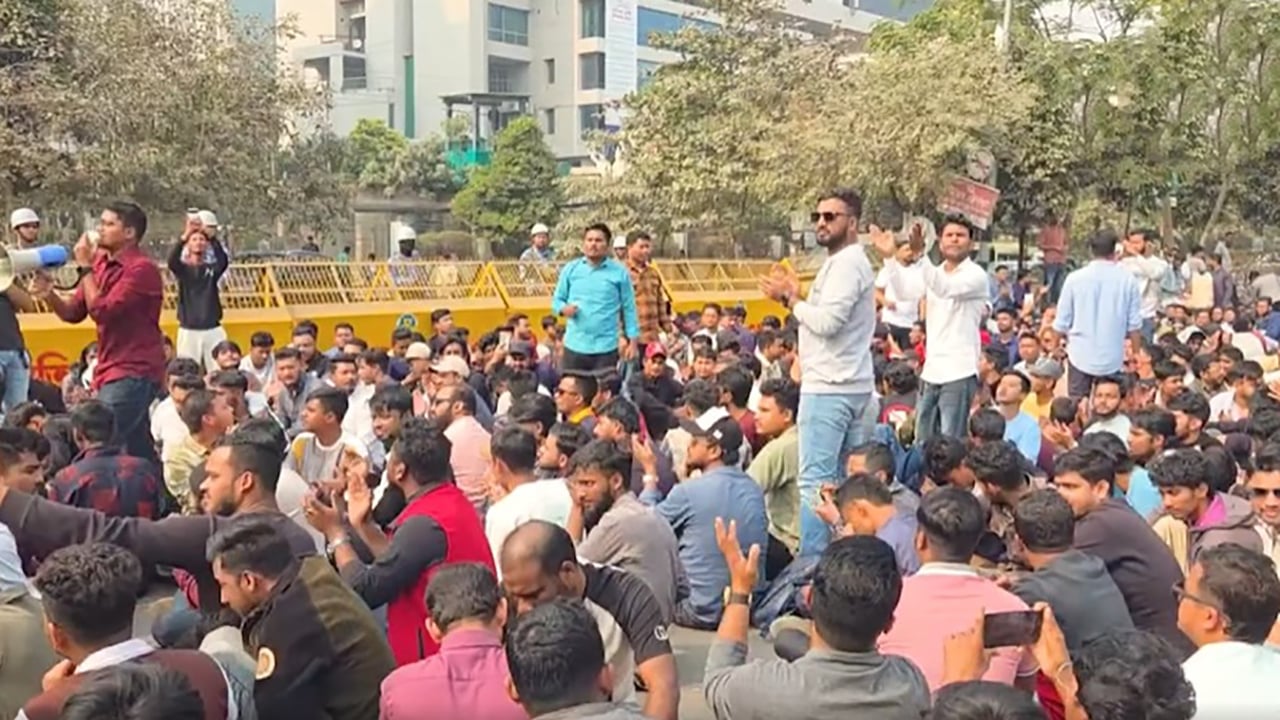
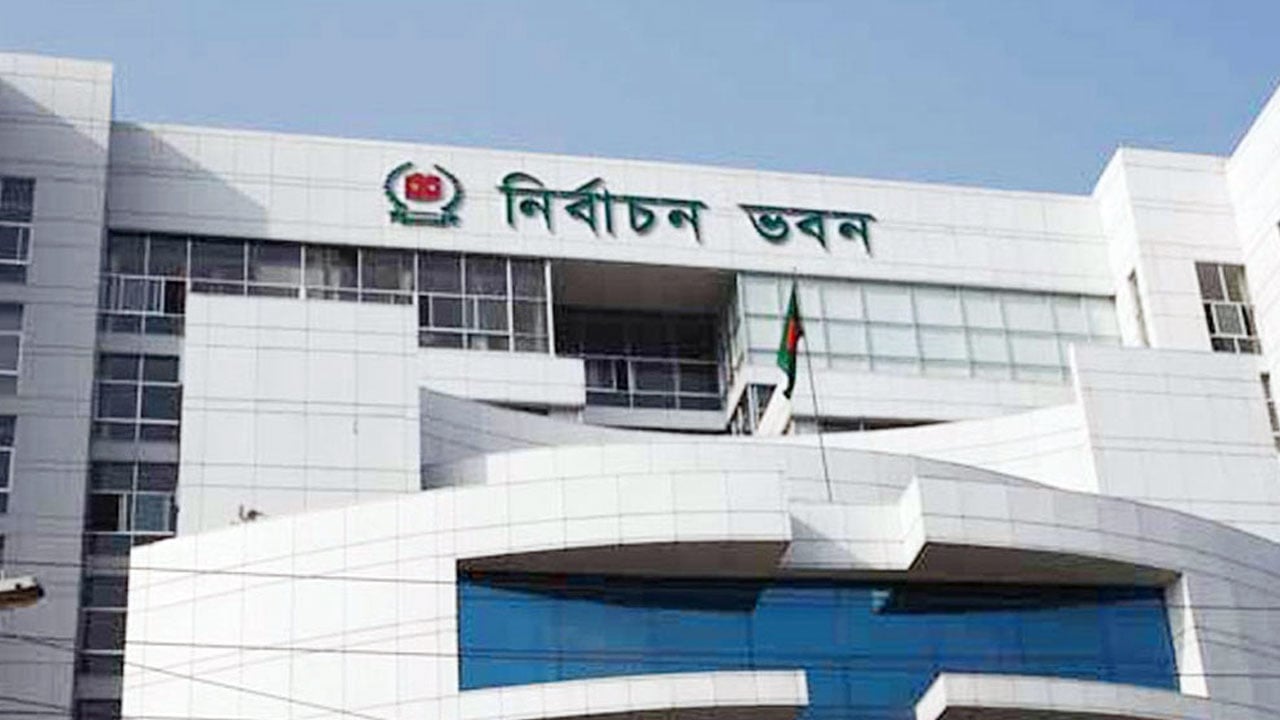
The Bangladesh Nationalist Party’s student wing, Jatiyatabadi Chhatra Dal, continued its protest for a second consecutive day by besieging the Election Commission (EC) office on Monday from 11 a.m. The demonstration centered on three issues, including disputes over postal ballots, alleged hasty decisions by the EC, and claims of interference by a particular political party in university elections. Law enforcement authorities placed barricades in front of the EC’s main gate as Chhatra Dal activists chanted slogans. The previous day, Chhatra Dal had also surrounded the EC and later held a meeting with election commissioners. The five-member delegation included the organization’s president Rakibul Islam Rakib, general secretary Nasir Uddin Nasir, senior vice president Abu Afsan Mohammad Yahia, senior joint general secretary Shyamal Malum, and organizational secretary Amanullah Aman. The EC reportedly assured the delegation that their concerns would be considered rationally. Following the assurance from the commission, Chhatra Dal announced the conclusion of its sit-in program on Monday afternoon.
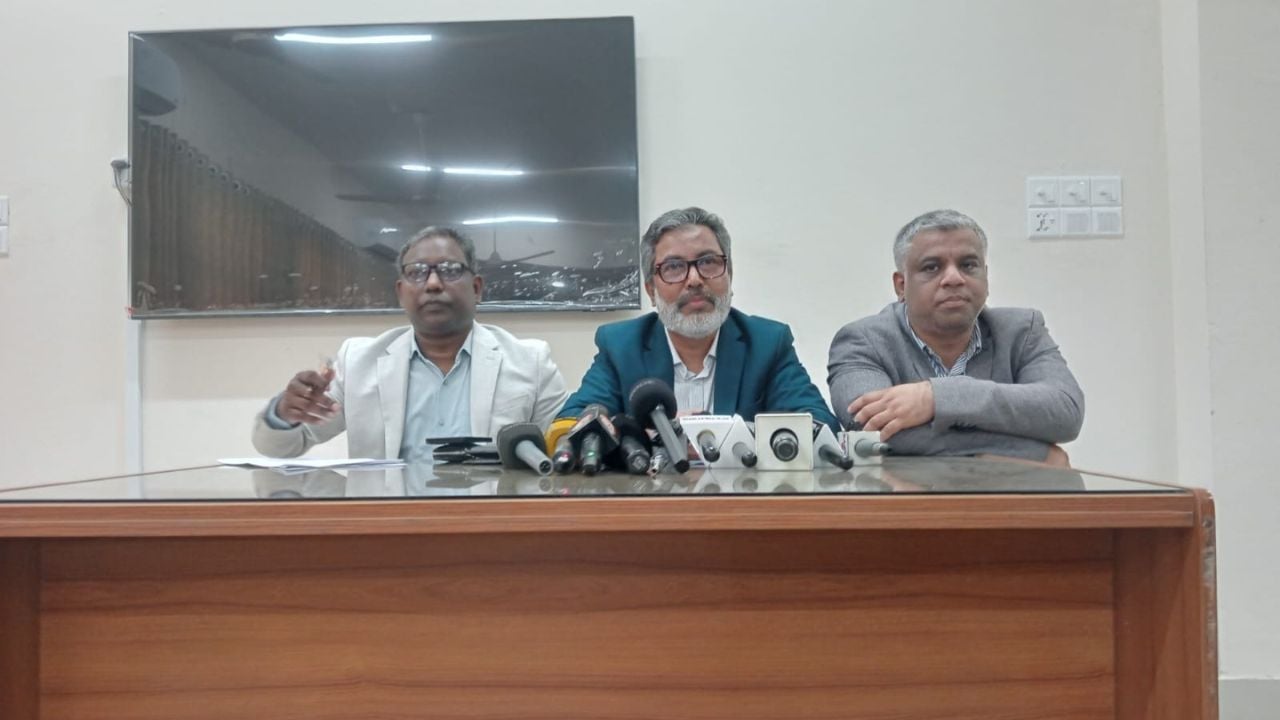
A group of BNP-leaning teachers at Shahjalal University of Science and Technology (SUST) announced on Monday, January 19, 2026, that they will not perform duties in the upcoming ShakSU election. The declaration was made at a press conference held at the university’s Social Science Building auditorium by the Nationalist Teachers’ Forum, led by Professor Dr. Ashraf Uddin. The teachers said they were being accused of conspiracy and decided to abstain to avoid further allegations. They also urged other teachers to refrain from participating in election duties. Professor Ashraf Uddin stated that the nationalist teachers had worked to ensure a fair and participatory election but were now being unfairly tagged as conspirators. He criticized the vice-chancellor for unilaterally announcing the election date and forming a 15-member election commission without consulting the university syndicate or broader academic community. The teachers also mentioned a letter from the Ministry of Education requesting election postponement, which they said was not shared with them. The forum expressed concern over growing divisions among students and teachers, calling for maintaining campus harmony and coexistence.
Police from the Bharadoba Highway Station in Valuka, Mymensingh, recovered a newborn from an abandoned carton by the roadside at Hajir Bazar on the evening of January 18. Locals first noticed the baby alive inside the carton and alerted the highway police, who took the infant to Valuka Government Hospital. The attending doctor later declared the baby dead. Residents suspect the incident may be linked to a local clinic, though no official confirmation has been made. The discovery took place around 7 p.m. in the Hajir Bazar area of Valuka upazila. Police have initiated legal procedures following the recovery. Officer-in-Charge Zahidul Islam of Valuka Model Police Station stated that the body will be handed over to Anjuman Mofidul Islam for burial after an autopsy, and necessary legal steps will be taken regarding the case.

After ten days of nationwide disconnection, Iran briefly restored limited internet access before shutting it down again, according to monitoring group NetBlocks. The group reported that minimal connectivity returned to some Google and messaging services but quickly dropped. The blackout began on January 8 following widespread protests over economic hardship. Human rights groups accused the government of using the shutdown to conceal mass killings during security crackdowns. AFP reported that while authorities claimed calm had returned, armored vehicles and patrols were still visible in Tehran. U.S. President Donald Trump’s remark that it was “time for new leadership in Iran” heightened tensions, prompting Iranian President Masoud Pezeshkian to warn that any attack on Supreme Leader Ayatollah Ali Khamenei would be treated as a declaration of war. The government said it had recommended lifting the internet ban, but the CEO of mobile operator Irancell was dismissed for failing to enforce the shutdown. Amnesty International said verified evidence showed widespread killings by security forces, while Iran Human Rights confirmed 3,428 protester deaths. Opposition channel Iran International claimed over 12,000 deaths, though none of these figures were independently verified.
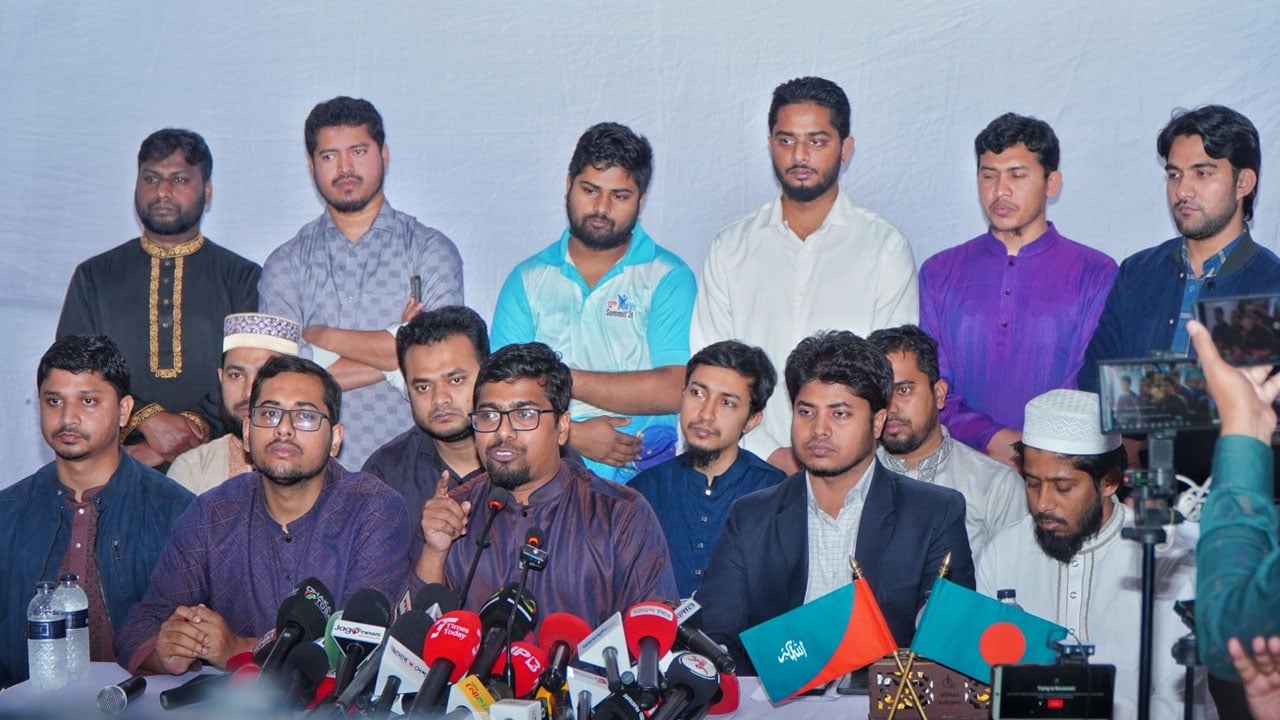
Islami Chhatra Shibir has warned that any attempt to obstruct the Shahjalal University of Science and Technology (SUST) student parliament election will face continuous protest programs. The organization’s central president, Nurul Islam Saddam, made the announcement on Monday at a press conference held at the group’s central office in Purana Paltan, Dhaka. He alleged that certain groups were trying to use political influence and the court to derail the election process. Saddam claimed that previous efforts to halt student council elections had failed and accused opponents of now resorting to legal petitions to stop the vote. He criticized members of the BNP for allegedly opposing the election despite the party’s past stance in favor of democracy. He also stated that if the government remains inflexible on the issue, it will face severe consequences. Responding to questions, Saddam said Shibir respects court rulings but will still announce protest programs if the election is obstructed. He added that the organization will campaign in favor of a “yes” vote in the upcoming referendum and work with students across rural areas.
The Election Commission (EC) of Bangladesh has released a second election roadmap on January 19, 2026, ahead of the upcoming parliamentary election. This marks the first time in the EC’s history that a new roadmap has been issued after the official schedule announcement. The earlier roadmap could not be fully implemented, particularly regarding political party registration and constituency delimitation. According to the new plan, the gazette for 300 constituencies’ polling centers will be published on January 22, followed by a special meeting with law enforcement agencies on January 28. On February 1, funds will be allocated for security forces, and election officials will be appointed as observers, while ballot materials will be distributed between February 2 and 3. The EC has also instructed that no law enforcement camps be set up inside polling centers. The roadmap follows the 2024 student-led uprising that toppled the Awami League government, leading to an interim administration headed by Dr. Muhammad Yunus. The interim government pledged to hold elections within a year, with the 13th parliamentary election scheduled for February 12, 2026. Meanwhile, the student wing of a political party continued its second day of protest outside the EC building, alleging bias in the commission’s activities.
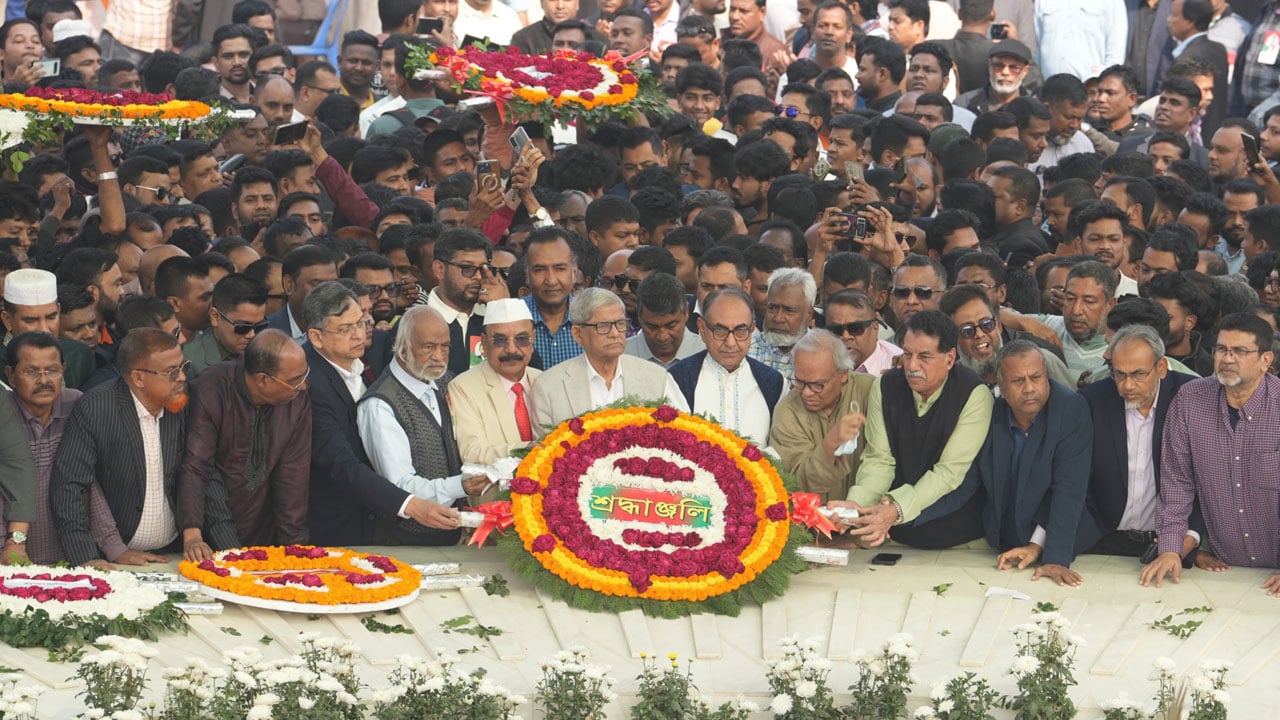
Leaders and activists of the Bangladesh Nationalist Party (BNP) paid tribute to the party’s founder and former president Ziaur Rahman on his 90th birth anniversary. The homage took place on Monday morning at Zia’s grave in Sher-e-Bangla Nagar, Dhaka, led by BNP Secretary General Mirza Fakhrul Islam Alamgir. Senior leaders, standing committee members, and party activists were present, followed by prayers seeking forgiveness for the late leader. After the tribute, Mirza Fakhrul told reporters that the BNP has confidence in the Election Commission (EC), noting that the commission has so far performed its duties competently. He said the party had raised some issues with the EC the previous day but believed the commission would manage the election properly. Regarding the cancellation of some BNP candidates’ nominations, he remarked that such issues are not new during the scrutiny process. The event reflected BNP’s continued reverence for its founder and its current stance of cautious optimism toward the election process under the existing commission.
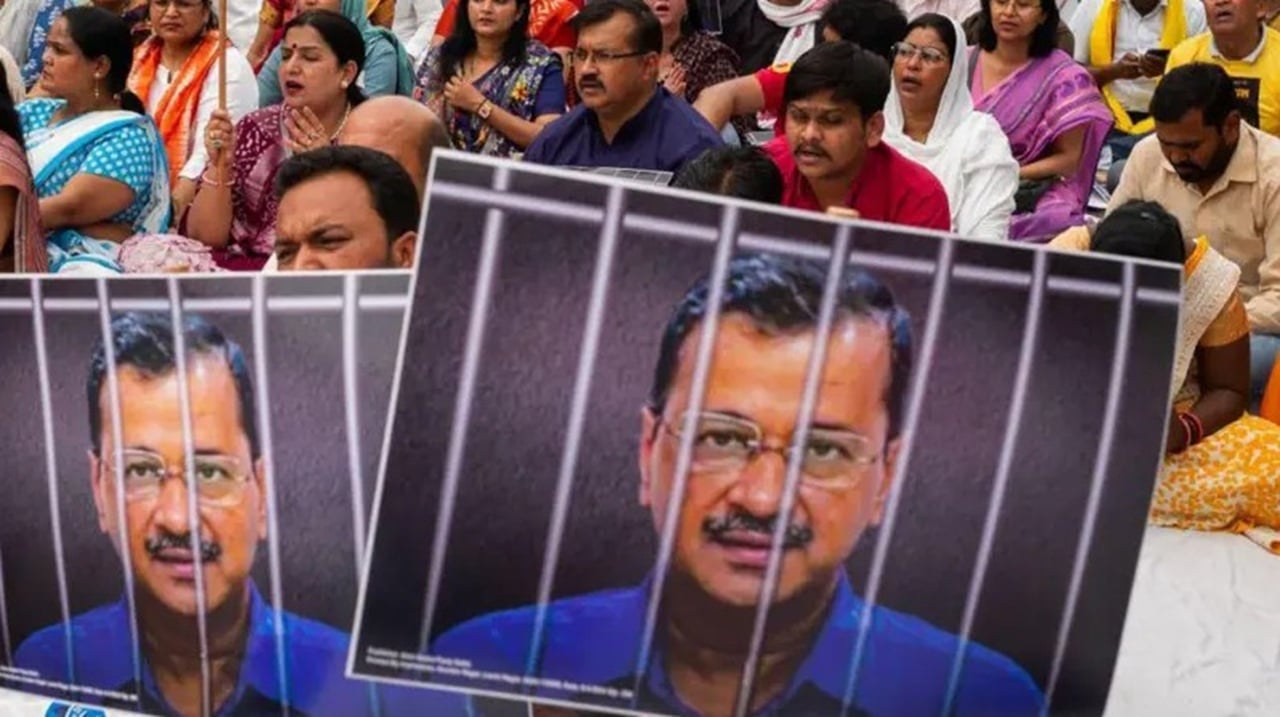
India’s Supreme Court is currently hearing a case against West Bengal Chief Minister Mamata Banerjee, who has been accused of obstructing an Enforcement Directorate (ED) investigation. The allegation stems from an incident on January 8, 2026, when Banerjee arrived with senior police officers during ED searches at the home and office of a consultancy linked to her party, the Trinamool Congress. The agency claims she removed files and electronic devices from the premises, which Banerjee later acknowledged as political documents. The ED, operating under India’s Finance Ministry, investigates money laundering and has the authority to make arrests. While Banerjee faces no corruption charges, the Supreme Court is treating the obstruction allegation seriously. The report also outlines previous instances where Indian chief ministers were arrested by central agencies, including Delhi’s Arvind Kejriwal, Bihar’s Lalu Prasad Yadav, Jharkhand’s Hemant Soren, and Tamil Nadu’s late J. Jayalalithaa. The article notes that both the ED and the Central Bureau of Investigation (CBI) have low conviction rates, and accusations persist that the ruling party uses these agencies against political opponents.
The ‘1 Nojor’ media platform is now live in beta, inviting users to explore and provide feedback as we continue to refine the experience.