

The ‘1 Nojor’ media platform is now live in beta, inviting users to explore and provide feedback as we continue to refine the experience.
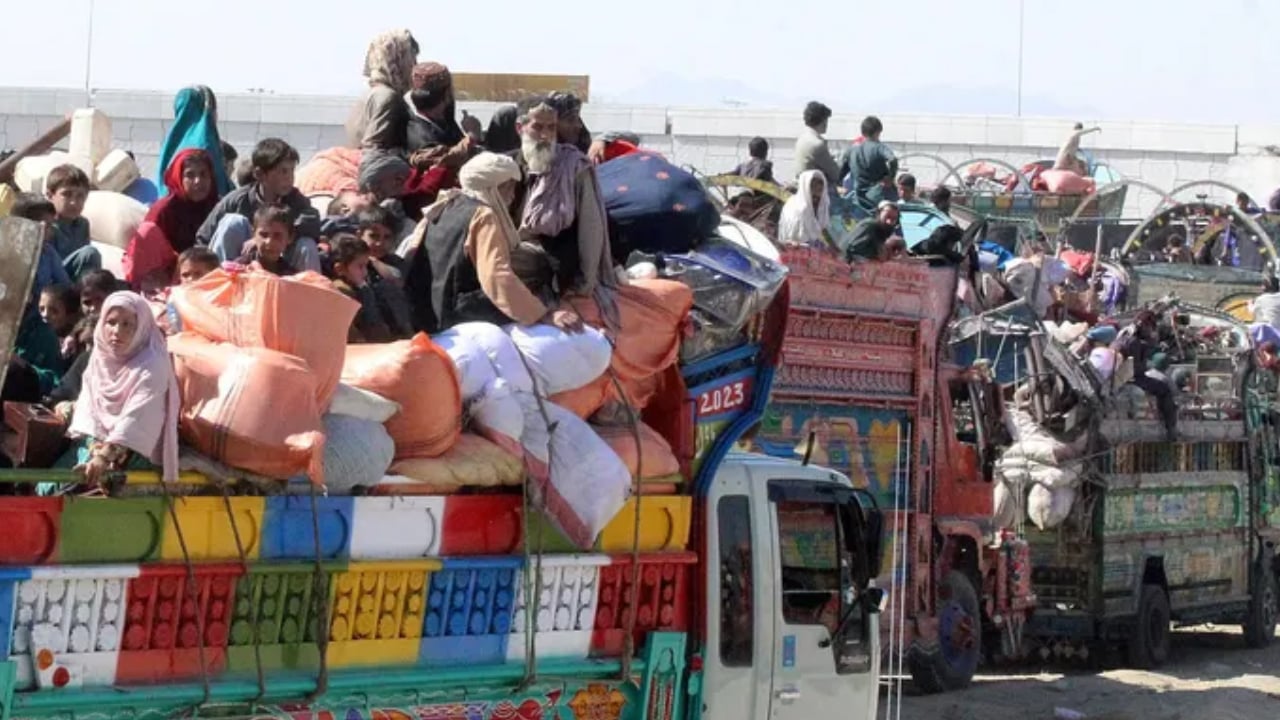
Pakistan has continued sending Afghan nationals back to Afghanistan through the Khyber Pakhtunkhwa region. According to a report by The Express Tribune published on Thursday, a total of 988,812 Afghans have so far been repatriated. Data from the provincial Home and Tribal Affairs Department shows that among those returned, 230,470 held Proof of Registration (PoR) cards, 71,570 had Afghan Citizen Cards, and 686,772 were undocumented individuals. On the previous day, Wednesday, 2,312 Afghan nationals were sent back through the Torkham border crossing. This group included 1,522 PoR cardholders, 277 Citizen Cardholders, and 513 undocumented persons. The repatriation process has intensified since border clashes began between Pakistan and its neighboring country. The ongoing operation reflects Pakistan’s effort to manage cross-border movement amid heightened tensions, with the majority of returnees being undocumented Afghans.
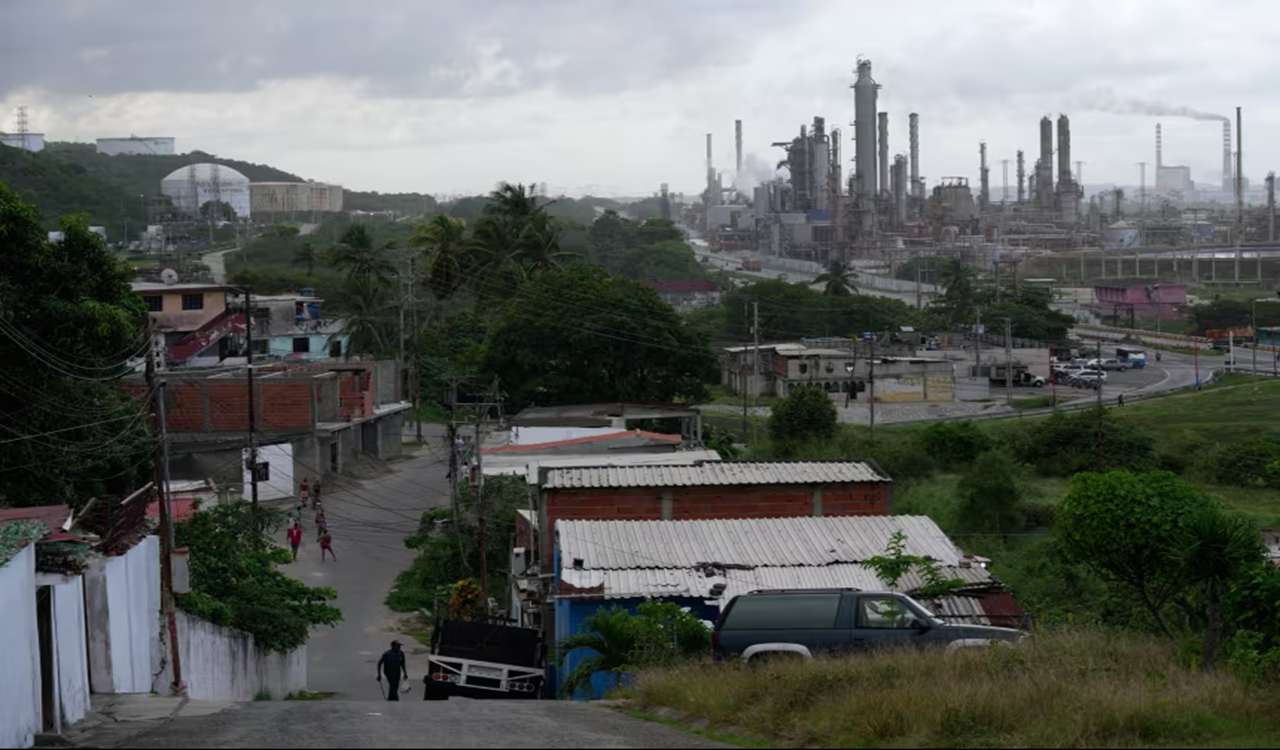
The United States has officially started selling Venezuelan oil after taking full control of the country's oil resources following a military operation in Caracas. The operation, conducted on January 4, led to the abduction of President Nicolás Maduro and his wife from their official residence. They are currently held in a federal prison in New York City, where U.S. authorities said they will face trial on drug trafficking charges. The first shipment of oil worth 500 million dollars has already been sold. On January 7, President Donald Trump announced plans to bring Venezuelan oil to the United States, estimating the first shipment at 30 to 50 million barrels. Two days later, he met with top executives from major U.S. oil companies at the White House, predicting potential investments of at least 100 billion dollars in Venezuela’s oil sector. However, most executives expressed reluctance, citing legal and commercial complexities. Venezuela holds about 303 billion barrels of crude oil, roughly one-fifth of global reserves, but produces only one million barrels per day. Its heavy crude requires specialized refining to produce high-quality diesel, asphalt, and industrial fuels.
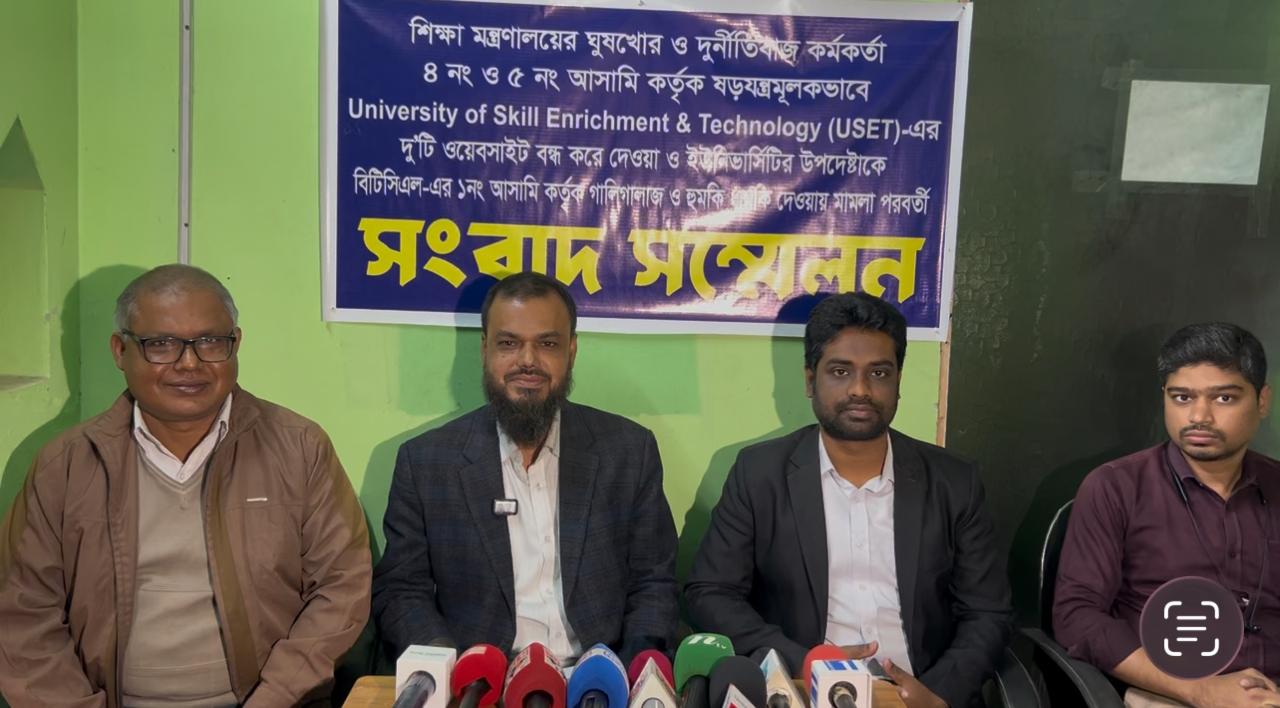
A case has been filed in a Dhaka court against five individuals, including three officials of Bangladesh Telecommunications Company Limited (BTCL), for allegedly abusing government authority to shut down the websites of the University of Skill Enrichment and Technology (USET) and threatening a university official. The case was lodged by USET adviser Muha. Tajul Islam before Metropolitan Magistrate Md Hasan Shahadat’s court, which directed the Criminal Investigation Department (CID) to investigate and submit a report. According to the case, the accused include BTCL’s Moghbazar Telephone Exchange Deputy General Manager (Broadband-2) Joyita Sen Rimpi, Deputy General Manager (Domain) Mostafa Al Mahmud, Assistant Manager (Domain) Abir Kalyan Abedin, and two officials from the Ministry of Education. The complaint states that despite USET’s compliance with payment and documentation requirements, BTCL refused to accept them and later deactivated the university’s domains www.uset.ac.bd and www.uset.edu.bd on January 11, 2026. The plaintiff alleged that the accused verbally abused and threatened him, refused to accept legal documents, and acted with bias. The court’s directive for CID investigation marks the next procedural step in the case.
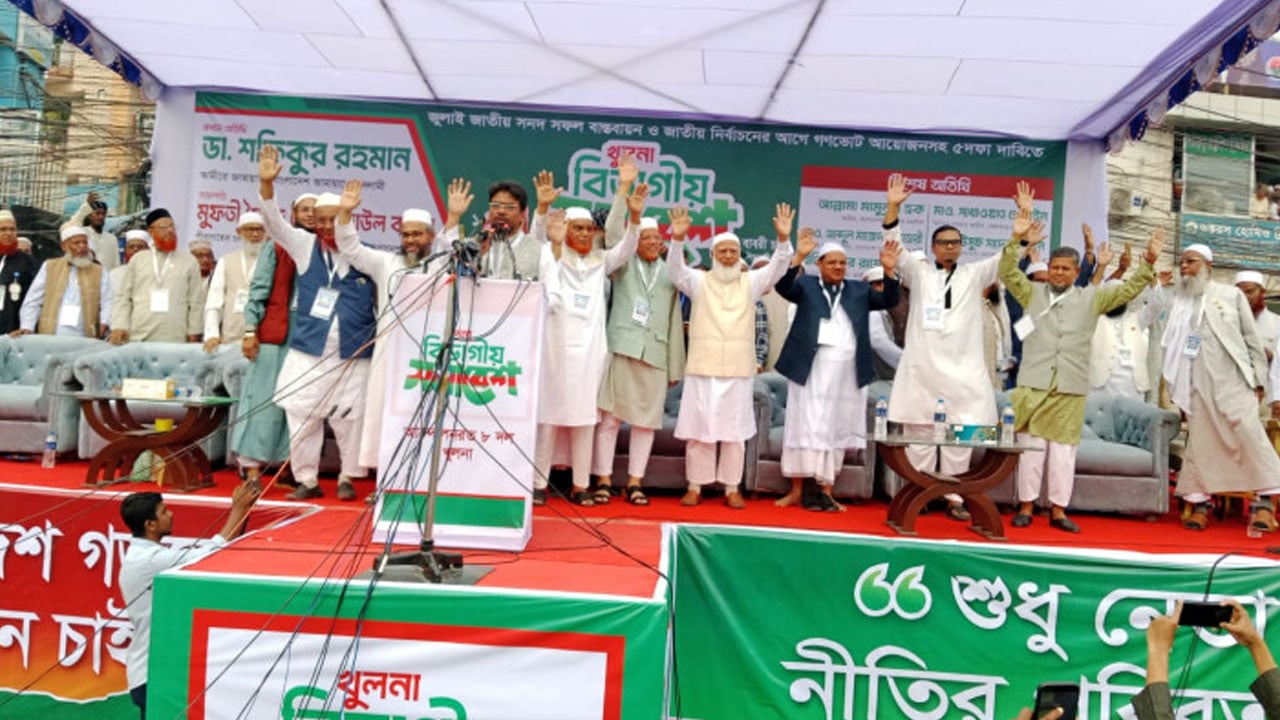
Islami Andolan Bangladesh has decided to leave the Jamaat-e-Islami–led 11-party alliance after negotiations over seat sharing failed. The party had demanded at least 80 constituencies, but Jamaat and other partners could not agree to that number. Following several rounds of discussions over the past week, Islami Andolan formally informed the alliance that it would not remain under the current terms. As a result, the coalition will now become a ten-party alliance. According to alliance leaders, the dispute intensified after the National Citizen Party (NCP) joined the coalition, which Islami Andolan reportedly viewed unfavorably. Jamaat initially offered 40 seats, later increasing to 45, with an additional 6–7 open constituencies, but Islami Andolan remained firm on its 80-seat demand. Efforts by Khelafat Majlis leader Maulana Mamunul Haque to mediate between Jamaat and Islami Andolan failed. Jamaat’s Assistant Secretary General Maulana Abdul Halim confirmed that top leaders would meet at noon to finalize the coalition’s next steps and hold a postponed press conference. Other partners have agreed to stay united, and minor seat adjustments may occur within the remaining ten-party alliance.
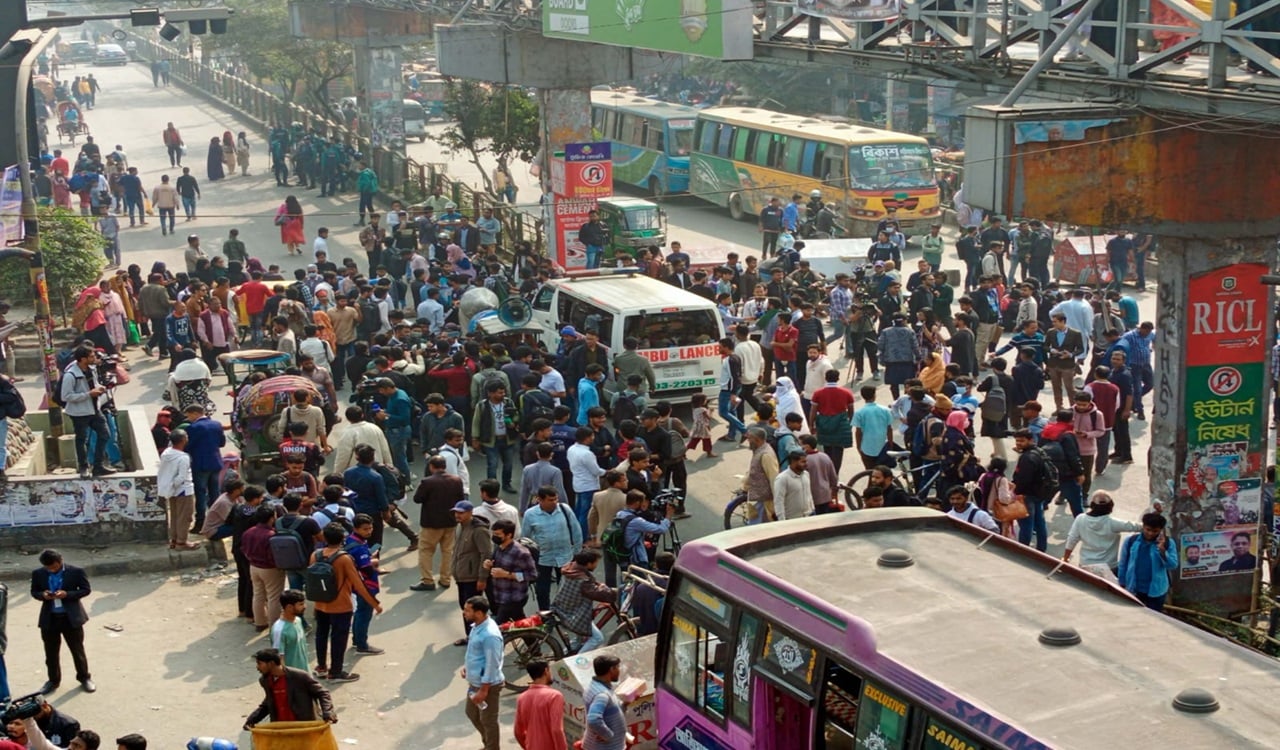
Students from seven government colleges in Dhaka blocked the Science Lab intersection for a second consecutive day on Thursday, January 15, 2026, demanding the issuance of the proposed Dhaka Central University ordinance. The blockade began around 12:30 p.m., with students chanting slogans calling for immediate government action. Participants said they had been waiting about one and a half years for the ordinance, which they claim is essential to formally establish their institutional identity. Students expressed frustration that despite repeated government assurances, the ordinance had not yet been issued. They stated that they would withdraw from the streets only after the ordinance was officially announced. The protesters emphasized that they did not wish to cause public suffering but felt compelled to continue their movement until their demand was met. The previous day, January 14, students had also blocked the Science Lab, Tati Bazar, and Technical intersections, causing severe traffic congestion across the area. The seven colleges involved include Dhaka College, Eden Mohila College, Begum Badrunnesa Government Women’s College, Government Bangla College, Kabi Nazrul Government College, Government Titumir College, and Government Shaheed Suhrawardy College.
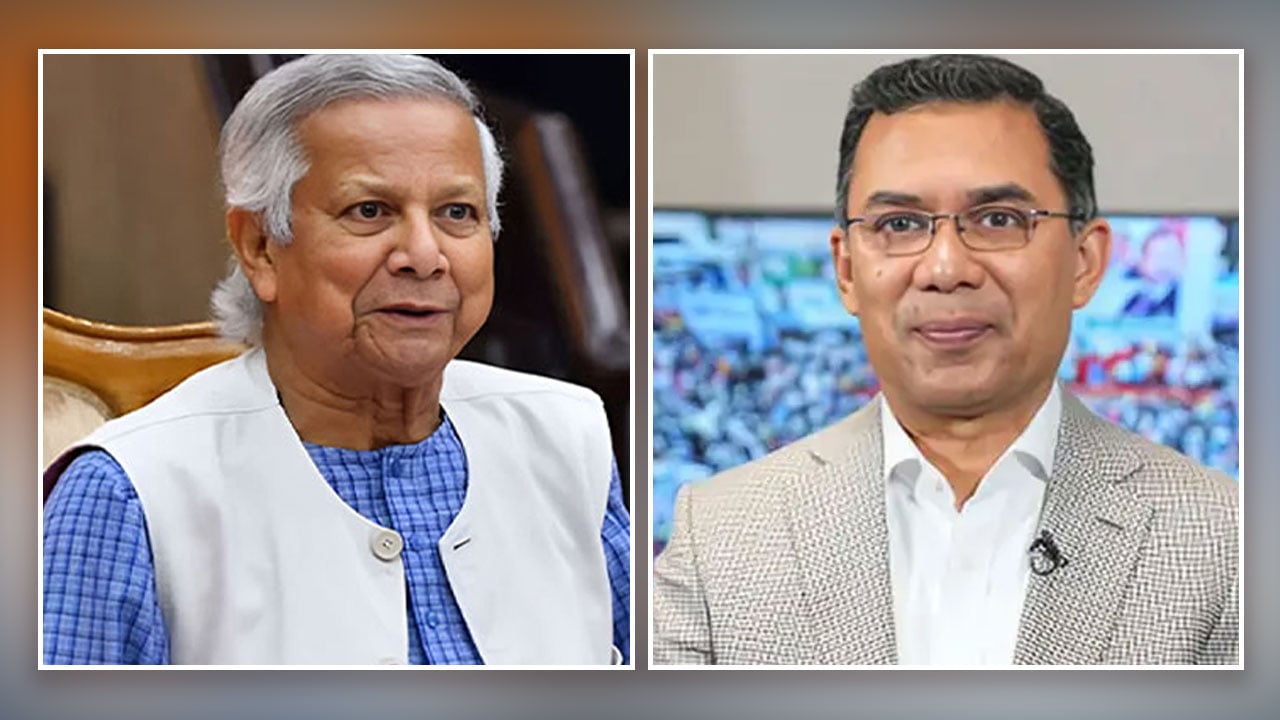
BNP Chairperson Tarique Rahman is scheduled to meet the Chief Adviser of the interim government, Dr. Muhammad Yunus, this evening at the Chief Adviser’s residence, the Jamuna State Guest House. This will be their first formal meeting since Tarique Rahman’s return from the United Kingdom, drawing attention to what topics may be discussed. According to sources from the Chief Adviser’s Office and the BNP, the meeting is expected to focus on the country’s current political situation, particularly the upcoming parliamentary election and referendum scheduled for 12 February. Several senior BNP leaders may also join the discussion. The two leaders last met in June of the previous year in London, where they reached key decisions regarding the timing of the national election and issued a joint statement afterward. Following Tarique Rahman’s return on 25 December, he had a phone conversation with Dr. Yunus to thank him for ensuring overall security. They also briefly met during the funeral of BNP Chairperson Khaleda Zia on 31 December, but today’s meeting marks their first official discussion since his return.
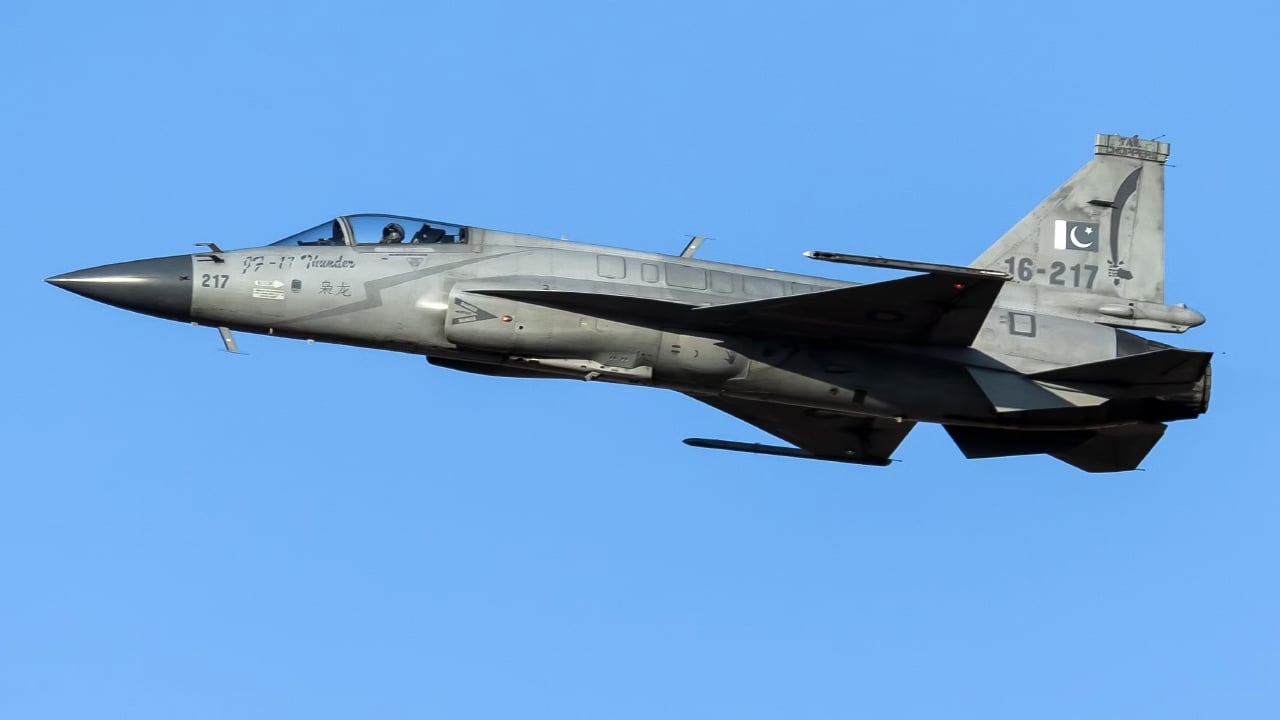
Pakistan’s Prime Minister Shehbaz Sharif has said that discussions are underway with several countries to sell Pakistani-made fighter jets. He stated that demand for the aircraft has increased following Pakistan’s military success against India in May 2025. The announcement was made during a cabinet meeting, according to Geo News. Defence Production Minister Raja Hayat Harz confirmed in an interview with the BBC that Pakistan is negotiating potential deals for the sale of JF-17 Thunder fighter jets with multiple countries. The aircraft is jointly developed by Pakistan and China, and Harz noted that any export agreement would require China’s consent due to its role in the jet’s development. Reuters, citing government sources, reported that the discussions involve Libya, Sudan, Bangladesh, Indonesia, and Saudi Arabia. However, Harz declined to name any specific countries, describing the negotiations as confidential and refusing to disclose their current status.
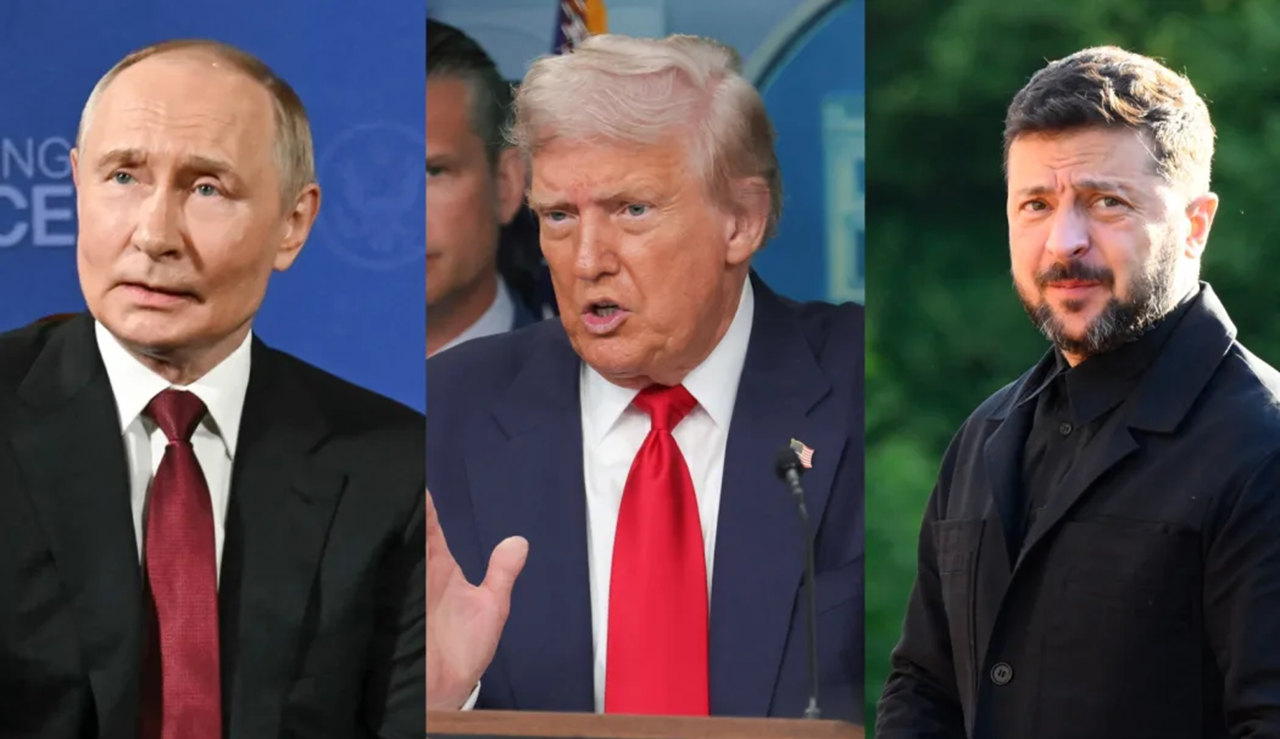
U.S. President Donald Trump said that Ukraine, not Russia, is obstructing a possible peace agreement to end the ongoing conflict. In an interview with Reuters at the Oval Office on January 14, Trump stated that Russian President Vladimir Putin is ready to conclude nearly four years of war, while Ukrainian President Volodymyr Zelensky is less prepared. He added that he believes Putin is ready to make a deal, but Ukraine is not. When asked why the largest European conflict since World War II has not been resolved through U.S.-led negotiations, Trump directly pointed to Zelensky. His remarks signaled dissatisfaction with the Ukrainian leader and reflected his tendency to express more trust in Putin than in U.S. allies, a stance that has frustrated Ukraine, European capitals, and American lawmakers. A Reuters report from December noted that U.S. intelligence agencies had warned Putin had not abandoned his goal of capturing all of Ukraine and restoring parts of the former Soviet empire, though National Intelligence Director Tulsi Gabbard denied that assessment.
Iranian Foreign Minister Abbas Araghchi stated that Tehran has no plans to execute anti-government protesters. He made the remarks in an interview with Fox News on Wednesday. His comments came after U.S. President Donald Trump said he had been assured that killings of protesters in Iran had stopped, according to Al Jazeera. When asked about possible executions, Araghchi said the question of carrying out death sentences does not arise. Earlier, Trump told reporters he was informed that the killing of protesters had ceased and that planned executions were suspended. Speaking from the Oval Office, Trump mentioned receiving the information from what he described as a very important source but did not specify who it was. Al Jazeera’s correspondent Mike Hanna reported from Washington, D.C., that Trump’s tone toward Iran appeared softer, suggesting a possible cooling of tensions. Hanna added that Trump seemed to be considering various options after being briefed by his national security team, indicating a potential move away from immediate escalation.
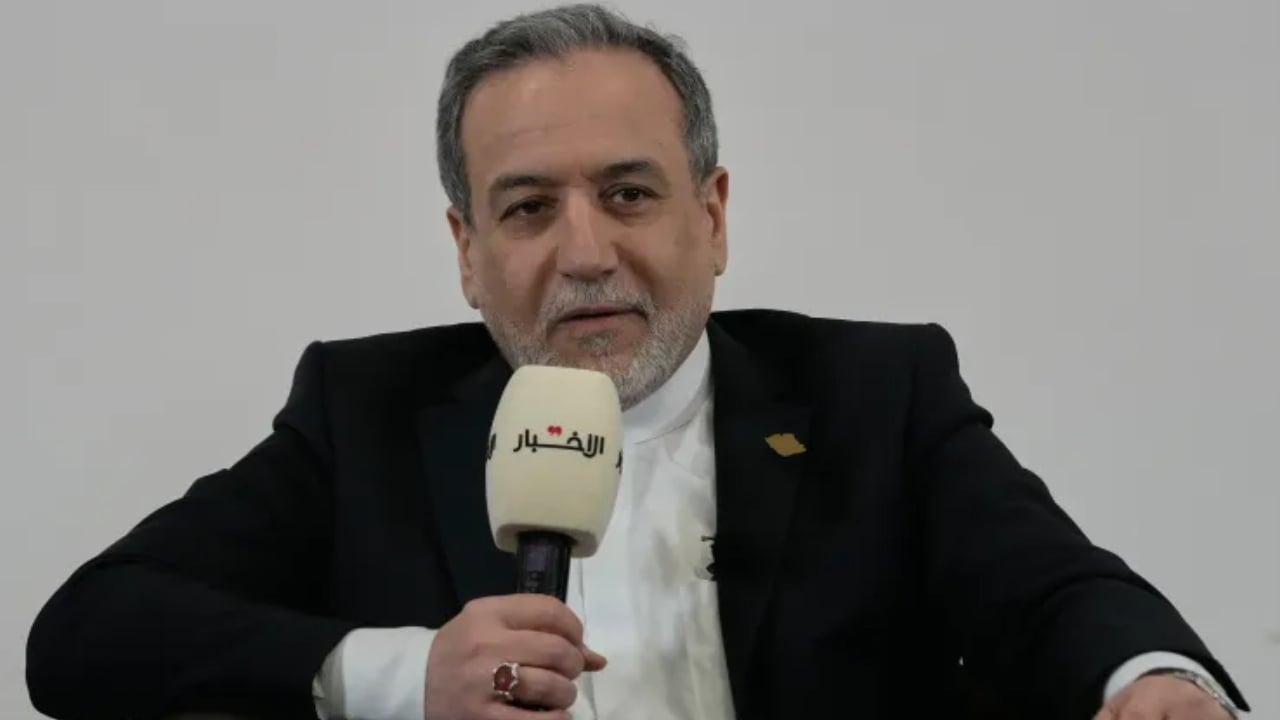
The Bangladesh interim government is preparing a new law titled the 'July Uprising Protection and Indemnity Ordinance, 2026' to provide legal immunity to participants of the 2024 July uprising. According to a senior Cabinet Division official, the draft, containing six sections, is expected to be presented at the advisory council’s regular meeting on Thursday. The proposed law stipulates that all cases filed against July fighters between July 1 and August 5, 2024, will be automatically withdrawn without requiring any application. It also bars future lawsuits related to the uprising and allows victims of the 36-day movement to seek compensation through the National Human Rights Commission. The draft states that the ordinance aims to protect those who acted in self-defense and to restore public order during the anti-autocratic movement. Law Adviser Professor Dr. Asif Nazrul affirmed the ordinance’s constitutional validity under Article 46 and compared it to post-revolution indemnity laws in other countries. He emphasized that July fighters risked their lives to free the country from fascist rule and deserve legal protection. The law ministry began reviewing and withdrawing related cases after the interim government took office, though some remain pending due to legal complexities.
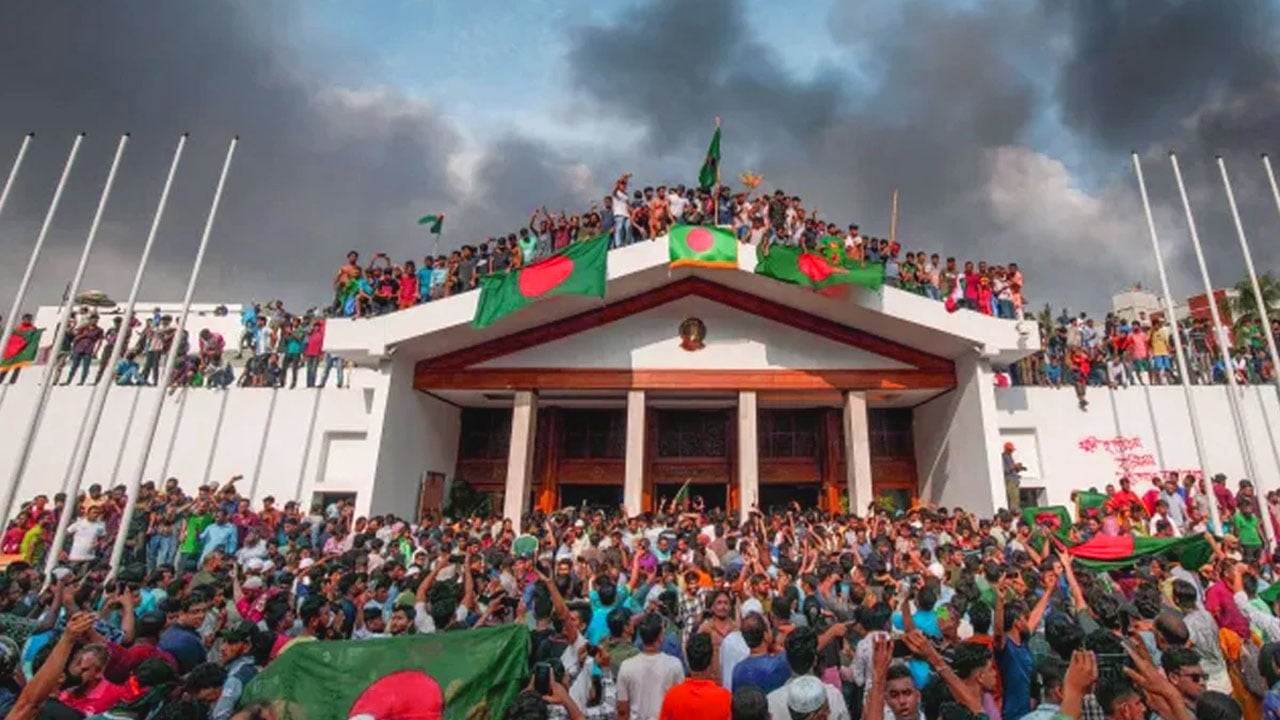
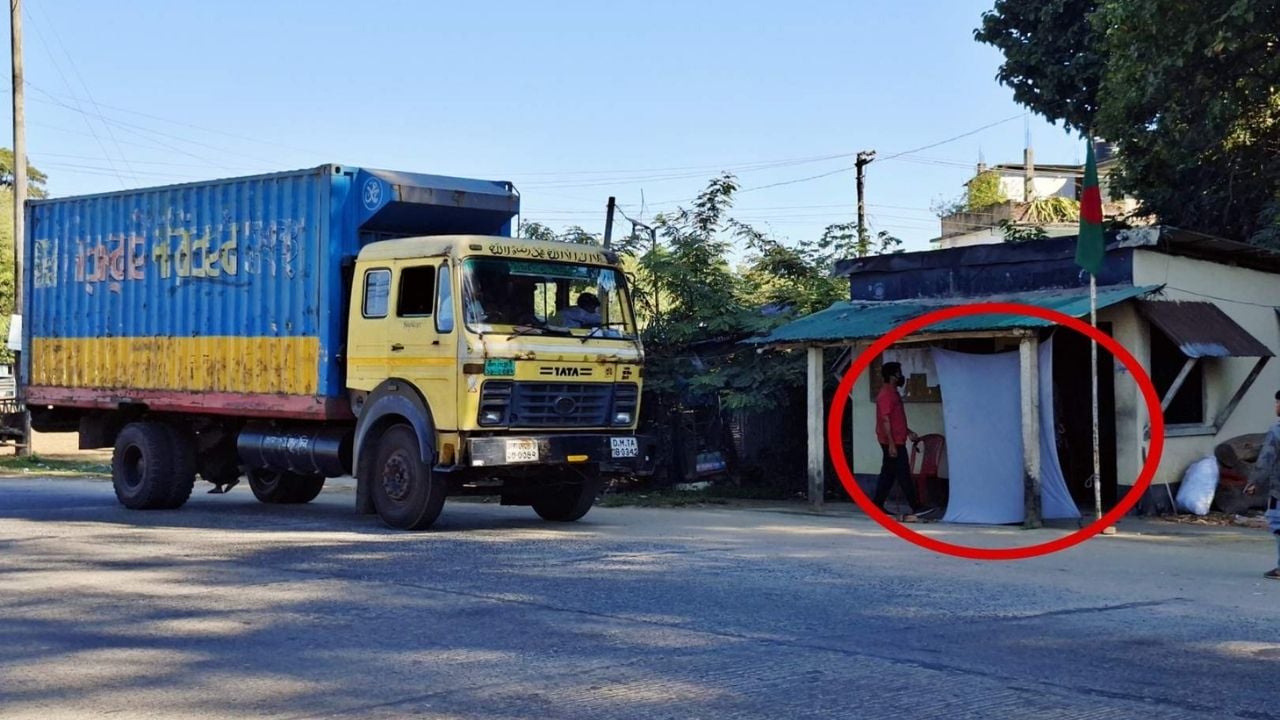
Serious allegations of systematic extortion have emerged at the Balukhali Customs, Excise and VAT checkpost on the Ukhiya–Teknaf highway in Cox’s Bazar. Victims claim a syndicate collects illegal payments from over a hundred goods-laden vehicles daily, charging between Tk 200 and Tk 500 per truck. The alleged activities are reportedly conducted under cover, with drivers forced to pay to avoid harassment or vehicle detention. Several major companies’ local distributors, including those of Pran, Akij, and RFL, are said to face regular extortion while transporting goods. Field observations described vehicles being stopped and drivers taken behind covers to pay money. Victims also alleged irregularities in customs auctions, claiming that required public announcements are bypassed and auctions are confined to a select group. Seized vehicles were reportedly left neglected in open spaces. According to the Customs Act 2023 and National Board of Revenue rules, cash collection at checkposts is prohibited, yet the situation at Balukhali appears contrary to regulations. Balukhali Customs chief Masud Al Helal denied all allegations, asserting that no money is collected at his post and that all procedures, including auctions, follow official rules.
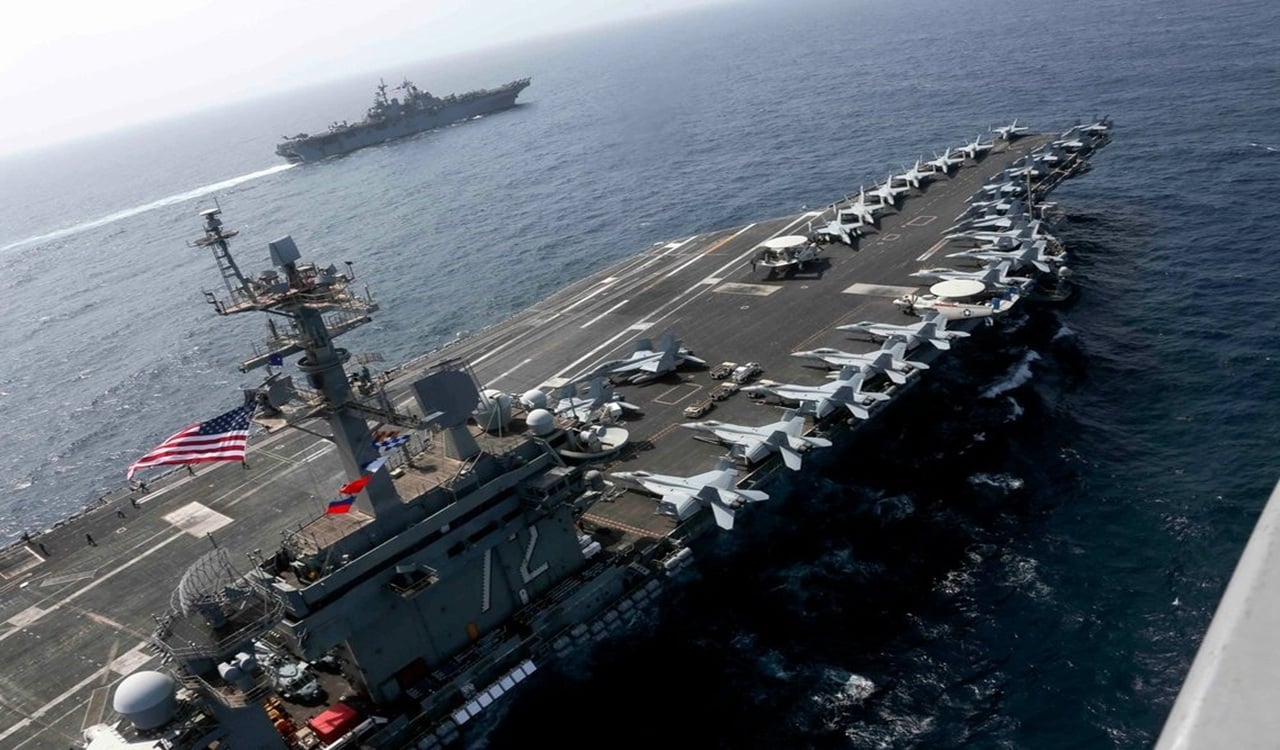
The United States has deployed the aircraft carrier USS Abraham Lincoln from the South China Sea to the Middle East amid ongoing tensions with Iran. According to the report, the carrier has already departed with its accompanying fleet, which includes destroyers, frigates, submarines, and other warships. News Nation reported that under Pentagon orders, the carrier strike group is expected to reach the US Central Command’s area of responsibility within a week. The US Central Command oversees a region that includes the Middle East, northeastern Africa, and parts of Central and South Asia, covering a total of 21 countries. The deployment comes as part of Washington’s broader military posture in response to regional developments involving Iran. The movement of the carrier strike group signals a potential increase in US military presence in the region, though the report does not specify further operational details or the duration of the deployment.
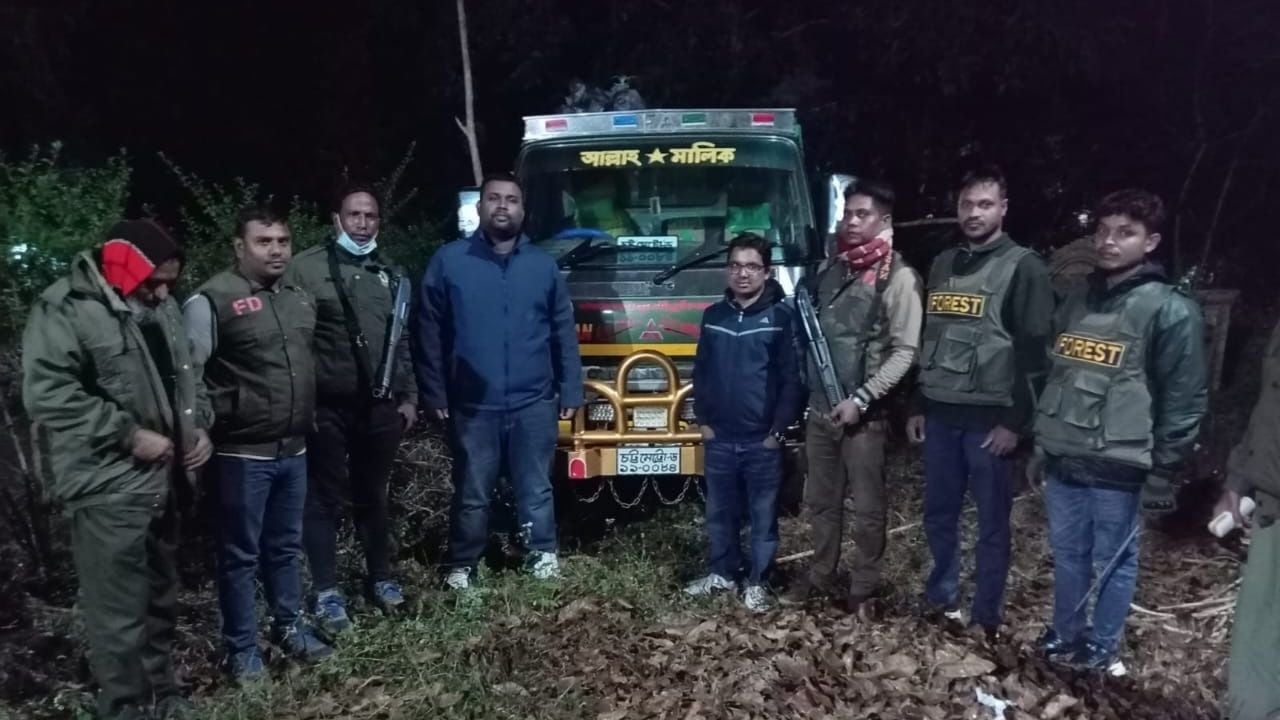
The Forest Department seized a dumper truck during a joint operation by the Ukhiya and Rajarkul ranges in Cox’s Bazar on Wednesday night. The raid took place around 10:30 p.m. in the Thoingakata area of the Aparruju beat under the Rajarkul range. The truck was allegedly being used for illegal hill cutting. The driver managed to escape, and the vehicle’s owner could not be identified as it lacked valid documents. According to Forest Department sources, the area had long been under suspicion for illegal hill cutting. Acting on a confidential tip, forest officials from both ranges conducted the joint operation. Although those involved in the activity fled upon sensing the raid, the department successfully seized the dumper truck. Ukhiya Range Officer Shahinur Islam stated that the Forest Department maintains a zero-tolerance policy against forest and environmental destruction. Hill cutting is completely prohibited, and a case under the Forest Act is in process.
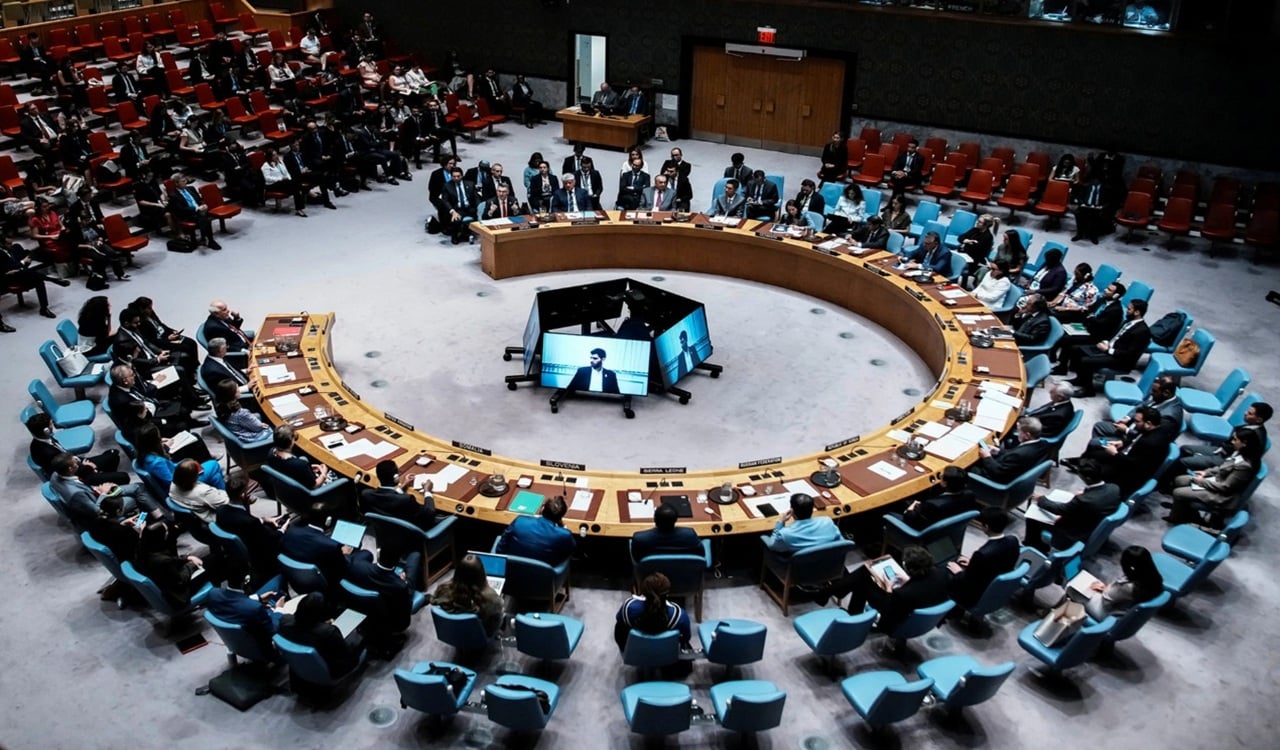
The United Nations Security Council is set to hold a briefing on the situation in Iran at the request of the United States. A spokesperson for Somalia’s presidency, which currently holds the council’s rotating leadership, confirmed the plan. According to the scheduling note, the session will take place on Thursday afternoon, with member states expected to discuss the current circumstances surrounding Iran. The note further stated that the United States formally requested the meeting. The briefing is considered significant in light of ongoing regional and international tensions involving Iran. The session aims to provide an opportunity for Security Council members to exchange views on developments affecting stability in the region. While the source did not specify the exact agenda or expected outcomes, the meeting underscores heightened global attention to Iran’s role in regional affairs and the diplomatic efforts to address related challenges.
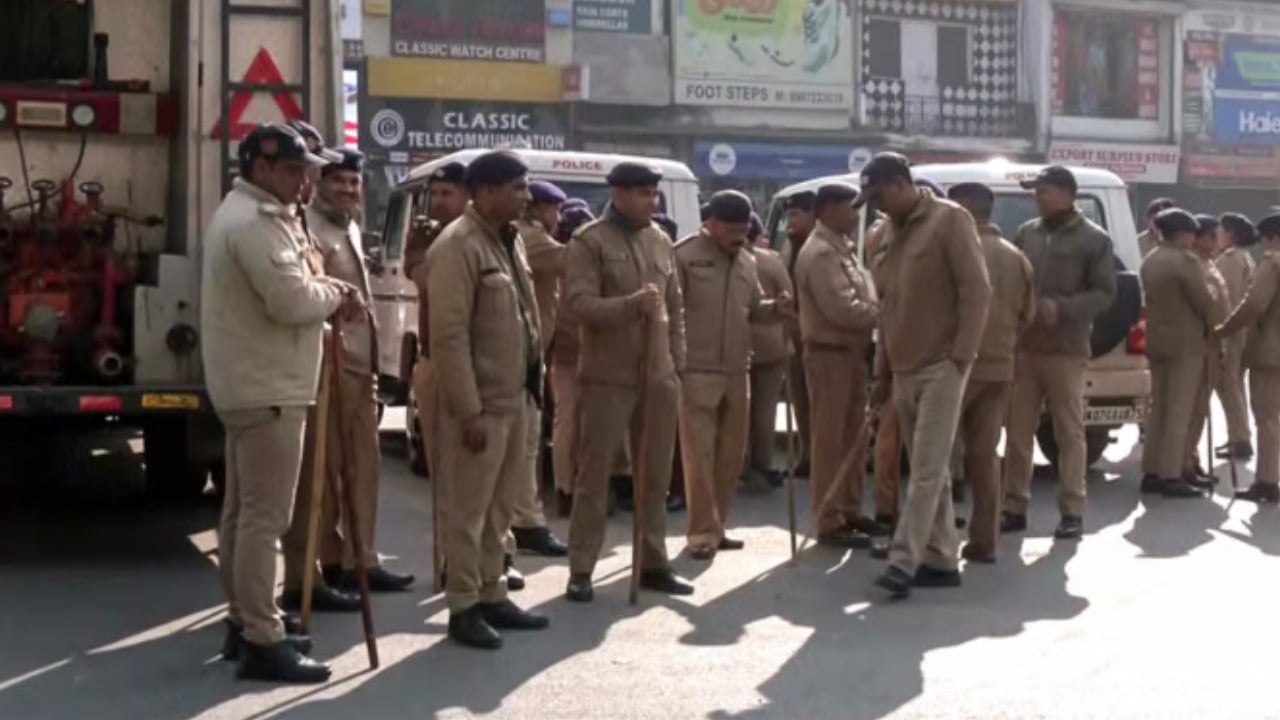
A Muslim laborer from Jharkhand named Diljani Ansari was attacked in Mangaluru, Karnataka, after being falsely accused of being a Bangladeshi national. The incident occurred on Sunday in the Kulur area when four young men stopped him, demanded his identification, and accused him of being an illegal immigrant. Despite Ansari’s insistence that he was Indian, the attackers beat him and struck his head with an object, leaving him seriously injured. A local woman rescued him, but he did not file a police complaint out of fear, instead informing local leaders who later notified the police. Police investigations confirmed that Ansari is an Indian citizen who has worked in Mangaluru for about six months each year over the past 15 years. The suspects, identified as Sagar, Danush, Lalu Rathish, and Mohan, are reportedly linked to a right-wing organization. Authorities have charged them with attempted murder and criminal intimidation, though all four remain at large. The report notes that incidents of violence against Muslims suspected of being Bangladeshis have been increasing, particularly in states with strong Hindu nationalist influence.
The ‘1 Nojor’ media platform is now live in beta, inviting users to explore and provide feedback as we continue to refine the experience.