

The ‘1 Nojor’ media platform is now live in beta, inviting users to explore and provide feedback as we continue to refine the experience.
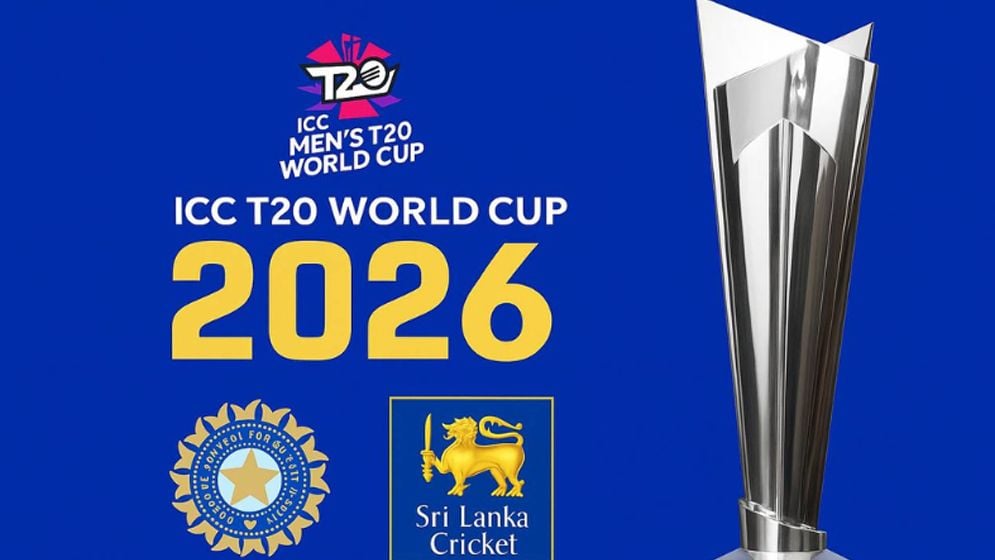
Bangladesh has declared that playing cricket in India is currently unsafe and remains firm in its demand to shift its World Cup matches to Sri Lanka. The country’s stance has created tension with the International Cricket Council (ICC), which has yet to decide whether Bangladesh can play its matches outside India. The tournament, scheduled to begin in February, now faces uncertainty as multiple teams encounter logistical and political obstacles. The report highlights that India’s strict visa policy toward individuals born in Pakistan has affected more than 20 players from several countries, including the United States, Oman, Canada, and the Netherlands. These players, many of Pakistani origin, are struggling to obtain visas to enter India. The issue extends beyond Bangladesh’s security concerns, as several teams may be unable to field their best squads. With only weeks remaining before the tournament, unresolved visa restrictions and safety concerns have raised doubts about India’s ability to host the event smoothly. The author suggests that the ICC consider moving the World Cup to a neutral venue to ensure fair participation and avoid further controversy.
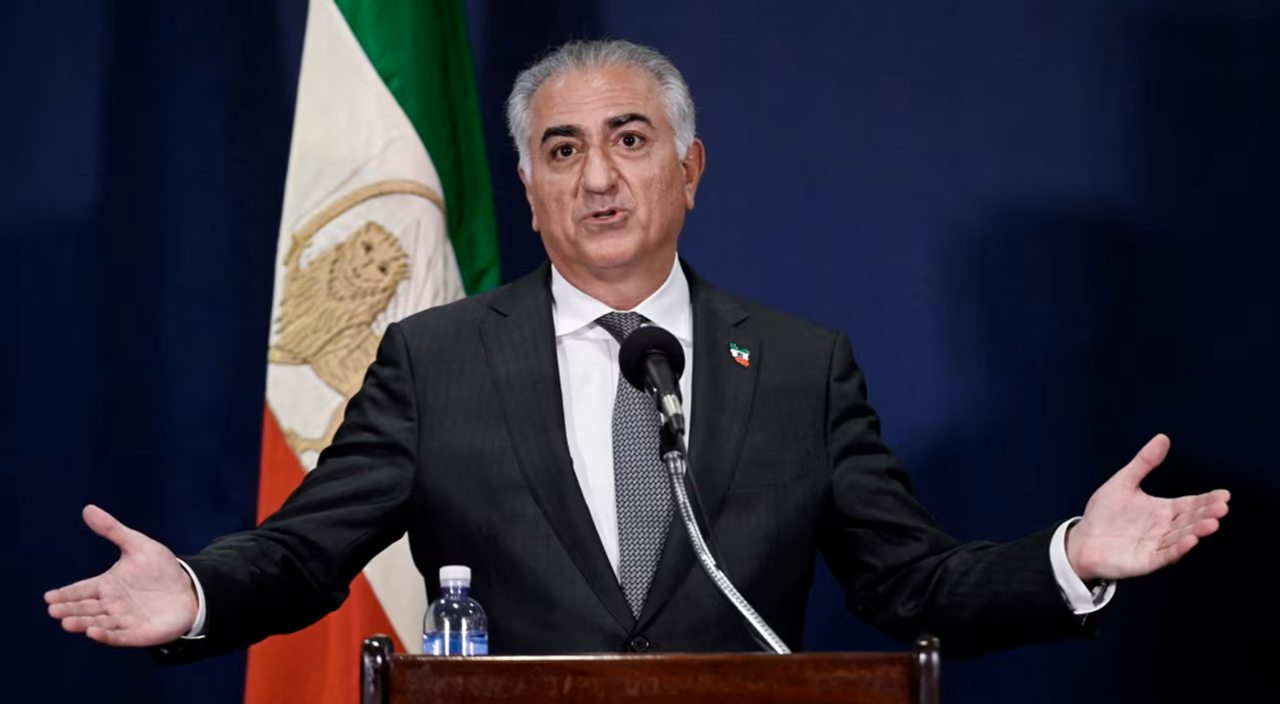
Exiled Iranian figure Reza Pahlavi, son of the country’s last deposed Shah, presented his vision for a future Iran following the fall of the Islamic Republic. In a message posted Wednesday on social media platform X, he said a new Iran would end its nuclear military program, recognize Israel, and seek normalized relations with the United States. Addressing “friends” around the world, Pahlavi stated that Iran’s current global image is defined by terrorism, extremism, and poverty. He argued that a free Iran would contribute to regional stability and act as a responsible global partner. On security and foreign policy, he pledged to halt support for terrorist groups and cooperate internationally against terrorism, organized crime, drug trafficking, and extremist Islamism. Pahlavi also emphasized economic openness, describing Iran as one of the world’s largest untapped markets. He said the country would aim to become a reliable global energy supplier and adopt international standards of transparency and good governance. He called for international support for the Iranian people, envisioning a free Iran as a force for peace and prosperity.
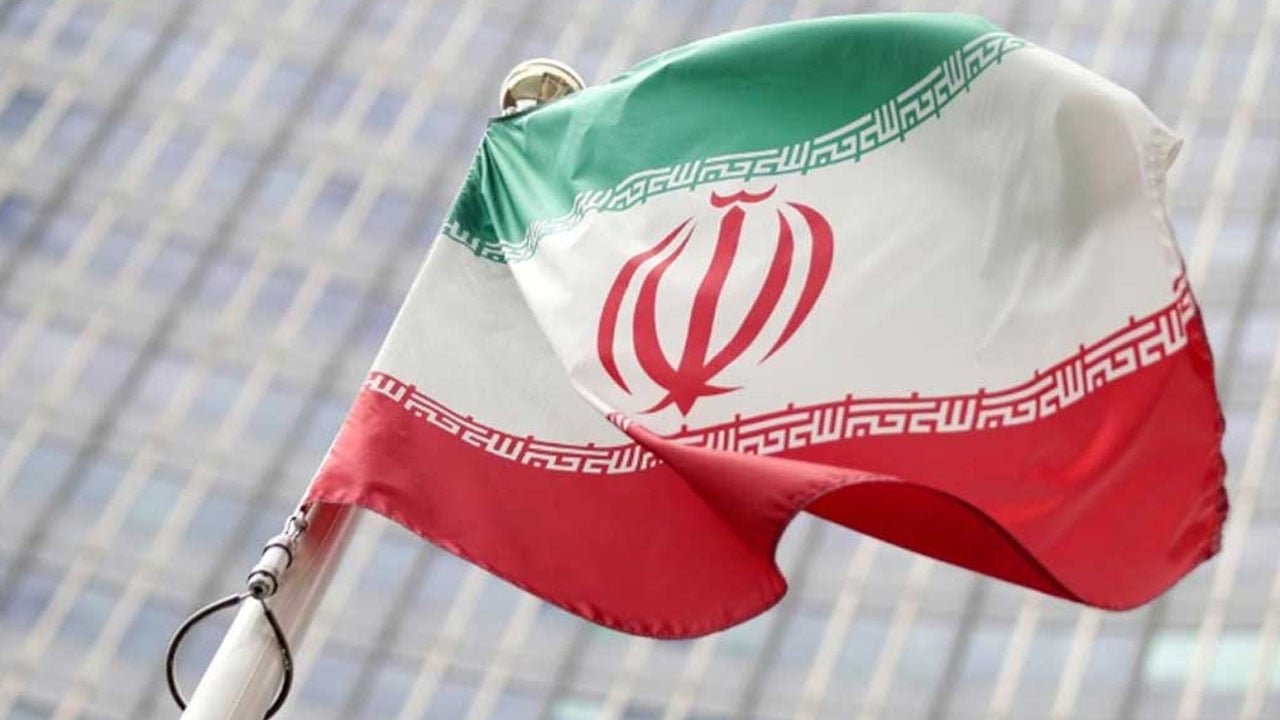
Iran’s Supreme Leader Ayatollah Ali Khamenei, in his first public remarks since the start of nationwide protests, attempted to distinguish between what he called the bazaar’s “legitimate” grievances and the broader anti-state uprising. He praised the country’s merchants as among the Islamic Republic’s most loyal supporters and insisted that foreign enemies could not use the bazaar to challenge the state. However, demonstrations have continued in Tehran’s markets, where authorities used tear gas to disperse crowds chanting anti-government slogans, including calls for Khamenei’s removal. The unrest reflects a deeper erosion of the bazaar’s traditional alliance with Iran’s ruling establishment. Once a pillar of the 1979 revolution, the merchant class has seen its influence decline over two decades of economic favoritism toward the Islamic Revolutionary Guard Corps (IRGC) and religious foundations, compounded by sanctions and inflation. The IRGC’s growing dominance in trade, banking, and infrastructure has marginalized traditional business networks that once anchored the regime’s stability. Analysts note that while the state could theoretically ease sanctions and curb IRGC-linked conglomerates to regain bazaar support, escalating tensions with the West and entrenched power structures make such reforms increasingly unlikely.
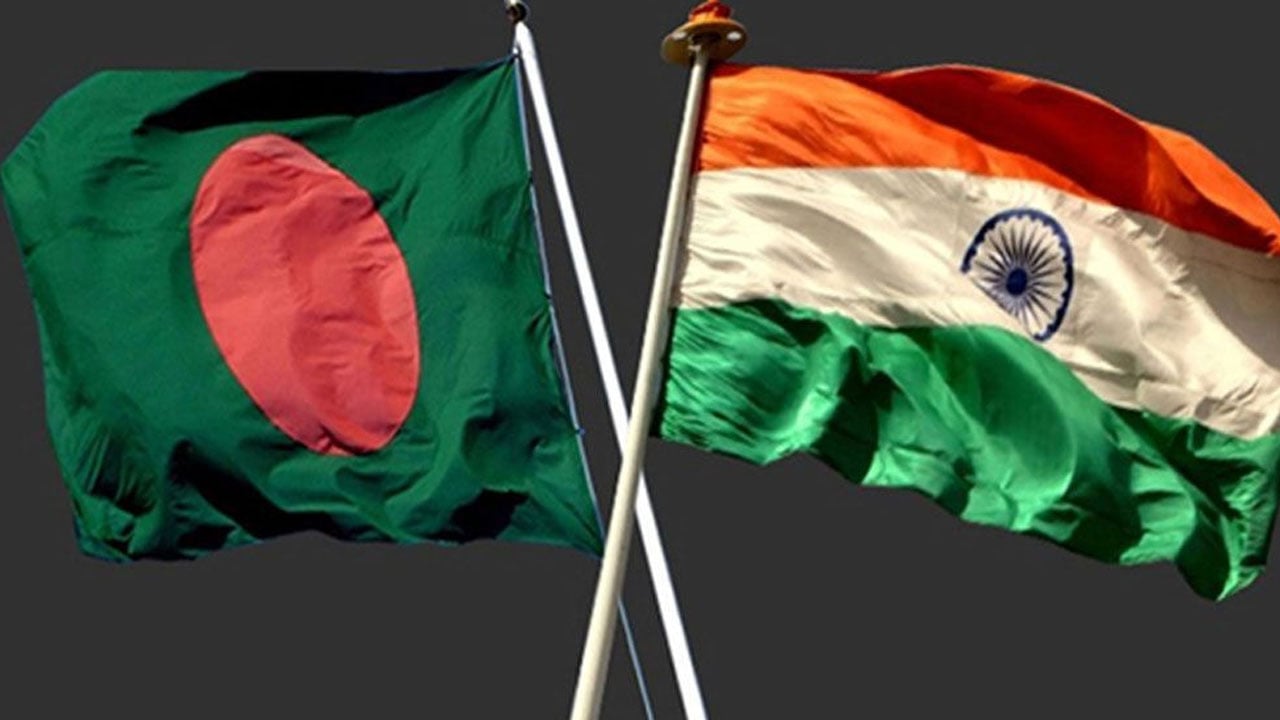
Relations between Bangladesh and India have sharply worsened ahead of upcoming elections in both countries. The crisis began after Sheikh Hasina, who ruled Bangladesh for 15 years with close ties to New Delhi, was ousted in 2024 following mass protests led by students and young people. After fleeing to India, the new interim government in Dhaka demanded her return for trial, but India refused, sparking anger among Bangladeshis. The dispute escalated into a diplomatic standoff, with both sides suspending visa services and trading accusations over minority safety and political interference. The tension has extended into sports, as Indian right-wing groups protested against Bangladeshi players, leading to one being dropped from the Indian Premier League. In response, Bangladesh announced it would not participate in the upcoming Cricket World Cup in India and requested that its matches be relocated. Analysts say both nations’ domestic politics are driving the hostility, with India seeking regional dominance and Bangladesh’s interim leader, Dr. Muhammad Yunus, balancing public sentiment and diplomatic pragmatism. With elections approaching in February, anti-India sentiment is shaping Bangladesh’s political landscape, while India explores new ties with the opposition BNP. Observers warn that mutual mistrust and rising nationalism may keep relations strained in the near term.
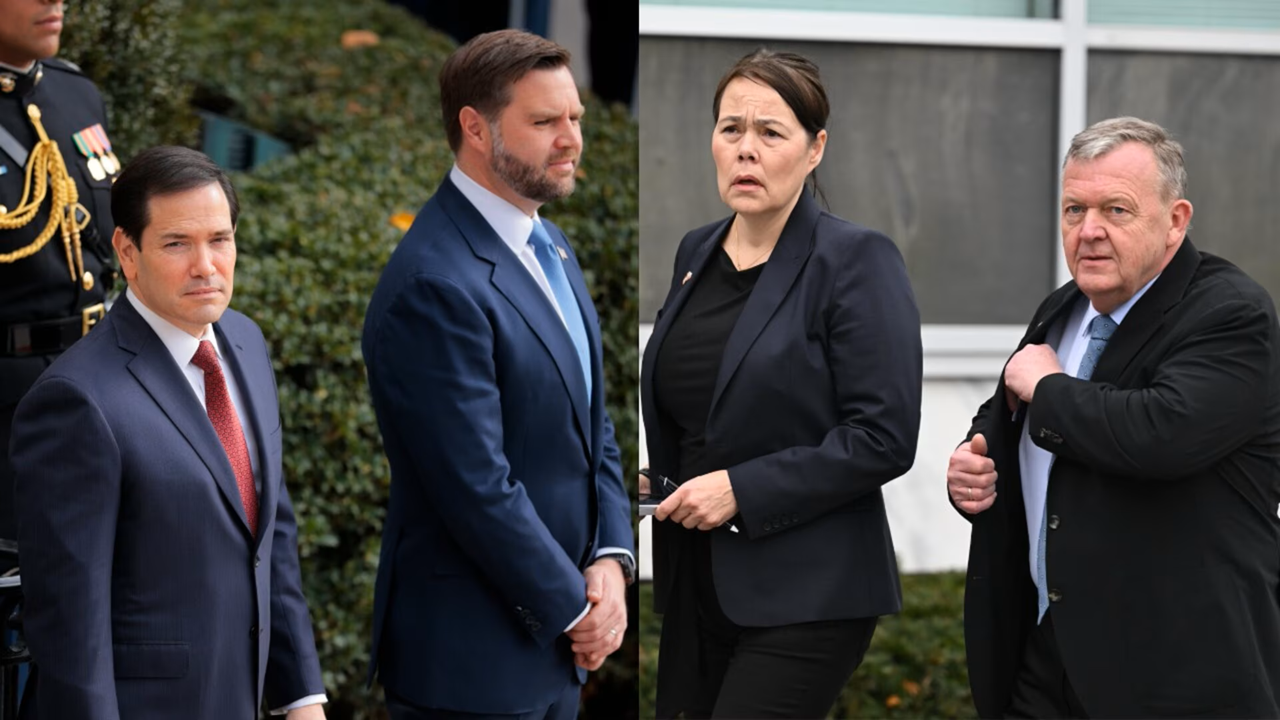
A closed-door meeting was held at the White House on Wednesday between the United States, Denmark, and Greenland amid escalating tensions over control of Greenland. US Vice President JD Vance and Secretary of State Marco Rubio met with the foreign ministers of Denmark and Greenland. According to The Guardian, the meeting lasted less than an hour. Danish officials described the talks as positive, but Foreign Minister Lars Løkke Rasmussen admitted that the two countries still differ on Greenland’s future. Rasmussen said President Donald Trump clearly outlined his stance on Greenland, while Denmark maintained a different position and remained uncertain about reaching any agreement. Greenland’s Foreign Minister Vivian Motzfeldt stated that Greenland seeks stronger cooperation as an ally, not subordination to the US. Denmark’s Prime Minister echoed that Greenland’s takeover is unnecessary and dismissed claims of immediate threats from Russia or China. Hours before the meeting, Trump reiterated that US control of Greenland is vital for missile defense and NATO strength. Denmark and Greenland firmly opposed Trump’s plan, declaring Greenland is not for sale. Denmark announced increased Arctic military presence in 2026, with Germany, France, Sweden, and Norway joining joint NATO deployments. Sweden has already begun sending troops under Denmark’s “Operation Arctic Endurance.”
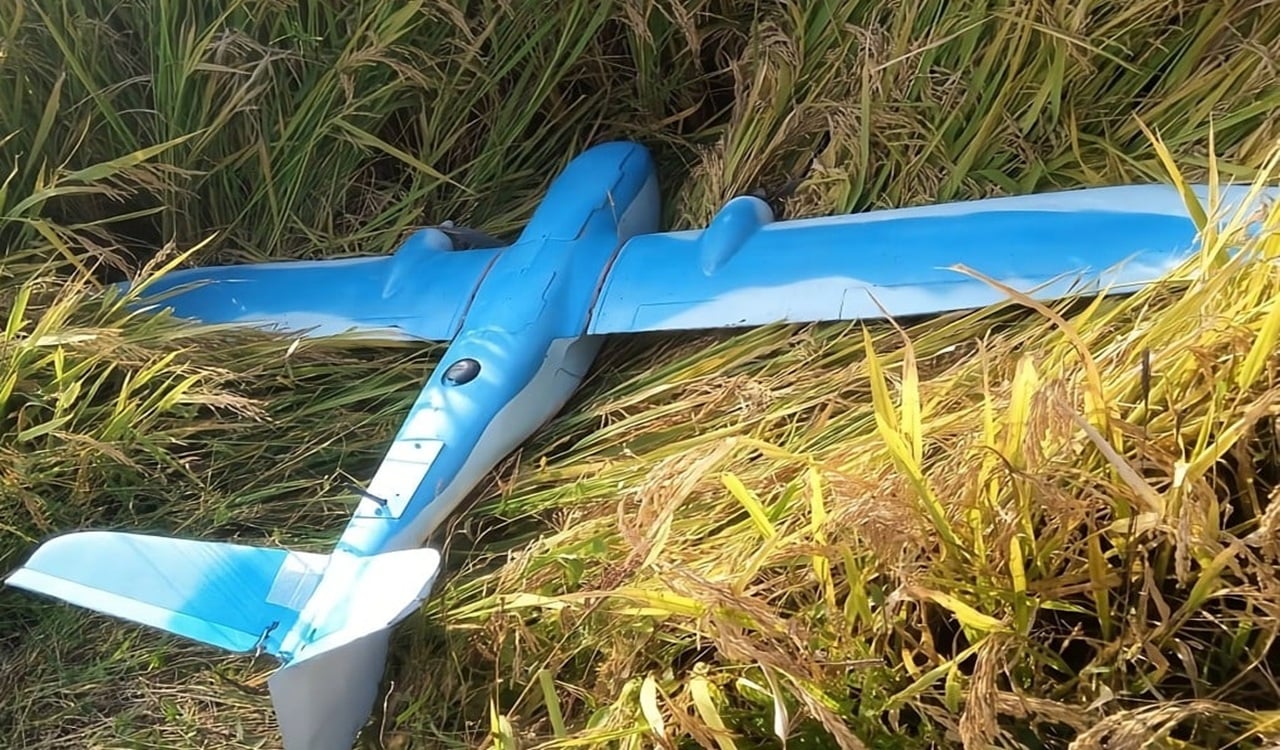
South Korea has pledged to identify and punish those responsible for a recent drone intrusion into North Korea, following Pyongyang’s demand for an official apology. North Korea claimed that a South Korean drone crossed the shared border into Kaesong earlier this month, was shot down, and its wreckage displayed publicly. Seoul denied any military or government involvement but acknowledged the possibility of civilian participation. National Security Adviser Wi Sung-lac stated during a press briefing in Nara, Japan, that authorities are investigating whether the incident originated from the civilian sector and promised legal consequences if guilt is proven. He also noted that North Korea had previously sent drones into South Korea, calling such actions violations of the armistice agreement that ended the 1950–53 Korean War. President Lee Jae-myung has ordered a joint military and police investigation into the matter, warning that any civilian involvement would pose a serious threat to peace on the Korean Peninsula.
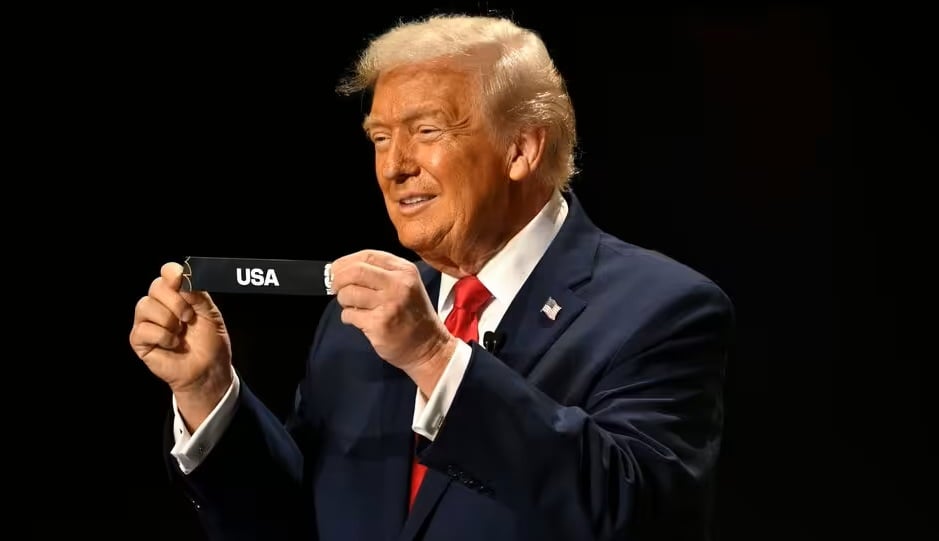
Twenty-three members of the British Parliament from multiple political parties have called for the United States to be expelled from the 2026 FIFA World Cup. According to a BBC report cited in the source, the MPs argue that Washington’s recent military operations violate international law and undermine the sovereignty of other nations. The demand follows a U.S. raid in Caracas that reportedly led to the capture of Venezuelan President Nicolás Maduro, as well as subsequent threats by President Donald Trump toward several countries. The MPs, representing the Labour, Liberal Democrat, Green Party, and Plaid Cymru, signed a joint proposal urging FIFA and other global sports bodies to bar the U.S. from major tournaments. They stated that events like the World Cup or Olympics should not become tools for powerful states to disregard international law. The controversy comes shortly after Trump received a “Peace Award” from FIFA for his role in brokering a ceasefire between Israel and Palestine. The call adds political tension ahead of the 2026 World Cup, for which the United States is one of the host nations alongside Mexico and Canada.
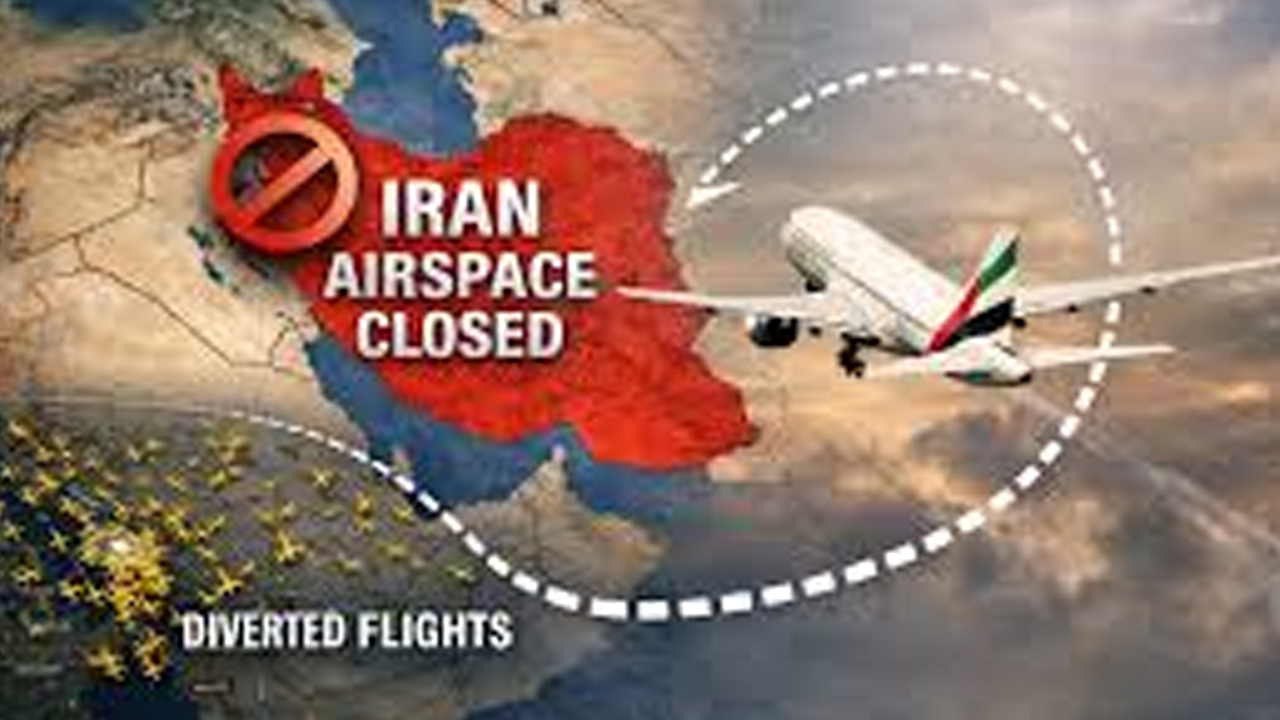
Iran has temporarily closed its airspace to nearly all flights except for international civilian arrivals and departures, according to an official aviation notice issued early Thursday. The notice stated that Tehran’s airspace would remain closed until January 15, with only limited operations allowed under approval from the Civil Aviation Authority. The decision comes amid escalating anti-government protests, growing international scrutiny, and heightened security concerns across the country. Human rights groups claim that thousands have been killed or injured since demonstrations began in late December, though Iranian authorities have not released official casualty figures. U.S. President Donald Trump said he was informed that executions of protesters in Iran had been halted, warning that Washington would take “very tough measures” if they resumed. G7 foreign ministers condemned the “deliberate use of violence” against demonstrators and urged Iran to show restraint and respect human rights. Iranian officials, meanwhile, accused the United States and Israel of supporting unrest and terrorism, allegations denied by Western nations.
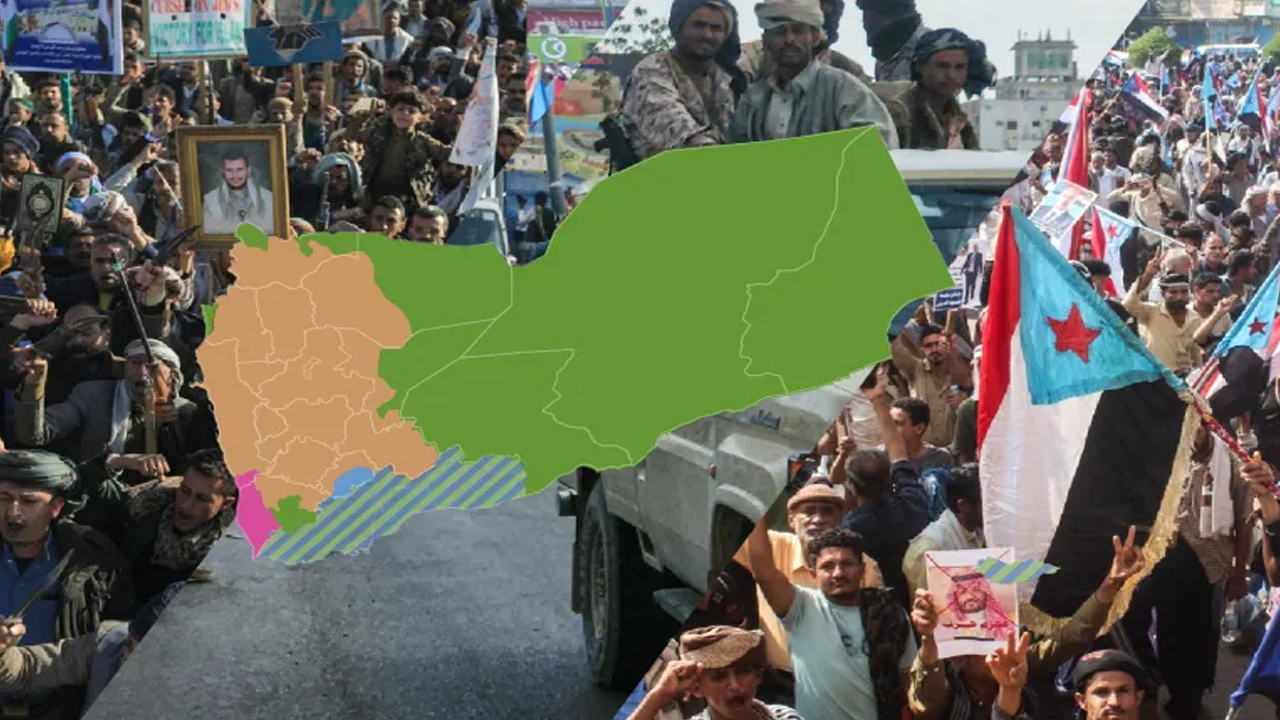
The internationally recognized Yemeni government, known as the Presidential Leadership Council (PLC), announced that its forces have regained control of two strategic southern provinces from the separatist Southern Transitional Council (STC) after a month of fighting. The UAE-backed STC had seized the oil-rich Hadramaut and Al-Mahra provinces near the Saudi border in early December 2025. Saudi Arabia, which supports the PLC, viewed the move as a national security threat and responded with airstrikes on STC positions, including the key port of Mukalla. The PLC, led by Rashad al-Alimi since 2022, operates from Aden and aims to unify anti-Houthi factions. The STC seeks an independent southern Yemen and rejected reports of its dissolution after its leader was dismissed from the PLC in January 2026. Meanwhile, Iran-backed Houthi rebels continue to control much of northern and western Yemen, including the capital Sanaa and the Red Sea coast. According to the Sana’a Center for Strategic Studies, the Houthis hold northwestern Yemen, while the government claims most of the rest. The UN reports that 17 million Yemenis face severe food shortages, with millions displaced and dependent on humanitarian aid.
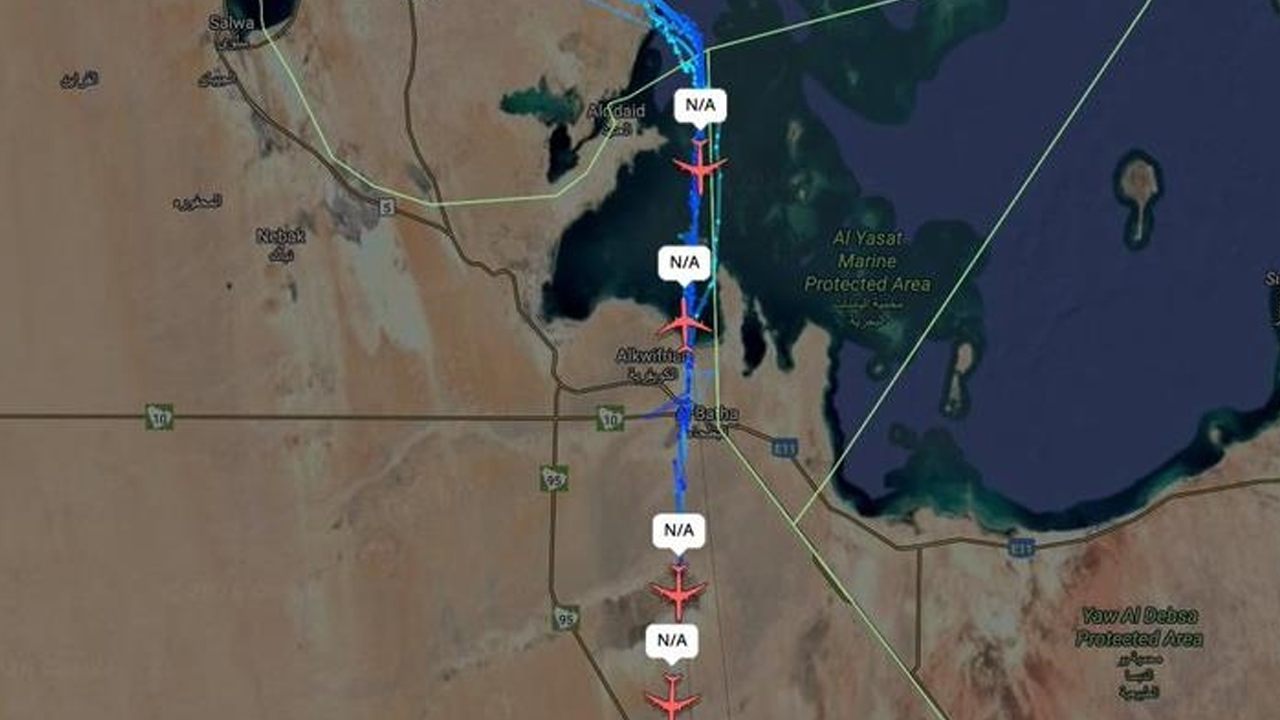
Several European countries have issued urgent travel advisories instructing their citizens to leave Iran immediately due to escalating anti-government protests and a deteriorating security environment. Italy, Poland, Germany, and Spain released warnings on Wednesday, citing growing instability. Italy’s foreign ministry reported that around 600 Italian nationals are currently in Iran, mostly in Tehran, and reiterated its call for them to depart swiftly. Poland also advised against travel to Iran, while Germany urged its citizens to avoid visits and for those already there to leave, warning of potential arbitrary arrests. Spain similarly discouraged travel and asked Spanish nationals to exit using available means. The unrest began on December 28 at Tehran’s Grand Bazaar, sparked by protests over the sharp devaluation of Iran’s currency, the rial, and worsening economic conditions. Demonstrations have since spread to multiple cities across the country. Recent fears of a possible U.S. military strike have further heightened tensions and uncertainty in the region. The coordinated European advisories reflect growing international concern over Iran’s internal instability and the safety of foreign nationals.
The World Bank’s latest Global Economic Prospects report, released in January 2026, states that Bangladesh’s medium-term economic outlook has improved, with growth expected to strengthen steadily over the next two fiscal years. The forecast for 2025–26 has been revised upward to 4.6 percent, and for 2026–27 to 6.1 percent, reflecting stronger domestic demand, industrial activity, and investment. According to the report, easing inflation is expected to boost private consumption, while reduced political uncertainty following the 2026 general election and anticipated structural reforms by the new government will support industrial expansion. Public spending and investment growth are also projected to accelerate faster than previously forecast, with the 2027 growth estimate raised by 0.3 percentage points compared to the June projection. In the global context, the World Bank noted that despite trade tensions and policy uncertainty, the world economy remains more resilient than expected. However, it warned that if current trends persist, the 2020s could become the weakest decade for global growth since the 1960s.
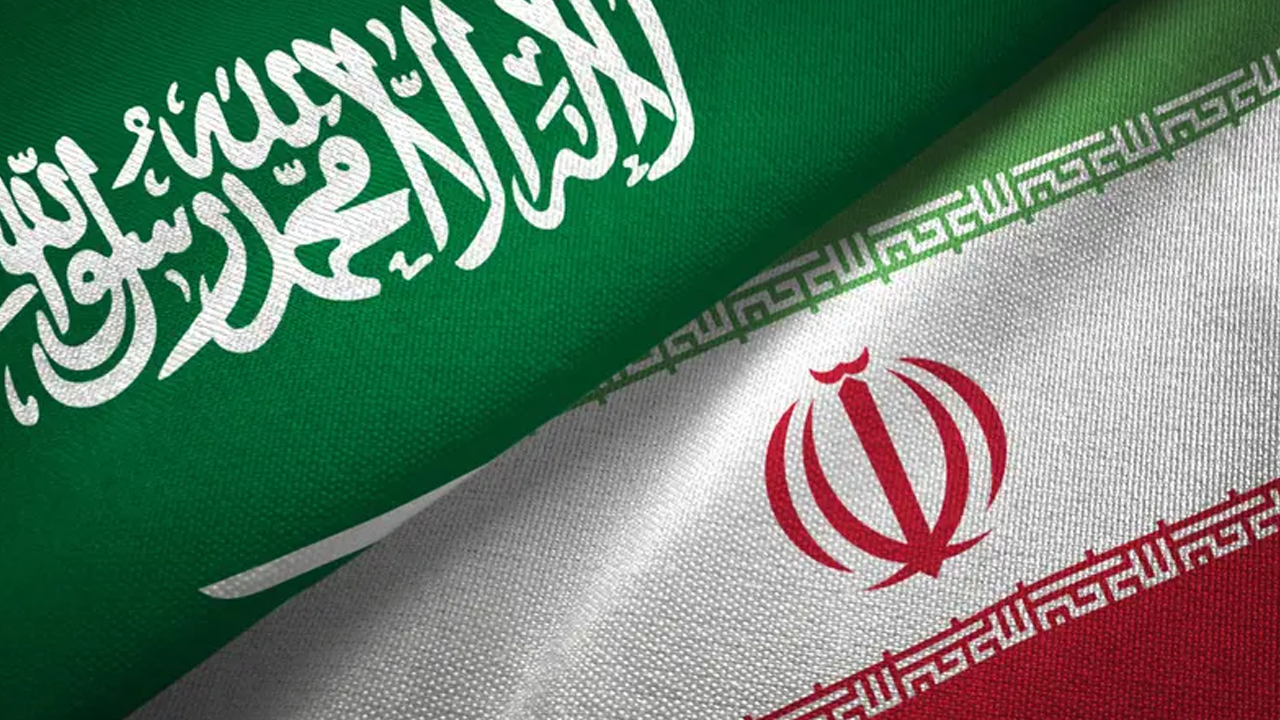
Saudi Arabia has informed Iran that it will not allow its territory or airspace to be used for any military attack. Two sources close to the Saudi government told AFP on Wednesday that the message was delivered as the United States threatens possible military action against Tehran. Saudi media outlet Al Arabiya also reported the development. According to the sources, Riyadh clarified its stance amid warnings that Washington might take military steps in response to Iran’s harsh crackdown on ongoing protests. In reaction, Tehran has warned that any new attack would prompt it to target US military bases and naval assets. A source close to the Saudi military said the kingdom directly told Tehran it would not participate in any military operation against Iran. Analysts noted that the presence of significant US military assets across the Gulf region, including in Saudi Arabia, makes the situation more sensitive amid rising tensions.
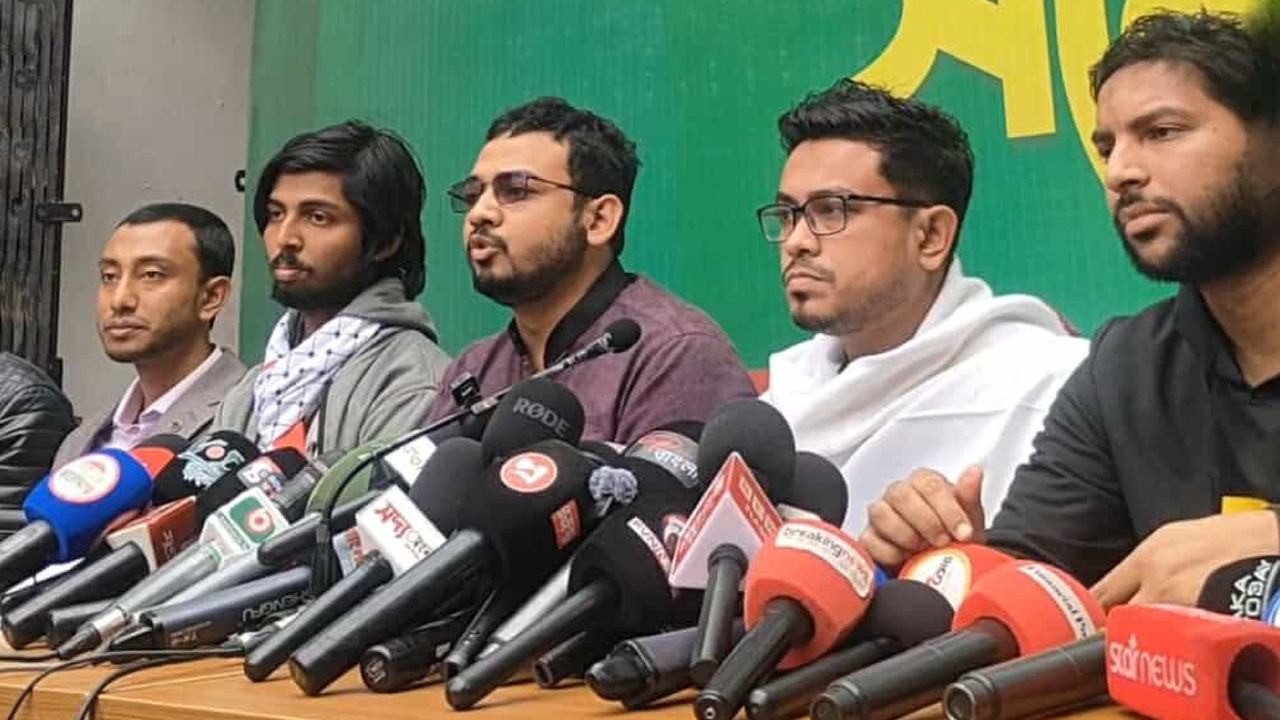
The Dhaka University Central Students’ Union (DUCSU) has announced a month-long, 15-point nationwide campaign to ensure a ‘Yes’ victory in the upcoming referendum. The program, unveiled on Wednesday at a press conference in front of the DUCSU building, is being conducted under the slogan “Vote Yes, Secure Bangladesh.” DUCSU Vice President Sadiq Kayem announced the initiatives aimed at increasing public participation and awareness. According to the announcement, the campaign includes direct public outreach, online activities, debates, seminars on state reform, meetings with civil society and journalists, discussions with online activists, cultural events, and visits to educational institutions across the country to unite students. In his written statement, Kayem said the referendum represents a continuation of the July uprising’s spirit of reform and equality, describing participation and a ‘Yes’ vote as a duty to honor the sacrifices of July’s martyrs. DUCSU also called on all anti-fascist political parties, student and professional organizations, and the general public to unite in creating a nationwide wave of support for the ‘Yes’ vote.
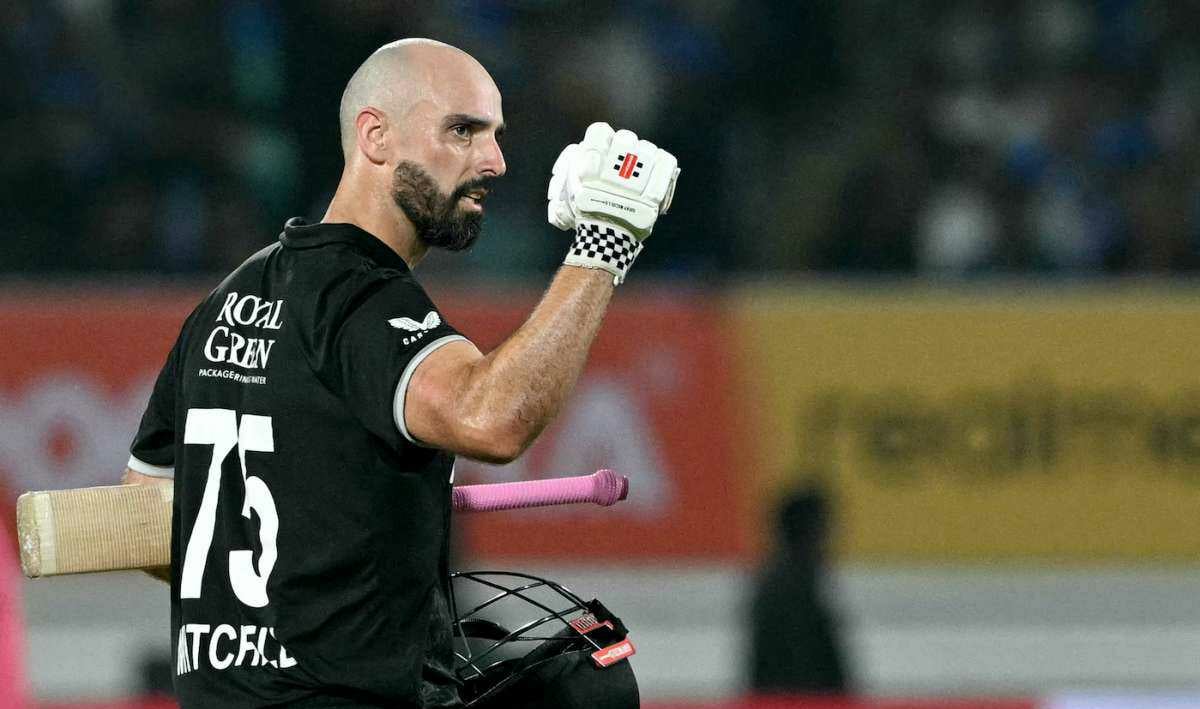
New Zealand defeated India by seven wickets in the second One Day International at Rajkot, leveling the three-match series 1–1. Chasing 285, the visitors reached 286 for three in 47.3 overs, securing victory with 15 balls to spare. Daryl Mitchell starred with an unbeaten 131 off 117 balls, including 11 fours and two sixes, while Will Young contributed 87 runs. The win marked New Zealand’s highest successful run chase in an ODI on Indian soil. Earlier, India posted 284 for seven after losing the toss and being sent to bat at Niranjan Shah Stadium. Lokesh Rahul remained unbeaten on 112 from 92 balls, hitting 11 boundaries and one six, while opener Shubman Gill added 56 runs. For New Zealand, bowler Clark took three wickets for 56 runs. With this emphatic win, New Zealand ended an eight-match losing streak against India and kept the series alive ahead of the final ODI.
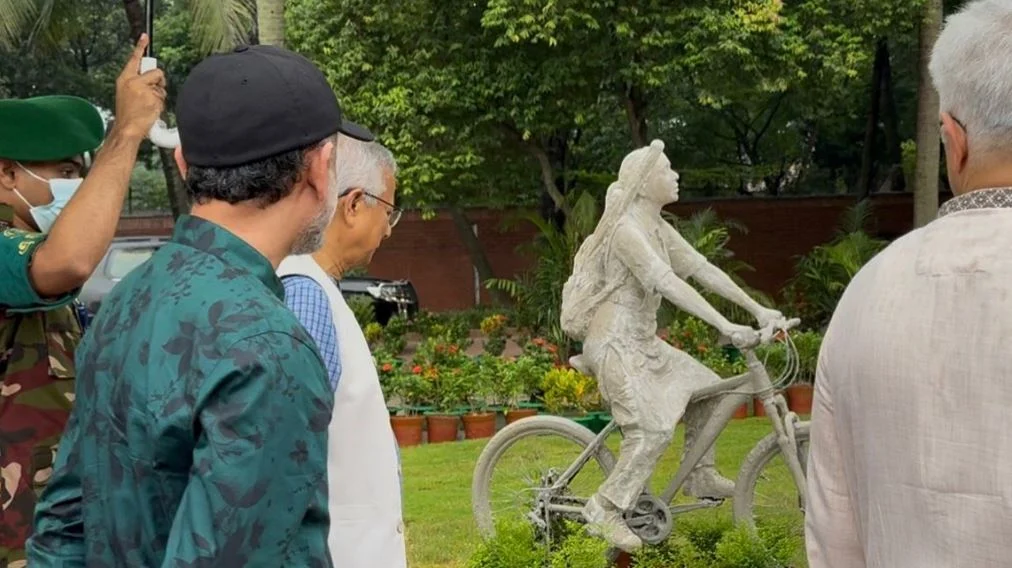
The International Crimes Tribunal-1, led by Justice Md Golam Mortuza Mojumdar, has permitted the display of seized evidence from the July–August 2024 crimes against humanity cases at the July Uprising Memorial Museum gallery for one month. The order was issued following a prosecution request, according to a report by BSS. The museum, located at Ganabhaban and officially designated by the current government as the July Uprising Memorial Museum, is scheduled to open on January 20. Prosecutor Gazi M.H. Tamim stated that the museum authorities applied through the prosecution to exhibit the seized items, which include bullets, weapons, bloodstained clothing, and chairs used during torture. The tribunal granted permission for these materials to be displayed for one month from a specified date. The decision allows the public to view physical evidence from both resolved and ongoing tribunal cases. The display aims to preserve and present historical evidence of the July events, marking a significant step in documenting crimes against humanity tried under the tribunal’s jurisdiction.
The ‘1 Nojor’ media platform is now live in beta, inviting users to explore and provide feedback as we continue to refine the experience.