

The ‘1 Nojor’ media platform is now live in beta, inviting users to explore and provide feedback as we continue to refine the experience.
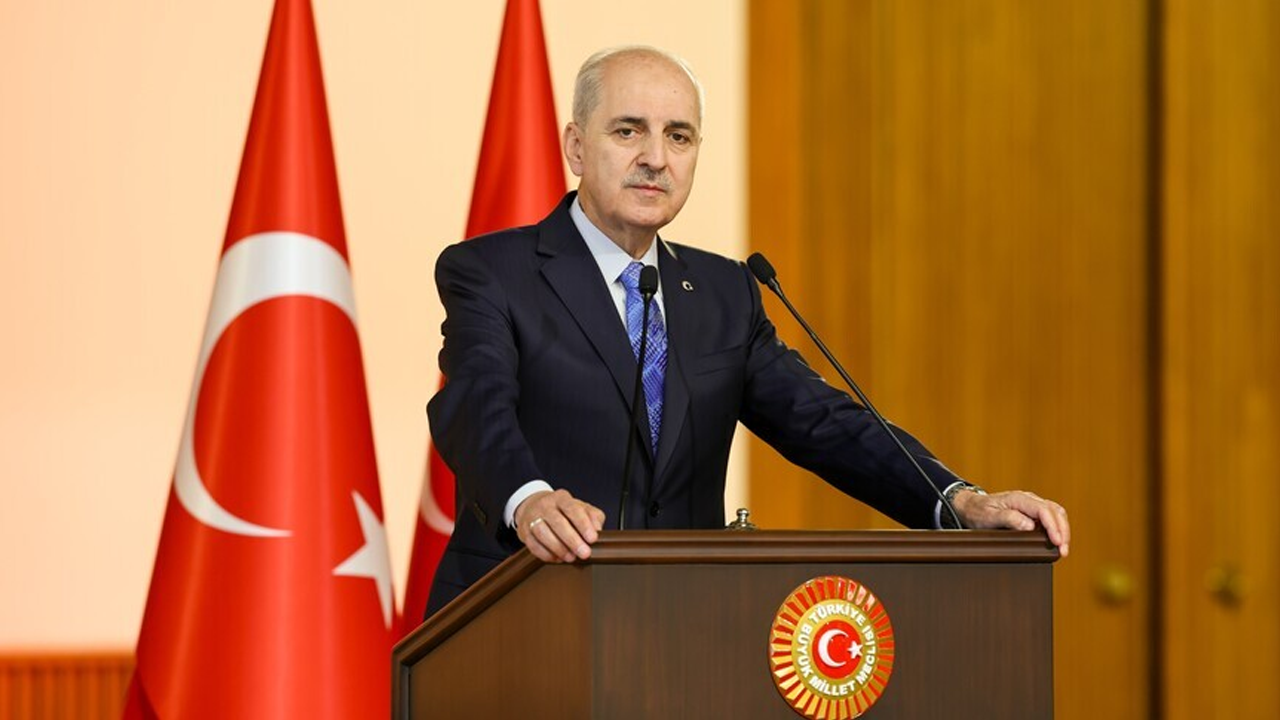
Turkish Parliament Speaker Numan Kurtulmus stated that lasting peace in the Middle East can only be achieved if Israel’s current far-right government halts its expansionist policies and aggression. Speaking at the opening session of a NATO summit in Istanbul, he said that ending decades of injustice against Palestinians and ensuring justice are essential for regional stability. Kurtulmus emphasized that stopping Israel’s aggressive actions would not only secure peace and safety for Palestinians but also strengthen global peace. He reaffirmed Turkey’s support for establishing an independent and sovereign Palestinian state with East Jerusalem as its capital, reiterating that a two-state solution remains the only viable path to resolving the crisis. He also welcomed the recent interim agreement between Iran and the United States, expressing hope that such initiatives would lead beyond temporary ceasefires toward a lasting and just peace.
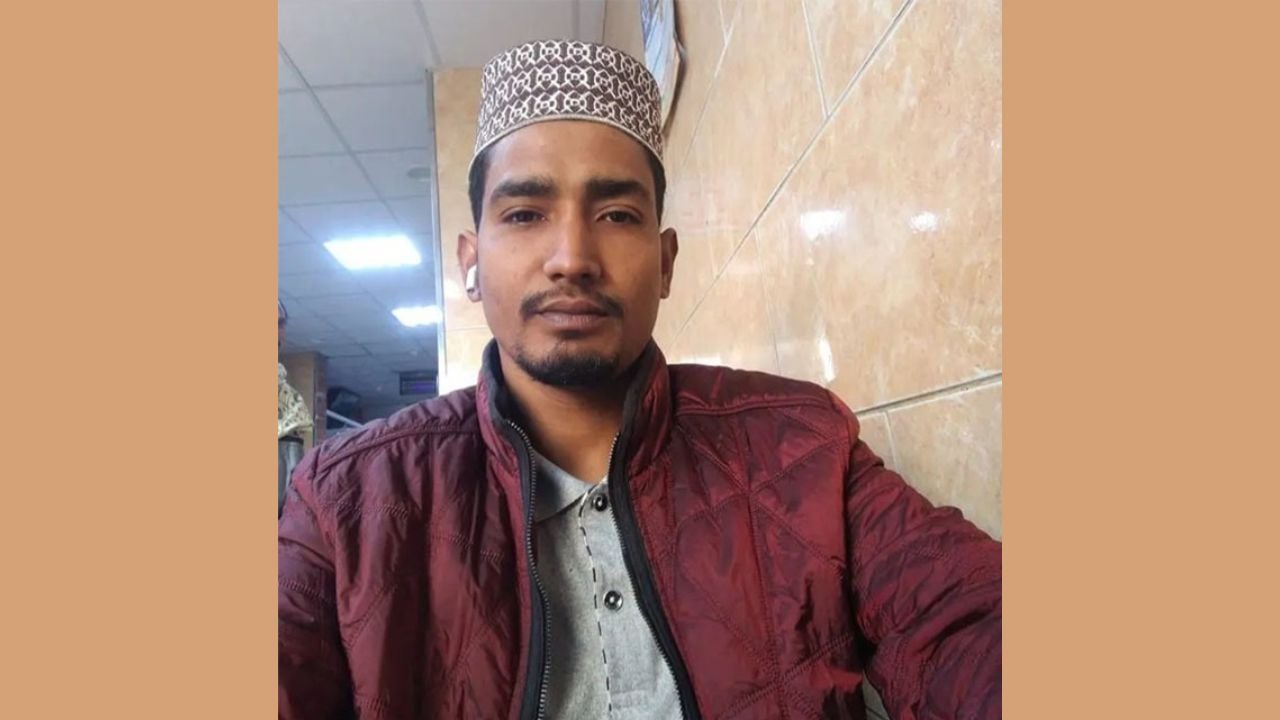
Police in Chatkhil, Noakhali, arrested expatriate Sohel Rana, 36, from Kartakhil village on Sunday night following a warrant issued by the Comilla Judicial Court. Rana, son of the late Shafiullah, allegedly deceived several women by posing as an unmarried man while living abroad and marrying them under false pretenses. His latest wife, Shahanaz Begum, 30, from Kutuali in Comilla, filed a case on June 2, leading to his arrest. He was presented before the court on Monday afternoon. According to police and Shahanaz’s complaint, Rana developed a relationship with her over four years, married her on May 5, and later took her to his family home in Chatkhil, where she discovered his previous wife and children. Despite agreeing to continue the marriage, Shahanaz was allegedly assaulted and forced out by Rana’s relatives and a local member named Masud. She later filed complaints in both Chatkhil and Comilla. Police stated that Masud’s name was excluded from the charge sheet due to lack of evidence. Local sources claimed Rana had similarly deceived and abused other women in the past.
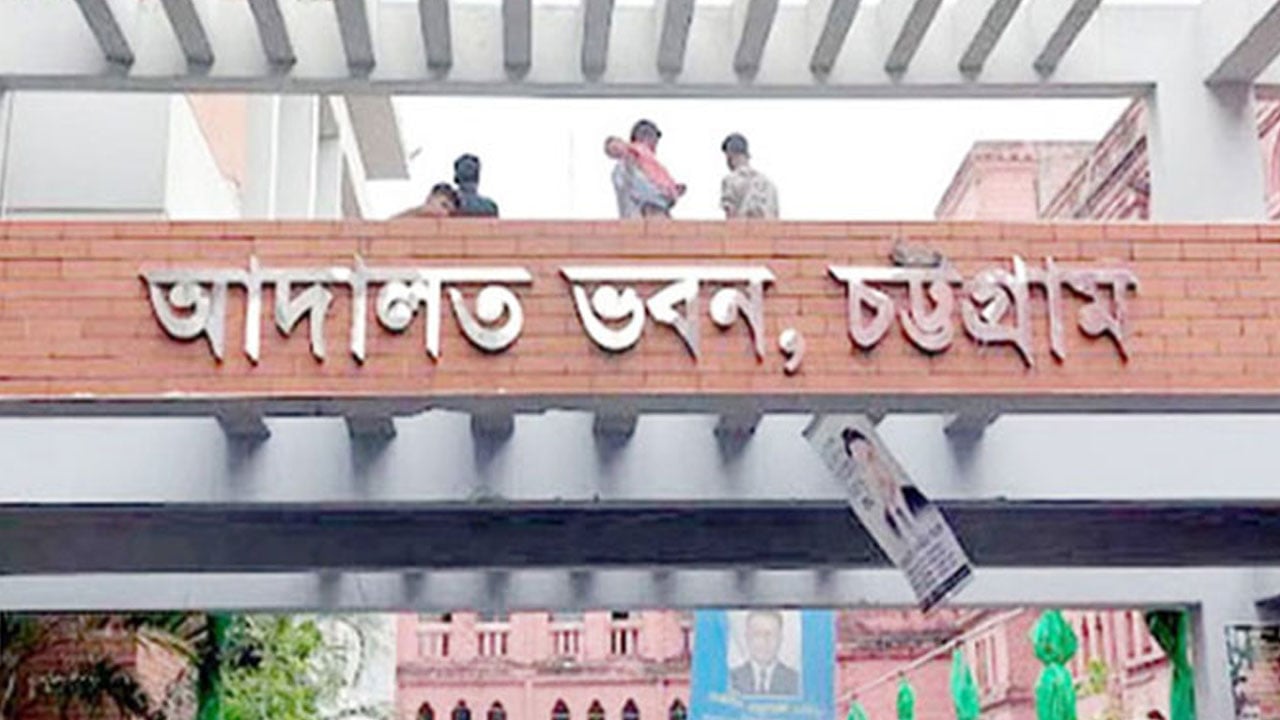
A Chattogram court has sentenced two accused, Mahmudul Hasan Sohel and Ayub Ali Babul, to life imprisonment in the Palash murder case. The verdict was delivered on Monday morning by the Fifth Additional Metropolitan Sessions Judge Md Tajul Islam. Each convict was also fined Tk 50,000, with an additional six months of imprisonment in default. The court issued arrest warrants as both convicts were absconding during the verdict. Fourteen out of sixteen witnesses testified in the case. According to court officials, the murder occurred on August 27, 2009, when the accused allegedly killed Md Palash at a building in the DC Road area of Bakolia, Chattogram, following a prior enmity. The victim’s brother, Md Samrat, filed the case the next day at Bakolia Police Station. After investigation, the charge sheet was submitted, and the court framed charges on November 12, 2012. The case was initially under the Divisional Speedy Trial Tribunal before being transferred to the current court. The ruling concludes a long-running murder case that began nearly seventeen years ago, with the convicts still at large.
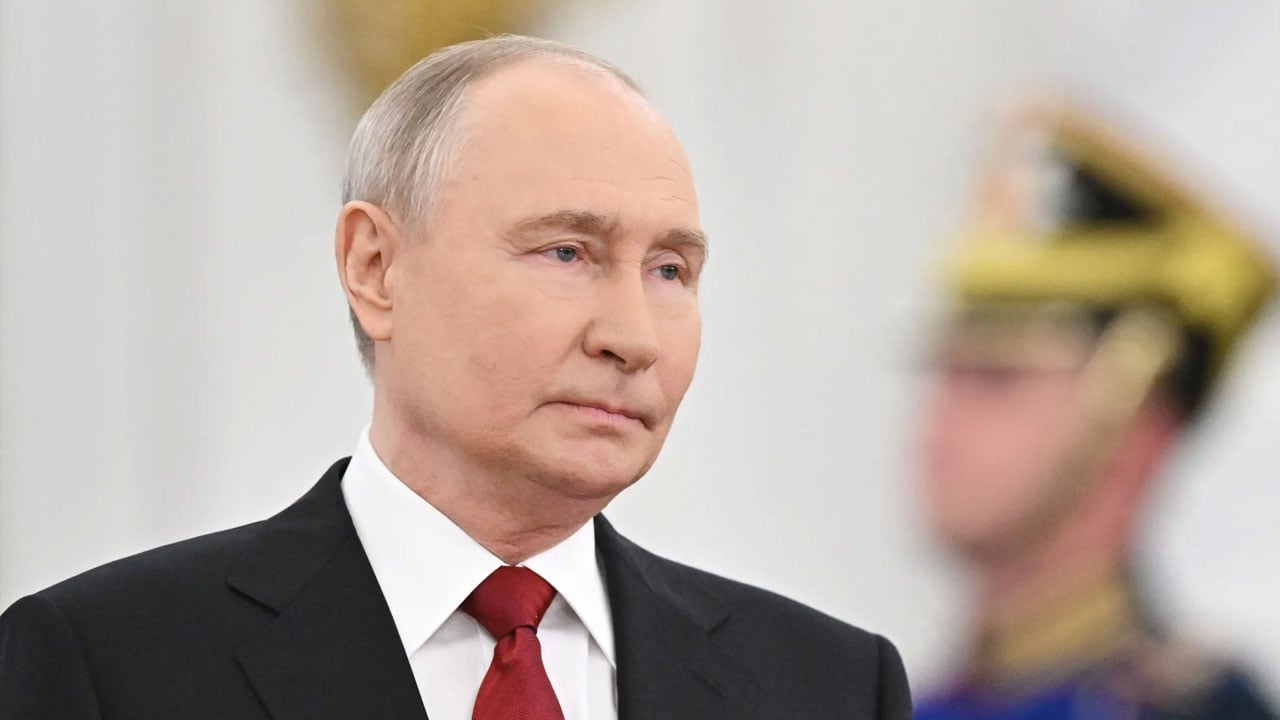
Russian President Vladimir Putin said that continued Ukrainian attacks have caused some fuel shortages in Russia, though he described the situation as not yet serious. In an interview released by the Kremlin on Sunday, Putin explained that after four years of war, Ukrainian strikes have affected Russia’s energy infrastructure. Since Russia’s full-scale invasion of Ukraine in February 2022, Russian forces have regularly targeted Ukrainian cities, civilians, and energy facilities. In response, Ukraine has launched counterattacks on oil refineries and other military sites inside Russia. Putin stated that Russia’s main task now is to strengthen its air defense systems, particularly to secure energy supplies to Crimea. Authorities in Russian-occupied Crimea declared a state of emergency on Friday due to fuel shortages and power outages, blaming Ukrainian attacks on logistics chains and oil installations. Putin also expressed hope that once the Middle East situation stabilizes, a U.S. delegation might visit Moscow to discuss ending the war.
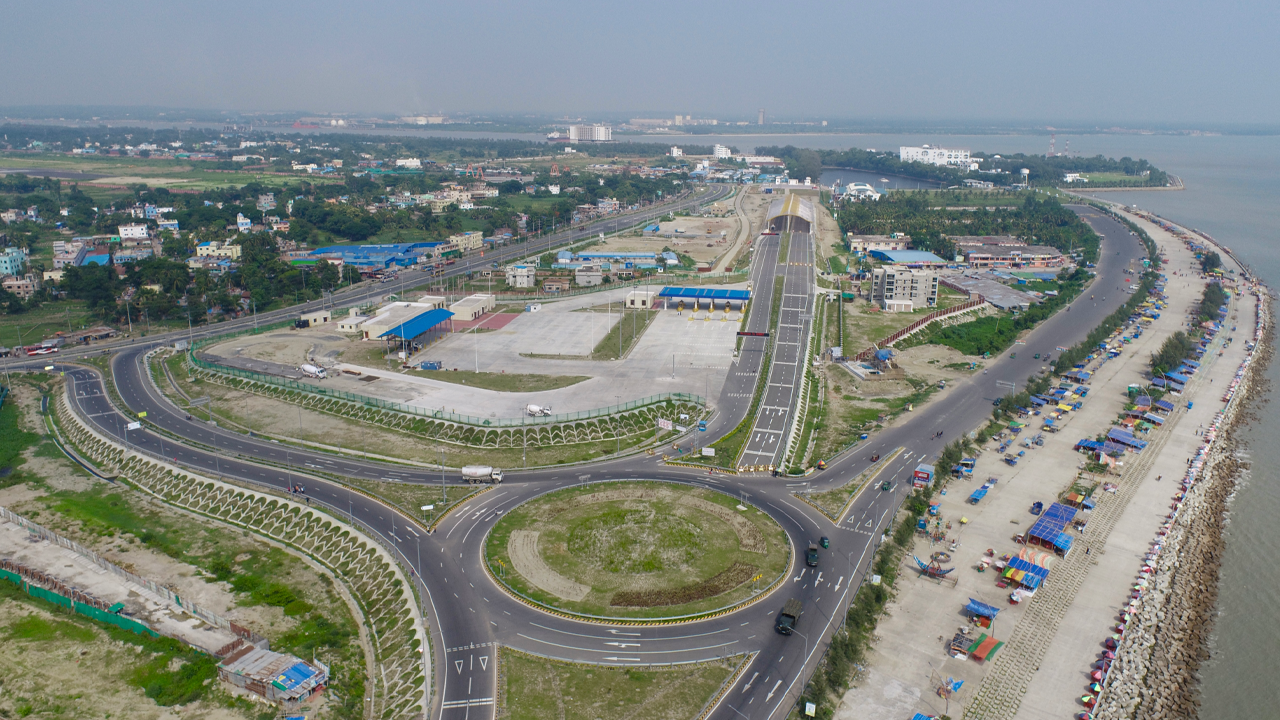
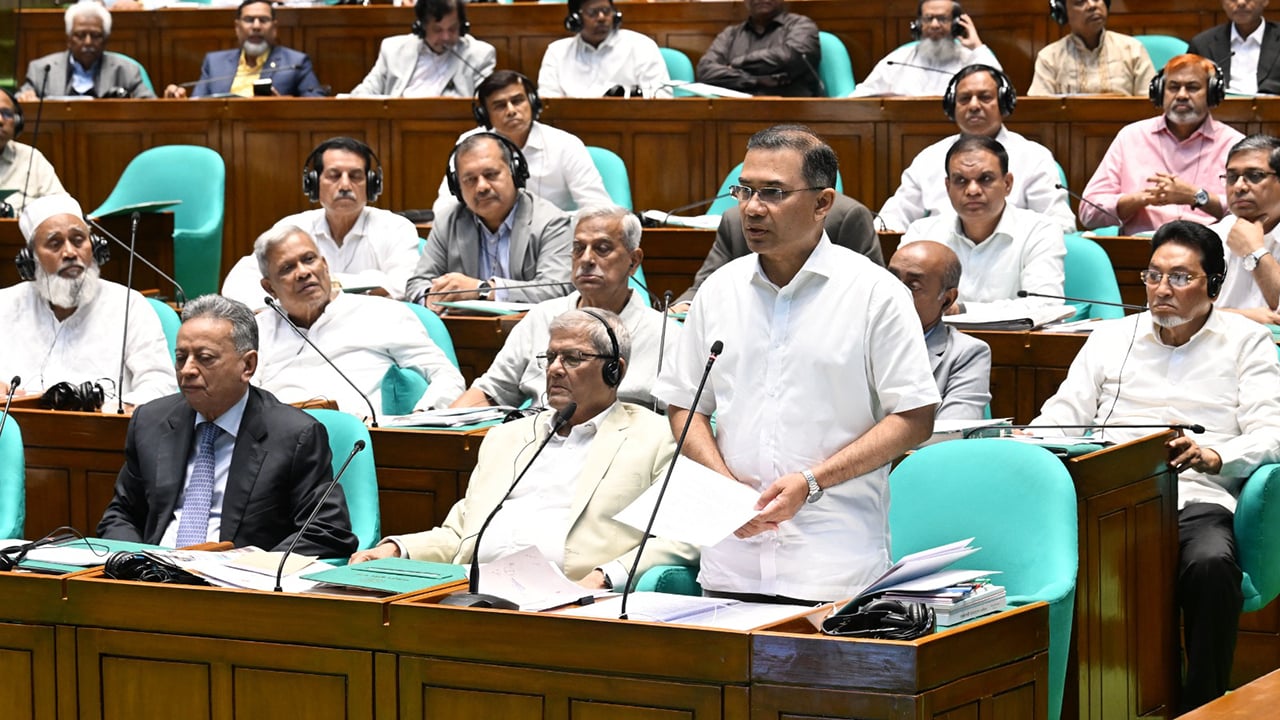
In the Bangladesh Parliament on June 29, 2026, Road Transport and Bridges Minister Sheikh Robiul Alam reported that the monthly operating and maintenance expenses of the Karnaphuli Tunnel in Chattogram are double its income. The tunnel earns an average of Tk 3.36 crore per month from tolls, while expenses reach Tk 6.95 crore. The higher costs are attributed to continuous electricity supply, lighting, ventilation, fire safety, CCTV, and traffic management. The minister said daily expenses were reduced from Tk 37 lakh to about Tk 22–23 lakh through cost-cutting measures, and the government is taking steps to make the tunnel profitable. In response to other parliamentary questions, the minister said the government plans to launch the country’s first Bus Rapid Transit (BRT) corridor from Hazrat Shahjalal International Airport to Gazipur’s Shib Bari to ease traffic congestion. He also detailed actions to remove unfit vehicles, install GPS in public transport to ensure discipline, and regulate battery-powered rickshaws through mandatory registration and licensing. Rail Minister added that a pilot project is underway to install automatic barriers at three level crossings in Dhaka with BUET’s assistance, with future plans for smart gate systems.
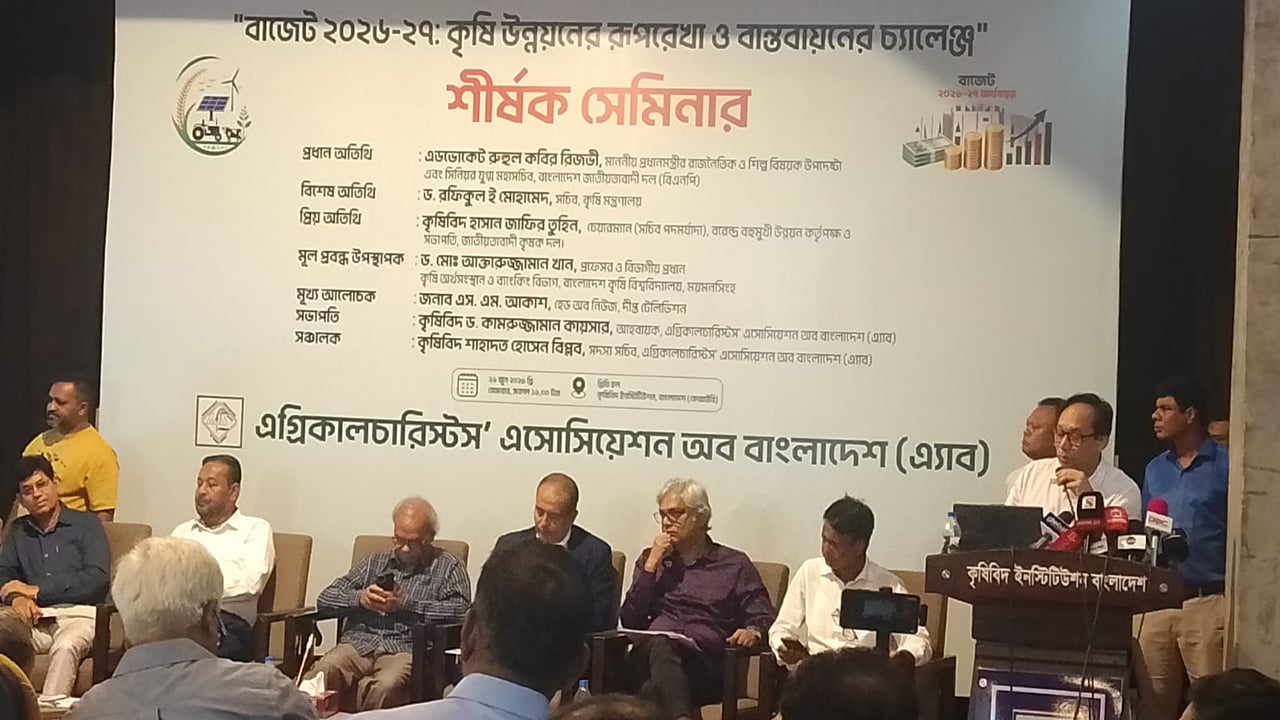
Speakers at a seminar in Dhaka have called for allocating at least 10 percent of Bangladesh’s national budget to agriculture research, expansion, and development. The event, titled “Budget 2026–27: Framework for Agricultural Development and Implementation Challenges,” was organized by the Agriculturists’ Association of Bangladesh (AAB) at the Krishibid Institution Bangladesh. The discussion emphasized sustainable agricultural growth and long-term food security, urging the government to prioritize the sector in the 2026–27 budget. The keynote paper, presented by a professor from Bangladesh Agricultural University, praised several positive initiatives in the new budget, including the introduction of a farmer card, interest waivers on small loans, low-interest credit for pulse, oilseed, and maize cultivation, solar-powered irrigation pumps, and cold storage construction in the Barind region. However, it noted that agriculture’s share in the national budget has declined to about 3.8 percent despite a total allocation of Tk 33,849 crore for agriculture, fisheries, livestock, and environment. Speakers identified key challenges such as revenue shortfalls, weak oversight, rising input costs, and poor coordination among ministries. They recommended expanding agricultural insurance, investing in climate-resilient technologies, and strengthening inter-sectoral collaboration to ensure effective implementation.
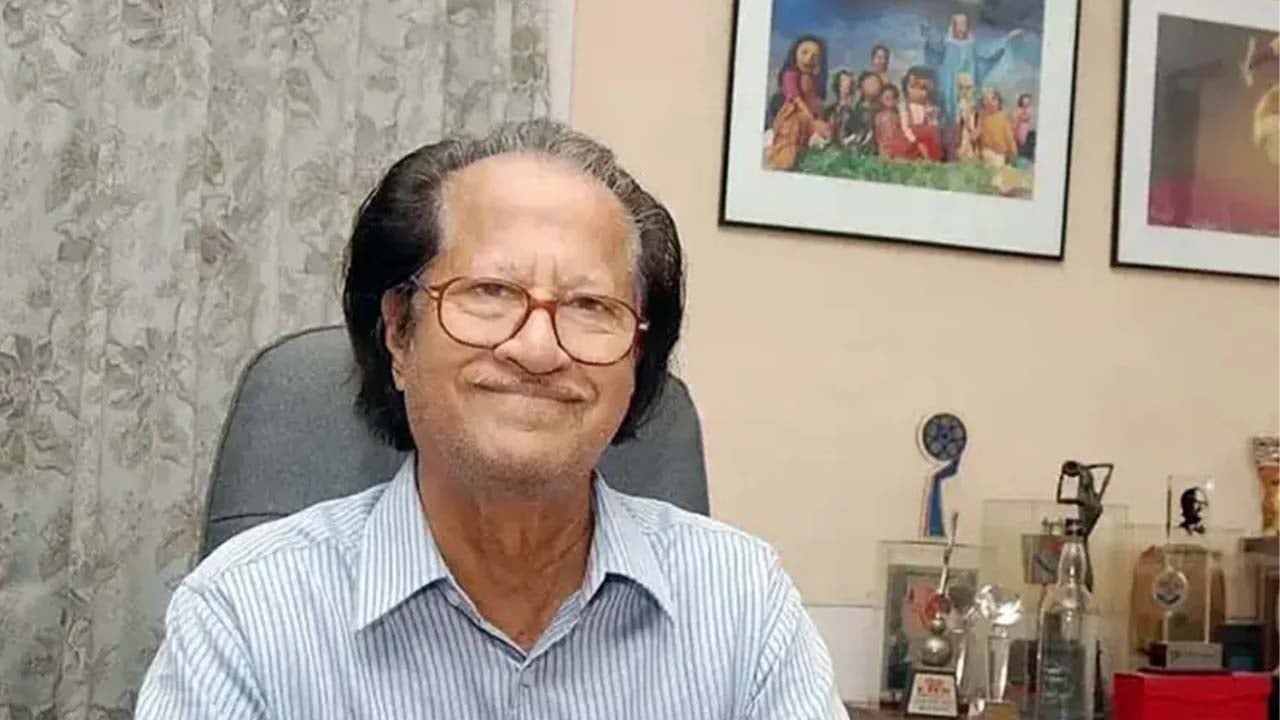
Ekushey Padak-winning artist and puppet maker Mustafa Monwar passed away at the age of 91 while undergoing treatment at a private hospital in Dhaka on Monday morning. His death has left the cultural community in deep mourning. Following the ritual washing at Dhanmondi’s Takwa Mosque, his body was taken to his residence on Dhanmondi Road No. 1, where family members and relatives paid their respects before it was placed in the Square mortuary. On Tuesday morning, his first funeral prayer will be held at Bangladesh Television, where he worked for many years. Later, the body will be taken to the Central Shaheed Minar at 11 a.m. for the public to pay their last respects. After the second funeral prayer at Dhaka University Central Mosque and a tribute at the Faculty of Fine Arts, he will be laid to rest at Banani graveyard. The Information Minister noted that Mustafa Monwar’s ideals will continue to inspire future generations.
The Directorate of Technical Education has issued a recruitment circular on June 28, 2026, to fill 251 positions across 20 categories under its revenue sector. The posts are distributed among the Directorate itself, Technical Teachers Training College, polytechnic and monotechnic institutes, and regional director offices. Online applications will open on July 1 at 10 a.m. and close on July 21 at 5 p.m. The available positions range from pharmacist, accountant, and librarian to office assistant and skilled worker, covering grades 11 to 20. Salaries vary from 8,250 to 30,230 taka depending on the grade. Application fees are set at 168 taka for grade 11 posts, 112 taka for grades 13 to 16, and 56 taka for grades 18 to 20, payable via Teletalk prepaid numbers within 72 hours of form submission. Interested candidates must apply online within the specified period. Further details on eligibility and application procedures are available through the official link provided in the circular.

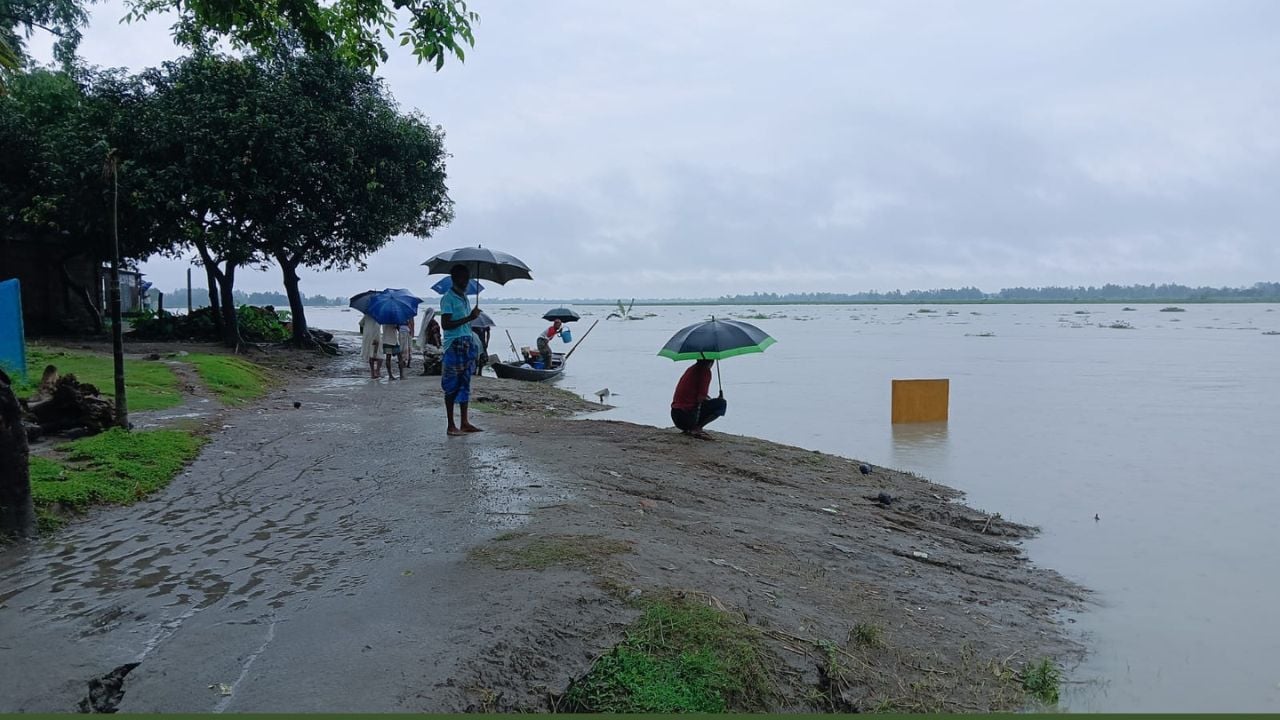
In Bhurungamari upazila of Kurigram, the water level of the Dudhkumar River has risen sharply due to continuous heavy rainfall and upstream hill runoff. As of the latest report, the river was flowing 23 centimeters above the danger level, with a recorded height of 29.83 centimeters at the Pateshwari point on Monday noon, up from 29.58 centimeters on Sunday night. The rising water has already flooded low-lying areas and entered nearby localities, causing concern among residents. According to the Water Development Board, river levels across Kurigram may continue to rise over the next 72 hours, potentially leading to short-term flooding. The upazila administration has prepared dry food supplies, medical teams, and rescue boats, while flood shelters have been readied. Local authorities have instructed union parishad chairmen to maintain constant communication and have begun public announcements to alert riverside communities. Officials warned that if water levels continue to increase, riverbank erosion could begin, intensifying the threat to nearby settlements.
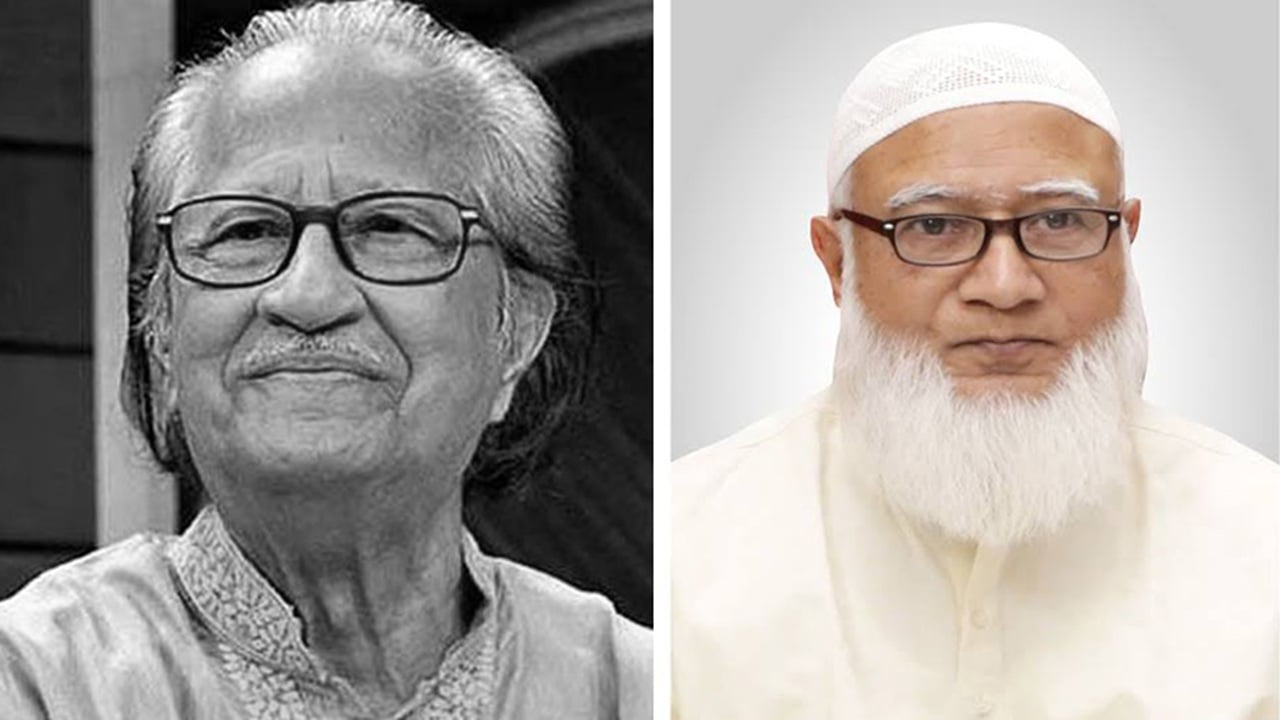
Leader of the Opposition in Bangladesh’s National Parliament and Jamaat-e-Islami Ameer Dr. Shafiqur Rahman has expressed deep sorrow over the death of eminent artist and cultural organizer Mustafa Monowar, who was a recipient of the Ekushey Padak. The condolence message was released to the media on Monday. In his statement, Dr. Rahman described Mustafa Monowar as a shining figure in Bangladesh’s art, literature, and cultural arena. He highlighted Monowar’s legendary contributions to painting and children’s creative programs, noting that his work greatly enriched the nation’s cultural heritage. Dr. Rahman said Monowar’s passing leaves an irreplaceable void in the country’s cultural sphere. He prayed for the departed soul’s peace and extended heartfelt sympathy to Monowar’s bereaved family, followers, and admirers, expressing hope that they would find strength to endure the loss.
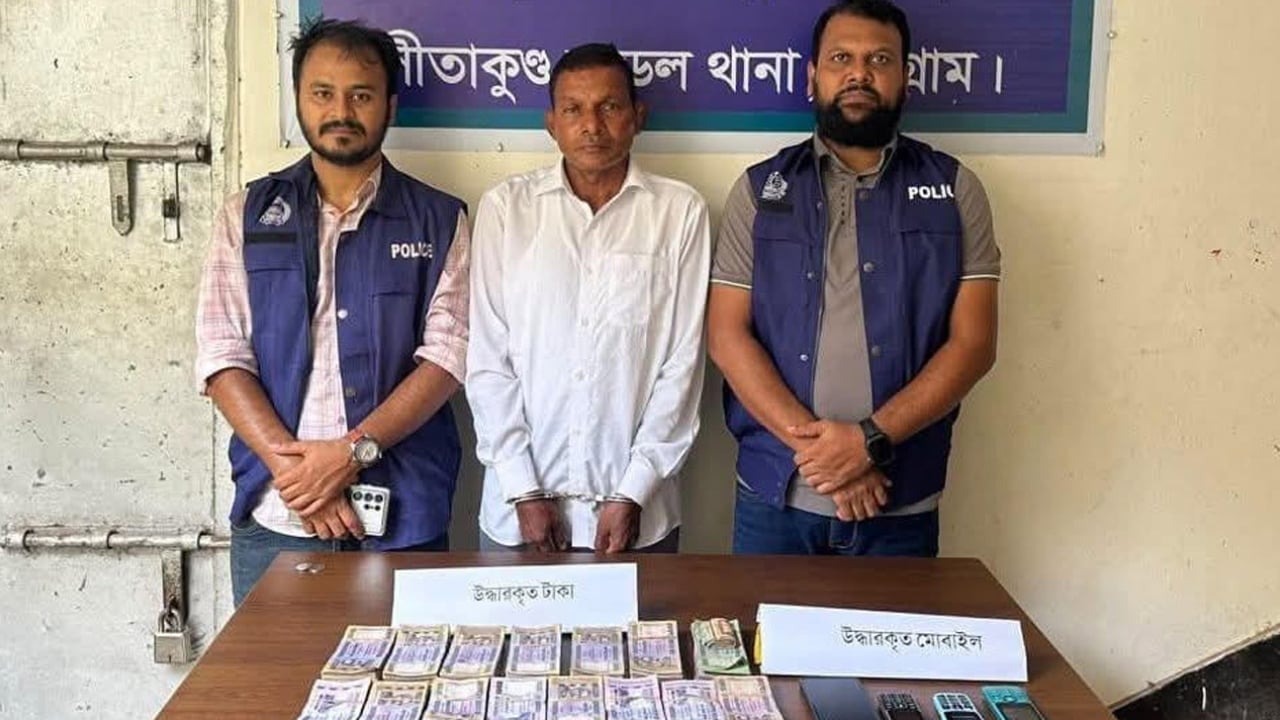
A security guard named Ayub Ali, aged 57, has been arrested for stealing Tk 1.7 million from the Islami Bank Bangladesh PLC ATM and collection booth at the International Islamic University Kumira campus in Sitakunda. Police confirmed that he was detained in Rangpur with a portion of the stolen money. The theft occurred on June 24 when bank officials locked the booth during a lunch break and later discovered the missing cash. According to the case report, CCTV footage showed Ayub Ali using a duplicate key to enter the booth, take the money from a drawer, and leave quickly with it in a bag. Following the incident, Sitakunda Model Police Station formed several teams to recover the stolen funds. After failing to locate him at his home in Cox’s Bazar, police traced him to Rangpur using technology and arrested him late Saturday night. Police recovered Tk 1.484 million from his possession and stated that Ayub Ali had spent part of the remaining amount on various purchases.
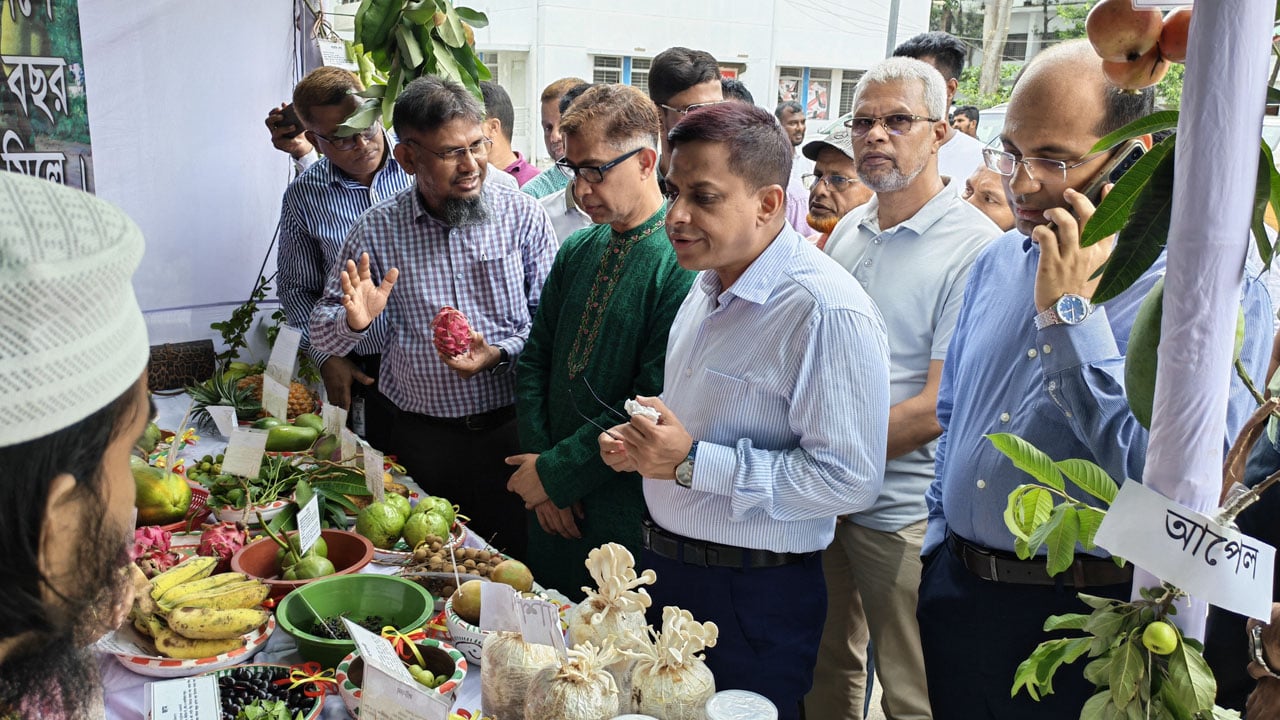
A National Fruit Fair was inaugurated in Narayanganj Sadar upazila on Monday at noon under the theme 'We will cultivate fruits and preserve them all year round'. The event was organized by the Department of Agricultural Extension and inaugurated by District Commissioner Raihan Kabir. The fair was presided over by A. Ja. Mu. Ahsan Shahid Sarkar, Deputy Director of the Department of Agricultural Extension in Narayanganj. Special guests included Professor Mamun Mahmud, Administrator of the District Council, and S. M. Fayez Uddin, Executive Officer of Sadar Upazila. The day-long event showcased various local seasonal fruits and presented information on modern agricultural technologies and fruit cultivation and preservation. The fair aimed to raise awareness among visitors about the importance of fruit farming and storage, highlighting the Department of Agricultural Extension’s initiatives to promote sustainable agricultural practices in the region.
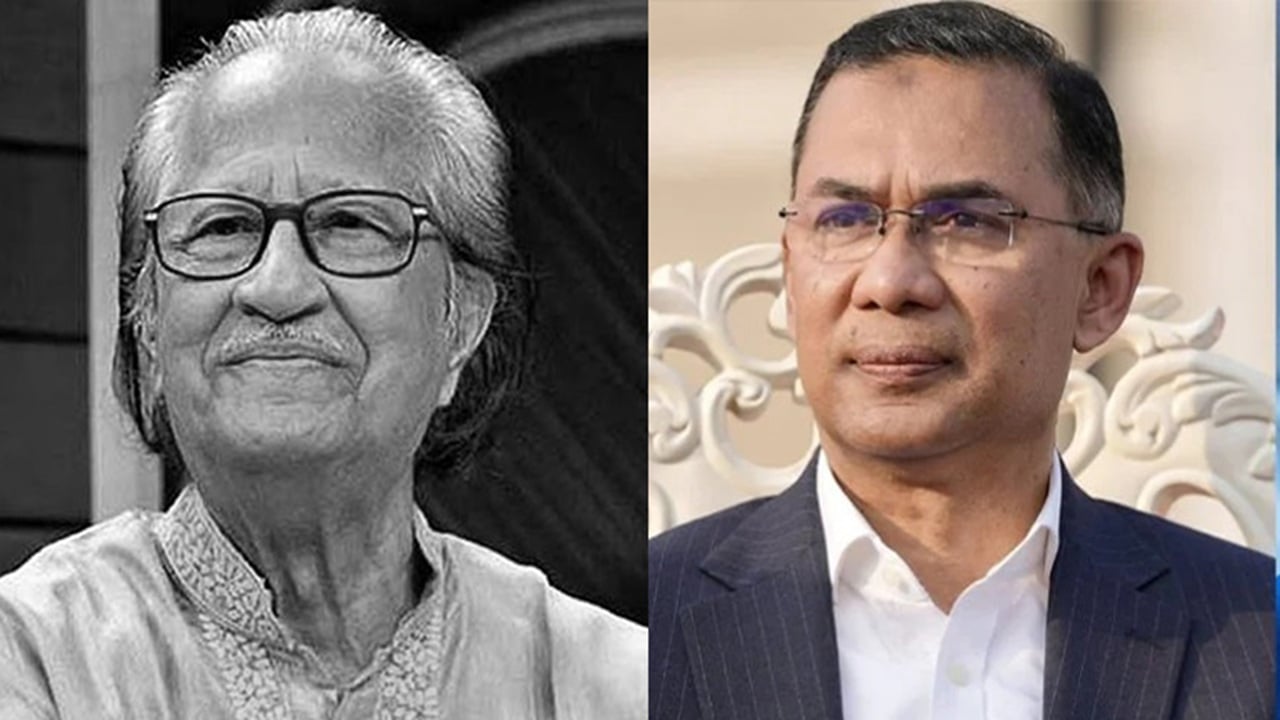
Prime Minister Tarique Rahman has expressed deep sorrow and condolences over the death of Ekushey Padak-winning artist and cultural figure Mustafa Monowar. In a condolence message on Monday, the Prime Minister said Monowar’s passing created a profound void in the nation’s art and cultural sphere that cannot be easily filled. He prayed for the eternal peace of the departed soul and extended sympathy to the bereaved family. Mustafa Monowar, aged 90, passed away on Monday morning while undergoing treatment at a private hospital in Dhaka. Widely respected for his contributions to painting, puppetry, children’s programs, and cultural development, he was recognized as one of Bangladesh’s most revered cultural personalities. In recognition of his outstanding contributions to art and culture, he received the Ekushey Padak in 2004. Born on September 1, 1935, in Nakol village of Magura district, Monowar hailed from Manoharpur village in Shailkupa upazila of Jhenaidah. He was the son of noted poet Golam Mostafa.
Prime Minister Tarique Rahman announced a proposal to raise the personal income tax-free limit to 400,000 taka as part of the 2026–27 national budget. Speaking in parliament on Monday, he said the government aims to make the tax system more transparent and modern. The proposal includes gradual increases in the exemption threshold over several fiscal years, reaching 450,000 taka in 2028–29 and 2029–30, and 500,000 taka in 2030–31. The prime minister noted that the government intends to ease the tax burden on individual taxpayers and provide some relief. He also mentioned that while such demands usually come from the opposition, he expressed a willingness to engage with them in spirit. The proposal was presented as part of broader budgetary measures, including a reduction in value-added tax (VAT) on certain items. The announcement reflects the government’s stated goal of reforming the tax system to enhance fairness and efficiency, with the finance minister expected to consider the proposed adjustments in the upcoming fiscal framework.
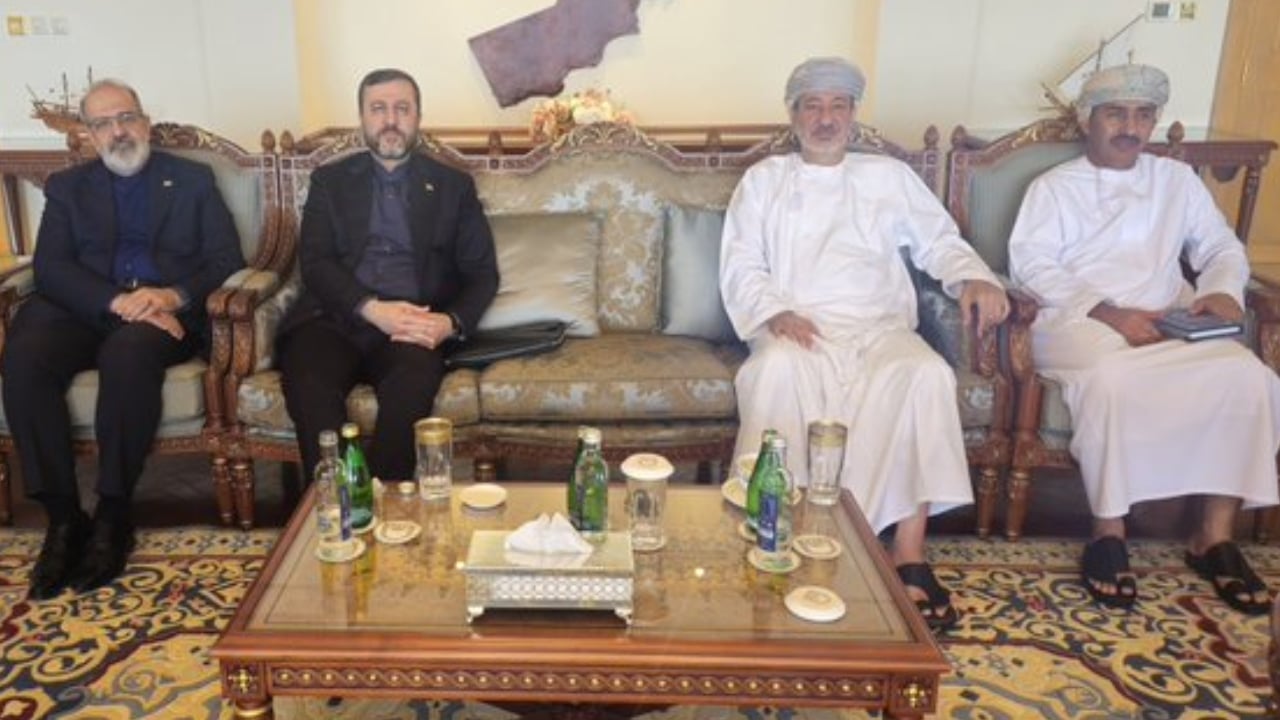
Iran’s Deputy Foreign Minister for Legal and International Affairs, Kazem Gharibabadi, met with Oman’s Deputy Foreign Minister Abdul Aziz Al-Hinai in Muscat to discuss the management of the Strait of Hormuz. The meeting focused on cooperation within the framework of Article 5 of the ‘Islamabad Memorandum of Understanding’ and the sovereign rights of coastal states. According to Gharibabadi’s post on social media platform X, the discussions addressed the removal of technical and military obstacles and the deactivation of mines within 30 days, as outlined in the memorandum. The memorandum also calls for Iran to engage with other Persian Gulf coastal states, in coordination with Oman, to determine future administration and maritime services in the Strait of Hormuz. The talks are intended to align with applicable international law and respect the sovereign rights of the coastal states bordering the strategic waterway.
The ‘1 Nojor’ media platform is now live in beta, inviting users to explore and provide feedback as we continue to refine the experience.