

The ‘1 Nojor’ media platform is now live in beta, inviting users to explore and provide feedback as we continue to refine the experience.
Jamaat-e-Islami activist Jamal Uddin was shot dead in Fatikchhari, Chattogram, on Saturday evening in what investigators believe was a planned targeted killing. According to police, three assailants arrived on a motorcycle and fired multiple shots from close range, hitting Jamal in the head and neck. Thirteen bullet wounds were found, and he died instantly at the scene in Shahnogor Dighirpar area of Lelang Union. Police said the attack was executed with precision, suggesting the killers were professionals. Jamal, son of Muhammad Yusuf of Lelang village, ran a garment business in the city and was known locally as a businessman. However, police confirmed his name had appeared in three unresolved murder cases from 2001. Fatikchhari Jamaat’s Naib-e-Ameer Ismail Gani described the killing as politically motivated and demanded an impartial investigation. Local representatives said the attackers were highly organized and escaped quickly. The incident has caused widespread fear in the area, with residents avoiding going out after dark. Police stated they are close to identifying the perpetrators and expect arrests soon.
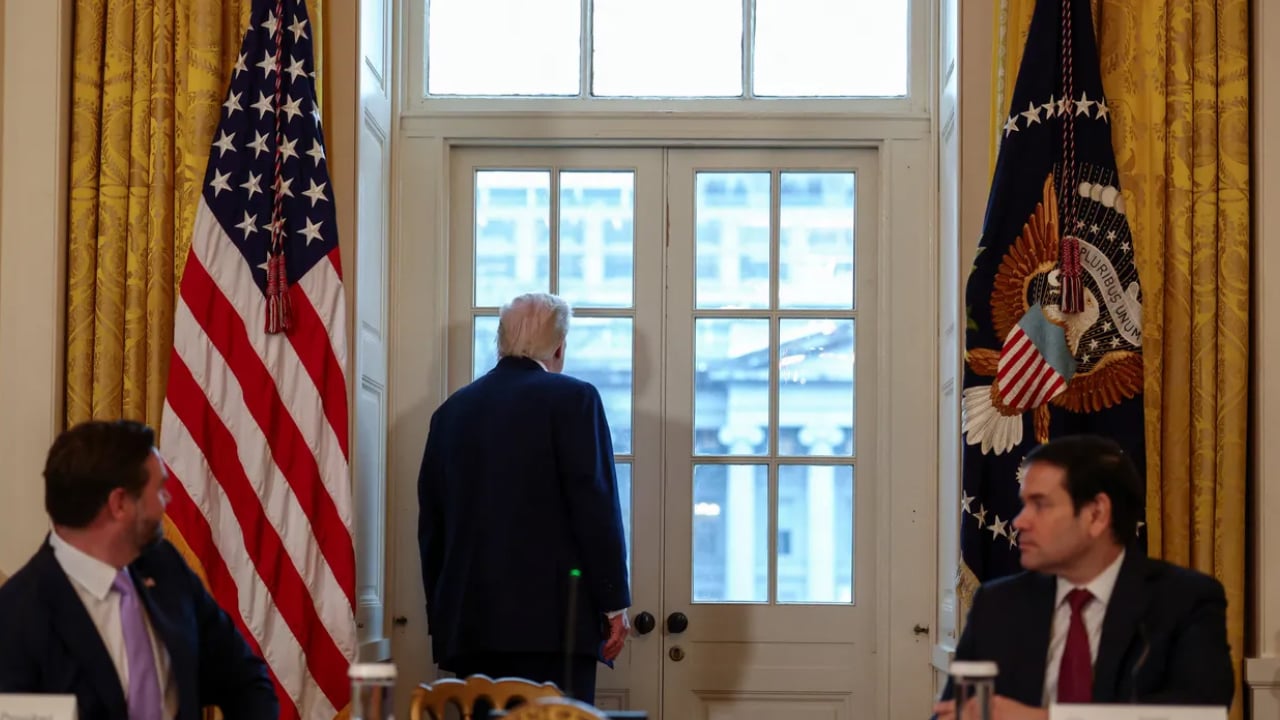
The Trump administration has become divided over how to respond to ongoing protests in Iran, with discussions reportedly covering options such as sanctions, cyber measures, and potential military action. According to reports from TRT World and The Wall Street Journal, President Donald Trump is expected to be briefed on Tuesday by senior officials including Secretary of State Marco Rubio, Defense Secretary Pete Hegseth, and Joint Chiefs of Staff Chairman Dan Kane. A senior U.S. military official told The New York Times that any potential strike would require more time for troop deployment and defensive preparations against possible Iranian retaliation. Officials have warned that military action could produce unintended consequences, including uniting the Iranian public behind their government or triggering regional escalation. Lawmakers from both major U.S. parties have also questioned whether military action is the best course, with some senators expressing caution in recent interviews. The protests in Iran began in late December over the sharp devaluation of the rial and worsening economic conditions. Trump has publicly warned Tehran against suppressing demonstrators, while Iranian officials have dismissed his comments as reckless interference.
A young man was killed in a train accident on Sunday morning in Netrakona Sadar, marking the third fatality on the Dhaka-Mohanganj railway line within 14 hours. The incident occurred around 8:30 a.m. near Raju’s Bazar area of Paur town. The victim, Yasin Ahmed Sayem, 20, son of Ruhul Amin from Dhanpur village in Barhatta upazila, fell from the door of the moving Haor Express train bound for Dhaka. He died on the spot, and police later sent his body to Netrakona Sadar Hospital morgue for autopsy. Earlier, on Saturday evening, two laborers were killed when a train hit them near Challisha Bazar on the same route. The deceased were identified as Akash Roy, 24, from Dinajpur’s Churiyapara village, and Rasel Mia, 25, from Sherpur district. According to police, the two men were standing beside the railway track when the Mohanganj Express train from Dhaka struck them. Locals took the injured to Netrakona Modern Sadar Hospital, where doctors declared them dead. Police said legal procedures are underway regarding the fatalities.
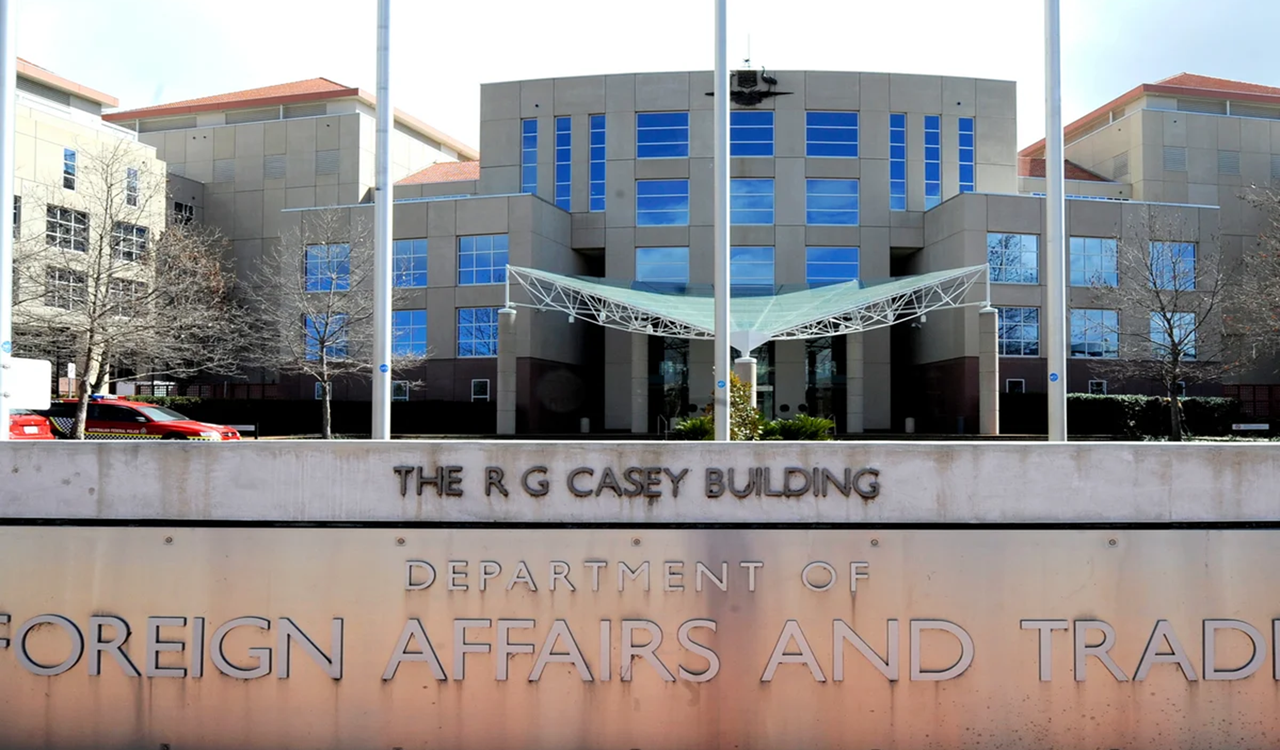
The Australian government has advised its citizens currently in Iran to leave the country immediately due to fears that the situation could deteriorate rapidly amid ongoing protests. The Department of Foreign Affairs and Trade (DFAT) issued an updated travel advisory warning that while commercial flights out of Iran are still available, they are becoming increasingly limited. The advisory cautioned that airspace closures and flight cancellations could soon make departure impossible. According to the DFAT notice, anyone choosing to remain in Iran despite the government’s advice will be responsible for their own safety. Citizens were urged to prepare for extended sheltering by securing adequate supplies of water, food, and essential medicine. The advisory was issued in response to the uncertainty surrounding the protests and the broader security environment in Iran. Authorities emphasized that the warning reflects the unpredictable nature of the current unrest and the potential for further disruption to travel and safety conditions.
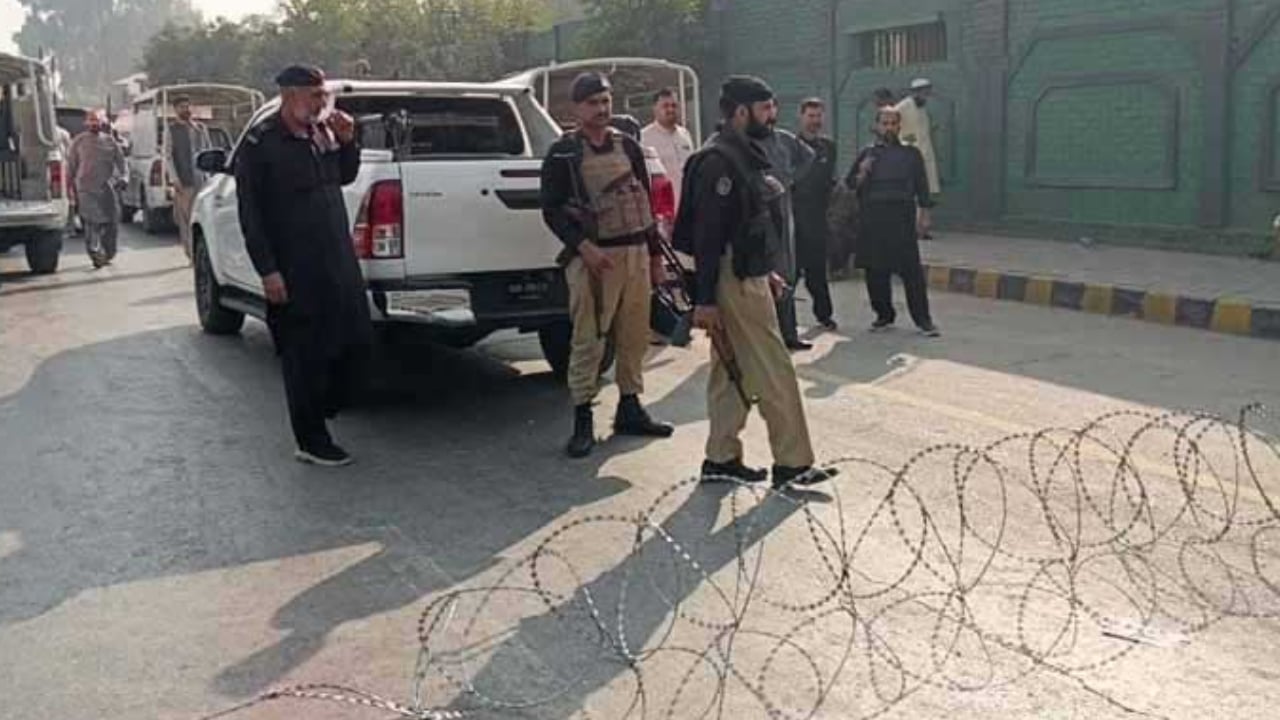
Eight suspected militants were killed on Sunday in multiple counterterrorism operations conducted jointly by police and the Counter Terrorism Department (CTD) across Pakistan’s Khyber Pakhtunkhwa province. The operations took place in the tribal districts of Bannu, Khyber, and Zahir Garhi, according to a report by Geo News. Authorities said the suspects were involved in attacks on security forces, and a large cache of weapons and equipment was recovered from the sites. According to the Central Police Office, two militants were killed in Bannu during an operation by local police and the CTD. These individuals had earlier attacked police posts in Sheikh Lindak and Fatah Khel. In Khyber, three militants were killed while allegedly preparing to attack police, and three rifles were seized. Another three militants were killed in Zahir Garhi near Peshawar, while their accomplices managed to escape. The coordinated operations reflect ongoing efforts by Pakistani security forces to curb militant activity in the region, which has seen repeated attacks on law enforcement in recent months.
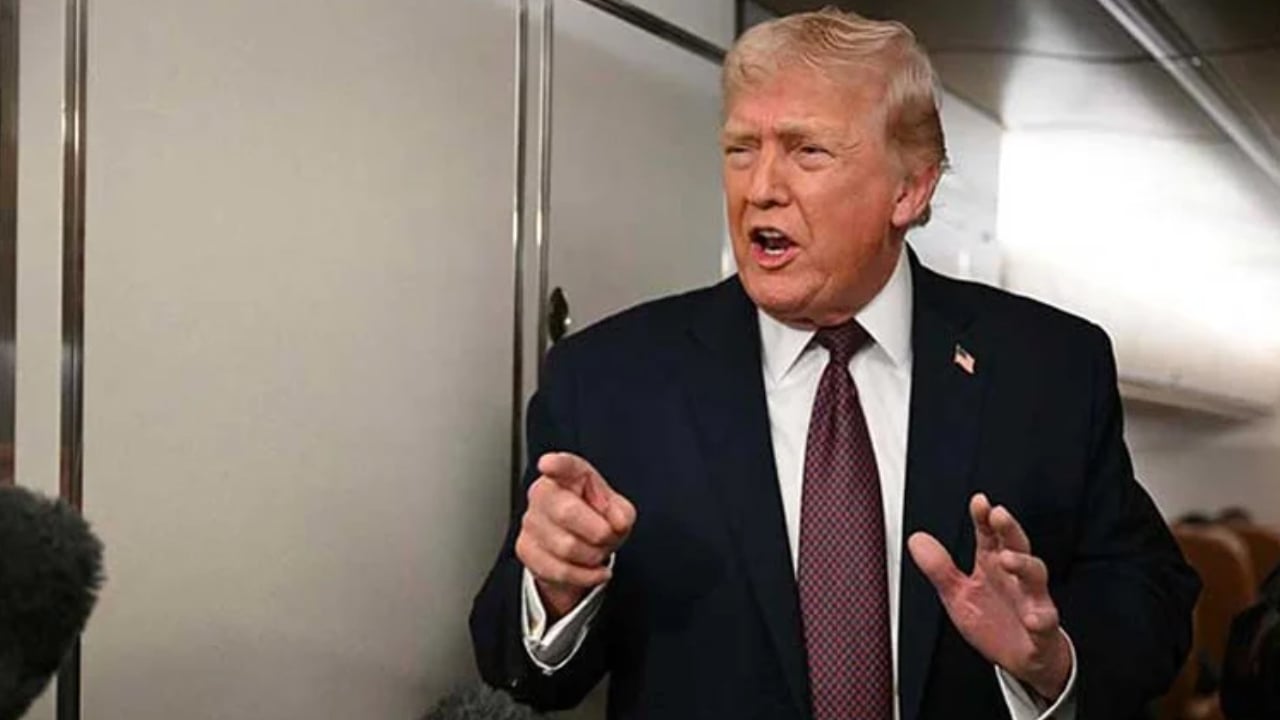
U.S. President Donald Trump has said that the American military is considering tough measures against Iran, including the possibility of military intervention. Speaking to reporters aboard Air Force One on Sunday night, Trump stated that the issue is being taken very seriously and that strong options are under review. He added that Iranian leaders have called for talks following the threat of military action, and a meeting is being arranged, though action could occur before any talks take place. Trump’s latest warning comes as Iranian leaders have issued stern cautions against any foreign military intervention. Iranian Parliament Speaker Mohammad Bagher Ghalibaf warned that if Iran is attacked, both Israeli-held territories and all U.S. bases and ships would become legitimate targets. The tensions follow widespread protests that began on December 28 when Tehran’s Grand Bazaar merchants shut their shops over the falling value of the rial. According to Iranian state media, at least 109 security personnel have been killed in the unrest. Authorities have not confirmed the number of civilian casualties, but opposition activists abroad claim the death toll is much higher and includes hundreds of protesters.
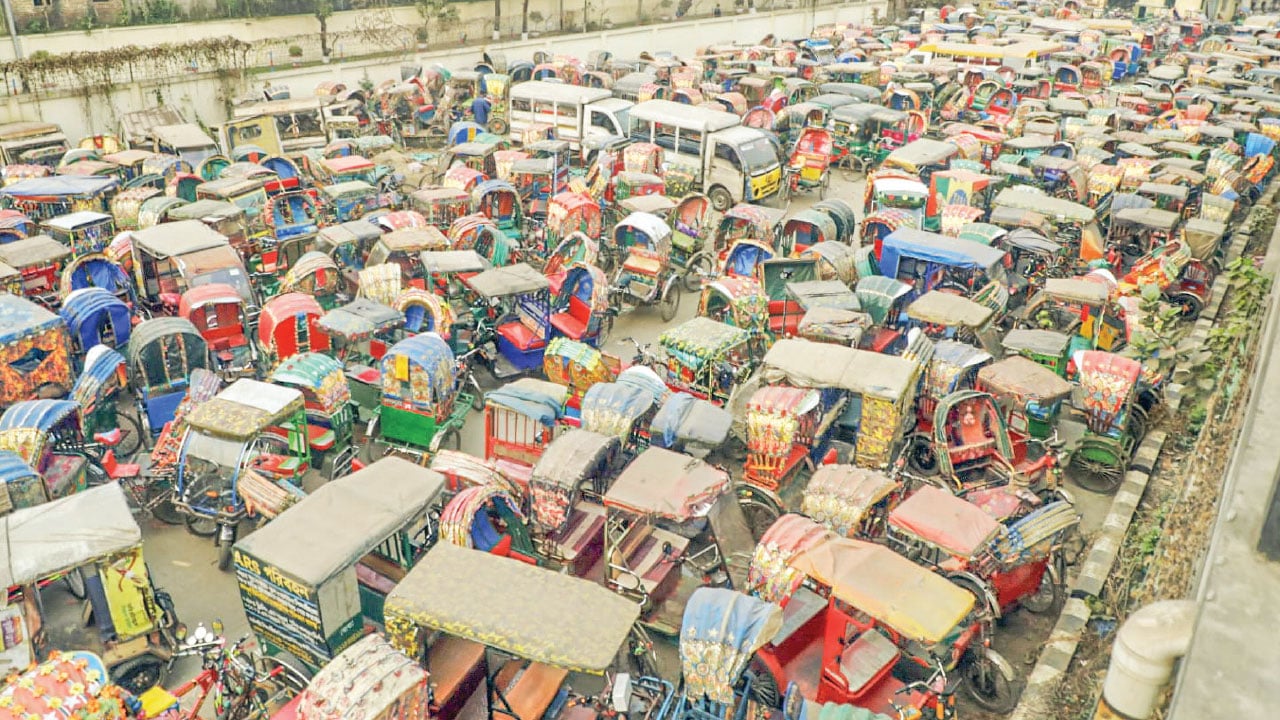
Battery-powered rickshaws have become a major source of public concern in Dhaka, operating across main roads, alleys, and flyovers despite a High Court order banning them. Following an appeal, the Appellate Division allowed their temporary operation, leading to increased reckless driving. According to private estimates, about 1.2 million rickshaws operate in the capital, a large portion of them battery-powered and mostly brought from nearby districts. Road Safety Foundation reported 1,856 accidents involving such rickshaws between January and November 2025, causing 1,259 deaths and over 4,000 injuries. Experts and city officials cited unskilled drivers, including minors and laborers from other professions, as a key cause of frequent accidents. The vehicles are also being used by muggers, prompting police to increase checkpoints. Dhaka Metropolitan Police said 400–450 rickshaws are being impounded daily, with batteries seized and wires cut to enforce road discipline. Urban planners and city authorities have proposed structural redesigns, driver training, and a registration policy. Both city corporations plan to train 200,000 drivers and introduce color-coded regional permits to bring e-rickshaw operations under legal regulation.
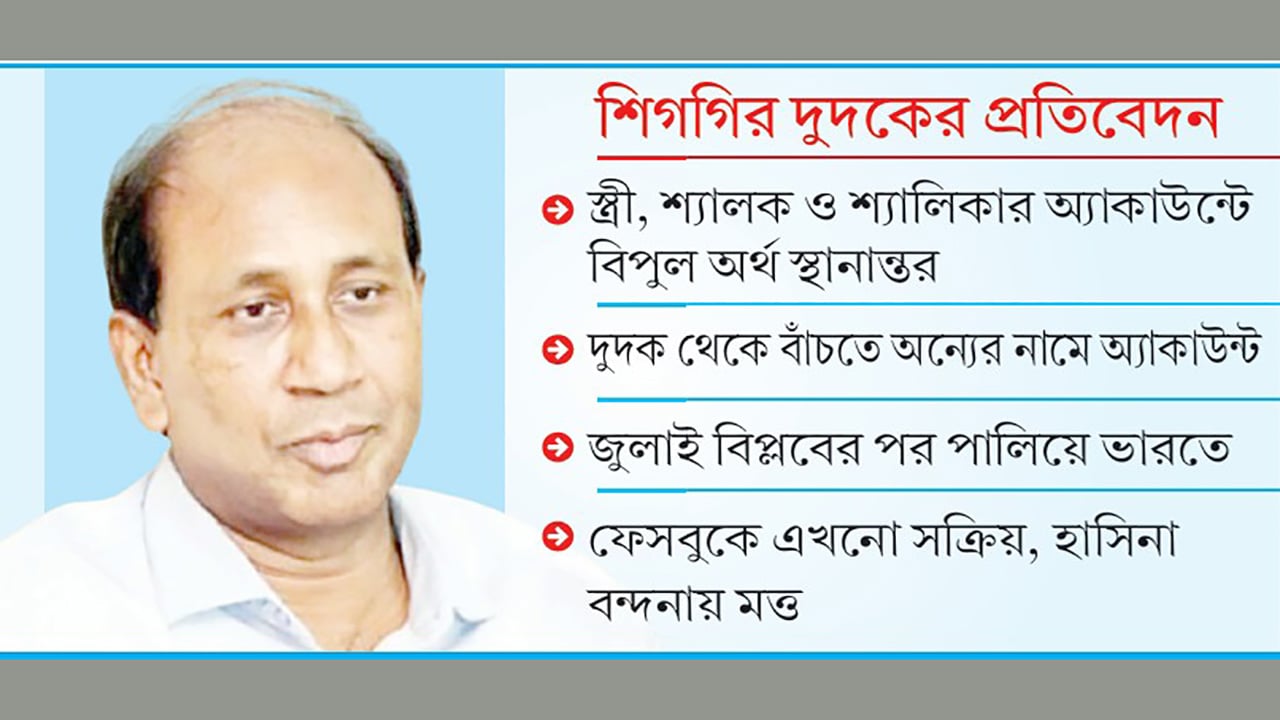
Bangladesh’s Anti-Corruption Commission (ACC) has nearly completed its investigation into former Special Branch (SB) chief Monirul Islam, who fled to India after the July 2024 uprising. The probe found evidence that Monirul embezzled about Tk 1,035 crore from two Islamic NGOs—Kuwait Society for Relief (KSR) and Sharjah Charity International—by taking control of them in 2021 under the pretext of investigating terror financing. The ACC said he laundered the funds through accounts held by his wife, former additional secretary Sayla Farzana, his brother-in-law Rezaul Alam Shahin, and his sister-in-law. According to the ACC, the Middle East–based NGOs had received large foreign donations for Rohingya relief and rehabilitation. Monirul allegedly diverted these funds to accounts linked to his relatives and their firms, including S.S. Enterprise and Tanvir Dairy Farm. Investigators also found 35 apartments registered under his wife and brother-in-law’s names, along with multiple fixed deposits and savings accounts showing irregular transactions. The ACC has collected relevant bank documents and is preparing to file charges under money laundering and corruption laws. Officials said legal action will follow once the final report is completed.
U.S. President Donald Trump has announced his intention to send Starlink equipment to Iran to help restore internet connectivity disrupted during ongoing anti-government protests. He said he would discuss the initiative with SpaceX CEO Elon Musk, describing Musk as highly capable in implementing such technological measures. Trump made the remarks on Sunday, January 11, while speaking to reporters, following widespread internet shutdowns across Iran since Thursday, January 8. The internet blackout has left Iran largely cut off from the outside world, making communication and access to reliable information extremely difficult. The shutdown came as protests that began on December 28 over rising commodity prices quickly escalated into a broader anti-government movement. Iranian authorities have accused the United States and Israel of inciting the unrest. The proposed Starlink deployment, if realized, could provide alternative internet access to Iranians despite government restrictions, though no timeline or official plan has yet been confirmed.
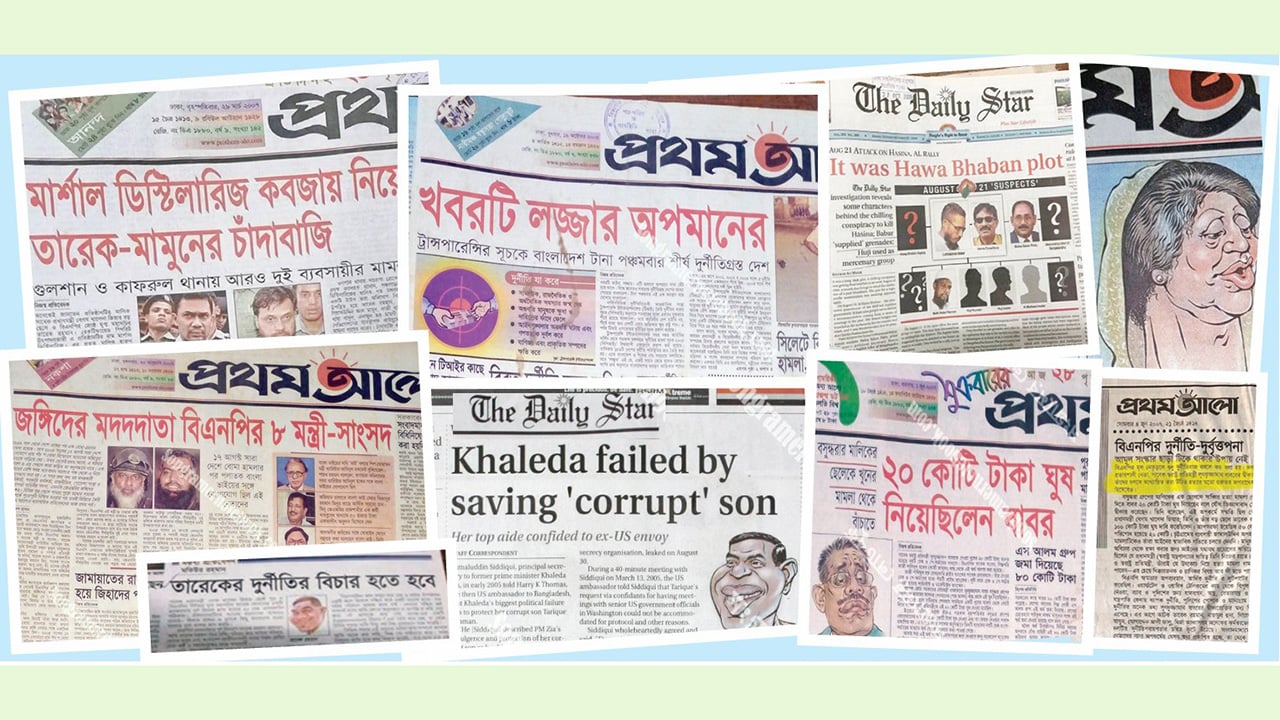
A report published on January 12, 2026, by Amar Desh examines how several major Bangladeshi newspapers allegedly conducted systematic propaganda against the Bangladesh Nationalist Party (BNP) and its leaders following the 2007–08 military-backed government and the 2009 rise of Sheikh Hasina’s administration. The report claims that outlets such as Prothom Alo, The Daily Star, Bangladesh Pratidin, and Janakantha portrayed BNP leaders Khaleda Zia and Tarique Rahman as corrupt, violent, or anti-state figures, often prioritizing political narratives over factual accuracy. Researcher Taiyib Ahmed from Colorado State University attributes this trend to political parallelism and the economic dependencies of media houses, which he says cause reporting to favor certain political sides and compromise journalistic objectivity. The report cites examples of headlines, editorials, and cartoons that linked BNP to terrorism, corruption, and conspiracy, while recent years have seen some outlets reverse tone and present the same figures as democratic symbols. Analysts quoted in the report argue that these shifts reflect a structural crisis in Bangladesh’s media, where editorial stances change with political power but ethical consistency remains absent.
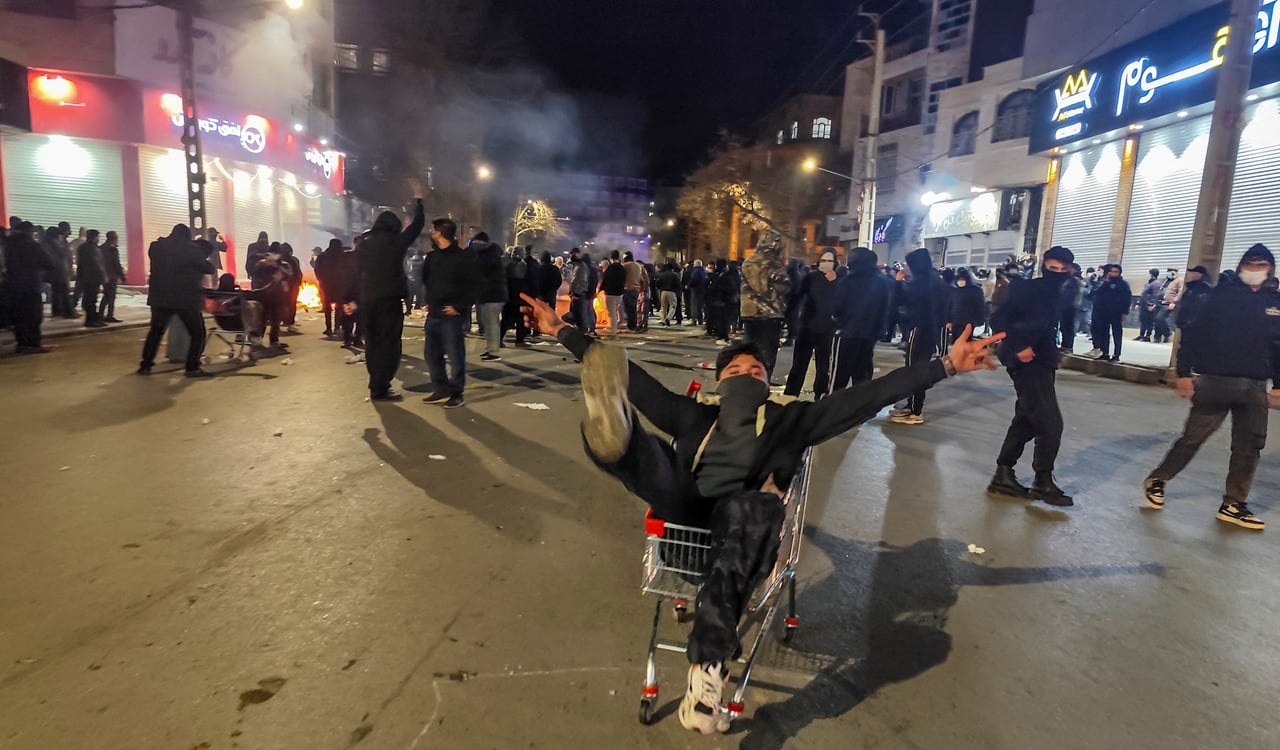
A US-based human rights organization, Human Rights Activists News Agency (HRANA), reported on Sunday, January 11, that more than 500 people have been killed in ongoing anti-government protests across Iran. The agency said it verified information from its workers inside and outside the country, confirming the deaths of 490 protesters and 48 security personnel over the past two weeks. HRANA also claimed that more than 10,600 people have been arrested during the unrest. The protests began on December 28 in response to rising commodity prices and quickly escalated into a widespread anti-government movement, described as the largest since 2022. The Iranian government has accused the United States and Israel of fueling the demonstrations. Meanwhile, the US has expressed support for the protesters, with President Donald Trump warning that Washington might intervene if excessive force is used. Tehran has cautioned that any US attack would be met with a strong response. Iran has not released official casualty figures, and Reuters reported that it could not independently verify HRANA’s claims. The government has also restricted nearly all internet services since Thursday, making it difficult to obtain reliable information from within the country.
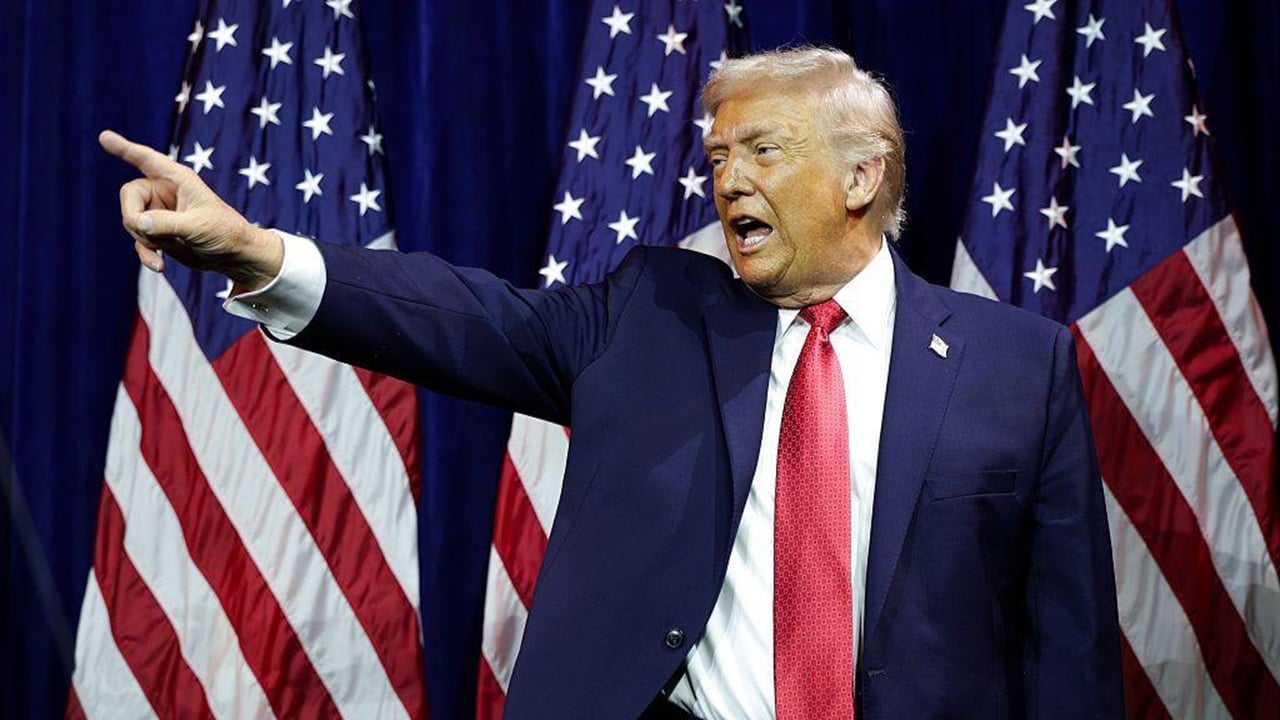
U.S. President Donald Trump on Sunday warned Cuba to come under a deal immediately or face unspecified consequences. In a post on his Truth Social platform, he announced the suspension of all oil and financial flows from Venezuela to Havana, declaring that Cuba would receive “zero” oil or money. Trump strongly advised the Cuban authorities to reach an agreement without delay. The warning came a week after a U.S. military operation in Caracas aimed at capturing Venezuelan President Nicolás Maduro and bringing him to New York. Reports said several members of Venezuelan and Cuban security forces were killed in that operation. Trump also reposted a message suggesting that U.S. Secretary of State Marco Rubio could one day become president of communist-run Cuba, commenting that the idea “sounded good” to him. Trump further claimed that Cuba had long received large amounts of oil and money from Venezuela in exchange for providing security assistance to its leadership, but stated that this arrangement would now end. He added that most Cuban members guarding Maduro were killed in the recent operation, asserting that Venezuela no longer needed such support.
Bangladesh women’s football captain Sabina Khatun has expressed optimism as her team prepares to compete in the inaugural SAFF Women’s Futsal Championship in Thailand. Despite limited preparation, Sabina said she is determined to achieve success and make the country proud. The tournament will begin on Tuesday with the Maldives-India match, while Bangladesh will start their campaign against India on Thursday. Speaking at a press conference on Sunday, Sabina acknowledged that futsal is new for her team but emphasized their belief in performing well. She described representing Bangladesh as a matter of pride and reaffirmed the team’s strong commitment to the competition. Iranian coach Saeed Khodarahmi, who leads the Bangladesh women’s team, said his goal is to guide them toward future futsal World Cup qualification. Khodarahmi thanked the AFC, AFF, and SAFF for organizing the event, noting that this is the first SAFF futsal tournament for women in South Asia. He added that all teams are on a similar level since futsal is new to everyone, and Bangladesh had only one month to select players, most of whom are footballers.

A recent article highlights strong criticism of inflammatory remarks by Indian political leaders following the killing of Hindu youth Dipu Chandra Das in Mymensingh’s Bhaluka. The author states that while Bangladeshi law enforcement has arrested several suspects and continues operations, comments from India’s ruling Bharatiya Janata Party (BJP) figures have crossed diplomatic and political boundaries. West Bengal opposition leader Suvendu Adhikari’s reference to Israel’s Gaza assault as a model to ‘teach Bangladesh a lesson’ is described as an expression of extremist nationalism and a violation of international norms. The piece notes that Assam Chief Minister Himanta Biswa Sarma also used militaristic language about Bangladesh, suggesting a shift from diplomacy to force in regional relations. It argues that such rhetoric undermines India’s secular and democratic character and fuels intolerance against minorities. The article warns that India’s silence over these statements, alongside rising communal violence and discriminatory policies, signals a deeper crisis within its governance. The commentary concludes that aggressive political language threatens South Asian stability and urges both nations to uphold dialogue, mutual respect, and international law to prevent further regional polarization.
The Bangladesh Air Force is in talks with Pakistan to acquire JF-17 Thunder fighter jets as part of its Forces Goal 2030 modernization program. In January 2026, Bangladesh Air Chief Marshal Hasan Mahmud Khan met Pakistan Air Chief Marshal Zahid Mahmood in Islamabad to discuss the potential purchase. Pakistan’s Inter Services Public Relations confirmed Bangladesh’s interest in buying up to 48 JF-17 aircraft, which could include defense cooperation, training, and maintenance agreements. The JF-17, jointly developed by China’s Chengdu Aircraft Corporation and Pakistan Aeronautical Complex, is a multirole fighter capable of air combat, ground attack, reconnaissance, and electronic warfare. The aircraft’s affordability and operational efficiency make it attractive for Bangladesh, which currently operates 44 aging fighters, including MiG-29s and F-7s. The JF-17 Block-3 variant features advanced radar, electronic warfare systems, and compatibility with Bangladesh’s existing Chinese defense systems. India has expressed concern over the potential deal, citing its possible impact on regional strategic balance and India-Bangladesh relations. The acquisition is viewed as a move that could strengthen Bangladesh’s defense ties with Pakistan and China while enhancing its air defense capabilities.
The ‘1 Nojor’ media platform is now live in beta, inviting users to explore and provide feedback as we continue to refine the experience.