

The ‘1 Nojor’ media platform is now live in beta, inviting users to explore and provide feedback as we continue to refine the experience.
The article reports that the United States launched a military invasion of Venezuela on January 2, removing President Nicolás Maduro and taking control of the country’s vast oil reserves. The U.S. Department of Energy announced that it will now fully oversee all Venezuelan oil sales. President Donald Trump justified the action by claiming Venezuela had stolen American-built oil infrastructure and declared that U.S. companies would re-enter Venezuela to modernize its oil industry. Venezuela holds the world’s largest proven crude oil reserves, estimated at 303 billion barrels, accounting for 17–20 percent of global supply. The country’s nationalization of oil in 1976 and the socialist policies of former President Hugo Chávez led to decades of tension with Washington. U.S. sanctions and Venezuela’s declining production weakened its economy and military, leaving it vulnerable to external aggression. The author argues that the invasion marks the breakdown of the international rules-based order and a return to power-based dominance. The piece warns that weaker nations, including Bangladesh, must strengthen military and diplomatic capacity to protect sovereignty in an increasingly aggressive global environment.
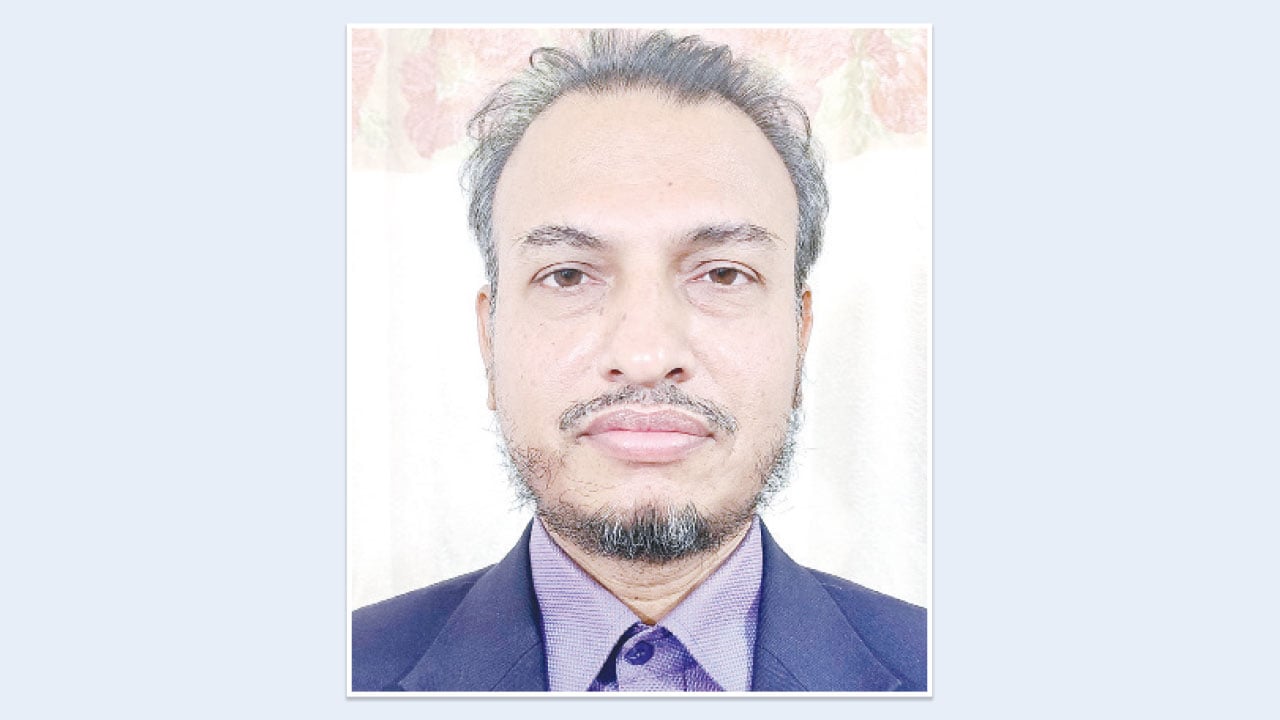
A newly released report by Bangladesh’s Commission on Enforced Disappearances reveals that several senior army officers accused of involvement in abduction cases during the Awami League’s 15-year rule have fled despite travel bans and passport cancellations. The commission submitted its findings to the chief adviser on January 4, 2026, describing how no single unit took responsibility for monitoring high-risk officers or preventing their escape. The report links the lapses to the absence of clear directives treating the issue as a national security priority. According to the report, the International Crimes Tribunal issued arrest warrants on January 6, 2025, against 11 top military officials, including senior DGFI officers. Despite being under restricted movement, some officers disappeared from Dhaka Cantonment within weeks. The commission identified three waves of escapes between August 2024 and October 2025 and noted that intelligence and security agencies such as DGFI, MI, ASU, and NSI failed to coordinate effectively. The commission warned that these repeated failures represent a continuing national security concern and could undermine future accountability efforts. It also raised concerns that some fugitives may have crossed into India, suggesting possible cross-border complicity.

Former Bangladesh Cricket Board general secretary and ex-Asian Cricket Council CEO Syed Ashraful Haque has sharply criticized the Indian cricket board’s decision to drop Bangladeshi pacer Mustafizur Rahman from the Indian Premier League following protests by Hindu nationalist groups. Speaking to the Times of India, Haque said the cricket administration across South Asia has become hostage to politicians. He argued that the decision has strained cricketing relations between India and Bangladesh, with the Bangladesh team now unwilling to travel to India for the upcoming T20 World Cup. Haque accused the Board of Control for Cricket in India (BCCI) of exploiting religious sentiments for political gain, particularly ahead of elections in West Bengal and Assam. He also questioned the leadership of current cricket administrators, including ICC chairman Jay Shah, saying earlier leaders were more mature and understood the spirit of the game. The Bangladesh Cricket Board has already written to the ICC requesting that its World Cup matches be moved to co-host Sri Lanka. Haque said that even if boycotting the tournament causes financial loss, national dignity must come first. He emphasized that Bangladesh and India share a brotherly relationship, unlike India and Pakistan, but warned that the current situation threatens that goodwill.
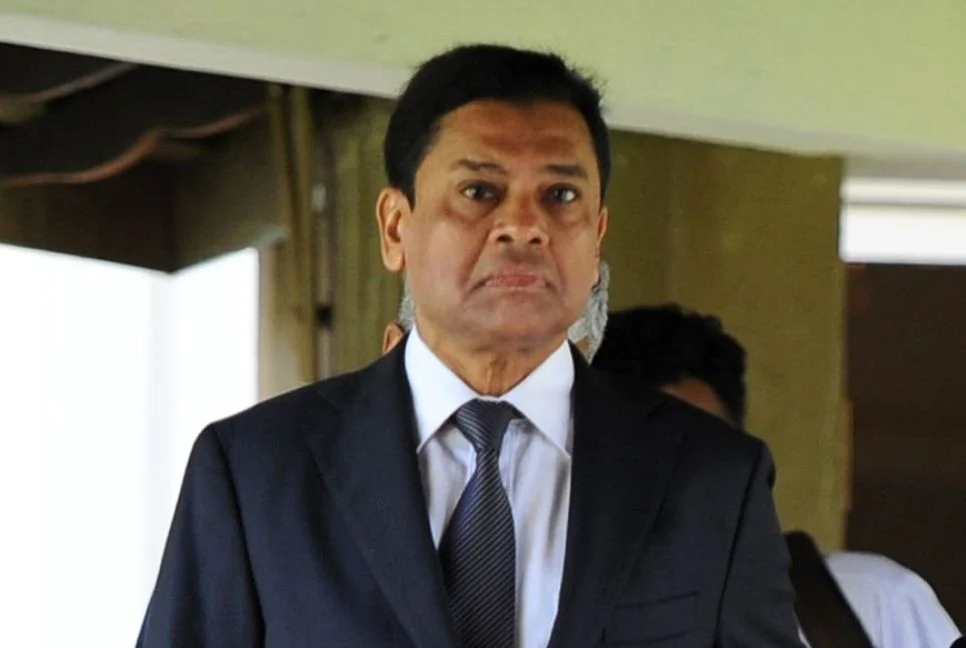
The Bangladesh Nationalist Party (BNP) is in the final stage of preparing its manifesto for the upcoming 13th parliamentary election. Party sources said the document will serve not only as an electoral pledge but also as a comprehensive framework for state reconstruction, economic recovery, and human resource transformation. The manifesto emphasizes youth employment, an investment-friendly environment, and empowering young people as key drivers of national development. It is being prepared based on four pillars: Ziaur Rahman’s 19 points, Khaleda Zia’s Vision 2030, Tarique Rahman’s 31 points, and the July National Charter. The manifesto includes a dedicated section titled “Outline for Youth,” promising one crore new jobs within 18 months of assuming power and unemployment benefits for educated job seekers. It also pledges SME financing, startup funds, IT and outsourcing training, and initiatives to attract domestic and foreign investment. Other commitments cover democratic reforms, agricultural modernization, women’s empowerment, minority protection, and universal healthcare. BNP plans to distribute concise leaflets summarizing key points before the official manifesto launch, which will take place at a major event after the campaign begins.

Dense fog has severely disrupted operations at Hazrat Shahjalal International Airport in Dhaka after its Instrument Landing System (ILS) Category 2 became nonfunctional. The Civil Aviation Authority of Bangladesh said a Thai Airways aircraft accidentally damaged the high antenna approach lights on October 29, reducing the system to Category 1. As a result, 5 to 8 flights are being diverted daily to nearby airports such as Chattogram, Sylhet, and Kolkata. The authority expects it will take three months to restore Category 2 capability. The downgrade has caused major inconvenience for passengers, especially those on early morning and late-night international flights, who often face long delays or diversions. Airlines are incurring higher operational costs due to extra fuel, rescheduling, and penalties. Officials said the damaged lights are expensive and must be imported, with tenders already issued. Aviation experts noted that regular maintenance and pre-winter inspections could have prevented the disruption. Authorities are working to repair the lighting system quickly, though they confirmed that upgrading to Category 3 is not feasible due to high-rise buildings near the runway.

Bangladesh’s cricket community erupted after Bangladesh Cricket Board (BCB) director and finance committee chairman M Nazmul Islam called former captain Tamim Iqbal a “tested Indian agent” in a Facebook post. The comment followed Tamim’s call for decisions on playing the World Cup in India to be made in the country’s best interest. The post triggered widespread criticism, prompting the Cricketers’ Welfare Association of Bangladesh (CWAB) to issue a formal protest to the BCB and demand a public apology from Nazmul. Although he later edited the post to replace the word “agent” for “dalal,” the original version had already gone viral. CWAB president Mohammad Mithun condemned the remark, calling it unacceptable and urging that BCB directors be brought under a code of conduct. He said the association had sent a protest letter to the BCB president and demanded accountability. Mithun also expressed disappointment that such comments came from a board led by former captains. Nazmul, however, told the media he would not apologize, and the BCB has not commented on the issue. Mithun warned that CWAB might take further steps if no apology or official response comes from the board. He also urged that politics be kept separate from cricket and emphasized ensuring player safety for the upcoming World Cup in India.

An opinion piece published on January 10, 2026, in the newspaper Amar Desh warns that signs of extensive election engineering are beginning to appear ahead of Bangladesh’s forthcoming national elections. The article argues that such manipulation could push the country into a deep crisis, as surveys suggest that the two main political parties currently enjoy nearly equal public support. Even minor engineering could therefore cause major shifts in seat distribution, potentially leading to results reminiscent of the 2014 or 2018 elections, which the author claims would be unacceptable domestically and internationally. The analysis outlines several possible methods of election engineering, including pre-election arrests or intimidation of opposition activists, polling station takeovers, manipulation of vote counts, and alteration of results during transmission to returning officers. It also describes how administrative behavior, media narratives, and international signals can shape public perception weeks before voting, influencing undecided voters. The author asserts that the state apparatus plays the central role in such processes and notes that Bangladesh’s administration has not functioned independently for over 15 years. The piece concludes that without administrative reform, the extent of election engineering in the upcoming polls remains a critical concern.

Large portions of Dhaka’s roads, from main arteries to narrow lanes, have become nearly impassable due to potholes, open manholes, and prolonged excavation works. A report published on January 10, 2026, describes that about two-thirds of the city’s roads under Dhaka North and South City Corporations are in poor condition, with many areas turning into waterlogged pits during rains. Residents in newly added 18 wards face extreme hardship despite paying taxes, as basic urban services remain inadequate. Field visits revealed that major routes such as Basabo–Madartek, Khilgaon, and Nikunja–2 are riddled with large potholes, causing constant traffic jams. Urban planner Adil Muhammad Khan stated that the city corporations have failed to meet citizens’ expectations due to uncoordinated digging, waste mismanagement, and encroachment. Officials from both corporations acknowledged limited budgets and pending project approvals worth nearly 1,900 crore taka. The prolonged road and flyover construction has slowed city traffic to an average of four kilometers per hour, disrupting emergency services and daily commutes. Authorities have promised repairs, but visible progress remains minimal.
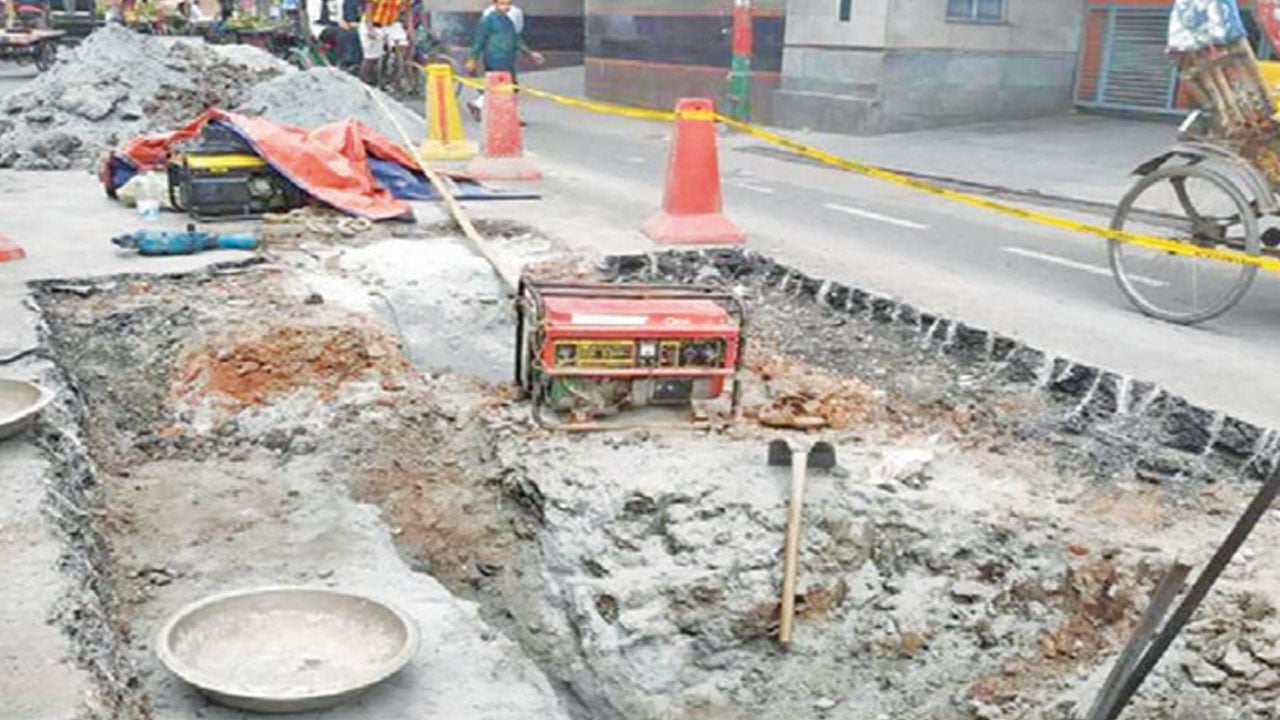
The National Citizen Party (NCP) has restructured its central election steering committee ahead of the 13th National Parliamentary Election. According to a press release signed by convener Nahid Islam and member secretary Akhtar Hossain, the party’s new spokesperson Asif Mahmud Sajib Bhuiyan has been appointed chairman, while joint convener Monira Sharmin has been named secretary. The committee will oversee overall election preparations, field coordination, legal and administrative activities, media and campaign management, monitoring, and advocacy for a ‘yes’ vote in the referendum. The newly formed committee includes 29 members, among them Barrister Omar Faruk, Nusrat Tabassum Jyoti, Tanzil Mahmud, Advocate Zahirul Islam Musa, Advocate Humayra Noor, Akram Hossain, and others. Previously, on November 4, NCP had formed a committee led by Nasiruddin Patwari and Tasnim Zara, but several central leaders resigned following an electoral understanding with Jamaat-e-Islami. On December 29, Asif Mahmud Sajib Bhuiyan joined the party and assumed the roles of spokesperson and committee head, while Monira Sharmin withdrew her candidacy from Naogaon-5 after the Jamaat deal.

Members of the Jagannath University Central Students’ Union (JAKSU) panel, supported by the Jatiyatabadi Chhatra Dal and Chhatra Adhikar Parishad, visited the graves of Begum Khaleda Zia and Shaheed Sharif Osman Hadi on Friday, January 9. The visit was led by vice president candidate A.K.M. Rakib and assistant general secretary candidate B.M. Tanzil. The group paid their respects at Khaleda Zia’s grave at Zia Udyan and later at the grave of Shaheed Osman Hadi located in the premises of the National Poet Kazi Nazrul Islam’s mausoleum at Dhaka University. Newly elected panel members including library and seminar affairs secretary Riasal Rakib, transport secretary Mahid Hasan, cultural affairs secretary Takrim Ahmed, and executive member Sadman Samya were present. A.K.M. Rakib, who is also the president of the Chhatra Adhikar Parishad’s university branch, said they could not visit the graves during the election period and therefore went after the polls. He stated that their panel upholds the ideals of democracy and opposition to dominance, echoing the struggles of Khaleda Zia and Shaheed Osman Hadi. The visit symbolized the panel’s commitment to democratic values and resistance against external dominance, as expressed by its leaders.
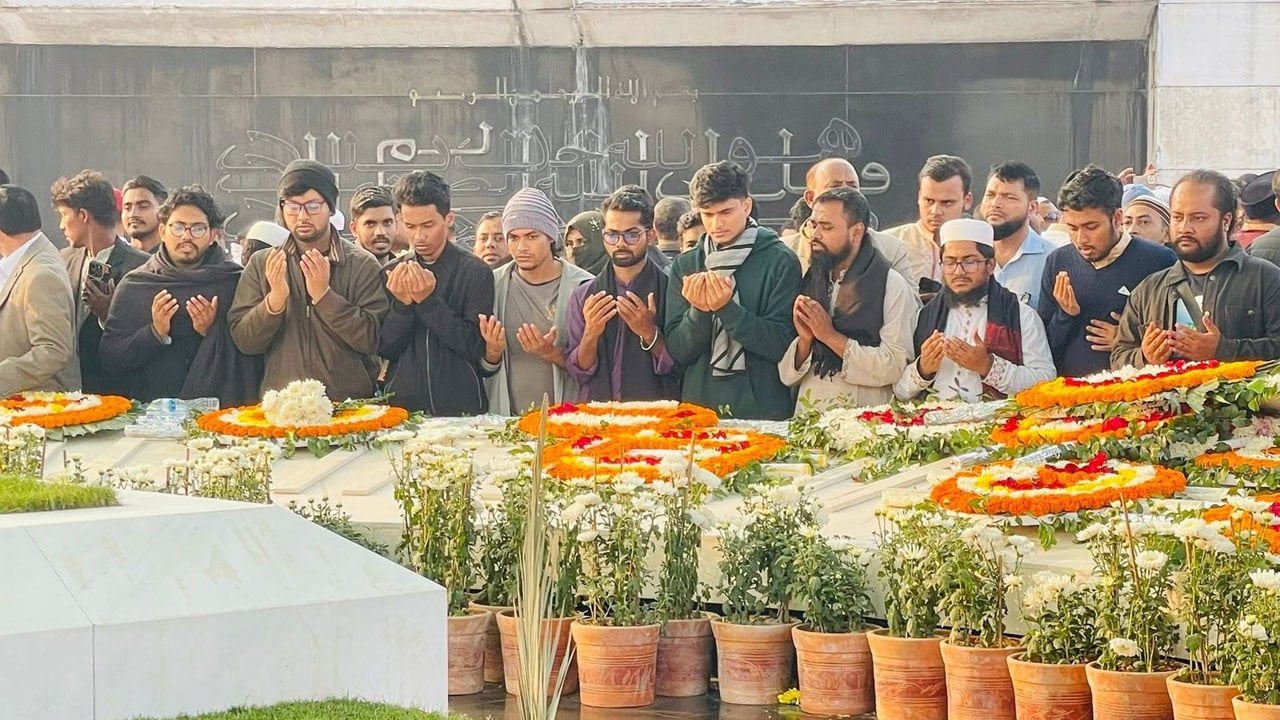
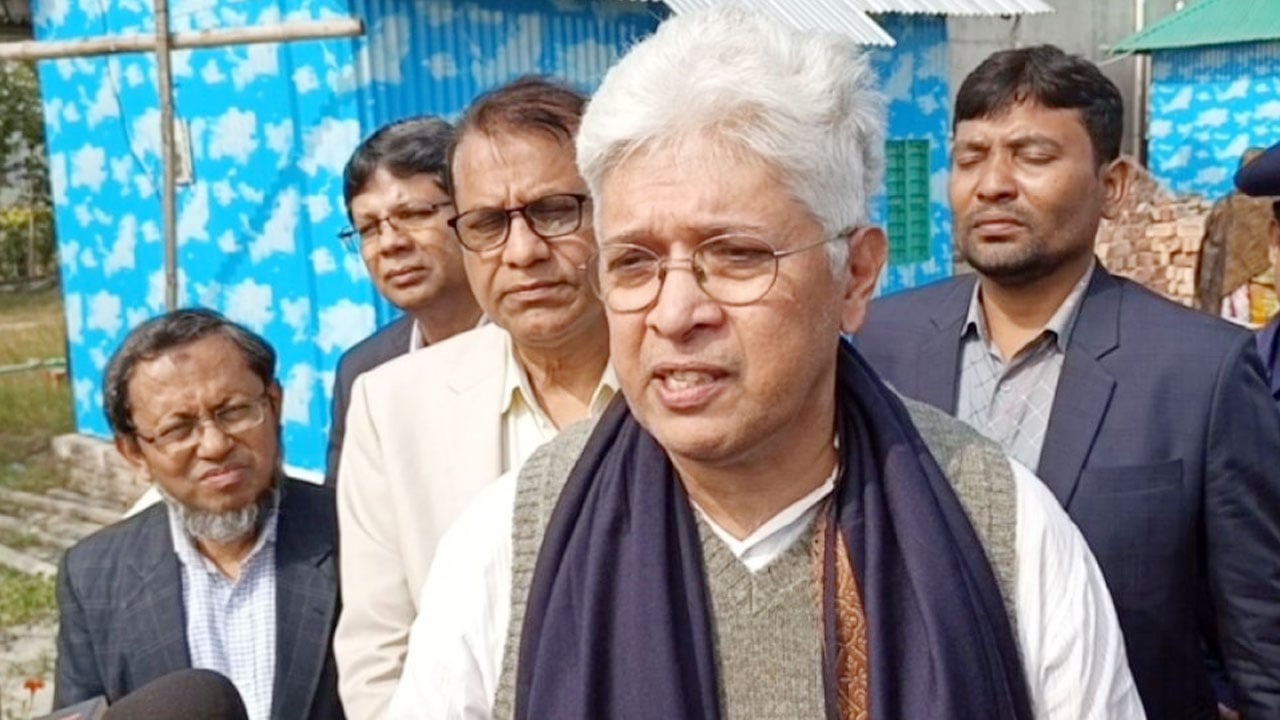
Adilur Rahman Khan, adviser to the Ministry of Industries and the Ministry of Local Government, Rural Development and Cooperatives, warned that any attempt to disrupt Bangladesh’s democratic process or fair elections will be firmly resisted. He made the remarks on Friday afternoon in Sunamganj city after paying tribute to martyrs at the July 36 Square. Responding to questions about concerns following the Hadi killing, he said the change achieved through the July uprising would be permanent and that defeated fascism would not return. Khan stated that conspiracies against fair elections continue both inside the country and from across the border, but those involved will not be allowed to gain ground. He added that fascism would be suppressed if it tried to reemerge. On the topic of referendum campaigns, he said local administrations, led by district commissioners, have launched extensive programs that will become visible this week. After the event, Khan visited the Sunamganj buffer warehouse and exchanged views with officials. Senior officials from several ministries and departments were present at the program.
Five cricket boards from the United States, Canada, Italy, Oman, and the United Arab Emirates have lodged complaints with the International Cricket Council (ICC) after their players of Pakistani origin were denied Indian visas ahead of the upcoming T20 World Cup. According to Geo Sports, these boards have also sent copies of their letters to the Board of Control for Cricket in India (BCCI), but neither the BCCI nor the ICC has responded so far. The tournament is scheduled to begin in about a month, yet India has not provided any indication of relaxing its visa policy. The issue has created a new challenge for the ICC, which is already facing complications as Bangladesh has refused to travel to India for the tournament, citing security concerns and expressing a preference to play in Sri Lanka instead. The visa dispute marks the first time that countries beyond Pakistan have encountered such difficulties due to players’ Pakistani heritage. The five affected boards are reportedly preparing to send another joint letter to both the ICC and BCCI if the matter remains unresolved.

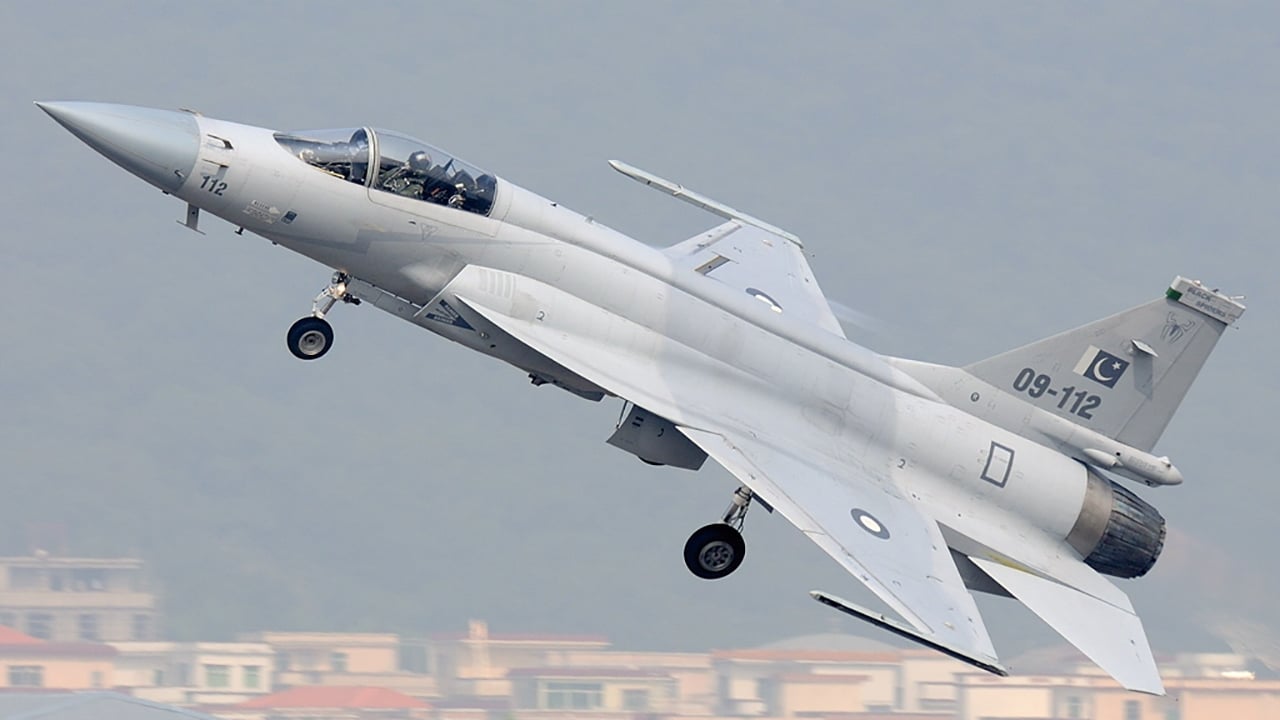
Pakistan’s military has indicated that a deal to sell its domestically produced JF-17 fighter jets to Bangladesh could be finalized soon. The development followed a meeting between the air chiefs of both countries, where Bangladesh reportedly sought Pakistan’s assistance in upgrading its aging defense radar systems and equipment. The Inter-Services Public Relations (ISPR) said the Bangladeshi Air Force chief praised Pakistan’s combat achievements, and discussions also covered the expedited delivery of Super Mushshak training aircraft. The JF-17 Thunder, jointly developed by Pakistan Aeronautical Complex and China’s Chengdu Aircraft Corporation, is a lightweight, multi-role fighter jet designed for all-weather operations. It has already been purchased by Myanmar, Nigeria, and Azerbaijan. Analysts cited in the report said the aircraft’s affordability—estimated at 25 to 30 million dollars per unit—and its proven combat performance have increased its appeal among countries with limited defense budgets. While Pakistan has not yet confirmed any formal contracts with Bangladesh, Libya, or Saudi Arabia, observers noted that Dhaka’s interest marks a shift in its approach toward Islamabad since 2024, potentially signaling a broader strategic partnership between the two nations.
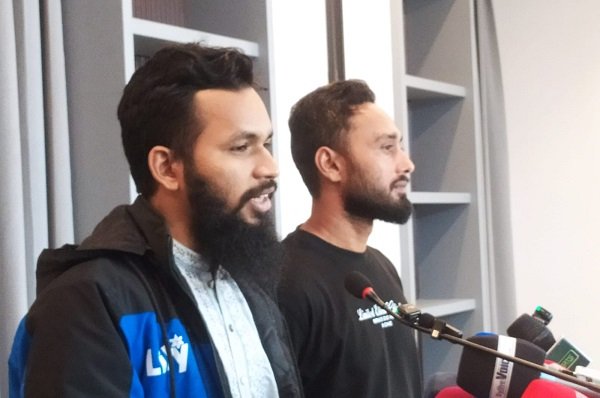
Dhaka Capitals chief executive Atik Fahad has publicly accused the Bangladesh Premier League’s Anti-Corruption Unit (ACU) of mishandling his mobile phone and unfairly targeting his team. Speaking to the media in Sylhet on January 9, 2026, he said his phone had been in ACU custody for five days without any update. Fahad also alleged that Afghan cricketer Rahmanullah Gurbaz was subjected to unnecessary questioning by ACU officials. Fahad claimed that all teams except one were being treated as suspects by the ACU, suggesting unequal enforcement of anti-corruption measures. He criticized the approach taken toward prominent foreign players like Gurbaz, describing it as disrespectful and disruptive. Dhaka Capitals captain Mohammad Mithun added that most of these incidents occurred before matches against Rangpur Riders, alleging that the Integrity Unit even questioned player Saif during a match. Mithun expressed surprise at the timing of ACU interventions, saying he had never seen such incidents in his long cricket career. The allegations have raised concerns about the conduct and timing of anti-corruption operations during the ongoing BPL season.
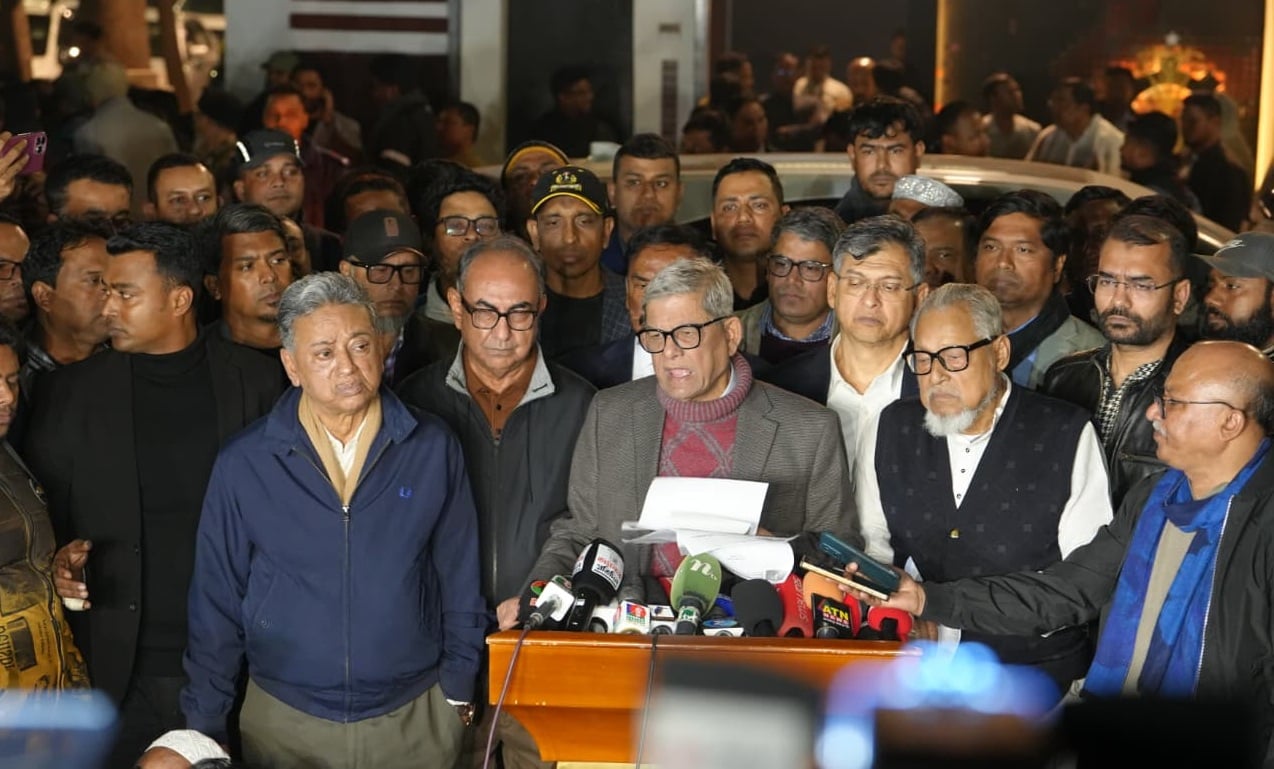
BNP Chairperson Tarique Rahman has postponed his planned visit to nine northern districts of Bangladesh at the request of the Election Commission. The decision was announced by BNP Secretary General Mirza Fakhrul Islam Alamgir after the party’s National Standing Committee meeting on Friday night. The four-day tour, originally scheduled to begin on January 11, included visits to the graves of Maulana Abdul Hamid Khan Bhashani and other martyrs, as well as personal engagements. Mirza Fakhrul said the party strongly condemned recent killings of political activists, including Osman Hadi and former Dhaka North BNP leader Musabbir, and demanded immediate arrests of those responsible. He warned that continued violence could severely damage the environment for fair elections and urged the government and the Election Commission to take effective measures to ensure peace and order. He also expressed gratitude to the public for their participation in the funeral of late BNP Chairperson and former Prime Minister Begum Khaleda Zia, describing it as one of the largest in recent memory, and thanked law enforcement and the army for maintaining order.
The ‘1 Nojor’ media platform is now live in beta, inviting users to explore and provide feedback as we continue to refine the experience.