

The ‘1 Nojor’ media platform is now live in beta, inviting users to explore and provide feedback as we continue to refine the experience.
Iran has been eliminated from the 2026 FIFA World Cup despite remaining unbeaten in all three group-stage matches. The team, led by coach Amir Ghalenoei, faced a series of off-field challenges including visa denials for officials, disrupted training plans, and severe travel restrictions. They arrived at one match venue only 16 hours before kickoff, yet FIFA made no formal protest. Two of Iran’s goals were disallowed by VAR, including a controversial stoppage-time strike against Egypt that could have changed group standings. FIFA’s earlier commitment to ensure equal access for all teams was questioned after its president, Gianni Infantino, said the organization was “not the king of the world.” Many observers viewed this as a moral failure to guarantee fairness. Iran’s elimination was sealed when Austria and Algeria drew 3–3, leaving Iran out of the knockout stage despite three draws. In their farewell message, Iran’s players emphasized peace, coexistence, and respect, rejecting anger despite adversity. Captain Mehdi Taremi and coach Ghalenoei both called for keeping politics out of football and ensuring no team faces such institutional bias again.

The United States and Iran have agreed to stop attacks and resume discussions on the Hormuz Strait, according to a Reuters report citing a U.S. official. The two countries plan to meet in Doha, Qatar, on Tuesday to address the ongoing dispute over the strategic waterway. The agreement follows several days of retaliatory strikes and raises hopes for maintaining an interim peace deal. The U.S. official said that technical discussions on all aspects of a memorandum of understanding signed on June 17 will continue. Both sides will observe a ceasefire, allowing ships to move freely through the strait. The memorandum includes 14 points aimed at reopening the waterway for navigation. Media outlet Axios reported that technical-level talks will proceed while both sides refrain from further attacks. The report also noted that early Sunday, Iran launched missile and drone strikes on U.S. military bases in Kuwait and Bahrain. Shortly before that, U.S. President Donald Trump warned that Iran’s existence could be at risk if it violated the ceasefire agreement.
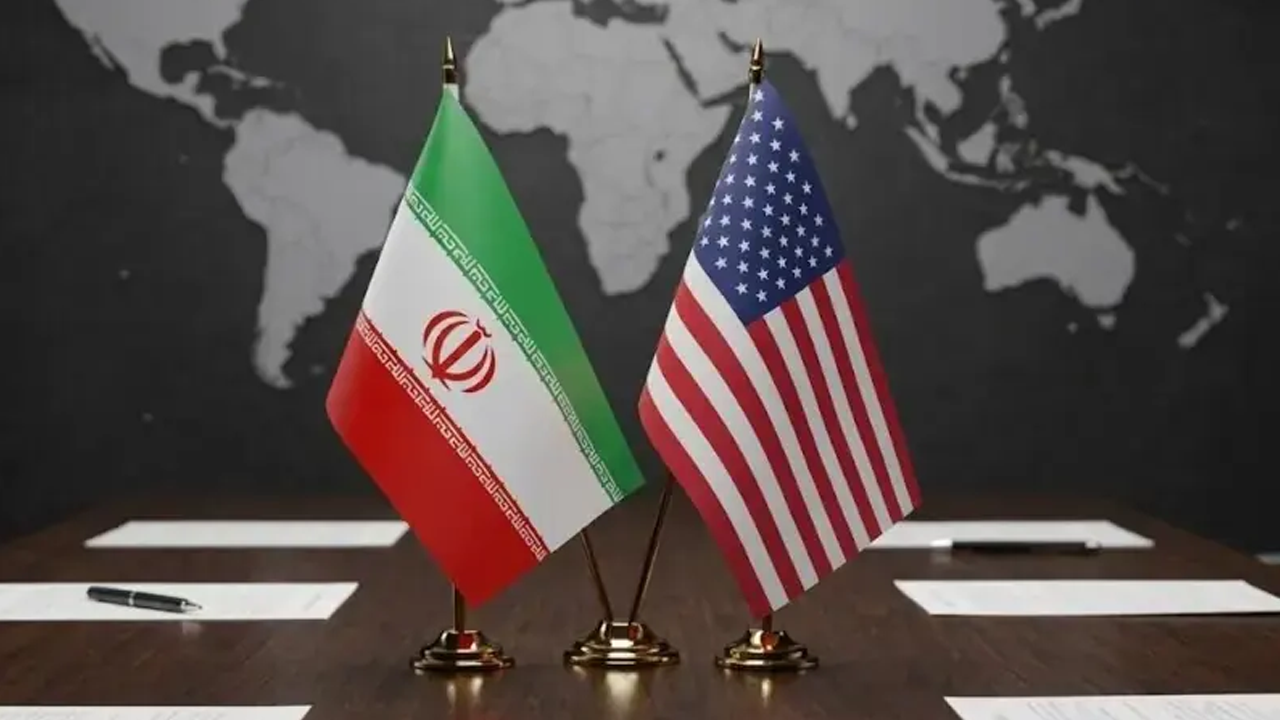
International oil prices increased following several days of retaliatory attacks between the United States and Iran, which disrupted energy transport through the Strait of Hormuz and exposed the fragility of their interim peace agreement. On Monday, Brent crude rose by 58 cents, or 0.8 percent, to 72.57 dollars per barrel, while U.S. West Texas Intermediate crude gained 88 cents, or 1.3 percent, to reach 70.11 dollars per barrel. Analysts from ING warned that significant risks remain in the oil market, noting that if supply normalization takes longer than expected, prices could rise further. ANZ Bank analysts added that earlier assumptions about a quick recovery of oil supply from the Persian Gulf may now be reassessed. The two countries have agreed to halt attacks and plan to meet in Doha on Tuesday to discuss resolving their Hormuz Strait dispute. Saudi Aramco resumed crude loading at its Ras Tanuma terminal last Friday after a four-month suspension, despite a helicopter crash there on Sunday that killed 14 people. Analysts cautioned that tanker congestion, damaged infrastructure, and halted production could delay a full supply recovery for the rest of the year.

The Bangladesh Medical University (Second Amendment) Bill, 2026 was introduced in the National Parliament on Sunday by Health and Family Welfare Minister Sardar Md. Sakhawat Hossain. The bill aims to facilitate the operation of the university’s super specialized hospital and to authorize the establishment of companies and investments to expand medical education, research, and healthcare services. It was later referred to the relevant parliamentary committee for further examination, with a directive to submit a report within three working days. According to the bill’s statement of objectives, the Bangladesh Medical University was established under the 1998 law to promote higher education, medical research, and advanced healthcare. However, despite constructing a super specialized hospital, the lack of adequate staff and a clear management structure prevented its full operation. The university’s syndicate decided to manage the hospital under the Companies Act, 1994, prompting the need for legal amendments. The proposed changes would allow the university to form profit or non-profit companies, acquire and transfer shares, and reinvest earnings into education, research, and healthcare, thereby enhancing institutional excellence.
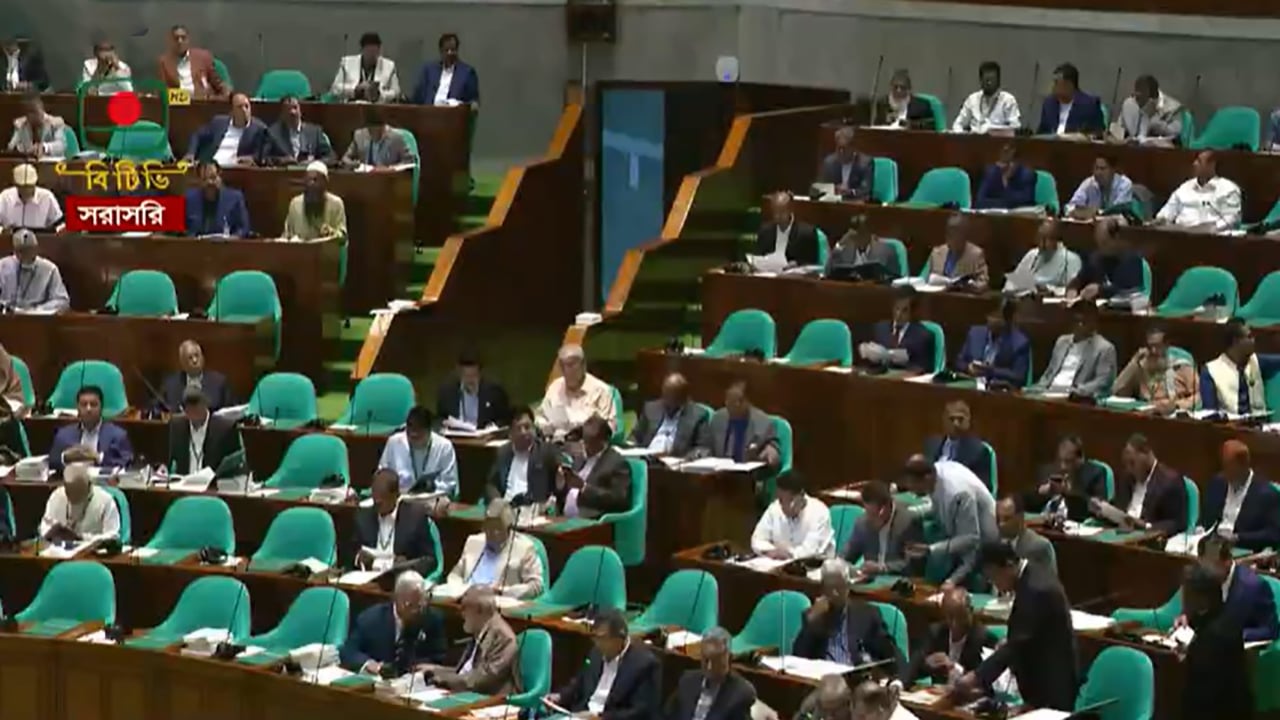
The Bangladesh Parliament has introduced the Public Examinations Offenses Amendment Bill, 2026, which proposes up to five years of imprisonment and fines for digital manipulation or unauthorized access to examination databases. The bill, presented by Education Minister Ehsanul Haque Milon on Sunday, also covers the use of electronic devices in exam centers and other examination-related crimes. The parliamentary committee has been asked to submit its report within three working days. According to the bill’s explanatory statement, the existing Public Examinations (Offenses) Act of 1980 is outdated due to the rise of technology and digital crimes. The amendment aims to modernize the legal framework to address online and cyber-based examination offenses, ensuring a fair and malpractice-free testing environment. It introduces the definition of “digital manipulation,” encompassing cybercrimes involving unauthorized access or tampering with exam data. The government stated that the amendment is essential to safeguard the transparency and credibility of public examinations in the digital era, addressing emerging challenges posed by technology-driven misconduct.
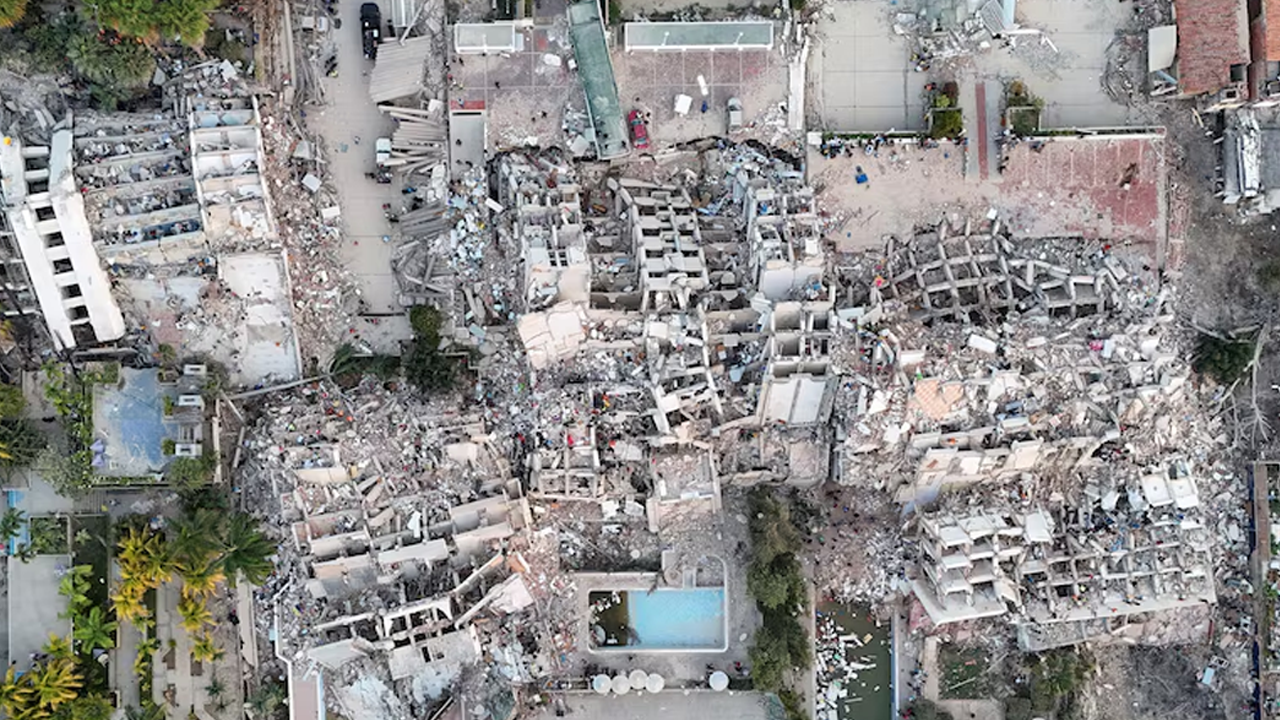
Rescue workers in Venezuela are continuing efforts to find survivors following two powerful earthquakes that struck the country last Wednesday, leaving nearly 1,500 people dead. The coastal state of La Guaira, located about 40 kilometers north of Caracas, suffered the most severe damage, with hundreds of buildings reduced to rubble. Interim President Delcy Rodríguez announced a presidential commission to oversee rescue and recovery operations, confirming that schools will remain closed for another week and that 75 percent of electricity in La Guaira has been restored. According to National Assembly President Jorge Rodríguez, 3,150 people have been injured, 12,721 displaced, and 774 buildings collapsed. More than 2,600 foreign rescuers have joined local teams, though many volunteers have complained about limited equipment and restricted access. The U.S. Geological Survey estimated that the quakes, measuring 7.2 and 7.5 in magnitude, could ultimately claim over 10,000 lives, potentially making them among Latin America’s deadliest in a century. Foreign rescue teams from the United States, Colombia, and Mexico have saved several children from the debris, while aftershocks continue to hamper operations and heighten fear among residents.
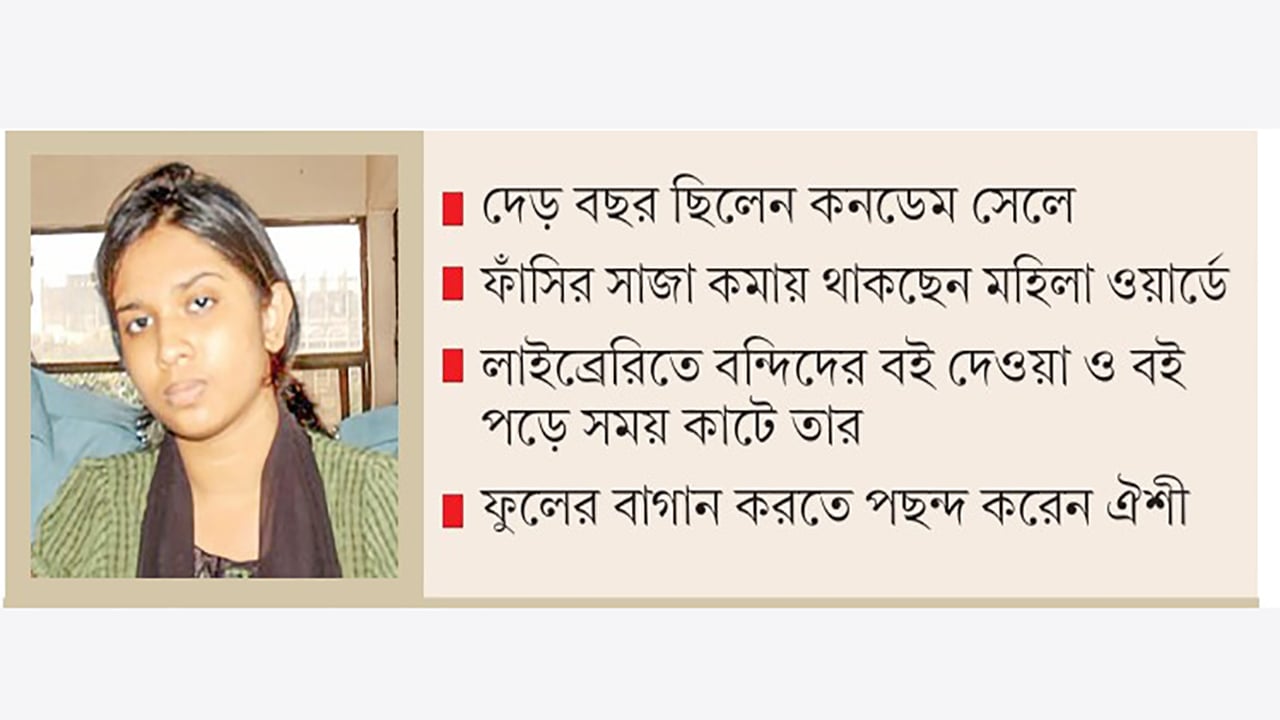
Oishee Rahman, convicted of murdering her parents, is now serving as a librarian at the Kashimpur Women’s Central Jail in Gazipur. According to prison officials, she began her sentence at age 19 and has completed 13 years of her 30-year life term under Section 57 of the Penal Code. She spends her days working in the prison library, maintaining the book register, and reading English novels. Oishee reportedly suffers from respiratory illness and maintains good behavior, though she speaks little. The 2013 murders of retired police officer Mahfuzur Rahman and his wife shocked Dhaka’s Chamelibagh area. Oishee surrendered to police the next day, confessing to the killings before later retracting her statement. In 2015, a lower court sentenced her to death, but the High Court commuted the sentence to life imprisonment in 2017, citing her mental instability, young age, and lack of prior criminal record. Prison sources said Oishee’s conduct has remained disciplined, and she occasionally tends to flower gardens inside the prison. Her release remains distant, though she continues to await the end of her sentence.
A murder case has been filed naming 17 individuals in connection with the killing of college student Suman Sheikh, 24, in Alfadanga, Faridpur. The case was lodged on Saturday night by the victim’s elder brother, Shamim Sheikh, at Alfadanga Police Station. Alongside the named suspects, 20 to 25 unidentified persons were also accused. Police confirmed the case on Sunday afternoon. According to the case details, the attack occurred around 6 p.m. on Friday in the Barovag Purbo Para area of Tagarband Union. Suman Sheikh, a third-year degree student at Kashiani M.A. Khalek College, was allegedly ambushed by a group led by Hossain Sheikh, son of former union council member Kuddus Sheikh, due to previous enmity. The assailants reportedly attacked him with sharp weapons, leaving him critically injured. He was taken to Kashiani Upazila Health Complex and later transferred to Faridpur Medical College Hospital, where doctors declared him dead around 8 p.m. Police said operations are ongoing to arrest the suspects, who have gone into hiding. Additional forces have been deployed in the area to prevent further unrest.

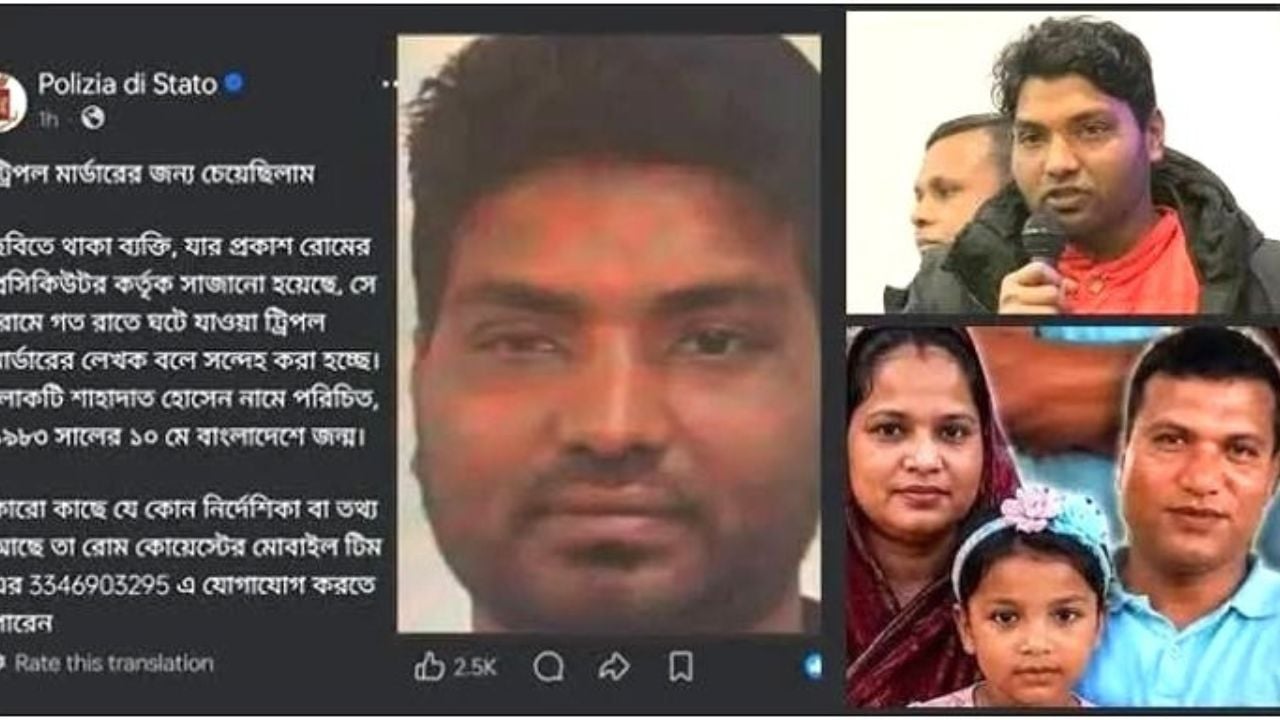
Italian police have launched a manhunt for Bangladeshi national Shahadat Hossain, identified as the prime suspect in the killing of a Bangladeshi couple and their young daughter in Rome. The attack occurred around 9 p.m. local time on Friday in the Aurelio area near Via Montiglio Park. The victims were Kamal Uddin Babul, his wife Arju, and their five-year-old daughter Arisha. Their 18-year-old son Ayon was seriously injured and is being treated in hospital. Authorities have released Shahadat’s photo and urged the public to share any information about his whereabouts. According to local reports, the killings stemmed from a long-standing personal dispute involving Shahadat and Arju. The families had previously lived in Bangladesh, where tensions over their relationship reportedly began. Kamal later moved his family to Italy, while Shahadat relocated to the United Kingdom before eventually arriving in Italy. On the night of the incident, the two sides met to resolve their differences, but the meeting turned violent. Italian investigators believe a sharp weapon was used in the attack. Police in Rome continue to search for Shahadat, while the victims’ home village in Noakhali, Bangladesh, remains in mourning.
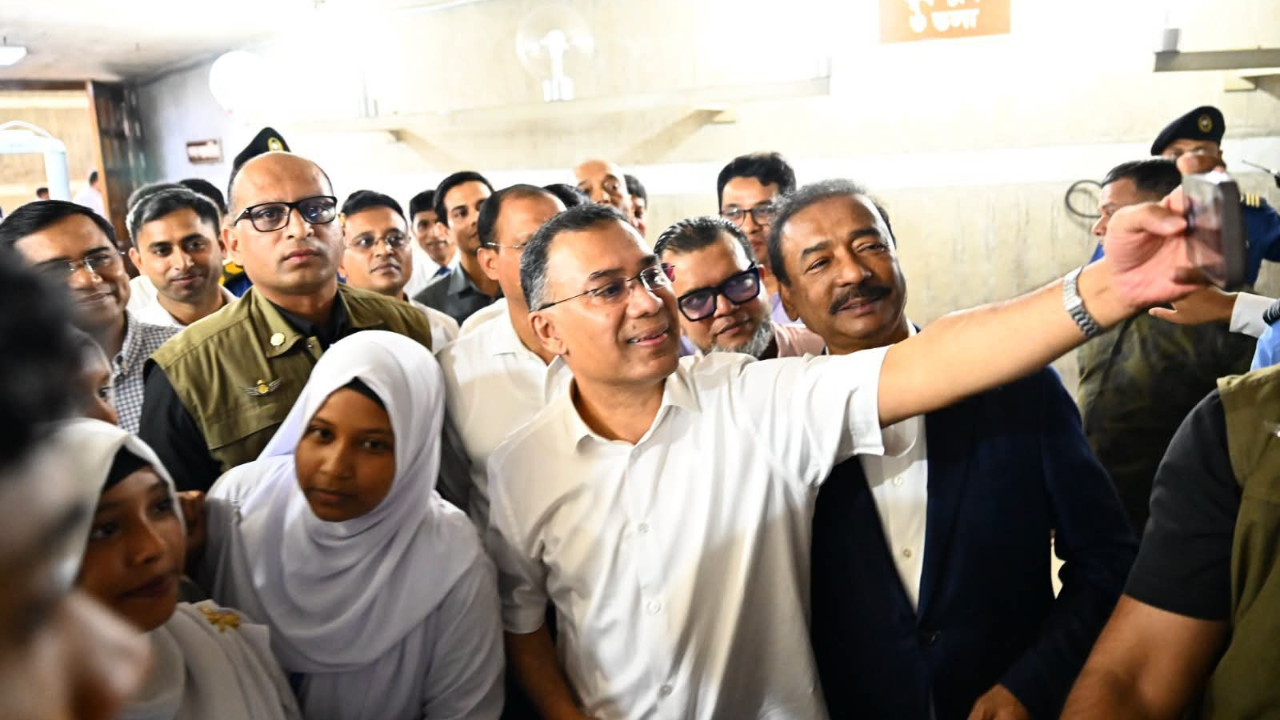
A group of 65 students and four teachers from four educational institutions in Monoharganj, Cumilla, visited Bangladesh’s National Parliament Building for the first time on Sunday. The educational tour, organized by the Parliament Secretariat’s Visit Branch, offered participants a memorable and inspiring experience. One of the highlights was a meeting with Prime Minister and Leader of the House Tarek Rahman, who spoke warmly with the students, encouraged them to balance studies with sports and cultural activities, and took selfies with them. During the visit, the delegation toured the LD Hall, the main chamber, the North and South Plazas, Crescent Lake, and the Parliament Library. They also observed the ongoing budget session and attended a briefing session on the history, architecture, and functions of the Parliament. The program included a greeting ceremony attended by MP Abul Kalam and Parliament Secretary Barrister Golam Sarwar Bhuiyan, where speakers emphasized the importance of such visits in promoting democratic awareness among youth. Students described the experience as unforgettable, saying it deepened their understanding of the state and inspired them to dream bigger for the future.
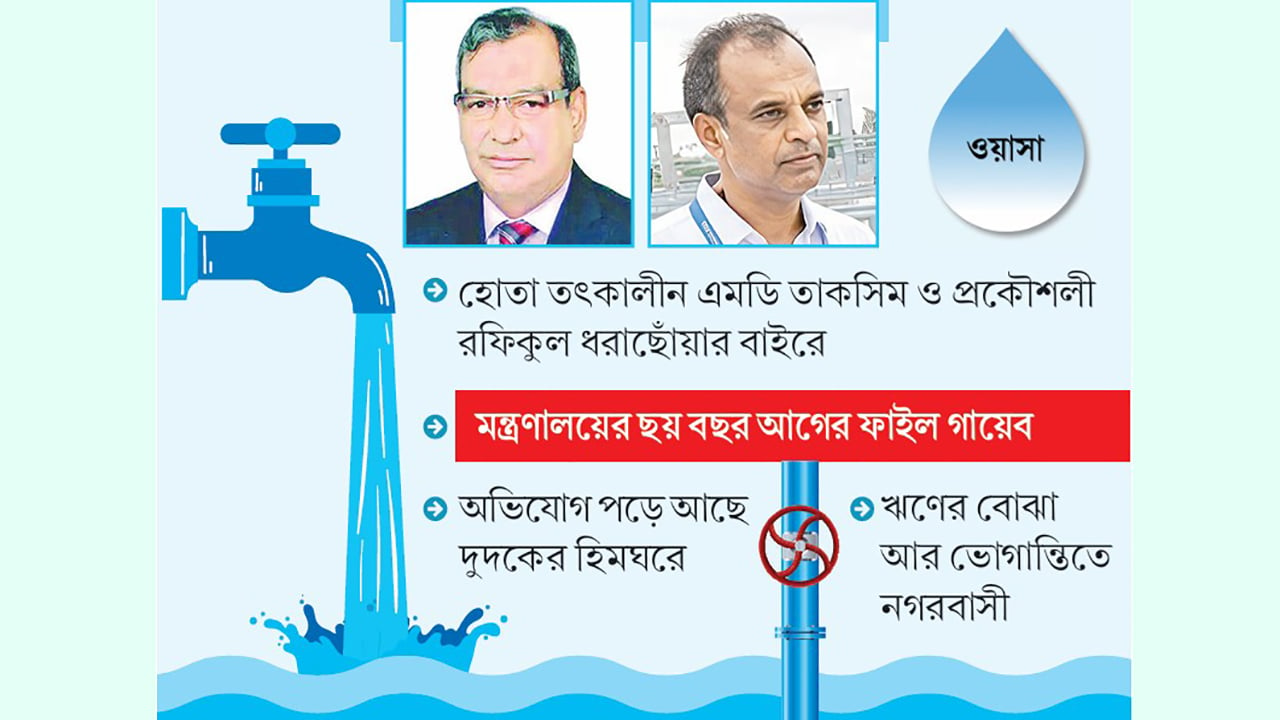
Serious allegations of corruption, irregularities, and substandard work have surfaced in several major projects under Dhaka WASA, including the Padma (Jashaldia) Water Treatment Plant and the Rampura-Kamalapur Pumping Station. Official documents indicate engineering flaws, excessive spending, and personal enrichment by key officials, notably former managing director Taqsem A Khan and engineer Rafiqul Islam. Despite complaints lodged with the Anti-Corruption Commission (ACC) and the Local Government Ministry, investigations were reportedly suppressed during their tenure. The Padma-Jashaldia project, costing about Tk 3,800 crore, was designed to supply 450 million liters of water daily but currently delivers only 230 million liters. ACC records describe both the Padma and the Tk 400 crore Rampura-Kamalapur projects as failures due to widespread corruption. Expert opinions from BUET highlighted the use of substandard K-9 class pipes instead of the more suitable K-10 class, raising concerns about quality and accountability. Dhaka WASA’s debt has reportedly reached Tk 25,000 crore, while water prices have been increased 16 times. Despite these hikes, residents continue to complain about poor water quality and irregular supply.
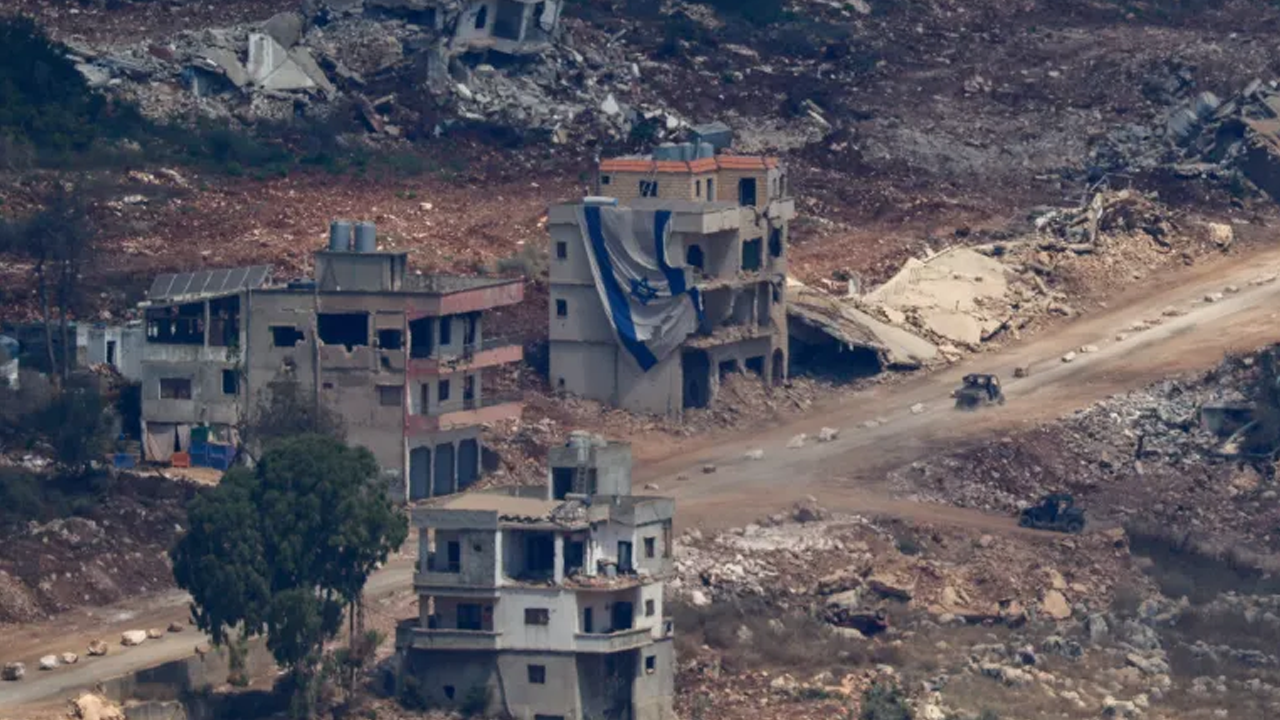
Lebanon’s armed group Hezbollah has accused Israeli forces of violating a ceasefire agreement and declared its right to defend the country. The group stated that Israeli military aircraft carried out multiple attacks across southern Lebanon on Sunday, targeting residential buildings in Nabatieh and nearby Mayfadoun, as well as open areas in Faroun and the town of Bint Jbeil. Drone strikes and explosions were also reported in the Taybeh and Hadatha areas. In a statement, Hezbollah said it was closely monitoring what it described as repeated breaches of the ceasefire and reaffirmed its right to protect Lebanon and its people. The group’s claims come amid ongoing tensions despite a memorandum of understanding between the United States and Iran that was intended to end hostilities across all fronts, including Lebanon. According to the report, Israel has continued intense and sustained attacks in Lebanon since early March, raising concerns about renewed escalation in the region.
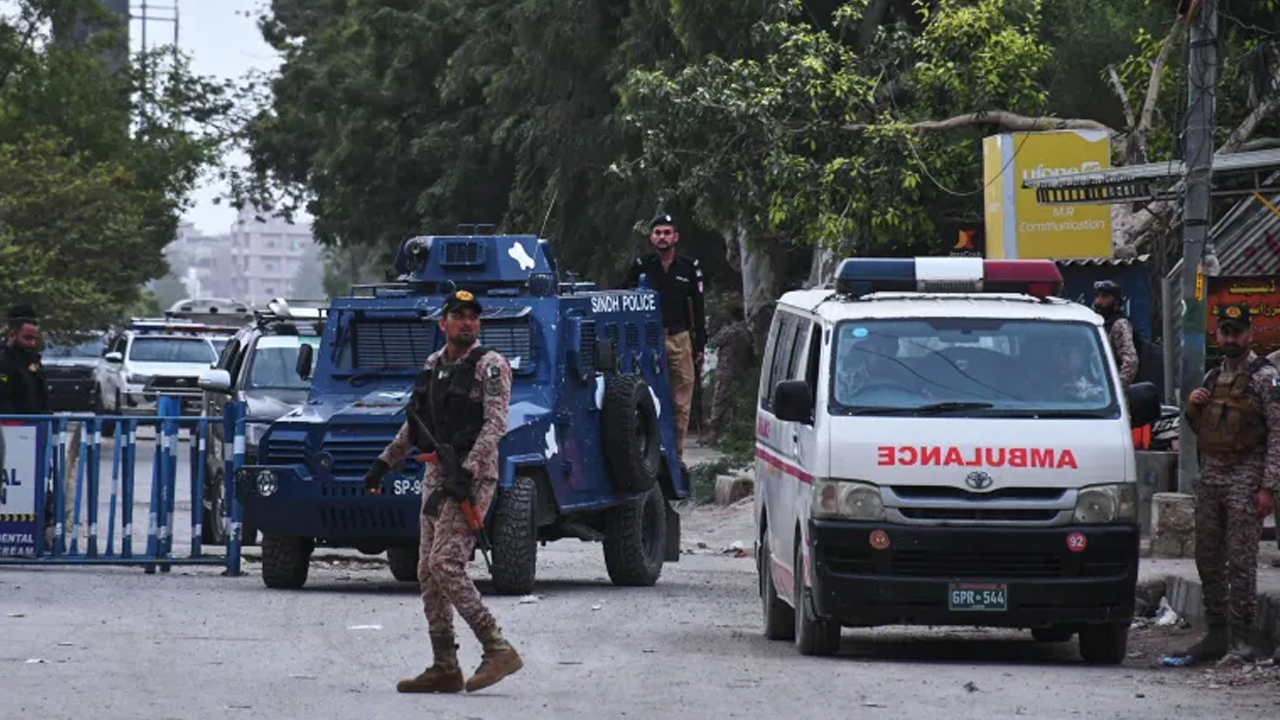
Pakistan’s security forces carried out ground and air operations along the Afghan border, killing 29 people, officials confirmed. Information Minister Attaullah Tarar said the strikes targeted militant hideouts in response to a series of armed attacks across Pakistan. He stated that precision strikes destroyed targets in Paktia, Paktika, and Kunar provinces of eastern Afghanistan. Afghan authorities have not yet issued any response. The operation followed an assault on the paramilitary Rangers’ regional headquarters in Karachi, which left three soldiers dead. The Pakistani Taliban faction Jamaat-ul-Ahrar claimed responsibility for that attack. Authorities said the latest cross-border strikes targeted Pakistani Taliban bases and safe havens. Although the Pakistani and Afghan Taliban are separate groups, they maintain close ties. The renewed offensive has heightened tensions between Islamabad and Kabul, coming less than three weeks after earlier air raids in Afghanistan. Despite international mediation efforts, including a China-led meeting in April, ceasefire talks have failed. Pakistan accuses the Afghan Taliban government of sheltering militants behind attacks in Pakistan, a charge Kabul denies.
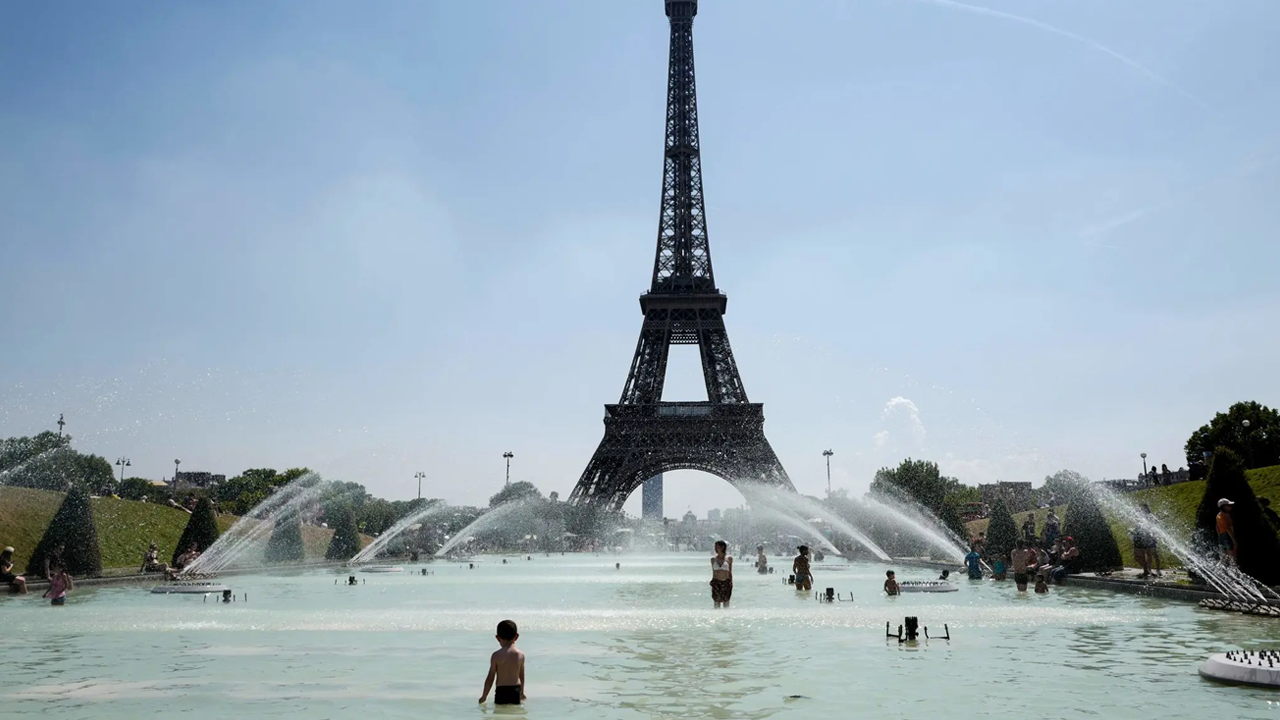
The World Health Organization (WHO) has reported that more than 1,300 excess deaths have occurred across Europe since June 21 due to an unprecedented summer heatwave. The extreme temperatures have broken records in Germany, Poland, and the Czech Republic, with Germany recording 41.7°C and Poland 40.5°C. France’s health ministry said nearly 1,000 additional deaths were recorded since Wednesday, mostly among people over 65. WHO chief Tedros Adhanom Ghebreyesus warned that Europe is warming twice as fast as the global average and described heat stress as a “silent killer.” Authorities across Europe have taken emergency measures to mitigate the crisis. France banned outdoor alcohol sales and canceled the Paris Pride March to ease pressure on emergency services, while the Netherlands canceled the Defqon.1 music festival after a “code red” alert. In France, at least 74 people drowned in rivers and lakes amid the heatwave. Meteorological agencies attributed the extreme conditions to a “heat dome” effect, which traps hot, dry air and intensifies surface temperatures. WHO urged European nations to implement heat-health action plans as climate change continues to drive more frequent and severe heatwaves across the continent.
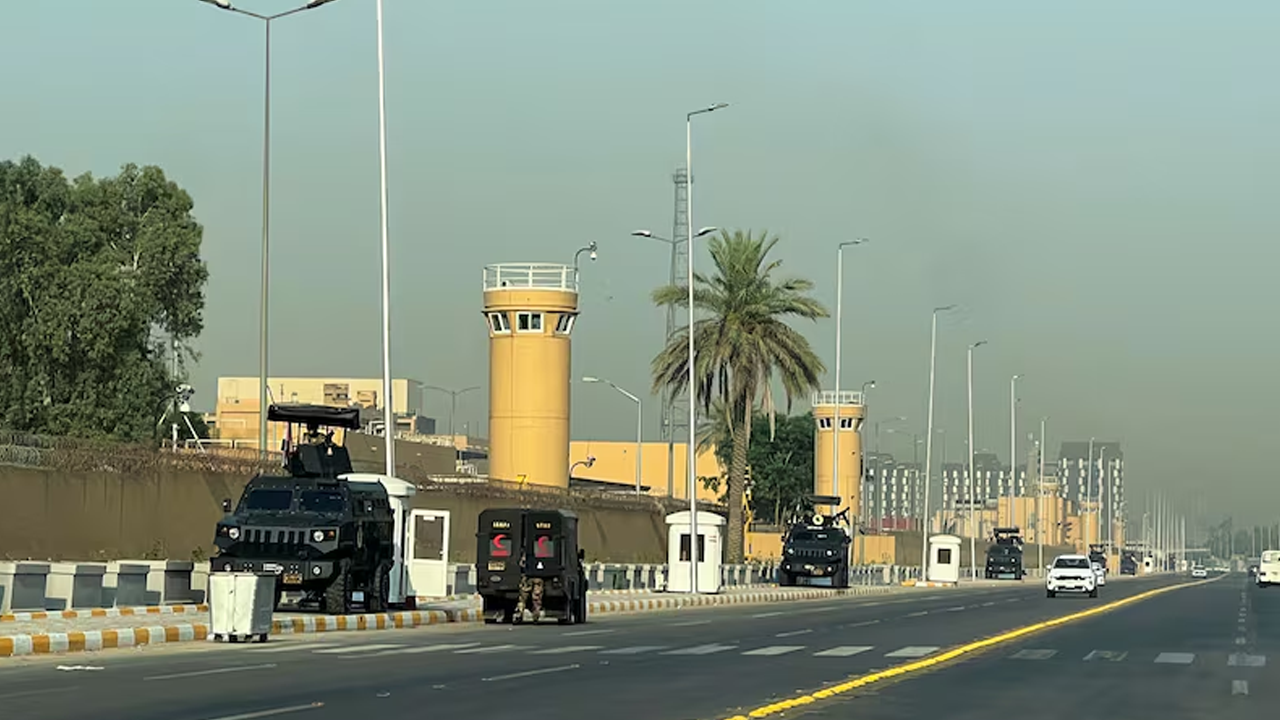
Iraqi authorities have arrested 47 officials, including a member of parliament, in a sweeping anti-corruption operation in Baghdad and other provinces. The arrests were carried out early Sunday by security forces led by the counterterrorism unit, targeting the capital’s fortified Green Zone and another city area. The operation follows Prime Minister Ali al-Zaidi’s pledge to combat corruption and assert state control over weapons since taking office with US support. According to Iraq’s state news agency INA, the detainees include government officials and at least one from the oil ministry. The campaign comes ahead of al-Zaidi’s planned visit to Washington, where he is expected to seek US investment and reaffirm efforts to disarm Iran-backed armed groups. A diplomat in Baghdad told AFP the crackdown is part of preparations for that trip and a signal of the prime minister’s commitment. Officials said the arrests are part of a broader effort to curb financing of armed groups and smuggling of dollars and Iranian oil. The anti-corruption commission confirmed that the warrants were issued by courts, based partly on confessions from a previously detained oil ministry official.
The ‘1 Nojor’ media platform is now live in beta, inviting users to explore and provide feedback as we continue to refine the experience.