

The ‘1 Nojor’ media platform is now live in beta, inviting users to explore and provide feedback as we continue to refine the experience.
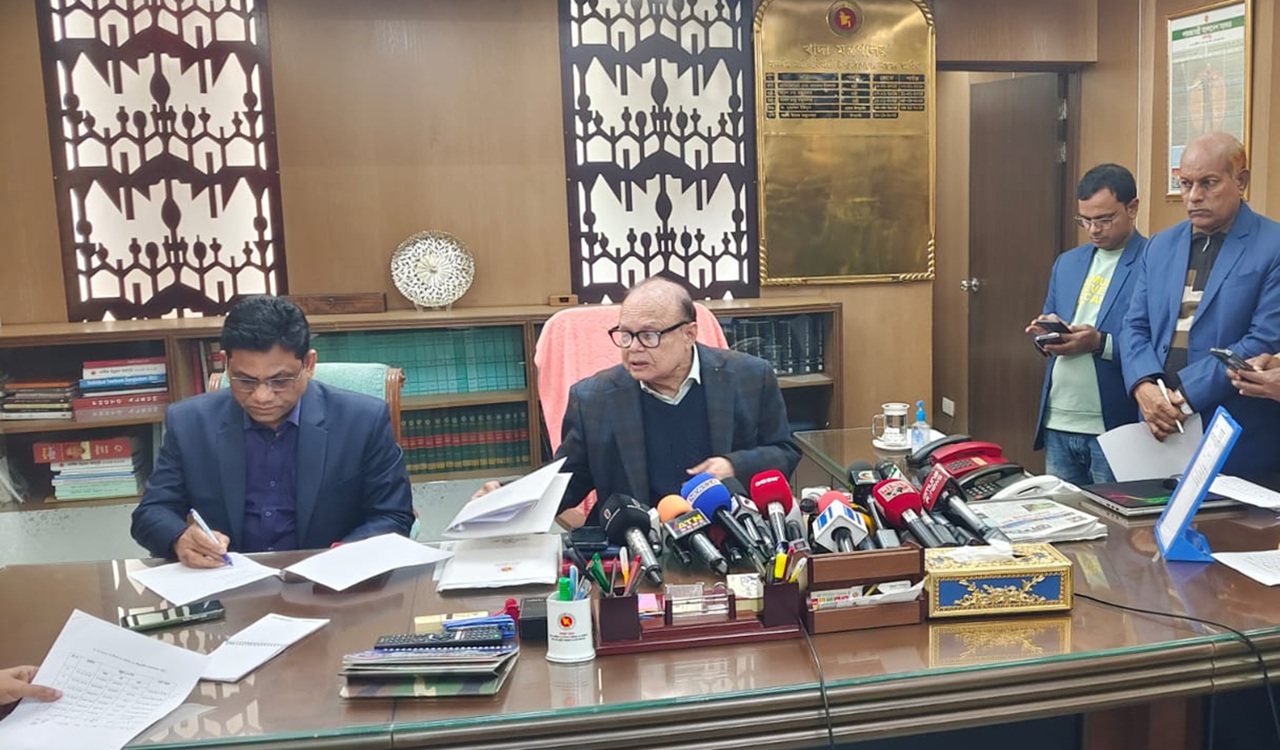
Sharaf Uddin Azad Sohel, vice president of Ramgati Upazila Awami League, has submitted his nomination to contest as an independent candidate in the upcoming 13th National Parliamentary Election for the Lakshmipur-4 (Ramgati-Kamalnagar) constituency. His candidacy has sparked strong reactions among local groups, particularly the July Movement’s student and citizen activists, who questioned his eligibility and past conduct. Leaders of the July Movement and local BNP activists accused Sohel of past involvement in violence, vote manipulation, and misuse of political influence during his tenure as upazila chairman. They alleged that he maintained a private armed group that intimidated opponents and attacked BNP offices. The groups demanded the cancellation of his nomination and his immediate arrest, citing multiple reports of misconduct that authorities allegedly ignored. Assistant Returning Officer Nilufa Yasmin Nipa confirmed that Sohel collected his nomination papers from Ramgati but submitted them at the district office. Attempts to contact the district returning officer for comment reportedly went unanswered.
Bangladesh Shooting Sports Federation has temporarily suspended national shooter Kamrun Nahar Koli. The decision was communicated on January 1 to her employer, the Bangladesh Navy, through a letter signed by federation general secretary Ferdous Ara Begum. The letter cited violations of sections 5, 12, 13, and 14 of the federation’s code of conduct, accusing Koli of speaking to the media without permission, discouraging fellow shooters, and engaging in politics and grouping. She was asked to respond within three working days explaining why the suspension should not be made permanent. Koli had earlier accused the federation’s joint general secretary, G.M. Haider Sajjad, of sexual harassment and filed a general diary at Gulshan Police Station on November 26. Several other shooters also protested the alleged misconduct. Sajjad was later relieved of his duties by the National Sports Council on the same day Koli received her suspension letter. Koli claimed she was targeted for raising her voice against harassment and alleged that the federation acted under Sajjad’s influence. The suspension puts Koli’s participation in national and international competitions in doubt, threatening the career of Bangladesh’s first female World Cup shooting finalist.

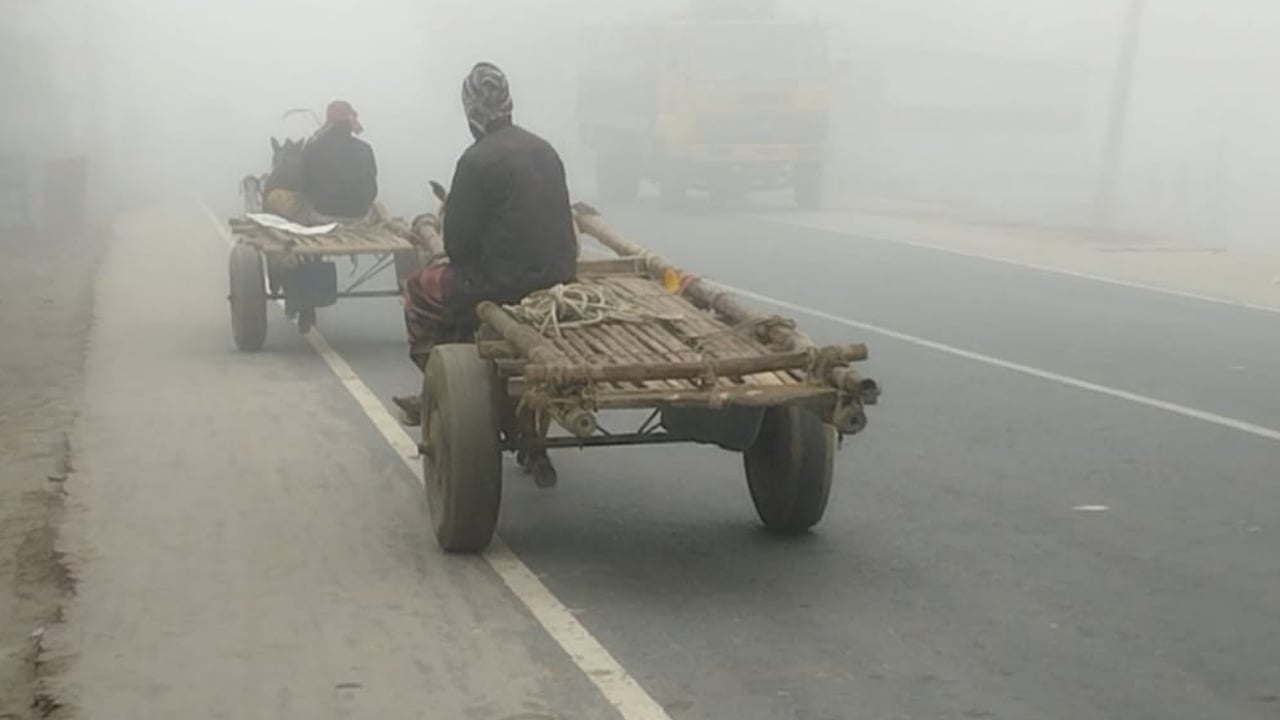
A mild cold wave has swept across Kurigram district, located near the Himalayas, severely disrupting daily life. The district recorded a minimum temperature of 10 degrees Celsius with 99 percent humidity on January 3, according to the local agricultural meteorological office. Dense fog and cold winds have reduced visibility, halting agricultural work, slowing long-distance transport, and causing frequent accidents. Boat passengers in riverine areas have faced severe hardship as fog causes boats to lose direction. Kurigram, home to about 2.5 million people, has a poverty rate of 71 percent. Many low-income residents are struggling to buy warm clothes, relying instead on cheap roadside garments. The Civil Surgeon’s Office reported that in December alone, 1,400 people were hospitalized with diarrhea and about 3,000 with fever, cold, and pneumonia, mostly children and the elderly. Authorities have advised special care for vulnerable groups. District relief officials said 27,000 blankets have been distributed and each of the nine upazilas received six lakh taka in aid. The cold wave is expected to intensify in the coming days.
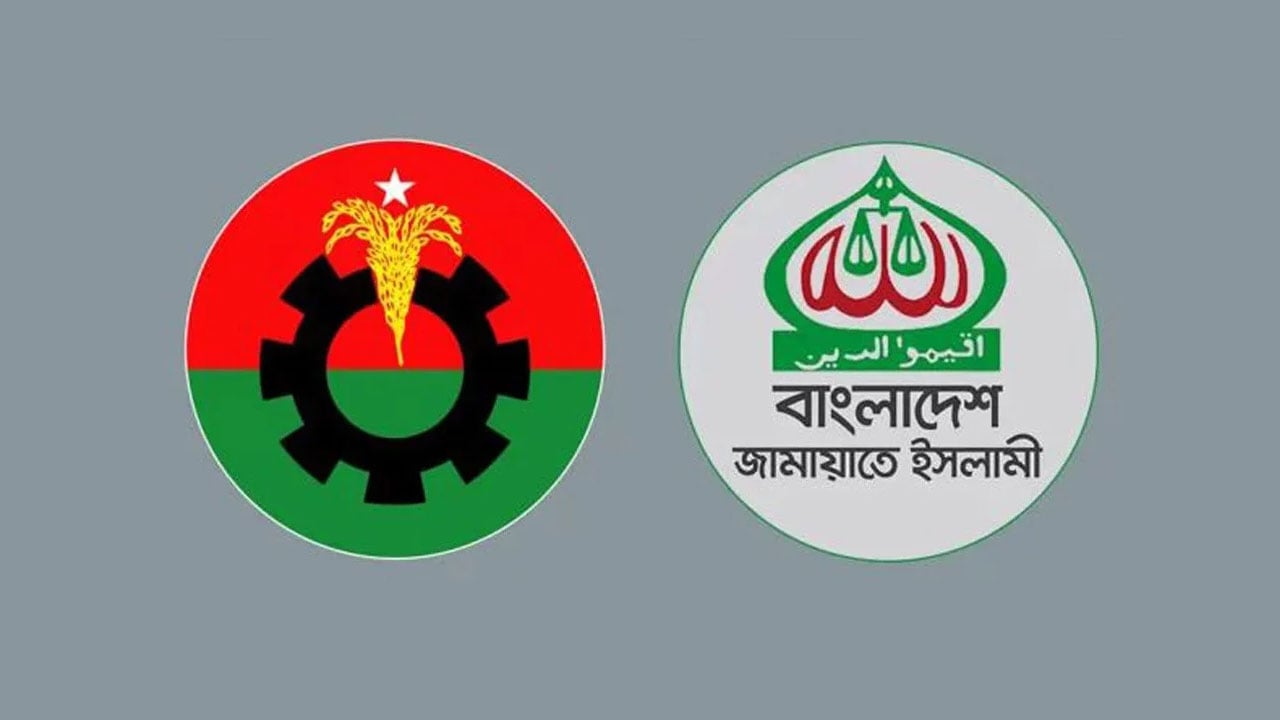
An analysis of affidavits submitted to the returning officer’s office in Chattogram reveals that Bangladesh Nationalist Party (BNP) candidates possess significantly greater wealth than their rivals, while Jamaat-e-Islami nominees hold higher educational qualifications. The review, covering 15 constituencies, shows BNP contenders leading by 10 to 12 times in income, assets, and cash holdings compared to Jamaat candidates. In contrast, most Jamaat nominees rely on salaried jobs, professional services, tuition, or small businesses for income. The data also indicate that Jamaat candidates are generally more educated, with a higher number of doctors, master’s degree holders, MPhil graduates, and individuals with advanced Islamic studies credentials. In several constituencies, BNP candidates reported multimillion-taka assets, while Jamaat contenders often declared modest financial positions. The findings highlight a consistent pattern of economic dominance by BNP candidates and academic advantage among Jamaat nominees. The affidavit-based comparison underscores a sharp socio-economic and educational divide between the two parties’ candidates in Chattogram ahead of the upcoming election.
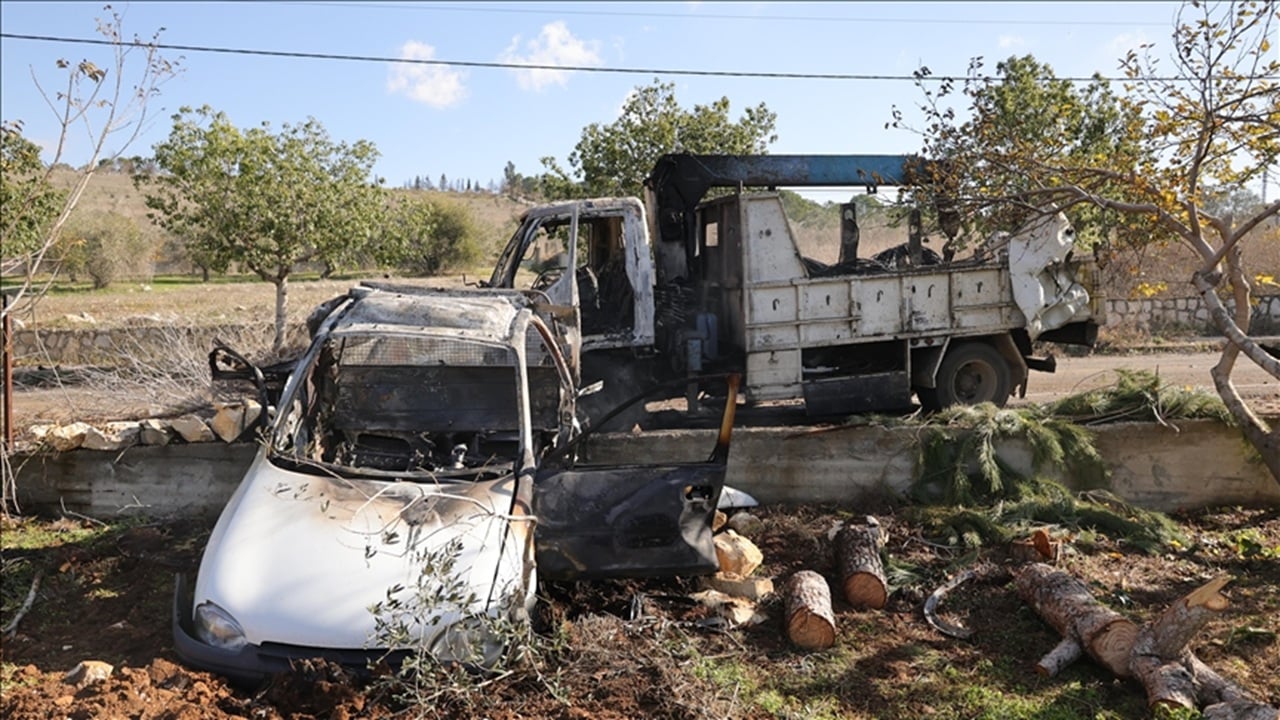
Three people were killed on Monday when an Israeli drone targeted a vehicle in southern Lebanon’s Sidon district, according to Lebanon’s state news agency NNA and local media reports cited by Anadolu. The attack occurred on the Aktonit–Quneitra road and is being viewed as a potential violation of a recently signed peace agreement between Israel and Lebanon. Israel has not yet commented on the incident. Tensions have been escalating in southern Lebanon for weeks, with Israeli forces reportedly conducting near-daily airstrikes targeting Hezbollah members and infrastructure. The two countries had reached a peace agreement in November 2024 following more than a year of cross-border attacks linked to the Gaza war, which left over 4,000 dead and 17,000 injured. Under the terms of the agreement, Israeli troops were expected to withdraw from southern Lebanon in January, but they have only partially done so and continue to maintain a military presence at five border posts.
Bangladesh’s Food Adviser Ali Imam Majumder said on Sunday that rice prices are not expected to increase this year, citing the country’s highest-ever food grain reserves. Speaking to reporters at the Secretariat, he explained that last year’s price hike was driven by government formation and natural disasters, but current stock levels are strong enough to stabilize the market. According to Majumder, government warehouses currently hold 2,027,420 metric tons of food grains, with the capacity to increase reserves by another 2.4 million tons. He noted that this year’s stock is the highest in the past five years. The adviser emphasized that maintaining a smooth supply chain will be key to keeping rice prices steady. Majumder also confirmed that rice imports from India remain normal and that no political issues are affecting the trade flow.
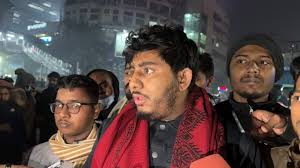
Mahdi Hasan, the Habiganj district member secretary of the Anti-Discrimination Student Movement, was not released despite continuous protests in Dhaka and Habiganj. On the night of January 3, he was taken to a magistrate’s residence, raising hopes among supporters. However, his release did not occur as the court session could not be held due to the magistrate’s absence. According to district convener Arif Talukdar, the bail process was underway, and he, along with the organization’s spokesperson Ashraful Islam Sujon and senior police officials, went to the magistrate’s residence in a microbus. Despite all preparations, the absence of the magistrate prevented the court from convening, leaving Mahdi Hasan in custody. He was detained by the Detective Branch police from a house in Shaestaganj area on Saturday evening, though police have not disclosed under which case he was arrested. As of early Sunday morning, leaders and activists of the Anti-Discrimination Student Movement continued their sit-in in front of Habiganj Sadar Police Station, demanding Mahdi Hasan’s release.
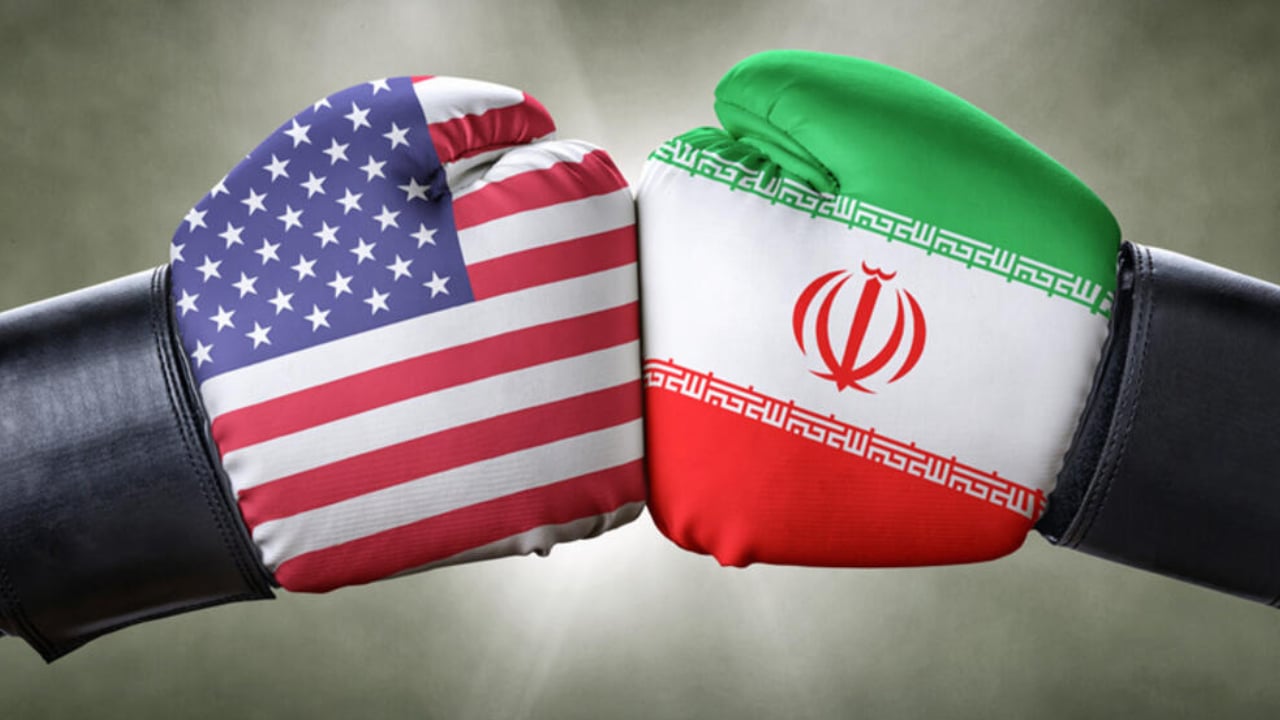
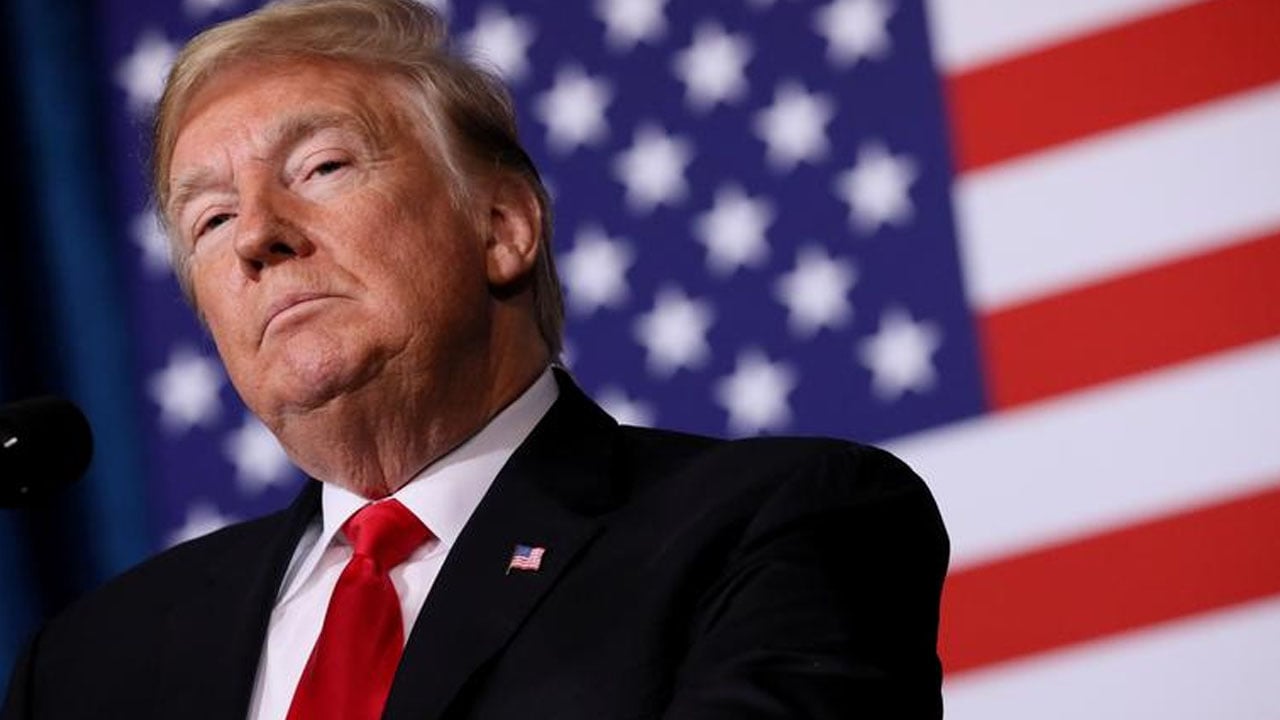
Mass protests have erupted across Iran over economic hardship and rising prices, beginning on December 28 in Tehran’s Grand Bazaar and spreading to 22 of the country’s 31 provinces. The demonstrations, now in their second week, have turned violent, with at least ten people reported dead nationwide. Amid the unrest, former U.S. President Donald Trump warned on his Truth Social platform that the United States would intervene if Iranian authorities attacked peaceful protesters, saying Washington was fully prepared to act. Tehran sharply condemned Trump’s remarks, calling them reckless and a violation of international law. Iran’s Foreign Minister Seyyed Abbas Araghchi said the Iranian people would reject any foreign interference, while the Foreign Ministry warned of a “swift, decisive and comprehensive” response to any U.S. intervention. The statement accused Washington of hypocrisy and cited past U.S. actions against Iran, including the 1953 coup and the 1988 downing of an Iranian civilian airliner. The Islamic Revolutionary Guard Corps also vowed to defend the country’s sovereignty. Iran’s envoy to the United Nations urged Secretary-General António Guterres to denounce Trump’s “illegal threats,” asserting Iran’s right to self-defense and holding the U.S. responsible for any escalation.
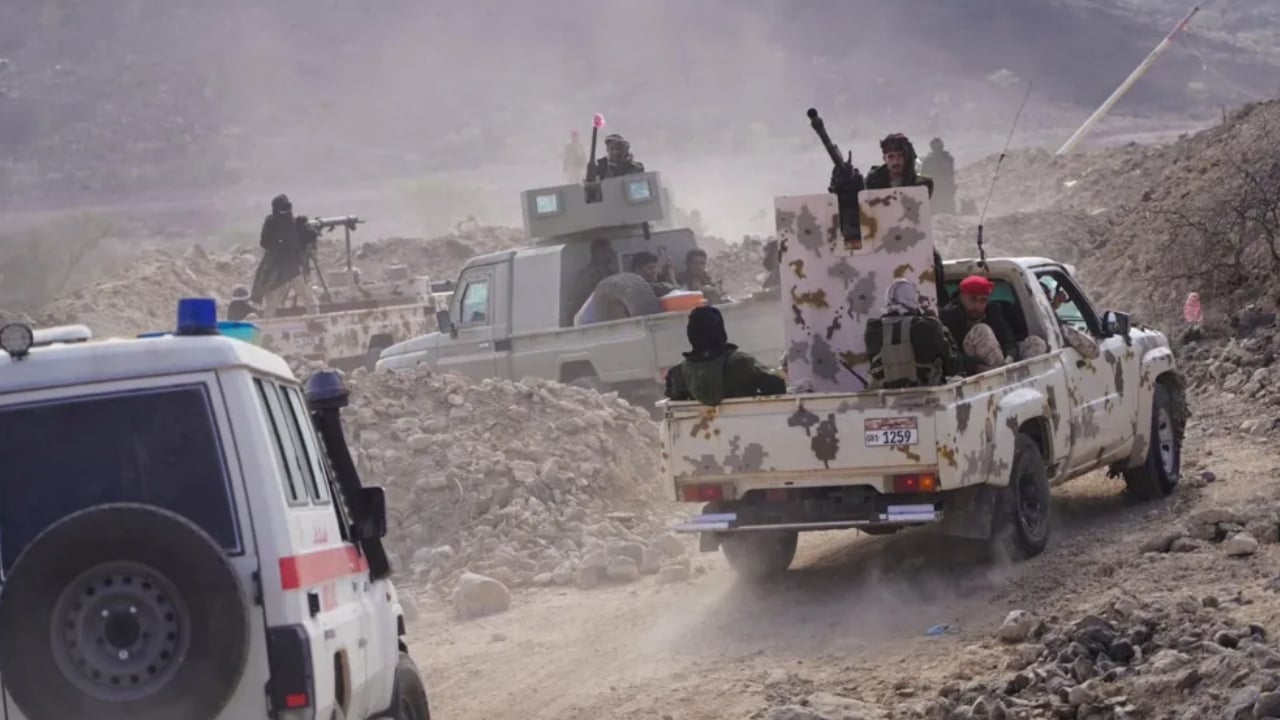
Yemen’s internationally recognized government has called on rival factions to engage in dialogue to resolve ongoing conflicts. According to the state-run Saba News Agency, the call was issued on Saturday by Rashad al-Alimi, chairman of the Saudi-backed Presidential Leadership Council (PLC), who invited all southern Yemeni parties to attend talks in Riyadh. Saudi Arabia welcomed the initiative and also urged all southern factions to participate in the upcoming dialogue. However, the Iran-backed Houthi fighters controlling the capital, Sanaa, were excluded from the invitation. The appeal followed recent clashes in Yemen’s Hadhramaut and Al-Mahra provinces, where the UAE-backed Southern Transitional Council (STC) seized significant territory, prompting Saudi airstrikes. The Saudi Foreign Ministry said the dialogue aims to establish a comprehensive framework for a fair resolution of southern disputes. Both Saudi Arabia and the United Arab Emirates have long supported Yemen’s recognized government in its fight against the Houthis, while the STC, once an ally, has recently renewed its push for southern independence. The STC has announced plans to establish a separate “South Arabia” state within two years, adding urgency to the proposed Riyadh talks.
Editor of the newspaper Amar Desh, Mahmudur Rahman, visited the BNP chairperson’s office in Gulshan on Saturday night to sign the condolence book opened following the death of Bangladesh’s political leader Begum Khaleda Zia. After signing, he met BNP’s acting chairman Tarique Rahman to express his condolences and inquire about his health. Mahmudur Rahman also recalled moments from Khaleda Zia’s political life and her illness during hospitalization. Several senior journalists accompanied him, including Amar Desh’s executive editor Syed Abdal Ahmad, managing editor Zahed Chowdhury, and chief reporter Bashir Jamal. Senior journalist and managing director of the Journalist Welfare Trust, M Abdullah, was also present. Upon arrival at around 8:30 p.m., Mahmudur Rahman spoke with BNP Secretary General Mirza Fakhrul Islam Alamgir before meeting Tarique Rahman, who was performing evening prayers at the time. In the condolence book, Mahmudur Rahman wrote a message paying deep respect to Khaleda Zia, describing her as a guiding light whose principled struggle would inspire future generations.

After the launch of the National Equipment Identity Register (NEIR), alarming data has emerged about the prevalence of cloned and counterfeit mobile phones in Bangladesh. According to Fayez Ahmad Tayyeb, Special Assistant to the Chief Adviser for the Ministry of Posts, Telecommunications and Information Technology, millions of fake and duplicate IMEI numbers are currently active on national mobile networks. In a verified Facebook post on Friday night, he cited examples such as “1111111111111”, “0000000000000”, and “9999999999999”, noting that these IMEIs are not being blocked at present. Tayyeb stated that millions of people are using low-quality counterfeit phones that have never undergone radiation or safety testing, including Specific Absorption Rate (SAR) checks. These devices are active across all four mobile operators. Instead of immediate disconnection, they will be tagged as “grey” devices. He added that over the past decade, one IMEI number alone was linked to 39,122,534 different combinations of document IDs, MSISDNs, and IMEIs. Operators currently cannot distinguish between phones, SIM-connected devices, and IoT devices, though tagging of legally imported IoT devices has begun.

Bangladesh’s fast bowler Mustafizur Rahman has been dropped from the Indian Premier League (IPL) franchise Kolkata Knight Riders (KKR) following a directive from the Board of Control for Cricket in India (BCCI). The decision reportedly stems from political instability between India and Bangladesh and pressure from several hardline Hindu nationalist groups in India. The move has sparked anger among former Indian cricketers and politicians. Former World Cup-winning cricketer Madan Lal expressed deep concern over growing political interference in sports, saying players are the ones most affected. He noted that BCCI’s decisions are rarely challenged, even by franchise owners. Former cricketer Mohammad Kaif described the issue as sensitive and urged the media to remain patient while the board handles the matter. Congress MP Shashi Tharoor criticized linking cricket with political or religious issues, arguing that excluding players like Mustafizur could harm regional cooperation and India’s sporting image. The controversy highlights increasing overlap between politics and cricket in the region, with calls for greater tolerance and separation of sports from political disputes.

The United States, under President Donald Trump’s administration, carried out military attacks in seven countries during 2025, according to conflict monitoring group ACLED. The operations included drone and airstrikes totaling 622 incidents since Trump took office in January 2025. The latest assault occurred in Venezuela, where U.S. forces reportedly detained President Nicolás Maduro following coordinated explosions in Caracas. Earlier, the U.S. had targeted Venezuelan naval vessels in September, citing drug trafficking allegations. The report details U.S. strikes in six Muslim-majority nations—Nigeria, Somalia, Syria, Iran, Yemen, and Iraq—alongside Venezuela. In Nigeria, attacks on December 25 targeted alleged ISIS-linked groups; in Somalia, at least 111 strikes were recorded; and in Syria, 70 ISIS sites were bombed in December. The U.S. also struck Iranian nuclear facilities in June, conducted daily raids in Yemen under “Rough Rider,” and killed an ISIS leader in Iraq in March. Analysts noted that these actions contradict Trump’s campaign promise to end U.S. involvement in foreign conflicts, despite his self-portrayal as a peace advocate.
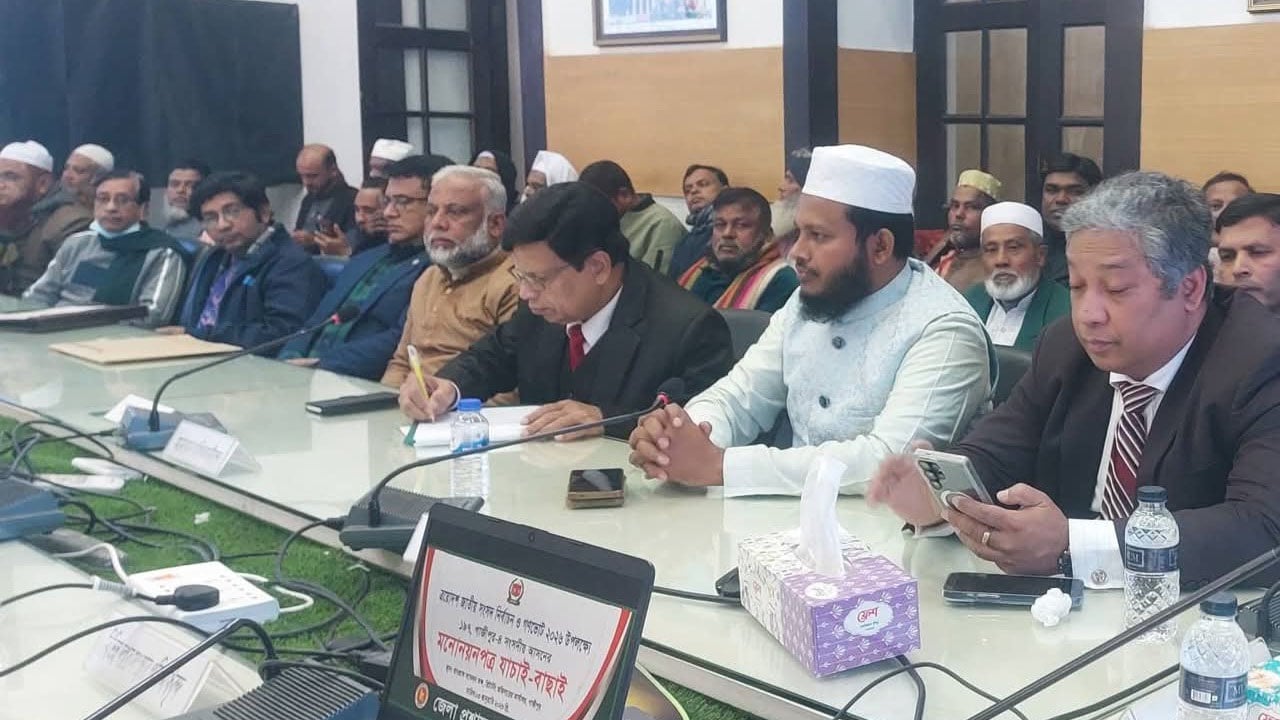
A photo showing NCP and Jamaat alliance candidate Hasnat Abdullah sitting beside Jubo League leader Zakir Hossain during a nomination paper scrutiny event at the Comilla Deputy Commissioner and Returning Officer’s office went viral on social media, drawing widespread criticism. The event took place on Friday as part of the verification process for six constituencies in Comilla ahead of the 13th National Parliamentary Election. Hasnat Abdullah, the chief organizer of NCP’s southern region, attended the session for Comilla-4 (Debidwar) constituency with his supporters. Zakir Hossain, joint convener of the Jubo League’s Malapara Union unit and a former member of the Comilla South District Chhatra League, was seen seated next to Abdullah. The viral image triggered strong reactions online, with local residents and opposition activists criticizing the association. A local BNP-affiliated leader recalled that Zakir Hossain had once submitted a memorandum seeking a ban on BNP politics in 2022. When asked about the matter, Hasnat Abdullah told the daily Amar Desh that Zakir Hossain is an IDLC Bank official and that he knew nothing beyond that.

The Gazipur district administration has cancelled the nomination papers of 19 candidates across five parliamentary constituencies following the verification process for the upcoming 11th National Parliamentary Election. The decision was announced by Gazipur Deputy Commissioner and Returning Officer Mohammad Alam Hossain on Saturday, January 3, after the scrutiny session began at 10 a.m. in the Bhawal Conference Room of the district office. A total of 53 candidates had submitted nomination papers in Gazipur, of which 34 were declared valid. According to the official review, two candidates were disqualified in Gazipur-1, eight in Gazipur-2, three in Gazipur-3, four in Gazipur-4, and two in Gazipur-5. The cancelled nominations included candidates from various parties such as the National Party, Ganofront, and several independents. In Gazipur-4, candidates from BNP, Jamaat-e-Islami, Communist Party, National Party, and National Peoples Party were declared valid. The verification process marks a key step in finalizing the list of eligible candidates for the upcoming national election in Gazipur, ensuring compliance with electoral regulations before the campaign period begins.
The ‘1 Nojor’ media platform is now live in beta, inviting users to explore and provide feedback as we continue to refine the experience.