

The ‘1 Nojor’ media platform is now live in beta, inviting users to explore and provide feedback as we continue to refine the experience.
Former three-time Prime Minister and BNP Chairperson Khaleda Zia passed away at Dhaka’s Evercare Hospital on Tuesday morning after 38 days of treatment. The 80-year-old leader had been admitted on November 23 with respiratory distress and multiple chronic health complications, including heart disease, diabetes, arthritis, liver cirrhosis, and kidney issues. Despite continuous medical care, her condition deteriorated, and she died at 6 a.m. Family and party sources said arrangements were made to transfer her abroad for advanced treatment, but the medical board advised against it due to the risks of long-distance travel. The government declared her a special important person to ensure maximum medical and security support. A team of local and international specialists, including doctors from the United States and the United Kingdom, oversaw her treatment. BNP’s acting chairman Tarique Rahman returned to Bangladesh on December 25 and regularly visited his mother at the hospital. On the night before her death, family members and senior BNP leaders gathered at her bedside before leaving around 2 a.m., hours before the nation learned of her passing.
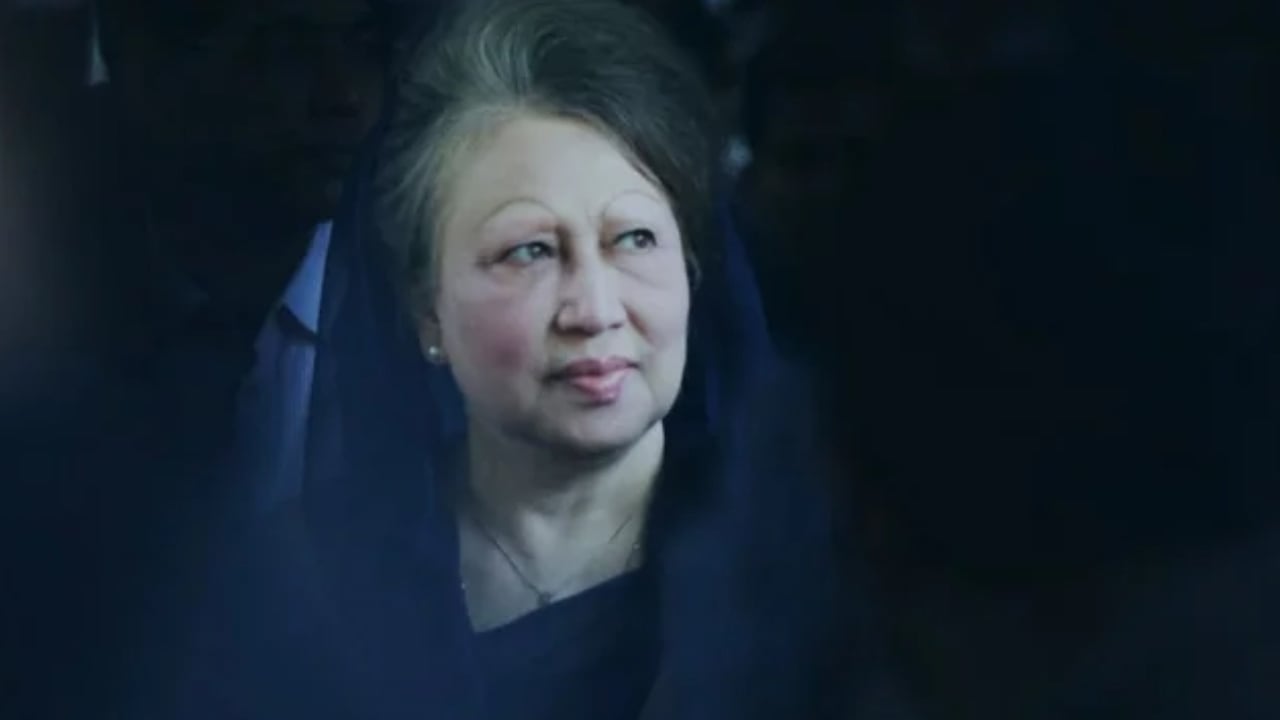
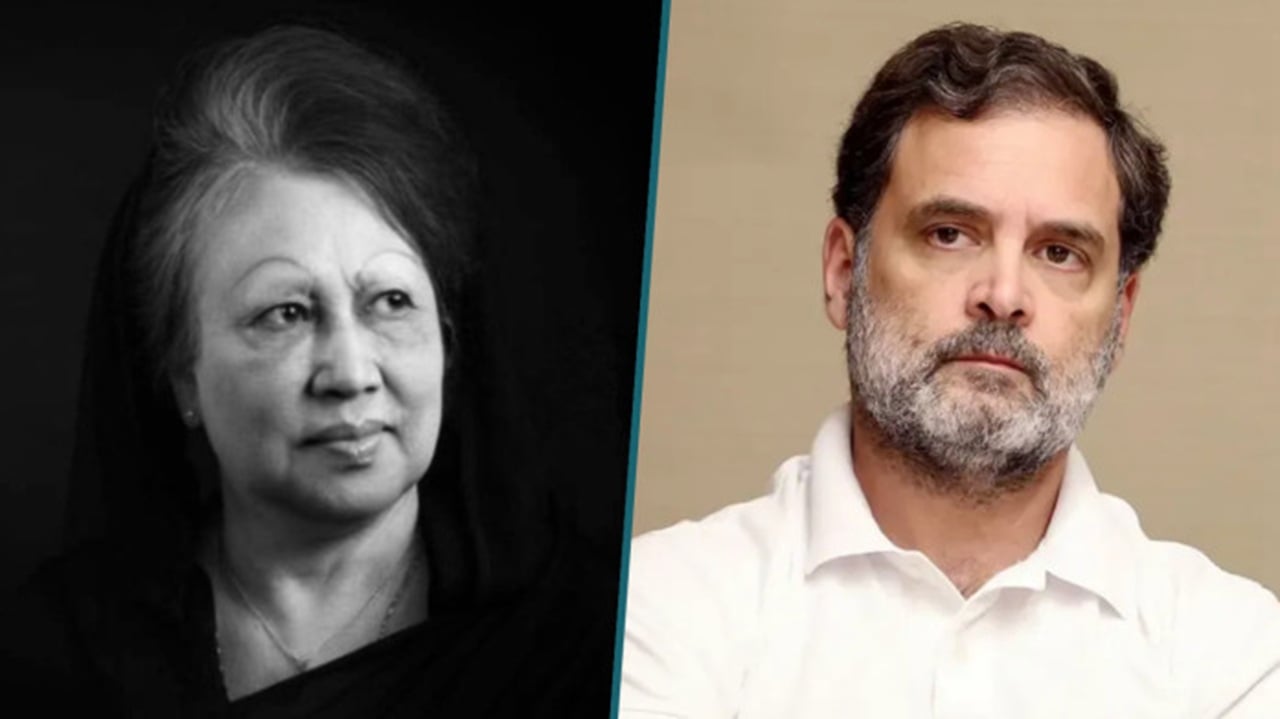
Indian Congress leader Rahul Gandhi has expressed deep sorrow over the death of Bangladesh Nationalist Party (BNP) Chairperson and former Prime Minister Begum Khaleda Zia. In a message posted on social media platform X on Tuesday, December 30, Gandhi said he was deeply saddened by her passing and acknowledged her significant role in Bangladesh’s political journey. According to the report, Khaleda Zia passed away at 6 a.m. on Tuesday while undergoing treatment at Evercare Hospital in Dhaka. She was 80 years old at the time of her death. Her funeral prayer is scheduled to be held on Wednesday after the noon prayer at the National Parliament area and Manik Mia Avenue, after which she will be buried beside her late husband and former president Ziaur Rahman. Gandhi also extended his heartfelt condolences to Khaleda Zia’s family, supporters, and the people of Bangladesh during this time of mourning.
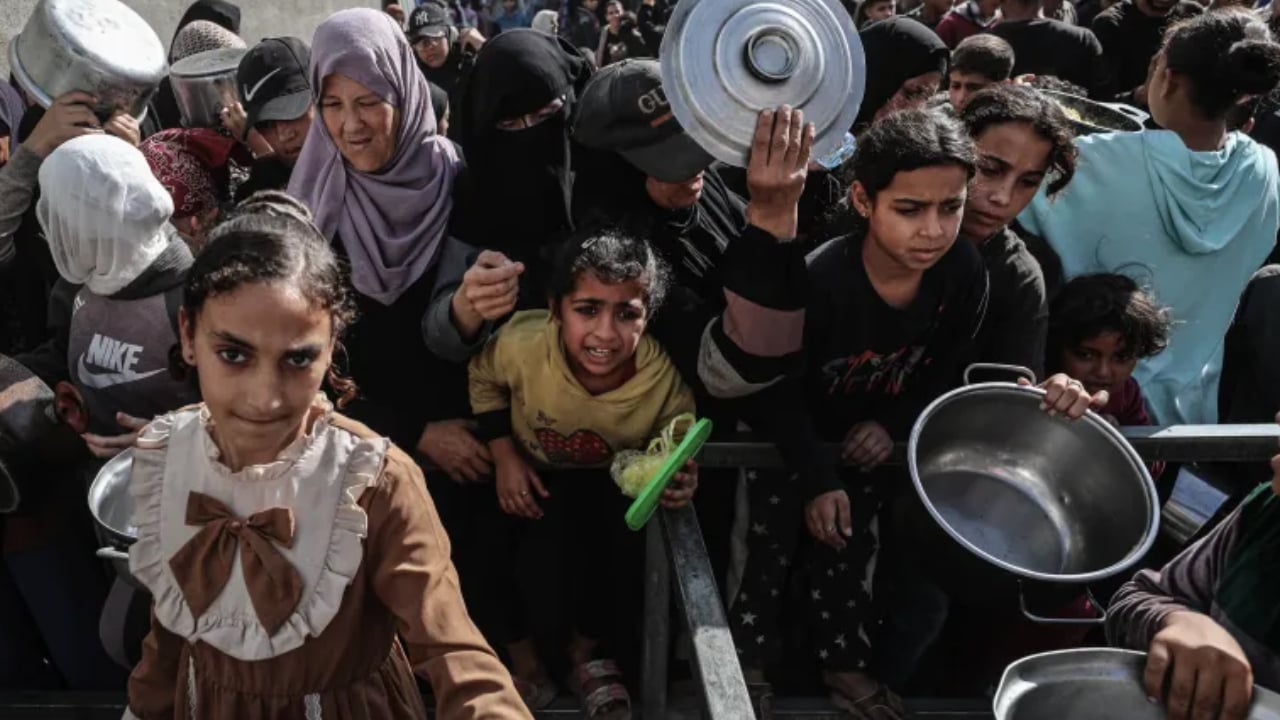
Israel has warned that it will suspend the operations of several donor and humanitarian organizations working in the war-torn Gaza Strip, accusing them of failing to comply with new regulations. According to the report, the restrictions are set to take effect from Thursday and will affect more than 30 groups, including Doctors Without Borders, the Norwegian Refugee Council, CARE International, the International Rescue Committee, Oxfam, and Caritas. Israel claims these organizations did not meet requirements to share information about their staff, funding, and activities. Tel Aviv further alleged that some staff members of Doctors Without Borders were cooperating with Hamas and that the organization failed to clarify their roles. Doctors Without Borders denied the accusations and warned that Israel’s decision would have a devastating impact on its medical work in Gaza. International organizations described Israel’s new rules as arbitrary, while Israeli authorities stated that permits for 37 groups had not been renewed. The dispute underscores growing tensions between Israel and international aid agencies over operational transparency and humanitarian access in Gaza.
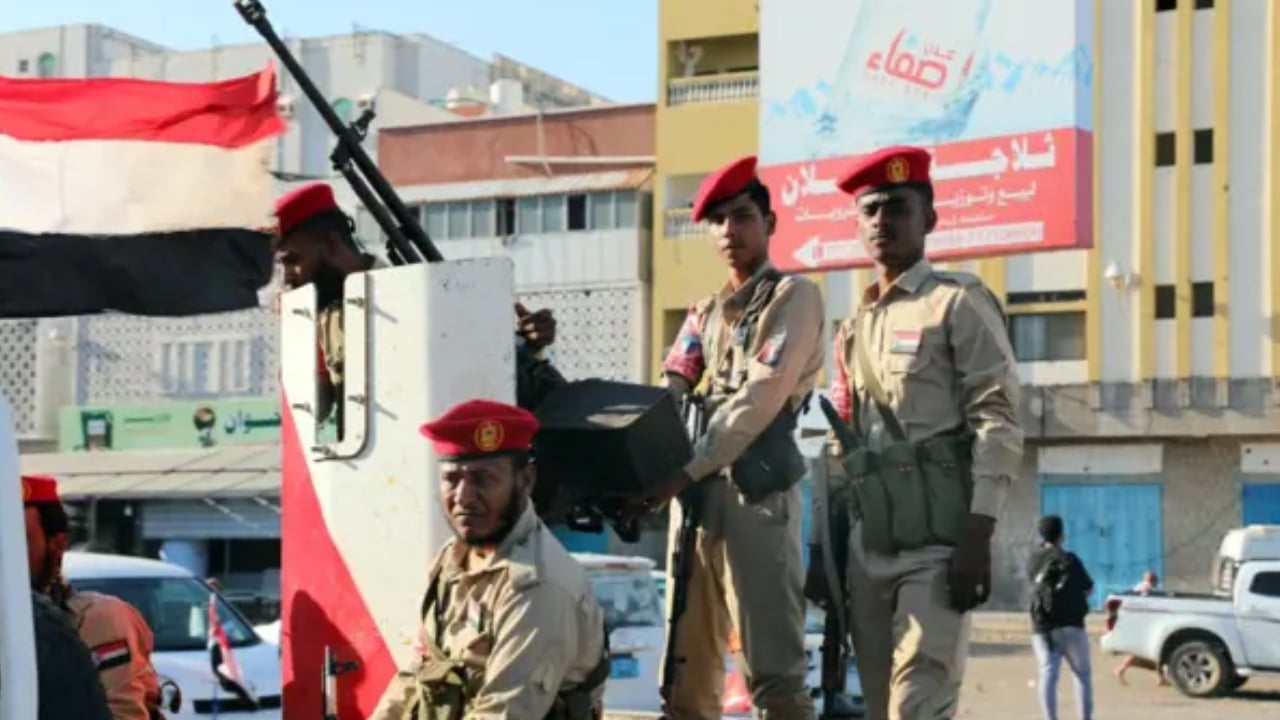
The United Arab Emirates has announced the withdrawal of its remaining troops from Yemen, citing recent Saudi-led coalition airstrikes and escalating tensions in the country’s southern region. The decision follows a demand from Yemen’s internationally recognized government, which gave the UAE 24 hours to remove its forces. The UAE Defense Ministry said the move was made voluntarily, considering the impact of current conditions on the safety and effectiveness of its counterterrorism mission, and that coordination with partners would ensure troop security during the process. Earlier, Yemen’s Presidential Leadership Council chairman Rashad al-Alimi canceled the joint defense agreement with the UAE, imposed a 90-day state of emergency, and restricted all border crossings for 72 hours. The developments came after coalition airstrikes targeted two UAE-linked ships at Mukalla port, which reportedly entered without authorization. Yemen’s government accused the vessels of transporting weapons to the Southern Transitional Council, further complicating the security situation. The UAE’s withdrawal marks a significant shift in the coalition’s dynamics and could affect ongoing operations in southern Yemen.
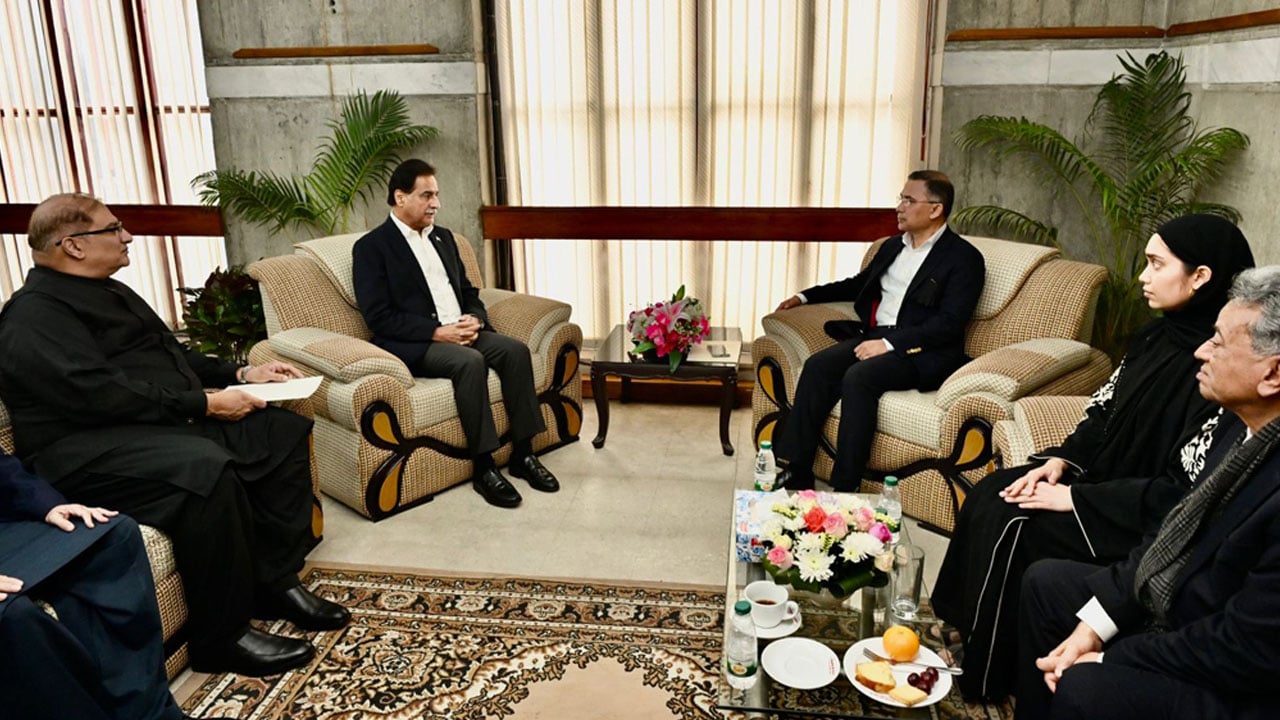
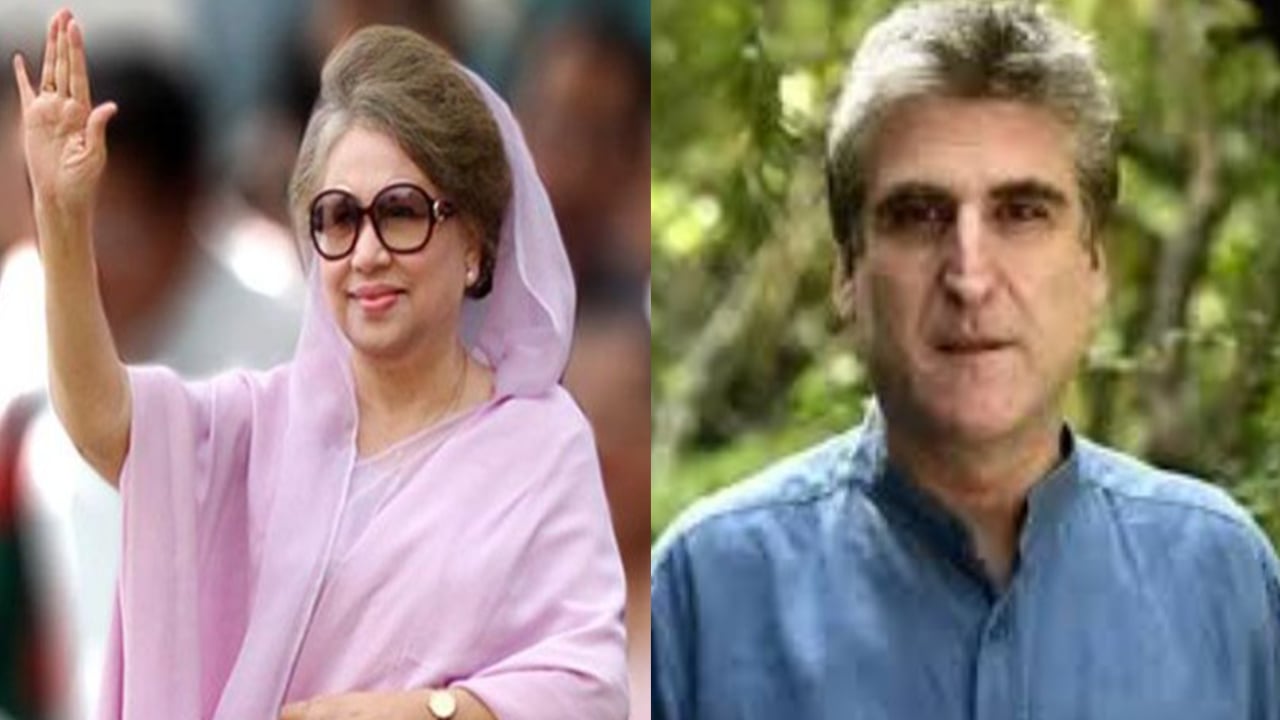
Pakistan’s National Assembly Speaker Sardar Ayaz Sadiq arrived in Dhaka on Wednesday to attend the funeral of BNP Chairperson and former Prime Minister Begum Khaleda Zia. Later that day, he met BNP’s Acting Chairman Tarique Rahman at the National Parliament building to convey his condolences. The meeting was confirmed through a post on the BNP’s official Facebook page. During the meeting, Tarique Rahman’s daughter Barrister Zaima Rahman, BNP Standing Committee members Amir Khosru Mahmud Chowdhury and Salahuddin Ahmed, and other party leaders were present. Earlier, at 11:50 a.m., Sardar Ayaz Sadiq landed at Hazrat Shahjalal International Airport as Pakistan’s representative, where he was received by Pakistan’s High Commissioner to Bangladesh and senior officials from Bangladesh’s Ministry of Foreign Affairs. The visit underscores Pakistan’s official representation at the funeral of the late BNP leader and reflects continued diplomatic engagement between the two countries.
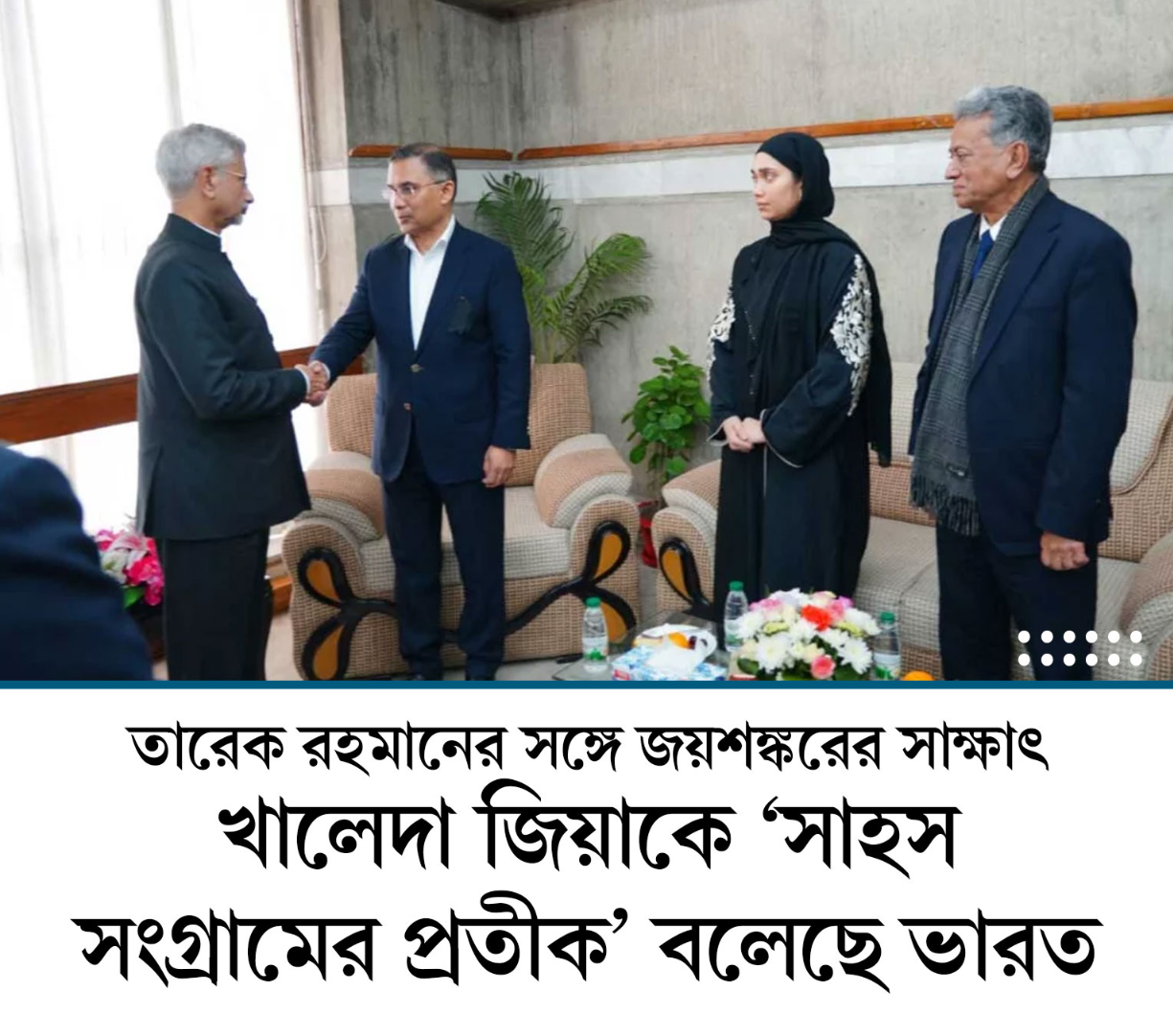
India has expressed deep respect following the death of former Bangladesh Prime Minister and BNP Chairperson Begum Khaleda Zia. On Wednesday, December 31, Indian External Affairs Minister Dr. S. Jaishankar handed over an official condolence message from the Government of India to BNP’s Acting Chairman Tarique Rahman at the National Parliament complex in Dhaka. In the message, India described Khaleda Zia as a 'symbol of courage and struggle' and honored her unwavering commitment to Bangladesh’s independence and sovereignty. Dr. Jaishankar arrived in Dhaka earlier that day at 11:55 a.m. on a special Indian Air Force flight and was received at the Bashar Air Base by Foreign Ministry Secretary M. Forhad Hossain, along with Indian High Commissioner to Dhaka Pranab Verma. Khaleda Zia, who served as Bangladesh’s Prime Minister three times, passed away at the age of 80 on Tuesday, December 30, while undergoing treatment at Evercare Hospital in Dhaka.
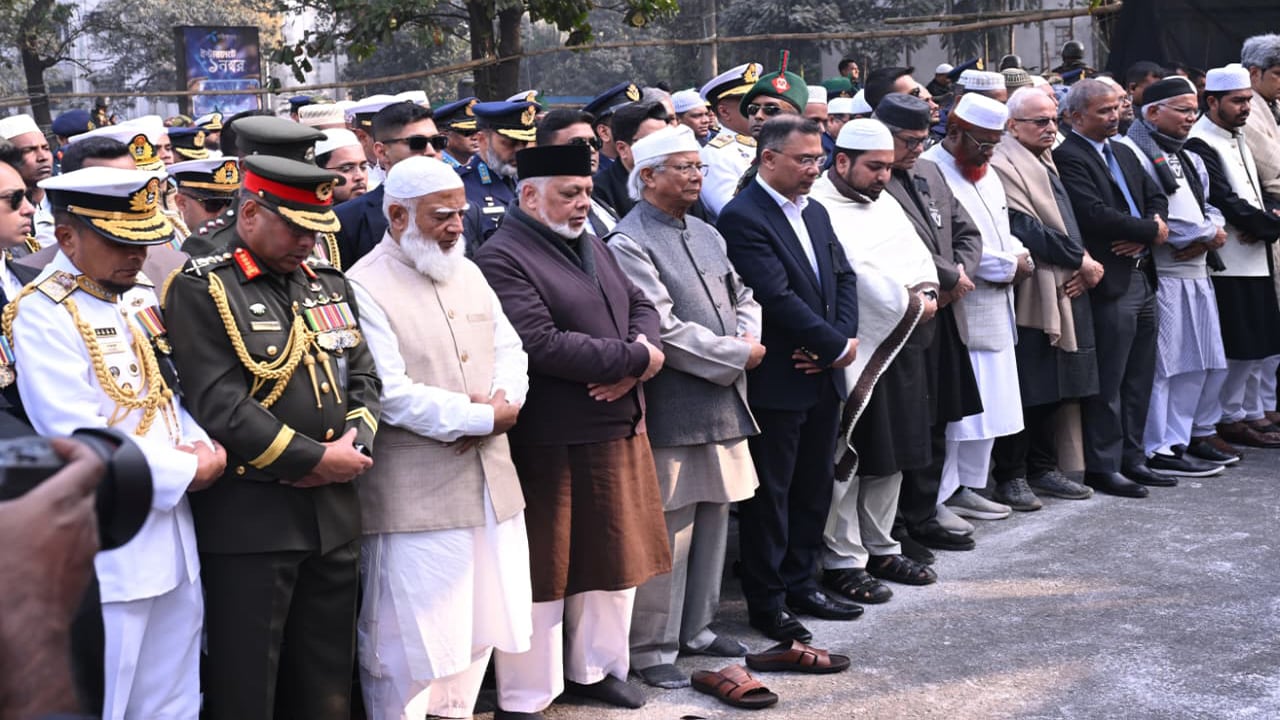
The funeral prayer for BNP Chairperson and former Prime Minister Khaleda Zia was held on Wednesday afternoon at the South Plaza of the National Parliament building and Manik Mia Avenue in Dhaka. The prayer was led by Mufti Abdul Malek, Khatib of the National Mosque Baitul Mukarram. Crowds of supporters and citizens began gathering at the site from Tuesday night, and by midday Wednesday, the area was filled with people from all walks of life. Khaleda Zia will be buried beside the grave of late President Ziaur Rahman at 3 p.m. Khaleda Zia passed away at 6 a.m. on Tuesday, December 30, at Evercare Hospital in Dhaka, at the age of 80. She had been under treatment there since November 23 due to critical health complications. Born on August 15, 1945, Khaleda Zia was Bangladesh’s first female Prime Minister and the second woman in the Muslim world to hold such a position after Benazir Bhutto. Her funeral marks the end of an era in Bangladesh’s political history, as she was a central figure in the country’s leadership for decades.
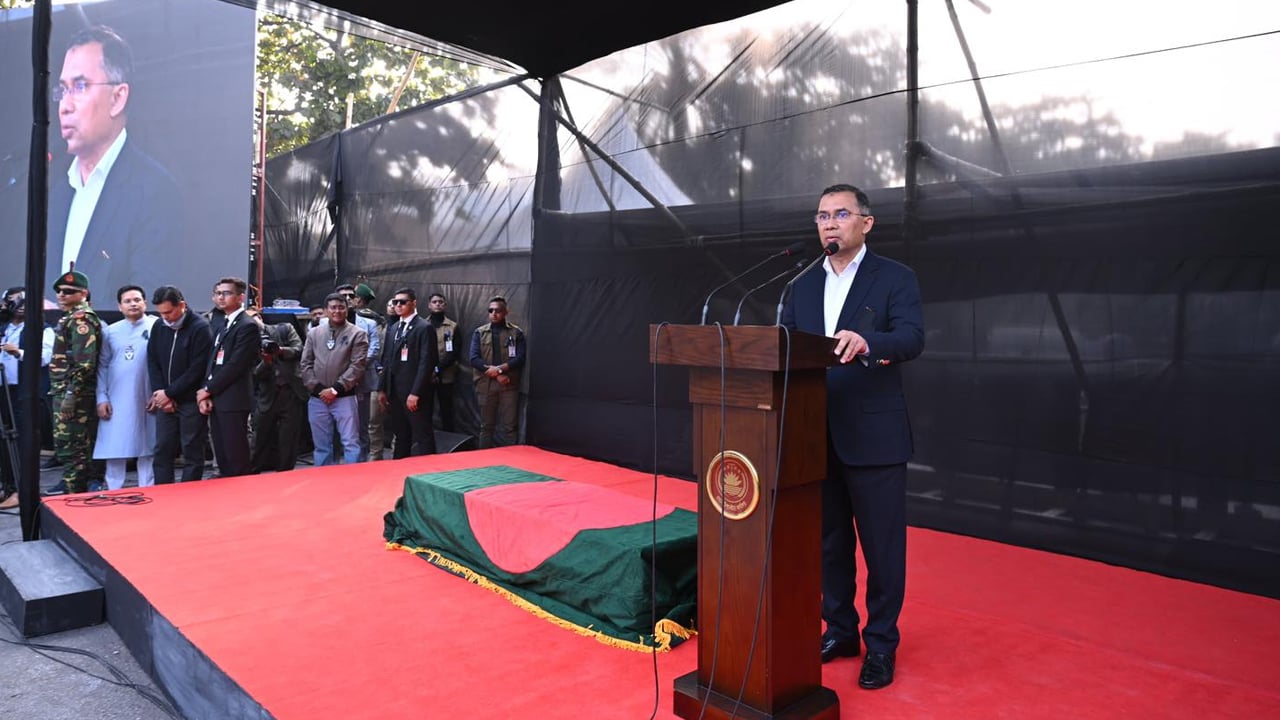
The funeral prayer of former Prime Minister and BNP Chairperson Khaleda Zia was held on Wednesday afternoon. At around 3 p.m., her son and the party’s acting chairman, Tarique Rahman, delivered a brief address to the nation. He introduced himself as Khaleda Zia’s eldest son and requested that anyone from whom his late mother might have taken a loan contact him so that he could arrange repayment. Tarique Rahman also sought forgiveness from the people of Bangladesh on behalf of his mother if anyone had ever been hurt by her words or actions. He concluded his remarks by asking everyone to pray for Khaleda Zia’s eternal peace and for Allah to grant her a place in paradise. The event marked a solemn moment for the Bangladesh Nationalist Party and its supporters as they bid farewell to their long-time leader.
Professor Dr. Md. Sayedur Rahman, Special Assistant to the Chief Adviser with the rank of State Minister at the Ministry of Health and Family Welfare, has resigned from his position. A government notification issued on Tuesday night confirmed that the President accepted his resignation. According to the Cabinet Division’s circular, Dr. Rahman had been exercising executive authority equivalent to a State Minister within the interim government’s Health and Family Welfare Ministry. His resignation marks a change within the advisory team of the interim administration. The report notes that in November of the previous year, Chief Adviser Professor Dr. Muhammad Yunus appointed three Special Assistants with the rank of State Minister. Dr. Rahman was one of those appointees.
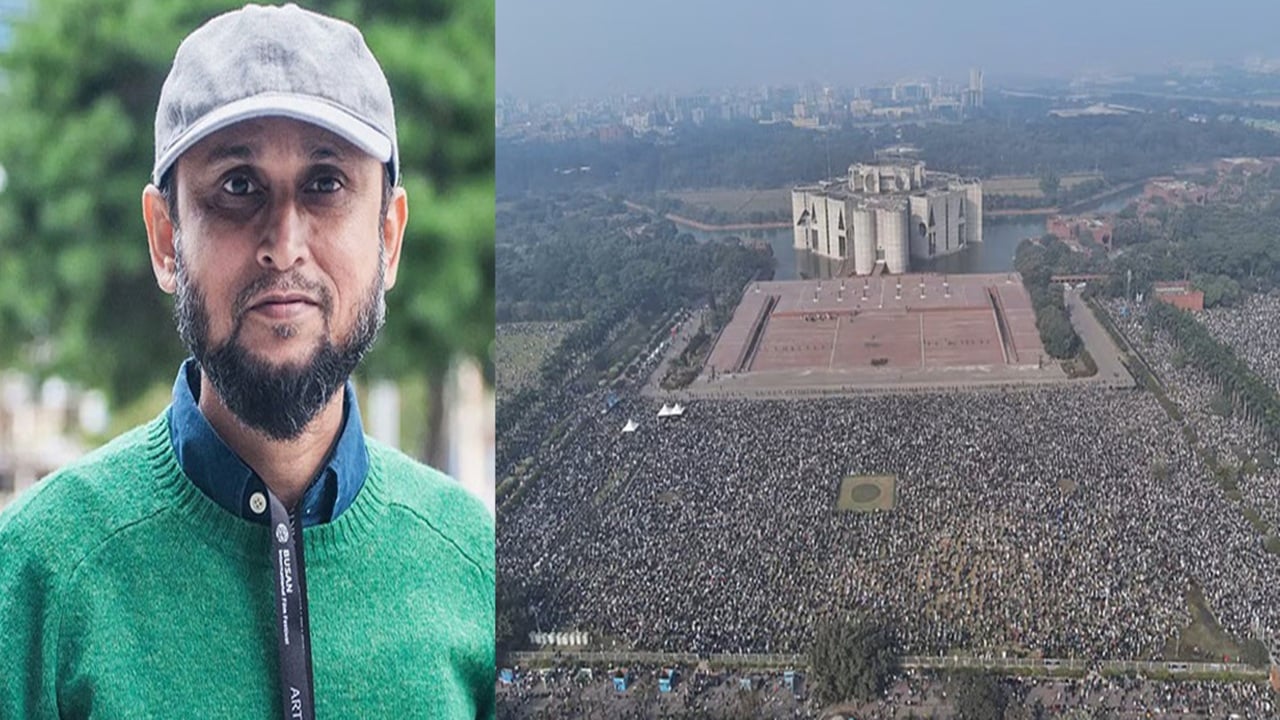
The funeral prayer of BNP Chairperson and former Prime Minister Begum Khaleda Zia was held on Wednesday, December 31, 2025, at Manik Mia Avenue in Dhaka, drawing millions of mourners. The event saw a massive turnout across surrounding areas, including the South Plaza of the National Parliament, Sobhanbag, Karwan Bazar, Bijoy Sarani, and Shyamoli. Khaleda Zia had passed away on Tuesday, December 30, at Evercare Hospital in the capital after more than a month of treatment. Interim government cultural affairs adviser and filmmaker Mostofa Sarwar Farooki described the farewell as “historic” in a Facebook post. He compared the public response to that of the funeral of President Ziaur Rahman, saying the nation had once again shown deep respect. Farooki noted that the vast crowd symbolized the gratitude of the Bangladeshi people, something that not everyone receives. The funeral was attended by the chief adviser, heads of the three armed forces, diplomats, and leaders from various political parties, marking a significant moment in Bangladesh’s political history.
In an interview with Deutsche Welle, journalist David Bergman said that Bangladeshis will remember Khaleda Zia primarily for her role in the anti-autocracy movement and the restoration of democracy. He discussed her political life and struggles, noting that she led a strong movement against former ruler Ershad in alliance with the Awami League and other parties, which eventually led to Ershad’s downfall and the return of democracy. Bergman described her victory in the first election after Ershad’s fall as surprising, as many had expected the Awami League under Sheikh Hasina to win. He also said Khaleda Zia would be remembered for her fierce rivalry with Sheikh Hasina. Bergman praised Khaleda Zia’s contributions to democracy and women’s rights but acknowledged corruption allegations against her. He said corruption increased during her second term from 2001 to 2006 but argued she was not meaningfully involved. He described the corruption case that led to her imprisonment under the Awami League government as weak and unjustified, noting that no significant assets linked to her were found. Regarding her current influence, Bergman said her illness had reduced her role in the BNP, while her son Tarique Rahman, based in London, was expanding his influence. He added that Tarique faces major challenges in keeping the party united.
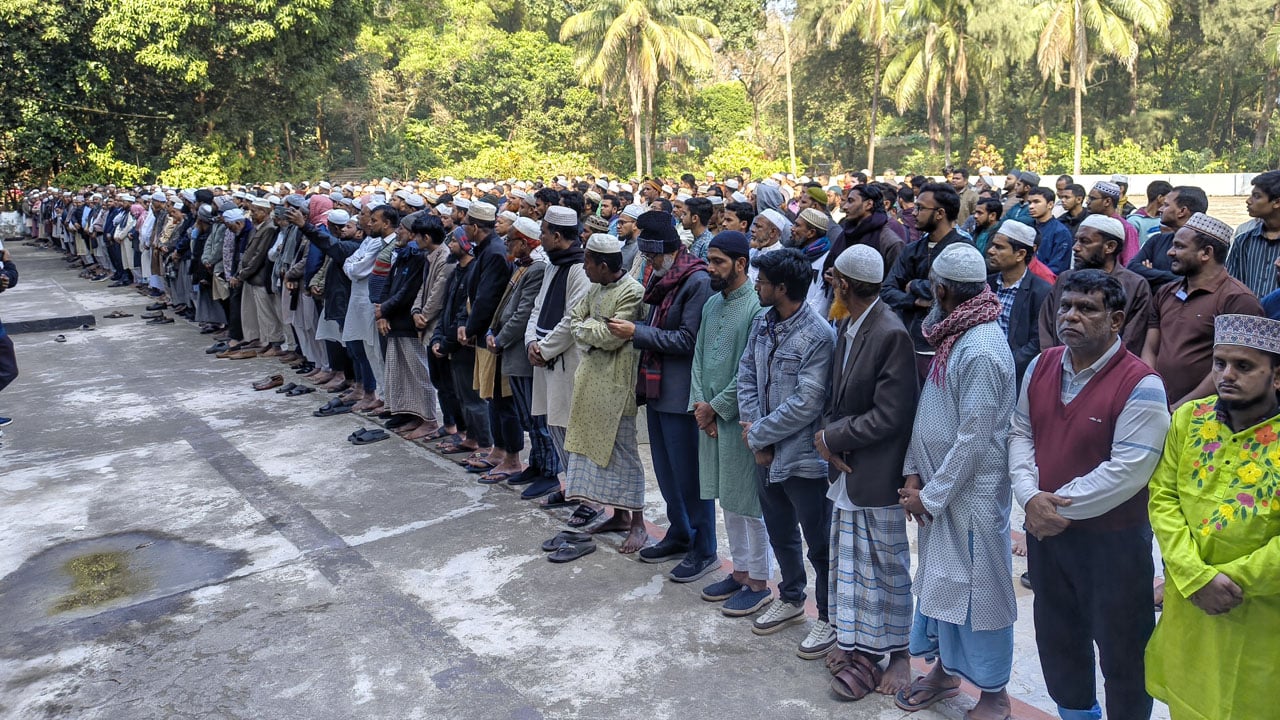
An absentee funeral prayer for former Prime Minister and BNP Chairperson Khaleda Zia was held at Chittagong University on Wednesday, December 31, after the Zuhr prayer. The ceremony took place in the courtyard of the university’s central mosque and was organized by the university administration. The prayer was led by the mosque’s Khatib, Hafiz Abu Daud Muhammad Mamun, and included prayers for the forgiveness of the late leader’s soul. Before the prayer, Vice-Chancellor Professor Dr. Muhammad Yahya Akhtar described Khaleda Zia as a steadfast leader respected by people across the country. He said her death marked an irreparable loss for Bangladesh and prayed for her eternal peace. Senior university officials, including the Pro-Vice-Chancellor (Academic) Professor Dr. Mohammad Shamim Uddin Khan, Acting Registrar Professor Dr. Mohammad Saiful Islam, and other faculty members and student leaders, attended the event. The gathering reflected the university community’s respect for the late leader, with participation from both administrative and student representatives.
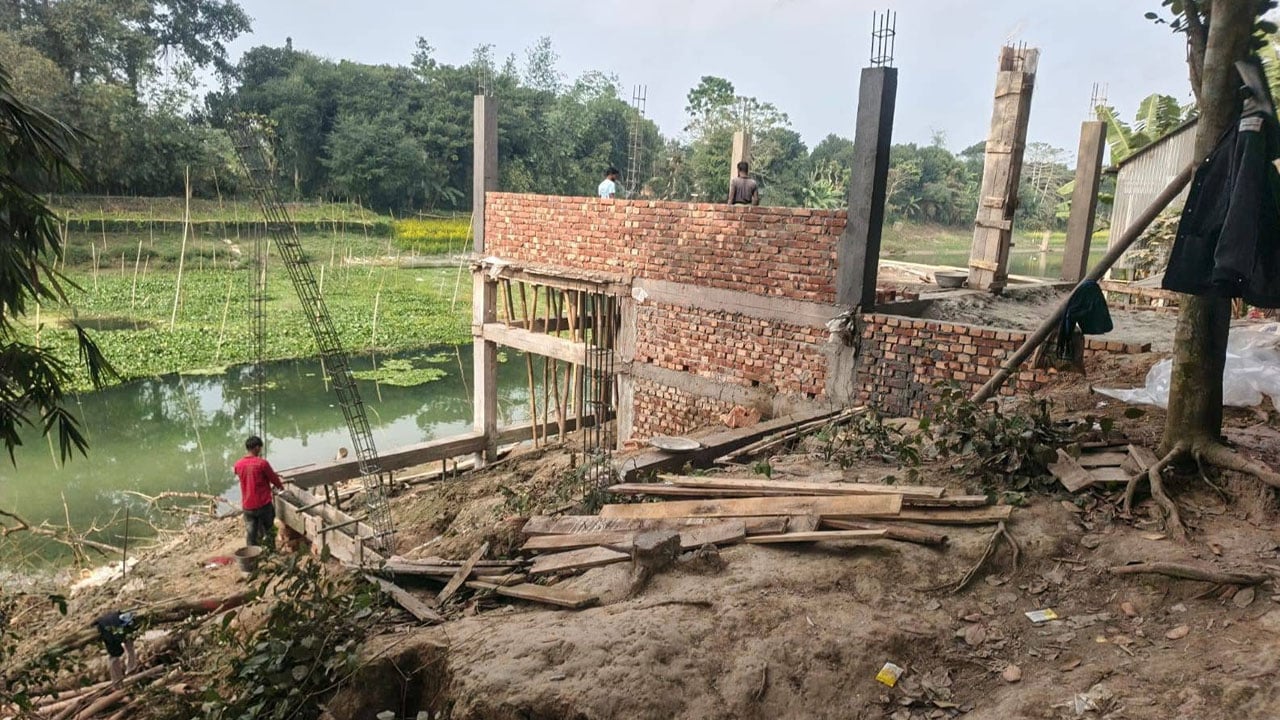
A permanent structure is being built illegally on the Kumar River in Borodia area of Gatti Union, Saltha upazila, Faridpur. On Wednesday, December 31, a local resident named Zia Fakir was found constructing a concrete building by filling part of the river near the Swarupdia-Borodia Government Primary School. Around eight to ten workers were seen working at the site using bricks, sand, and cement. Locals fear the construction is obstructing the river’s natural flow and threatening the environment and public interest. Residents said the Kumar River was once a vital water source that enriched farmland during monsoon seasons. However, years of illegal encroachment and landfilling have narrowed the river, causing waterlogging in the rainy season and drying it up in the dry months. Locals warned that continued encroachment could lead to severe ecological damage. Saltha Upazila Nirbahi Officer Mohammad Saiful Islam stated he was unaware of the construction and has informed the assistant commissioner (land). Assistant Commissioner (Land) Md Mamun Sarkar confirmed that building within the river is illegal and said legal action will be taken after investigation.
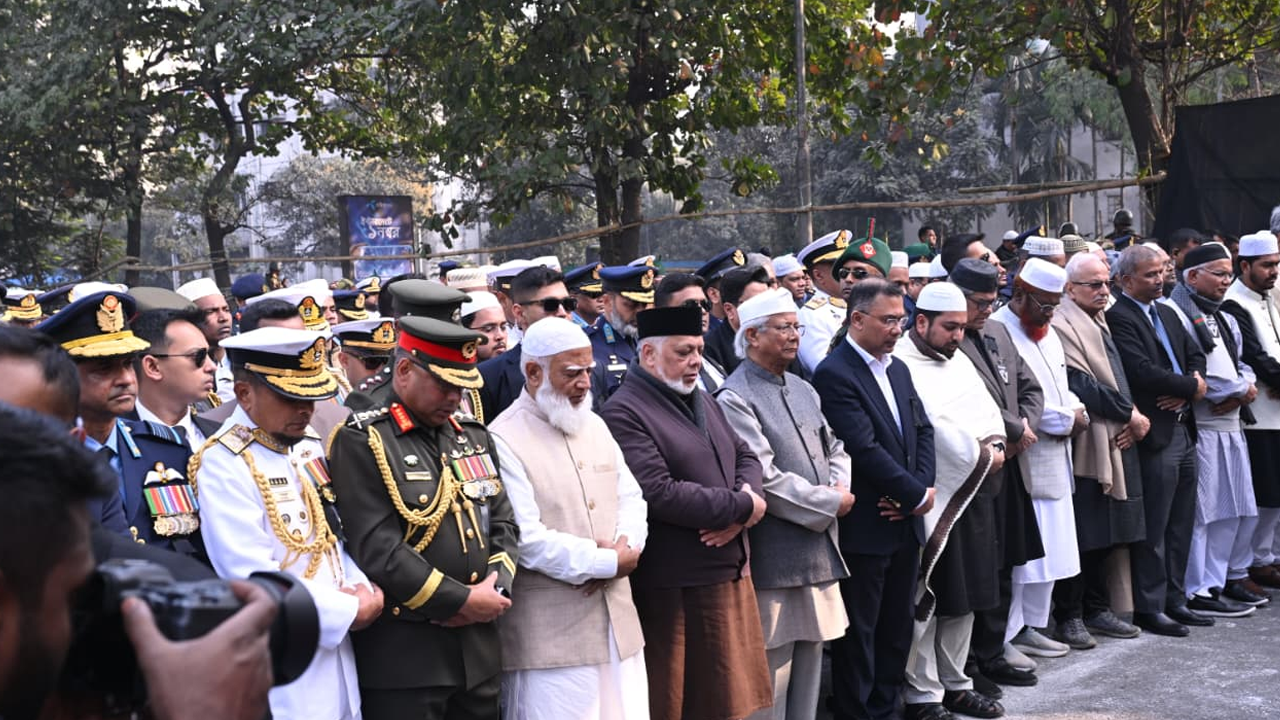
The funeral prayer of former three-time Prime Minister and BNP Chairperson Khaleda Zia was held in Dhaka with participation from millions of people. The event drew attendance from foreign ministers of various countries, senior leaders from multiple political parties, and members of the public from all walks of life. The prayer was led by Mufti Abdul Malek, the Khatib of Baitul Mukarram National Mosque. In the front row of the funeral prayer stood Chief Adviser Professor Dr. Muhammad Yunus, BNP’s Acting Chairman Tarique Rahman, members of the advisory council including the legal adviser, chiefs of the three armed forces, National Citizens Party Convener Nahid Islam, Jamaat-e-Islami Ameer Dr. Shafiqur Rahman and Secretary General Mia Golam Porwar, BNP Secretary General Mirza Fakhrul Islam Alamgir, Salahuddin Ahmed, Mirza Abbas, and Moin Khan. Foreign diplomats and representatives from different political backgrounds were also present. The funeral area extended beyond Manik Mia Avenue to surrounding fields and streets, including Bijoy Sarani, Mirpur Road, and Karwan Bazar intersections, leaving no space unoccupied. Following the prayer, Khaleda Zia was to be buried beside late President Ziaur Rahman at Zia Udyan.
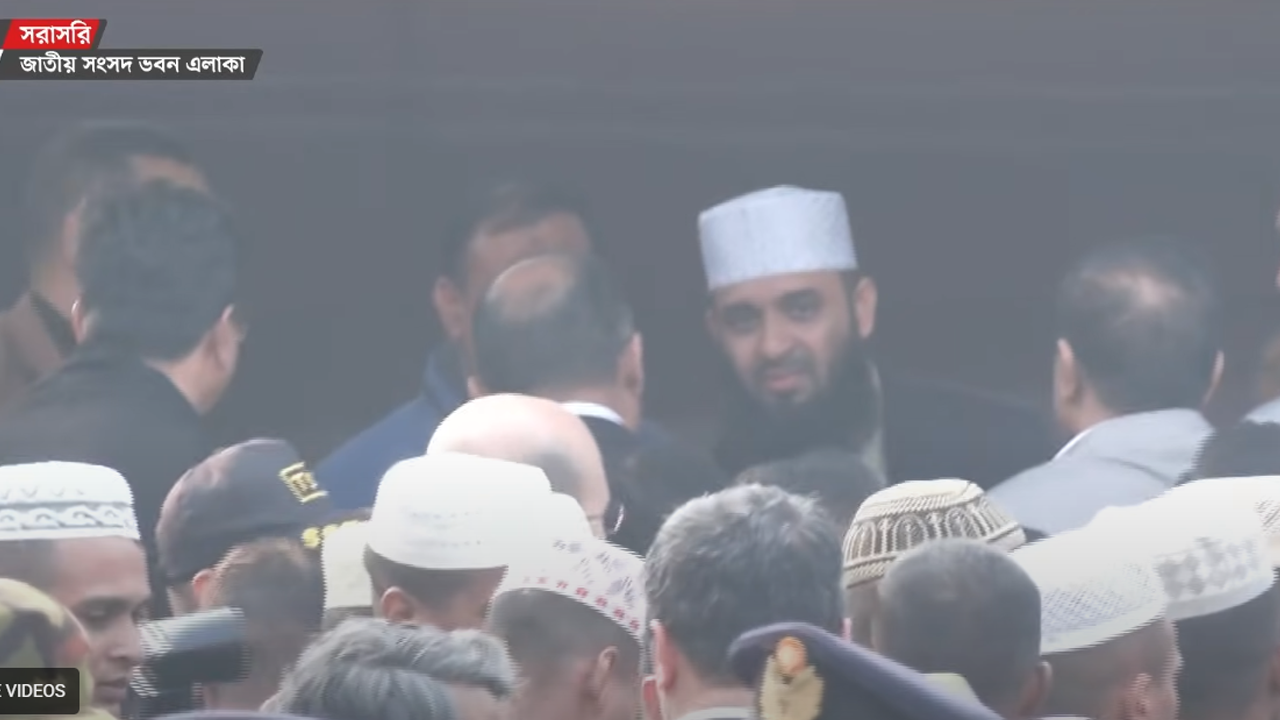
The funeral prayer of Begum Khaleda Zia, chairperson of the Bangladesh Nationalist Party (BNP) and former Prime Minister, was held on Wednesday, December 31, 2025, at 3 p.m. at the South Plaza of the National Parliament Building in Dhaka. The prayer was led by Mufti Abdul Malek, the khatib of the National Mosque Baitul Mukarram. A massive crowd attended, with people filling Manik Mia Avenue and extending to Khamarbari, Asad Gate, and Farmgate. After the prayer, Islamic scholar Dr. Mizanur Rahman Azhari was seen carrying Khaleda Zia’s coffin on his shoulder. Her body was later taken to the adjacent Zia Udyan for burial. Among those present were Chief Adviser Dr. Muhammad Yunus, several government advisers, BNP’s acting chairman Tarique Rahman, and political leaders from various parties. Islamic scholars including Allama Mamunul Haque and Sheikh Ahmadullah of the As-Sunnah Foundation also attended. Khaleda Zia had been under treatment at Evercare Hospital in Dhaka since November 23 and was declared dead by doctors at 6 a.m. on Tuesday, December 30, at the age of 80.
The ‘1 Nojor’ media platform is now live in beta, inviting users to explore and provide feedback as we continue to refine the experience.