

The ‘1 Nojor’ media platform is now live in beta, inviting users to explore and provide feedback as we continue to refine the experience.
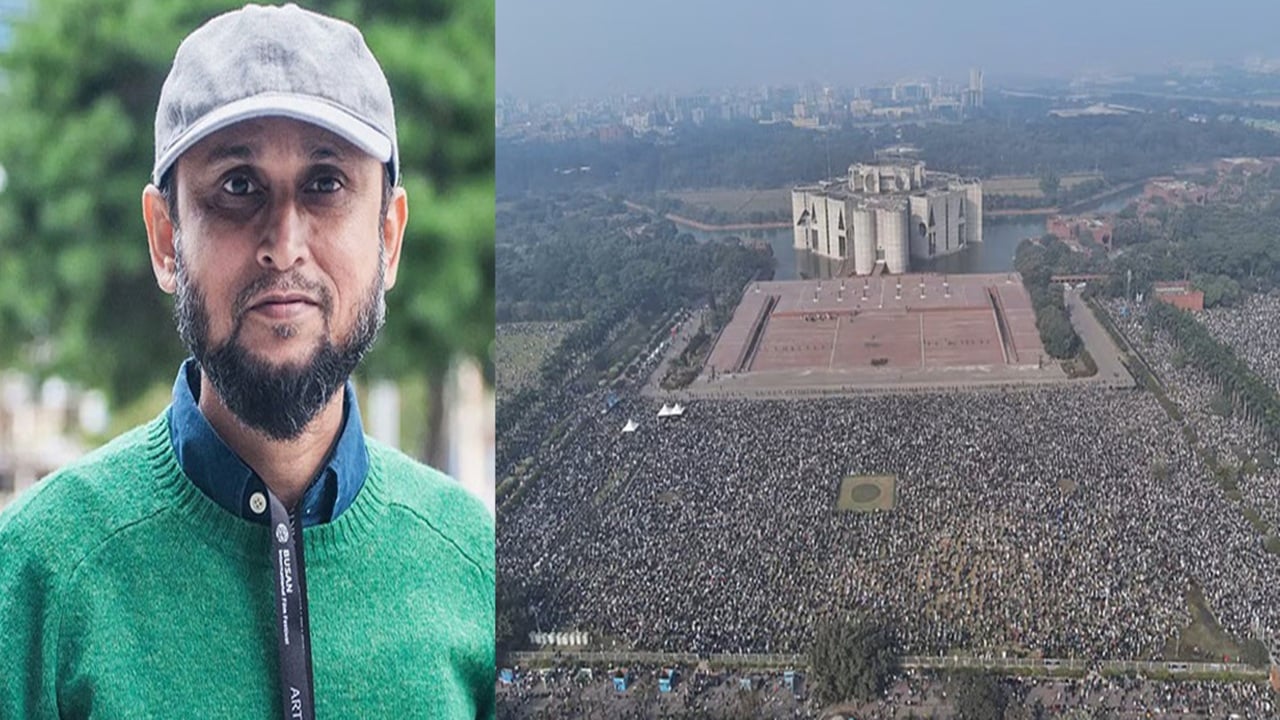
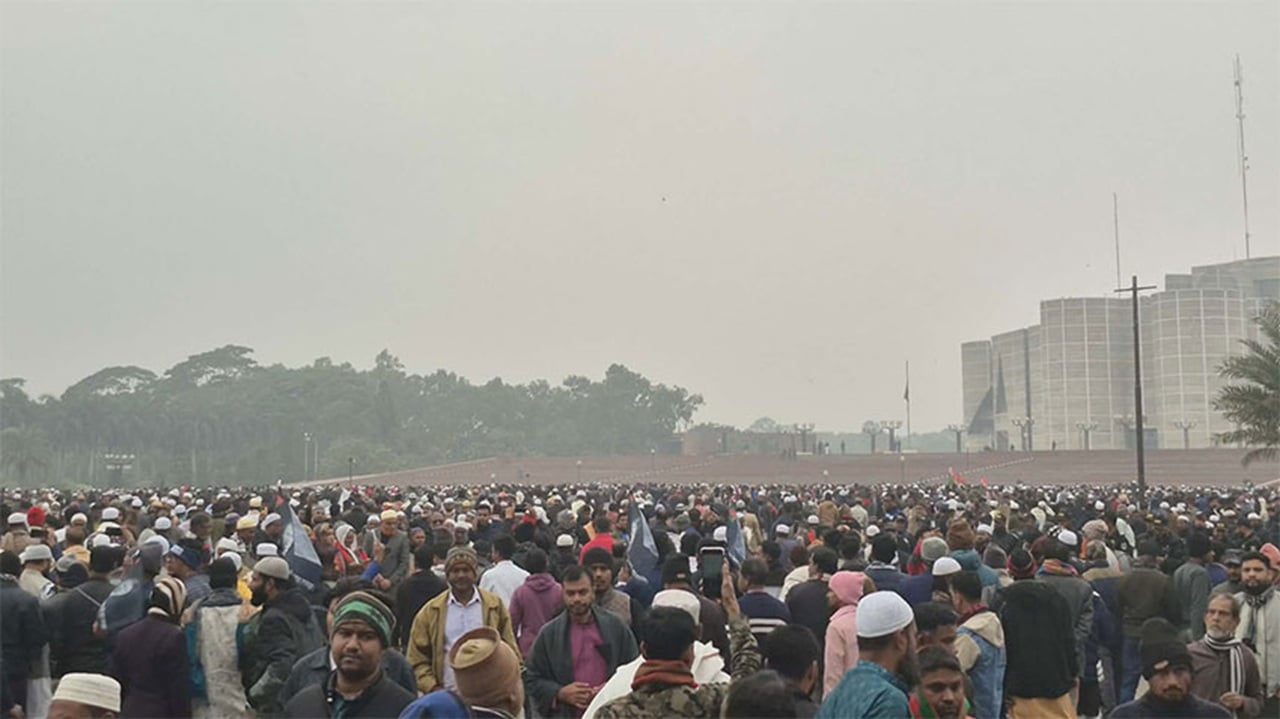
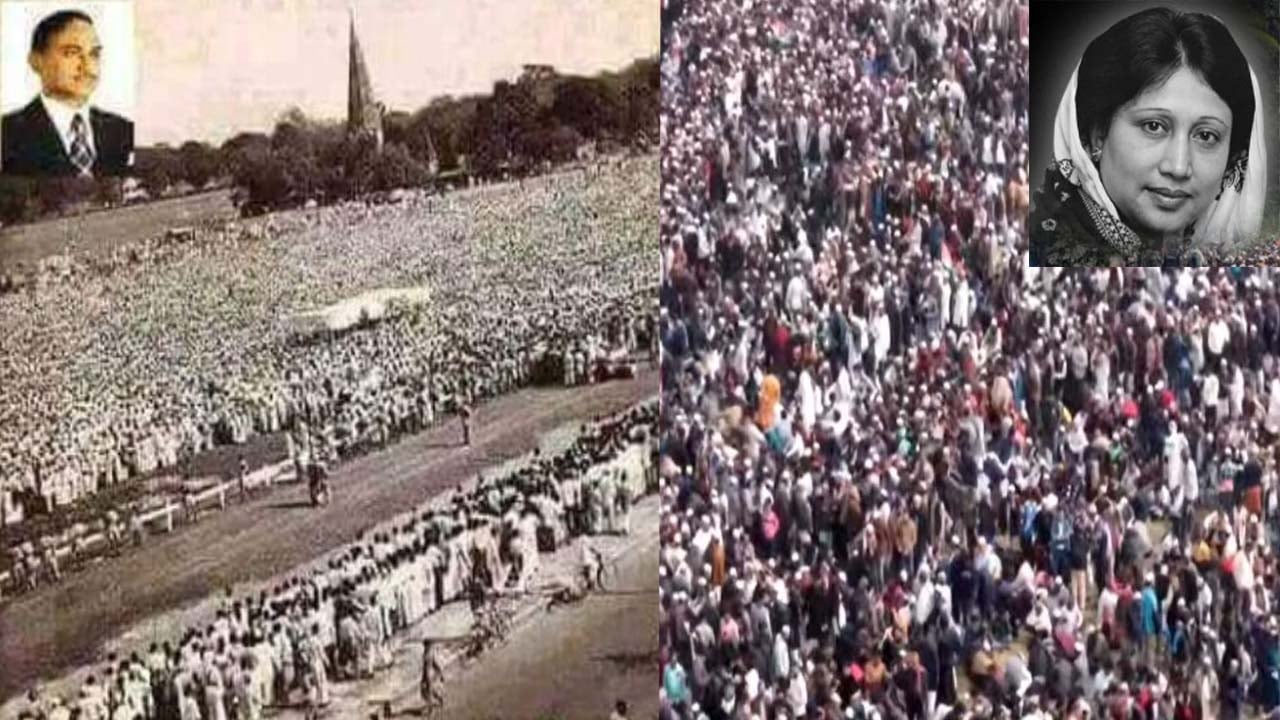
The funeral prayer of BNP Chairperson and former Prime Minister Begum Khaleda Zia was held on Wednesday, December 31, 2025, at Manik Mia Avenue in Dhaka, drawing millions of mourners. The event saw a massive turnout across surrounding areas, including the South Plaza of the National Parliament, Sobhanbag, Karwan Bazar, Bijoy Sarani, and Shyamoli. Khaleda Zia had passed away on Tuesday, December 30, at Evercare Hospital in the capital after more than a month of treatment. Interim government cultural affairs adviser and filmmaker Mostofa Sarwar Farooki described the farewell as “historic” in a Facebook post. He compared the public response to that of the funeral of President Ziaur Rahman, saying the nation had once again shown deep respect. Farooki noted that the vast crowd symbolized the gratitude of the Bangladeshi people, something that not everyone receives. The funeral was attended by the chief adviser, heads of the three armed forces, diplomats, and leaders from various political parties, marking a significant moment in Bangladesh’s political history.
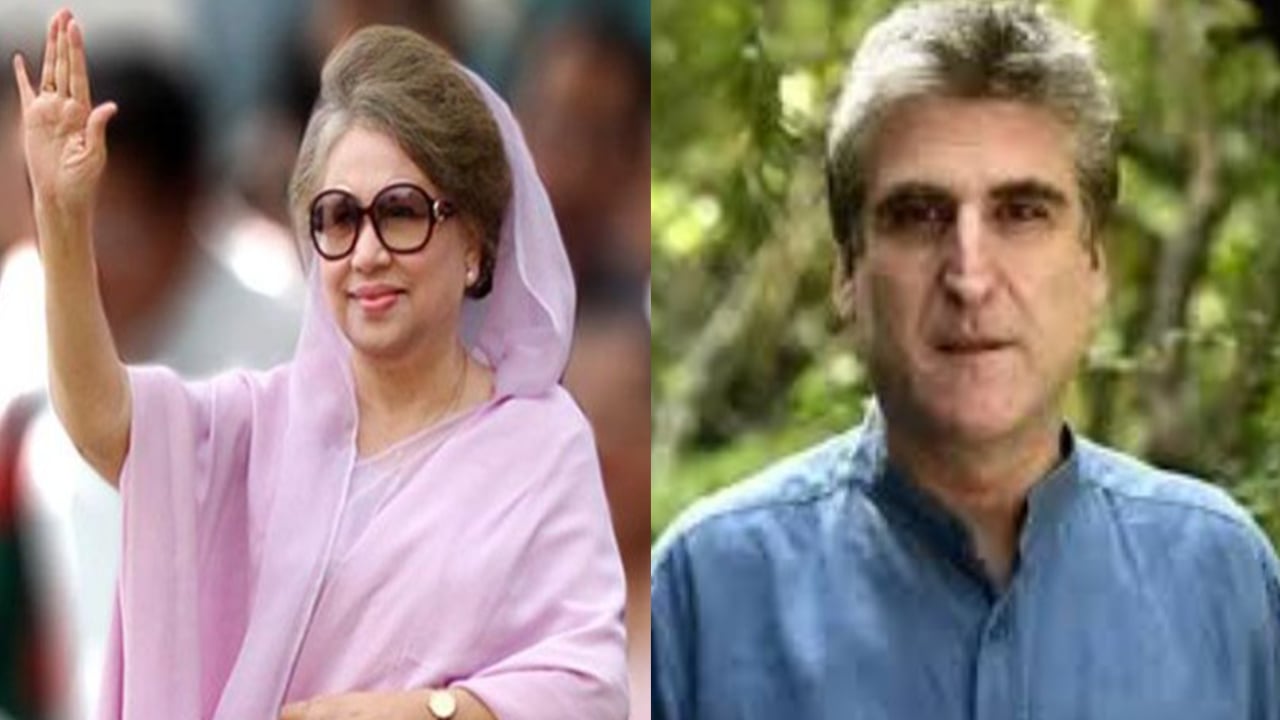
In an interview with Deutsche Welle, journalist David Bergman said that Bangladeshis will remember Khaleda Zia primarily for her role in the anti-autocracy movement and the restoration of democracy. He discussed her political life and struggles, noting that she led a strong movement against former ruler Ershad in alliance with the Awami League and other parties, which eventually led to Ershad’s downfall and the return of democracy. Bergman described her victory in the first election after Ershad’s fall as surprising, as many had expected the Awami League under Sheikh Hasina to win. He also said Khaleda Zia would be remembered for her fierce rivalry with Sheikh Hasina. Bergman praised Khaleda Zia’s contributions to democracy and women’s rights but acknowledged corruption allegations against her. He said corruption increased during her second term from 2001 to 2006 but argued she was not meaningfully involved. He described the corruption case that led to her imprisonment under the Awami League government as weak and unjustified, noting that no significant assets linked to her were found. Regarding her current influence, Bergman said her illness had reduced her role in the BNP, while her son Tarique Rahman, based in London, was expanding his influence. He added that Tarique faces major challenges in keeping the party united.
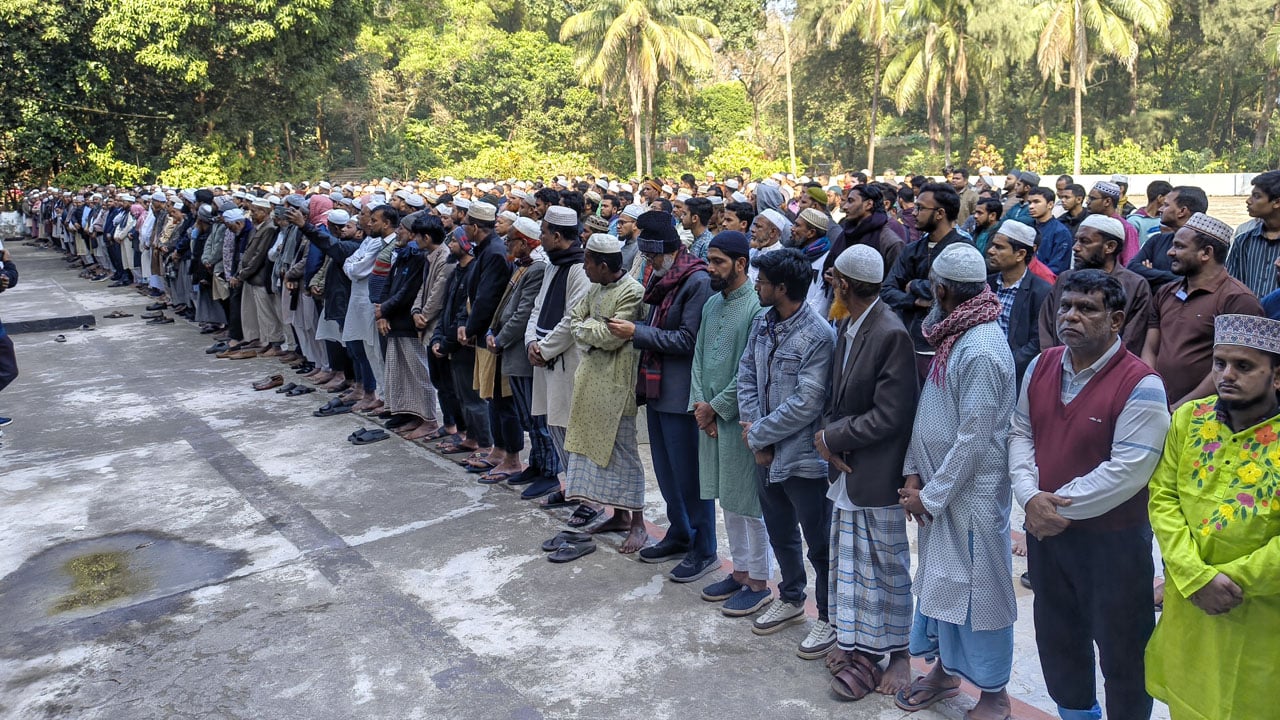
An absentee funeral prayer for former Prime Minister and BNP Chairperson Khaleda Zia was held at Chittagong University on Wednesday, December 31, after the Zuhr prayer. The ceremony took place in the courtyard of the university’s central mosque and was organized by the university administration. The prayer was led by the mosque’s Khatib, Hafiz Abu Daud Muhammad Mamun, and included prayers for the forgiveness of the late leader’s soul. Before the prayer, Vice-Chancellor Professor Dr. Muhammad Yahya Akhtar described Khaleda Zia as a steadfast leader respected by people across the country. He said her death marked an irreparable loss for Bangladesh and prayed for her eternal peace. Senior university officials, including the Pro-Vice-Chancellor (Academic) Professor Dr. Mohammad Shamim Uddin Khan, Acting Registrar Professor Dr. Mohammad Saiful Islam, and other faculty members and student leaders, attended the event. The gathering reflected the university community’s respect for the late leader, with participation from both administrative and student representatives.
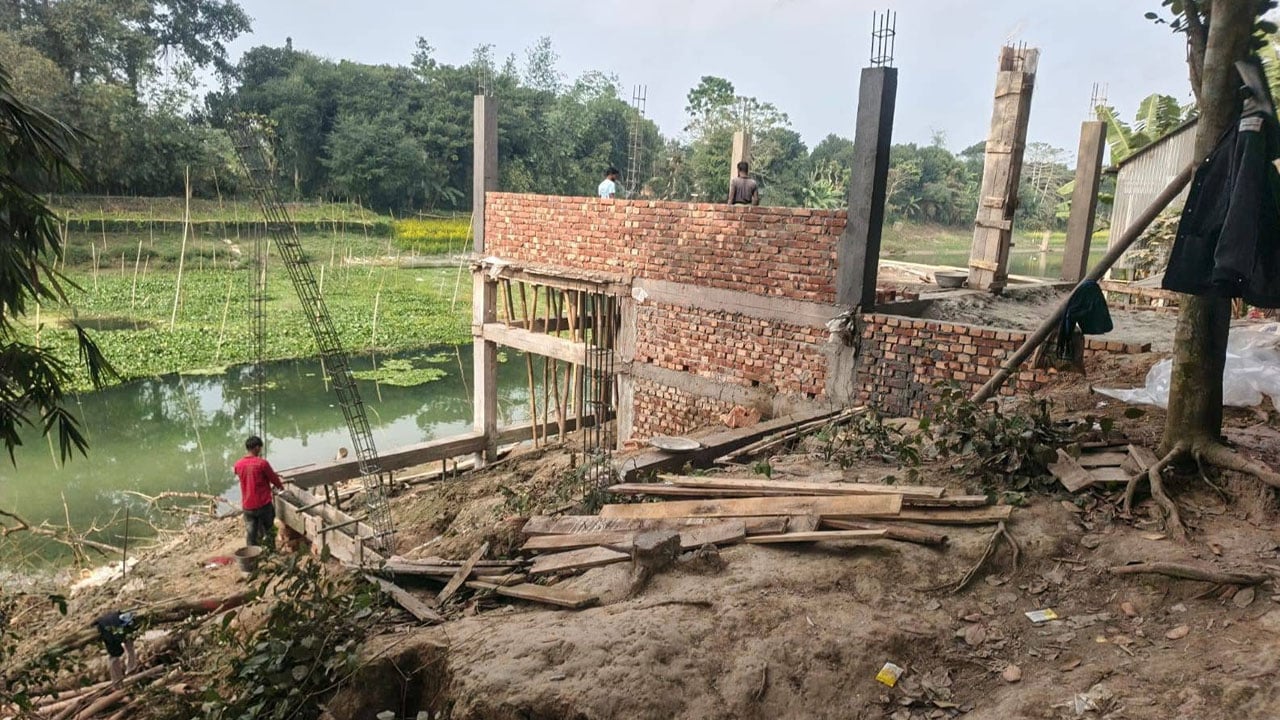
A permanent structure is being built illegally on the Kumar River in Borodia area of Gatti Union, Saltha upazila, Faridpur. On Wednesday, December 31, a local resident named Zia Fakir was found constructing a concrete building by filling part of the river near the Swarupdia-Borodia Government Primary School. Around eight to ten workers were seen working at the site using bricks, sand, and cement. Locals fear the construction is obstructing the river’s natural flow and threatening the environment and public interest. Residents said the Kumar River was once a vital water source that enriched farmland during monsoon seasons. However, years of illegal encroachment and landfilling have narrowed the river, causing waterlogging in the rainy season and drying it up in the dry months. Locals warned that continued encroachment could lead to severe ecological damage. Saltha Upazila Nirbahi Officer Mohammad Saiful Islam stated he was unaware of the construction and has informed the assistant commissioner (land). Assistant Commissioner (Land) Md Mamun Sarkar confirmed that building within the river is illegal and said legal action will be taken after investigation.
The funeral prayer of former three-time Prime Minister and BNP Chairperson Khaleda Zia was held in Dhaka with participation from millions of people. The event drew attendance from foreign ministers of various countries, senior leaders from multiple political parties, and members of the public from all walks of life. The prayer was led by Mufti Abdul Malek, the Khatib of Baitul Mukarram National Mosque. In the front row of the funeral prayer stood Chief Adviser Professor Dr. Muhammad Yunus, BNP’s Acting Chairman Tarique Rahman, members of the advisory council including the legal adviser, chiefs of the three armed forces, National Citizens Party Convener Nahid Islam, Jamaat-e-Islami Ameer Dr. Shafiqur Rahman and Secretary General Mia Golam Porwar, BNP Secretary General Mirza Fakhrul Islam Alamgir, Salahuddin Ahmed, Mirza Abbas, and Moin Khan. Foreign diplomats and representatives from different political backgrounds were also present. The funeral area extended beyond Manik Mia Avenue to surrounding fields and streets, including Bijoy Sarani, Mirpur Road, and Karwan Bazar intersections, leaving no space unoccupied. Following the prayer, Khaleda Zia was to be buried beside late President Ziaur Rahman at Zia Udyan.
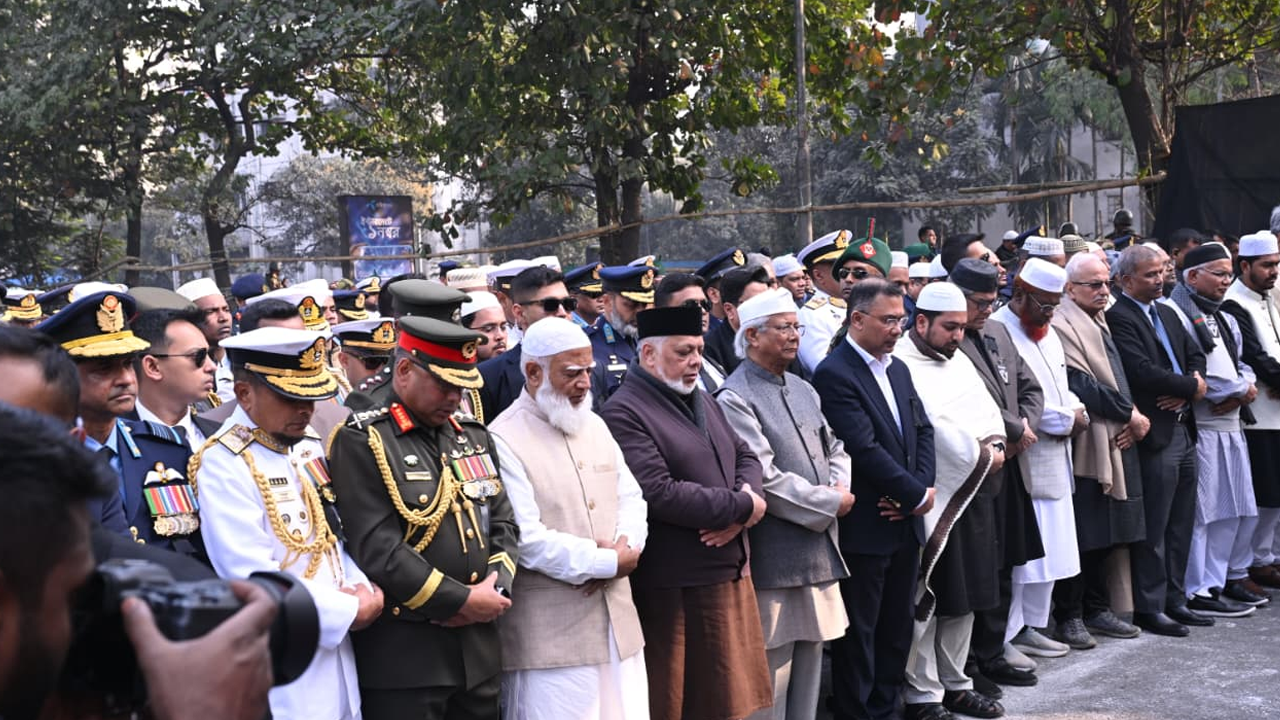
The funeral prayer of Begum Khaleda Zia, chairperson of the Bangladesh Nationalist Party (BNP) and former Prime Minister, was held on Wednesday, December 31, 2025, at 3 p.m. at the South Plaza of the National Parliament Building in Dhaka. The prayer was led by Mufti Abdul Malek, the khatib of the National Mosque Baitul Mukarram. A massive crowd attended, with people filling Manik Mia Avenue and extending to Khamarbari, Asad Gate, and Farmgate. After the prayer, Islamic scholar Dr. Mizanur Rahman Azhari was seen carrying Khaleda Zia’s coffin on his shoulder. Her body was later taken to the adjacent Zia Udyan for burial. Among those present were Chief Adviser Dr. Muhammad Yunus, several government advisers, BNP’s acting chairman Tarique Rahman, and political leaders from various parties. Islamic scholars including Allama Mamunul Haque and Sheikh Ahmadullah of the As-Sunnah Foundation also attended. Khaleda Zia had been under treatment at Evercare Hospital in Dhaka since November 23 and was declared dead by doctors at 6 a.m. on Tuesday, December 30, at the age of 80.
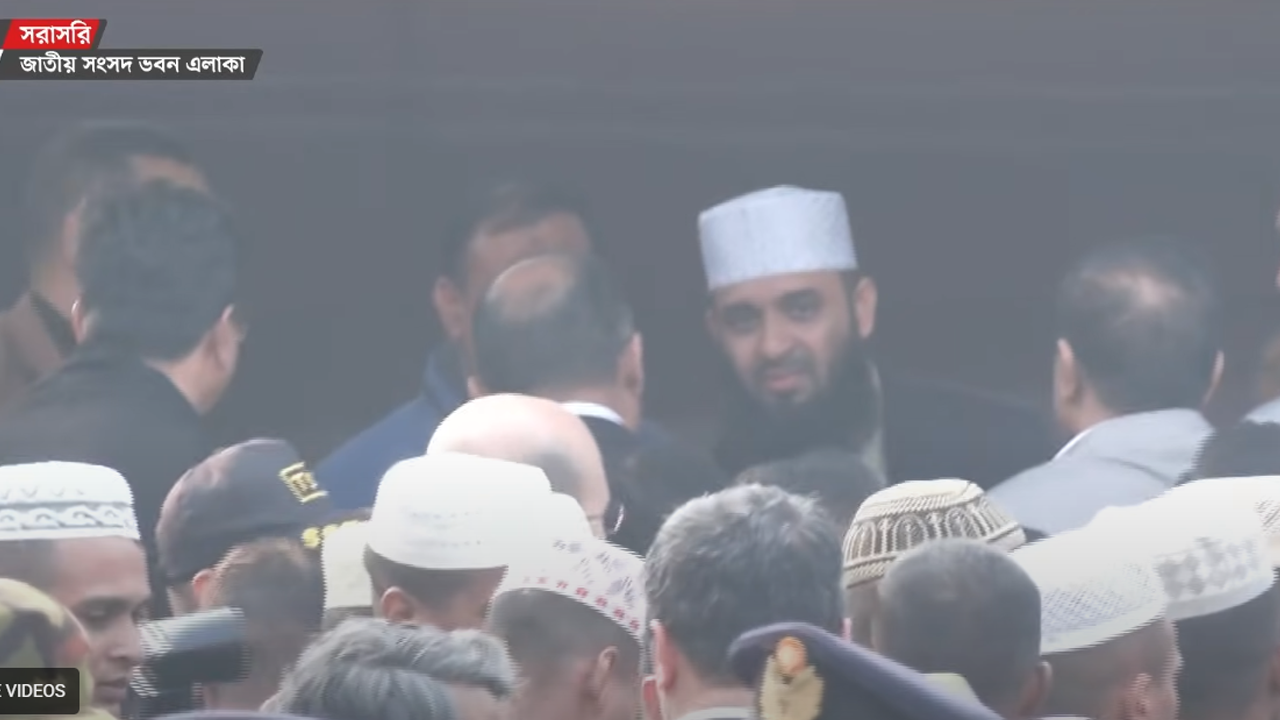
Sarjis Alam, chief organizer of the National Citizen Party (NCP) for the northern region, submitted his wealth statement to the Election Commission ahead of the upcoming parliamentary election. The affidavit shows that he owns no house, car, or building, and holds less than Tk 350,000 in cash. He reported Tk 311,128 in cash and Tk 100,000 deposited in banks and financial institutions. He owns 16.5 decimals of agricultural land received as a donation, valued at Tk 500,000 in the current market. According to the affidavit, Alam earns Tk 900,000 annually from business and holds a master’s degree. He declared one ongoing legal case under investigation. His furniture and electronic goods are valued at Tk 75,000 each, and he owns no firearms, bonds, or shares. The 2025–2026 income tax return shows a total income of Tk 2.8 million and total assets worth Tk 3.37 million, against which he paid Tk 52,500 in taxes. The affidavit provides a detailed picture of Alam’s modest financial position as he prepares for the national election.

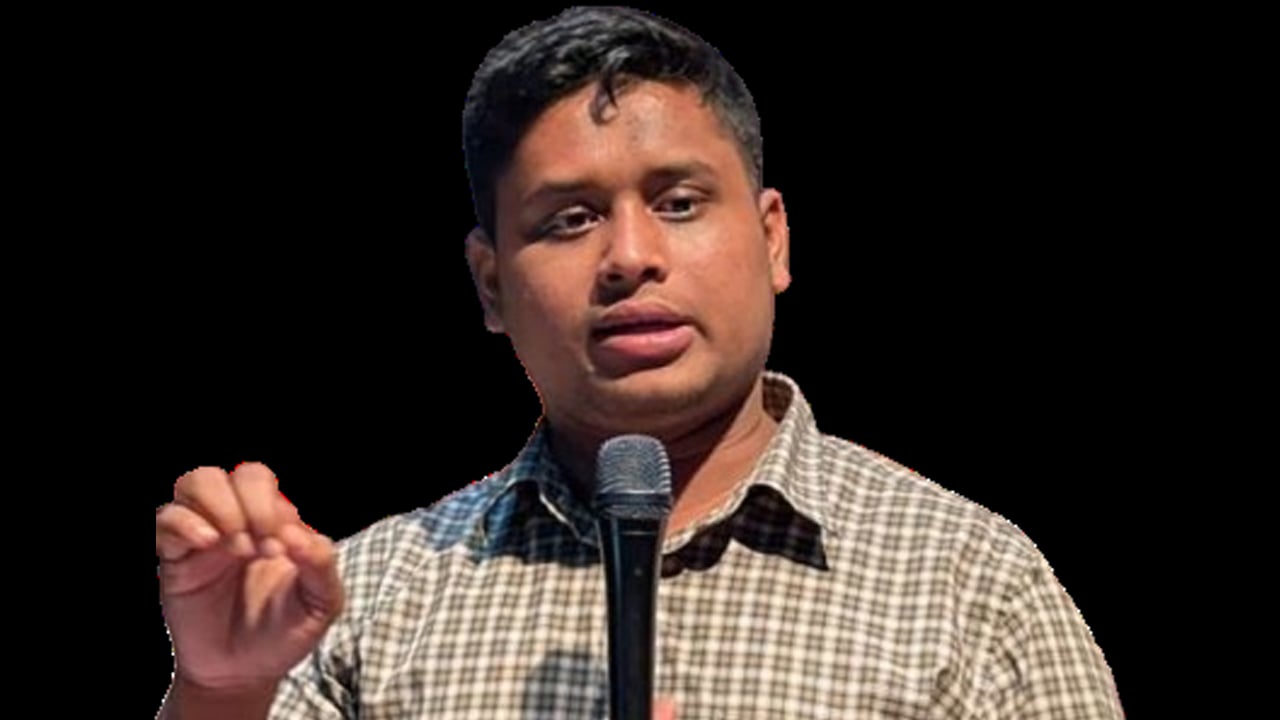
Hasnat Abdullah, chief organizer of the NCP’s southern region, has submitted his nomination papers for the upcoming 13th National Parliamentary Election from Comilla-4 (Debidwar) constituency. According to his election affidavit, he declared total assets worth Tk 5 million, including both movable and immovable properties and annual income. The affidavit lists Tk 2.6 million in gold held in a bank, furniture worth Tk 100,000, and electronic goods valued at Tk 65,000. His annual income for the 2025–2026 fiscal year is shown as Tk 1,253,539. The affidavit, submitted on December 29 at the Debidwar Election Office in Comilla, also states that Hasnat Abdullah has no pending legal cases. He reported no agricultural land in his name and mentioned that his business capital amounts to Tk 1,253,539. He further declared that neither he nor his family members have taken any loans from banks or financial institutions. His current occupation is business, and his wife is a homemaker. The affidavit notes that his parents and children are financially dependent on him.
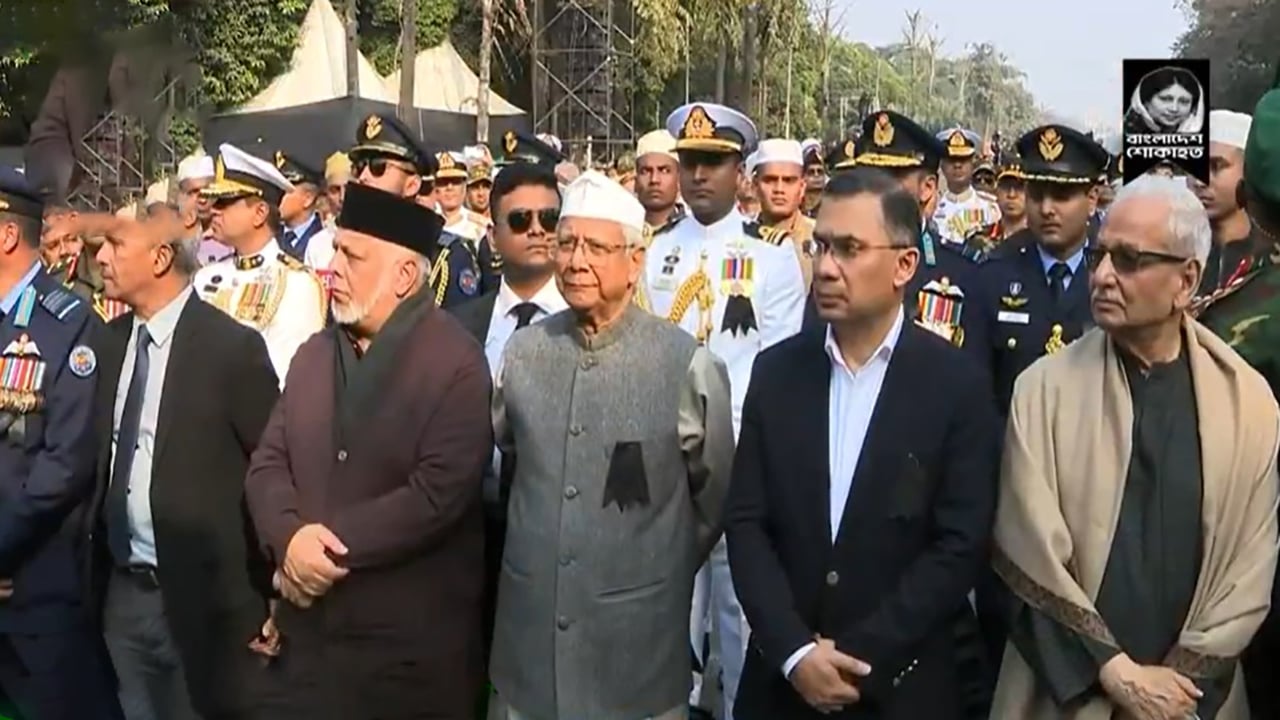
The body of former Prime Minister and BNP Chairperson Khaleda Zia has arrived at the funeral venue on Manik Mia Avenue in Dhaka, where her coffin has been placed ahead of the prayer scheduled to begin shortly. The motorcade carrying her body left Gulshan-2 around 2 p.m. on Wednesday after departing from the residence of her son, Tarique Rahman, located on Road 196. Earlier in the morning, at 9:10 a.m., the vehicle carrying Khaleda Zia’s body entered Tarique Rahman’s house in Gulshan-2. A somber atmosphere prevailed among party leaders, activists, and members of the public who gathered there to pay their respects. A massive crowd has turned out for the funeral prayer, filling Manik Mia Avenue and spilling over into surrounding areas. The large turnout has caused road closures, including flyovers, and created difficulties for elderly attendees due to the heavy congestion.
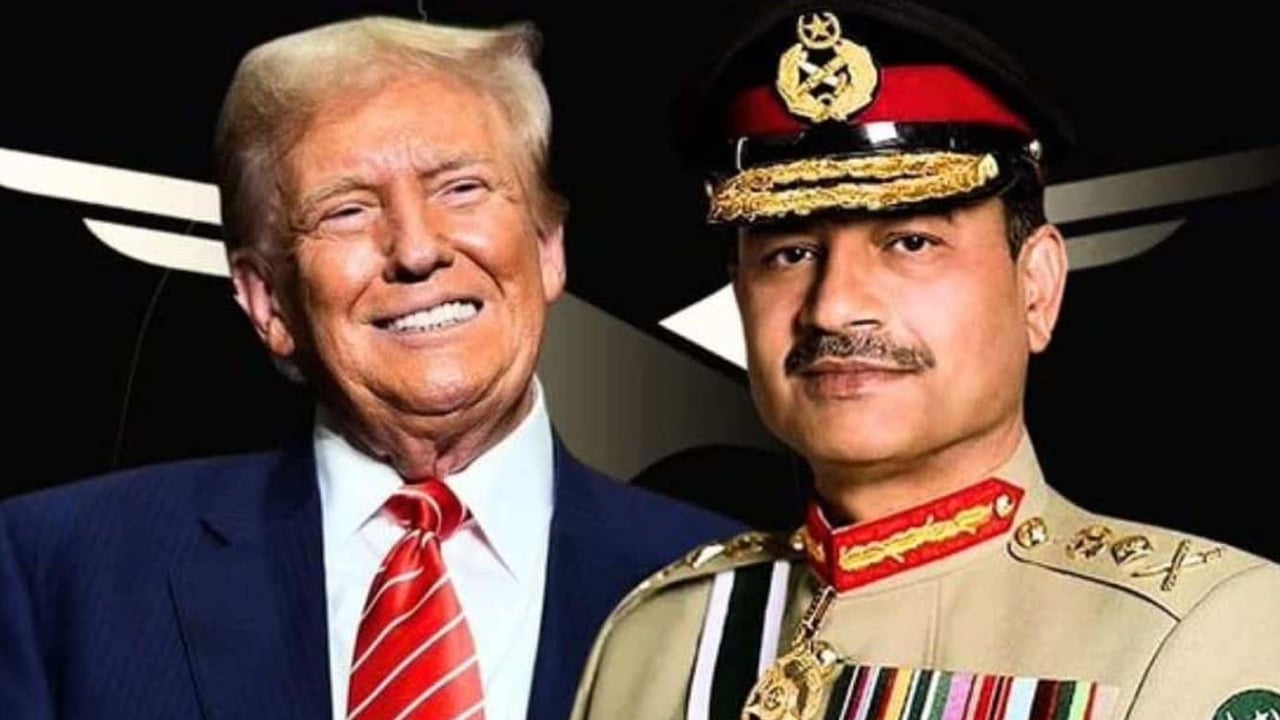
U.S. President Donald Trump has repeatedly praised Pakistan’s army chief, Field Marshal Asim Munir, crediting him for helping avert a potential nuclear war between Pakistan and India. At a December 22 press conference, Trump claimed he had ended eight wars and said his mediation saved millions of lives. Since June, this was at least the tenth time Trump publicly lauded Munir, calling him a “great warrior” and “exceptional man.” Trump also acknowledged Pakistan’s Prime Minister Shehbaz Sharif’s role in peace efforts during his October speech at the Sharm El-Sheikh peace summit. Analysts link the warming U.S.-Pakistan ties to the four-day war between India and Pakistan in May 2025, which ended through U.S. mediation. Pakistan recognized Washington’s role and nominated Trump for the Nobel Peace Prize, while India denied U.S. involvement. Former Pakistani officials said the conflict elevated Munir’s international stature and marked a turning point in bilateral relations. Experts note that Pakistan’s cooperation in counterterrorism and Munir’s diplomatic outreach, including two U.S. visits in 2025, have positioned Islamabad as a potential regional player in Washington’s strategic plans.
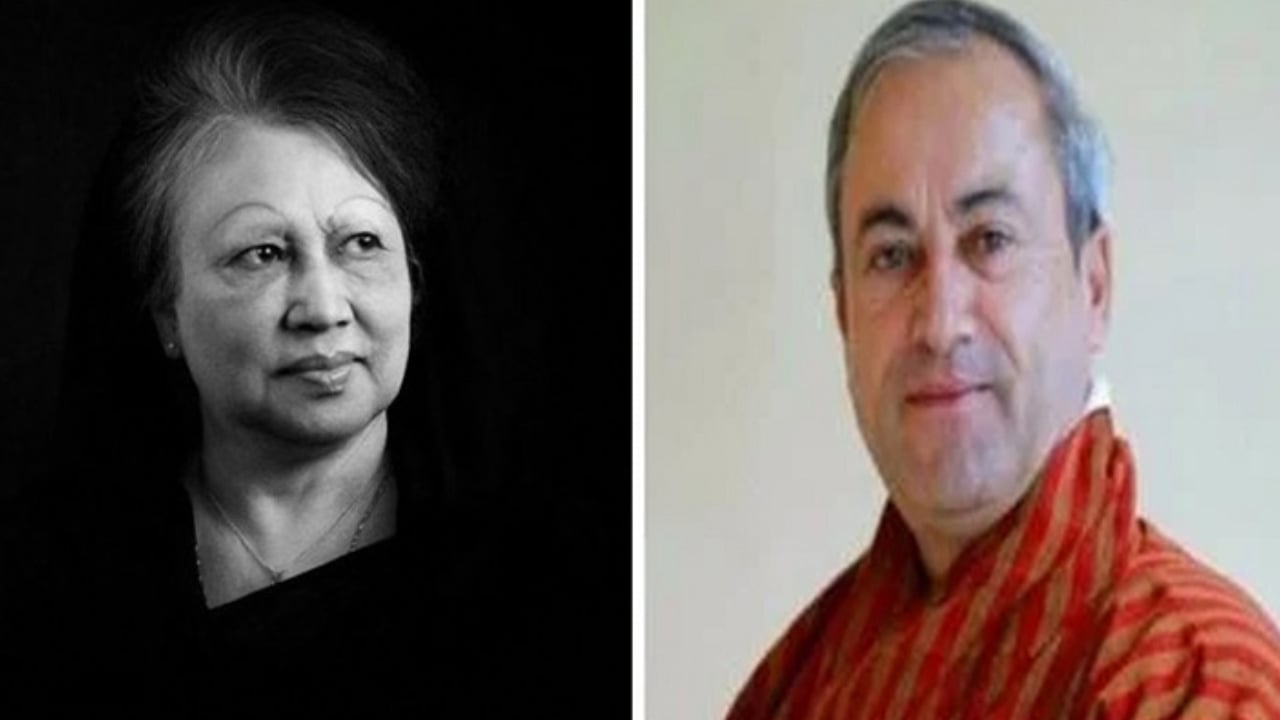
Bhutan’s Minister for Foreign Affairs and External Trade, Lyonpo D. N. Dhungyel, arrived in Dhaka on Wednesday morning to pay his final respects to former Prime Minister and BNP Chairperson Begum Khaleda Zia. He is visiting as a representative of the Bhutanese government to honor the late leader. Upon arrival at Hazrat Shahjalal International Airport, he was received by Bhutan’s ambassador to Bangladesh and senior officials from Bangladesh’s Ministry of Foreign Affairs. Begum Khaleda Zia, who served as Bangladesh’s Prime Minister and led the Bangladesh Nationalist Party (BNP), passed away early Tuesday morning at Evercare Hospital in Dhaka while undergoing treatment. Her death has prompted condolences and tributes from various quarters, including international representatives such as the Bhutanese minister. The visit underscores Bhutan’s gesture of respect toward Bangladesh’s former leader and reflects the diplomatic ties between the two neighboring countries.
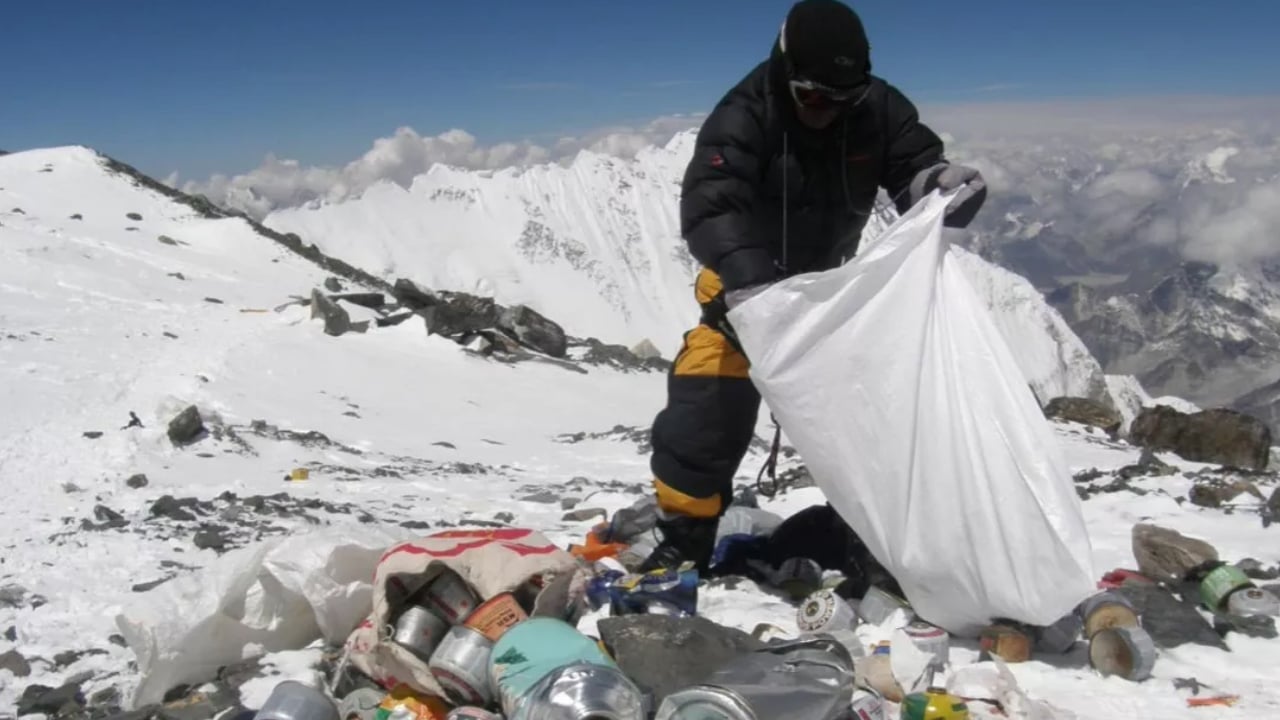
Nepal has decided to cancel the 'deposit scheme' introduced to keep Mount Everest free from pollution. The government made the decision after 11 years of implementation, citing a lack of expected results. Under the scheme, climbers were required to deposit a certain amount of money before their ascent, refundable only if they brought down at least eight kilograms of waste. Despite most climbers reclaiming their deposits, the overall pollution level on Everest showed little improvement, according to the Ministry of Tourism. Himala Gautam, Director of Nepal’s Tourism Department, said the project failed to play an effective role in environmental protection and instead created administrative complications. Climbers often collected waste from lower camps, leaving the higher camps neglected. Shering Sherpa, Chief Executive of the Sagarmatha Pollution Control Committee, noted that the most severe pollution persists in the upper camps, where tents, plastic cans, food packets, and used oxygen cylinders are still abandoned. Experts pointed out that each climber generates about 12 kilograms of waste per expedition, while the rule required only eight kilograms to be brought down. They emphasized the need for more practical and effective policies to protect Everest’s environment.
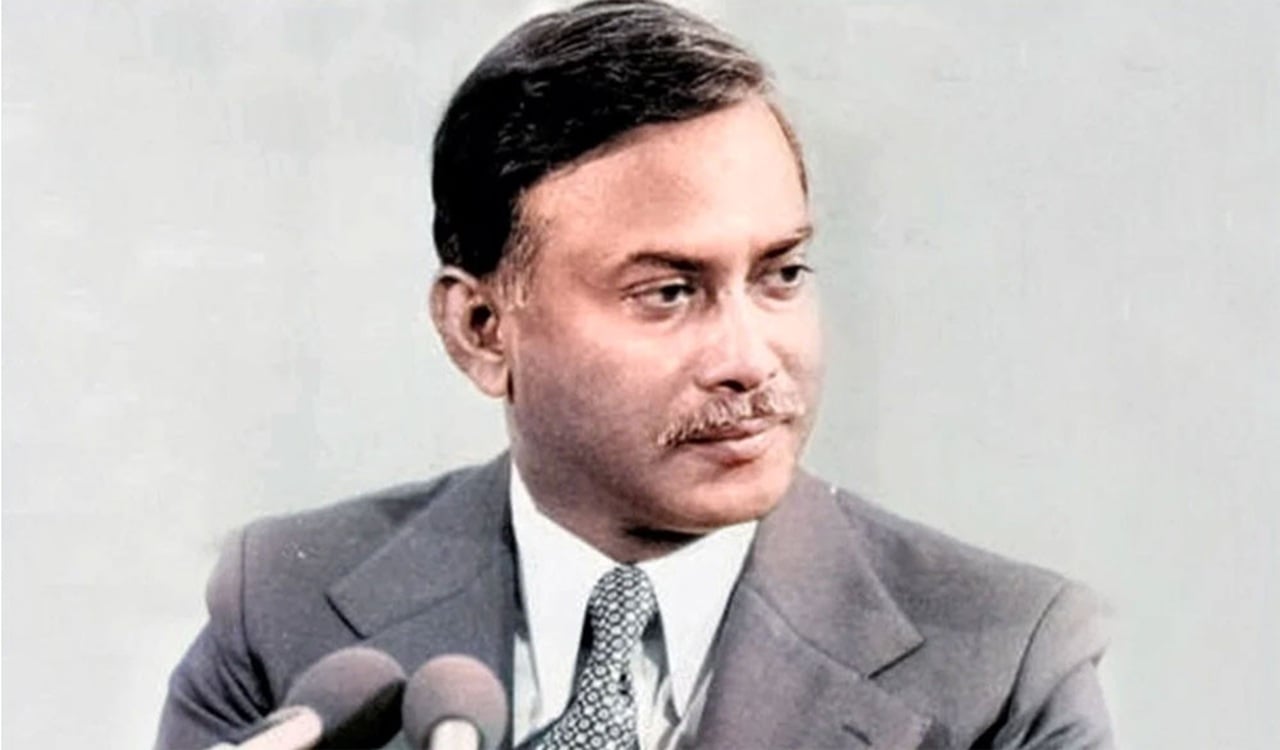
Former Bangladeshi Prime Minister and BNP Chairperson Khaleda Zia will be buried beside her late husband, former President Ziaur Rahman, at Sher-e-Bangla Nagar in Dhaka. The interim government confirmed that she will be laid to rest with state honors. Khaleda Zia passed away early Tuesday morning at a hospital in Dhaka after a prolonged illness. Ziaur Rahman, a former president and a sector commander in Bangladesh’s Liberation War, was killed in a military coup in Chittagong on May 30, 1981. Initially buried in Rangunia, his body was later brought to Dhaka and reinterred with state honors at what was then Sher-e-Bangla Park, adjacent to the National Parliament. The site was later renamed several times, known alternately as Chandrima Udyan and Zia Udyan. Political historian Mahiuddin Ahmed noted that the decision to bury Ziaur Rahman near the Parliament was made by the interim government led by Acting President Justice Abdus Sattar. Former deputy minister A.B.M. Ruhul Amin Howlader said the cabinet unanimously approved the proposal, which was also supported by then army chief Hussain Muhammad Ershad.
Former Prime Minister Begum Khaleda Zia passed away on Tuesday, December 30, at 6 a.m. Her funeral is scheduled for Wednesday at 2 p.m. at the South Plaza of the National Parliament on Manik Mia Avenue. Thousands of people from across Dhaka have gathered at the venue to attend her janaza, paying their final respects to the veteran leader. At the site, recordings of Khaleda Zia’s 2013 speech, delivered outside her Gulshan residence ‘Firoza’ when she was blockaded by sand trucks, are being played repeatedly. In that address, she criticized Sheikh Hasina and spoke against foreign dominance over Bangladesh, urging unity and resistance to oppression. She referenced the grief of families affected by the BDR mutiny and the Shapla Chattar incident, emphasizing that such suffering would not be forgotten. The replay of her old speech at her funeral underscores her image as a leader uncompromising on national sovereignty and justice, resonating deeply with supporters gathered to honor her memory.
BNP Chairperson and former Prime Minister Khaleda Zia will be buried beside her husband, late President Ziaur Rahman, behind the National Parliament building in Dhaka. Before the burial, her funeral prayer will be held at Manik Mia Avenue, the same location where millions gathered 44 years ago to pay their last respects to Ziaur Rahman. The event is being described as a repetition of history. In 1981, President Ziaur Rahman was killed in a failed military coup at the Chittagong Circuit House. His funeral took place on June 2 that year at Manik Mia Avenue, followed by a state burial near the Parliament building. The massive public turnout at his funeral became a historic moment in Dhaka’s history. Khaleda Zia entered politics after her husband’s death, taking charge of the BNP without prior political experience. Through years of political struggle, she led the party to electoral victories and served three terms as Prime Minister, becoming the country’s first female head of government.
The ‘1 Nojor’ media platform is now live in beta, inviting users to explore and provide feedback as we continue to refine the experience.