

The ‘1 Nojor’ media platform is now live in beta, inviting users to explore and provide feedback as we continue to refine the experience.
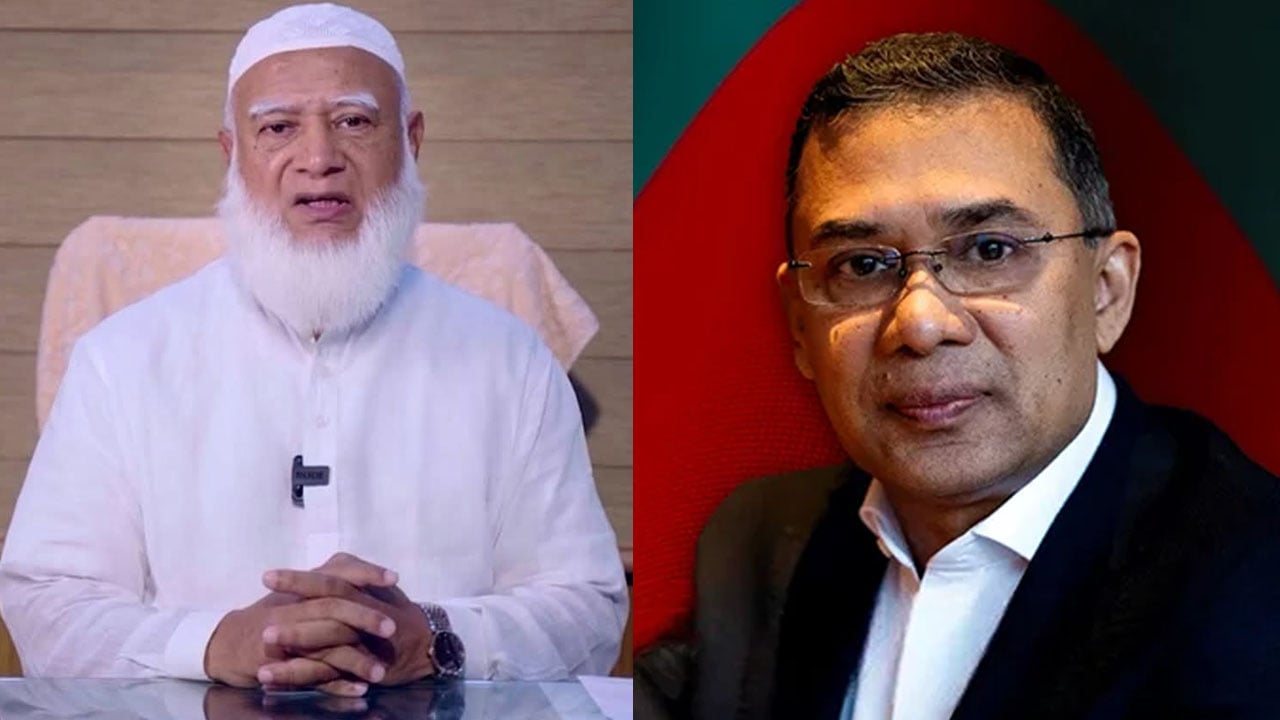
Bangladesh Jamaat-e-Islami’s Amir, Dr. Shafiqur Rahman, publicly welcomed BNP Acting Chairman Tarique Rahman and his family upon their return to Bangladesh after 17 years abroad. The message, posted on Dr. Rahman’s verified Facebook page on Thursday, simply read, “Mr. Tarique Rahman, welcome home with your family.” Tarique Rahman landed at Hazrat Shahjalal International Airport in Dhaka at 11:40 a.m. under tight security and later proceeded toward his residence in the 300 Feet area. Thousands of BNP supporters and activists gathered at the airport and along the route, waving flags and banners to greet their leader. The return marks the end of Tarique Rahman’s long exile following his conviction in several corruption cases and political turmoil in the mid-2000s. Political analysts note that Jamaat’s public gesture could signal renewed alignment or cooperation between the two opposition parties. Observers say Tarique Rahman’s return may reshape Bangladesh’s opposition landscape ahead of future elections, though legal and political challenges remain significant.
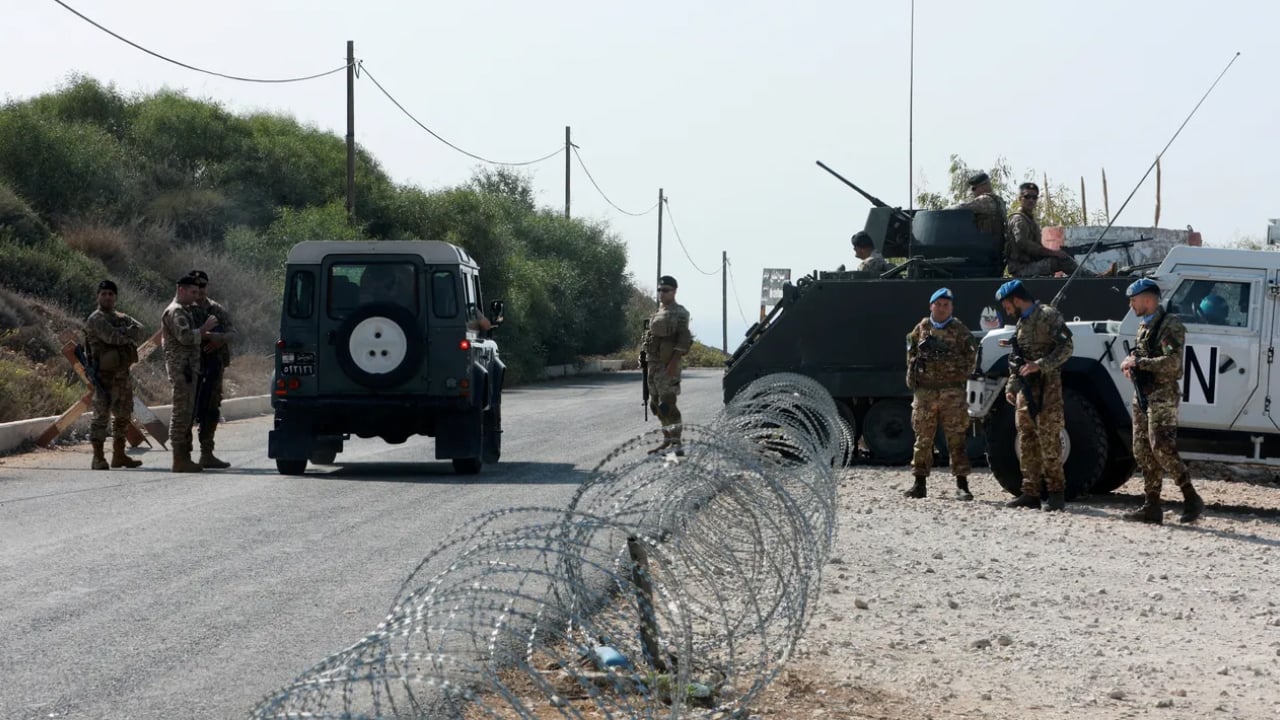
Hezbollah has called on the Lebanese government to reject Israel’s demand for the group’s disarmament, warning that compliance could undermine national sovereignty. In a statement reported by TRT World, Hezbollah emphasized that ending Israeli occupation in Lebanese territory remains its top priority, despite an existing ceasefire agreement. The group accused Israel of maintaining partial military presence in five southern border outposts, violating the terms of the January withdrawal plan. Hezbollah asserted its right to resist continued occupation, describing it as a legitimate defense of Lebanon’s sovereignty. The statement comes as Israel reportedly conditions halting its attacks on Hezbollah’s disarmament by the end of the year. Analysts say the exchange underscores fragile post-ceasefire dynamics and the risk of renewed hostilities along the Lebanon-Israel border. Diplomatic observers warn that failure to fully implement withdrawal commitments could escalate tensions in the region, complicating international mediation efforts.
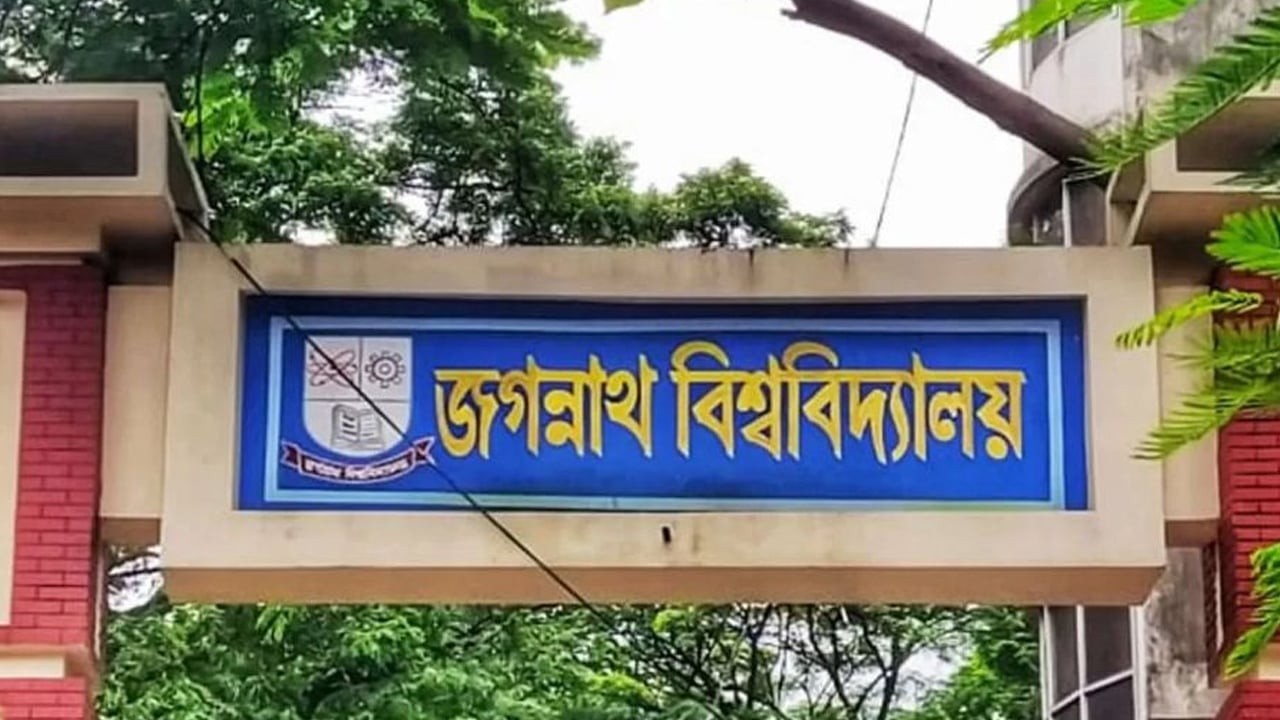
Jagannath University has announced that its undergraduate ‘A’ and ‘C’ unit admission tests will be held on December 26 and 27, 2025. The ‘A’ unit, covering Science and Life & Earth Sciences faculties, will test 72,474 applicants competing for 860 seats, while the ‘C’ unit, under the Commerce faculty, will see 20,537 candidates vying for 520 seats. Each one-hour exam will run from 11 a.m. to 12 p.m. The ‘A’ unit test will take place at 12 centers, including three outside Dhaka—Comilla University, Khulna University, and Rajshahi University—while the rest will be in Dhaka. The ‘C’ unit exam will be held at Jagannath University and three other Dhaka centers. Each test carries 100 marks, with 72 from multiple-choice questions and 18 based on SSC and HSC results. Faculty deans confirmed that all preparations are complete, emphasizing the inclusion of regional centers to ease travel for candidates. Upcoming tests for other faculties are scheduled in January 2026, continuing the university’s phased admission process.
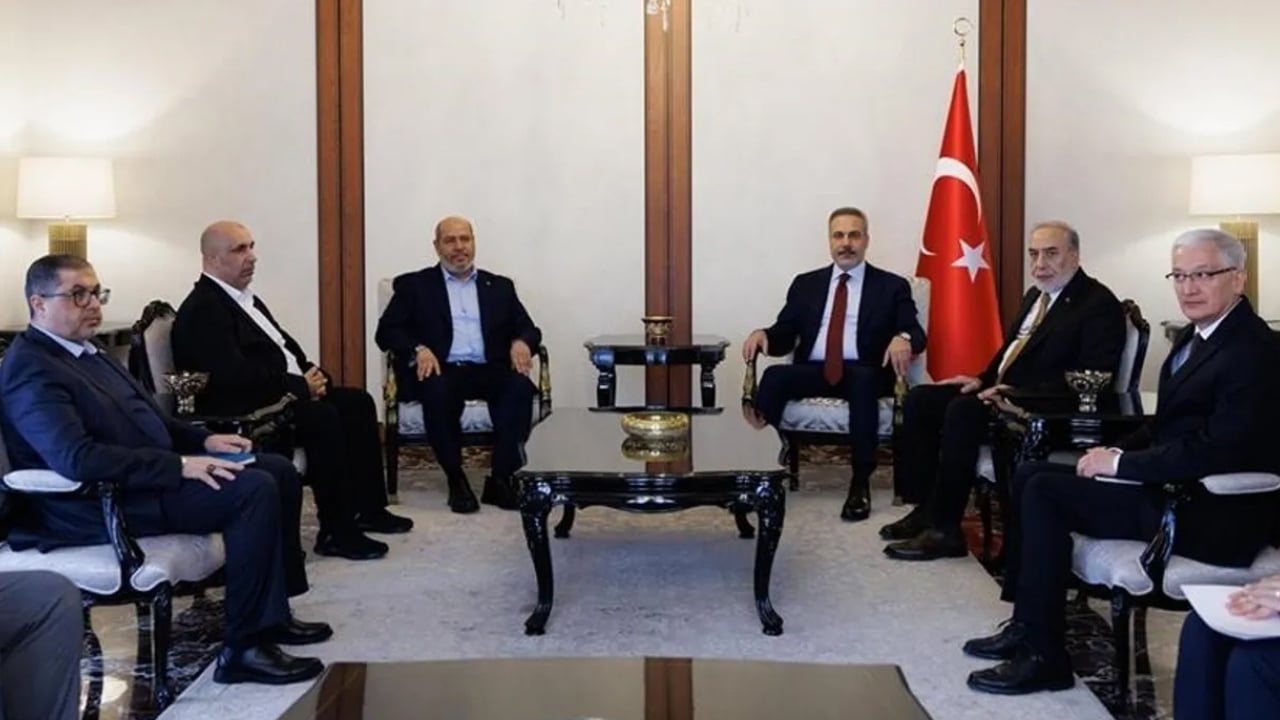
Turkish Foreign Minister Hakan Fidan met with a Hamas delegation led by Khalil al-Hayya in Ankara to review the latest developments in Gaza and discuss the second phase of the Gaza peace plan, according to the Turkish Foreign Ministry. Fidan reaffirmed Turkey’s commitment to defending Palestinian rights and briefed the delegation on Ankara’s ongoing humanitarian and housing assistance for war-torn Gaza. During the meeting, Hamas representatives claimed they had fulfilled the ceasefire conditions but accused Israel of continuing attacks on Gaza to block progress toward the peace plan’s next stage. They also highlighted severe shortages of essential goods, medicine, shelter materials, and fuel, saying current humanitarian aid remains insufficient. Both sides condemned Israeli strikes and settlement expansion in the occupied West Bank as unacceptable. The meeting underscores Turkey’s continued diplomatic engagement in the Gaza conflict, seeking to position itself as a mediator while maintaining strong support for Palestinian causes amid ongoing regional tensions.
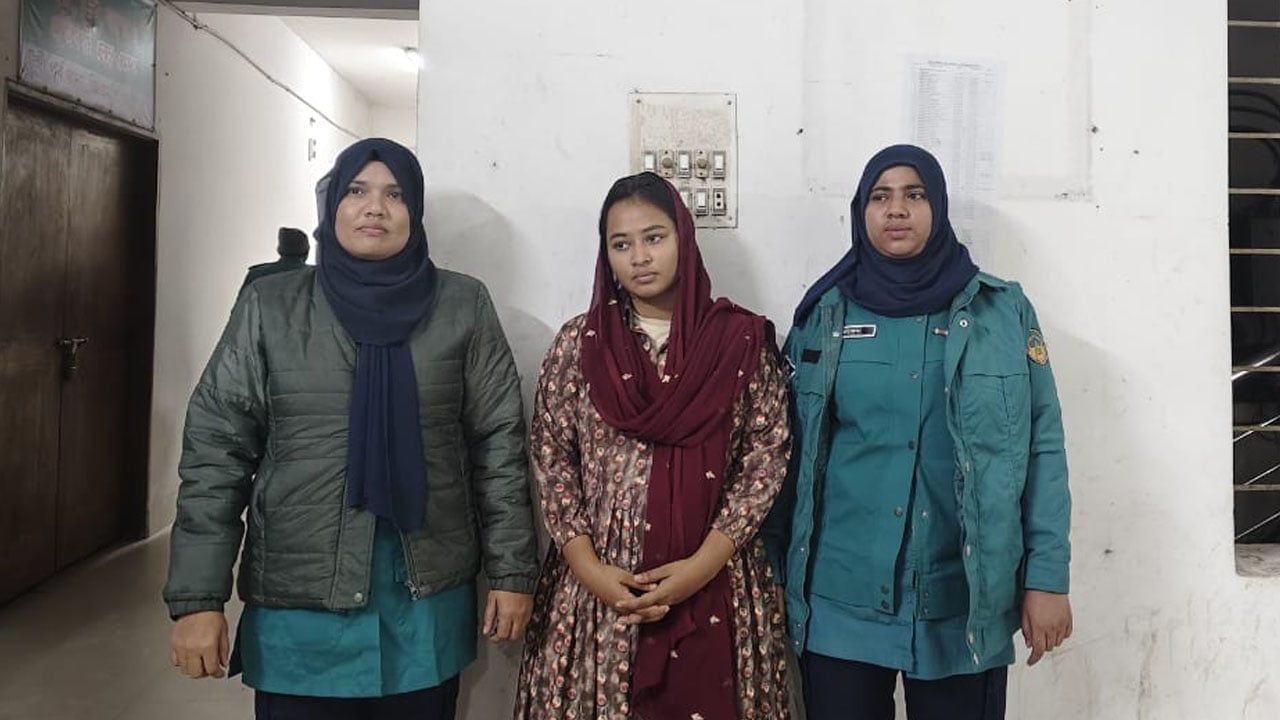
Bangladeshi activist Tahreema Jannat Survi, known online as the 'July Warrior,' was arrested early Thursday in Tongi by a joint security force. Authorities said she had posted a series of derogatory and inflammatory comments on social media targeting the government, several senior advisers, and the army chief. Following the operation at her home in the Morkun Purbo Para area, she was handed over to Tongi East Police Station. Police confirmed that Survi had an outstanding arrest warrant from a separate extortion case filed in Kaliakoir, Gazipur. Law enforcement sources stated that her online activities were under surveillance due to concerns they could threaten public order and national stability. The arrest followed weeks of monitoring after her posts sparked public outrage online. Officials said Survi has been transferred to Kaliakoir police custody for further legal proceedings. The case underscores growing scrutiny of online speech in Bangladesh and the increasing involvement of joint forces in cyber-related investigations.
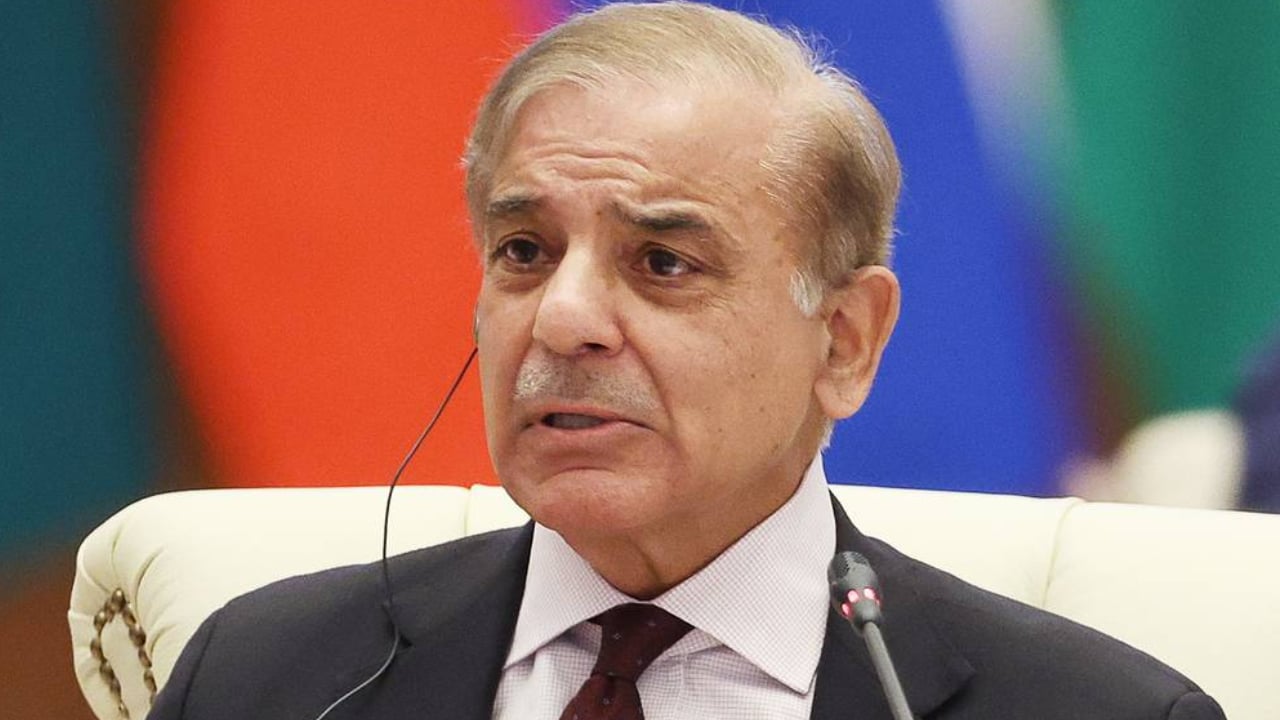
Pakistan’s Prime Minister Shehbaz Sharif has offered to hold talks with the opposition Pakistan Tehreek-e-Insaf (PTI) in an effort to ease the country’s ongoing political tensions. Chairing a federal cabinet meeting in Islamabad, Sharif said the government is ready for dialogue if PTI shows sincerity, emphasizing that discussions should focus on legitimate national issues and political harmony is vital for Pakistan’s progress. The proposal follows a statement from a PTI faction, Tehreek Tahafuz Aain-e-Pakistan (TTAP), which said the ‘door to dialogue remains open.’ However, no concrete steps have been taken by either side to initiate formal talks. The situation remains uncertain as PTI founder and former Prime Minister Imran Khan continues to serve a 17-year prison sentence in the Toshakhana-2 corruption case alongside his wife, Bushra Bibi. Multiple other cases, including attempted murder and forgery, are also pending against him. Observers note that the government’s ban on visits to Khan until February 8 has deepened mistrust, while his party and family express concern over restricted access. Political analysts warn that without confidence-building measures, dialogue efforts may falter ahead of the next hearing on January 27.
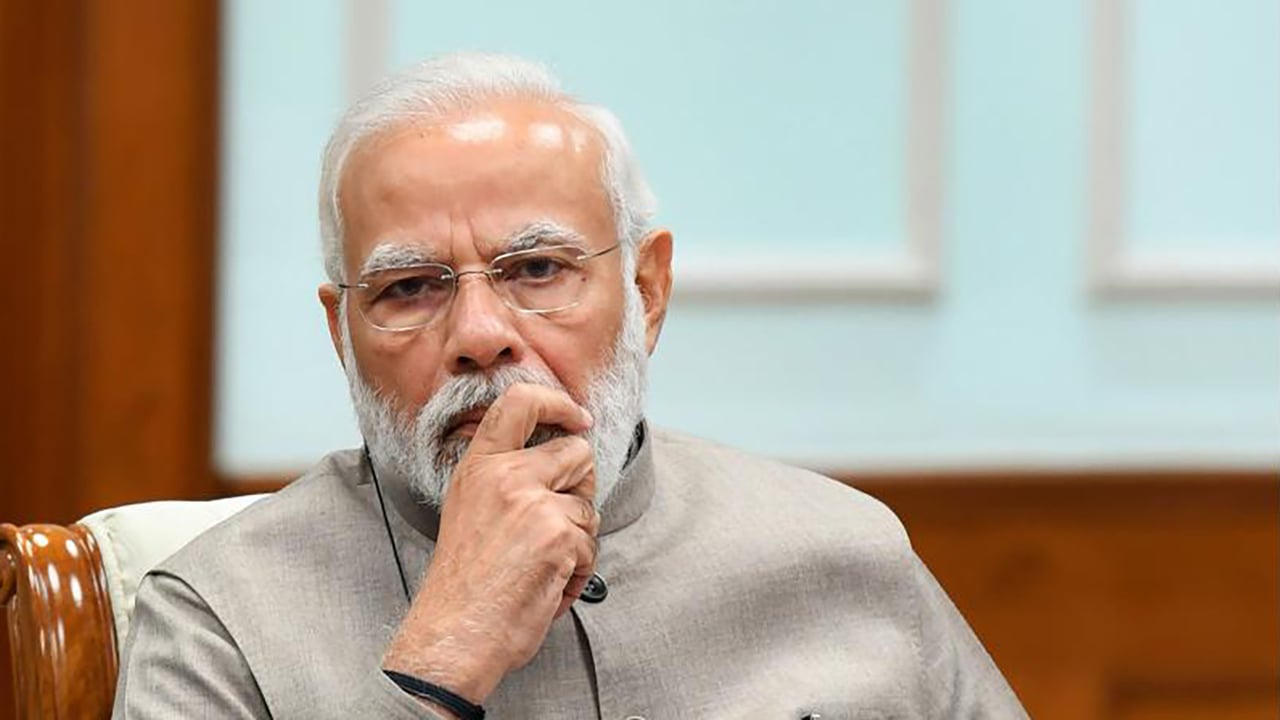
As Prime Minister Narendra Modi approaches the midpoint of his third term in 2026, discussions are intensifying over who might lead India after him. Modi, who has held power since 2014, remains highly popular with a 71% approval rating according to Morning Consult. Yet, the Bharatiya Janata Party (BJP) faces declining parliamentary dominance and growing opposition, raising questions about succession and continuity. Analysts suggest potential successors could emerge from within the BJP, such as Home Minister Amit Shah or Maharashtra Chief Minister Devendra Fadnavis. Alternatively, regional allies like Andhra Pradesh’s N. Chandrababu Naidu or his son Nara Lokesh could gain prominence, especially amid large-scale investment projects. The opposition Congress Party, led by Rahul Gandhi or his sister Priyanka Gandhi, also remains a possible challenger. Experts warn that any post-Modi leader may struggle to match his popularity or political control. A less popular administration could resort to populist spending to maintain support, potentially straining fiscal stability and increasing corruption risks in India’s governance landscape.
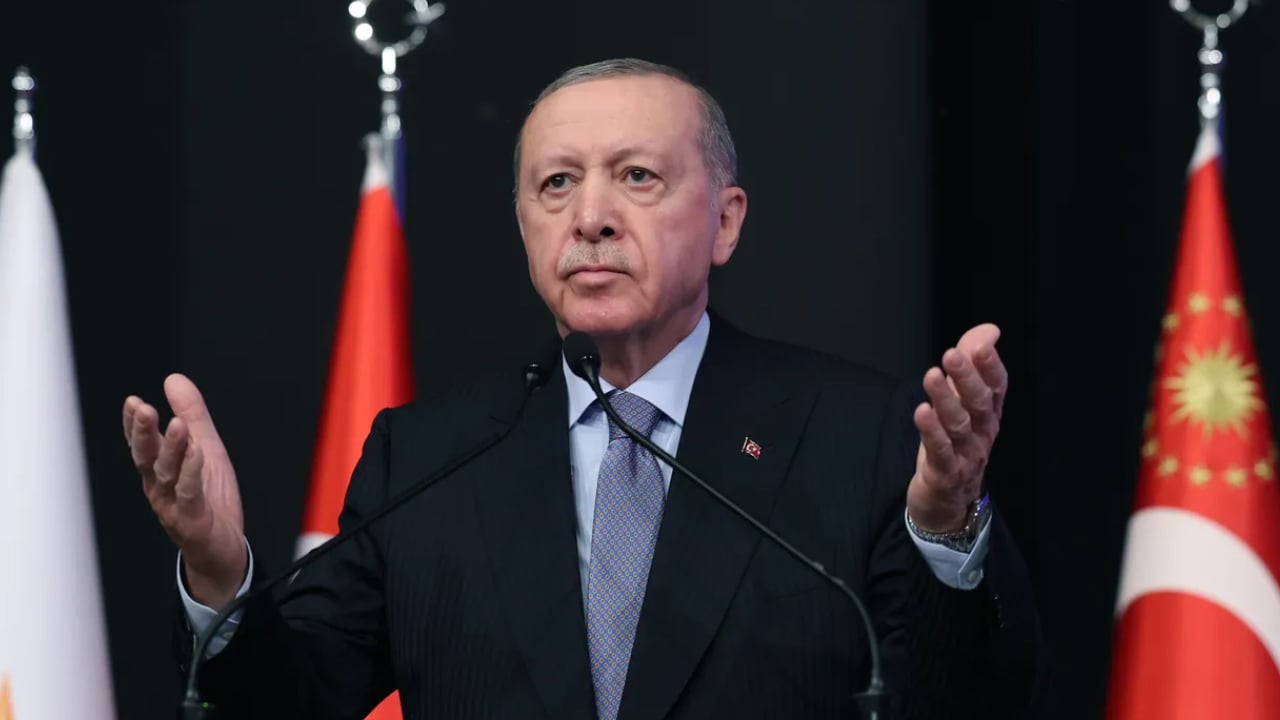
Turkish President Recep Tayyip Erdogan has sharply criticized Israel for obstructing humanitarian aid deliveries to Gaza, accusing it of using fabricated excuses to maintain the blockade. Speaking at a Justice and Development (AK) Party meeting in Ankara, Erdogan denounced what he called Israel’s failure to uphold the ceasefire agreement that took effect on October 11, saying the humanitarian situation in Gaza has not improved. Erdogan emphasized Turkey’s continued support for Palestinians, pledging to increase aid and maintain diplomatic pressure. He reiterated that while Turkey supports peace, it will not tolerate injustice or oppression. His remarks come amid growing international concern over the humanitarian crisis in Gaza, where aid agencies report severe shortages of food, medicine, and fuel. Analysts view Erdogan’s statement as part of Turkey’s broader effort to position itself as a leading voice for Palestinian rights in the Muslim world. The comments may further strain Ankara’s already tense relations with Israel, while reinforcing Turkey’s regional diplomatic stance on the Gaza conflict.
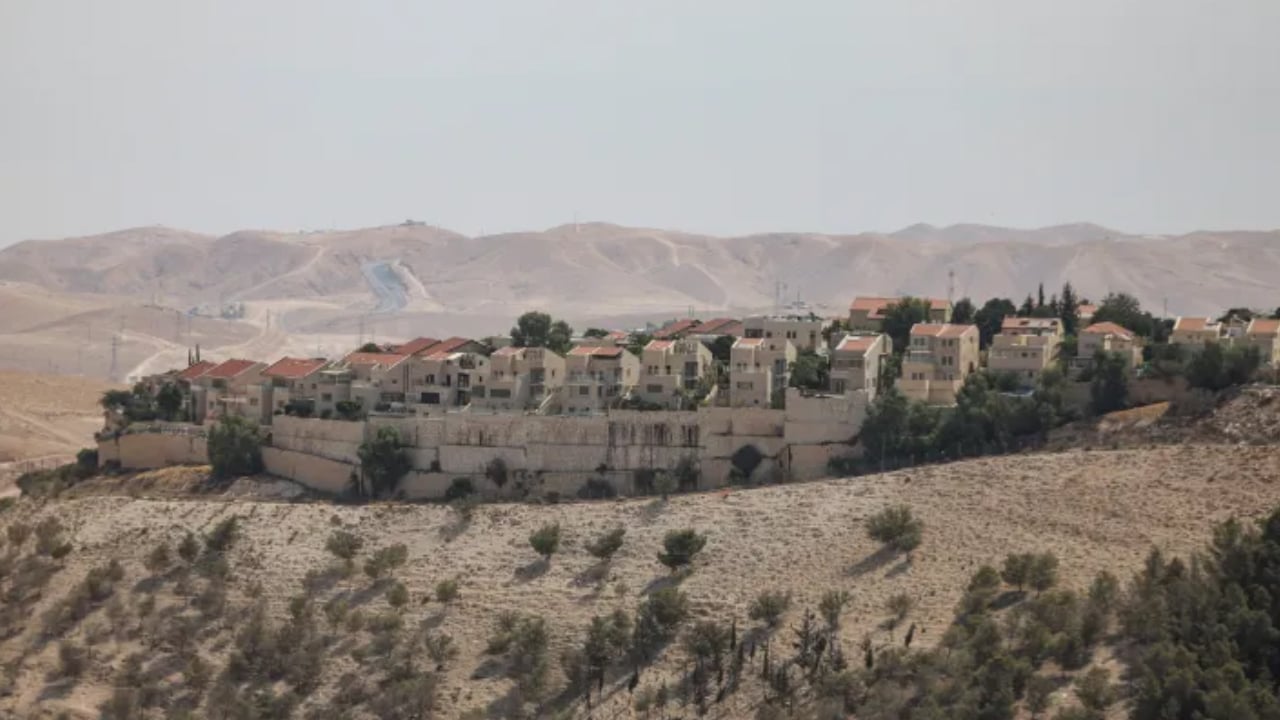
Fourteen countries, including the United Kingdom, France, Canada, and Denmark, have jointly condemned Israel’s decision to authorize 19 new settlements in the occupied West Bank. In a joint statement, the nations described the move as illegal under international law and warned that it endangers the fragile Gaza ceasefire and prospects for long-term regional stability. The statement, endorsed by Belgium, Germany, Italy, Iceland, Ireland, Japan, Malta, the Netherlands, Norway, Spain, and the United Kingdom, urged Israel to reverse the decision. The countries reaffirmed their opposition to any annexation or expansion of settlements and reiterated support for the Palestinian right to self-determination. Israel’s far-right Finance Minister Bezalel Smotrich confirmed the approval, stating the plan aims to prevent the creation of a future Palestinian state. Diplomatic observers warn that the move could further strain Israel’s relations with Western allies and complicate ongoing mediation efforts to sustain the Gaza truce. The development underscores renewed tensions surrounding the two-state solution and international law compliance.
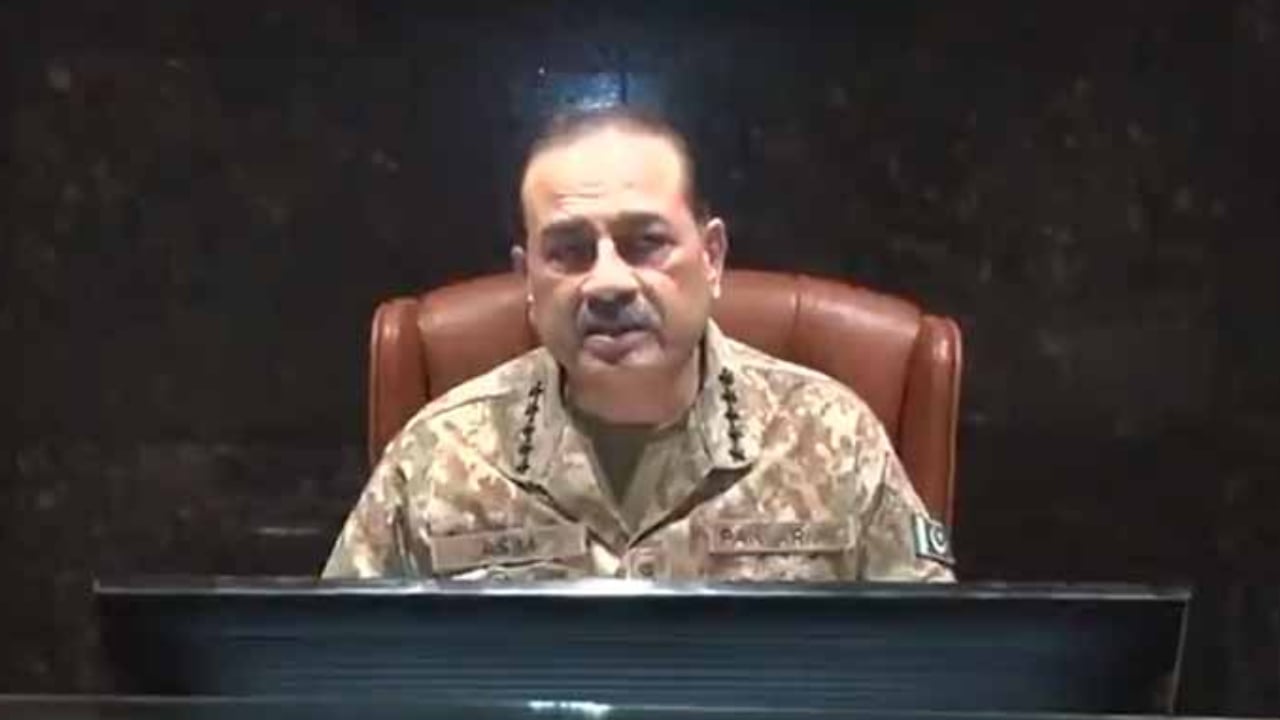
Pakistan’s Chief of Army Staff, Field Marshal Asim Munir, declared that any attempt to undermine national unity, security, or stability will not be tolerated. Speaking at the 273rd Corps Commanders Conference in Rawalpindi, he emphasized the armed forces’ determination to counter terrorism and reject links between militancy, crime, and political interests, according to an Inter-Services Public Relations (ISPR) statement. Munir commended the military’s professionalism and sacrifices in recent intelligence-based counterterrorism operations across the country. He reaffirmed Pakistan’s unwavering support for the Kashmiri people’s right to self-determination and reiterated Islamabad’s principled stance on the Palestinian issue, calling for an immediate ceasefire in Gaza and unhindered humanitarian access. The conference underscored the army’s commitment to national stability amid ongoing regional tensions. Analysts view Munir’s remarks as a signal of the military’s intent to maintain internal cohesion and assert its role in Pakistan’s evolving security and political landscape.
Bangladesh Bank announced that depositors of five troubled Islamic banks undergoing merger will be able to withdraw up to Tk 200,000 from next Monday. The funds will be disbursed through the Deposit Insurance Fund, and withdrawals can be made directly from the respective branches. The five banks—First Security Islami Bank, Global Islami Bank, Social Islami Bank, EXIM Bank, and Union Bank—are being consolidated into the newly approved Combined Islami Bank PLC. According to central bank officials, the withdrawal process faced initial complications but is now ready to proceed. Customers with deposits exceeding Tk 200,000 will be allowed phased withdrawals every three months, while senior citizens and cancer patients will face relaxed restrictions. The new bank’s paid-up capital is set at Tk 350 billion, with Tk 200 billion from the government and Tk 150 billion from the insurance fund. The merger aims to restore depositor confidence and stabilize the banking sector after years of loan defaults. Bangladesh Bank has also ordered the cancellation of existing shares of the five banks due to negative asset values under the Bank Resolution Ordinance.

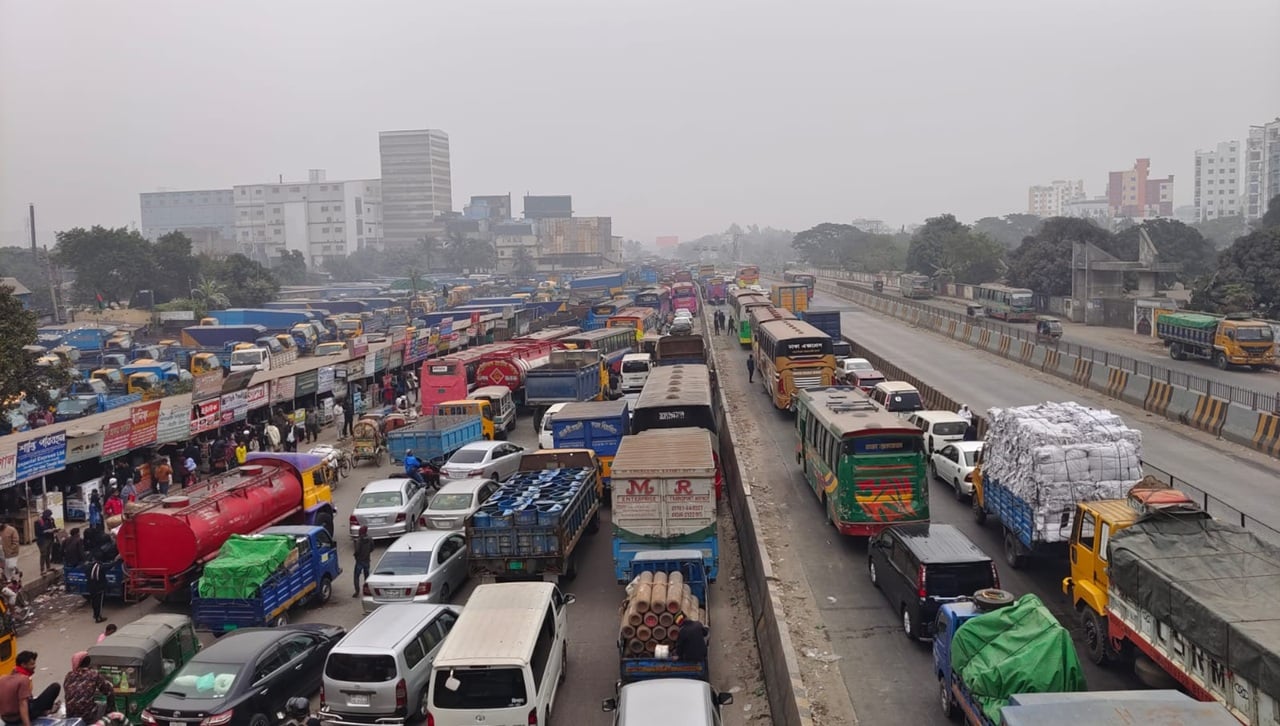
Heavy traffic congestion paralyzed Chittagong Road from Wednesday night as BNP’s acting chairman Tareque Rahman returned to Bangladesh for a three-day visit. The gridlock intensified Thursday morning, with vehicles remaining stationary for over ninety minutes. Commuters leaving Dhaka for other districts faced major delays, particularly between Signboard and Kanchpur, though inbound traffic toward Dhaka remained normal. Transport staff and local witnesses reported intermittent relief in traffic flow overnight but said conditions worsened again in the morning. The congestion coincided with the start of a national holiday period, amplifying the number of outbound travelers. Authorities have yet to issue an official statement on traffic management measures. The situation underscores Dhaka’s chronic traffic challenges, especially during political or holiday events. Officials may deploy additional traffic police and coordinate with highway authorities to ease movement ahead of the weekend rush.
Pope Leo XIV presided over his first Christmas Mass as pontiff on Wednesday at St. Peter’s Square, drawing thousands of worshippers despite heavy rain. Around 5,000 people gathered outside the basilica to follow the ceremony on large screens, while another 6,000—including senior clergy and diplomats—attended inside. The 70-year-old American-born pope described Christmas as a celebration of faith, mercy, and hope, and criticized what he called a “distorted economy” that turns people into commodities. Leo’s address avoided direct political commentary, focusing instead on spiritual reflection. His restrained tone contrasted with that of his late predecessor, Pope Francis, who died in April. The Mass included traditional hymns and rituals, such as placing the infant Jesus statue in a manger. Leo also revived an older tradition by scheduling a second Christmas Day prayer and the “Urbi et Orbi” blessing from the basilica balcony. Earlier, the pope urged a global ceasefire for Christmas, lamenting Russia’s rejection of the appeal regarding Ukraine. The celebration also marked the conclusion of the Catholic Church’s Jubilee Holy Year, which brought millions of pilgrims to Rome.

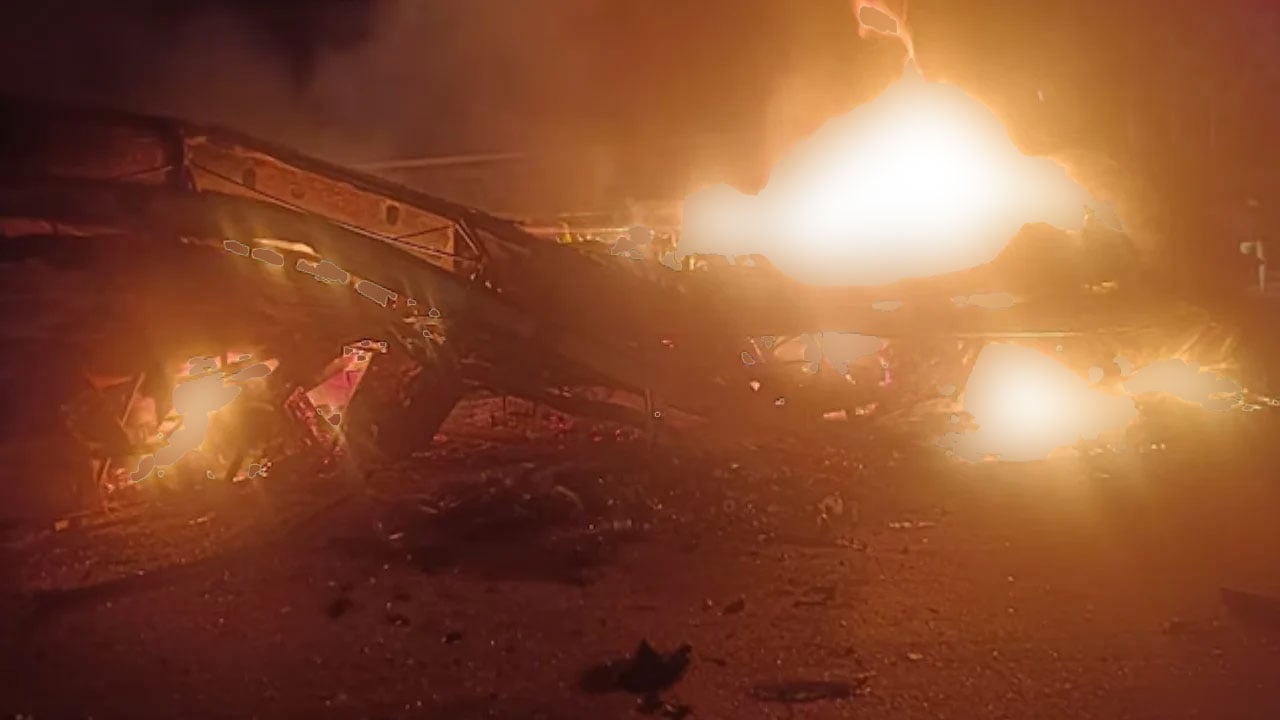
At least 20 people were killed when a passenger bus caught fire following a head-on collision with a truck in Chitradurga district of Karnataka, India, early Thursday morning. The accident occurred around 2:30 a.m. on National Highway 48 as the bus was traveling from Bengaluru to Shivamogga. Police said the truck crossed the divider and rammed into the bus, triggering an immediate blaze that trapped passengers inside. Rescue teams from the police and fire department rushed to the scene, managing to save several injured passengers who were taken to hospitals in Hiriyur and Chitradurga. Officials fear the death toll may rise as some victims remain in critical condition. Preliminary investigations suggest the truck driver may have fallen asleep at the wheel, causing him to lose control and cross into oncoming traffic. Traffic on the busy highway was temporarily halted but later resumed after the vehicles were removed and the fire was brought under control. Authorities have launched a detailed inquiry into the cause of the accident.
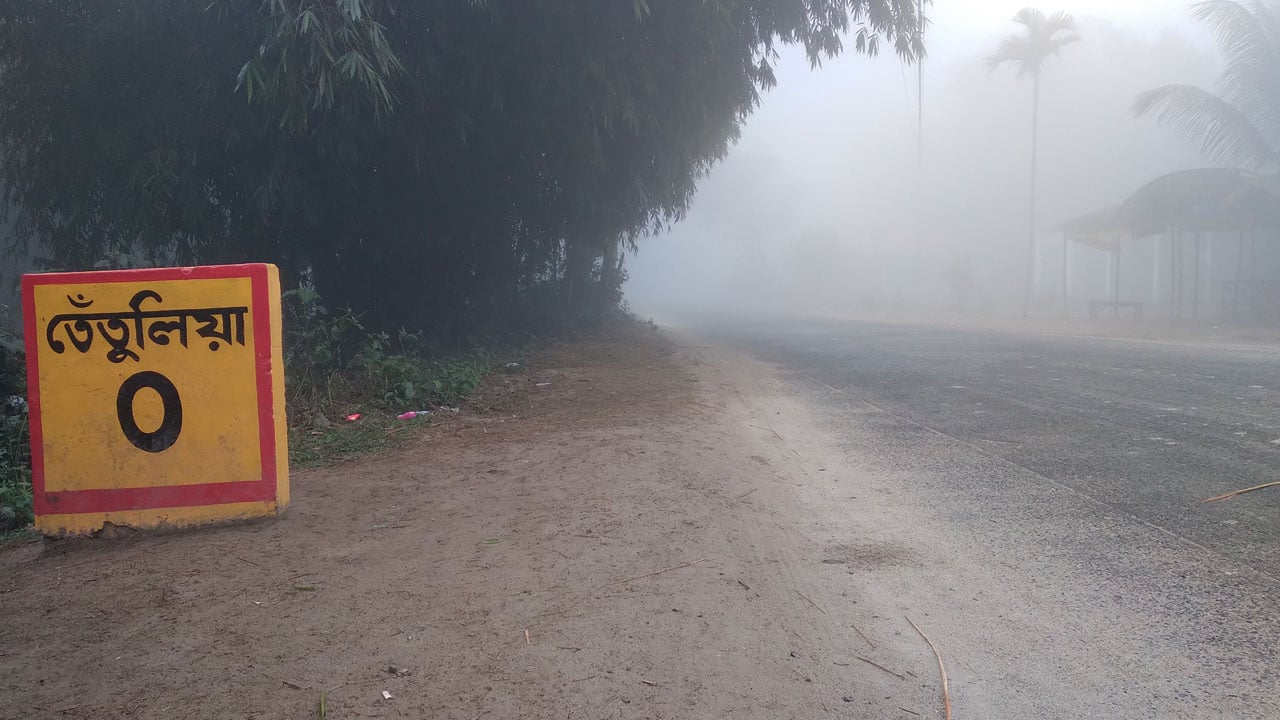
A sharp drop in temperature has brought intense cold to Tetulia, Panchagarh, where the local weather office recorded 10.5°C on Thursday. Dense fog and chilly northern winds have disrupted normal life, forcing residents to stay indoors except for urgent needs. Visibility on highways has been severely reduced, prompting vehicles to move with headlights on throughout the day. According to Jitendranath, acting officer of the Tetulia Meteorological Observatory, a mild cold wave had passed earlier this month, but temperatures have been steadily falling again since December 20. He warned that another cold wave may be approaching, likely intensifying the current cold conditions. Authorities and residents are bracing for harsher weather in the coming days, with concerns about health risks and disruptions to agriculture and transportation. Relief measures, including distribution of warm clothing, are expected to be stepped up if the cold persists.
The ‘1 Nojor’ media platform is now live in beta, inviting users to explore and provide feedback as we continue to refine the experience.