

The ‘1 Nojor’ media platform is now live in beta, inviting users to explore and provide feedback as we continue to refine the experience.
Ukrainian President Volodymyr Zelensky used his Christmas address to deliver one of his most direct condemnations of Russian President Vladimir Putin, expressing a wish for his death. The statement came as Ukraine faced another wave of Russian missile and drone attacks that killed at least three people and left large parts of the country without power. Zelensky said that despite Russia’s ongoing aggression, it had failed to destroy Ukrainians’ unity, faith, and spirit. Without naming Putin directly, he declared that Ukrainians shared a single hope — the death of the man responsible for their suffering. His remarks followed a series of Russian strikes using ballistic and Kinzhal missiles, which Kyiv described as one of the most intense bombardments in recent weeks. The comments underscored the deepening hostility between Kyiv and Moscow as the war nears its third year. Analysts suggest Zelensky’s rhetoric reflects growing frustration with the relentless attacks and the slow pace of Western support. Further escalation in rhetoric and military action is expected as both sides brace for a harsh winter.

Bangladesh is experiencing a sharp drop in temperature, with cold winds and dense fog gripping much of the country, including the capital Dhaka. According to the Bangladesh Meteorological Department (BMD), the current cold spell is expected to persist for at least five more days, with nighttime temperatures falling by 1–2°C and daytime temperatures also slightly lower. The lowest temperature recorded on Thursday was 10.2°C in Rajshahi, while Dhaka saw 14°C. Meteorologists said that while no formal cold wave has yet developed, the chill is being felt more intensely due to fog and reduced sunlight. Experts attribute the conditions to a subcontinental high-pressure system that is amplifying the cold. The BMD forecasts that temperatures may drop further around the start of the new year. The cold has worsened hardship for low-income and homeless residents, many seen huddling on city streets. Meanwhile, sales of winter clothing have surged in local markets as people prepare for a potentially harsher cold phase ahead.
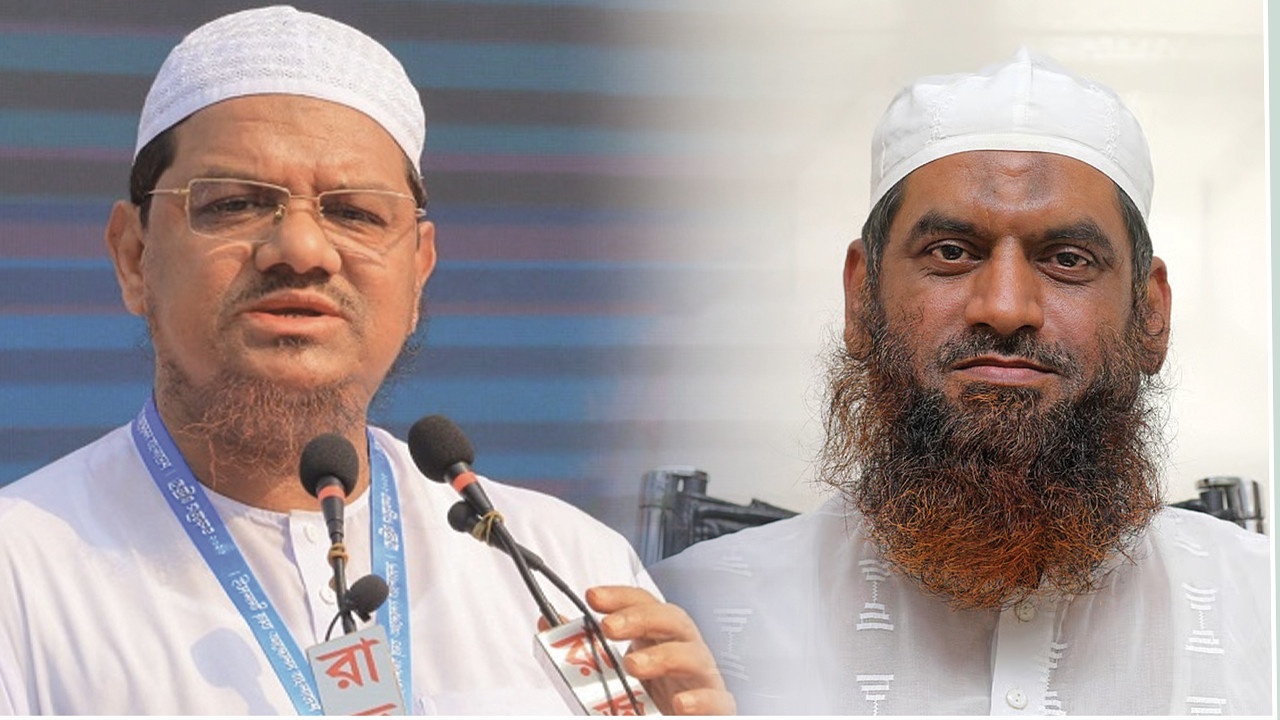
A major rift has emerged within the eight-party Islamist alliance led by Jamaat-e-Islami as negotiations over seat-sharing for the upcoming national election stall. The coalition, which includes Islami Andolan Bangladesh led by Charmonai Pir Syed Rezaul Karim and Bangladesh Khelafat Majlish led by Maulana Mamunul Haque, has failed to finalize a unified candidate list despite multiple liaison committee meetings. Both parties are demanding significantly higher seat allocations—around 100 for Islami Andolan and 25–30 for Khelafat Majlish—creating pressure on Jamaat, which aims to contest at least 200 constituencies. Sources suggest that if demands remain unmet, Islami Andolan and Khelafat Majlish may withdraw to form a separate platform, possibly encouraged by external political assurances. Jamaat leaders, however, maintain optimism that consensus will be reached before the nomination withdrawal deadline. The inclusion of the Nationalist Congress Party (NCP), seeking 50 seats, has further complicated talks. Analysts note that the outcome of these negotiations could reshape Islamist political alignments and influence opposition strategies in the forthcoming election.
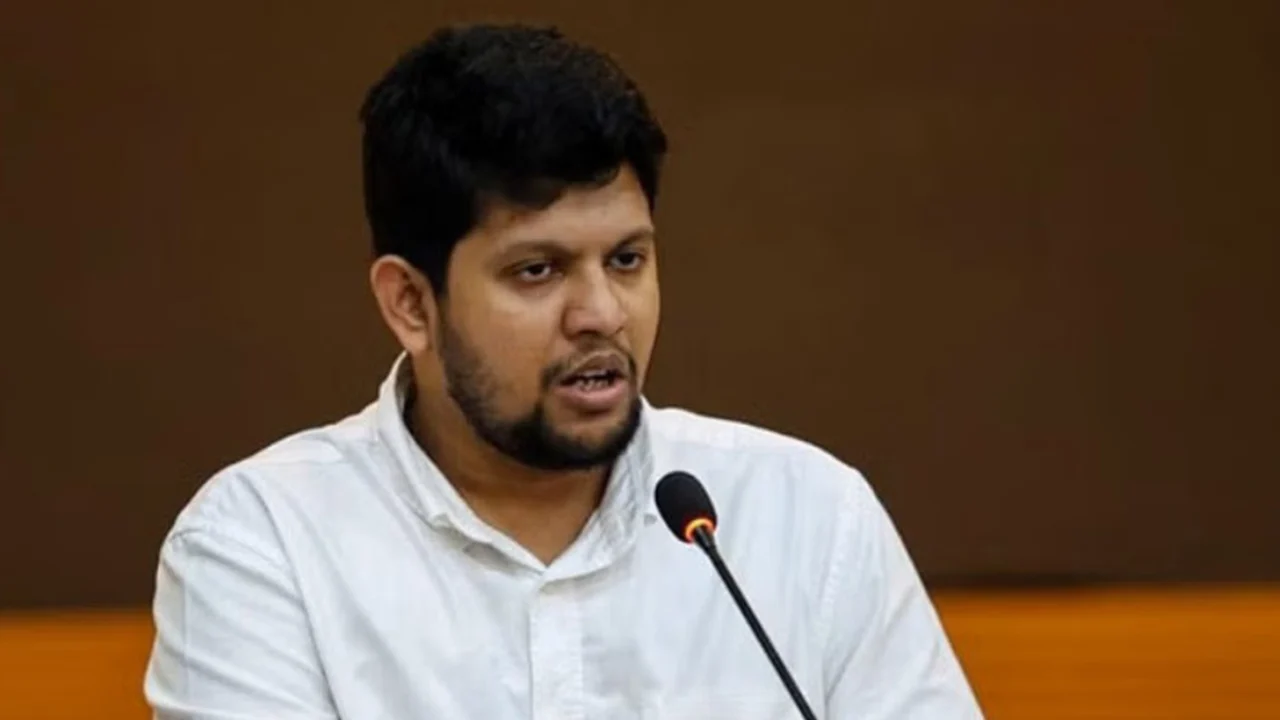
Former Information and Broadcasting Adviser Mahfuz Alam stated that the Zia family’s long-standing commitment to Bangladesh’s sovereignty and democracy has once again been proven. In a Facebook post on Thursday evening, he welcomed Tarique Rahman’s return to Bangladesh after 17 years in exile, expressing hope that his comeback would strengthen public confidence in democratic governance. Tarique Rahman, son of former President Ziaur Rahman and BNP Chairperson Khaleda Zia, left Bangladesh in 2008 for medical treatment following his release from an 18-month detention under the military-backed caretaker government. Since then, multiple corruption cases had kept him abroad. His return marks the end of a prolonged absence that began during a politically turbulent period. Political observers note that Tarique’s homecoming could reshape the opposition landscape ahead of future elections. Supporters view it as a symbolic moment for the BNP’s revival, while critics remain cautious about its political and legal implications.
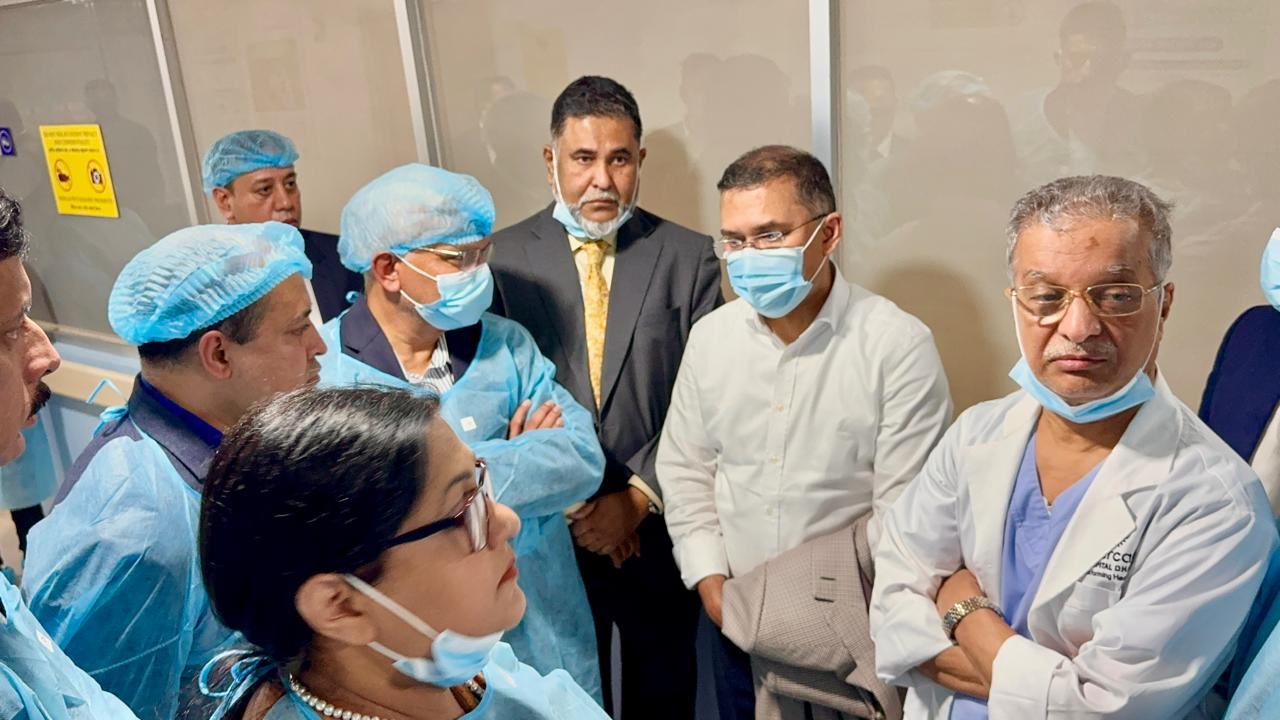
BNP Acting Chairman Tarique Rahman visited his mother, former Prime Minister and BNP Chairperson Begum Khaleda Zia, who is currently receiving treatment in the Intensive Care Unit (ICU) of Evercare Hospital in Dhaka. He was accompanied by his wife, physician Dr. Zubaida Rahman, and daughter, Barrister Zaima Rahman. During the visit, Tarique Rahman inquired about his mother’s condition and spoke with the attending medical team. Outside the ICU cabin, Khaleda Zia’s personal physician, Professor Dr. A.Z.M. Zahid Hossain, was seen briefing family members about her health status and ongoing treatment. Khaleda Zia, who has been suffering from multiple health complications, has been under close medical supervision for several weeks. Her condition continues to draw attention from political circles and supporters. The visit marks a rare public appearance by Tarique Rahman, who has been living abroad for years. Party insiders say his presence underscores the family’s concern and the BNP leadership’s focus on Khaleda Zia’s health amid ongoing political developments in Bangladesh.
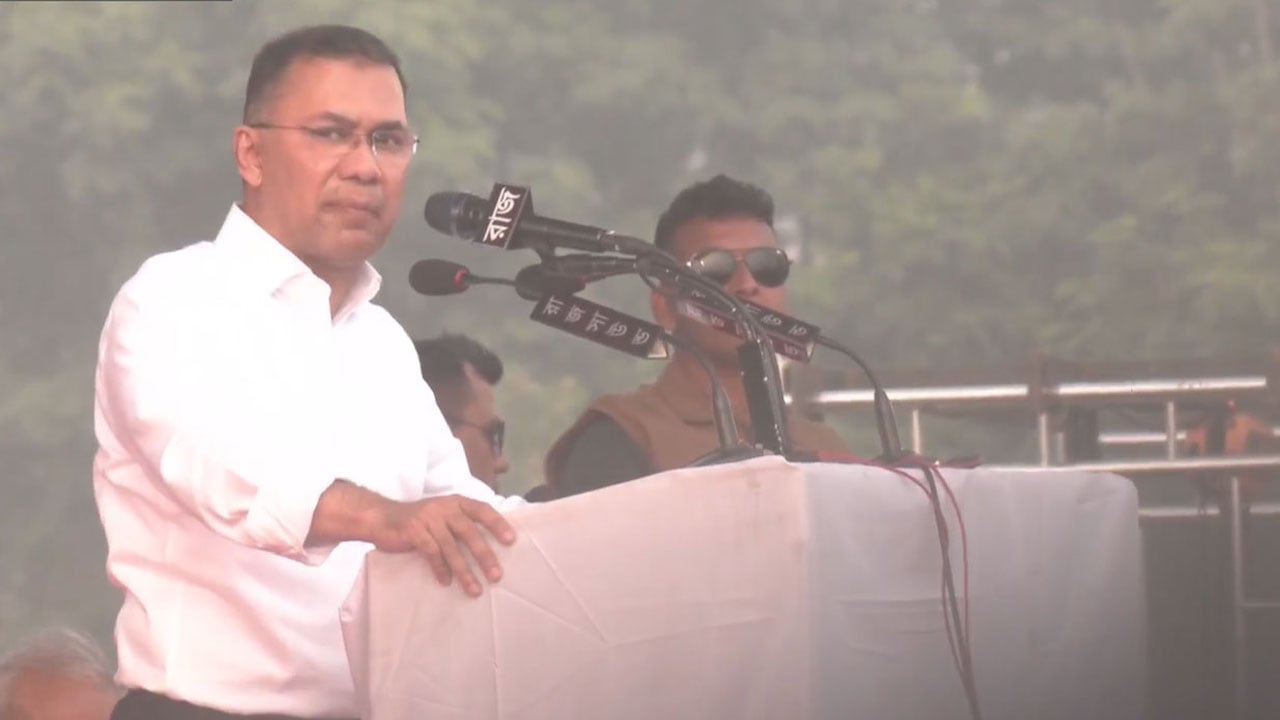
BNP’s acting chairman Tarique Rahman paid tribute to Shaheed Sharif Osman Hadi during a public reception in Purbachal on December 25, emphasizing Hadi’s vision for restoring the people’s economic rights. Rahman recalled Hadi’s recent martyrdom and linked his sacrifice to the broader struggle for a just and prosperous Bangladesh. In his address, Rahman urged citizens of all faiths—Muslims, Hindus, Buddhists, and Christians—to unite in building a peaceful nation. Drawing parallels between the liberation struggle of 1971 and the defense of sovereignty in 2024, he said Bangladeshis now seek to reclaim their rights to free speech and democracy. He highlighted the role of the youth in shaping the country’s future and stressed the need for a democratic system supported by a strong economic foundation. Rahman concluded by repeating his call for peace, underscoring that national harmony and inclusive development are essential for fulfilling the sacrifices of past generations.
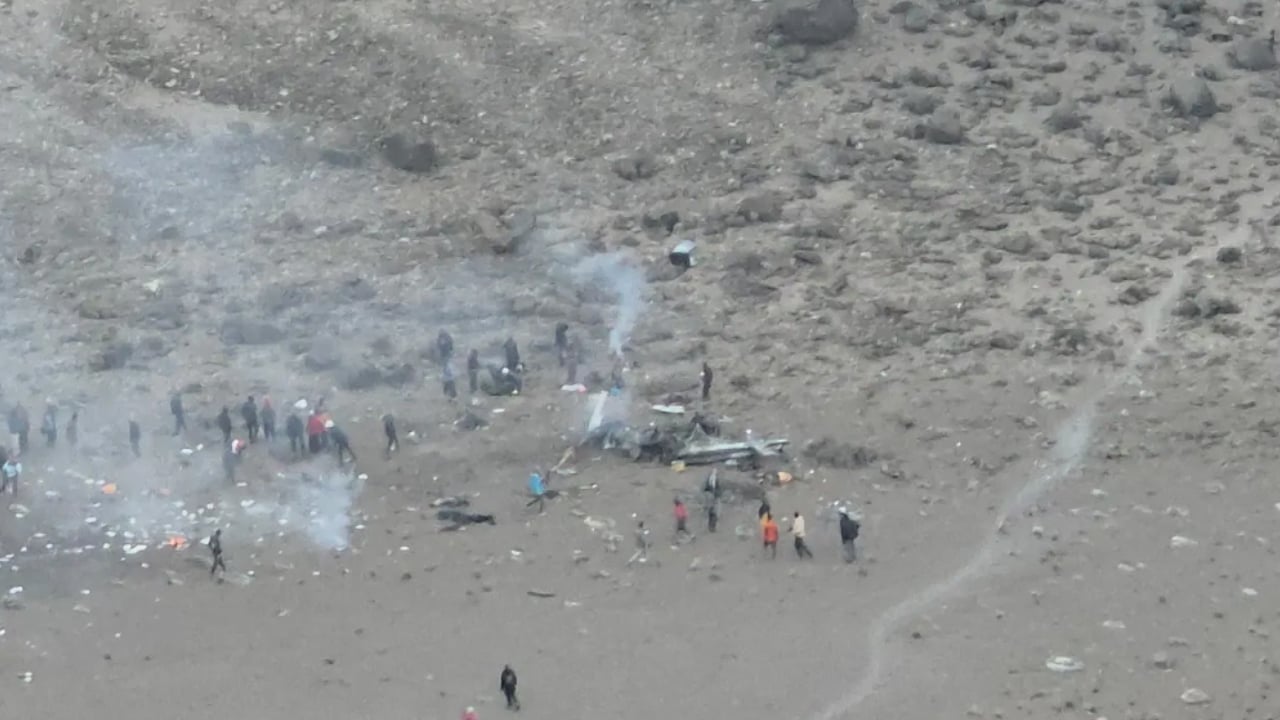
A helicopter conducting a medical evacuation mission crashed near Barafu Camp on Mount Kilimanjaro, Tanzania, killing five people, the country's Civil Aviation Authority confirmed on Thursday. The victims included two foreign nationals, a local doctor, a tour guide, and the pilot. The crash occurred on Wednesday at an altitude between 4,670 and 4,700 meters, according to local media reports. Mount Kilimanjaro, Africa’s highest peak at nearly 6,000 meters above sea level, attracts around 50,000 climbers annually. The Tanzanian Civil Aviation Authority stated that an investigation has been launched in accordance with international aviation safety protocols. Helicopter crashes in this region are rare; the last recorded incident occurred in November 2008, resulting in four deaths. Authorities are now focusing on determining the cause of the crash, with weather conditions and mechanical failure among possible factors. The tragedy underscores the risks associated with high-altitude rescue operations in challenging terrain.
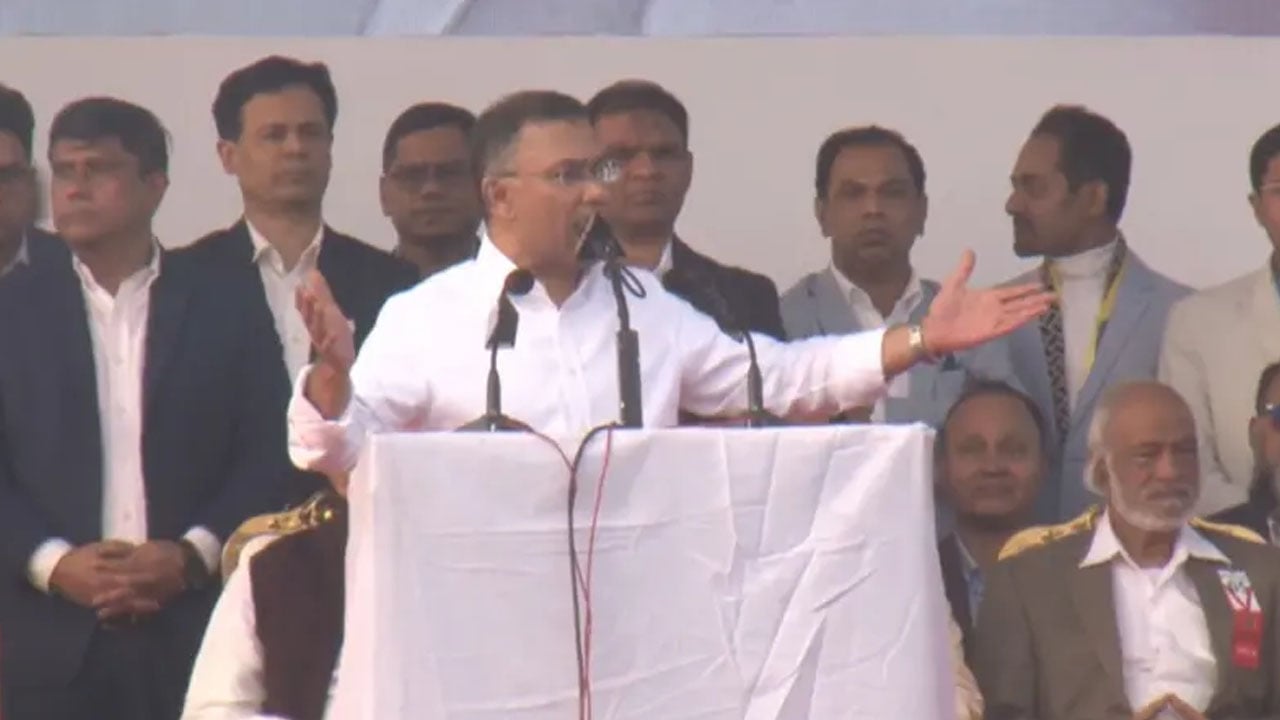
Bangladesh Nationalist Party (BNP) Acting Chairman Tarique Rahman delivered his first public speech in Dhaka after returning to Bangladesh following 17 years of exile. Speaking at a mass reception on the 300 Feet Road on December 25, he expressed gratitude to God and pledged to build a just and inclusive nation modeled on the fairness of the Prophet Muhammad (PBUH). Rahman emphasized unity among all religious communities, calling on citizens to work together for peace and national progress. His return marks a significant political moment for the BNP, which has faced leadership challenges during his absence. Party supporters gathered in large numbers to welcome him, viewing his comeback as a potential turning point ahead of future elections. Analysts note that Rahman’s message of justice and inclusivity aims to broaden BNP’s appeal beyond its traditional base. Political observers expect his re-entry to reshape opposition dynamics and test the government’s response to renewed BNP activism in the coming months.
Bangladesh Nationalist Party (BNP) Acting Chairman Tarique Rahman delivered his first public speech in Dhaka after returning to Bangladesh following 17 years in exile. Addressing a massive crowd at a reception event on the 300 Feet Road area, Rahman urged citizens of all faiths—Muslims, Hindus, Buddhists, and Christians—to work together to build a peaceful and inclusive nation. He expressed gratitude to the Almighty for his safe return to his homeland. Rahman arrived at Sylhet Osmani International Airport early on December 25 from London and traveled to Dhaka amid large public gatherings along the route. His return marks a significant political moment for the BNP, which has been under pressure amid ongoing political challenges. Party leaders and supporters hailed his comeback as a potential revival of BNP’s national leadership. Analysts suggest Rahman’s return could reshape Bangladesh’s political landscape ahead of future elections, though questions remain about his legal status and political strategy in the coming months.
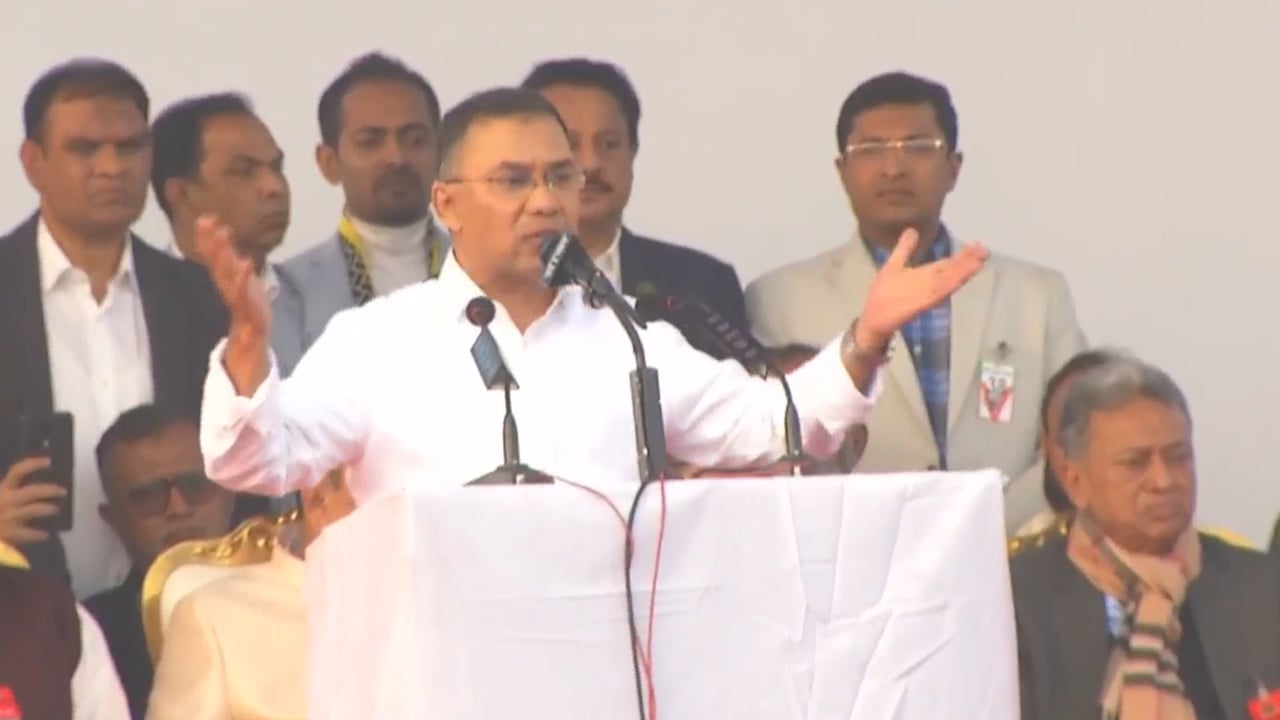
BNP’s acting chairman Tarique Rahman delivered his first public address in Bangladesh after 17 years, speaking at a grand reception event on Dhaka’s 300 Feet Road in Purbachal on December 25, 2025. Expressing gratitude to the Almighty, he said he had returned to his motherland through divine blessings. The rally marked his first direct engagement with supporters since his long exile abroad. In his speech, Rahman compared the people’s recent political struggle to the 1971 Liberation War, asserting that citizens across all sectors—students, farmers, and workers—had united to defend the nation’s sovereignty in 2024. He emphasized the public’s desire to restore democracy and called for collective efforts to rebuild the country. Party leaders and supporters hailed his return as a symbolic revival of BNP’s leadership. Analysts view Rahman’s comeback as a potential turning point for the opposition’s political strategy ahead of future national elections. His remarks suggest a renewed attempt to mobilize grassroots support and reposition BNP in Bangladesh’s evolving political landscape.
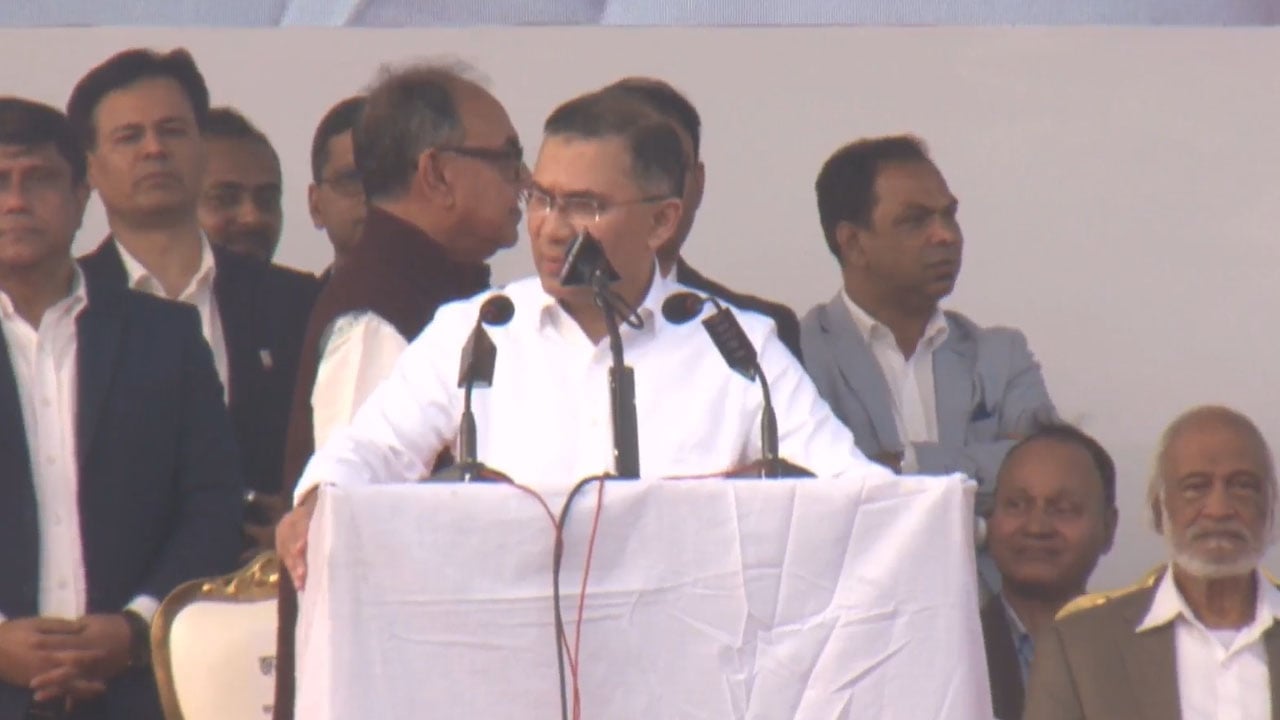
India has strongly condemned the destruction of a Hindu deity Vishnu statue by Thai forces in a disputed border area with Cambodia. The incident occurred on December 22, when Thai military personnel reportedly used an excavator to demolish the statue located about 100 meters inside Thai territory near the An Ses area. The Indian Ministry of External Affairs said such acts hurt the sentiments of devotees worldwide and urged both nations to maintain peace and prevent further loss of life or property. The statue, built in 2014, had been a symbol of shared cultural heritage between Buddhist and Hindu communities. Cambodia’s Preah Vihear provincial spokesperson Lim Chanpanha also denounced the act, calling it a violation of religious respect. The border dispute between Thailand and Cambodia, which reignited in July despite a U.S.-brokered ceasefire, has seen sporadic clashes in recent months. Analysts warn that the destruction could further strain regional relations and complicate ongoing peace efforts. Diplomatic observers expect renewed international mediation to prevent escalation along the sensitive frontier.

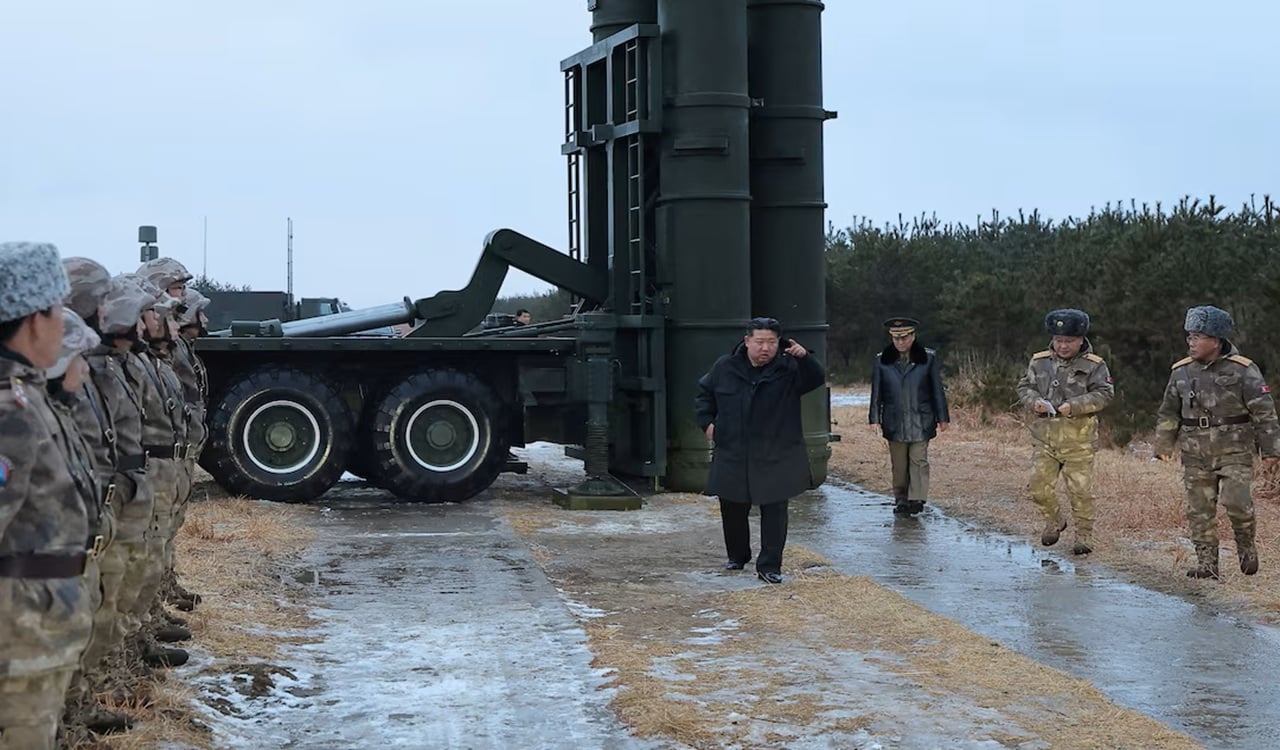
North Korean leader Kim Jong Un personally supervised the test launch of a new long-range surface-to-air missile from the country’s eastern coast, according to the state-run Korean Central News Agency (KCNA). The missile reportedly destroyed an aerial target about 200 kilometers away, marking a step in Pyongyang’s development of high-altitude defense technology. KCNA added that Kim also inspected a nuclear-powered submarine under construction, weighing around 8,700 tons and designed to launch surface-to-air missiles. The project is part of North Korea’s broader naval modernization program, one of five key defense priorities announced by the ruling party. Kim emphasized that global instability makes nuclear and naval modernization “inevitable,” criticizing U.S.–South Korea cooperation on nuclear submarines as a threat to regional security. The developments come as Russia’s President Vladimir Putin sent a New Year message to Kim, highlighting 2025 as a potentially significant year for Moscow–Pyongyang relations, signaling deepening strategic ties amid global geopolitical shifts.
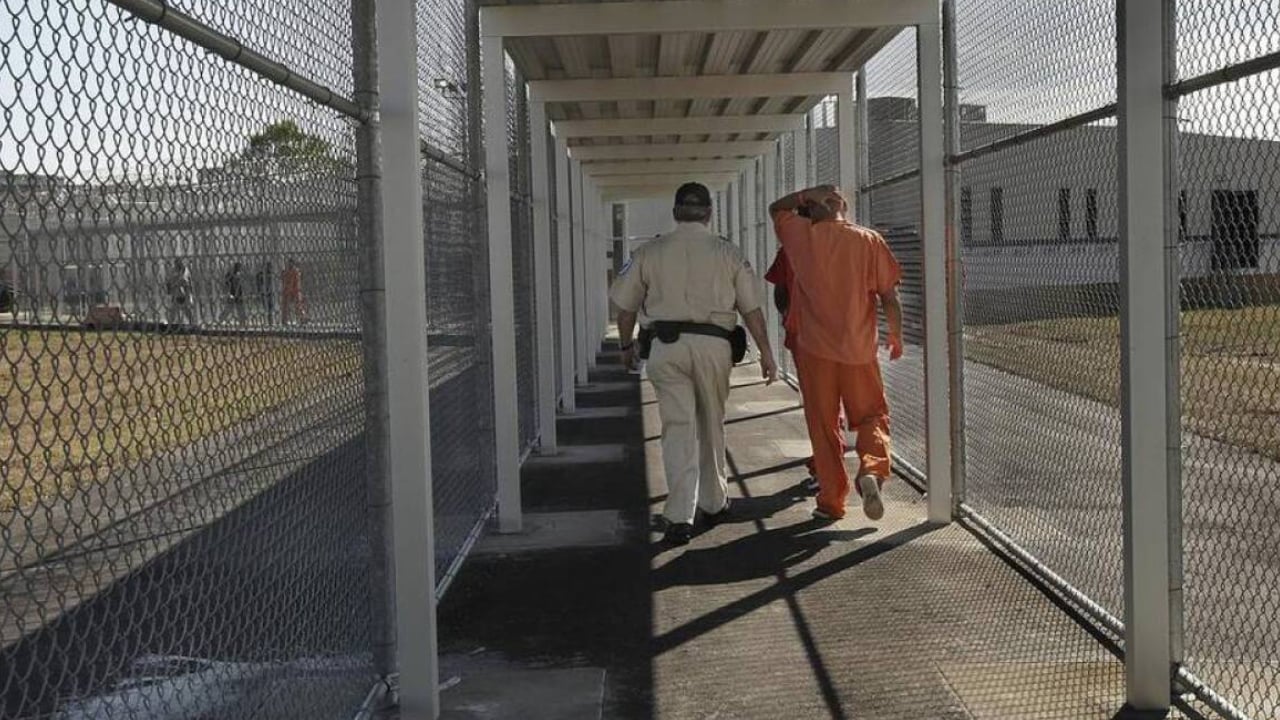
The Trump administration is reportedly preparing to detain around 80,000 undocumented migrants in large warehouse facilities across the United States, according to a draft plan obtained by The Washington Post. The initiative, led by the U.S. Immigration and Customs Enforcement (ICE), includes the establishment of at least 22 detention warehouses nationwide, marking one of the largest expansions of migrant detention infrastructure in U.S. history. The plan outlines the conversion of industrial warehouses in key states such as Texas, Virginia, Louisiana, Arizona, Georgia, and Missouri into holding centers. Seven major facilities would each accommodate between 5,000 and 10,000 detainees, while 15 smaller centers would hold 500 to 1,500 people each. The move follows a record-high detention rate, with more than 70,000 migrants currently in custody. Critics have raised concerns over human rights and logistical feasibility, while supporters argue it strengthens border enforcement. The proposal signals a continuation of President Trump’s hardline immigration stance during his second term, with further deportation operations expected in the coming months.
Bangladesh’s interim government has described the anticipated return of BNP acting chairman Tarique Rahman as a potential turning point in the country’s political landscape. Chief Adviser’s Press Secretary Shafiqul Alam told reporters on Thursday that Rahman’s arrival would help fill an existing political vacuum and contribute positively to the national atmosphere. He made the remarks while exchanging Christmas greetings with the Christian community at Tejgaon’s Holy Rosary Church in Dhaka. Alam emphasized that Bangladesh is currently in a phase of democratic transition, with a major election approaching. He noted that Rahman, as the leader of one of the country’s largest political parties, could play a crucial role in shaping the next phase of political dialogue. The statement has drawn attention from political observers, who see Rahman’s return as a test of both the interim administration’s inclusivity and the opposition’s readiness for electoral engagement. Analysts suggest that Rahman’s re-entry could influence voter sentiment and party mobilization, though challenges remain regarding legal and political reconciliation before the polls.

The Directorate of Secondary and Higher Education (DSHE) of Bangladesh has issued a strict warning to all teachers, students, and staff under its jurisdiction regarding the use of Facebook and other social media platforms. In an urgent circular dated December 24, the Ministry of Education emphasized that any violation of existing social media policies or the newly enacted Cyber Security Ordinance 2025 will be treated as a serious offense. According to officials, the directive aims to maintain discipline in digital spaces and safeguard national security. The notice referenced the 2019 revised guidelines for social media use in government institutions and reiterated the government’s ‘zero tolerance’ stance toward cybercrime. It explicitly prohibits provocative posts, rumor-spreading, or any activity that could harm institutional reputation. Heads of educational institutions have been tasked with ensuring compliance, while authorities confirmed that teachers’ and students’ online activities will be regularly monitored. Violators may face departmental and legal action, with no leniency in the enforcement of the Cyber Security Ordinance 2025.

The ‘1 Nojor’ media platform is now live in beta, inviting users to explore and provide feedback as we continue to refine the experience.