

The ‘1 Nojor’ media platform is now live in beta, inviting users to explore and provide feedback as we continue to refine the experience.
For the second consecutive day, a group of around 200 assailants attacked the Bangladesh High Commission in New Delhi on December 21, 2025. The attackers, reportedly members of a radical Hindu nationalist group called ‘Akhanda Hindurashtra’, gathered at the embassy gate, shouting anti-Bangladesh slogans before launching the assault. The incident followed a similar attack the previous day, raising serious concerns about the safety of Bangladeshi diplomats and their families stationed in India. Video footage from the scene allegedly shows Indian law enforcement officers present but taking little action to prevent the violence, with some reportedly encouraging the attackers. The group behind the assault is known for its extremist agenda advocating the incorporation of Bangladesh into a so-called ‘Greater India’. Bangladeshi officials have expressed deep fear and anxiety following the repeated incidents. Diplomatic observers warn that the attacks could strain bilateral relations between Bangladesh and India if not addressed promptly. Both governments are expected to discuss enhanced security measures for diplomatic missions in upcoming talks.

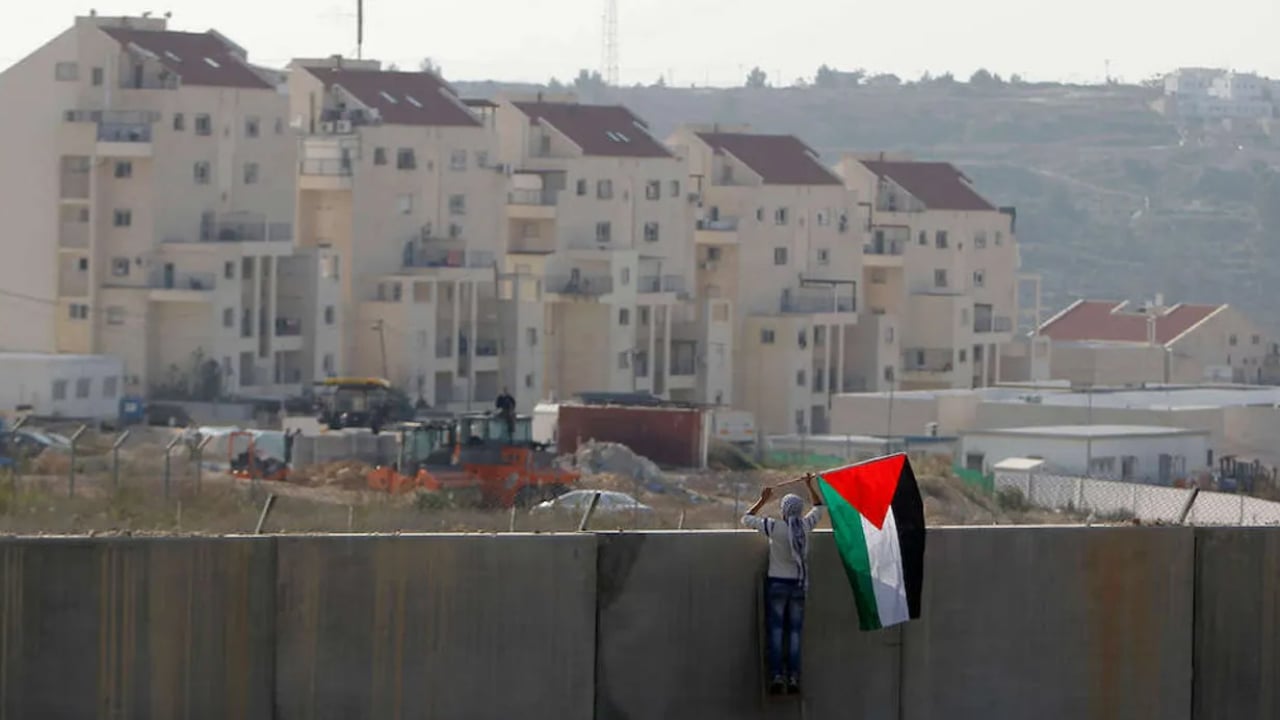
Israel’s security cabinet has approved the establishment of 19 new illegal settlements in the occupied West Bank, according to a government statement released on Sunday. The decision, which brings the total number of approved settlements in the past three years to 69, was announced by the office of Finance Minister Bezalel Smotrich, himself a settler living in the West Bank. The statement reaffirmed Israel’s intent to continue expanding settlements in what it calls Judea and Samaria. The move has sparked strong international backlash. Saudi Arabia condemned the decision, while UN Secretary-General António Guterres criticized it as a serious escalation that undermines prospects for a two-state solution. Guterres warned that continued settlement expansion heightens regional tensions and jeopardizes peace efforts in the Middle East. Analysts say the approval further isolates Israel diplomatically and complicates any future negotiations with the Palestinian Authority. The development is expected to feature prominently in upcoming UN discussions on the Israeli-Palestinian conflict.
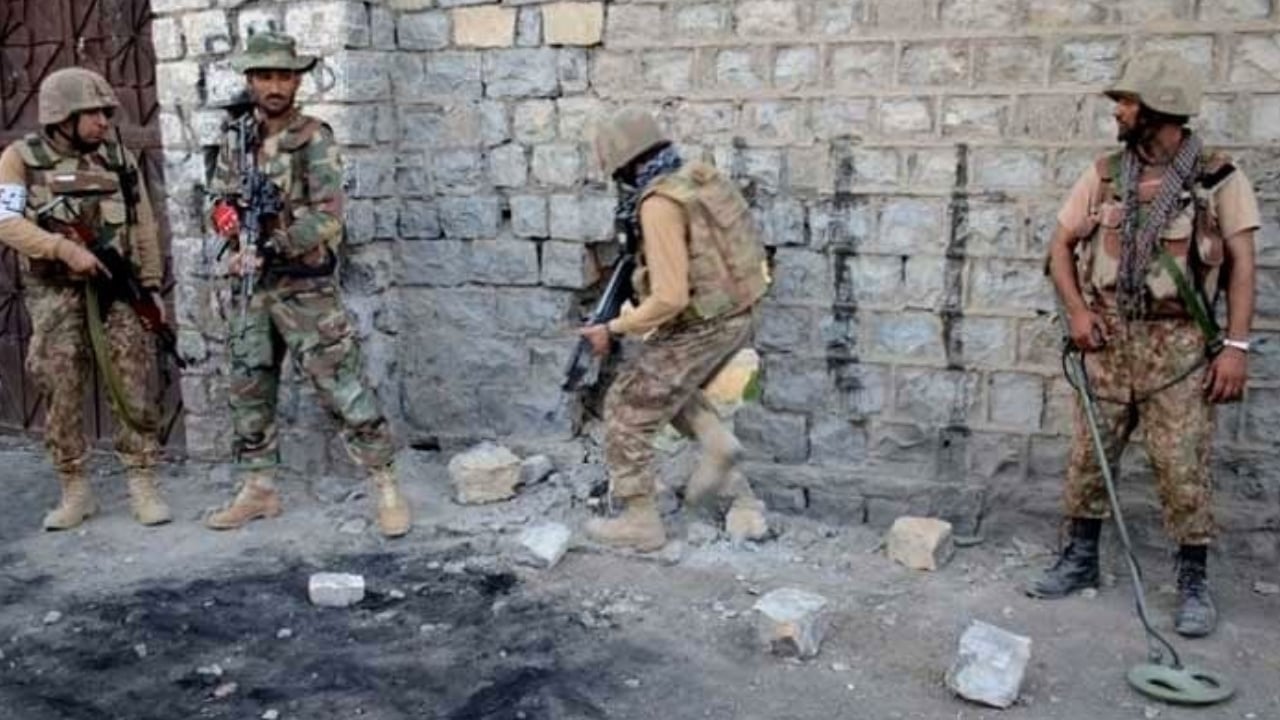
Pakistan’s military confirmed that nine militants allegedly linked to India-backed Al-Khariji network were killed in two separate counterterrorism operations in Khyber Pakhtunkhwa province. The Inter-Services Public Relations (ISPR) said the raids took place on December 19 in Dera Ismail Khan and Bannu districts, following intelligence reports of militant activity. According to ISPR, four militants were killed after an intense gun battle in Dera Ismail Khan, while five others were neutralized in Bannu. Authorities recovered weapons and ammunition from the sites. The slain militants were reportedly involved in attacks on security forces, law enforcement, and civilians. A sanitization operation is ongoing to ensure no further militant presence in the area. Islamabad has repeatedly blamed the surge in cross-border terrorism on developments following the Taliban’s return to power in Afghanistan in 2021. Security analysts warn that the persistent instability in Khyber Pakhtunkhwa and Balochistan could further strain Pakistan’s counterterrorism capacity and regional relations.
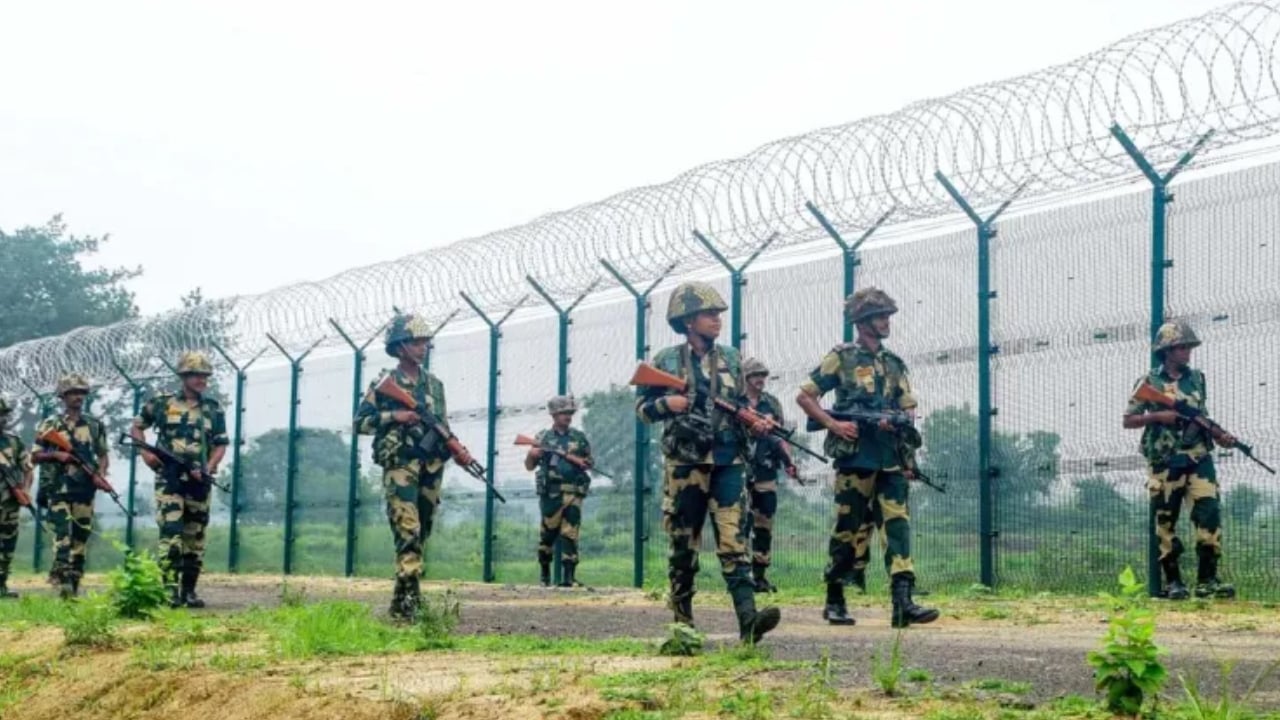
India has pushed back 19 individuals suspected of being Bangladeshi nationals from Assam, according to a statement by Assam Chief Minister Himanta Biswa Sarma on social media. The operation, conducted jointly by Assam Police and the Border Security Force (BSF) in Nagaon and Karbi Anglong districts, was part of the state’s intensified campaign against illegal immigration. Sarma reiterated that Assam would not tolerate unauthorized residents and that border security had been reinforced. Officials confirmed that anyone found without valid citizenship documents would be detained and repatriated under legal provisions. Analysts, however, have raised concerns that such actions may breach international human rights norms and bilateral agreements between India and Bangladesh. Reports indicate that similar pushbacks have occurred previously, involving not only suspected Bangladeshis but also Rohingya refugees and unidentified individuals. Bangladesh’s Border Guard (BGB) stated that some of those forced across the border were registered with the UNHCR in India, adding complexity to the humanitarian and diplomatic dimensions of the issue.
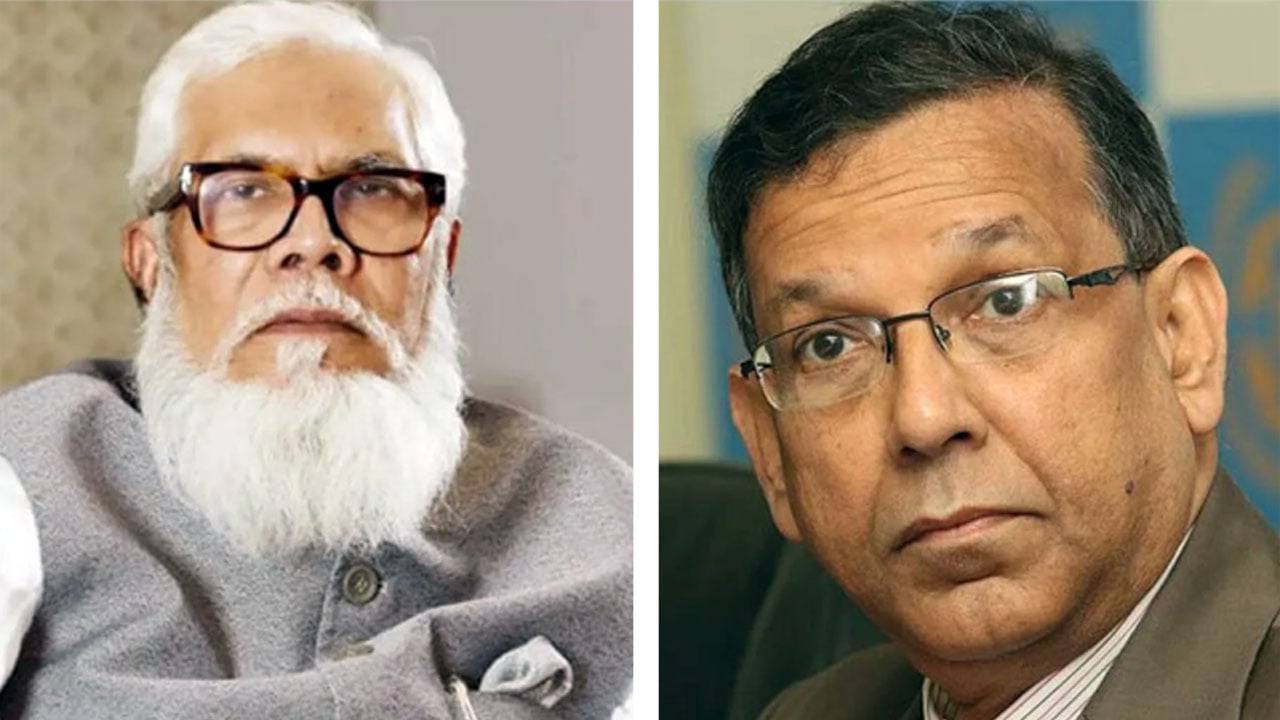
Bangladesh’s International Crimes Tribunal-1 is set to hold a hearing on Monday to formally frame charges against former Prime Minister Sheikh Hasina’s adviser Salman F Rahman and former law minister Anisul Huq. The two are accused of inciting violence and imposing curfews that led to civilian deaths during the July Revolution, a period of political upheaval that followed the fall of the Awami League government. The three-member tribunal, chaired by Justice Golam Mortuza Majumdar with members Shafiul Alam Mahmud and retired judge Mohitul Haque Enam Chowdhury, will hear arguments from the prosecution before defense lawyers present their statements. The formal charges were submitted on December 4, following the pair’s arrest on August 13, shortly after the government’s collapse. Legal analysts say the case marks a critical test for Bangladesh’s post-revolution justice process. The tribunal’s decision on whether to proceed to trial could influence future accountability measures for alleged human rights violations during the July events.
Bangladesh’s stock market has gone 16 months without a single company listing or submitting an initial public offering (IPO) application, marking the longest such pause since the COVID-19 pandemic. The last company to list was Techno Drugs in July 2024. Despite directives from Chief Adviser Dr. Muhammad Yunus to accelerate listings of state-owned and multinational firms, no progress has been made, raising concerns among investors and market analysts. Officials attribute the stagnation to the Bangladesh Securities and Exchange Commission’s (BSEC) ongoing revision of IPO regulations. The new Public Offer of Equity Securities Rules, 2025, has completed public consultation and awaits final approval. BSEC spokesperson Abul Kalam said companies could still apply under the 2015 rules but lacked initiative due to governance issues and restrictive pricing models. Market leaders, including the DSE Brokers Association, criticized the regulator for failing to maintain supply and investor confidence. Analysts warn that the prolonged freeze has set the market back by at least two years, with over a quarter of listed firms now in weak ‘Z’ category. The new IPO framework, expected by December, may determine whether investor trust can be restored in 2026.
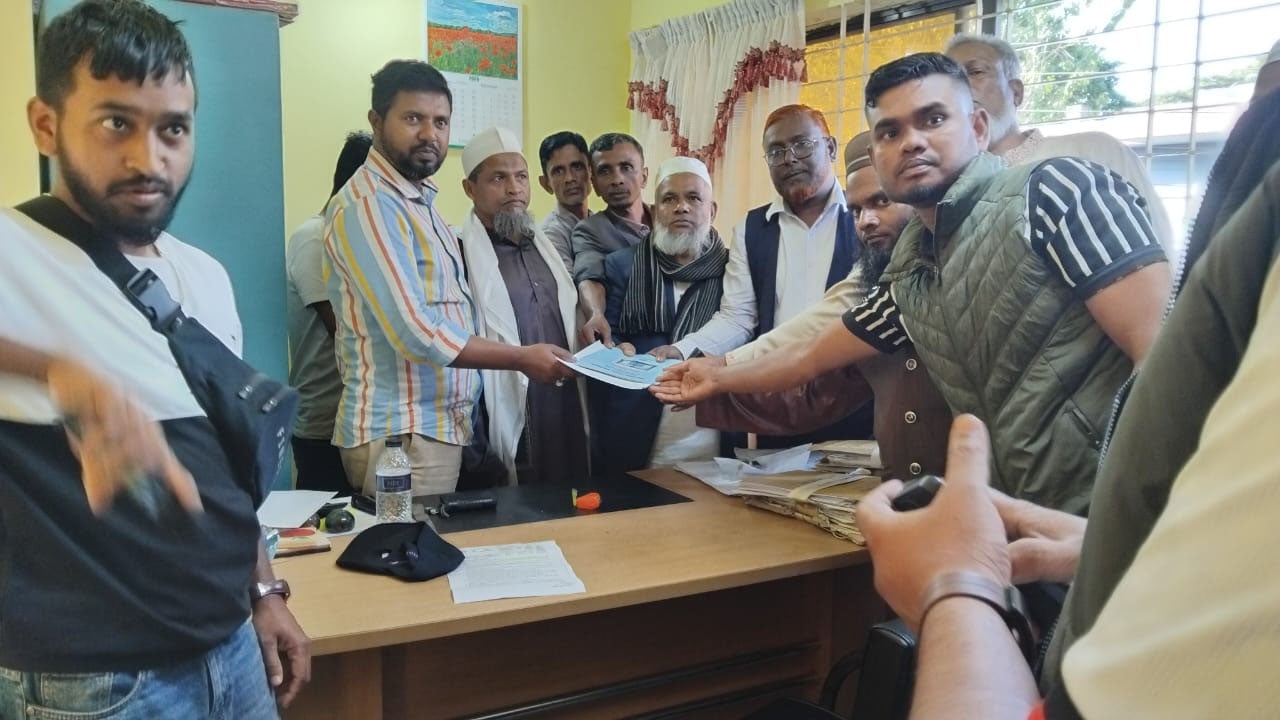
Leaders of Jamiat Ulema-e-Islam have collected nomination papers on behalf of Syed Talha Alam, the AB Party candidate for Sunamganj-3 (Shantiganj-Jagannathpur) constituency. The papers were collected from the Jagannathpur Upazila Election Office under the leadership of central and local Jamiat figures, signaling cross-party cooperation ahead of the upcoming national election. Talha Alam, formerly the publicity secretary of Jamiat’s Mufti Wakkas faction, joined the AB Party on December 16 with the consent of senior Jamiat leaders. Several Jamiat members, including Maulana Hossain Ahmed and Hafiz Syed Wazirul Haque, pledged to work for his campaign, emphasizing unity beyond party lines. They described Alam as a trusted colleague and expressed commitment to voter outreach and campaign coordination. Political observers view this alliance as evidence of Alam’s grassroots appeal and leadership credibility. His candidacy, supported by both AB Party and former Jamiat activists, is expected to strengthen his position in the constituency and potentially reshape local political dynamics ahead of the national polls.
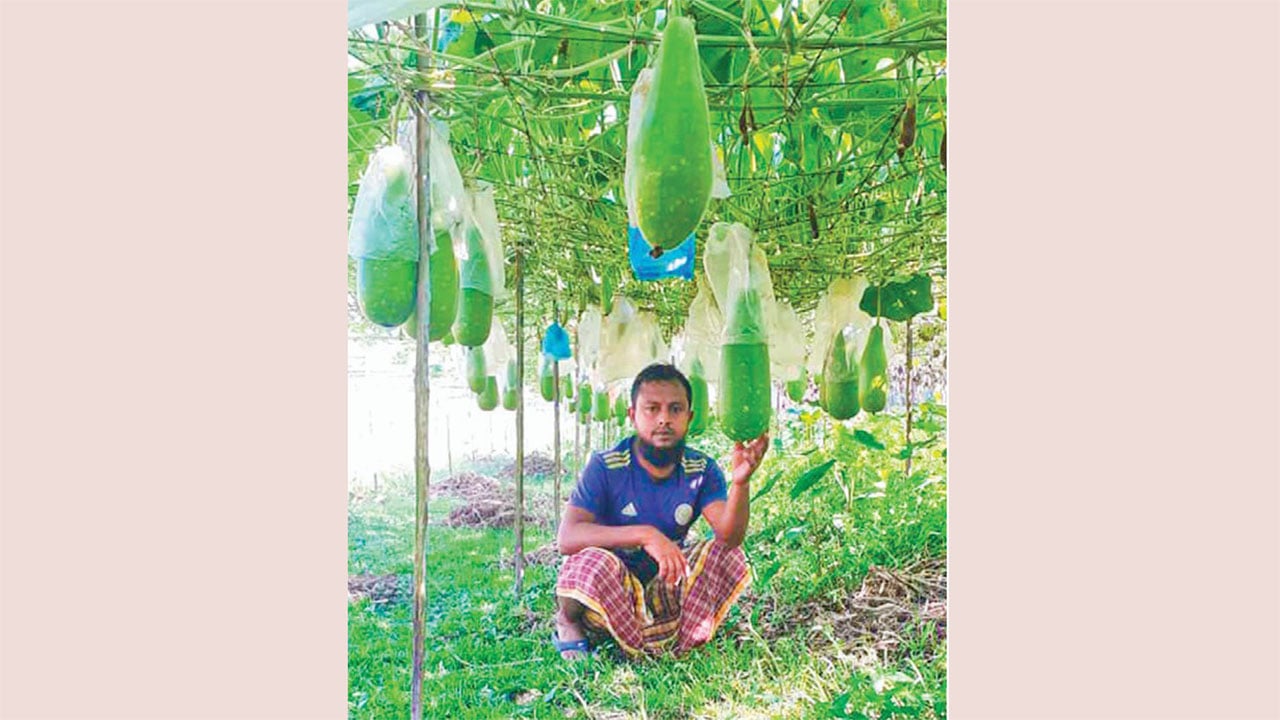
Farmers in Kaukhali upazila of Pirojpur district have seen a remarkable turnaround in fortunes this season through early bottle gourd cultivation. With favorable weather and strong market demand, wholesalers from various regions are purchasing directly from fields, ensuring steady income for growers. Around 58 hectares of land have been brought under bottle gourd cultivation this year, alongside other vegetables such as pumpkin, beans, cucumber, and bitter gourd. Local farmers report significant profits. Mamun Hossain from Purba Keundia village earned about 250,000 taka from early sales and expects to sell another 200,000 taka worth of produce, with production costs of only 30,000–35,000 taka. Another farmer, Sujit, reported sales of around 150,000 taka. Agricultural officers credit the success to Kaukhali’s fertile alluvial soil and continuous technical support. Officials say government projects and training programs have encouraged farmers to adopt improved vegetable varieties. With rising prices and expanding cultivation, bottle gourd farming is emerging as a sustainable income source for rural households in southern Bangladesh.
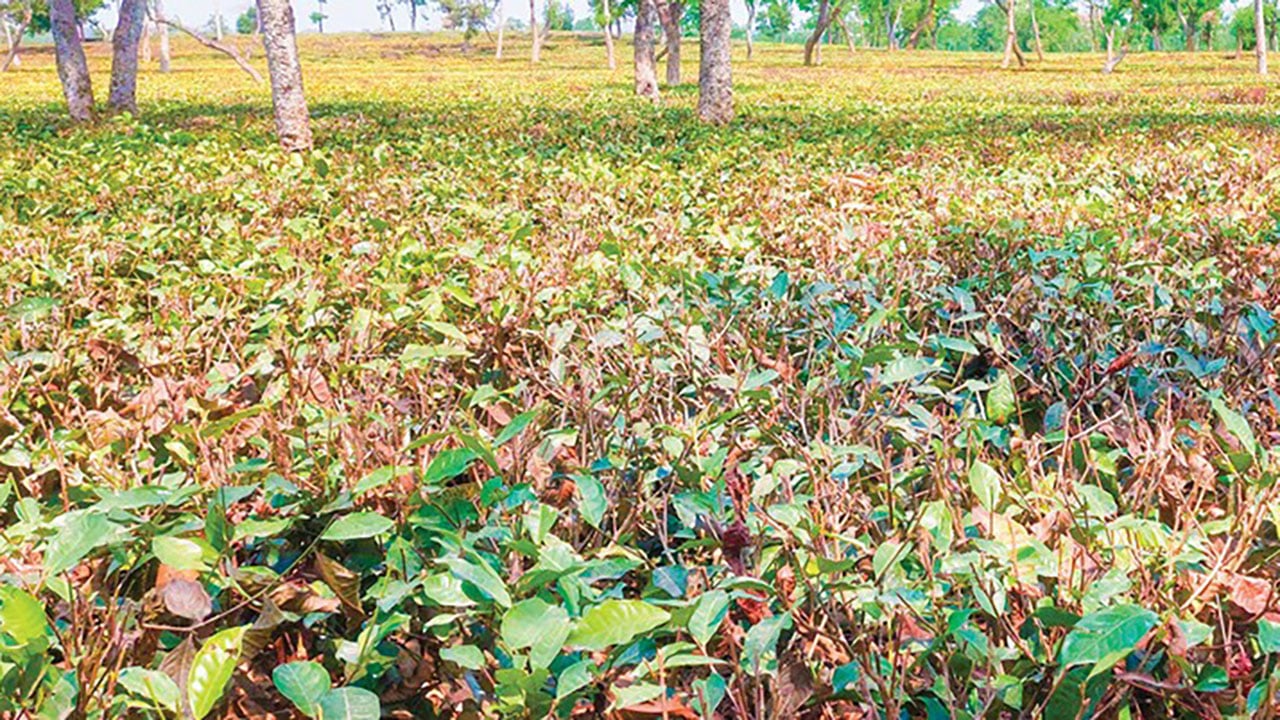
Bangladesh’s tea production has dropped by 10–12% in 2025 due to adverse weather, labor unrest, and rising production costs, raising fears of a collapse in export trade. The National Tea Company and other producers reported that prolonged droughts, heavy rains, and delayed leaf growth have disrupted yields across major tea estates, particularly in Moulvibazar, which hosts more than half of the country’s 171 gardens. Industry stakeholders say the government’s minimum price of Tk 245 per kilogram has failed to offset higher costs for fertilizer, fuel, and pesticides. Auction sales have also declined, while illegal imports of low-quality tea from neighboring countries are undercutting domestic producers. Laborers report reduced earnings as lower yields mean fewer leaves to pluck. Experts warn that without urgent government intervention and improved irrigation, the industry could face long-term decline. Calls are growing for stricter border controls, better quality assurance, and modernization to restore competitiveness in both domestic and export markets.
Thousands of low-income farmers in Langadu upazila of Rangamati are facing severe difficulties as water levels in Kaptai Lake have not receded on time. More than 13,000 farmers are unable to plant Boro rice because their fields remain submerged, raising fears of a food shortage in the coming year. Normally, by the Bengali month of Poush, farmers begin seasonal cultivation, but this year the lake’s water continues to flood agricultural land. Local farmers claim the government has kept the Kaptai dam closed, preventing water release. Agricultural officials report that of Langadu’s 8,000 hectares of farmland, about 6,500 hectares remain underwater. The Upazila Agriculture Office has urged authorities to lower water levels within the month to save the season’s crops. Meanwhile, a Power Development Board manager stated that a proposal was made to maintain current water levels until the upcoming election. If water is not released soon, thousands of families could face economic hardship and food insecurity, prompting calls for urgent government intervention.
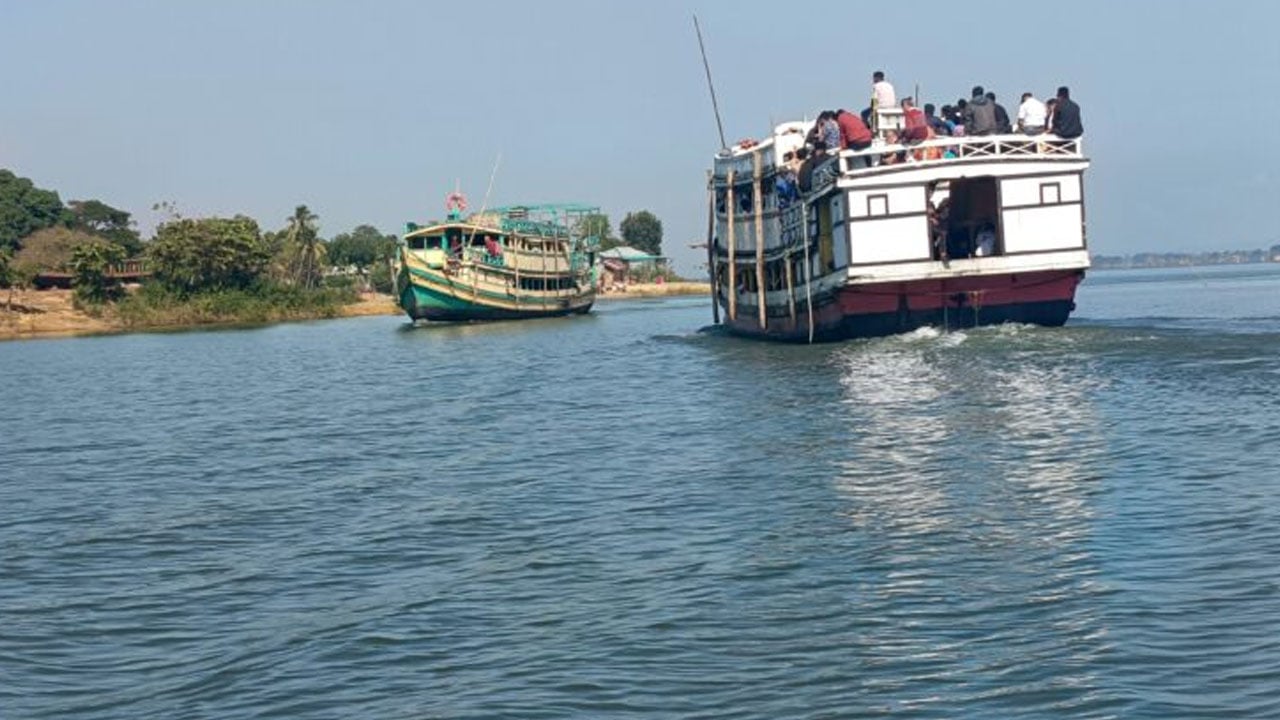
Students at Dhaka University have renewed calls to rename halls and structures bearing the Sheikh family’s names, arguing that such titles symbolize past political dominance. The movement gained momentum following the killing of activist Sharif Osman Hadi, prompting the Dhaka University Central Students’ Union (DUCSU) to stage a sit-in and submit a memorandum to the administration demanding the removal of what they call ‘symbols of fascism.’ Protesters proposed renaming Sheikh Mujibur Rahman Hall to ‘Shaheed Osman Hadi Hall’ and Begum Fazilatunnesa Mujib Hall to ‘Fellani Hall.’ The issue has sparked internal debate within student bodies, with some hall representatives objecting to DUCSU’s unilateral announcements. Alternative names such as ‘Captain Sitara Begum Hall’ also received strong student support. University officials stated that final decisions will be made in an upcoming syndicate meeting. The controversy reflects broader tensions following the July uprising, as students seek to align campus symbols with what they describe as the spirit of political change. Observers note that the outcome may set a precedent for renaming politically affiliated institutions nationwide, testing the balance between historical legacy and post-uprising reform sentiment.

Saudi Arabia has conferred its highest state honor, the King Abdulaziz Medal (Excellent Class), on Pakistan’s Army Chief General Asim Munir. The award was presented by Saudi Defense Minister and Crown Prince Khalid bin Salman in Riyadh, following directives from King Salman, according to the Saudi Press Agency (SPA). The medal recognizes General Munir’s distinguished contributions to strengthening Saudi-Pakistani strategic relations and defense cooperation. During the ceremony, Crown Prince Khalid and General Munir held talks on bilateral defense ties, long-standing military collaboration, and joint efforts to promote international peace and security. The meeting underscored the two nations’ shared commitment to regional stability and counterterrorism coordination. Analysts view the honor as a reaffirmation of the deep military and diplomatic partnership between Riyadh and Islamabad. The recognition may also signal Saudi Arabia’s intent to deepen defense and intelligence cooperation with Pakistan amid evolving regional security dynamics.

At least ten people were killed in a drone strike on a crowded market in South Darfur’s Malha town, Sudan, on December 20, according to local human rights monitors. The attack targeted the Al-Hara market, setting several shops ablaze and causing extensive structural damage. The identity of those behind the strike remains unclear, and no group has claimed responsibility. The incident occurred as clashes between Sudan’s national army and the paramilitary Rapid Support Forces (RSF) intensify across multiple regions. The North Darfur Emergency Rooms Council, which reported the strike, noted that the area was under RSF control at the time. Since April 2023, the conflict between the two factions has evolved into a full-scale civil war, leaving thousands dead and displacing over 12 million people. Humanitarian agencies warn that the ongoing violence is deepening Sudan’s food insecurity and health crises. International observers fear that continued drone attacks and urban warfare could further destabilize the Darfur region and complicate peace efforts.
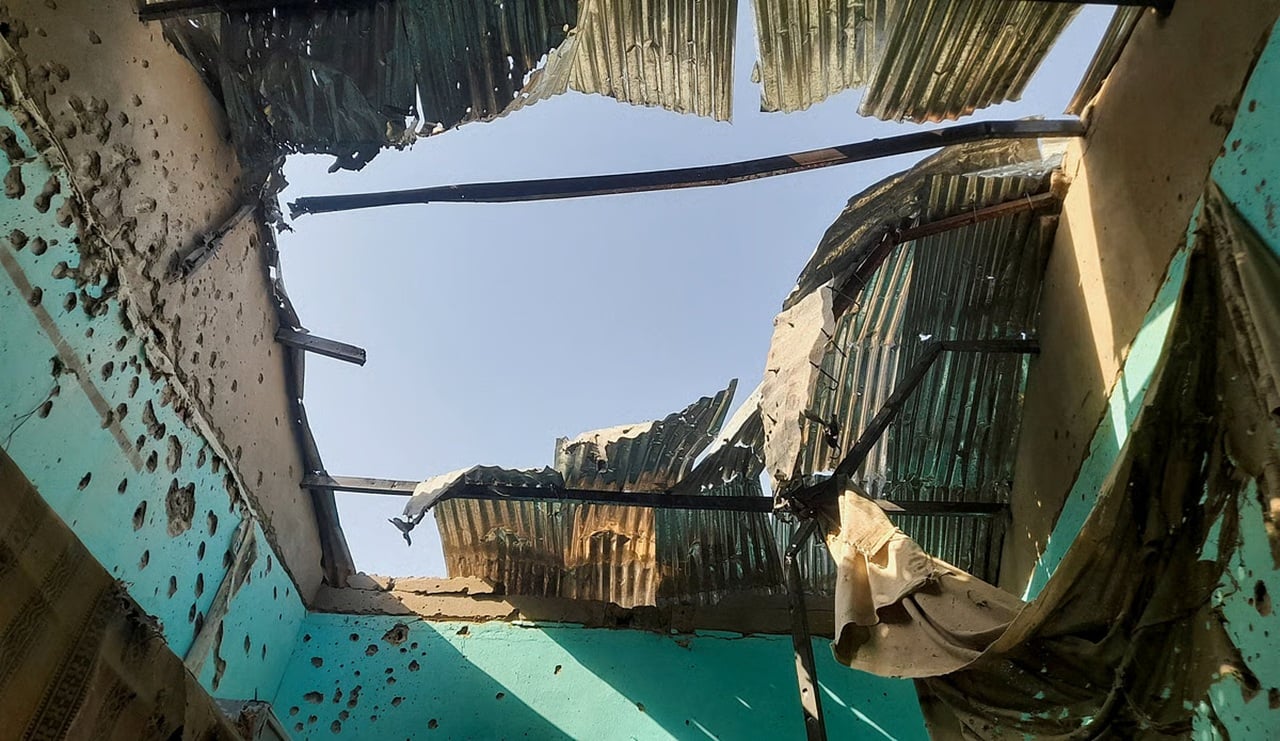
On December 21, 2025, countries across the Northern Hemisphere, including Bangladesh, experienced the longest night and shortest day of the year, marking the winter solstice. The astronomical event occurs when the Northern Hemisphere tilts farthest from the Sun, resulting in reduced daylight hours and the official onset of winter. Scientists explain that Earth’s axial tilt causes seasonal variations as the planet orbits the Sun. Around June 21, the Northern Hemisphere leans toward the Sun, creating the longest day, known as the summer solstice. Conversely, in December, the Southern Hemisphere tilts sunward, bringing summer to the south and winter to the north. The winter solstice has cultural and scientific significance, symbolizing renewal and the gradual lengthening of days ahead. Meteorological departments in South Asia noted cooler temperatures and longer nights, though no severe cold wave was reported. The event also serves as a reminder of Earth’s dynamic relationship with the Sun and its impact on global climate patterns.

Cambodia’s Interior Ministry announced that more than 518,000 people have been displaced amid two weeks of intense fighting along the Thai-Cambodian border. The ministry’s statement from Phnom Penh said civilians, including women and children, fled their homes and schools to escape artillery fire, rocket attacks, and airstrikes reportedly involving Thai F-16 fighter jets. The renewed border conflict, which has caused widespread destruction, has also displaced about 400,000 people in Thailand, according to Thai authorities. Both governments have accused each other of violating territorial integrity, while humanitarian agencies warn of worsening conditions for displaced families lacking food, shelter, and medical care. Regional observers fear the escalation could derail ongoing peace discussions and destabilize Southeast Asia’s fragile border security. International organizations are urging both sides to agree to a ceasefire and allow humanitarian access to affected areas.

The ‘1 Nojor’ media platform is now live in beta, inviting users to explore and provide feedback as we continue to refine the experience.