

The ‘1 Nojor’ media platform is now live in beta, inviting users to explore and provide feedback as we continue to refine the experience.
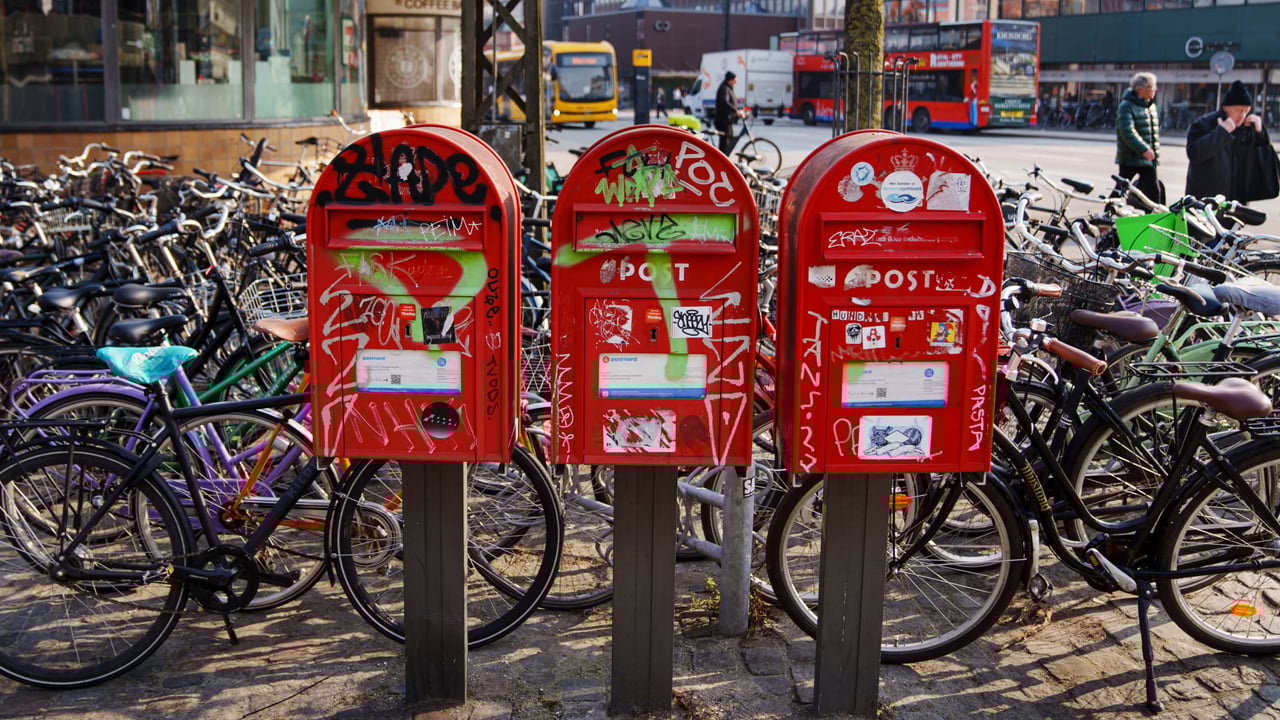
Denmark’s national postal service, PostNord, announced it will deliver its final batch of letters on December 30, 2025, marking the end of a 400-year-old tradition that began in 1624. The decision follows a dramatic decline in letter volumes, with mail usage dropping by over 90% in the past 25 years as digital communication and e-commerce reshaped postal demand. As part of the transition, PostNord will lay off around 1,500 employees and remove 1,500 of its iconic red mailboxes. The company has already sold 1,000 mailboxes within hours of listing them, with additional units set for auction in January. Private courier DAO will expand its letter delivery services from January 1, offering online payment and home collection options. Experts note that while physical letters are fading, their emotional and cultural value is rising. Younger Danes, particularly those aged 18–34, are reportedly sending more letters than older generations, viewing handwritten correspondence as a meaningful counterbalance to digital saturation.
Al Jazeera Media Network has unveiled a new integrative artificial intelligence model named 'The Core', developed in collaboration with Google Cloud. The initiative aims to embed AI more deeply into journalistic workflows, shifting its role from a passive support tool to an active partner in content creation and newsroom operations. According to Al Jazeera, 'The Core' is built on six foundational pillars that will enable AI systems to assist journalists in complex data analysis, immersive storytelling, and automated internal processes. Director General Sheikh Nasser bin Faisal Al Thani said the project reflects Al Jazeera’s vision of combining human expertise with AI to modernize journalism. Google Cloud’s EMEA AI Managing Director Alex Rutter described the platform as a key step toward next-generation intelligent media. The collaboration underscores Al Jazeera’s commitment to staying at the forefront of technological innovation in media. Industry observers expect 'The Core' to influence how news is produced, analyzed, and consumed across global networks in the coming years.
Bangladeshi non-governmental organization CSS has announced a new recruitment circular for 2025, seeking to hire 200 loan officers. The circular, published on December 20, 2025, invites both male and female candidates with at least an HSC or bachelor’s degree to apply. Applications must be submitted online between January 9 and January 30, 2026, depending on the chosen deadline. The salary range for the positions is set between BDT 23,080 and BDT 25,000 per month. According to the announcement, both fresh graduates and experienced applicants are eligible to apply, provided they meet the minimum age requirement of 18 years. The recruitment process will be conducted through a formal examination. CSS, known for its community development and microfinance programs, aims to expand its workforce to strengthen its financial inclusion initiatives. The recruitment is expected to support CSS’s ongoing rural development projects and microcredit operations. Interested candidates are advised to complete their online applications within the specified dates to ensure eligibility for the selection process.

Bangladesh Bank has reduced the provisioning rate for loans in the agriculture and cottage, micro, small, and medium enterprise (CMSME) sectors to encourage banks to expand credit to these areas. According to a circular issued on Sunday, banks will now need to maintain only 0.5% provisioning against standard and special mention account (SMA) loans in these sectors until December 31, 2026. This marks a reduction from the previous 1% rate set in October 2025. The central bank stated that the decision aims to stimulate short-term agricultural lending and support small-scale industries that are vital for rural employment and economic resilience. Financial analysts view the move as a liquidity-friendly measure that could ease credit flow to underserved sectors. However, some caution that lower provisioning may heighten risk exposure if loan recovery remains weak. The revised policy is expected to help banks allocate more funds to productive sectors, potentially boosting rural output and SME growth in 2026. Bangladesh Bank will monitor compliance and loan performance under the new framework.

BNP Chairperson’s adviser Lion Aslam Chowdhury has officially collected nomination papers to contest from Chattogram-4 (Sitakunda) constituency in the upcoming 13th National Parliamentary Election. The papers were collected on his behalf by Mohammad Morsalin, former president of the North District Jubo Dal, from the office of the Divisional Commissioner and Returning Officer in Chattogram on Sunday afternoon. Several local BNP leaders and activists were present during the submission, including Sitakunda Upazila BNP convener Dr. Kamal Kader, municipal BNP convener Zakir Hossain, and former district committee members. Their presence signaled strong local organizational support for Chowdhury’s candidacy. As the election approaches, major political parties are accelerating their nomination processes across Bangladesh. Chowdhury’s move reflects BNP’s efforts to strengthen its position in key constituencies of Chattogram, a region historically significant in national politics. The final list of candidates is expected to be confirmed following scrutiny by the Election Commission later this month.
Bangladesh Bank reported that the country received $2.17 billion in remittances during the first 20 days of December 2025, equivalent to about Tk 26,499 crore at an exchange rate of Tk 122 per US dollar. The data highlights strong inflows through private and state-owned banks, reflecting continued reliance on expatriate earnings to support the national economy. According to the central bank’s updated report, private banks handled the majority of remittances, totaling $1.58 billion, while state-owned banks received $371 million and specialized banks $215 million. Islami Bank Bangladesh Limited topped the list with $484.9 million, followed by Bangladesh Krishi Bank and Janata Bank. Eight banks, including five foreign ones, reported no remittance inflows during the period. Economists note that the steady remittance flow remains a vital source of foreign exchange amid global economic uncertainty. Analysts expect total December inflows to surpass previous months if the current pace continues, helping to stabilize the country’s reserves and currency value.

Bangladesh Bank has purchased $2.93 billion from commercial banks in the first half of the current fiscal year, including $60 million from four banks last Sunday. The central bank confirmed the move as part of its strategy to prevent the dollar’s value from falling too sharply amid increased foreign currency supply. Officials said the market has seen a turnaround since the fall of the previous government, with remittance inflows and export earnings both rising following tighter anti–money laundering measures. Between fiscal years 2021–22 and 2023–24, the central bank sold nearly $34 billion to stabilize the market, but this year it has shifted to buying dollars as supply now exceeds demand. Bangladesh Bank spokesperson Arif Hossain Khan stated that the intervention aims to maintain exchange rate balance and protect exporters and remittance earners from losses. As a result, the country’s foreign exchange reserves have risen to $32.57 billion, or $27.87 billion under IMF’s BPM–6 methodology. Analysts say sustained inflows could further strengthen reserves if the trend continues.
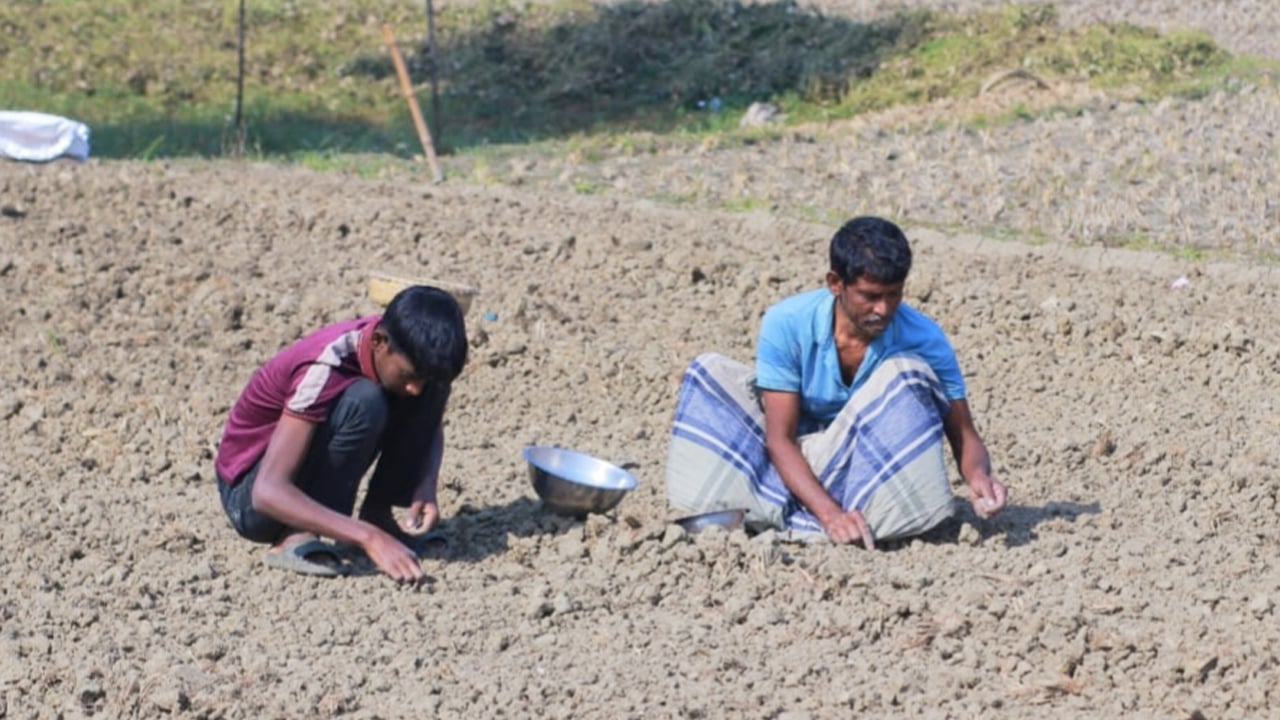
In Naldanga upazila of Natore, Bangladesh, farmers have begun planting onion and garlic with renewed optimism for the winter season. Favorable weather and last year’s good prices have encouraged many to expand cultivation, with local agricultural officials setting ambitious acreage targets and promoting improved seed varieties. However, this optimism is clouded by an acute fertilizer shortage. Farmers allege that local dealers are distributing fertilizer selectively, forcing many to buy at inflated retail prices—up to Tk 1,000 higher per sack and often underweight. Small and medium farmers say these irregularities are undermining their ability to cultivate properly. Agricultural officers acknowledge the problem and stress the need for transparent distribution and stronger monitoring. If the shortage persists, farmers fear reduced yields could disrupt future market supply, potentially driving up prices. They are urging the administration to ensure fair fertilizer access and curb dealer malpractice before the planting season’s critical window closes.
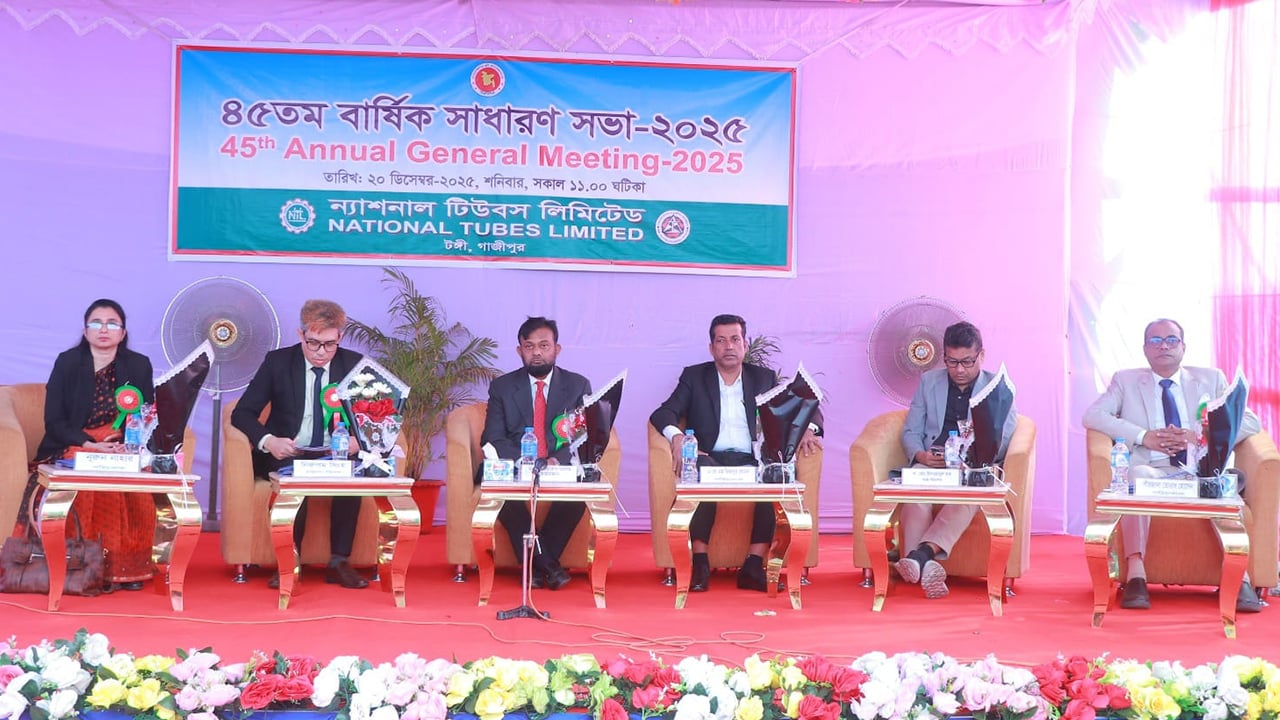
National Tubes Limited (NTL), Bangladesh’s only manufacturer of MS and GI pipes licensed by the American Petroleum Institute (API), held its 45th Annual General Meeting (AGM) on Sunday at its Tongi, Gazipur factory premises. The meeting was chaired by Md. Anwarul Alam, Additional Secretary and Chairman of Bangladesh Steel and Engineering Corporation (BSEC) and NTL’s Board of Directors. The event was attended by board members including A.K.M. Mizanur Rahman, Director (Finance) of Petrobangla; Nurunnahar, Deputy Secretary of the Ministry of Industries; Dr. Ridwanul Haque, Professor at IBA, University of Dhaka; Company Secretary Mohammad Abu Sayeem; and Managing Director Engineer Nirupam Singh. Shareholders, BSEC officials, and employees from all levels of the company were also present. The AGM highlighted NTL’s continued role in Bangladesh’s industrial sector and its strategic importance as the country’s sole API-certified pipe producer. Stakeholders discussed operational performance, future growth opportunities, and the company’s contribution to national infrastructure development.
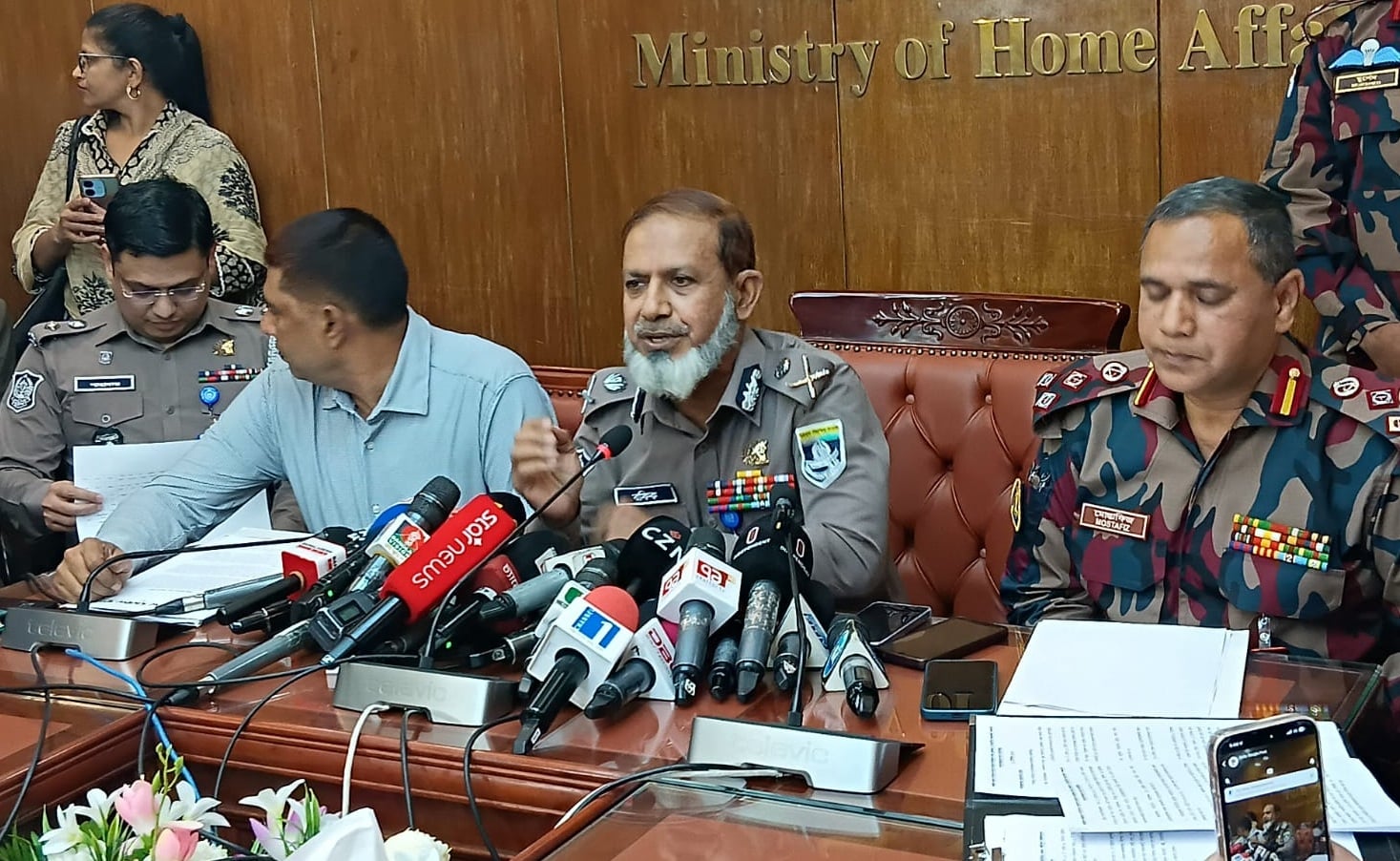
Bangladesh police have stated that there is still no confirmed information on the whereabouts of Faisal, the prime suspect in the murder of Inquilab Mancha spokesperson Shahid Sharif Osman Hadi. Additional Inspector General (AIGP) Khondker Rafiqul Islam made the remarks during a press briefing at the Ministry of Home Affairs on Sunday evening, where he also discussed the progress of the 'Devil Hunt Phase-2' operation and the overall law and order situation. The AIGP clarified that authorities have not received any reliable evidence suggesting Faisal has fled abroad, warning that misinformation about suspects’ locations often circulates. He added that multiple police units are investigating different aspects of the case, and ten individuals allegedly involved in planning the murder have already been arrested. Officials emphasized that the investigation remains active, with forensic evidence being analyzed. Law enforcement agencies are under pressure to locate Faisal and bring all perpetrators to justice as public attention on the case continues to grow.
The interim government of Bangladesh has officially established eight regional tribunals dedicated to preventing and addressing enforced disappearances across the country. A gazette notification issued by the Ministry of Law, Justice and Parliamentary Affairs confirmed that the tribunals will operate separately in each of the eight administrative divisions, including Dhaka, Chattogram, Sylhet, Rajshahi, Rangpur, Khulna, Barishal, and Mymensingh. The order, signed by Senior Assistant Secretary Ashek-ur Rahman, states that the decision takes immediate effect under the authority of the Enforced Disappearance Prevention and Remedy Ordinance, 2025. The creation of these tribunals marks a significant institutional step toward addressing long-standing concerns over disappearances and ensuring accountability. Human rights observers have long urged the government to establish independent mechanisms to investigate such cases. Legal experts note that the division-based structure could help streamline case management and improve access to justice for victims’ families. Implementation details, including staffing and procedural rules, are expected to follow soon. The move is being closely watched by civil society and international partners as a test of Bangladesh’s commitment to human rights reforms.
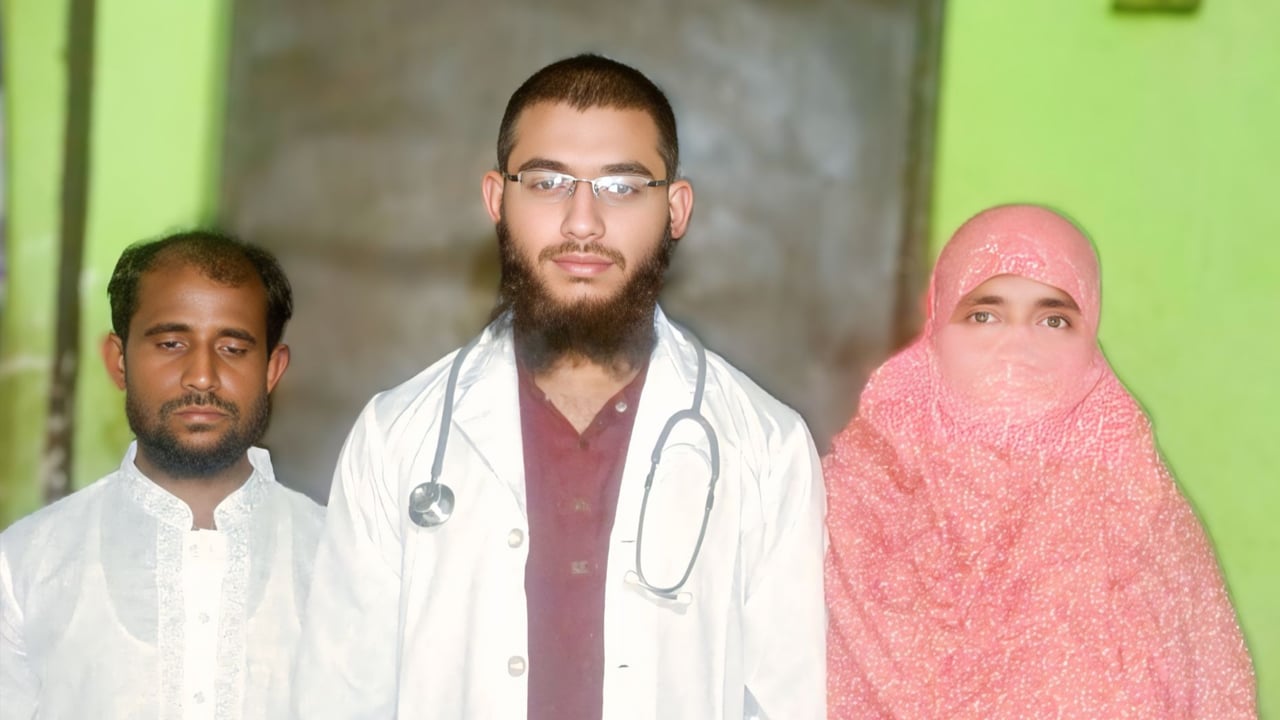
In Gazipur’s Sreepur, van driver Suruj Ali’s long-cherished dream has come true as his youngest son, Md. Sanaullah, secured admission to Shaheed Suhrawardy Medical College for the 2025–26 academic year. Despite years of hardship and limited income, Suruj and his wife, garment worker Afroza Khatun, prioritized their children’s education above all else. Their perseverance has now been rewarded with their son’s success in the national MBBS-BDS entrance examination. Sanaullah, who achieved GPA-5 in both SSC and HSC exams, attributes his success to his parents’ sacrifice and determination. His father, who migrated from Netrakona to Gazipur two decades ago, worked tirelessly to fund his children’s studies. Local educators praised the achievement as a symbol of hope and inspiration for underprivileged families. Abdul Hannan Sajal, principal of Haji Chhoto Kalim School and College, said the success reflects the power of perseverance and family commitment. Sanaullah aims to become a compassionate doctor serving marginalized communities, embodying the values his parents instilled through years of struggle and sacrifice.
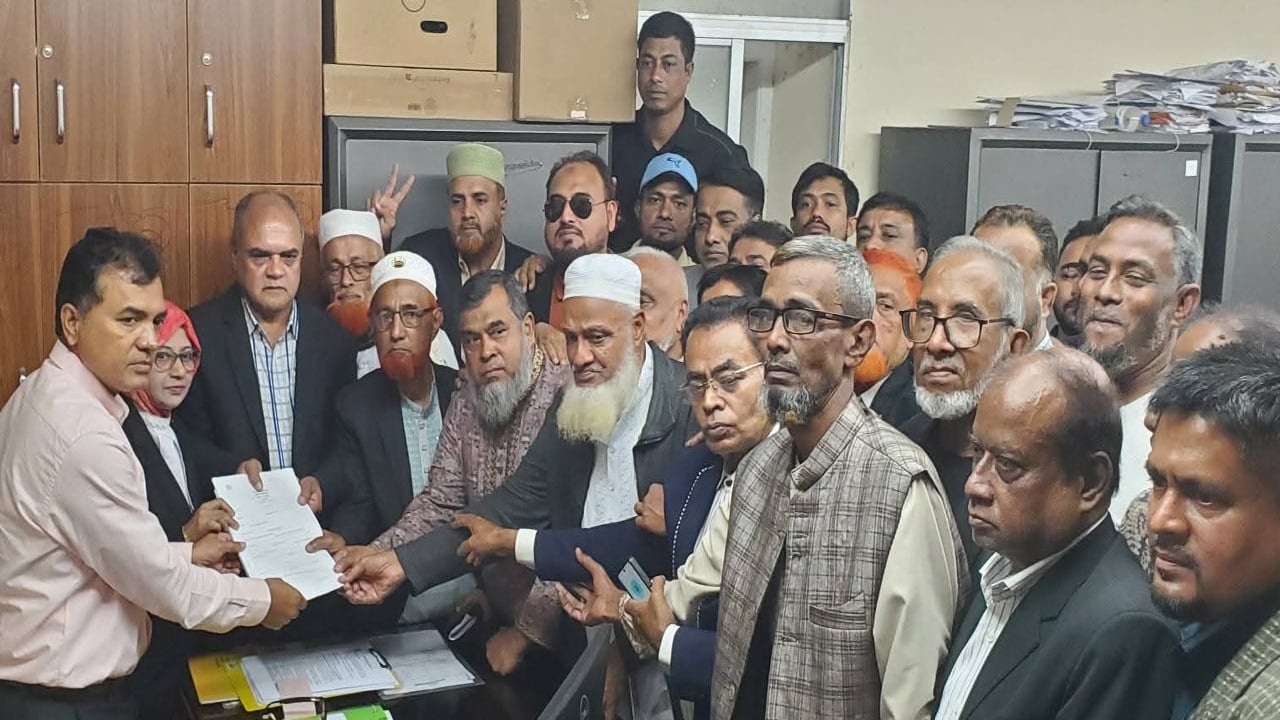
Bangladesh Nationalist Party (BNP) Chairperson Begum Khaleda Zia is set to contest the upcoming 13th National Parliamentary Election from the Feni-1 constituency, covering Fulgazi, Parshuram, and Chhagalnaiya. On Monday afternoon, BNP National Executive Committee member Abu Taleb collected the nomination papers on her behalf from the district returning officer’s office in Feni. Local BNP leaders, including members of the Nationalist Lawyers’ Forum, were present during the submission. Abu Taleb stated that Feni-1 is Khaleda Zia’s home constituency, where she has been elected five times consecutively. He added that residents are eager to see her return to Parliament, expressing optimism about a strong voter turnout in her favor. The announcement has energized BNP supporters in the area, with local leaders expressing confidence that Khaleda Zia could secure a sweeping victory if the election environment remains fair. Another nomination paper was also collected for Dhaka BNP convener Rafiqul Alam Majnu, signaling potential intra-party competition within the constituency.

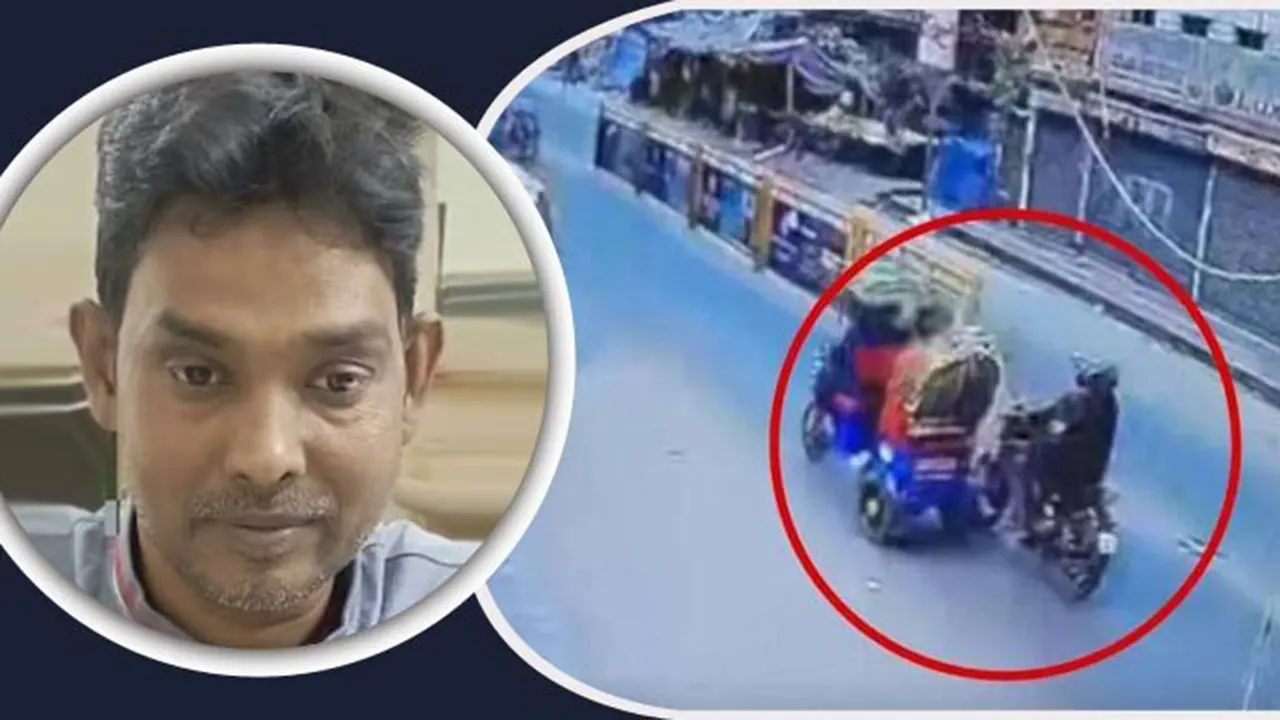
A Dhaka court has granted bail to Abdul Hannan, the owner of a motorcycle suspected to have been used in the shooting of Inquilab Mancha spokesperson Shahid Sharif Osman Hadi. The order was issued on Sunday by Metropolitan Magistrate Md. Hasan Shahadat following a hearing on Hannan’s bail petition. Hannan had been arrested on December 13 by RAB-2 and later remanded for three days under Section 54 of the Criminal Procedure Code. During interrogation, investigators verified his vehicle registration with BRTA, discovering two motorcycles registered in his name—a Suzuki Gixxer and a Yamaha. However, the motorcycle used in the attack was a Honda Hornet, with a registration number differing by one digit from Hannan’s vehicle. After his remand ended on December 17, he was sent to jail pending further investigation. The murder of Hadi, an independent candidate for Dhaka-8, has drawn political attention amid allegations of broader conspiracies to destabilize the upcoming 13th national election. Authorities continue to investigate the case and identify the gunmen involved.
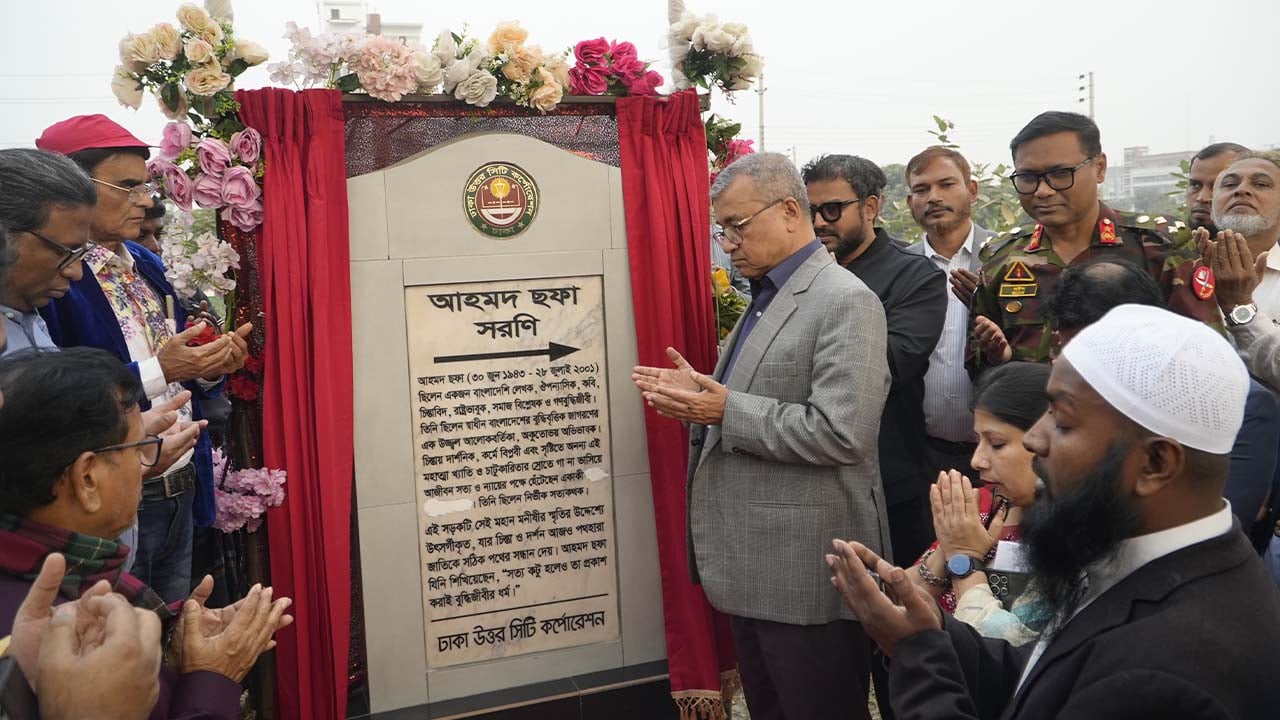
Dhaka North City Corporation (DNCC) has officially named the road stretching from Uttara North Metro Station to Mirpur Cantonment DOHS MP Checkpost as 'Ahmed Sofa Sarani', in honor of the late writer and intellectual Ahmed Sofa. The inauguration ceremony took place on December 21 near Uttara South Metro Station, attended by Professor Dr. Salimullah Khan as chief guest and DNCC Administrator Mohammad Ejaz as chair. During the event, Dr. Khan highlighted Ahmed Sofa’s contribution to Bangladesh’s liberation movement, recalling his publication of the first wartime book 'Jagrat Bangladesh' in 1971. He noted the symbolic significance of the naming, given Sofa’s earlier exclusion from burial at the Martyred Intellectuals’ Cemetery. Administrator Ejaz emphasized DNCC’s approach to 'narrative-based governance', linking urban infrastructure with cultural memory. The initiative reflects DNCC’s broader effort to integrate the city’s historical and intellectual heritage into its development projects. Officials and cultural figures present described the naming as a tribute to those who shaped the nation’s identity and thought.
The ‘1 Nojor’ media platform is now live in beta, inviting users to explore and provide feedback as we continue to refine the experience.