

The ‘1 Nojor’ media platform is now live in beta, inviting users to explore and provide feedback as we continue to refine the experience.
Bangladesh’s interim government has declared a national day of mourning following the death of Osman Hadi, a 32-year-old political activist and founder of the Inquilab Manch, who was fatally shot in Dhaka on December 12. According to reports, Hadi was attacked while returning home from Friday prayers and later succumbed to his injuries despite extensive medical treatment in Bangladesh and Singapore. The government has announced state support for his family and called for prayers in all places of worship. Hadi was known for his strong stance against corruption, foreign influence, and authoritarianism in Bangladesh’s political system. His activism, writings, and public speeches had earned him a following among nationalist and Islamist groups. The interim government’s chief adviser described him as a “national hero,” while opposition voices accused ruling party affiliates of involvement in his killing. The incident has sparked widespread protests and renewed debate over political violence and freedom of expression in Bangladesh. Observers warn that Hadi’s death could further polarize the country ahead of the planned February referendum and upcoming elections.

Across Bangladesh, thousands participated in funeral prayers and rallies on Saturday mourning Sharif Osman Hadi, spokesperson of Inqilab Manch, who was recently killed under disputed circumstances. Events took place in districts including Gopalganj, Rajshahi, Jamalpur, and Naogaon, where participants prayed for Hadi’s soul and called for the immediate arrest and maximum punishment of his killers. Speakers at various gatherings alleged that Hadi was targeted for his outspoken stance against Indian influence and government policies. Political and student leaders from Jamaat-e-Islami, BNP, and other groups joined the programs, emphasizing the need to end the culture of impunity. In Rajshahi, Jamaat’s central leader Professor Mujibur Rahman criticized the interim government for failing to ensure Hadi’s safety. Protesters warned of intensified demonstrations if arrests are not made promptly. The widespread response underscores growing public frustration over political violence and demands for accountability in Bangladesh’s volatile political landscape.

Bangladesh’s vast maritime resources remain underutilized due to chronic deficiencies in marine science research and infrastructure. Despite the Bay of Bengal’s economic and ecological importance, the country lacks adequate research vessels, hydrographic survey tools, and modern sonar or satellite data systems. This technological and institutional gap has left policymakers without reliable data on fish stocks, ocean currents, or breeding cycles, resulting in unscientific and often counterproductive fishing policies. Experts note that the shortage of trained marine scientists, limited research funding, and weak international collaboration have further stalled progress. Universities offering marine science programs struggle with outdated laboratories and minimal publication output. Without regular stock assessments or genetic studies, valuable species such as hilsa, lobster, and shrimp remain vulnerable to overexploitation. Climate change impacts—rising sea levels, salinity shifts, and warming waters—are compounding the crisis. Analysts urge immediate investment in research vessels, GIS and satellite monitoring, and international partnerships with Japan, Norway, and FAO. Strengthening marine science is seen as essential for sustainable fisheries, biodiversity protection, and unlocking Bangladesh’s blue economy potential.

In Kishoreganj’s Pakundia upazila, the centuries-old tradition of ox-driven ploughing is rapidly disappearing as farmers increasingly adopt mechanical tillers. Once a defining feature of rural Bengal, the sight of farmers guiding oxen through muddy fields has become rare, surviving only in isolated pockets such as Kursha village in Charfaradi Union. Local farmer Sabuj Mia continues the practice inherited from his forefathers, though most neighbors have shifted to machines for efficiency. Residents recall when nearly every household kept oxen for ploughing, but the spread of affordable power tillers has made manual methods obsolete. Agricultural officer Nure-E-Alam noted that mechanization is essential to transform farming into a commercial enterprise, emphasizing the need for modern equipment. While nostalgia remains for the communal rhythms of traditional farming, economic pressures and time constraints are driving the transition. Experts warn that the decline of ox-ploughing marks not only a technological shift but also the erosion of rural heritage. As Bangladesh pursues agricultural modernization, preserving cultural memory of these practices may become increasingly difficult.

Bangladesh’s export earnings have slowed in the 2025–26 fiscal year, driven largely by a downturn in the ready-made garment (RMG) sector, which accounts for nearly half of total exports. According to the Export Promotion Bureau, exports to the European Union fell by 1.03% year-on-year between July and November, totaling $7.83 billion. While shipments to Spain, Poland, and the Netherlands rose slightly, exports to Germany, France, Denmark, and Italy declined, reflecting reduced consumer demand and intensifying competition. Industry leaders attribute the slump to global inflation, higher living costs in Europe, and aggressive pricing by China and India. Domestically, rising gas prices—up nearly 150% since 2023—and higher lending rates have strained production. Exporters also cite reduced cash incentives, now at 2% from 5%, and weak marketing strategies as key challenges. The Exporters Association of Bangladesh warns that without policy support and energy cost relief, more factories may close, deepening the sector’s crisis. The RMG industry, employing millions, faces mounting pressure to diversify products and markets. Analysts expect export recovery to hinge on energy stability, financial reforms, and renewed trade competitiveness in 2026.

A livestock quarantine station built at Bilonia land port in Feni’s Parshuram upazila has remained unused since its completion nearly a decade ago. The facility, constructed in 2016 under the Department of Livestock Services’ disease prevention project, was intended to inspect imported animals and animal products before entry into Bangladesh. Despite an investment of several crore taka and installation of 51 laboratory instruments, the station has never been operational. Local traders and officials report that the station’s inactivity has led to the decay of expensive equipment, with only a single outsourced guard maintaining the premises. The Bilonia land port, opened in 2009 to facilitate trade with India, has seen minimal import activity, undermining the station’s purpose. Officials note that activating the facility could help regulate livestock imports, curb smuggling, and increase government revenue. Experts warn that prolonged neglect of such infrastructure not only wastes public funds but also weakens border biosecurity. The Livestock Department has indicated that operationalization depends on renewed diplomatic and trade engagement with India.

India’s Ministry of External Affairs recently stated that its territory has never been used for activities against the interests of Bangladesh’s people. The declaration, issued on December 14, followed reports that former Bangladeshi Prime Minister Sheikh Hasina and several Awami League leaders had taken refuge in India after the July uprising. The statement drew sharp attention in Dhaka, where many questioned its credibility amid ongoing tensions between the interim government and New Delhi. Analysts and commentators argue that India’s claim contradicts historical and current realities, pointing to alleged instances of interference in Bangladesh’s internal affairs. The article highlights long-standing grievances, including India’s perceived favoritism toward the Awami League and its reluctance to repatriate Bangladeshi fugitives. Public anger reportedly intensified after the attempted assassination of activist Osman Hadi, whose attackers are said to have fled to India. Observers warn that unless India reassesses its approach and engages directly with the Bangladeshi public rather than political elites, bilateral trust may deteriorate further. Calls are growing for India to return wanted fugitives and prevent its soil from being used for political operations against Bangladesh.

Bangladesh’s government employees have postponed their previously planned protest program demanding implementation of the ninth pay scale. The decision was announced at a press conference held at the National Press Club under the banner of the Bangladesh Government Employees Demand Fulfillment Unity Council. The postponement was made to honor the late Shahid Sharif Osman Hadi, spokesperson of the Inquilab Mancha, and in consideration of the current national situation. Union leaders reiterated their seven-point demand, urging the government to publish a gazette with recommendations for a discrimination-free ninth pay scale by December 31. They warned that if no visible progress is made by January 1, they would launch tougher programs. The leaders also paid tribute to Hadi, recalling his lifelong activism against inequality and pledging to continue his struggle for fair treatment of government employees. The next announcement on December 26 is expected to outline the future course of action, potentially shaping the trajectory of public sector wage reform in Bangladesh.

Bangladesh has been plunged into mourning following the death of Sharif Osman Bin Hadi, a prominent activist known for his role in the July uprising and his opposition to authoritarianism and foreign dominance. Hadi died in Singapore General Hospital after being shot at close range, sparking nationwide grief and protests. The government declared a day of national mourning and pledged to bring the perpetrators to justice. However, isolated incidents of violence and vandalism erupted in parts of the country, prompting appeals for restraint from political leaders and civil society. Several media offices, including The Daily Star and Prothom Alo, were attacked, raising concerns about attempts to divert public attention from Hadi’s legacy. Analysts and journalists have warned that opportunistic groups and social media influencers may be exploiting public emotion to sow division among reformist forces. Observers caution that continued infighting could undermine the democratic transition and justice process following the July uprising. Calls have intensified for unity among pro-reform groups to safeguard the ongoing political transformation and prevent destabilization ahead of the next parliamentary election.
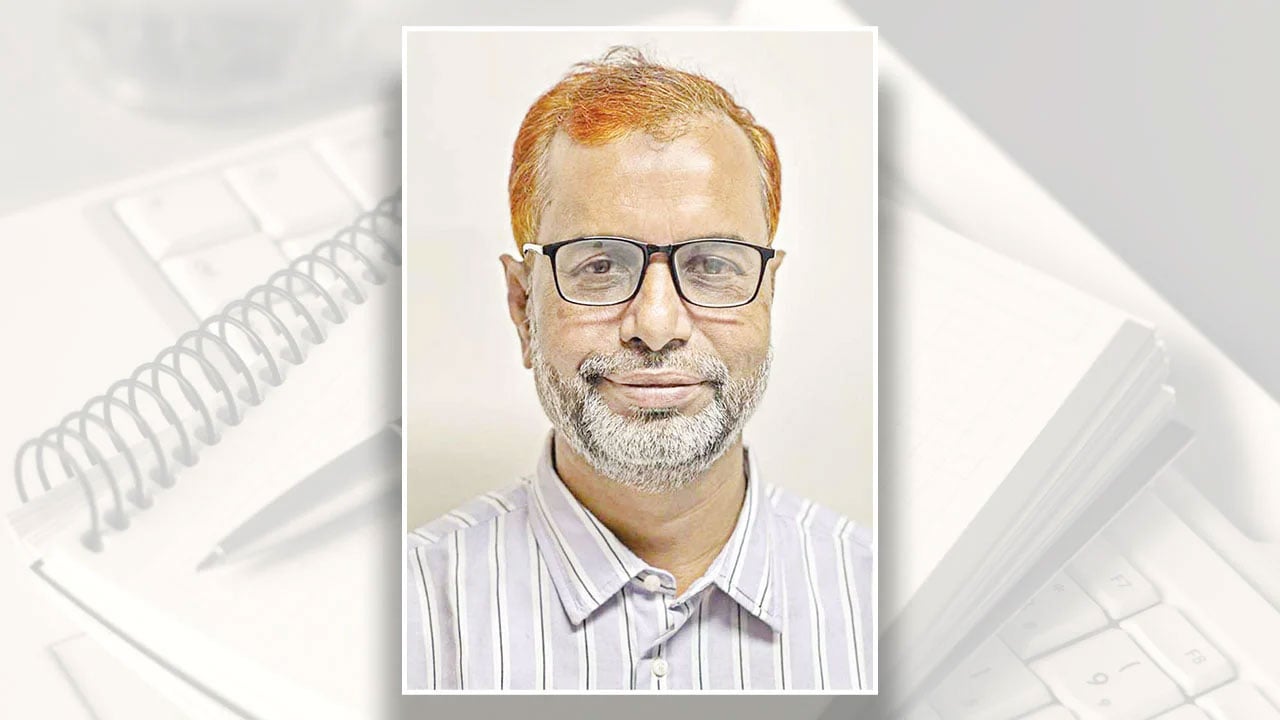
The International Crimes Tribunal-1 of Bangladesh is set to deliver its order today on whether to formally frame charges against former Prime Minister Sheikh Hasina and 16 others, including several senior military officers, in a case related to alleged enforced disappearances at the Taskforce for Interrogation (TFI) cell. The three-member judicial panel, led by Chairman Golam Mortuza Majumdar, will issue the ruling following hearings held earlier this month. Defense lawyers representing the accused sought discharge, arguing insufficient evidence, while the prosecution, led by Gazi M.H. Tamim, requested the tribunal to proceed with formal charges. Among the 17 accused, Hasina and six others, including her former security adviser Major General (Retd.) Tariq Ahmed Siddiq, remain absconding. Ten detained officers are expected to be brought to court from prison for the order. The case has drawn significant attention as it involves high-profile political and military figures. Legal analysts say the tribunal’s decision could shape future accountability proceedings for alleged human rights violations during the previous administration.

The United States has seized another Venezuelan oil tanker off the country’s coast, marking the second such operation this month. US Interior Secretary Kristi Noem confirmed the action in a post on X, stating that the Coast Guard, with Pentagon support, carried out the seizure early Saturday. Washington claims the operation targets illicit oil shipments allegedly funding narcoterrorism in the region. The move follows President Donald Trump’s recent declaration of a “total blockade” on tankers entering or leaving Venezuela under sanctions. Caracas has condemned the seizure, labeling it “serious international piracy” and rejecting Washington’s justification. The Venezuelan government said it views the incident as a violation of international law and sovereignty. This latest confrontation underscores worsening relations between the two nations as US enforcement of oil sanctions intensifies. Analysts warn that continued maritime seizures could further destabilize regional trade routes and complicate diplomatic efforts to ease sanctions or resume oil exports.

Authorities in Chattogram have dismissed widespread social media claims of an attack on the Indian Deputy High Commission, confirming that no direct assault or damage occurred. The confusion arose Thursday night after the death of Osman Hadi triggered protests in several city areas. A small group of demonstrators reportedly threw stones near the diplomatic compound, but police quickly contained the situation. Deputy Commissioner Aminur Islam stated that only a few stones hit the outer gate, with no intrusion, vandalism, or fire inside the premises. Police used tear gas and sound grenades to disperse the crowd, detaining 12 individuals. Later, army personnel joined to secure the area and prevent escalation. Video analyses and eyewitness accounts supported the police version, showing no evidence of an actual attack. Security analysts warned that misinformation involving diplomatic sites can create unnecessary panic and strain bilateral relations. They urged authorities and media to ensure verified communication to prevent similar rumor-driven unrest in the future.

The funeral prayers for six Bangladeshi peacekeepers killed in a terrorist drone attack on a United Nations mission base in Sudan’s Abyei region were held at the Dhaka Cantonment Central Mosque on Sunday morning. Senior military and government officials, including the chiefs of the army, navy, and air force, attended the ceremony alongside family members of the fallen soldiers. Floral tributes were placed on behalf of the President and the Chief Adviser. The six peacekeepers—hailing from Natore, Kurigram, Rajbari, Kishoreganj, and Gaibandha—were killed in the December 13 attack targeting the UN peacekeeping base. Their bodies arrived in Dhaka on Saturday via Emirates Airlines and were received with full military honors at Hazrat Shahjalal International Airport. A minute of silence was observed, and military personnel saluted the martyrs. Following the funeral, the bodies were flown by helicopter to their respective hometowns for burial with state honors. The attack has drawn condemnation and renewed attention to the risks faced by Bangladeshi peacekeepers serving in volatile conflict zones under the UN flag.

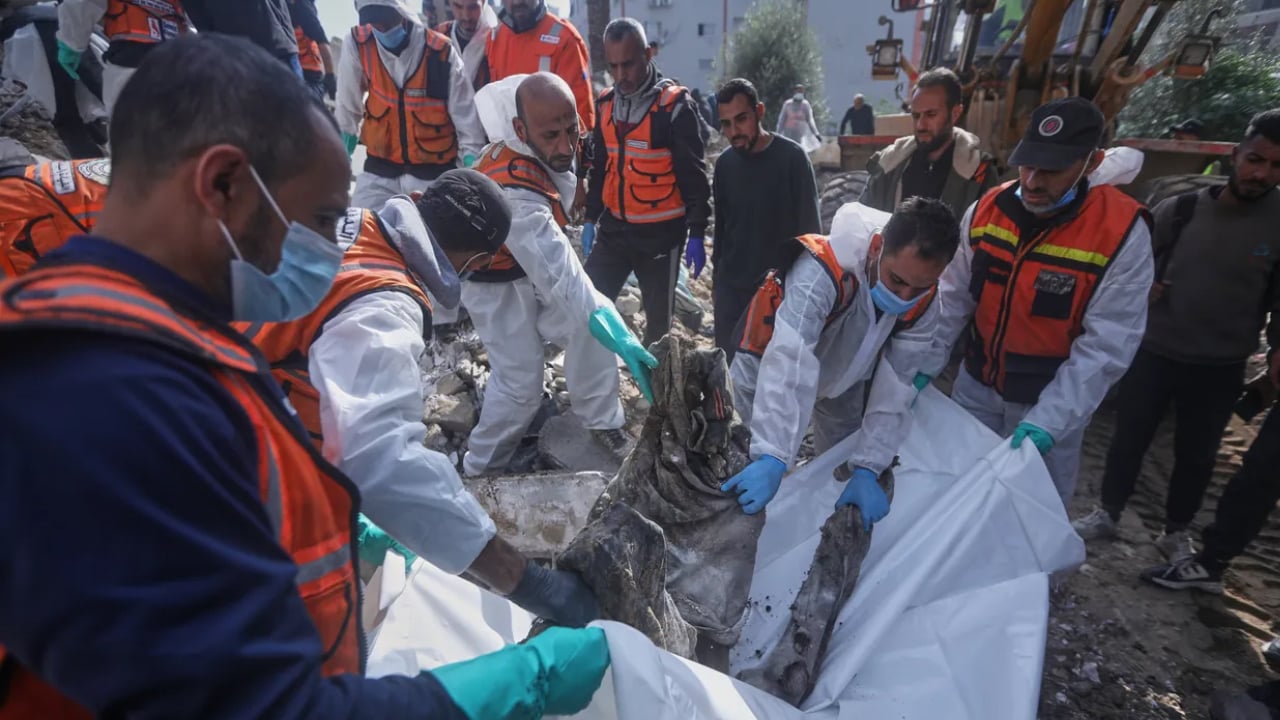
The Gaza Civil Defense announced on Saturday that 94 bodies of Palestinians were recovered from beneath the rubble in Gaza City. The bodies were transferred for forensic examination before being sent to Deir al-Balah for burial. The recovery operation comes amid continued devastation following Israeli airstrikes that began in October 2023. According to Gaza’s health authorities, more than 70,700 Palestinians have been killed and over 171,000 injured since the conflict began, with women and children comprising the majority of casualties. Civil Defense officials said they have relocated thousands of bodies previously buried in temporary sites, in cooperation with the Health and Religious Affairs ministries. Although a ceasefire between Israel and Hamas was declared on October 10, reports indicate that Israeli attacks have persisted, violating the truce. Humanitarian agencies warn that thousands more remain trapped under debris, underscoring the severe toll of the prolonged conflict on Gaza’s civilian population.
Jamaat-e-Islami Ameer Dr. Shafiqur Rahman has warned that if those responsible for the killing of Sharif Osman Hadi are not brought to justice, no one in the country will remain safe. Speaking to reporters after visiting Hadi’s grave near Dhaka University’s central mosque, he demanded the immediate arrest of the perpetrators and their prosecution under the law. Dr. Rahman described Hadi as a symbol of revolutionary ideals and accused his killers of being enemies of Bangladesh’s independence and culture. He expressed dissatisfaction with the government’s handling of the investigation, saying the public remains unconvinced by its actions. He also suggested that Hadi’s growing popularity might have motivated the killing, calling it a planned attempt to silence a voice of justice. The Jamaat leader expressed hope that the upcoming national election, scheduled for February, would be held on time. Senior Jamaat and Islami Chhatra Shibir leaders were present during the visit, underscoring the party’s continued political mobilization around Hadi’s legacy.

The ‘1 Nojor’ media platform is now live in beta, inviting users to explore and provide feedback as we continue to refine the experience.