

The ‘1 Nojor’ media platform is now live in beta, inviting users to explore and provide feedback as we continue to refine the experience.
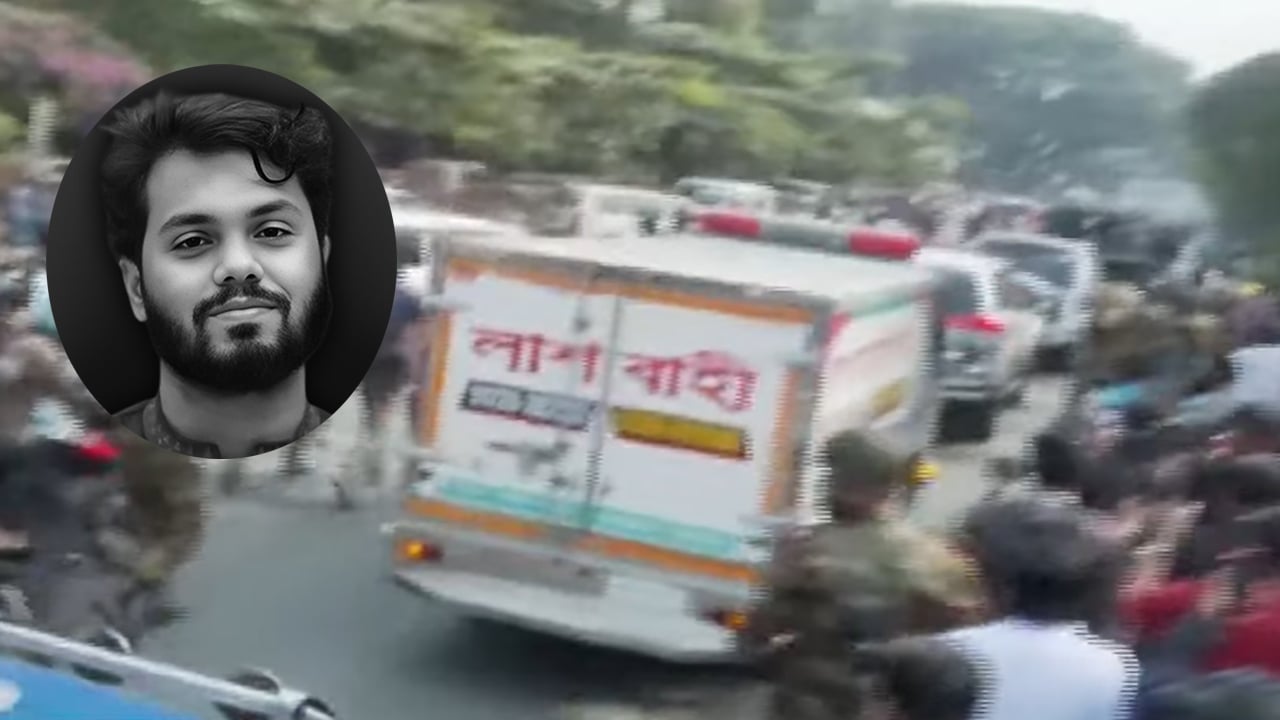
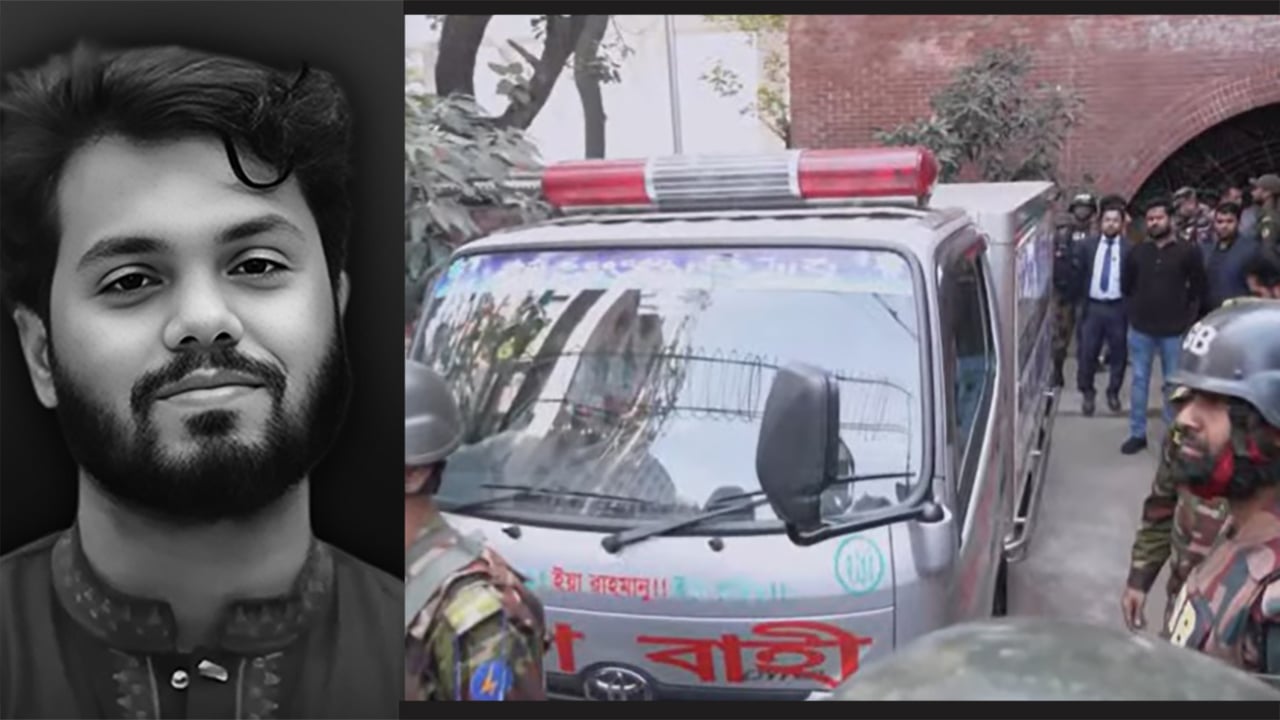
The body of Shahid Sharif Osman Hadi, spokesperson of Inquilab Mancha and a key figure in the July Revolution movement, was transported to Manik Mia Avenue in Dhaka on Saturday following an autopsy at Shaheed Suhrawardy Medical College Hospital. The ambulance carrying his remains arrived at the South Plaza of the National Parliament complex around midday, officials confirmed. Hadi had died in Singapore on Thursday night while undergoing advanced treatment after being shot in the head during a public outreach event in Dhaka’s Bijoynagar area on December 12. He was initially treated at Dhaka Medical College Hospital and later moved to Evercare Hospital before being flown abroad. His body returned to Bangladesh on Friday evening and was kept at the National Institute of Cardiovascular Diseases morgue. Authorities have not yet announced any arrests in connection with the shooting. Political observers note that Hadi’s death could intensify tensions among activist groups and prompt renewed calls for accountability and security reforms.
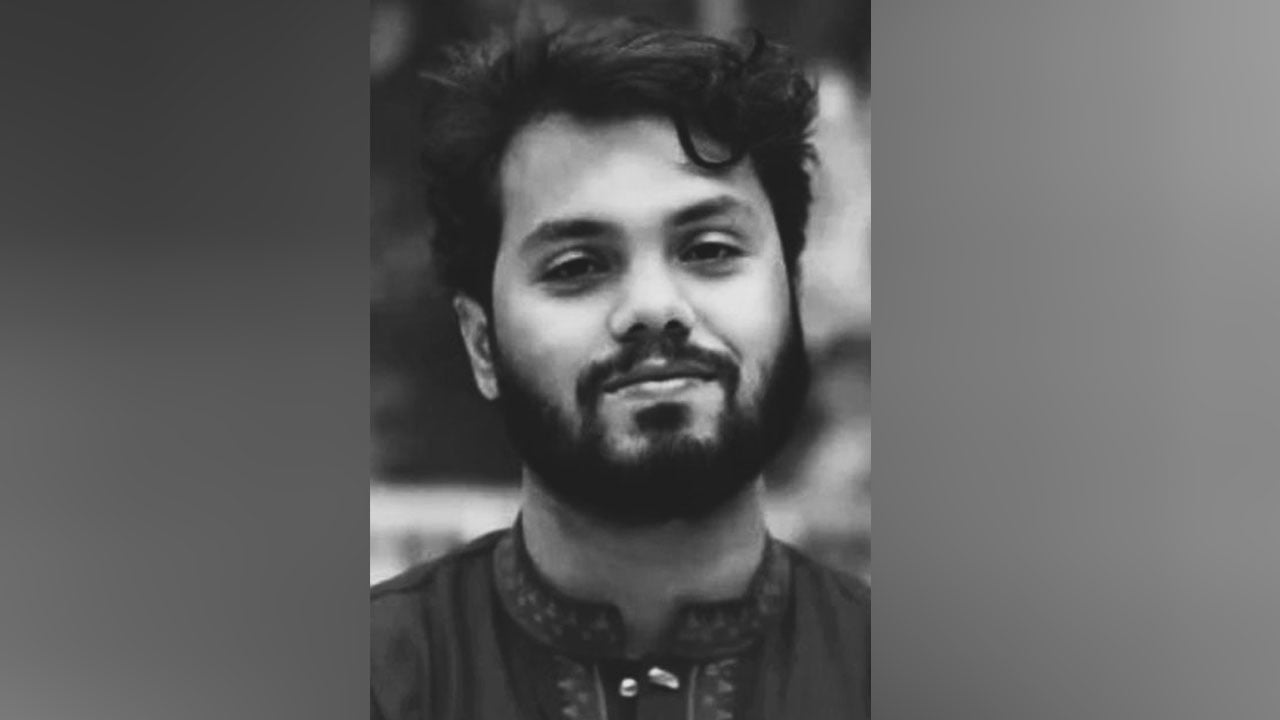
Professor Dr. Md. Nizam Uddin, Vice-Chancellor of Sunamganj Science and Technology University (SUBIPRABI), has expressed deep sorrow over the death of Sharif Osman Hadi, spokesperson of the Inquilab Mancha. Hadi passed away on Thursday night at Singapore General Hospital while undergoing treatment. In an official condolence message, the Vice-Chancellor described Hadi as a courageous and dedicated young activist who played a leading role in the July Revolution movement. Dr. Nizam Uddin praised Hadi’s patriotism, bravery, and ideological commitment, calling him a fearless son of the nation whose contributions will be remembered for years. He prayed for the eternal peace of the departed soul and extended heartfelt sympathy to Hadi’s bereaved family, colleagues, and supporters. The death of Hadi has sparked widespread mourning among political and social circles in Sunamganj and beyond, with several local groups announcing memorial prayers and gatherings in his honor.
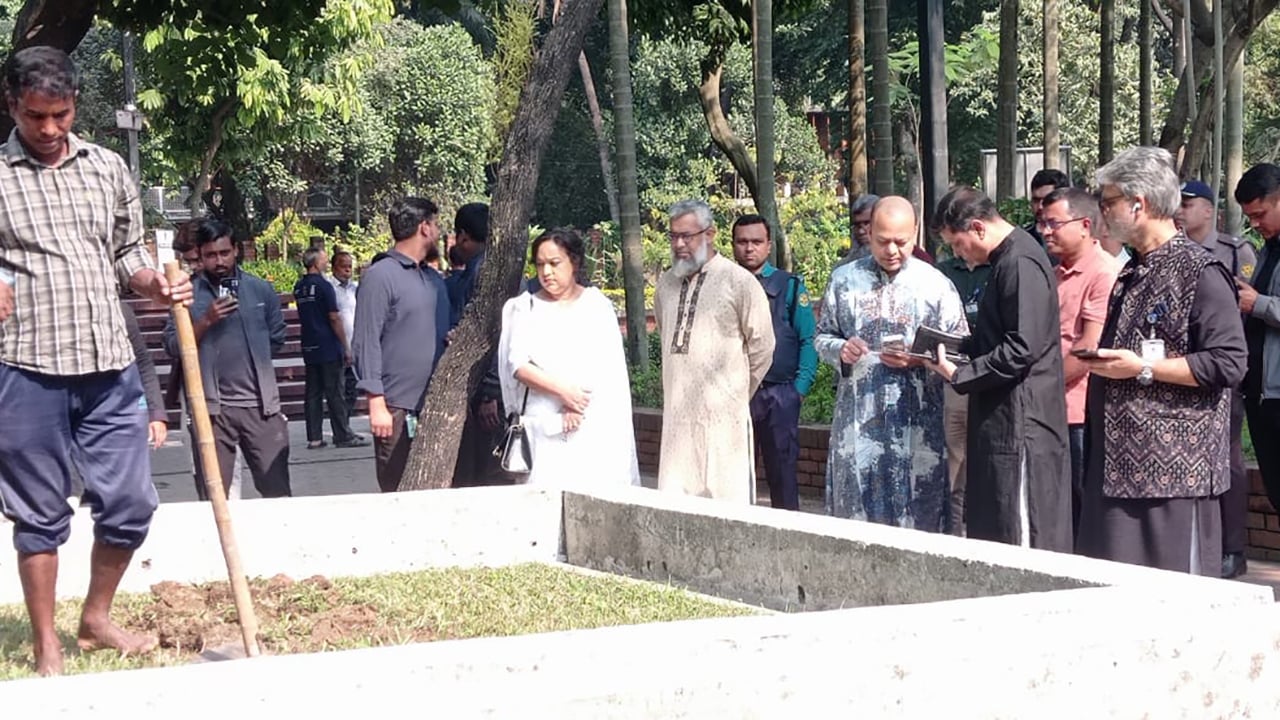
Preparations are underway to bury Sharif Osman Hadi, convener of the anti-hegemony platform Inquilab Moncho, beside the grave of Bangladesh’s national poet Kazi Nazrul Islam. Hadi’s body, returned from Singapore after his death on December 18, has been kept at the National Institute of Cardiovascular Diseases morgue following an autopsy. His funeral prayer is scheduled for Saturday after noon prayers at Manik Mia Avenue. Hadi, known as a central figure of the July Revolution movement, was shot in the head on December 12 while campaigning in Dhaka’s Bijoynagar area. He underwent surgery at Dhaka Medical College Hospital and was later transferred to Evercare Hospital before being flown to Singapore for advanced treatment. Despite medical efforts, he succumbed to his injuries. His death has sparked widespread mourning among supporters and activists. The burial beside Nazrul’s grave symbolizes recognition of Hadi’s political and ideological legacy. Security measures are being tightened around the funeral, expected to draw large crowds of followers and political sympathizers.
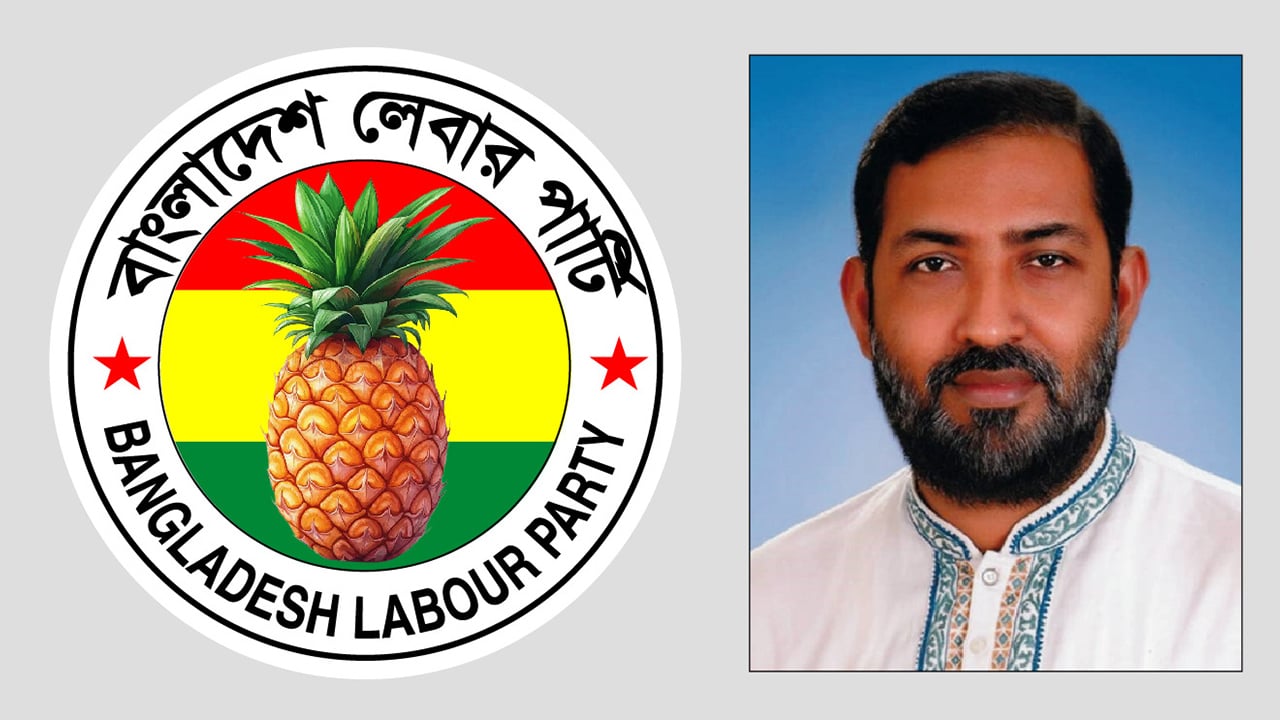
The Bangladesh Labour Party has issued a strong statement condemning what it calls a coordinated propaganda and defamation campaign against journalist and editor Mahmudur Rahman. Party chairman Dr. Mostafizur Rahman Iran claimed that online groups linked to pro-government and pro-Indian interests are spreading false narratives to discredit Rahman for his outspoken criticism of foreign influence and government policies. In a statement signed by the party’s publicity secretary, Dr. Iran said Rahman has long opposed what he described as India’s political and economic dominance and has spoken out against border killings, unequal water-sharing agreements, and threats to Bangladesh’s sovereignty. He alleged that the current attacks are retaliation for Rahman’s support of the 2024 July mass uprising and his exposure of state repression. The Labour Party called for immediate state and legal measures to halt the online campaign and urged all pro-democracy forces, journalists, and citizens to unite against what it described as fascist tendencies undermining national independence and free expression.
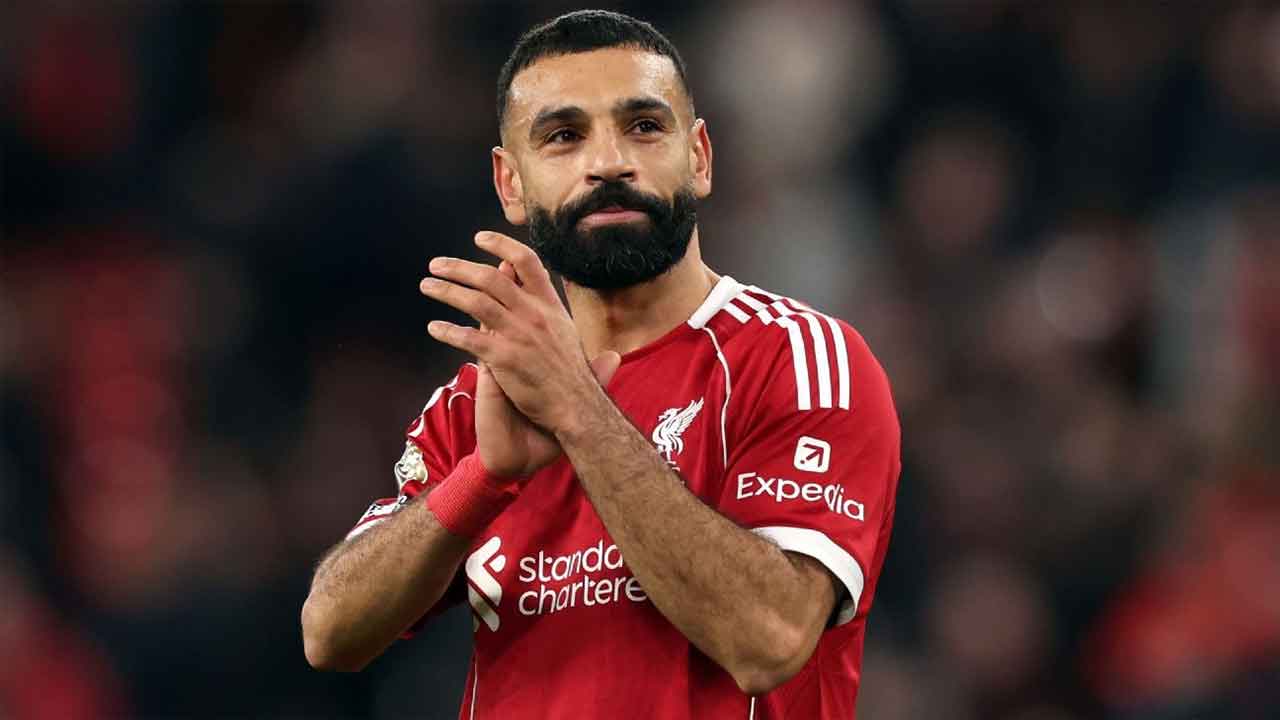
Liverpool forward Mohamed Salah has apologized to his teammates following controversial comments he made after being dropped from the squad earlier this month. The Egyptian star had publicly criticized the club and head coach Arne Slot after a 1–1 draw with Leeds United on December 6, expressing frustration over being blamed for the team’s poor start to the season and uncertainty about his future at Anfield. Midfielder Curtis Jones confirmed Salah’s apology in an interview with Sky Sports, saying the 33-year-old spoke to the entire squad to express regret if his words had hurt anyone. Jones emphasized that the dressing room remains united and that Salah’s gesture reflected his character and leadership. The incident comes amid Liverpool’s efforts to stabilize their Premier League campaign under new management. Salah’s apology is seen as a positive step toward maintaining team cohesion as the club seeks to recover form and address internal challenges in the second half of the season.
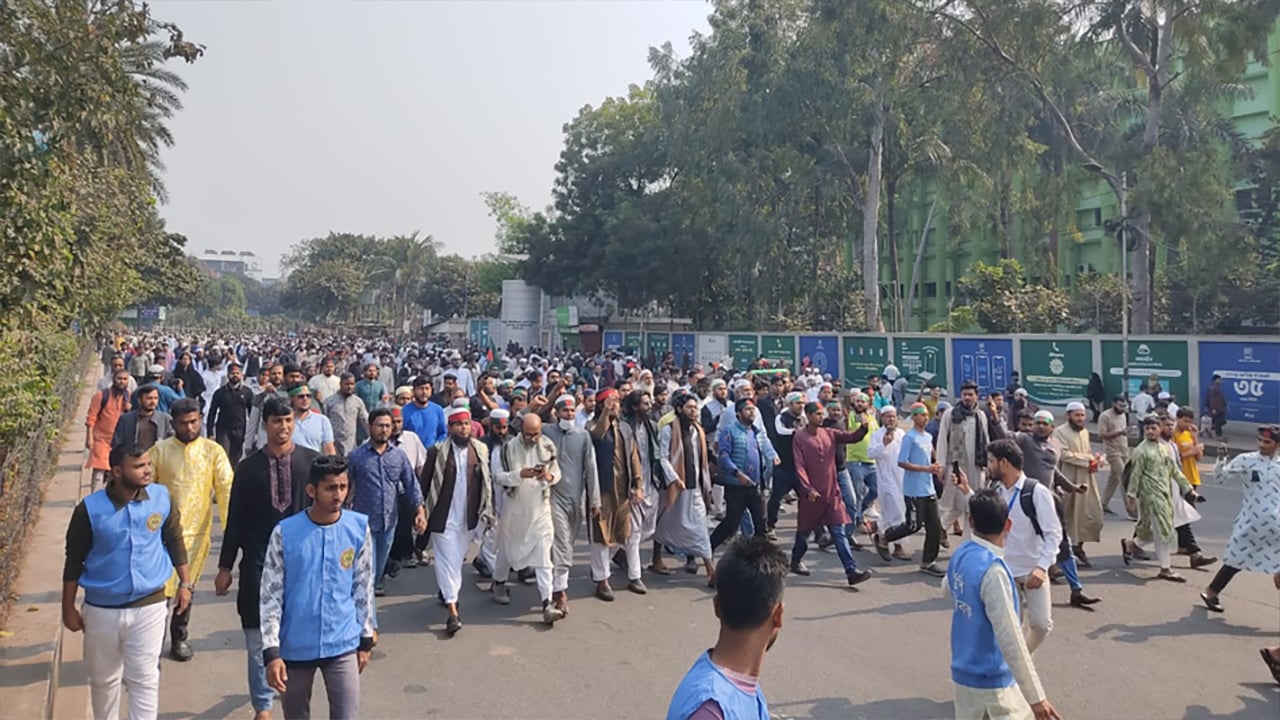
Thousands of people gathered at Manik Mia Avenue in Dhaka on Saturday morning to attend the funeral prayer of Sharif Osman Hadi, the convener of Inqilab Mancha. The South Plaza of the National Parliament Building turned into a sea of mourners as people arrived from the capital and surrounding districts to pay their last respects. Law enforcement agencies, including police, Border Guard Bangladesh (BGB), and Rapid Action Battalion (RAB), maintained strict security and crowd control measures. Attendees were allowed entry through multiple gates after security checks. Many mourners wore black badges to express grief, while others carried national flags to honor Hadi’s patriotism. Families, including women and children, were seen joining the gathering. Authorities reported that the event remained peaceful despite the massive turnout. Hadi’s colleagues and supporters expressed deep sorrow, describing his death as a significant loss for the movement he led. Following the funeral, emotional prayers were held before his burial.
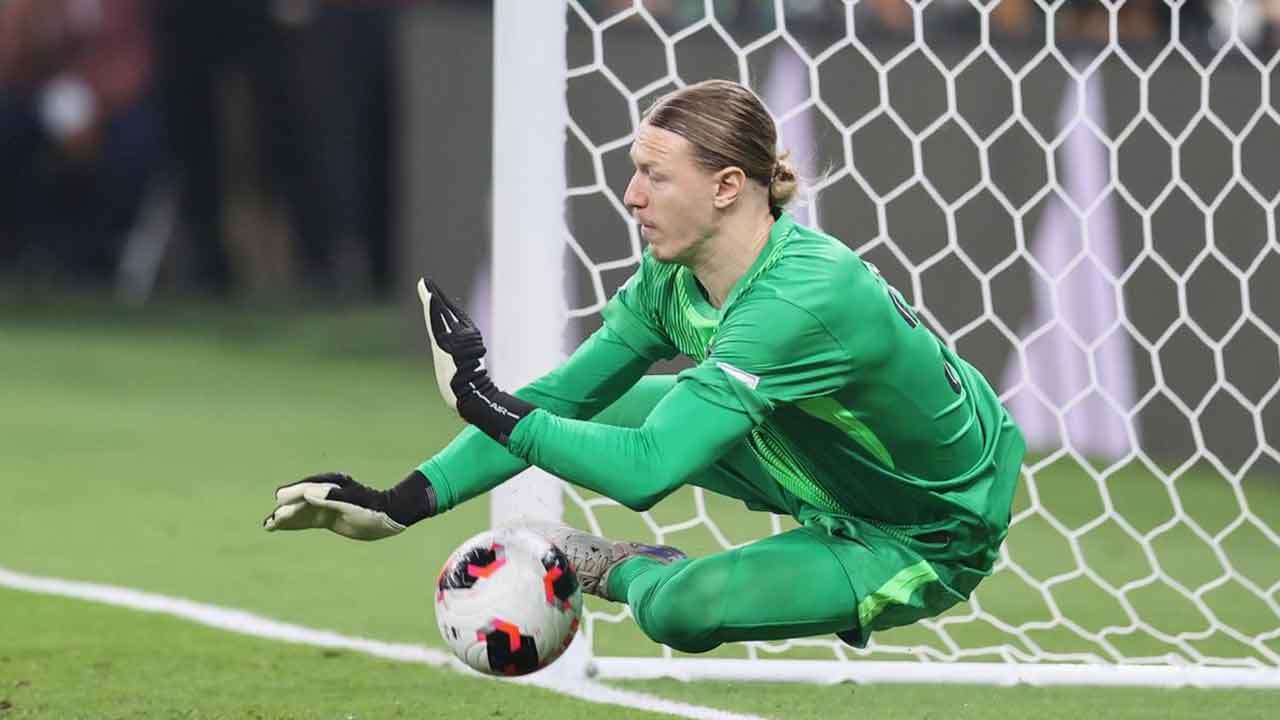
Paris Saint-Germain goalkeeper Matvei Safonov suffered a broken hand during his heroic performance in the Intercontinental Cup final against Brazil’s Flamengo. Despite the injury, Safonov saved four penalties in the shootout, leading PSG to a 2–1 victory and securing the club’s first-ever global title. The match ended in a draw during regular time before the dramatic penalty decider. PSG coach Luis Enrique confirmed on Friday that the injury likely occurred during the third penalty save, though Safonov continued playing without realizing the severity due to adrenaline. “It’s unbelievable — he stopped the last two shots with a fractured hand,” Enrique said, praising the goalkeeper’s commitment and mental strength. Medical staff will reassess Safonov’s condition in three to four weeks. The injury casts uncertainty over PSG’s upcoming fixtures, with the club expected to rely on backup options in goal. Safonov’s resilience, however, has been widely lauded as a symbol of PSG’s determination during their historic triumph.
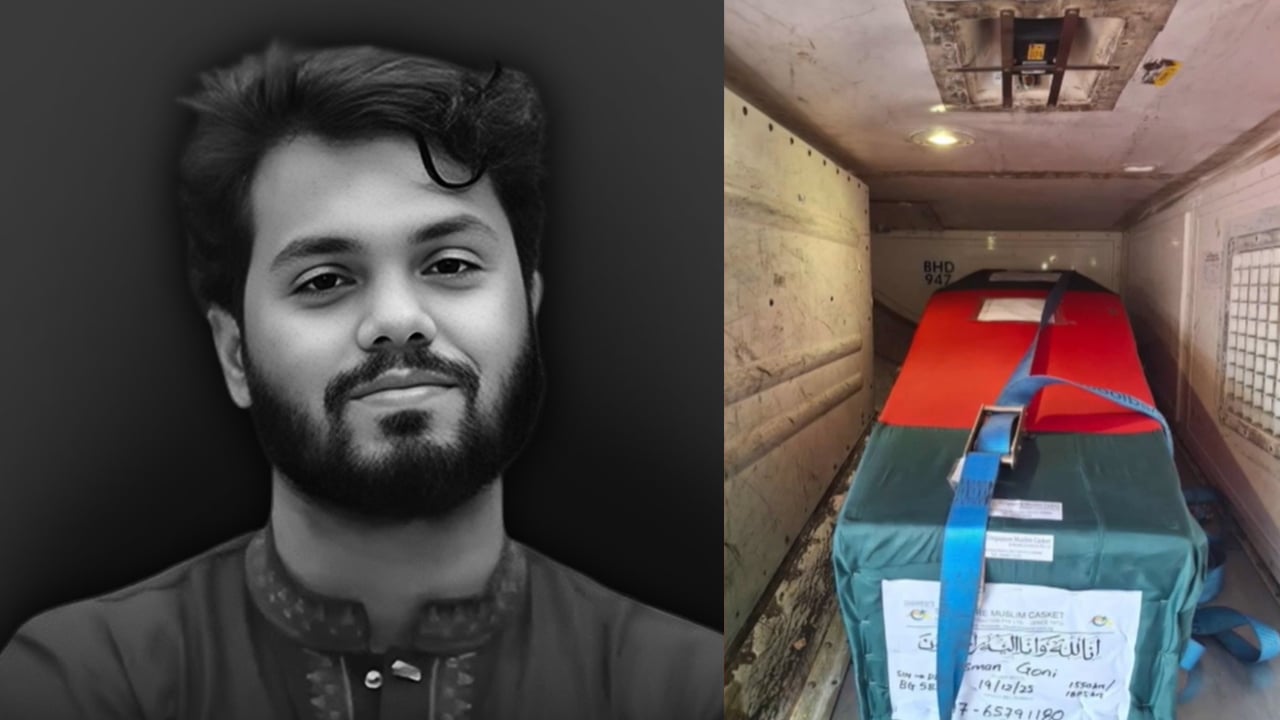
The funeral prayer for Shahid Sharif Osman Hadi, spokesperson of the Inquilab Mancha and a key figure in the July Revolution, will be led by his elder brother Abu Bakar Siddiq. Following the prayer, Hadi will be laid to rest beside the grave of national poet Kazi Nazrul Islam in Dhaka. The arrangements were confirmed by Dr. Abdul Ahad, resident physician at Dhaka Medical College Hospital’s neurosurgery department and member secretary of the National Health Alliance. Hadi’s body was taken to Shaheed Suhrawardy Medical College Hospital for autopsy before being returned to the National Institute of Cardiovascular Diseases. He died in Singapore last Thursday while undergoing treatment for a gunshot wound sustained on December 12 in Dhaka’s Bijoynagar area, when he was shot in the head from a moving motorcycle. Despite surgeries and airlifting to Singapore for advanced care, he succumbed to his injuries. His death has sparked widespread mourning among supporters and political activists, with many attending the funeral draped in national flags. Authorities have yet to release updates on the investigation into the shooting.
India’s Ministry of Defence is finalizing a proposal to acquire 850 kamikaze drones for the Army, Navy, Air Force, and special forces at an estimated cost of ₹2,000 crore. The Defense Acquisition Council is expected to approve the purchase in its upcoming meeting later this December, after which procurement will begin. According to reports from the Economic Times citing ministry sources, the move follows India’s successful use of combat drones during ‘Operation Sindoor’ against Pakistan in May. Senior defense officials told ANI that drones proved highly effective during that operation, prompting the armed forces to expand their drone arsenal across all branches. Kamikaze drones, also known as loitering munitions, are designed to strike targets and self-destruct upon impact. Analysts view this procurement as part of India’s broader modernization strategy to strengthen precision strike capabilities and reduce battlefield risks. The integration of autonomous navigation and target recognition technologies in these drones could significantly enhance India’s tactical flexibility in future conflicts.

Thousands of people converged on Dhaka’s Manik Mia Avenue on Saturday to attend the funeral prayer of Hadi, whose death has sparked widespread mourning and political emotion. From early morning, streams of mourners arrived from the capital and surrounding districts, filling the avenue with chants honoring Hadi and demanding justice for his killing. Participants carried national flags and wore black badges as symbols of grief and solidarity. Security forces maintained strict order, checking entrants at multiple gates to ensure safety. Witnesses reported a diverse turnout, including women, children, and elderly citizens, reflecting the broad public resonance of Hadi’s death. Many attendees described the event as both a religious and patriotic gathering. The massive turnout underscores the depth of public sentiment surrounding Hadi’s legacy and the political implications of his death. Authorities have not yet released further details on the investigation, but observers expect heightened public attention and possible demonstrations in the coming days.
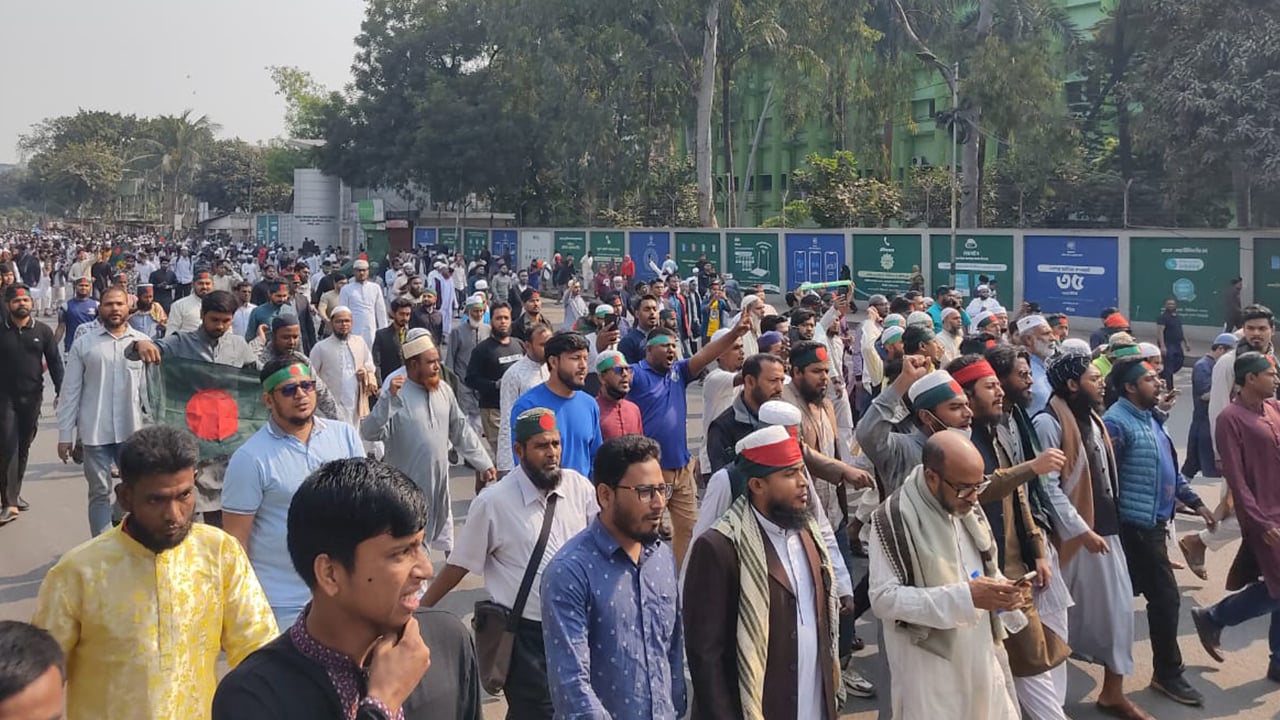
Jamaat-e-Islami Ameer Dr. Shafiqur Rahman has called on people across Bangladesh to attend the funeral of Sharif Osman Hadi, spokesperson of the Inqilab Moncho, setting aside political and ideological differences. Returning from London early on Saturday, Dr. Rahman visited the hospital to view Hadi’s body and later shared his appeal on his verified Facebook page, describing Hadi as a symbol of the nation’s sovereignty. In his message, Dr. Rahman expressed deep sorrow and prayed for strength for Hadi’s family and the nation. He emphasized that Hadi belonged to no particular party or ideology but represented the collective spirit of Bangladesh. His call for unity resonated with many social media users and political observers, who viewed it as a rare gesture of inclusivity amid a polarized political climate. The funeral, expected to draw large crowds, may serve as a moment of national reflection. Analysts suggest that such appeals for unity could influence future political discourse, especially as Bangladesh navigates ongoing social and ideological divisions.
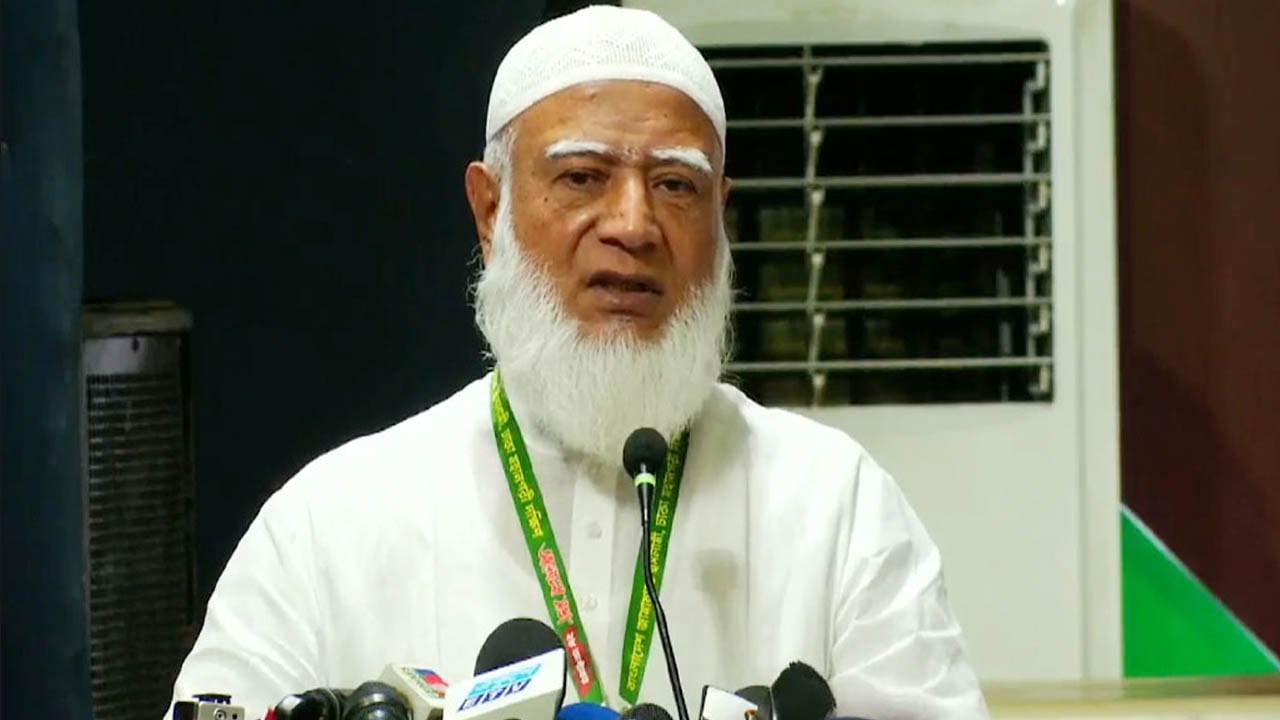
Sharif Osman Hadi, a prominent activist and spokesperson of the Inquilab Mancha, died in a Singapore hospital after being shot during an election campaign in Dhaka on December 12. Hadi, who was also a potential candidate for Dhaka-8 constituency, succumbed to his injuries after six days of critical care. His death has sparked nationwide grief and protests, with many in the arts and entertainment community expressing sorrow and outrage. Actors and filmmakers including Nusrat Imrose Tisha, Siam Ahmed, Rukaiya Jahan Chamak, Nasir Uddin Khan, and Ashfaque Nipun shared emotional tributes on social media, describing Hadi as a symbol of courage and freedom. Several posts questioned the state of free speech and political violence in Bangladesh. Meanwhile, protests and arson incidents have erupted across the country, prompting concerns over escalating unrest. Cultural figures have urged restraint and unity, warning against destructive demonstrations. Calls for justice and accountability continue to grow as the nation grapples with the political and social implications of Hadi’s death.
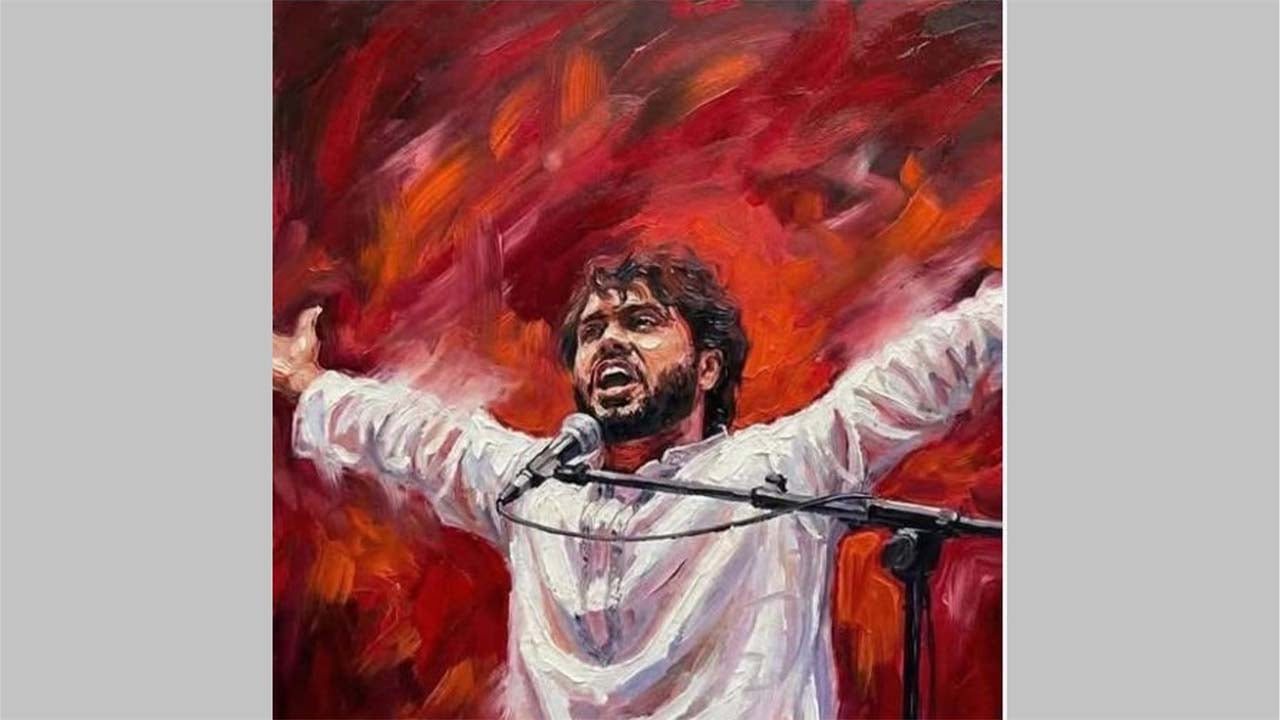
The autopsy of Sharif Osman Hadi, convener of the Inqilab Manch and a key figure in the July Revolution movement, has been completed at Shaheed Suhrawardy Medical College Hospital. Following the procedure, his body was transferred back to the National Institute of Cardiovascular Diseases (NICVD) morgue in Dhaka for preservation, according to Dr. Abdul Ahad of Dhaka Medical College Hospital. Hadi had been under treatment in Singapore after sustaining a gunshot wound to the head on December 12 during a public outreach event in Dhaka’s Bijoynagar area. Despite multiple surgeries in Bangladesh and abroad, he succumbed to his injuries on December 18. His body was flown back to Dhaka the following evening. Authorities have not yet released details of the autopsy findings. Political activists and supporters have expressed grief, while calls for a thorough investigation into the shooting continue. Funeral arrangements are expected to follow pending official procedures.
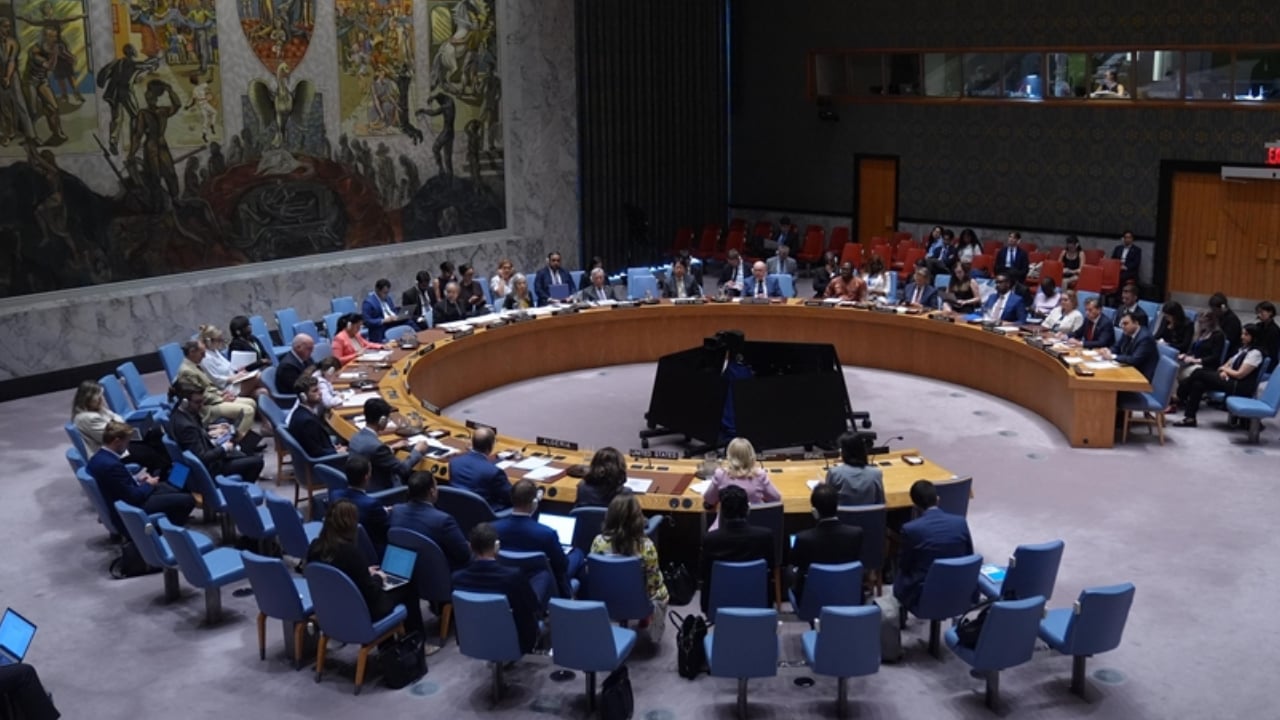
The United Nations Security Council has strongly condemned a drone attack on a UN peacekeeping base in Sudan’s South Kordofan region that killed six Bangladeshi peacekeepers and injured nine others. The attack, which occurred on December 13 at the Kadugli logistics base of the UN mission, was reportedly carried out by a separatist armed group. In a statement issued Friday, the Council expressed deep condolences to the families of the victims and to the government and people of Bangladesh. It emphasized that attacks on UN personnel and facilities pose a serious threat to international peace and security and may constitute war crimes under international law. The Council urged that those responsible be held accountable without delay. The statement also called for enhanced cooperation between Sudan and South Sudan to ensure the safety of peacekeepers and the stability of the region. Bangladesh, one of the largest contributors to UN peacekeeping missions, has lost several personnel in similar attacks in recent years.
The United States has imposed sanctions on 29 ships and their management companies allegedly involved in transporting Iranian crude oil and petroleum products. The US Treasury Department stated that these vessels, described as part of Iran’s 'ghost fleet,' used deceptive practices to move hundreds of millions of dollars’ worth of oil in violation of existing sanctions. The ships are reportedly old, with opaque ownership structures and documentation that fails to meet international port standards. Washington said the move aims to curb Tehran’s funding sources for its nuclear program and regional militant groups. Iran, however, insists its nuclear activities are for civilian purposes. The new sanctions come amid heightened tensions following five rounds of failed indirect nuclear talks and a 12-day air conflict in June, during which US and Israeli forces targeted Iranian nuclear facilities. Analysts say the sanctions could further strain global energy markets and complicate diplomatic efforts to revive nuclear negotiations. The Iranian mission to the United Nations has not commented on the latest measures.

The ‘1 Nojor’ media platform is now live in beta, inviting users to explore and provide feedback as we continue to refine the experience.