

The ‘1 Nojor’ media platform is now live in beta, inviting users to explore and provide feedback as we continue to refine the experience.
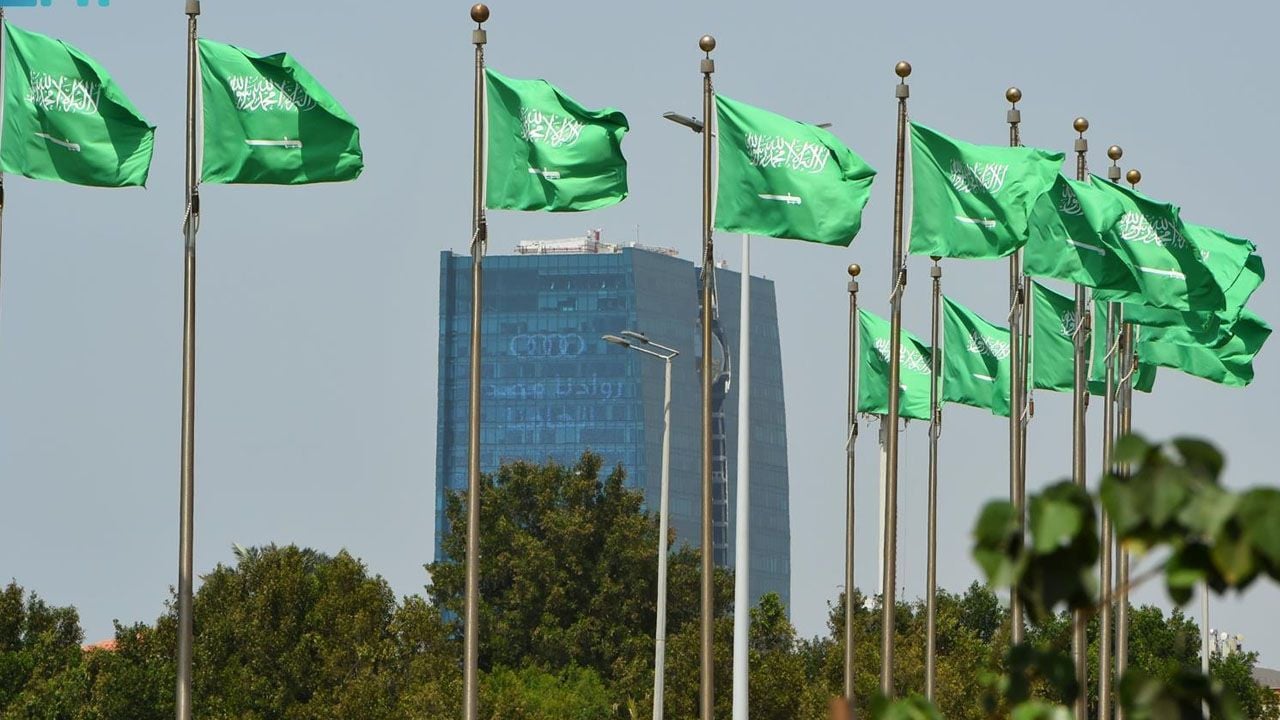
Saudi Arabia has imposed a travel ban on citizens from the Democratic Republic of Congo, Uganda, and South Sudan as a precautionary step to prevent the spread of the Ebola virus. The decision also suspends visa issuance and entry into Saudi Arabia for travelers from these countries. According to a Gulf News report citing the Saudi Press Agency, the restriction applies to anyone who has stayed in any of the three nations within 21 days before entering Saudi Arabia, even if arriving through another country. The Saudi Public Health Authority, known as Weqaya, stated that the move aims to protect public health and curb cross-border transmission of infectious diseases. The country has strengthened health screening, disease surveillance, and rapid response systems at entry points, particularly for travelers from neighboring countries of the affected regions. Authorities confirmed that Saudi Arabia’s overall public health situation remains stable, with no suspected Ebola cases detected so far. Continuous monitoring of regional and international epidemic developments is underway, and the government affirmed readiness to implement all necessary health measures.
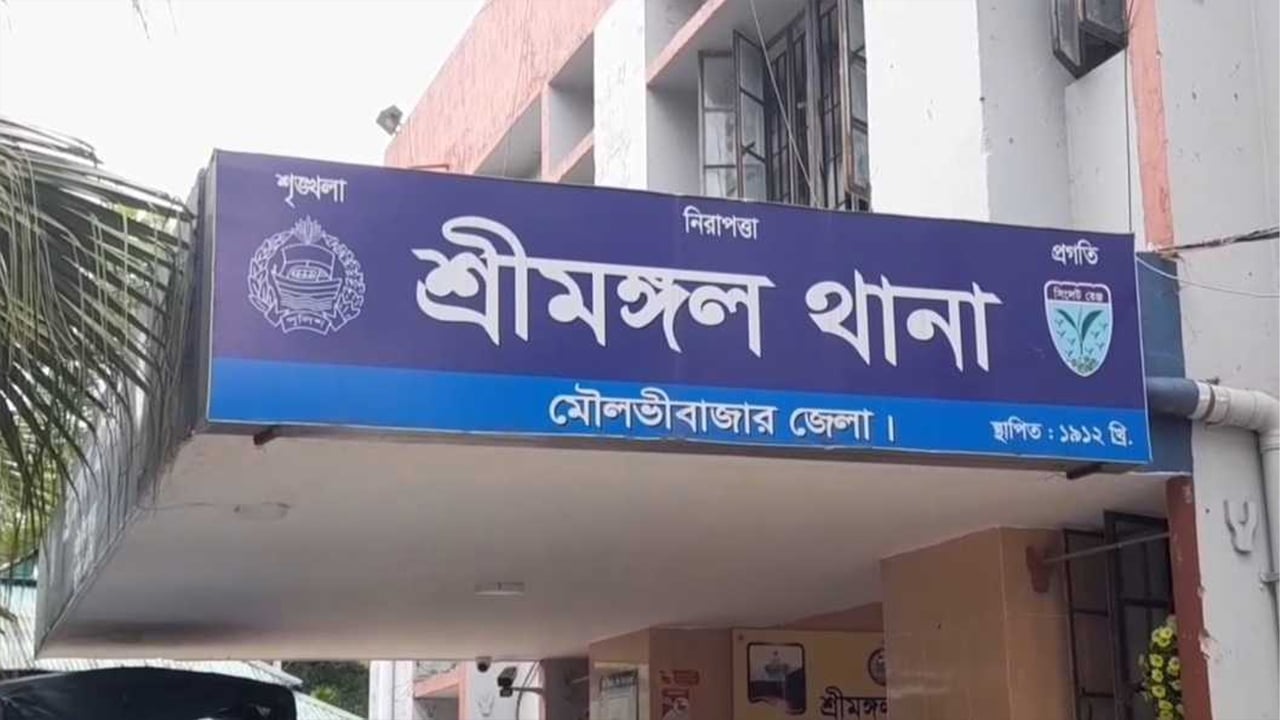
A man named Sohel Mia, aged 34, died after being struck with a glass at a tea stall in Sreemangal, Moulvibazar. The incident occurred on Friday morning when Sohel had an argument with another man, Ismail Mia, over being served a drinking glass. During the altercation, Ismail allegedly hit Sohel on the head with a glass. Sohel was taken to Sreemangal Upazila Health Complex with serious head injuries and received five stitches. Although he initially returned home after treatment, his condition worsened later, and he died in the hospital that afternoon. Police arrested the suspect, Ismail Mia, son of Fozor Ali from the same area, shortly after the incident. The body of Sohel, son of the late Ful Mia from Alisharkul village, was sent to the district hospital morgue for autopsy. According to the investigating officer, a case is being processed in connection with the death. Authorities confirmed that the victim suffered severe head trauma, and the investigation into the incident is ongoing.
The United States carried out military strikes in Iran on Friday following a drone attack on a commercial cargo ship in the Strait of Hormuz. President Donald Trump accused Iran of violating a ceasefire, prompting the operation. According to the US Central Command (CENTCOM), precision strikes targeted Iranian missile and drone storage sites as well as coastal radar installations. CENTCOM described the action as a strong response to Iran’s aggression against commercial shipping and said it would continue coordinating to ensure safe maritime passage in the region. BBC reported that a one-way attack drone had hit a cargo vessel earlier, causing no casualties but prompting preparations to evacuate more than 11,000 sailors from the area. The incident has renewed concerns over the future of a preliminary US-Iran agreement reached earlier in June to ensure safe navigation and reduce hostilities. The February attacks by the US and Israel had earlier led Iran to restrict movement through the Strait, but a 14-point agreement on June 17 had temporarily eased tensions. The latest developments now cast uncertainty over that fragile truce.

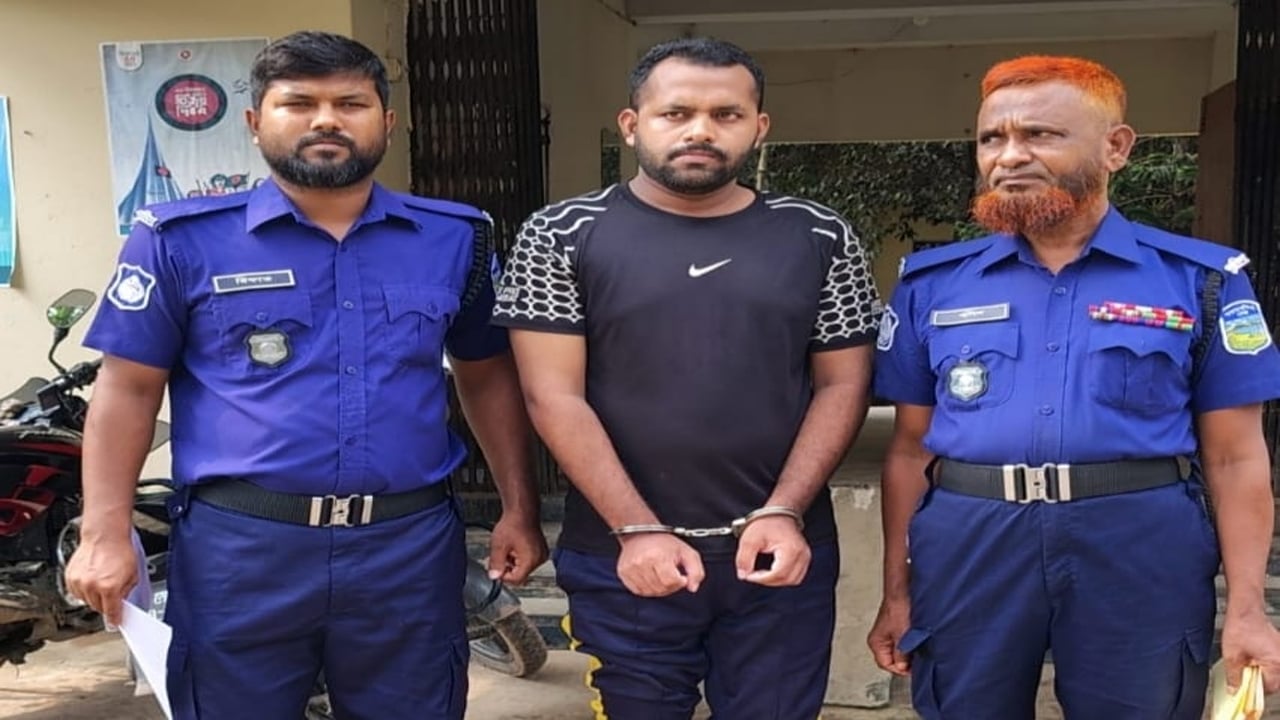
Police have arrested former army member Md. Sarowar Hossain Khan, 40, for allegedly editing and spreading obscene versions of a young woman’s photos and videos through a fake Facebook account. The arrest took place on Thursday afternoon in Tongi, Gazipur, by a team from the Criminal Investigation Department (CID). He was later handed over to Mohanganj Police Station and sent to jail through court on Friday. The accused is from Noagaon village in Dharmapasha upazila of Sunamganj and had been working at a pharmaceutical company in Gazipur. According to police, the victim filed a case under the Pornography Act on April 14 last year at Mohanganj Police Station and also lodged a complaint with the cyber protection cell for women. Investigators used digital tools to identify the suspect after a prolonged inquiry. The victim stated that her edited photos and distorted videos were circulated online, causing her and her family severe social and mental distress, eventually forcing her to leave her area. She demanded exemplary punishment for the accused to prevent similar cyber harassment against women in the future.
Police recovered the half-decomposed body of a 32-year-old female doctor, Fara Ferdous, from a rented apartment in the Aziz Super Market building in Dhaka’s Shahbagh area on Friday afternoon. The discovery was made after neighbors reported a foul smell coming from the 14th-floor flat. Officers entered the room in the presence of the victim’s sister, Nujula Ferdous, and found the body seated on a bed with her head resting on a table. The body was later sent to Dhaka Medical College Hospital morgue for autopsy. According to Shahbagh Police Sub-Inspector Ekramul Haque, Fara Ferdous had been living alone in the apartment for a long time. She was pursuing advanced training in cardiovascular studies at PG Hospital and had joined government service through the 39th BCS. Family members last spoke with her on June 23, after which they lost contact. Fara was originally from Paigram village in Phultala upazila of Khulna district. Police said the cause of death has not yet been determined. The actual cause will be known after the post-mortem report, and legal procedures are underway.

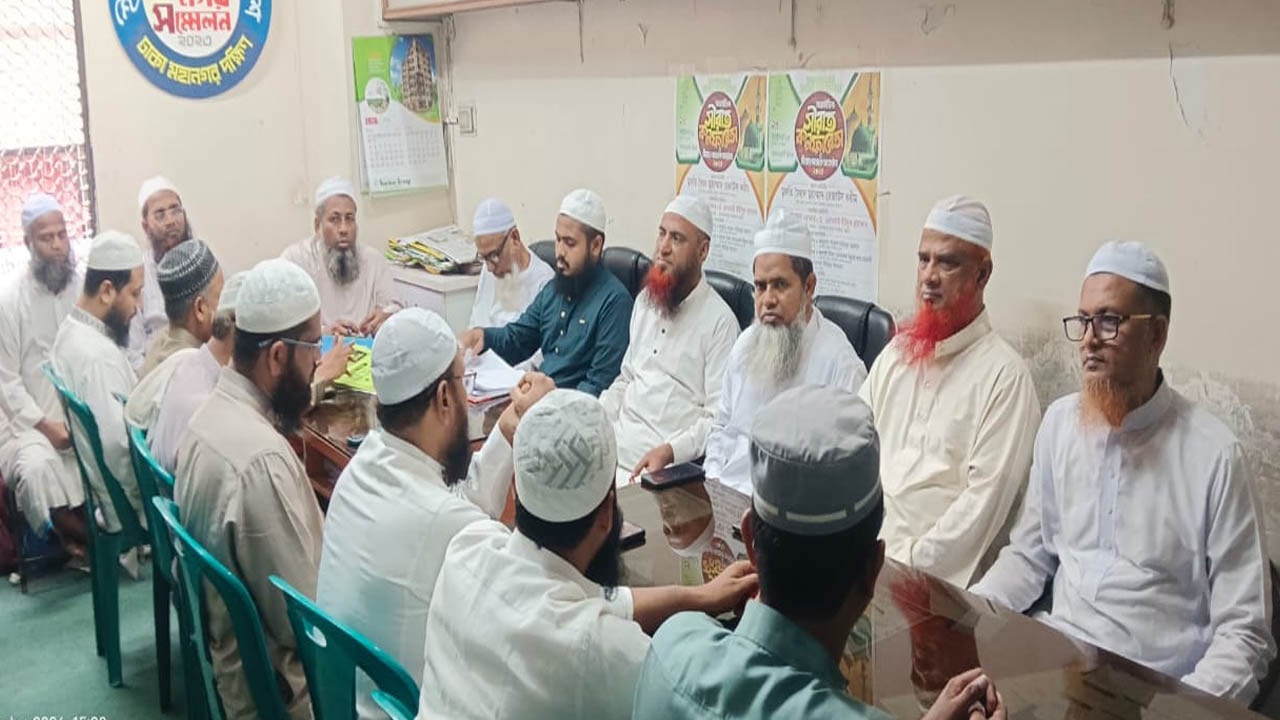
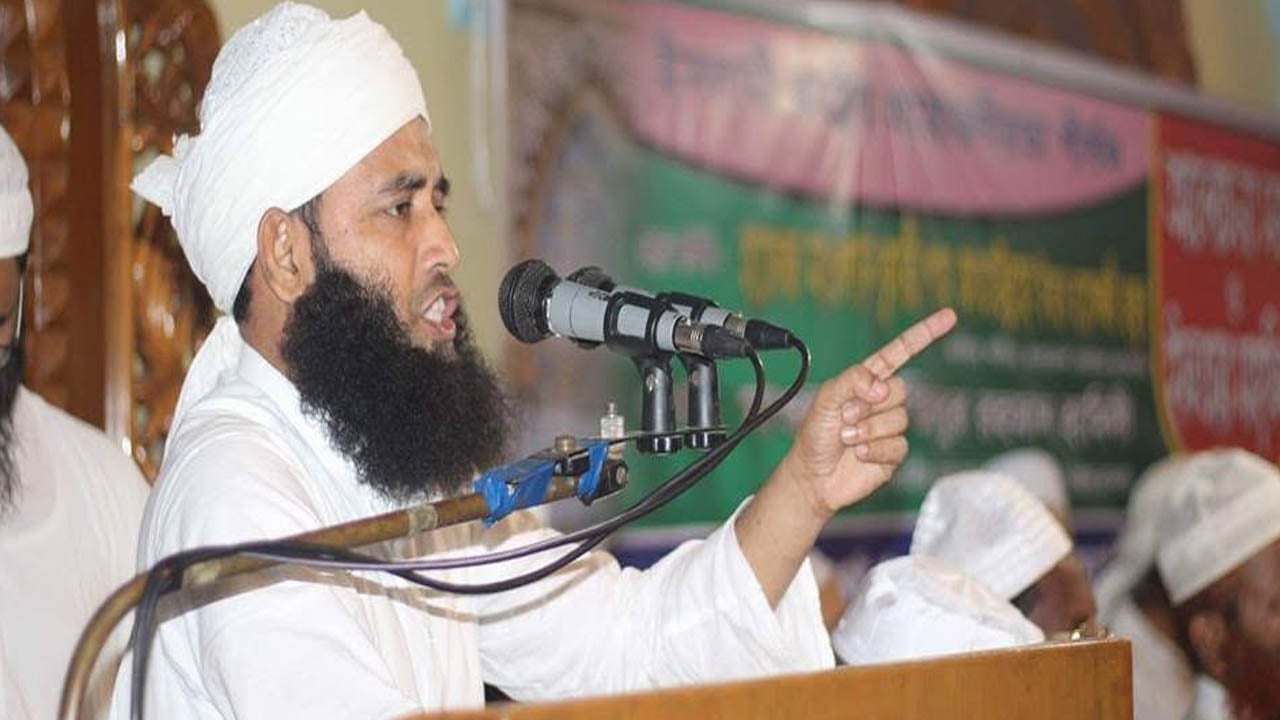
Ahmad Abdul Qayyum, Assistant Secretary General of Islami Andolan Bangladesh and President of the party’s Dhaka South unit, has called for full transparency regarding all agreements and memorandums of understanding signed during the Prime Minister’s recent state visits. Speaking as chief guest at the party’s monthly meeting in Dhaka on Friday, he said that no country can stand proudly if foreign deals prioritize personal or partisan interests over national welfare. He stated that citizens have the right to know details of any international agreement affecting national sovereignty and interests. Qayyum also alleged that during previous fascist and interim governments, several foreign agreements were made that went against the country’s interests. He expressed concern that some deals signed with India under the Awami League and with the United States during the interim government could have negative long-term effects. The Islami Andolan leader further voiced alarm over the deteriorating law and order situation, warning that instability is rising while the Home Minister continues to make statements instead of taking effective action.
Bangladesh Khelafat Movement has strongly criticized the death sentence handed to Hafez Naeem Ahmed in the 2004 attempted murder case of Suranjit Sengupta. The group described the verdict as discriminatory and unjust, noting that while several BNP leaders and other accused were acquitted, only one Islamic scholar received the death penalty. In a statement issued on Friday, the organization’s organizing secretary Mufti Sultan Mohiuddin alleged that remnants of the former Sheikh Hasina government still influence the state apparatus, which he said was reflected in this verdict. He questioned why an Islamic scholar was sentenced when others were freed, suggesting that the decision was made to appease India and ISKCON. The statement demanded Naeem’s release and called for the verdict to be overturned to ensure justice. It also warned that a nationwide movement would be launched if the ruling was not revoked and urged for an end to what it termed discriminatory judicial practices against religious scholars and citizens.
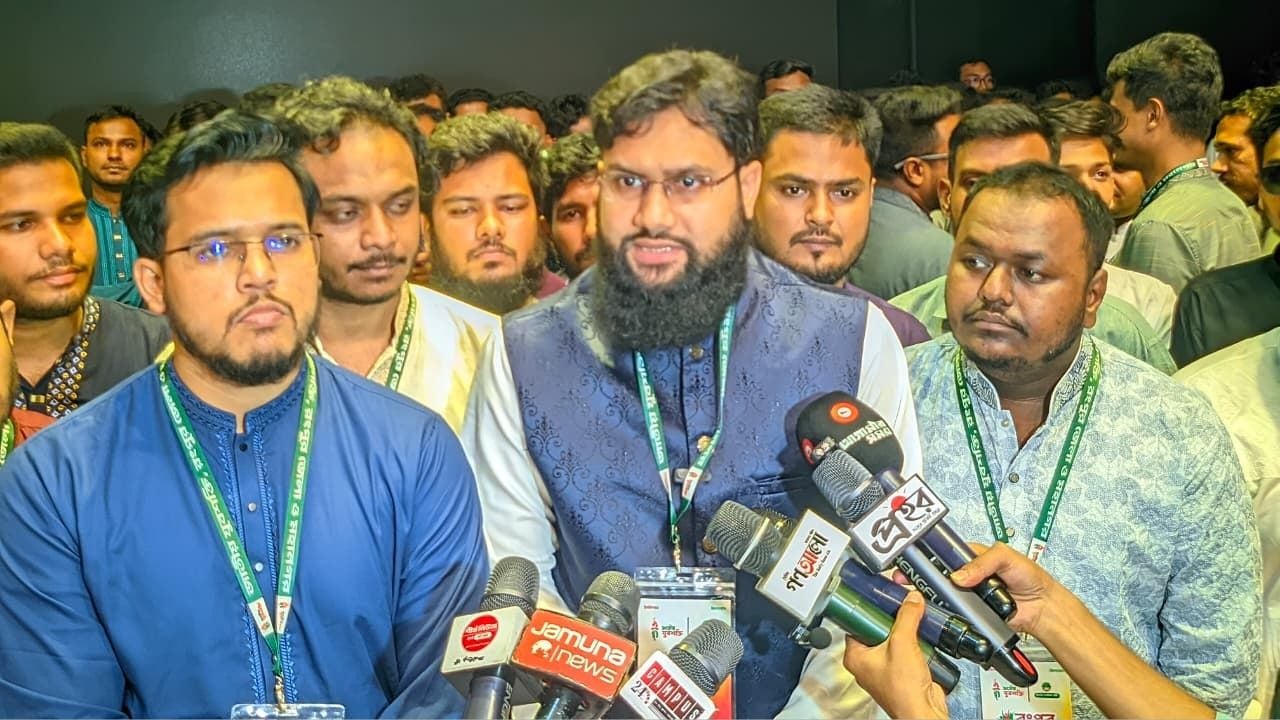
At a divisional conference of Jubo Shakti in Rangpur on Friday evening, Member of Parliament Atik Mujahid criticized the Home Minister for failing to maintain overall national security. He said the minister’s inability to focus on key issues has led to a deterioration in law and order. Mujahid also questioned the government’s silence regarding claims that thousands of people had entered Bangladesh illegally, calling it a serious security threat. He further alleged that the government was discriminating against opposition parties in budget allocations, giving ruling party constituencies far more funds. Mujahid expressed frustration over the lack of progress in implementing the Teesta mega project, saying the government had only offered assurances without setting a timeline. He warned that continued river erosion was destroying farmland and homes while the government remained inactive. National Jubo Shakti convener Advocate Tarikul Islam echoed concerns about rising insecurity and accused the government of weakness in handling Awami League activities. He urged the government to abandon its unilateral approach to governance and take effective measures to restore public safety.
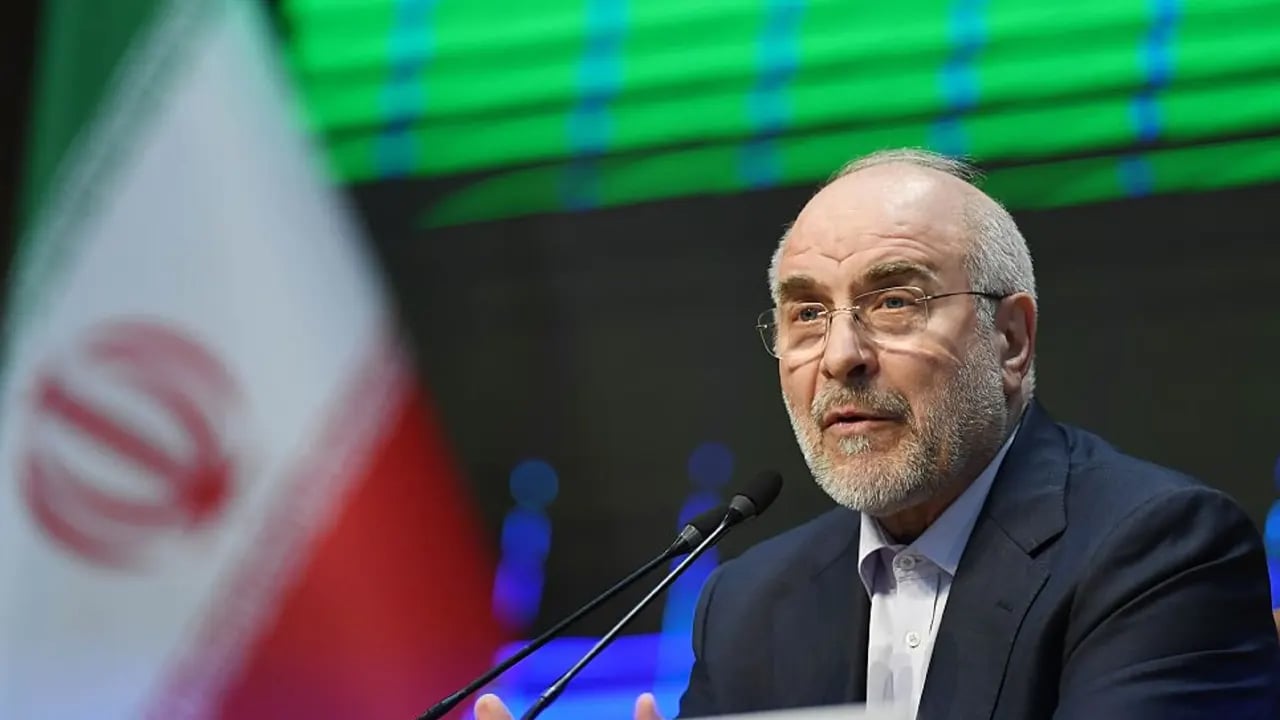
Iran’s parliament speaker and chief negotiator Mohammad Bagher Ghalibaf has dismissed as false the U.S. claim that Tehran’s recently released funds will be used to purchase American agricultural products. In a post on social media platform X, Ghalibaf accused Washington of spreading misinformation and breaking promises, saying the distrust caused by U.S. policies has now turned against it. He also mocked the U.S. export list, saying it is filled with genetically modified soybeans and empty rhetoric. Earlier, U.S. President Donald Trump and Vice President JD Vance had said that under a memorandum of understanding brokered by Pakistan, $500 million worth of U.S. goods would be included in the initial phase, with the funds used to buy corn and wheat for Iran’s food needs. U.S. Secretary of State Marco Rubio stated in Bahrain that Washington seeks a deal aligned with its security and economic interests and those of its regional allies. Iranian state and semi-official media described the agreement as a strategic success for Iran, not a concession. The Central Bank governor said the released funds could be used beyond essential goods if necessary, while ongoing talks reveal clear differences between the two sides over implementation and interpretation.
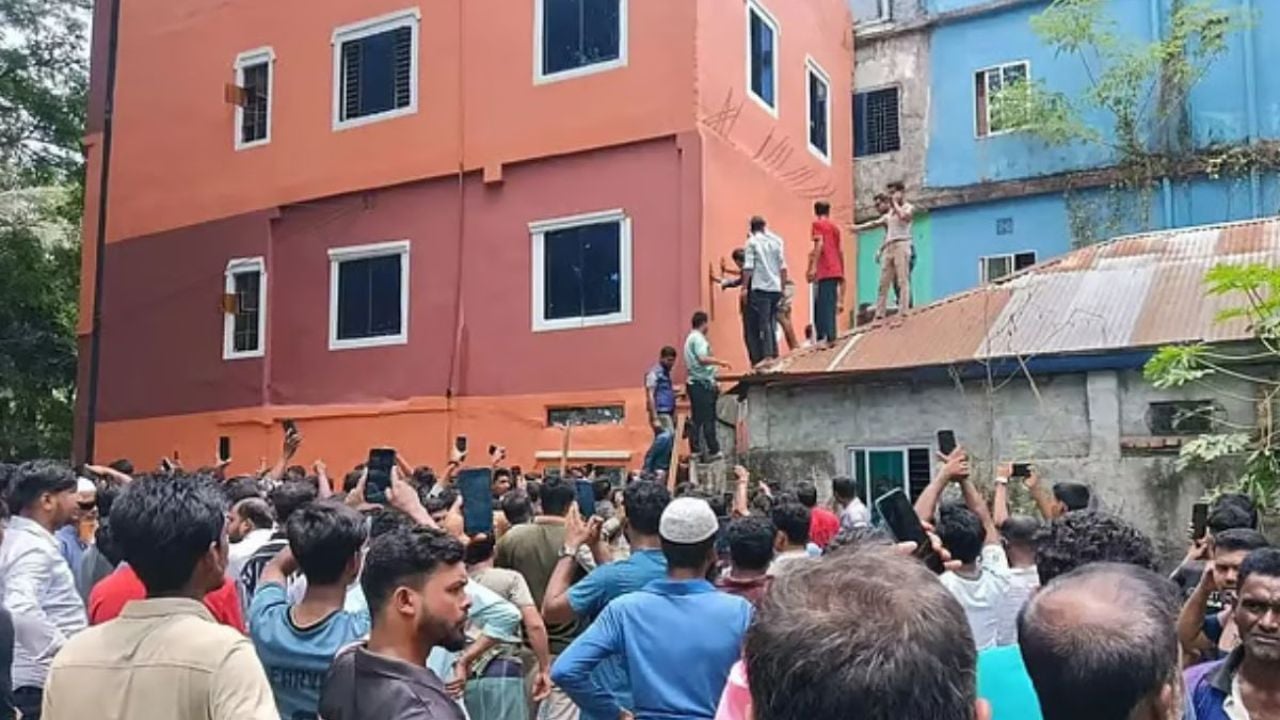
In Lakshmipur’s Raipur, police have handed over the body of Antor Majumder, who was killed in a mob beating after being accused in the murder of a mother and her three daughters. The handover took place after close family members refused to accept the body. Eventually, police arranged for a distant cousin, Titu Majumder, to receive it through the local union council chairman. The incident was confirmed by Sub-Inspector Md. Yakub of Sadar Model Police Station on Friday night. According to police, Antor was the son of Kartik Majumder from Charbajlul Karim village in Noakhali’s Subarnachar upazila. His body underwent an autopsy at the 100-bed Lakshmipur Sadar Hospital, where the residential medical officer, Dr. Arup Pal, confirmed the post-mortem was completed before the body was handed to police. Later, it was transferred to the relative. A case has been filed at Raipur Police Station over Antor’s death in the mob beating. Sub-Inspector Aminul Islam lodged the case against unidentified individuals, according to Officer-in-Charge Shahin Mia.
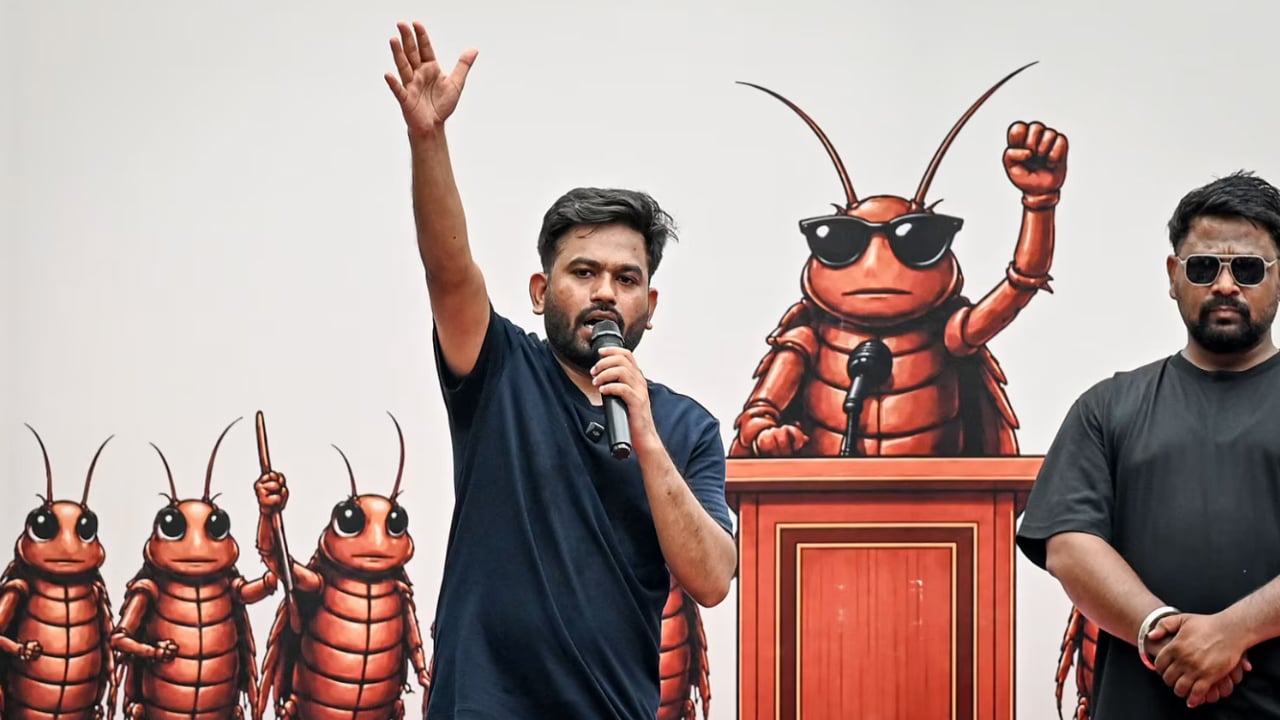
A newly formed group called the ‘Cockroach Janata Party’ (CJP) has launched a sit-in protest in New Delhi demanding the resignation of India’s Education Minister Dharmendra Pradhan. The protest, led by CJP founder Abhijit Deepke, began last Saturday at Jantar Mantar and will continue until the minister steps down. The movement emerged in response to repeated exam paper leaks and irregularities in national-level admission and recruitment tests, which have placed the Modi administration under pressure. The CJP, created only a month ago as a satirical take on Prime Minister Narendra Modi’s Bharatiya Janata Party, uses the cockroach as its symbol, inspired by a controversial remark allegedly labeling unemployed youth as “cockroaches.” The protests have drawn hundreds daily, with participants carrying national flags, singing patriotic songs, and presenting flowers to police officers to maintain peace. Symbolic acts, such as banging utensils and writing demands on diapers, have been used to mock government failures. Following widespread exam controversies, including the cancellation of a major medical entrance test, the government has tightened security measures and used military aircraft to transport exam papers. Protesters plan to expand their organizational structure and push for long-term reforms in India’s examination system.
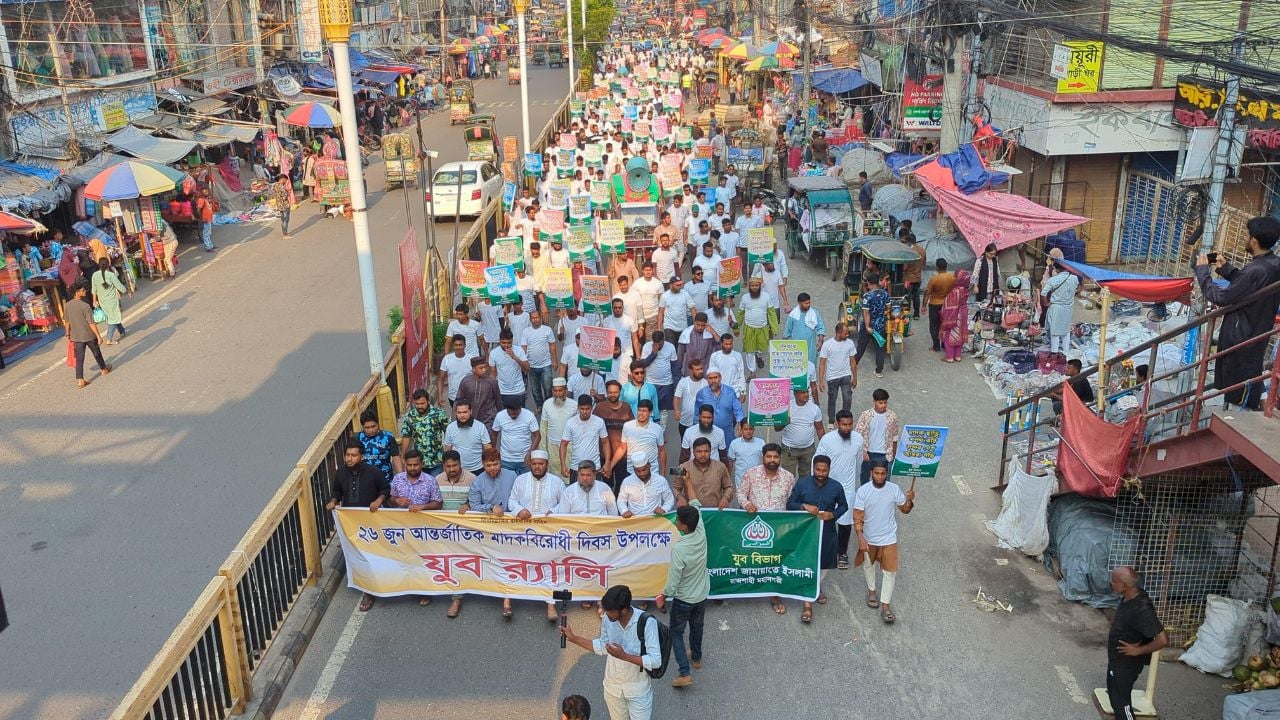
The youth wing of Jamaat-e-Islami Rajshahi Metropolitan organized a rally and assembly on Friday in observance of the International Day Against Drug Abuse. The rally began in the Alupatti area of Rajshahi city, moved through several streets, and concluded at the Central Shaheed Minar, where a gathering was held. The event was presided over by Salauddin Ahmed, secretary of the Jamaat-e-Islami youth division in Rajshahi. Abu Mohammad Selim, the city’s Naib-e-Ameer, attended as chief guest, while city secretary Imajuddin Mondol and organizational secretary Jasim Uddin Sarkar also spoke. Selim called for united efforts across society to eliminate drugs and protect the nation’s youth. Ahmed alleged that drug abuse had increased since the new government took office, questioning its role. Mondol criticized the government’s effectiveness in drug control, and Sarkar urged a stronger anti-drug stance while criticizing a parliament member’s remarks on alcohol. Speakers demanded effective measures to build a drug-free Bangladesh, with leaders and activists from various levels of the organization participating in the event.
Electricity supply will remain suspended for several hours on Saturday, June 27, in parts of Chattogram and Natore due to maintenance and tree trimming work. Separate notices from the Chandanaish Palli Bidyut Office and Natore Palli Bidyut Samiti-2 confirmed the planned outages. In Chandanaish, power will be cut from 8:30 a.m. to 4:30 p.m., affecting multiple areas including Munshef Bazar, Kerani Bari, Choudhury Market, Chandanaish Municipality, and Noapara. In Natore, power will be off from 7:00 a.m. to 12:00 p.m., impacting Bonpara Municipality and several unions under Baraigram-1 and Baraigram-3 substations. The authorities stated that the outages are necessary to remove risky tree branches near transmission lines and to conduct line maintenance. They apologized for the temporary inconvenience and noted that the duration of the power cuts may vary depending on work progress. The maintenance work aims to ensure safer and more reliable electricity distribution in the affected regions once completed.

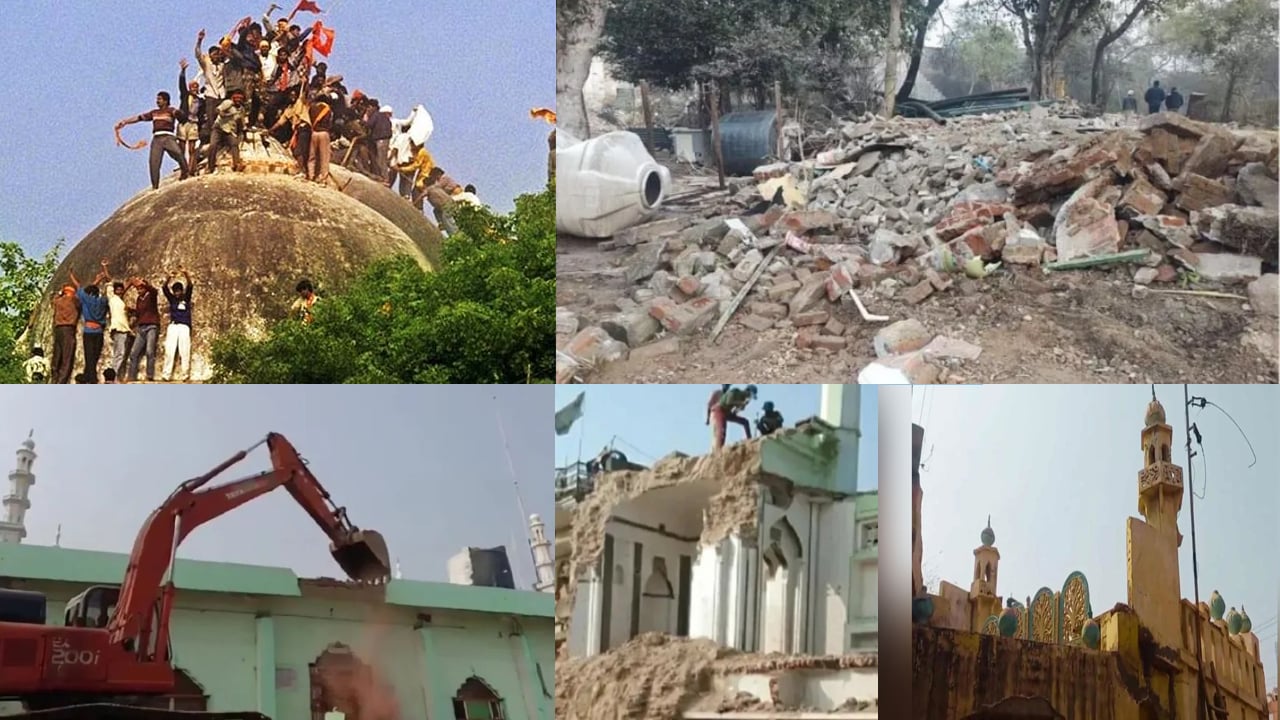
At least 23 Muslim religious sites, including mosques, madrasas, eidgahs, and dargahs, have been demolished across several BJP-ruled Indian states over the past 45 days, according to reports from international media and human rights organizations. The demolitions occurred mainly in Delhi, Uttar Pradesh, Rajasthan, Maharashtra, Gujarat, and Haryana. The U.S.-based rights group Justice for All expressed concern over the rapid rise in mosque demolitions, citing incidents in Sambhal, Varanasi, and Jaipur. Historical structures such as the 1,000-year-old Ganj Shahida Mosque in Varanasi and the 200-year-old Dargah Panch Piran in Delhi were among those destroyed. Local waqf boards and caretakers alleged that the demolitions were carried out hastily and without prior notice, despite the sites’ legal and historical significance. The organization stated that these incidents do not appear to be isolated but part of a broader pattern targeting Muslim religious heritage in BJP-governed regions. The wave of demolitions has raised serious concerns about religious freedom and minority rights in India, with observers warning of growing insecurity among the country’s Muslim population.
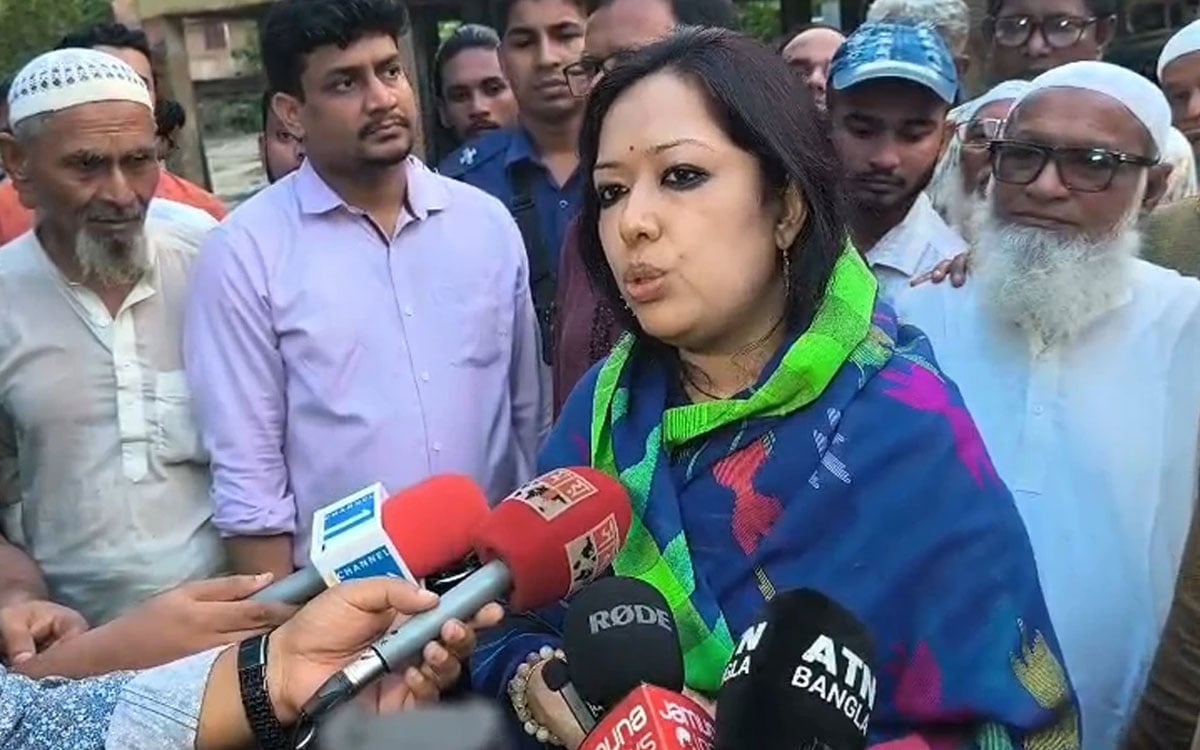
Brahmanbaria-2 Member of Parliament Rumin Farhana said the country would have benefited if the home minister had shown as much interest in his own ministry as he does in others. She made the remarks on Friday while speaking to local journalists after inspecting road construction progress in Ghagrajuri village of Chuntta Union, Sarail upazila, Brahmanbaria. Rumin Farhana stated that Bangladesh’s current law and order situation is more fragile than at any time in the recent past. She warned that without visible improvement in the economy and law enforcement, the government could face unfortunate consequences. Referring to the newly announced national budget, she questioned its feasibility and said she had raised these concerns in parliament. She also accused local BNP leaders and activists of engaging in what she called a “case business,” alleging that they repeatedly file cases and seek bail in a cycle. She urged the home minister to address the issue, reminding him that he would one day be held accountable for his actions.
The ‘1 Nojor’ media platform is now live in beta, inviting users to explore and provide feedback as we continue to refine the experience.