

The ‘1 Nojor’ media platform is now live in beta, inviting users to explore and provide feedback as we continue to refine the experience.
Dhaka Metropolitan Detective Police (DB) investigators are facing difficulties in uncovering the motive behind the attempted murder of Inqilab Manch spokesperson Sharif Osman Hadi. Despite several arrests, authorities have yet to identify the mastermind or clear motive behind the shooting, which took place after Friday prayers in Dhaka. Shooter Faisal Karim, previously seen in Hadi’s election campaign, remains a key suspect. Investigators revealed that Faisal and his associate Alamgir stayed at a resort in Savar’s Ashulia area the night before the attack, accompanied by two women. The next morning, they left for Dhaka, where Hadi was later shot. Police have arrested four individuals so far, including Faisal’s wife, brother-in-law, and a female companion from the resort, all placed on five-day remand by a Dhaka court. Another suspect, the motorcycle owner used in the attack, was earlier remanded for three days. Hadi has been flown to Singapore General Hospital for advanced treatment. Authorities continue to probe the planned nature of the attack and possible political motivations.
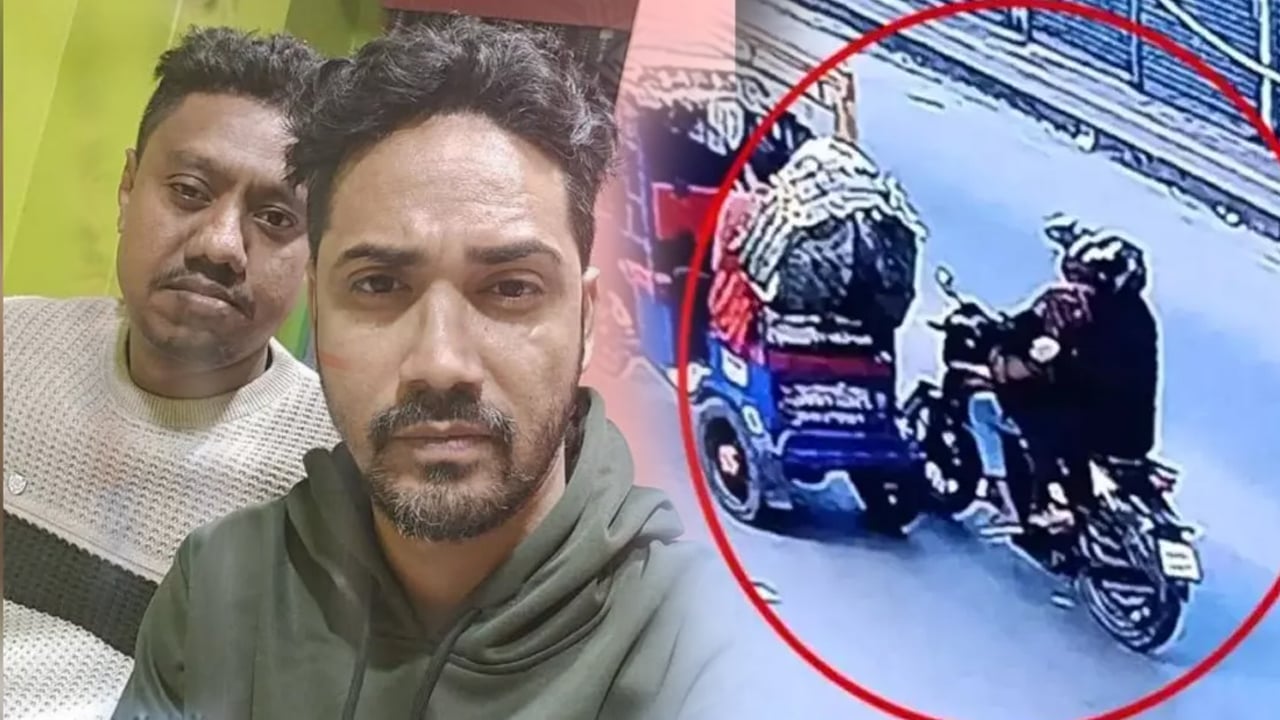
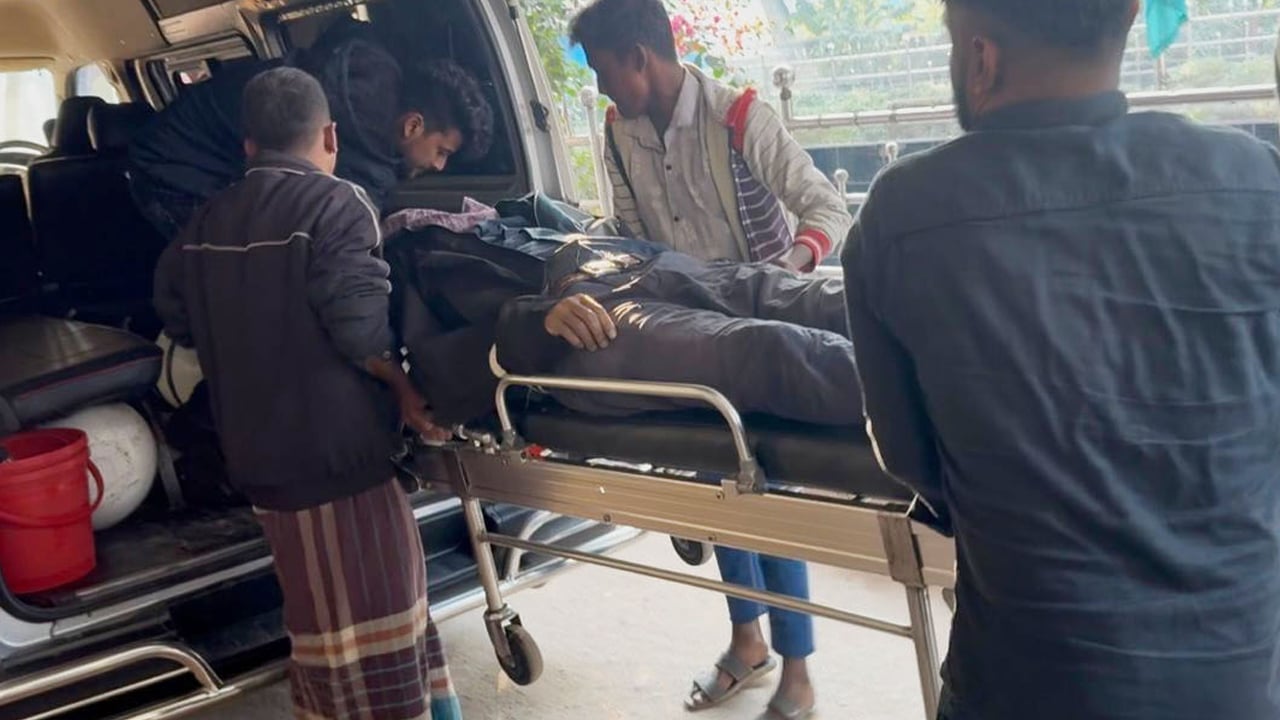
A 50-year-old motorcyclist named Ibrahim was killed and his relative Salauddin was seriously injured when their motorcycle collided with a mini-truck on the Dhaka–Chattogram Highway near Mirshwani in Chauddagram, Cumilla, on Tuesday morning. Police confirmed that the mini-truck, reportedly coming from the wrong direction, struck the moving motorcycle with force, killing Ibrahim on the spot. According to police and eyewitness accounts, Ibrahim and seven others had departed from Demra, Dhaka, on six motorcycles late Monday night, intending to travel to Bandarban and later Cox’s Bazar. Their journey was cut short by the fatal crash. Local residents helped rescue the injured and transported them to the Upazila Health Complex, where doctors declared Ibrahim dead. Salauddin was later transferred to Dhaka’s National Institute of Traumatology and Orthopaedic Rehabilitation for advanced treatment. Police have recovered the body and initiated legal procedures before handing it over to the family. The incident highlights ongoing safety concerns on major highways, where wrong-way driving and reckless overtaking remain persistent causes of fatal accidents.
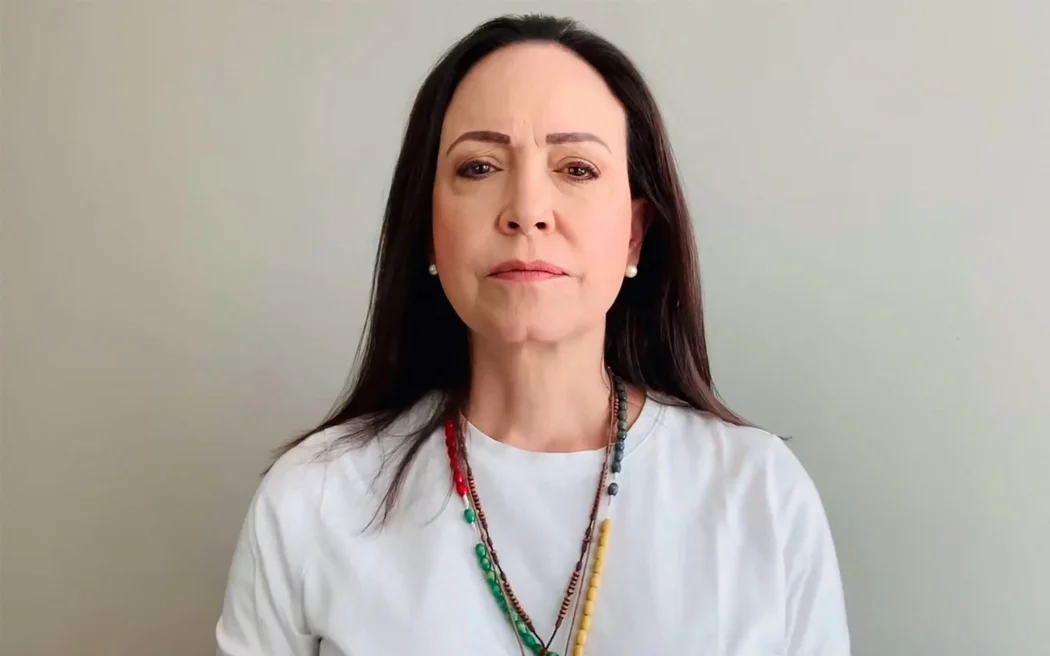
Venezuelan opposition leader and 2025 Nobel Peace Prize laureate María Corina Machado was injured while traveling to Norway to attend the award ceremony, her spokesperson confirmed to AFP on Monday. Machado reportedly suffered a spinal injury after an accident occurred as she crossed rough seas in a small fishing vessel on her way to Oslo. She was treated at Oslo University Hospital’s Ullevål facility, though details of her condition remain undisclosed. Due to the incident, the 58-year-old politician missed the official Nobel Peace Prize presentation. Despite her injuries, she greeted supporters upon arriving in Oslo. Machado, a prominent critic of President Nicolás Maduro, had previously accused the Venezuelan government of electoral fraud in the 2024 elections, from which she was barred. She had been in hiding since August 2024. Observers note that the accident underscores the personal risks faced by opposition figures in Venezuela. Machado’s recovery and subsequent political activities are expected to draw international attention in the coming weeks.
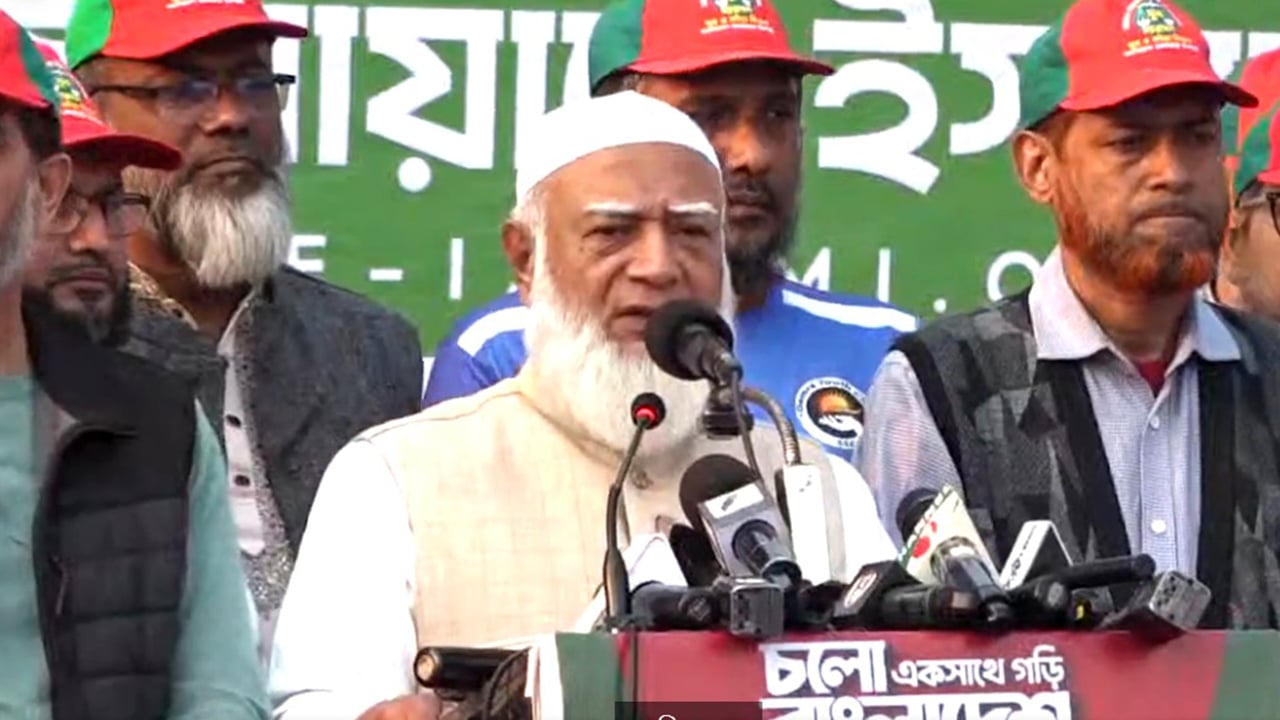
Bangladesh Jamaat-e-Islami Ameer Dr. Shafiqur Rahman has expressed hope that the upcoming national election on February 12 will open a new chapter in the country’s political history. Speaking at a youth marathon organized in Dhaka on Victory Day, he urged the Election Commission and administration to ensure a fair and transparent voting process, warning against any form of manipulation or bias. He emphasized that the people’s mandate must be respected and that any attempt to undermine it would face strong public resistance. Rahman also reflected on Bangladesh’s political past, criticizing previous governments for authoritarianism, corruption, and suppression of democratic rights. He called for a new political culture focused on justice, integrity, and national sovereignty, led by the country’s youth. Jamaat leaders including Secretary General Mia Golam Porwar and Dhaka South Ameer Nurul Islam Bulbul also addressed the event, highlighting the party’s vision for a peaceful and prosperous Bangladesh. The remarks come as political parties prepare for the February polls, amid calls for neutrality and accountability in the electoral process.
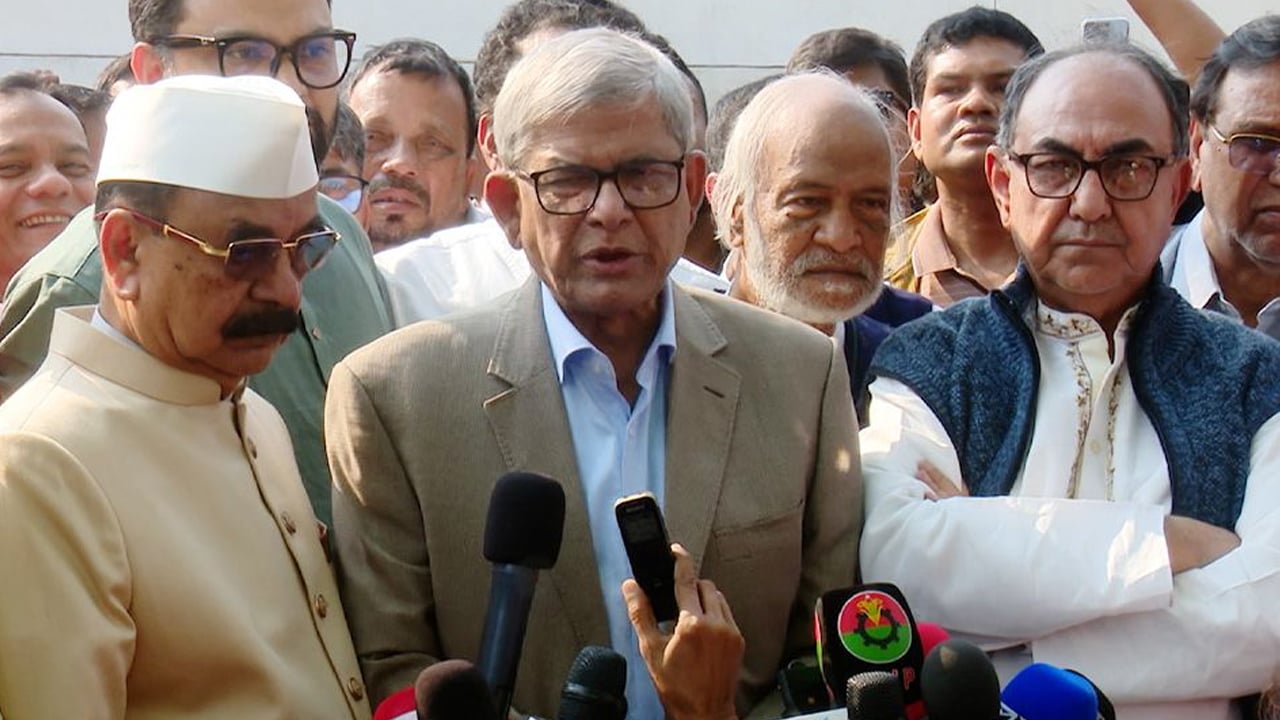
On Bangladesh’s Victory Day, BNP Secretary General Mirza Fakhrul Islam Alamgir warned that forces defeated in the 1971 Liberation War are attempting to re-emerge. Speaking after paying tribute at the grave of BNP founder and former president Ziaur Rahman, he said the people will resist any conspiracy against the country’s independence and sovereignty. Fakhrul announced that acting BNP chairman Tarique Rahman will return to Bangladesh on December 25 to intensify the party’s pro-democracy movement. Fakhrul emphasized that Victory Day holds special significance for the BNP, as Ziaur Rahman’s declaration of independence marked the beginning of the war that culminated in victory on December 16, 1971. He reiterated the party’s commitment to preserving independence and establishing democracy in Bangladesh. The BNP leader also expressed deep respect for the martyrs of the Liberation War and prayed for the recovery of party chairperson Begum Khaleda Zia, who remains critically ill. The statement underscores BNP’s attempt to rally supporters around nationalist and democratic ideals amid ongoing political uncertainty and leadership transitions.
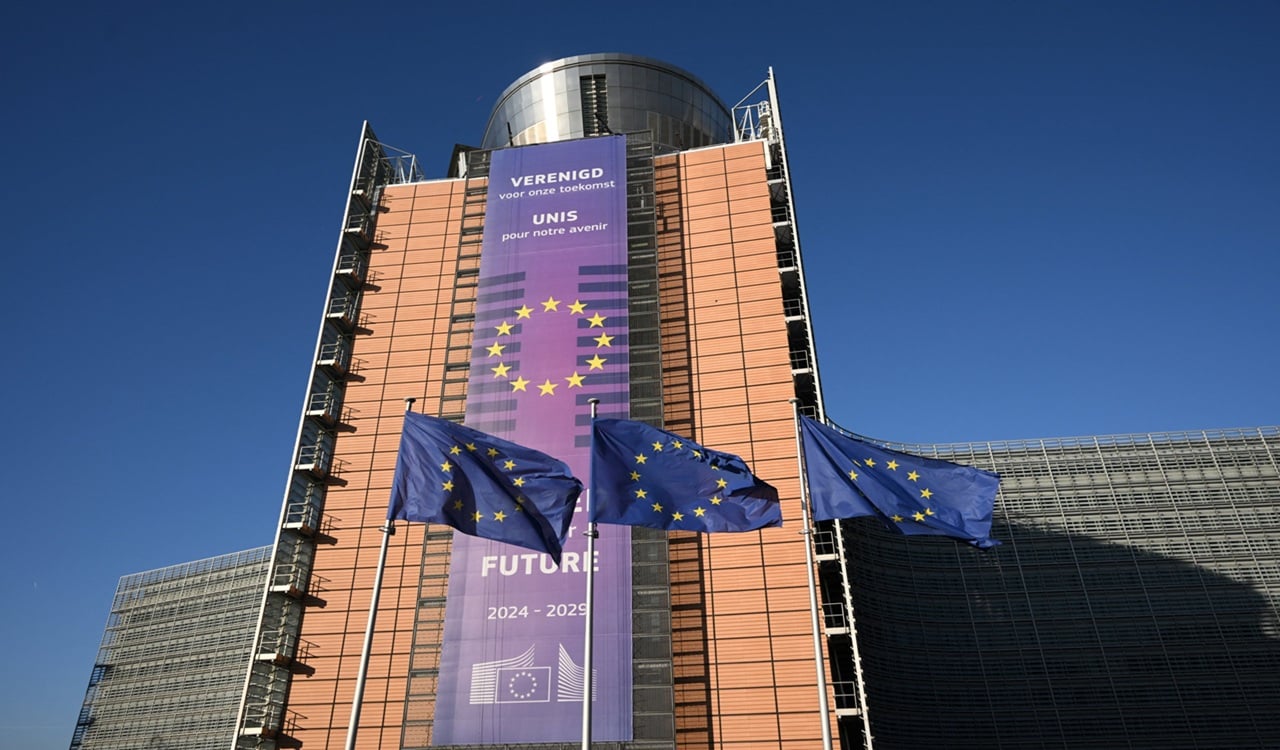
The European Union is preparing to withdraw its landmark 2035 ban on new petrol and diesel car sales, a move expected to be part of a broader reform package aimed at supporting Europe’s struggling automotive sector. The European Commission may instead propose a 90% reduction in carbon emissions from new vehicles, replacing the full ban initially adopted under the EU’s Green Deal. The shift follows intense lobbying from car manufacturers and member states such as Germany and Italy, who argue that slow electric vehicle (EV) adoption and competition from China make the original target unrealistic. According to industry data, only about 16% of new cars sold in Europe during the first nine months of 2025 were battery-powered. Environmental groups warn that relaxing the ban could undermine climate goals and discourage EV investment. The Commission is also considering new incentives for small and affordable EVs and measures to green corporate fleets. The final proposal is expected to test the EU’s balance between industrial competitiveness and environmental commitments.
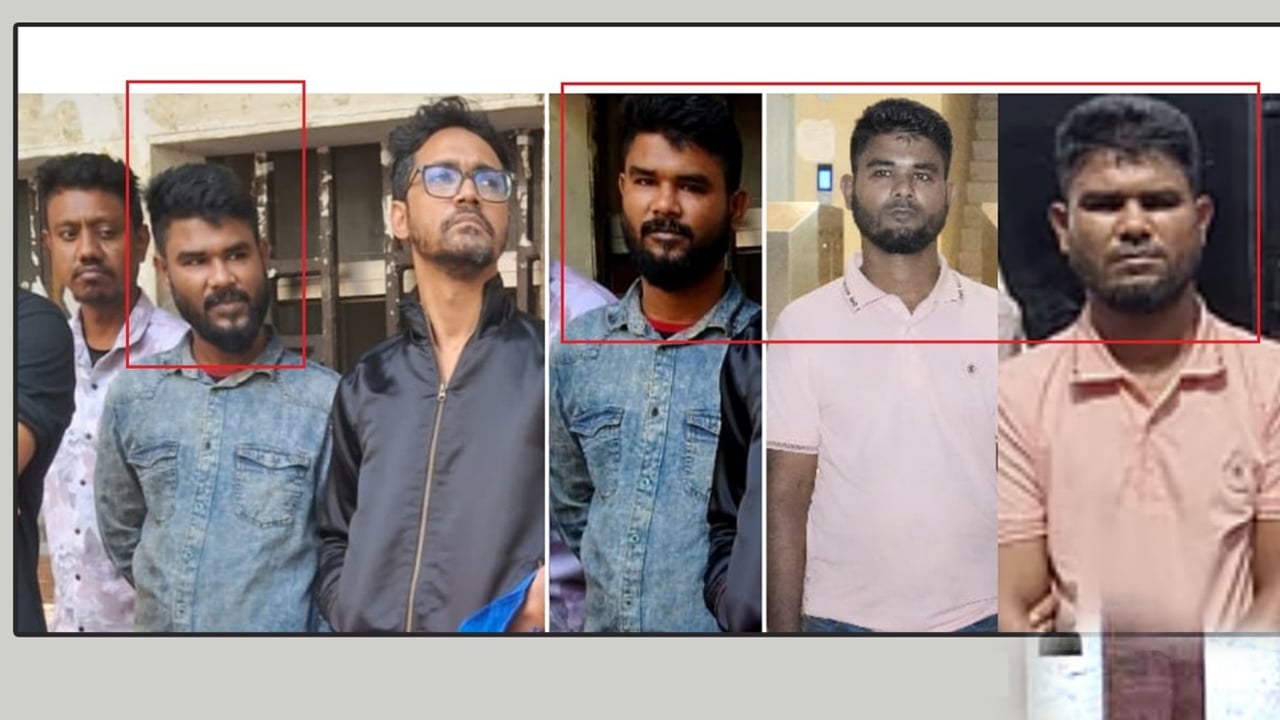
Digital investigative outlet The Descent has identified a third suspect in the attempted murder of Inqilab Manch spokesperson Sharif Osman Hadi. The suspect, Zakir Hossain, also known as 'Jinn Zakir', was reportedly active in Hadi’s election campaign and maintained contact with the two primary suspects, Faisal Karim Masud and his motorcycle driver, Alamgir Hossain. According to The Descent, Zakir was previously arrested in October 2024 in connection with two robbery cases in Dhaka’s Mohammadpur and Gabtoli areas. Police records and a prior Facebook post by Dhaka Metropolitan Police confirm his involvement in a high-profile robbery case. Daksu’s Liberation Affairs Secretary Fatima Tasnim Juma publicly urged citizens to help locate the three suspects, sharing a campaign photo marking them. Zakir was released on bail in July 2025 following a High Court order. The identification of his alleged role in the shooting raises questions about background checks within political campaign teams and the coordination between law enforcement and political organizations in tracking violent offenders.
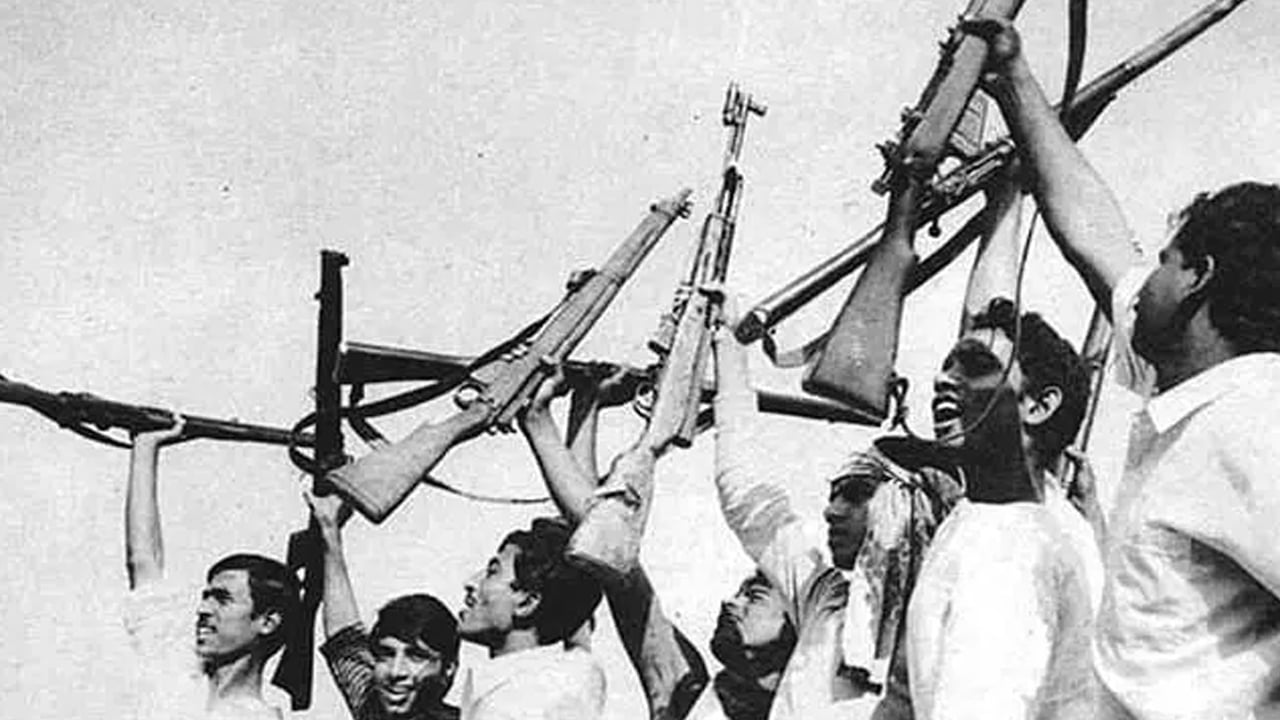
On December 16, 2025, political psychologist Dr. Ahmad Anisur Rahman published a reflective essay tracing Bangladesh’s 1971 Liberation War to a broader historical continuum of civilizational struggles. He argues that the war was not an isolated event but part of a millennia-long resistance by the Bengali people to preserve their land, culture, and identity against successive waves of foreign domination. Dr. Rahman situates the roots of Bengali identity in ancient Dravidian and Semitic civilizations, suggesting that the struggle for liberation began with early conflicts between indigenous populations and invading Aryan groups. He contends that the 1971 war represented the latest phase of this enduring quest for autonomy and cultural preservation. The essay blends historical interpretation with anthropological and linguistic analysis, emphasizing that understanding these deep roots is essential to grasping the true spirit of Bangladesh’s independence. The piece has drawn attention among historians and cultural scholars for its sweeping historical scope and its call to view national liberation as a recurring theme in Bengali civilization. It underscores the continuing relevance of liberation ideals in shaping the nation’s political and cultural future.
A recent historical analysis revisits the 1971 surrender of Pakistani forces in Dhaka, highlighting the absence of Bangladesh’s Liberation Army Commander-in-Chief, General M.A.G. Osmani, from the ceremony. The article argues that India’s dominance in the surrender proceedings and its earlier agreements with the provisional Bangladeshi government limited Bangladesh’s autonomy in the immediate post-war period. According to the account, India’s military and political leadership sought to frame the conflict as an India–Pakistan war, sidelining the Mukti Bahini’s contribution. The piece cites alleged secret accords between India and the provisional government, which allowed Indian officials and troops to remain in Bangladesh temporarily and influenced the formation of the paramilitary Rakkhi Bahini. Eyewitnesses and historical sources suggest Osmani’s absence stemmed either from Indian obstruction or his own protest against subordination. The analysis concludes that these events left enduring questions about the completeness of Bangladesh’s independence and the extent of India’s influence in shaping the new nation’s early governance and security structures.
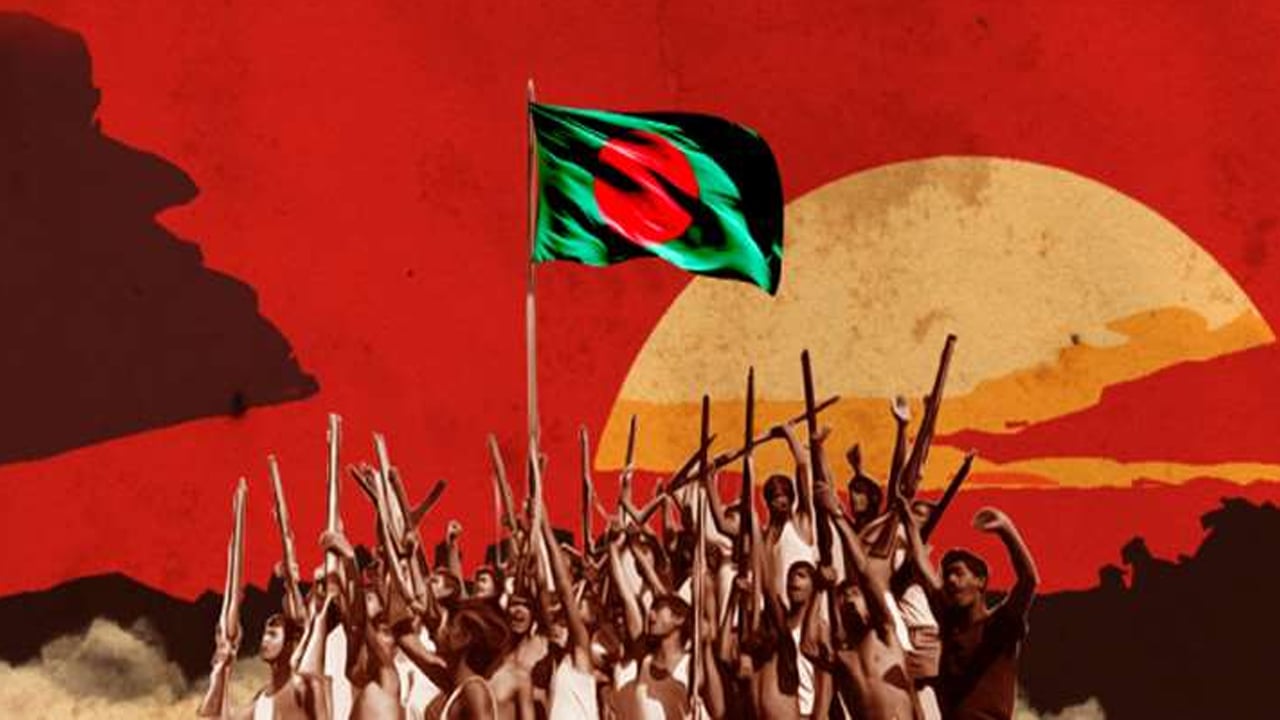
The United States military confirmed that air and naval forces carried out strikes on three vessels suspected of drug trafficking in the eastern Pacific Ocean, killing at least eight people. The operation, part of an ongoing anti-narcotics campaign, was announced Monday by the US Southern Command. Officials said the targeted ships were moving along a known smuggling route and were directly involved in narcotics transport. According to a statement posted on social media platform X, intelligence reports indicated the vessels were part of transnational drug networks. The command described those killed as 'narco-terrorists'—three on the first vessel, two on the second, and three on the third. The strikes bring the total death toll from recent anti-smuggling missions in the region to over 90. US military authorities emphasized that such operations will continue as part of broader efforts to curb international drug trafficking across maritime routes in the Pacific and the Caribbean.

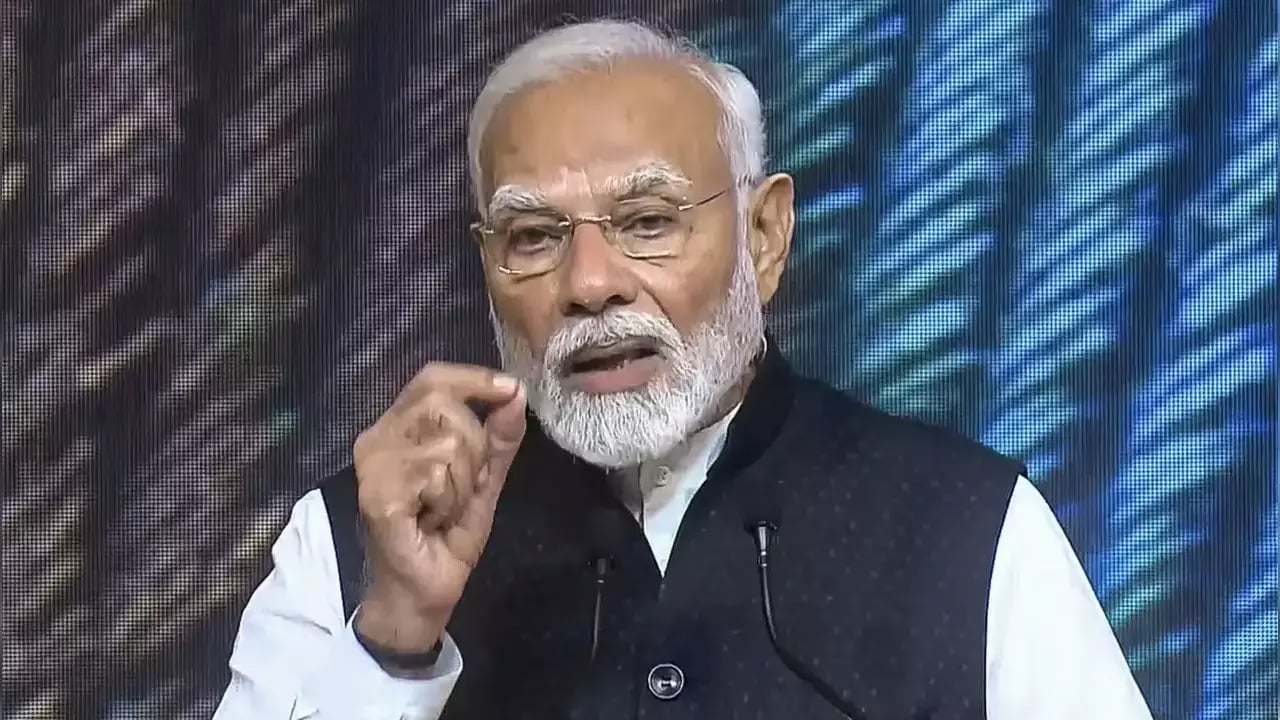
Indian Prime Minister Narendra Modi’s Victory Day message on December 16, 2025, drew attention after he referred to the 1971 conflict as India’s historic victory without mentioning Bangladesh. In a Facebook post, Modi honored Indian soldiers for their courage and sacrifice during the war, describing the day as a proud moment in India’s history. His remarks, however, made no reference to Bangladesh’s independence struggle or the shared nature of the victory. The omission has prompted discussion among observers in both countries, as December 16 marks Bangladesh’s Liberation Day and India’s Vijay Diwas. Analysts note that while India played a crucial role in the final phase of the war, the day primarily symbolizes Bangladesh’s independence from Pakistan. Some commentators in Dhaka viewed Modi’s message as a missed opportunity to reaffirm bilateral ties rooted in the 1971 war. Diplomatic analysts suggest the incident may not cause lasting tension but underscores sensitivities surrounding historical narratives in South Asia. Both nations continue to commemorate the day through parallel but distinct ceremonies.
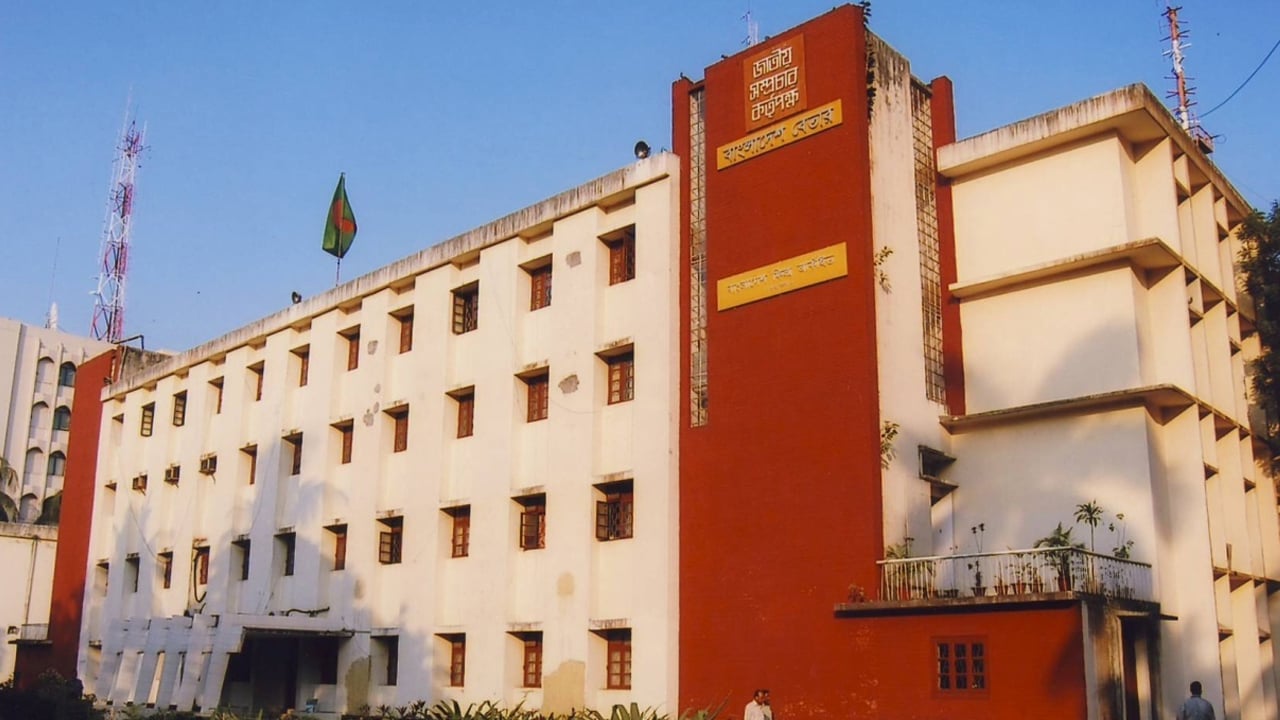
Bangladesh Betar, the state-owned radio broadcaster, celebrates its 85th anniversary on December 16, 2025, coinciding with Victory Day. Established in 1939 on Nazimuddin Road, Dhaka, the institution has played a defining role in the nation’s history—from broadcasting the 1971 Liberation War’s message of resistance to serving as a stabilizing voice during the 2024 mass uprising. Throughout decades of political upheaval, Betar has remained a trusted medium for verified information and national dialogue. During the Liberation War, the ‘Swadhin Bangla Betar Kendra’ became a symbol of defiance and unity, inspiring freedom fighters and civilians alike through news, songs, and cultural programs. In 2024, amid widespread misinformation on social media, Betar again emerged as a reliable source, emphasizing truth and constitutional continuity. Analysts note that its balanced reporting helped reduce public anxiety and foster civic trust. As Bangladesh navigates post-uprising reforms, Betar’s continued relevance underscores the enduring importance of public broadcasting in promoting democratic inclusion, national identity, and responsible communication.
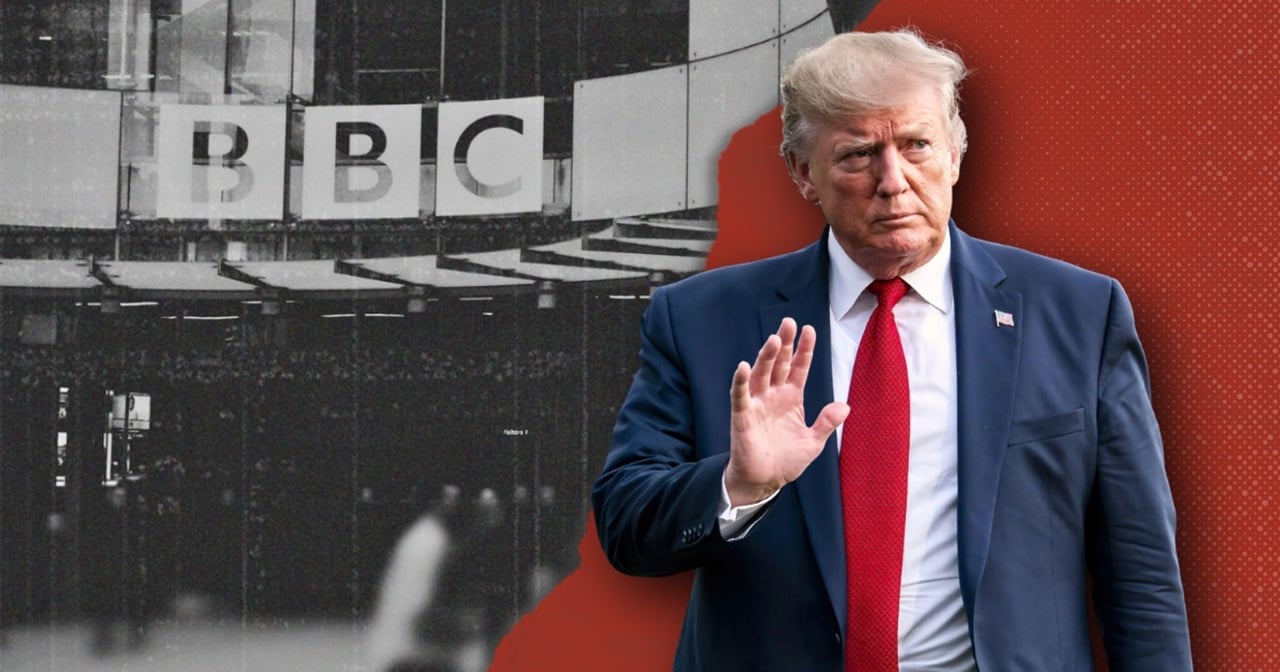
Former U.S. President Donald Trump has filed a $50 billion defamation lawsuit against the British Broadcasting Corporation (BBC), alleging that a documentary segment falsely implied he directly incited the January 6, 2021, Capitol Hill attack. The suit, filed on December 15, 2025, accuses the BBC of editing footage in a way that damaged his reputation and caused substantial financial harm. The disputed report aired as part of the BBC’s ‘Panorama’ series and suggested Trump had instructed supporters to storm the Capitol following his 2020 election loss to Joe Biden. Although the segment was not broadcast in the United States, it drew international attention. The BBC later issued an apology, acknowledging that the editing could have created a misleading impression. Several senior BBC officials reportedly resigned after the controversy. Legal analysts say the case could test the boundaries of international defamation law and media accountability. The lawsuit adds to Trump’s ongoing legal battles as he continues to challenge portrayals of his role in the Capitol unrest.
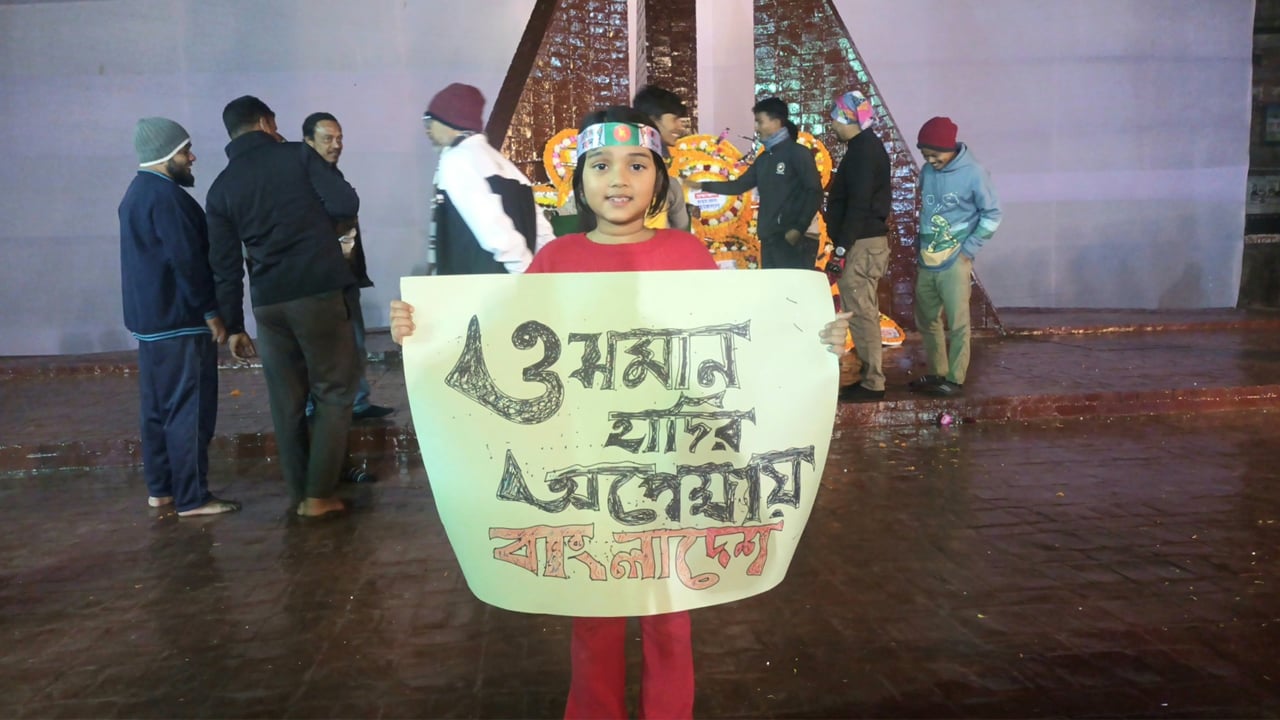
On the night of December 16, 2025, citizens in Rangpur gathered at the Central Shaheed Minar to honor the martyrs of Bangladesh’s Liberation War. Among them was six-year-old Malaicha Rahman, holding a placard reading “Bangladesh Awaits Osman Hadi,” symbolizing the nation’s concern for Sharif Osman Hadi, spokesperson of Inquilab Mancha, who remains critically injured after a recent shooting. Political leaders from the BNP, Jatiya Party, and National Citizens Party (NCP), along with cultural organizations, laid floral wreaths at the monument. District BNP convener Saiful Islam and several local leaders attended the midnight ceremony, calling for unity and prayers for Hadi’s recovery. Hadi was shot in the head on December 12 by two assailants on a motorcycle in Dhaka’s Purana Paltan area. The attack has sparked widespread condemnation and renewed concerns over political violence. Authorities have yet to announce any arrests, while supporters continue to demand justice and improved security for activists.
The Bangladesh Nationalist Party (BNP) has lifted the suspension of five local leaders from Nawabganj upazila in Dinajpur district. The decision was announced in a statement signed by Senior Joint Secretary General Advocate Ruhul Kabir Rizvi on Monday. The leaders—former upazila president Md Yunus Ali, Md Azad Rahman, Md Kamruzzaman Babu, joint secretary Md Shahjahan, and treasurer Md Moharram Ali—had previously been suspended for alleged anti-organizational activities. According to the BNP statement, the suspensions were revoked on December 15 following appeals and a subsequent review by the party’s central leadership. The move signals an effort by the BNP to consolidate internal unity ahead of potential political mobilizations. Party insiders view the decision as part of a broader reconciliation process within the BNP’s grassroots network. Observers suggest that restoring these leaders may strengthen local organizational structures as the party prepares for upcoming political challenges and national-level engagements.

The ‘1 Nojor’ media platform is now live in beta, inviting users to explore and provide feedback as we continue to refine the experience.