

The ‘1 Nojor’ media platform is now live in beta, inviting users to explore and provide feedback as we continue to refine the experience.
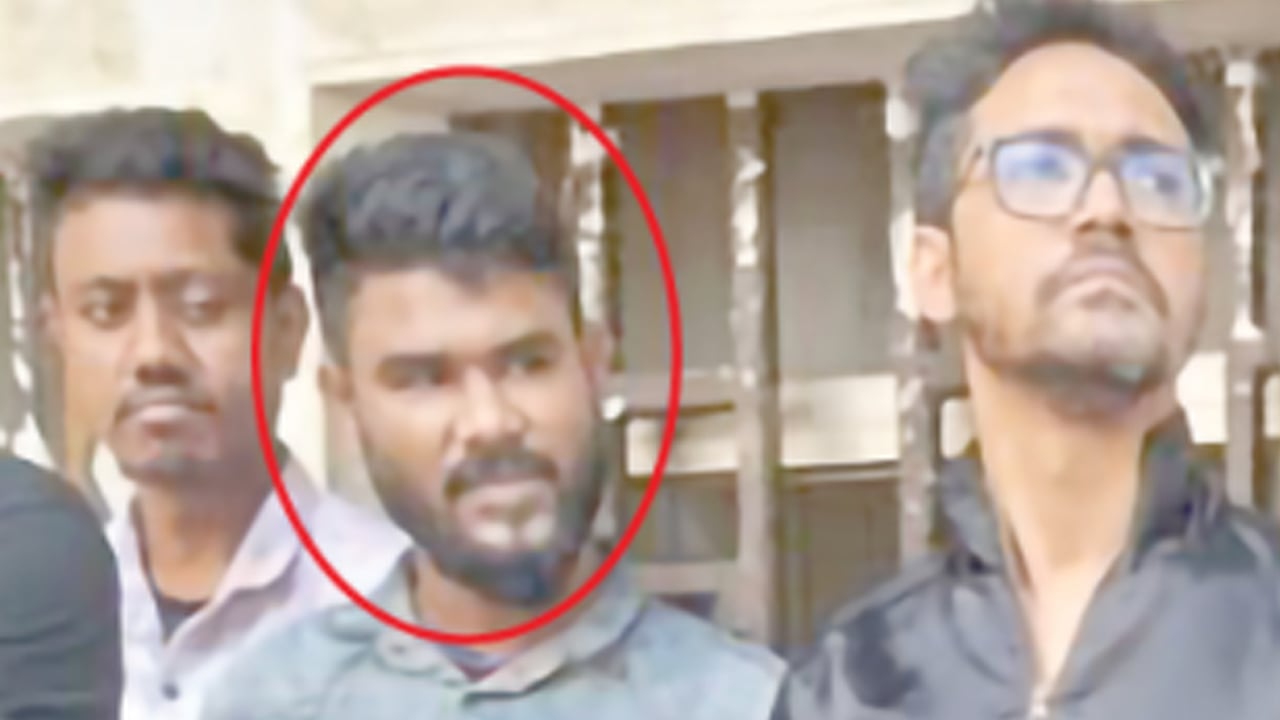
Digital investigative outlet The Descent has identified a third suspect linked to the attempted murder of Inqilab Mancha spokesperson Sharif Osman Hadi. The suspect, Zakir Hossain alias 'Jin Zakir', was reportedly active in Hadi’s election campaign and maintained contact with two previously known suspects, Faisal Karim Masud and his motorcycle driver, Alamgir Hossain. According to The Descent, Zakir had a prior criminal record, including robbery cases filed in Mohammadpur and Gabtoli in October 2024. Police had arrested him and two others, recovering cash, gold, and mobile phones. He was later released on bail in July following a High Court order. Daksu Liberation War Affairs Secretary Fatima Tasnim Juma publicly urged citizens to help capture the three suspects, posting a campaign photo marking them. The identification raises questions about security lapses in political campaigns and the infiltration of criminal elements. Law enforcement agencies have yet to issue an official statement, while citizens and activists continue to demand swift action and transparency in the ongoing investigation.
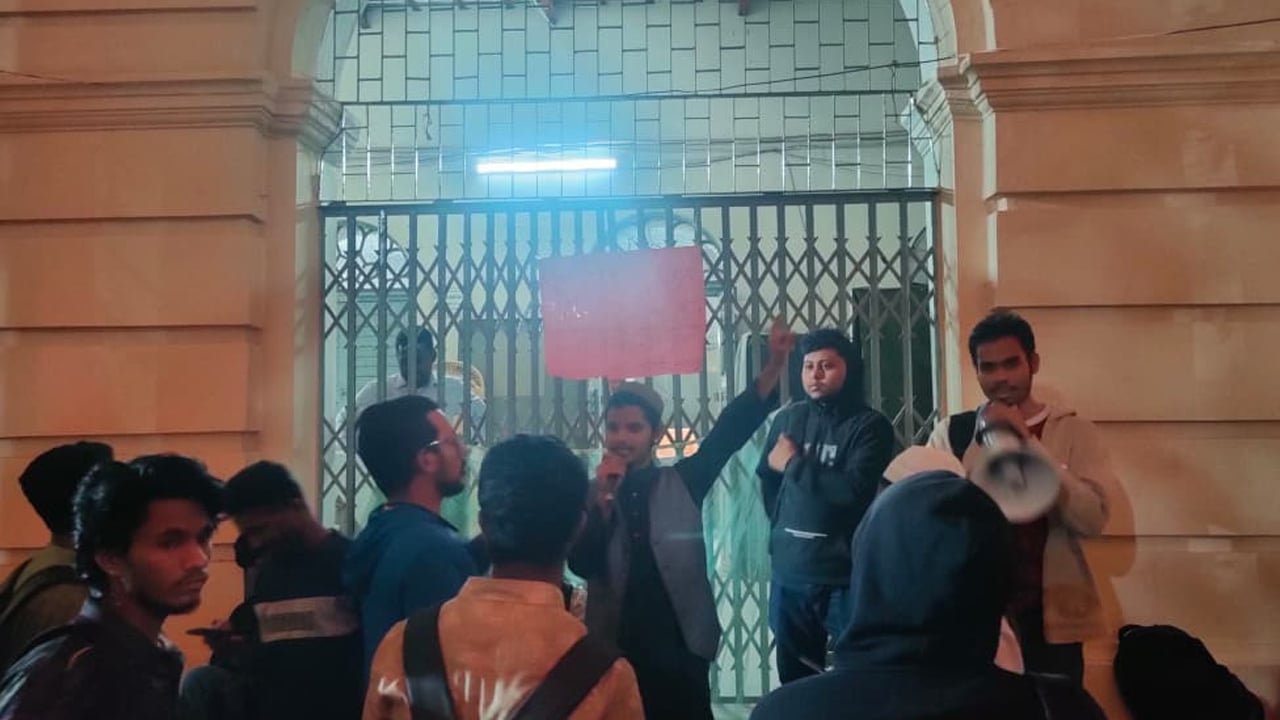
A senior leader of the Jubo Dal in Hathazari, GM Saiful Islam, has been accused of leading a violent slogan against Islami Chhatra Shibir on the Chittagong University campus. Witnesses said the incident occurred Monday evening near the Zero Point area, and video footage of the event has circulated on social media. The slogan reportedly targeted Shibir activists amid escalating campus tensions. The confrontation followed demands for the resignation of a university pro-vice-chancellor, which triggered rival gatherings among Chhatra Dal, leftist student groups, and Shibir activists. Mohammad Parvez, secretary of the university’s Shibir unit, alleged that former Chhatra League members now aligned with Chhatra Dal and Jubo Dal were reviving violent slogans once used by ruling party student wings. Attempts to reach Saiful Islam for comment were unsuccessful, and university authorities have yet to issue a statement. Observers fear the incident could reignite factional violence on campus, undermining recent efforts to restore stability after earlier political clashes.

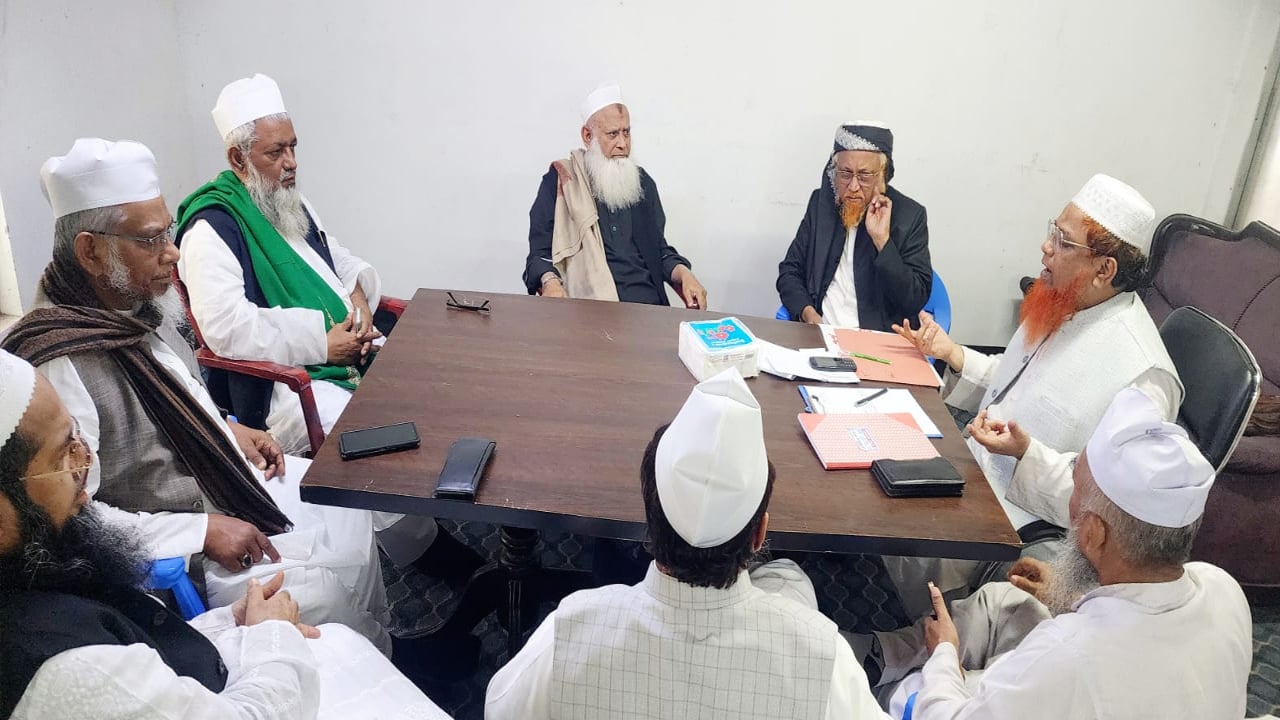
Leaders of Jamiat Ulema-e-Islam Bangladesh have expressed deep concern over incidents of unrest and disorder reported across the country following the announcement of the 13th parliamentary election schedule. Speaking at a special committee meeting held at Jamia Hossainia Arzabad in Mirpur on Monday, senior party figures said such anarchic situations are unacceptable and called for immediate and firm action to restore order. The meeting, chaired by party president Maulana Ubaidullah Faruq, was attended by several top leaders including Maulana Abdul Quddus Talukdar, Maulana Junaid Al-Habib, and Maulana Manjurul Islam Afendi. They urged law enforcement agencies to act more decisively and cautioned government officials against making irresponsible statements that could further inflame tensions. The leaders emphasized that maintaining peace and discipline is essential during the election period. Observers note that the party’s statement reflects growing anxiety among political and religious groups about potential instability as the election approaches. Authorities are expected to tighten security measures in sensitive areas in the coming days.
Bangladesh is set to mark its 54th Victory Day with a record-breaking skydiving display involving the highest number of national flags. As part of a special government program, 54 paratroopers from the Army, Navy, and Air Force will perform a coordinated parachute jump at 11:40 a.m. from Tejgaon Old Airport, each carrying the national flag. The event aims to secure a new Guinness World Record for the largest flag-bearing parachute display. Before the skydiving demonstration, the three branches of the armed forces will conduct separate fly-past exhibitions starting at 11:00 a.m. The celebrations will also feature a Victory Day band show at the same venue. Similar fly-past and musical events will be held in other cities across the country, organized by the armed forces, police, Border Guard Bangladesh (BGB), and Ansar. All events are open to the public. Officials describe the initiative as a symbol of national pride and unity, reflecting Bangladesh’s enduring spirit of independence and progress.

Bangladesh’s Anti-Corruption Commission (ACC) has approved charge sheets against seven individuals, including three former customs officials, for allegedly embezzling approximately Tk176 crore in government revenue through misuse of duty benefits and forged import documents. The ACC’s public relations officer, Md Akhtarul Islam, confirmed the approval on Monday. The first charge sheet accuses four people—including importers, a C&F agent, and a former customs officer—of misappropriating Tk80.92 crore by using falsified documents and low-duty goods. The second case involves three others accused of evading Tk94.61 crore in revenue through fake import declarations from China, misuse of HS codes, and forged shipping papers. The accused face charges under multiple sections of the Penal Code and the 1947 Prevention of Corruption Act. Investigators allege the defendants colluded to defraud the state by fabricating shipping documents and falsifying customs declarations. The cases highlight persistent challenges in customs oversight and corruption prevention within Bangladesh’s import sector.

Students from the As-Sunnah Foundation’s ‘Medhabi Project’ blockaded the main gate of Jagannath University’s administrative building for nearly ten hours on Monday, demanding inclusion in the university’s special housing stipend policy. The protest, which began around 11 a.m., left the vice-chancellor, treasurer, and several officials confined inside the building until about 8:30 p.m. The demonstrators presented three key demands: inclusion of Medhabi Project residents under the general housing stipend policy, replacement of merit-based criteria with need-based eligibility, and cancellation of the re-admission condition. During the prolonged protest, one student reportedly fell ill due to exhaustion and was taken to the university medical center. Protesters argued that they pay high accommodation fees but are unfairly excluded from the stipend. University authorities have yet to issue an official response. The students vowed to continue their movement until their demands are met, warning of intensified action if ignored. The standoff highlights growing tension over housing affordability and equity in university welfare policies.
Bangladesh Telecommunication Regulatory Commission (BTRC) has postponed the launch of the National Equipment Identity Register (NEIR) system to January 1, shifting from the earlier date of December 16. The decision, announced in a BTRC press release on Monday, aims to give mobile phone traders additional time to register unsold or stocked imported handsets in the system. According to BTRC sources, many retailers have yet to submit International Mobile Equipment Identity (IMEI) data for their devices, prompting the extension. The commission has requested all mobile phone traders to send the required information in a specified Microsoft Excel format to neir@btrc.gov.bd by December 31. The NEIR system is designed to curb mobile phone theft and illegal handset use by tracking IMEI numbers nationwide. Once operational, it will help authorities block unauthorized or cloned devices from accessing mobile networks, enhancing consumer protection and national security.
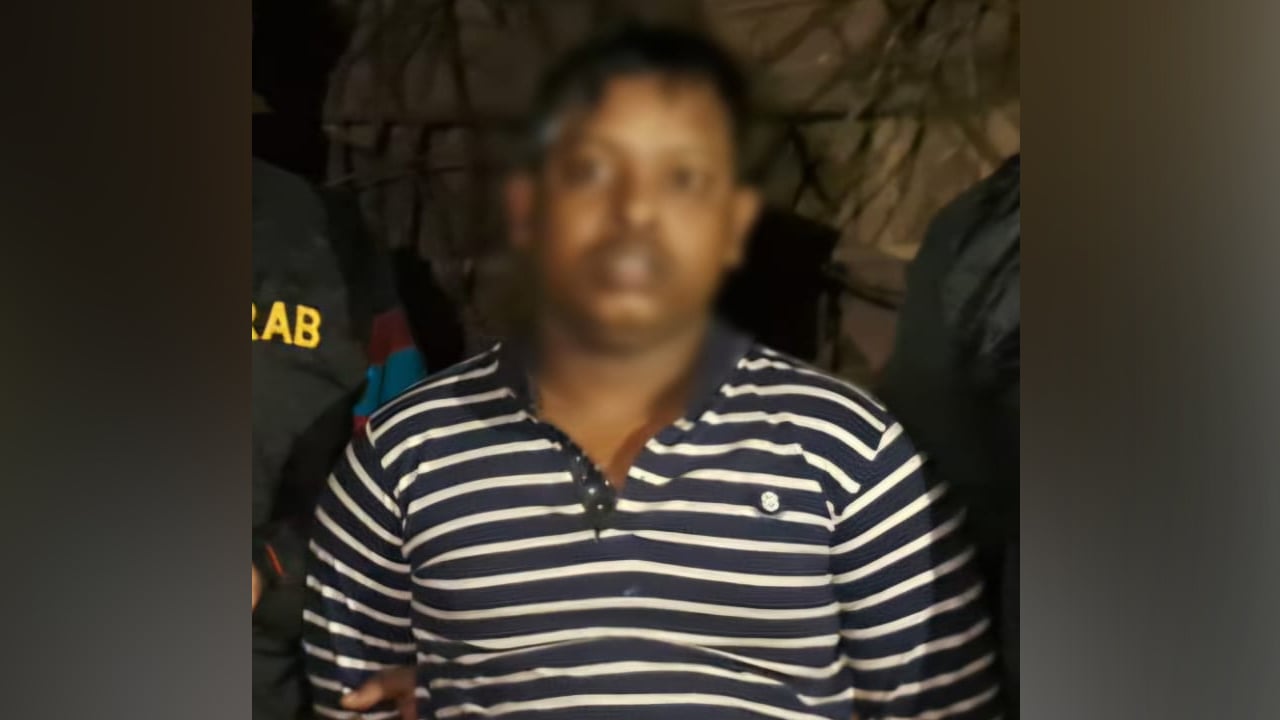
Bangladesh’s Rapid Action Battalion (RAB) intelligence unit has arrested Kabir, a close associate of prime suspect Faisal, in connection with the attempted murder of Osman Hadi. Acting on a tip-off, RAB detained Kabir from a hideout late Monday night, according to a message from RAB headquarters. Investigators said Kabir is linked not only to the Hadi case but also to other criminal activities led by Faisal’s network. During preliminary questioning, Kabir reportedly provided information about his role and the group’s operations. Authorities believe his arrest could significantly advance the investigation by helping identify other suspects and related branches of the criminal network. Kabir will soon be handed over to the Detective Branch (DB) police, which is leading the case. Meanwhile, Hadi remains in critical condition after being shot in the head last Friday in Dhaka’s Bijoynagar area. He was transferred to Singapore for advanced treatment on Monday.
Dhaka Metro Rail services will be temporarily suspended for 40 minutes today, December 16, to ensure safety during a parachute jump demonstration at the old Tejgaon Airport area as part of Victory Day celebrations. The Dhaka Mass Transit Company Limited (DMTCL) announced that operations will halt from 11:50 a.m. to 12:30 p.m. Ahsan Ullah, Deputy Project Director (Public Relations) of DMTCL, confirmed the schedule, citing safety measures for paratroopers as the reason behind the short suspension. The authority expressed regret for any inconvenience caused to passengers and assured that services will resume immediately after the event. The temporary halt reflects coordination between metro authorities and national event organizers to maintain public safety during the Victory Day festivities, which include military demonstrations and aerial displays. Normal metro operations are expected to continue smoothly following the brief interruption.

The Bangladesh government has introduced a new policy governing firearm licenses and armed retainer appointments for politically significant individuals and parliamentary candidates ahead of the 13th national election. Announced by the Ministry of Home Affairs, the ‘Firearm License and Retainer Appointment Policy 2025’ outlines eligibility criteria, including being a government-recognized political figure, submitting nomination papers, verified security threats, and maintaining physical and mental fitness. Under the policy, licenses granted will remain valid until 15 days after election results are declared, after which they will automatically expire. The Home Ministry may convert temporary licenses into regular ones if all standard conditions are met. Misuse, violation of election conduct rules, or other legal breaches will result in immediate license cancellation without prior notice, though appeals can be made to the ministry. The policy emphasizes strict adherence to election commission codes of conduct and prohibits using licensed firearms for intimidation or non-security purposes. Authorities say the move aims to balance candidate security with electoral integrity.

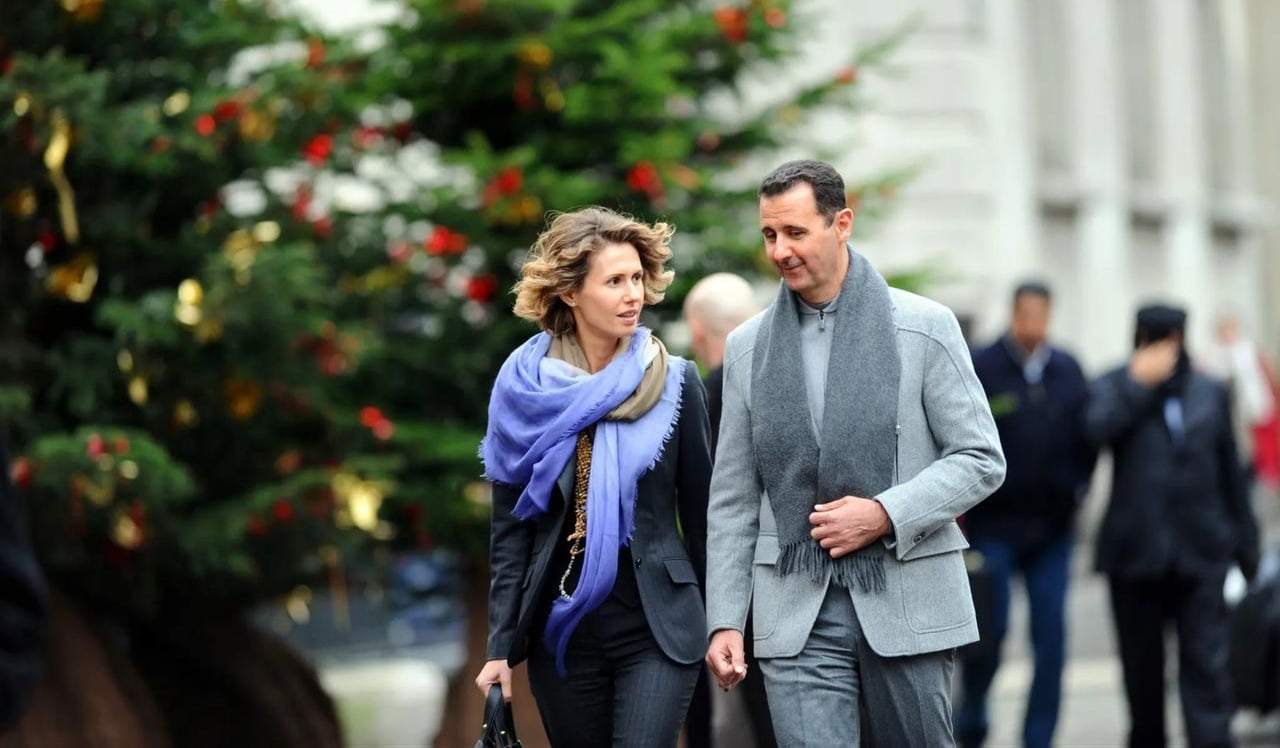
Former Syrian president Bashar al-Assad and his family have been living in seclusion and luxury in Moscow for over a year, according to a Guardian report. After leaving Syria on December 8, 2024, with Russian military assistance, Assad has resumed his earlier profession as an ophthalmologist. He is reportedly studying medicine again, learning Russian, and refining his medical skills while avoiding political activity. The Assad family resides in Rublyovka, an elite gated community west of Moscow, home to Russia’s political and business elite. Russian authorities are said to be closely monitoring the family, restricting their external communications. Assad’s sudden departure has angered close relatives and loyalists, including his brother Maher al-Assad, who reportedly failed to reach him. Diplomatic sources confirm that Assad is safe but barred from political or media engagement. His children are adapting to life in Moscow, with daughter Zein graduating from MGIMO University and son Hafez maintaining a low profile online. Observers say the family is adjusting to life away from power and public visibility.
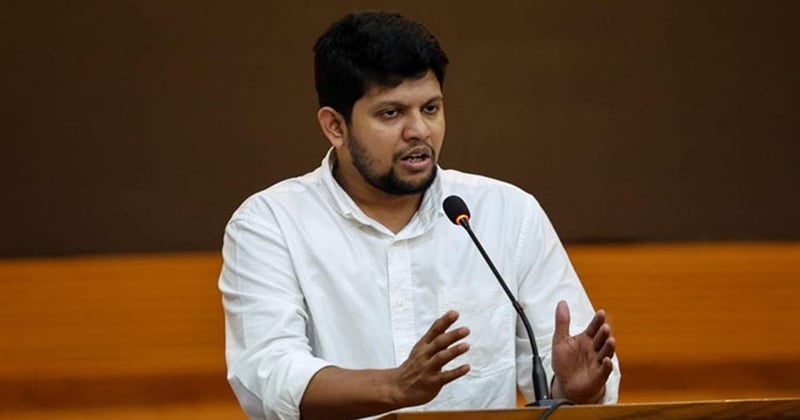
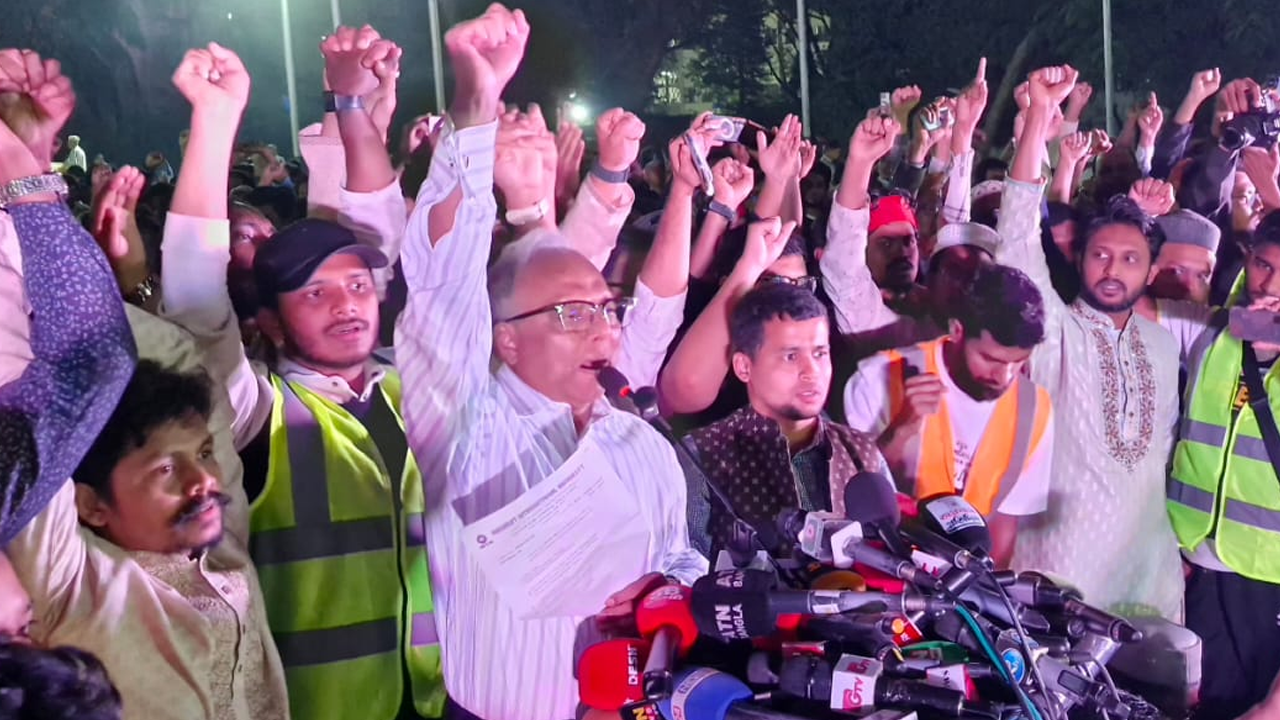
Former information adviser Mahfuz Alam has declared that those safeguarding Indian interests in Bangladesh will not be allowed to remain secure. Speaking at an all-party resistance rally organized by Inqilab Mancha on Monday, Alam accused sections of the country’s cultural, intellectual, and legal sectors of being co-opted to maintain Indian dominance. He claimed that some individuals have sold their conscience and are consciously engaging in anti-national activities. Alam described these individuals as foreign 'assets' and cited the case of Osman Hadi, whom he said was attacked for standing against such forces. He criticized the silence of intellectuals and cultural figures during the attack, calling it part of a broader conspiracy. Referring to past political violence, Alam warned that patience has limits and that future retaliation would not be restrained. His remarks come amid heightened nationalist rhetoric and growing sensitivity over Bangladesh’s relations with India. Analysts suggest the speech reflects deepening divisions within political and civil society circles over foreign influence and national sovereignty.
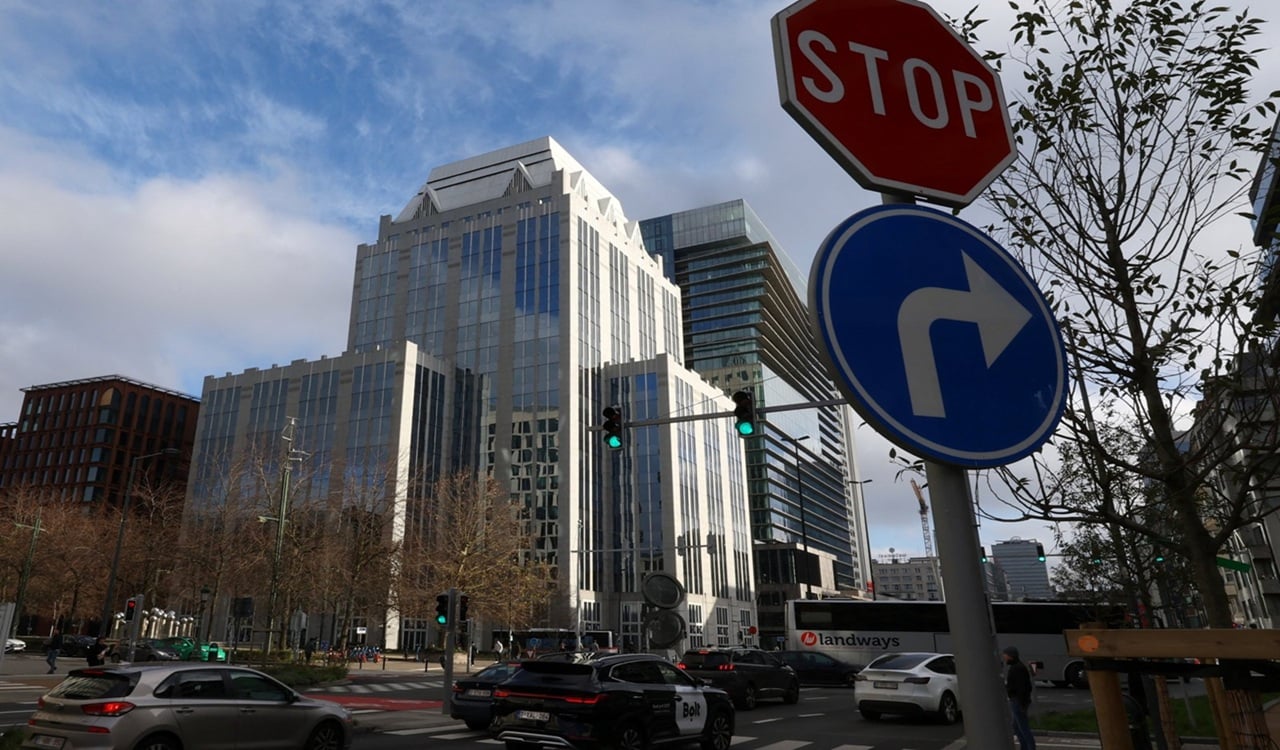
Russia’s central bank has filed a lawsuit against Belgium-based financial clearing house Euroclear, seeking $230 billion in compensation for frozen sovereign assets. The case, accepted by a Moscow commercial court on December 12, follows the European Union’s plan to use part of the seized Russian reserves to fund loans for Ukraine’s military and civilian needs in 2026 and 2027. The Kremlin described the move as the beginning of a “legal nightmare” for Europe. After Russia’s 2022 invasion of Ukraine, EU states froze roughly €210 billion of Russian central bank assets. EU leaders recently agreed to keep these assets frozen indefinitely, arguing that supporting Ukraine is essential to deter future Russian aggression. Moscow, however, calls the EU’s plan “theft” and warns it will erode global trust in the euro and European financial institutions. Legal experts suggest Russian courts may rule quickly in Moscow’s favor. If successful, Russia could seek to seize Euroclear’s assets in friendly jurisdictions such as China, the UAE, and Kazakhstan. The dispute underscores deep divisions within Europe and raises concerns about the precedent of confiscating sovereign assets during wartime.
The Government of Bangladesh has approved the purchase of 50,000 metric tons of non-basmati parboiled rice from India for the 2025–26 fiscal year. The procurement, valued at BDT 2.147 billion (USD 17.55 million), was sanctioned at a meeting of the Cabinet Committee on Government Purchase chaired by Economic Adviser Dr. Salehuddin Ahmed. The rice will be sourced from India’s M/S Bagadia Brothers Pvt Ltd at USD 351.11 per ton, equivalent to BDT 42.98 per kilogram. According to officials, the decision follows a proposal from the Ministry of Food aimed at strengthening national food reserves and ensuring stability in government distribution channels. The Economic Affairs Committee also approved the import of up to 900,000 tons of rice from international sources to meet emergency and public demand. Analysts note that the move reflects the government’s precautionary approach amid concerns over domestic production and price volatility. The imports are expected to bolster food security and maintain supply continuity ahead of the next fiscal year.

At a multi-party rally in Dhaka organized by the Inqilab Mancha, Amar Desh editor Mahmudur Rahman delivered a strong statement accusing India of providing refuge to former Prime Minister Sheikh Hasina and undermining Bangladesh’s sovereignty. Swearing by the blood of political activist Sharif Osman Hadi, Rahman warned that if India fails to return Hasina and others accused of attacks on Bangladeshi leaders, a nationwide resistance movement against Indian institutions in Bangladesh would be launched. Rahman called on the government to revoke work permits of Indian nationals and to raise the issue at the United Nations, describing India’s actions as an “undeclared war” against Bangladesh. He also announced plans to form local “public security committees” to monitor suspected collaborators and ensure accountability within administrative and judicial systems. His remarks have drawn attention for their sharp anti-India tone and for urging direct civic mobilization. The speech signals rising nationalist rhetoric amid ongoing political instability. Analysts warn that such statements could strain Dhaka–New Delhi relations and complicate regional diplomacy if not addressed through formal diplomatic channels.
The ‘1 Nojor’ media platform is now live in beta, inviting users to explore and provide feedback as we continue to refine the experience.