

The ‘1 Nojor’ media platform is now live in beta, inviting users to explore and provide feedback as we continue to refine the experience.
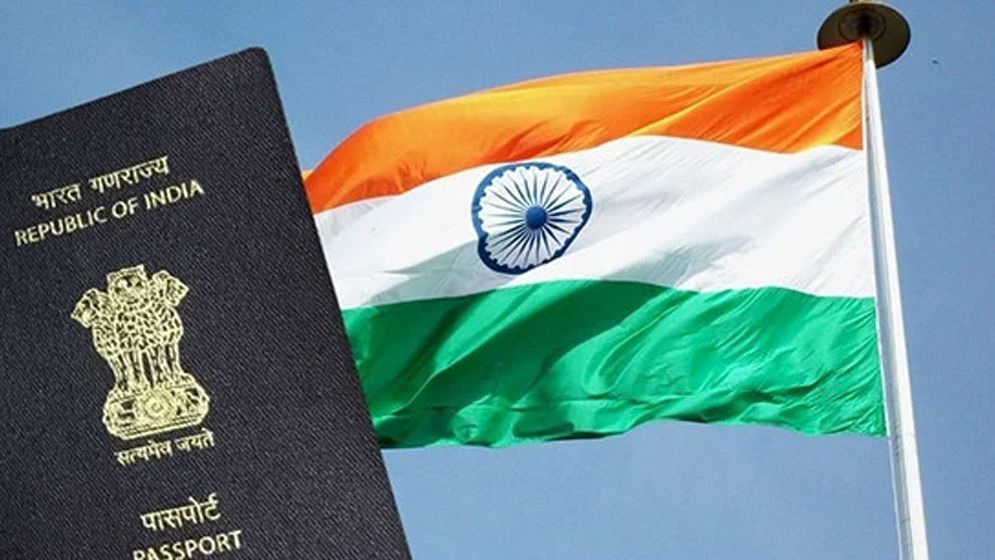
India’s Ministry of External Affairs has revealed that nearly 900,000 Indian citizens have renounced their citizenship over the past five years. Minister of State Kirti Vardhan Singh presented the data in a written reply to the Rajya Sabha on December 14, noting that the government maintains detailed annual records of such cases. The figures indicate that citizenship renunciations have risen steadily since the pandemic slowdown. According to the ministry’s data, more than 2 million Indians have given up their citizenship in the past 14 years, with a notable surge in recent years. The trend reflects a growing inclination among Indians to acquire foreign citizenship, often for better economic or educational opportunities abroad. In 2020, the number dropped to 85,256 due to COVID-19 restrictions, but rebounded sharply in subsequent years, reaching over 200,000 annually. Analysts suggest that the continued rise may reflect both global mobility trends and domestic economic factors. The government has not indicated any policy changes in response, but the data may prompt renewed debate on migration and talent retention.
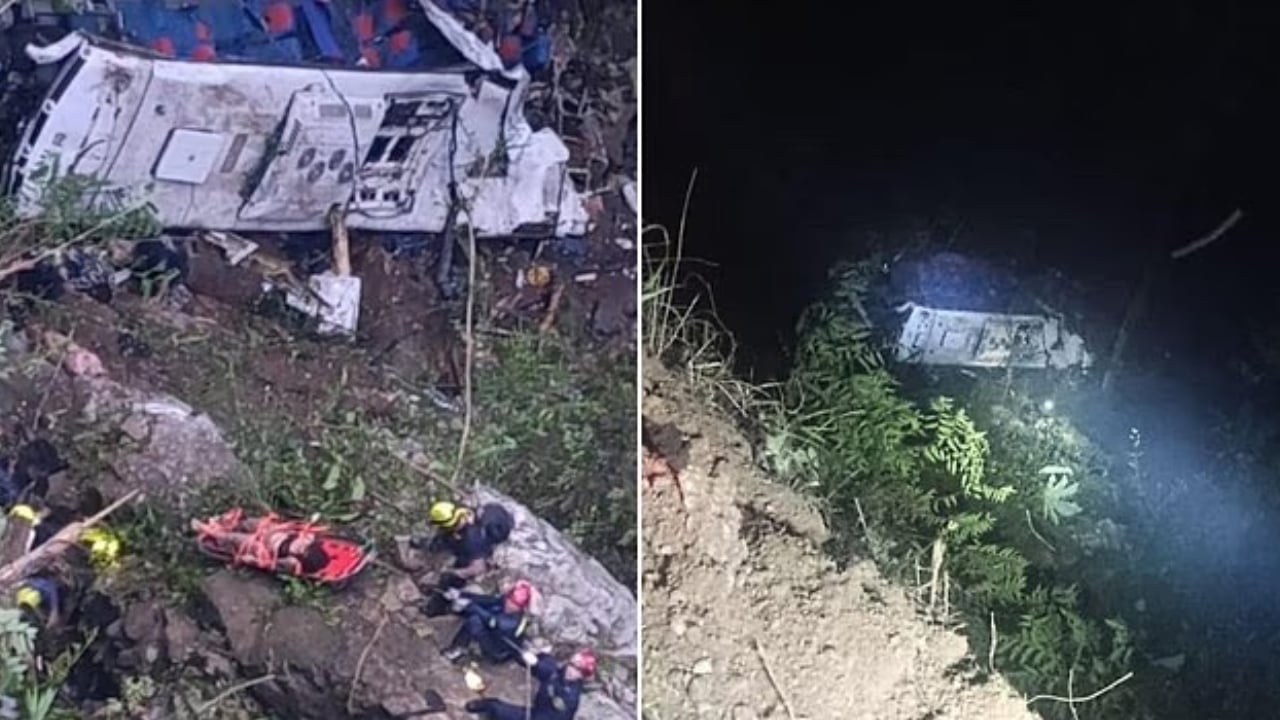
At least 17 people were killed and 20 others injured when a school bus carrying students and adults fell into an 80-meter-deep ravine in northern Colombia’s Antioquia region. The bus was returning from a graduation trip to the Caribbean town of Tolú and was en route to Medellín when the accident occurred early Sunday morning near El Chispero, on the Remedios–Zaragoza road. Antioquia Governor Andrés Julián confirmed the tragedy on social media, describing it as a devastating loss for the community during the holiday season. The victims included students from Liceo Antioqueño High School and the driver, Jonathan Taborda Cocacolo, who worked for the tourism company Preculture. Local authorities said the injured, aged between 16 and 27, were taken to hospitals in Segovia and Remedios. Officials stated that the trip was privately organized by students, not a school-sponsored event. Investigations are ongoing to determine the cause of the crash, while local leaders and the tourism network have expressed condolences to the victims’ families and the affected community.
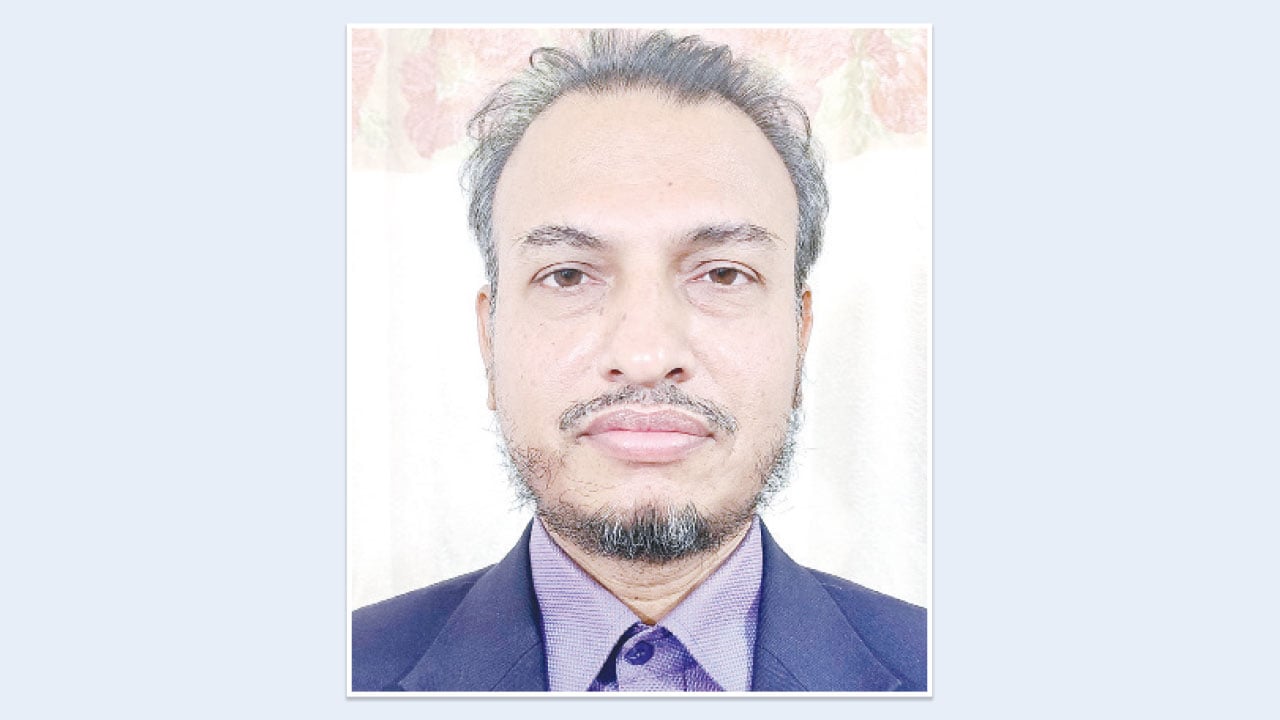
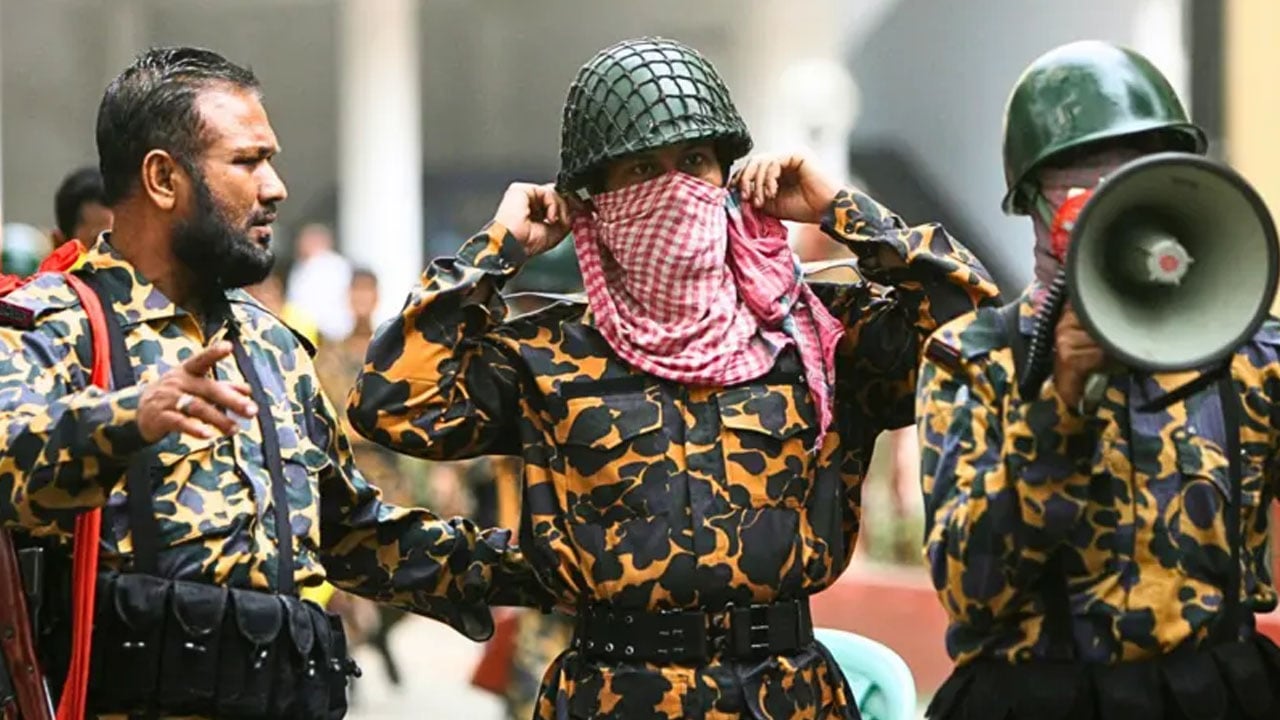
Political tensions in Bangladesh have intensified ahead of the upcoming national election, with reports alleging that exiled figures linked to former Prime Minister Sheikh Hasina and foreign intelligence agencies are attempting to disrupt the electoral process. The recent shooting of political activist Sharif Osman Hadi has heightened fears of escalating violence and instability, as authorities struggle to maintain order despite the army’s nationwide deployment since September 2024. Analysts and security officials suggest that remnants of the previous regime and external actors may be seeking to provoke unrest to delegitimize the government led by Chief Adviser Dr. Muhammad Yunus. Critics argue that the administration has failed to remove key officials allegedly loyal to the former ruling party, undermining confidence in the promise of a free and fair election. Public concern is growing over the government’s apparent inaction against conspirators and the persistence of politically motivated violence. Observers warn that without decisive measures to ensure security and transparency, the election could face severe credibility challenges, potentially threatening Bangladesh’s fragile political stability and international standing.
José Antonio Kast, a far-right politician, has been elected as Chile’s 38th president after securing 58 percent of the vote in a runoff election. His leftist rival, Communist Party member Jeanette Jara, conceded defeat and congratulated Kast, acknowledging the democratic outcome. Supporters celebrated in central Santiago with flags and car horns as Kast delivered a victory speech emphasizing national unity over partisan triumph. Kast campaigned on promises to expel undocumented migrants, tighten border security, combat violent crime, and revive Chile’s sluggish economy. His victory marks another shift toward conservative politics in Latin America, following recent right-wing wins in Argentina, Bolivia, Honduras, El Salvador, and Ecuador. Chile, once one of the region’s most stable economies, has faced social unrest, pandemic-related challenges, and rising organized crime. Analysts suggest Kast’s presidency could redefine Chile’s political trajectory, testing his ability to balance tough security measures with economic recovery and social cohesion. His administration is expected to take office amid high public expectations and regional scrutiny.

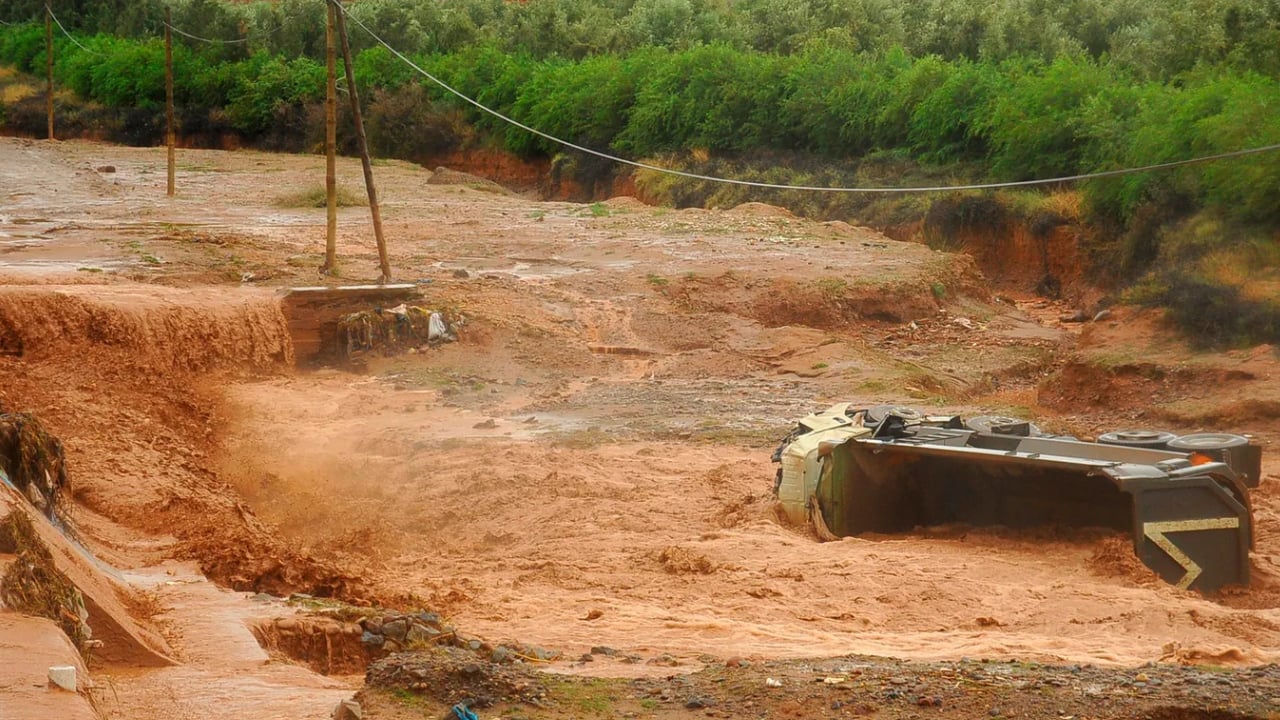
At least 21 people have been killed and 32 injured after sudden flash floods struck Morocco’s Atlantic coastal province of Safi following an hour of intense rainfall. Authorities confirmed the casualties on Sunday, noting that most of the injured have since been discharged from hospitals. The downpour inundated more than 70 homes and shops in Safi’s old city, swept away vehicles, and damaged several roads, disrupting transport routes across the port area. Local residents described the event as devastating, with one calling it “a black day.” The Moroccan weather service has forecast further heavy rainfall across the country through Tuesday, marking a dramatic shift after seven years of severe drought. Emergency teams continue rescue and recovery operations amid fears of additional flooding. The incident highlights Morocco’s growing vulnerability to extreme weather events linked to climate variability. Authorities are expected to review urban drainage systems and disaster preparedness as rainfall patterns become increasingly unpredictable.
Bangladesh Bank’s latest report reveals a deepening crisis in the country’s banking sector, with 17 out of 61 banks now holding between 50% and 99% of their total loans as non-performing. As of September, the overall default loan ratio across the sector surged to 36%, up from 17% a year earlier, with total defaults reaching Tk 6.44 trillion. State-owned banks such as Janata, Rupali, and BASIC show default ratios above 50%, while several private banks—including Union, First Security Islami, and Global Islami—exceed 90%. Banking officials attribute the surge to years of politically influenced lending and loan concealment under the previous government. Following a change in administration, previously hidden bad loans were reclassified, exposing the true scale of the problem. Analysts warn that the rapid deterioration threatens liquidity, investor confidence, and overall economic stability. The government has begun merging several distressed banks to protect depositors and prevent systemic collapse. Economists urge urgent structural reforms, stronger regulatory oversight, and accountability measures to restore trust in Bangladesh’s financial system.

Bangladesh’s former army chief, General (Retd.) Moeen U Ahmed, told the National Independent Inquiry Commission that India had prepared for possible military intervention during the 2009 BDR mutiny if the Bangladeshi armed forces acted outside government orders. He said Prime Minister Sheikh Hasina, feeling insecure and uncertain of army support, had sought India’s security assistance. Indian paratroopers were reportedly on standby to secure key sites in Dhaka, including the Prime Minister’s residence. The revelations, supported by research from Avinash Paliwal of SOAS, appear in his 2024 Oxford University Press book *India’s Near East: A New History*. Former foreign secretary Touhid Hossain confirmed that Moeen was instructed not to use force, as Indian troops could have entered Dhaka within an hour. The commission’s report, submitted on November 30, 2024, details these communications and India’s readiness. Analysts suggest the episode underscores the fragility of Bangladesh’s civil-military relations at the time and India’s strategic vigilance in the region. The findings may influence future discussions on regional security cooperation and crisis management.
A case has been filed at Dhaka’s Paltan Police Station following the shooting and attempted murder of Sharif Osman Hadi, spokesperson of Inqilab Manch and a potential independent candidate for the Dhaka-8 constituency. Police confirmed early Monday that the case was lodged by one of Hadi’s relatives, with Inspector (Operations) Yasin Mia assigned to lead the investigation. Duty Officer ASI Rakibul Hasan stated that the case was formally registered after the attack, which left Hadi injured but alive. Authorities have not yet disclosed details about the suspects or motive behind the shooting. The incident has drawn attention within local political circles, as Hadi had recently announced his intention to contest as an independent candidate. Police said they are reviewing CCTV footage and witness statements to identify the attackers. The case adds to growing concerns over political violence ahead of potential electoral activities in Dhaka’s central constituencies.

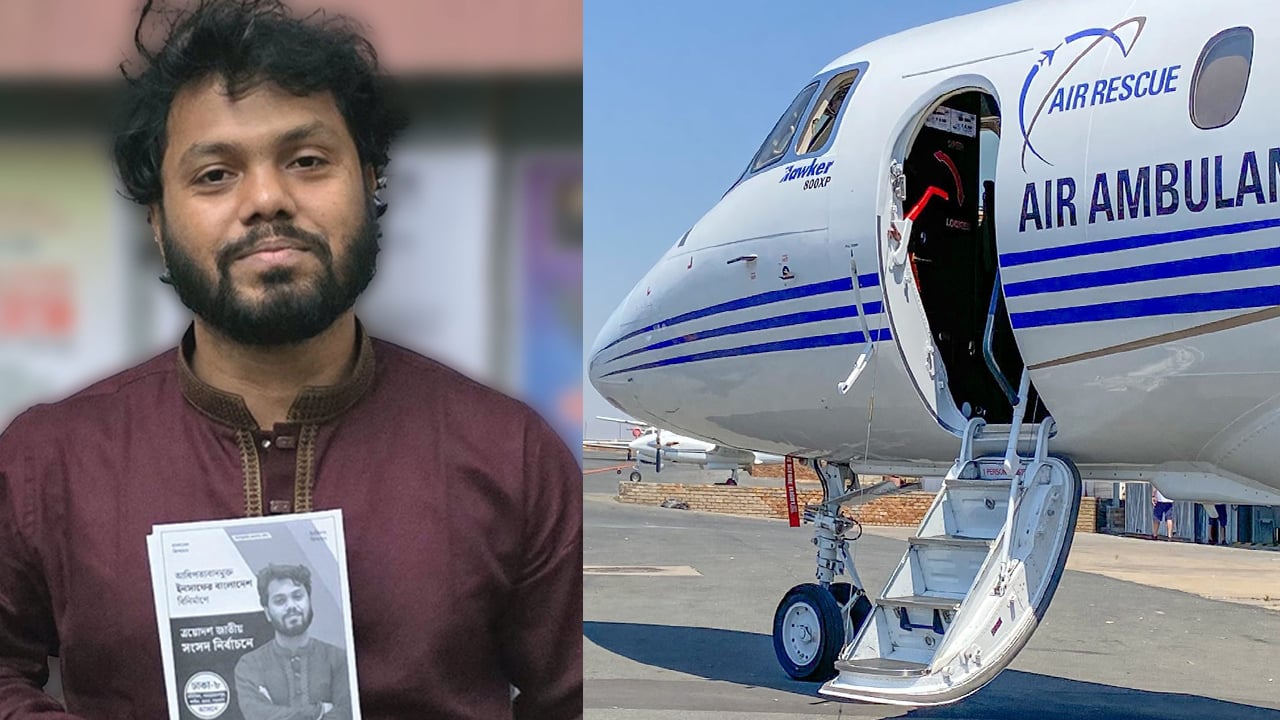
Sharif Osman Hadi, a key leader of the July Revolution and potential independent candidate for Dhaka-8, is being flown to Singapore on Monday afternoon for advanced medical treatment. Government officials confirmed that all arrangements, including a medical air ambulance and specialist team, have been completed. The decision followed an emergency conference led by Chief Adviser Dr. Muhammad Yunus, with cultural adviser Mostofa Sarwar Farooki and senior physicians participating. All medical expenses will be covered by the state. According to the medical board, Hadi’s condition remains extremely critical. Recent CT scans revealed worsening brain swelling and oxygen deficiency, though kidney and lung functions are stable. Physicians reported hormonal imbalances and blood pressure fluctuations due to brain stem injury. The medical team continues to monitor vital signs closely and maintain life support. The Chief Adviser has instructed continuous updates on Hadi’s condition and requested public prayers for his recovery. Hadi will be admitted to Singapore General Hospital’s Accident and Emergency Department, where a full treatment plan is in place.
Bangladesh’s economy, under pressure from declining exports, weak private investment, and rising non-performing loans, is being sustained largely by record remittance inflows. According to Bangladesh Bank, expatriates sent $29.59 billion up to November 2024, an 18% increase from the previous year. Following the July 2024 political transition, remittance inflows surged by over 46%, helping foreign exchange reserves rise from $22 billion to nearly $32 billion. Economists such as Dr. Zahid Hossain and Dr. Helal Uddin Ahmed note that remittances have stabilized the exchange rate and improved the balance of payments, offsetting weaknesses in exports and investment. Analysts attribute the surge to reduced money laundering, tighter monitoring, and a narrower gap between formal and informal dollar markets. Policy Exchange Bangladesh Chairman Masrur Riaz described the remittance boom as a “lifeline” for the economy. Despite the relief, experts warn that gas shortages, export contraction, and slow investment continue to threaten recovery. They urge diversification of labor markets and skill development to sustain remittance growth and macroeconomic stability.

Dhaka Metropolitan Detective Branch (DB) has taken journalist Anis Alamgir into custody for extensive questioning regarding unspecified matters. According to DB Chief Shafiqul Islam, Alamgir was unable to provide satisfactory answers to several questions during the interrogation, prompting the initiation of legal procedures against him. As a result, he was required to remain at the DB office overnight. Officials stated that Alamgir was brought in for questioning on specific issues, though no formal case details were disclosed. Additional Commissioner of Police noted that further information would be provided through the DMP Media Center. The reasons behind the interrogation and the nature of the alleged issues remain unclear, with authorities maintaining that the process is ongoing. The incident has drawn attention within media circles, raising concerns about press freedom and the treatment of journalists in Bangladesh. Observers are awaiting official clarification from the police and any subsequent legal developments in the coming days.
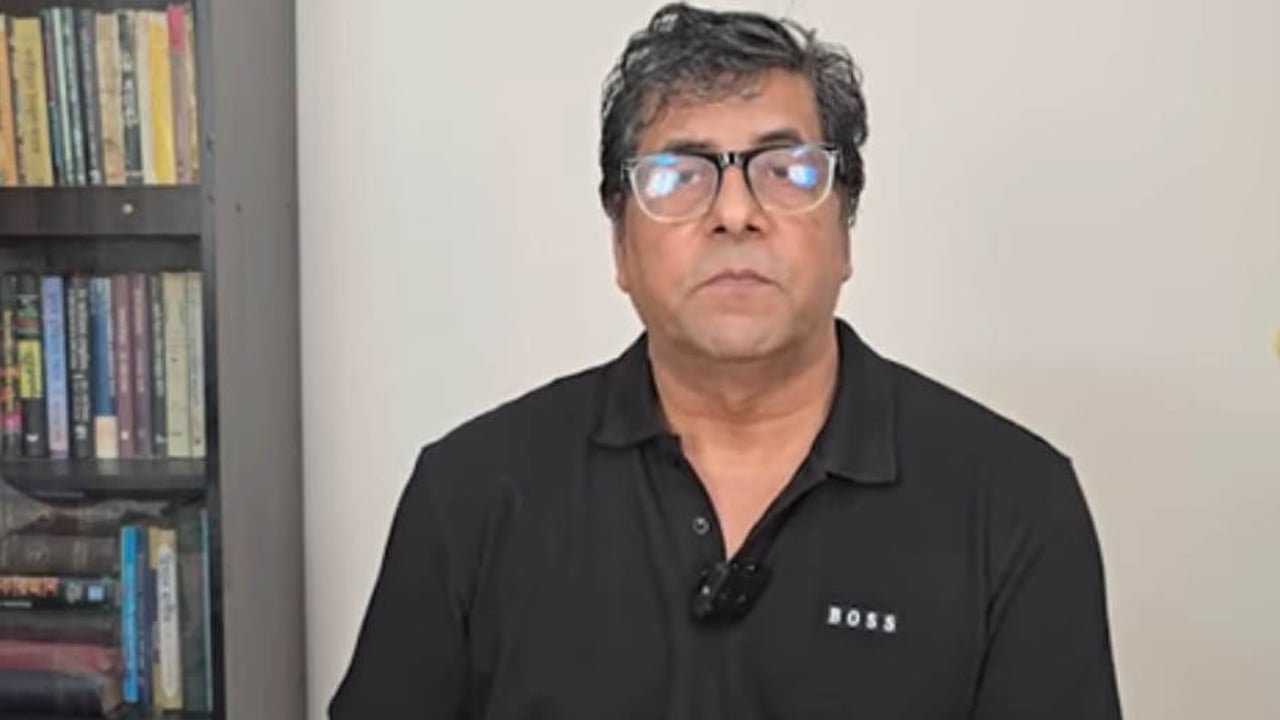
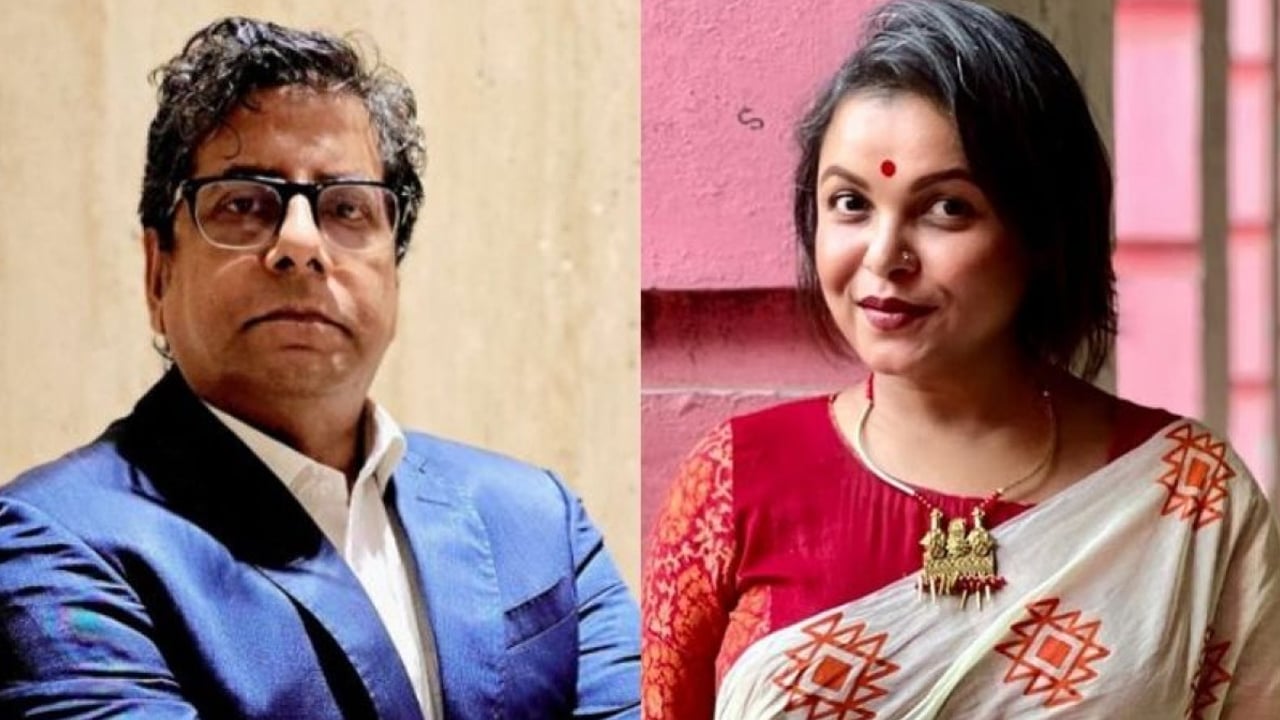
A complaint has been filed under Bangladesh’s Anti-Terrorism Act against journalist Anis Alamgir, actress Meher Afroz Shaon, and two others. The case was lodged Sunday night at Uttara West Police Station by Arian Ahmed, a central organizer of the July Revolutionary Alliance. The complaint alleges that the accused conspired to destabilize the state and promote banned organizations through social media and television appearances following the July 2024 student movement. According to the complaint, the accused allegedly spread propaganda to revive outlawed groups such as the Awami League’s student and youth wings, inspiring followers to engage in anti-state activities. Following the filing, Dhaka Metropolitan Detective Police (DB) took Alamgir in for questioning Sunday night. DB officials confirmed his detention for interrogation but said further decisions would follow after questioning. The incident has drawn attention from media and civil society, with observers noting the sensitivity of applying anti-terror laws to public figures. Authorities have not yet confirmed whether formal charges will proceed or if the accused will be released after questioning.
Dhaka Metropolitan Detective Police (DB) have identified three additional suspects believed to be part of a support team in the attempted murder of Inqilab Manch spokesperson Sharif Osman Hadi. CCTV footage showed suspicious movements by three individuals near the crime scene, moments before gunman Faisal shot Hadi and fled with accomplice Alamgir on a motorcycle. Authorities are conducting nationwide raids, though the suspects remain at large. Conflicting reports have emerged over whether the main suspects fled to India. While police claim Faisal and Alamgir are still in Bangladesh, DB sources suggest they escaped through the Haluaghat border. Law enforcement has sealed their passports and tightened border security. RAB has detained Faisal’s wife, brother-in-law, and girlfriend for questioning over possible involvement. The attack has heightened concern over candidate safety ahead of the upcoming national election. Police have classified over 8,700 polling centers as highly risky and launched “Operation Devil Hunt Phase-2” to capture the attackers. Government officials have pledged maximum efforts to ensure justice and maintain election security.
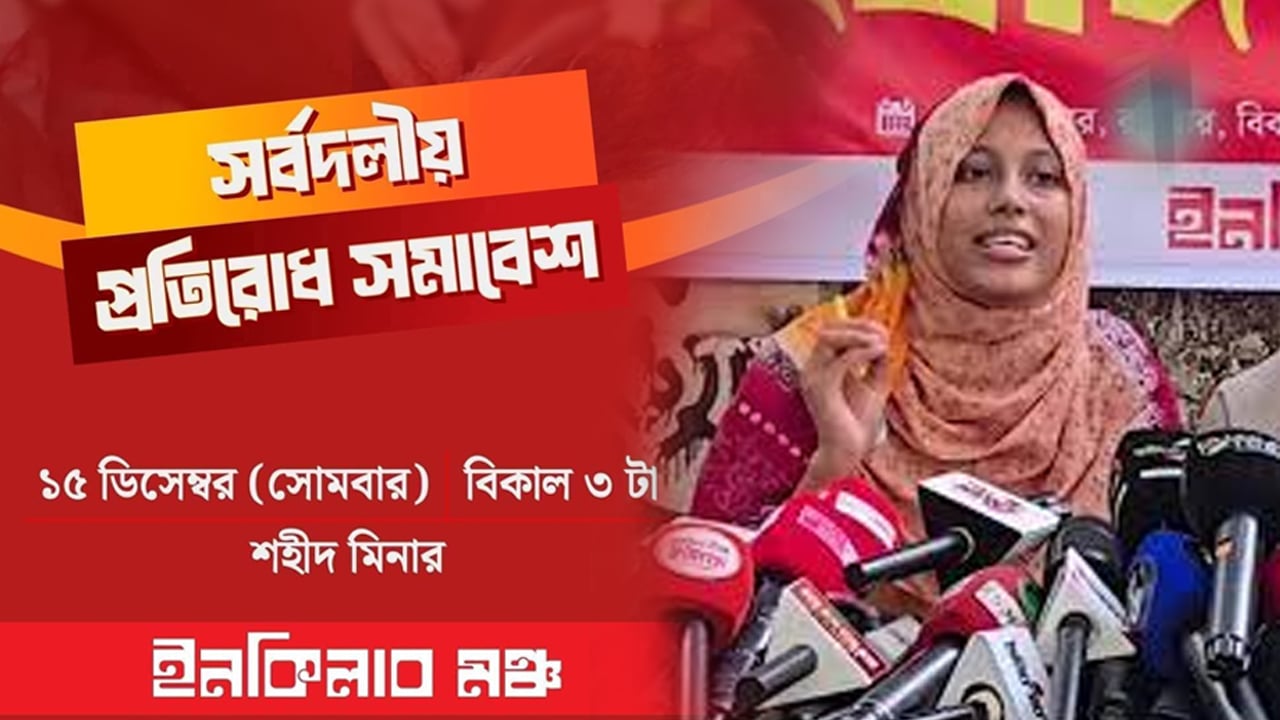
Dhaka University Central Students’ Union (DUCSU) Liberation War and Democratic Movement Secretary Fatima Tasnim Juma has called on all citizens to join an all-party resistance rally scheduled for Monday afternoon at the Central Shaheed Minar. The rally is being organized to protest the recent shooting of activist Sharif Osman Hadi. Juma made the appeal through a Facebook post late Sunday night, expressing deep emotion and solidarity with Hadi and his supporters. In her post, Juma described Hadi as a selfless leader devoted to his comrades and the nation, recalling his dedication and personal sacrifices. She criticized the state for failing to protect what she called one of its most patriotic citizens and vowed that those responsible for the attack would be held accountable. The post also carried a strong nationalist tone, pledging to resist external cultural and political dominance. The rally is expected to draw participants from various political and student groups. Observers note that the event could become a focal point for renewed student activism and broader political mobilization in Dhaka.
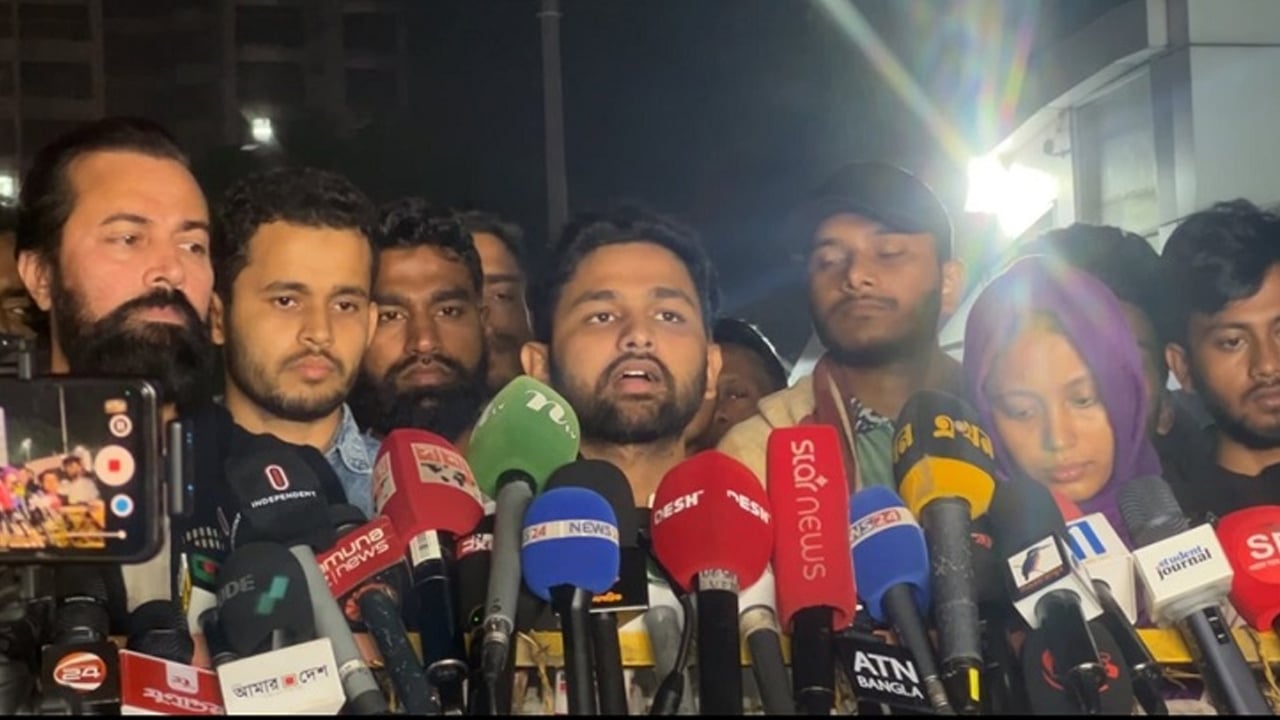
Abdullah Al Jaber, member secretary of Inqilab Mancha, issued a stern warning to Bangladesh’s interim government on Sunday night, saying the administration would face its 'last day' if Osman Hadi, who was recently shot, suffers further harm. Speaking at an emergency press briefing outside Evercare Hospital in Dhaka, Jaber criticized authorities for failing to arrest those responsible within the 48-hour deadline previously set by the group. He accused the government of negligence and warned that the nation’s stability could be at risk if justice is not served swiftly. Jaber also condemned certain lawyers for allegedly prioritizing money over justice, questioning how a suspect in a weapons case could be granted bail. Addressing the media, he urged journalists to avoid giving platforms to individuals who, in his view, celebrate violence or undermine national unity. The statement reflects rising political tension surrounding the attack on Hadi, with Inqilab Mancha positioning itself as a vocal critic of the interim administration’s handling of the case.
The ‘1 Nojor’ media platform is now live in beta, inviting users to explore and provide feedback as we continue to refine the experience.