

The ‘1 Nojor’ media platform is now live in beta, inviting users to explore and provide feedback as we continue to refine the experience.
Six Bangladeshi soldiers serving as UN peacekeepers were killed and eight others injured when militants attacked a United Nations base in Abyei, Sudan, according to a statement from the Inter-Services Public Relations (ISPR) on Saturday, December 13. The attack targeted a Bangladeshi contingent deployed under the UN peacekeeping mission in the volatile region. The Bangladesh Army confirmed the casualties through its verified Facebook page, noting that the situation in Abyei remains unstable and clashes with armed groups are ongoing. Authorities have launched emergency medical and evacuation operations for the wounded personnel. The ISPR added that further details will be shared once more information becomes available. The incident underscores the persistent security challenges faced by UN peacekeepers in conflict-prone areas like Sudan. Bangladesh, one of the largest contributors to UN peacekeeping missions, has lost several soldiers in similar attacks over the years. The government is expected to review security measures for its deployed forces and coordinate with the UN for enhanced protection.

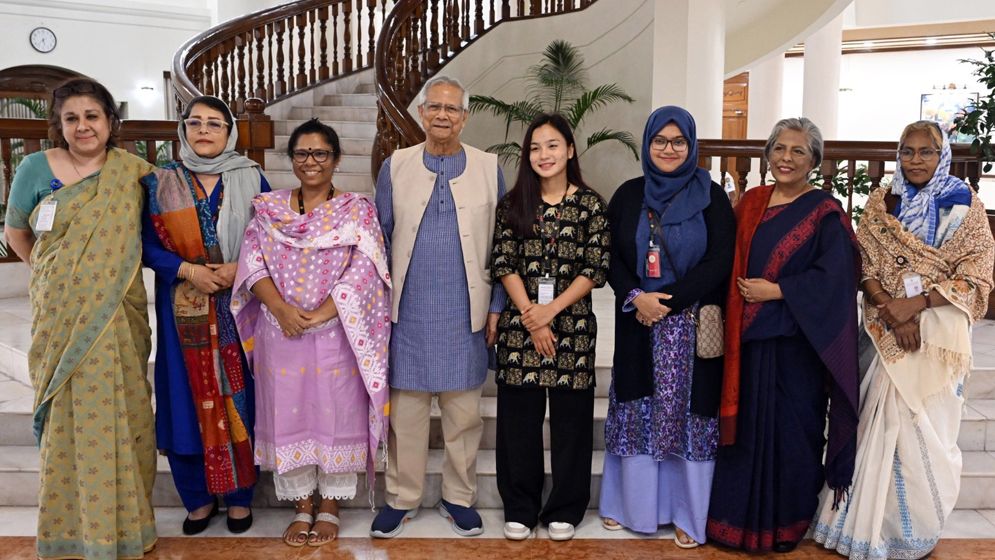
Chief Adviser Professor Dr. Muhammad Yunus hosted a reception for the 2025 Begum Rokeya Padak winners at the state guesthouse Jamuna on Saturday evening. The honorees—Rubhana Rakib, Nabila Idris, Kalpana Akter, and Rituporna Chakma—were recognized for their contributions to women’s empowerment, labor rights, human rights, and sports. During the event, the awardees expressed concern over the recent attack on political activist Osman Hadi, urging the government to take firm action and promote political unity ahead of national elections. Dr. Yunus condemned the attack as premeditated and assured that he was monitoring Hadi’s condition and maintaining contact with political parties. Labor rights activist Kalpana Akter thanked the interim government for reforming labor laws and ratifying international conventions, calling the steps historic. Dr. Yunus emphasized labor rights and workplace safety as top priorities. He also discussed institutional challenges with researcher Rubhana Rakib and praised footballer Rituporna Chakma and human rights advocate Nabila Idris for inspiring the nation. The event underscored the government’s focus on women’s empowerment and accountability, signaling continued engagement with civil society and reform initiatives.
Bangladesh’s interim government has announced the immediate launch of 'Operation Devil Hunt Phase-2' to maintain law and order and ensure a peaceful environment ahead of the national elections. The decision was revealed by Home Affairs Adviser Lt. Gen. (Retd.) Jahangir Alam Chowdhury following a core committee meeting on law and order at the Secretariat on December 13. The adviser stated that the operation aims to suppress extremist and terrorist activities that could disrupt the electoral process. He also mentioned that candidates participating in the election may apply for firearm licenses, while those who had previously deposited licensed weapons with the government will have them returned. The first phase of the operation began on February 8 earlier this year to combat crime and improve public safety. In response to questions about the security of BNP’s acting chairman Tarique Rahman upon his potential return to Bangladesh, the adviser assured that the government has taken comprehensive measures to guarantee his safety. The renewed operation signals the government’s intent to maintain strict control over security dynamics during the election period.

The Ministry of Foreign Affairs of Bangladesh has issued an urgent warning to citizens planning to travel abroad, cautioning them against fraudulent websites imitating the official MyGov platform. The ministry confirmed that cybercriminals are operating fake domains resembling government sites to issue counterfeit apostille certificates, undermining the credibility of legitimate digital authentication services. According to the ICT Division’s Aspire to Innovate (a2i) program, the MyGov platform (https://www.mygov.bd) has processed around 1.7 million applications in the past 11 months, significantly improving transparency and efficiency in document verification. However, authorities recently identified multiple fake domains, including apostillemygovbd.news and apostille-mygovbd.com, used for scams. Police have already shut down two such fraudulent sites following ministry directives. Officials warned that these scams could jeopardize the acceptance of Bangladeshi public documents abroad and disrupt lawful migration processes. Citizens are urged to use only the official MyGov website and avoid sharing personal data through suspicious links. Law enforcement efforts to identify and prosecute the fraudsters remain ongoing.

The Election Commission (EC) of Bangladesh has formally requested additional police escorts for the Chief Election Commissioner (CEC), four election commissioners, and the senior secretary of the EC Secretariat. The request, sent on December 13 to the Dhaka Metropolitan Police Commissioner, follows the announcement of the 13th National Parliamentary Election schedule on December 11. The EC cited the need for heightened security during the election period to ensure uninterrupted and safe execution of official duties. According to the letter, the CEC already receives a police escort, but an additional vehicle and security team have been sought for the election period. Similar arrangements have been requested for the commissioners and the EC secretary, covering their residences and offices in Dhaka. In separate communications, the EC instructed police commissioners in Dhaka, Chattogram, and Khulna to assign armed guards for regional and returning officers, and directed the Inspector General of Police to strengthen security at all election offices nationwide. The move reflects growing caution within the EC as the country enters a politically sensitive election phase, aiming to prevent disruptions or threats to election officials’ safety.

The National Imams and Khatibs Association of Bangladesh has submitted a 10-point demand to the government, calling for improved financial, social, and legal support for religious leaders. The demands were announced on Saturday, December 13, during a national seminar at the National Press Club in Dhaka, led by the association’s president, Mufti Abu Taher Al Madani. Key proposals include a unified national pay scale for imams, khatibs, and muezzins, interest-free housing loans, reduced utility bills for mosques, and free healthcare cards for religious leaders and their families. The association also urged the creation of a national imam database, a law to protect imams’ dignity and safety, and the establishment of a central Shura Board for Islamic research and social mediation. The group further called for free Hajj opportunities for poor and elderly imams and legal safeguards against false cases or harassment. Religious and social observers noted that these demands highlight long-standing concerns over the welfare and recognition of mosque leaders in Bangladesh’s community structure.

Fahim Al Trust has announced its willingness to take full responsibility for the medical treatment of Sharif Osman Hadi, spokesperson of the Inqilab Mancha. Trust Chairman Fahim Al Chowdhury stated that under the direct guidance of BNP’s acting chairman Tarique Rahman, preparations are being made to ensure Hadi’s advanced treatment, including the option of transferring him abroad via air ambulance if necessary. Chowdhury added that the Trust has already attempted to contact Hadi’s family and is in discussions with the relevant medical board to obtain their opinions and necessary approvals. The family reportedly said they would consider the air transfer if Hadi’s condition required it. He further emphasized that once all permissions and consents are secured, Fahim Al Trust will bear all financial responsibilities for Hadi’s treatment on humanitarian grounds. The Trust also requested prayers for Hadi’s swift recovery and for guidance in making the right decisions.

Bangladesh’s Attorney General Mohammad Asaduzzaman has condemned the recent attack on Sharif Osman Hadi, an independent candidate for Dhaka-8 and convener of the Inquilab Mancha. Speaking to reporters in Jhenaidah’s Shailkupa upazila on Saturday, he described the incident as isolated and assured that those responsible would be brought to justice regardless of their influence or power. Asaduzzaman emphasized that such sporadic incidents should not be interpreted as signs of government failure. He reiterated that both the government and the Election Commission are determined to ensure a peaceful and credible national election. The Attorney General added that the rule of law will prevail and legal processes will proceed independently against the perpetrators. The remarks come amid heightened political tensions and sporadic violence ahead of the upcoming national polls, with authorities pledging to maintain order and public confidence in the electoral process.
-693d886b9a63e.jpg)
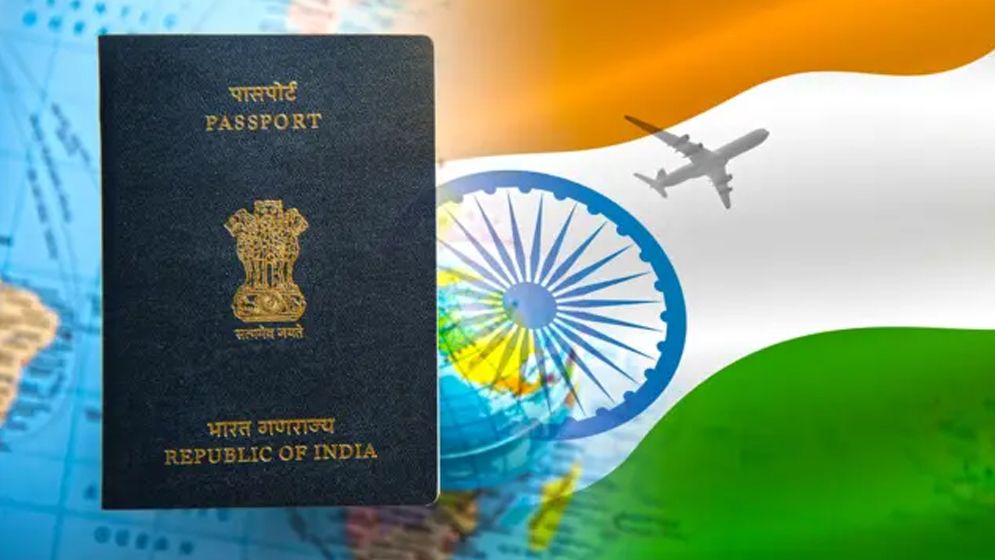
India has granted citizenship to 36 Bangladeshi nationals under the Citizenship Amendment Act (CAA), marking one of the largest such approvals since the law’s implementation in March 2024. According to officials, 35 individuals in Odisha and one in Assam received citizenship certificates during a state-organized ceremony. Odisha Chief Minister Mohan Charan Majhi described the CAA as a symbol of protection and refuge for persecuted minorities. The Hindu reported that the newly naturalized citizens are all Hindus who migrated from Bangladesh before December 31, 2014. With this, the total number of CAA beneficiaries in Odisha has risen to 51, while around 1,100 applications remain under review. In Assam, a 40-year-old Bangladeshi woman became the first to gain citizenship under the Act after marrying an Indian citizen and residing in India for over seven years. The move underscores India’s gradual rollout of the CAA amid ongoing political debate and regional sensitivities, particularly in border states. Authorities expect further approvals as pending applications are processed in the coming months.
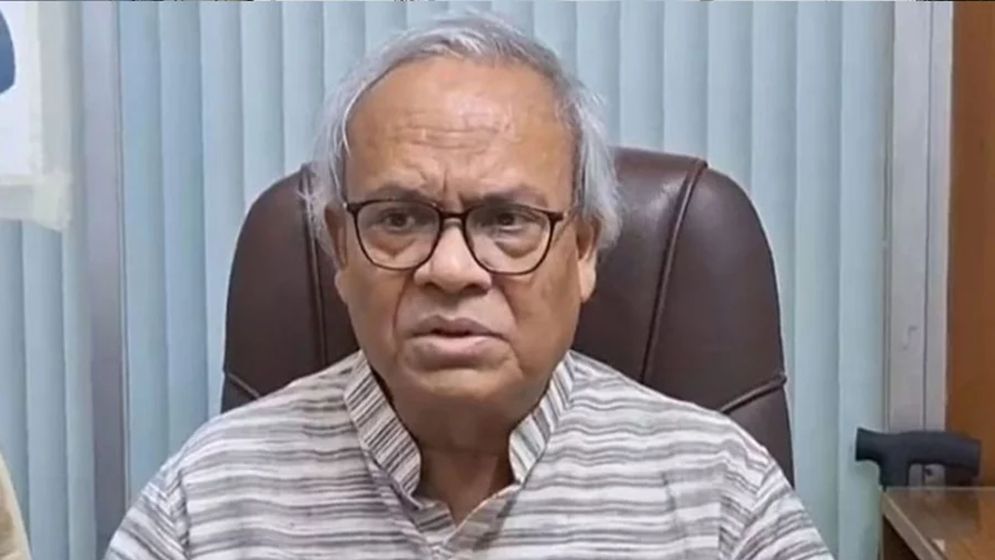
Bangladesh Nationalist Party (BNP) Senior Joint Secretary General Ruhul Kabir Rizvi has issued an apology for comments he made during a meeting in Dhaka’s Naya Paltan area. In a statement released to the media on Saturday night, Rizvi acknowledged that his earlier remarks were based on misinformation circulating on social media. He clarified that two viral posts — one showing a fabricated news clip with the RTV logo and another depicting a Dhaka University student leader having tea with a suspect in an attack — were both AI-generated and baseless. Rizvi admitted that he had not fact-checked the content before referencing it in his speech earlier in the day. The incident highlights growing concerns about AI-generated misinformation influencing political discourse in Bangladesh. Analysts note that this case underscores the urgent need for political figures and the public to verify digital content before sharing or commenting on it.
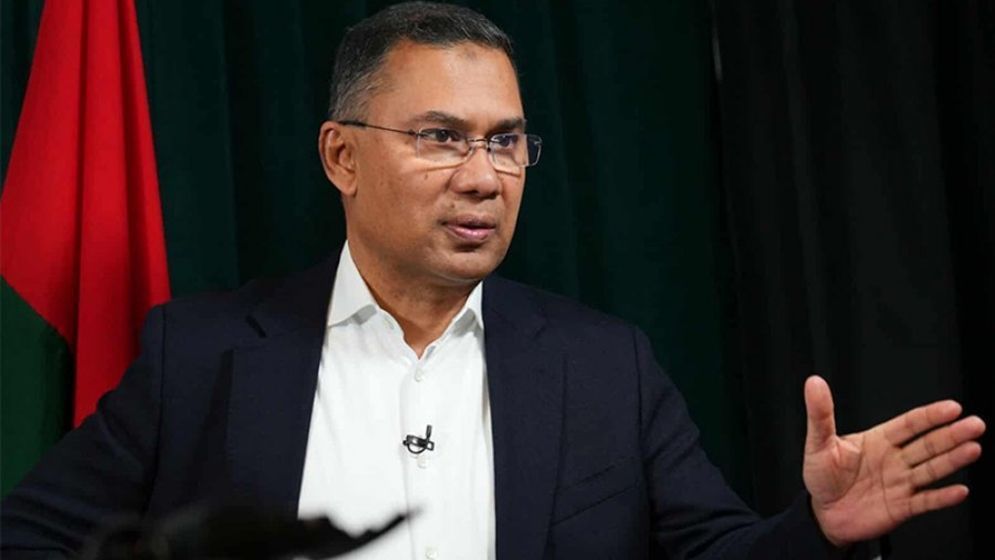
BNP’s acting chairman Tarique Rahman has cautioned that the upcoming national election in Bangladesh will not be easy, alleging that conspiracies are still active. Speaking virtually at a BNP event titled “Plan to Build the Nation” in Dhaka, he referred to recent shootings targeting party figures in Chattogram and Dhaka as evidence of political unrest. Rahman called on party members and citizens to remain united and vigilant, warning that division could endanger the country’s stability. He emphasized that Bangladesh has faced crises before but recovered under the leadership of Ziaur Rahman and Khaleda Zia. Urging supporters to prioritize national interest over personal gain, he said unity and courage are essential to counter threats and ensure a fair election. Senior BNP leaders, including Amir Khosru Mahmud Chowdhury, described Tarique as the “torchbearer of democracy” and announced his possible return to Bangladesh on December 25. The remarks come amid heightened political tension and violence, with BNP leaders framing the election as a decisive moment for democratic restoration.
Bangladesh Jamaat-e-Islami has strongly condemned comments made by Ruhul Kabir Rizvi, Senior Joint Secretary General of the BNP, regarding Dhaka Metropolitan Police (DMP) Commissioner Sheikh Sajjat Ali. In a statement issued on Saturday, Jamaat’s Assistant Secretary General and head of its media department, Advocate Ehsanul Mahbub Zubair, described Rizvi’s remarks as 'false and baseless.' Zubair noted that the DMP Commissioner himself had clarified to the media that the statements attributed to him by Rizvi were completely fabricated. He criticized Rizvi’s comments as politically irresponsible and contrary to democratic norms, arguing that such actions risk misleading the public and undermining trust in key state institutions. Jamaat urged Rizvi to withdraw his remarks immediately and called on all political actors to maintain responsibility and truthfulness in their public statements. The incident underscores ongoing tensions between opposition parties and state authorities ahead of Bangladesh’s politically sensitive period.

National Citizens Party (NCP) convener Nahid Islam has accused the banned Awami League and India of involvement in the recent shooting and attempted murder of Sharif Osman Hadi, a potential independent candidate for Dhaka-8. Speaking after a meeting with the chief adviser on December 13, Nahid claimed that the Awami League executes its political strategies with support from New Delhi and alleged that Indian authorities are aiding efforts to destabilize Bangladesh. He urged the government to hold the Indian High Commission accountable and to take firm action against Awami League operatives allegedly embedded in the administration, police, and media. Nahid also called for unity among anti-fascist groups across political, academic, and cultural sectors to resist what he described as a coordinated attempt to rehabilitate the Awami League in national politics. The NCP leader emphasized that ensuring the safety of political leaders and maintaining public confidence in the Election Commission are essential for a fair election. He demanded swift arrests of those involved in the attack and accountability for anyone linked to the broader conspiracy.

A newly mutated form of the H3N2 seasonal flu virus is spreading across continents, raising global health concerns. Experts report that this strain, which has undergone seven significant mutations, is contributing to a surge in flu cases in countries such as Japan and the United Kingdom. The virus’s rapid transmission is linked to reduced population immunity following years of limited exposure during the pandemic. Professor Derek Smith, director of the Pathogen Evolution Centre at the University of Cambridge, stated that this variant is almost certain to spread globally. Scientists note that while flu viruses often undergo minor changes, the current mutations appear to have significantly altered the virus’s behavior, making it more transmissible. Public health agencies are urging vaccination, hygiene measures, and early medical consultation to curb the spread. Health authorities are monitoring the situation closely, warning that the global rise in cases could strain healthcare systems. Updated vaccines and surveillance are being prioritized to mitigate potential outbreaks in the coming months.
The Bangladesh Election Commission (EC) has issued letters to secretaries of various ministries and departments, including the Cabinet Secretary and the Chief Adviser’s Principal Secretary, urging them to encourage eligible individuals to register for postal voting ahead of the 13th National Parliamentary Election and referendum scheduled for February 12. The initiative aims to facilitate voting for expatriates, government employees residing outside their constituencies, election officials on duty, and individuals in legal custody. According to the EC’s letter, signed by Additional Secretary K.M. Ali Newaz, eligible voters must register through the Postal Vote BD app by December 25, providing accurate mailing addresses to receive their ballots. Once registered, the EC will send ballots directly to the voters’ addresses. The commission has also requested ministries and departments to motivate their staff to complete registration and exercise their voting rights. As of now, 344,233 expatriates have successfully registered through the Postal Vote BD app. The EC expects this number to rise as awareness efforts continue through official channels and digital platforms.
The ‘1 Nojor’ media platform is now live in beta, inviting users to explore and provide feedback as we continue to refine the experience.