

The ‘1 Nojor’ media platform is now live in beta, inviting users to explore and provide feedback as we continue to refine the experience.
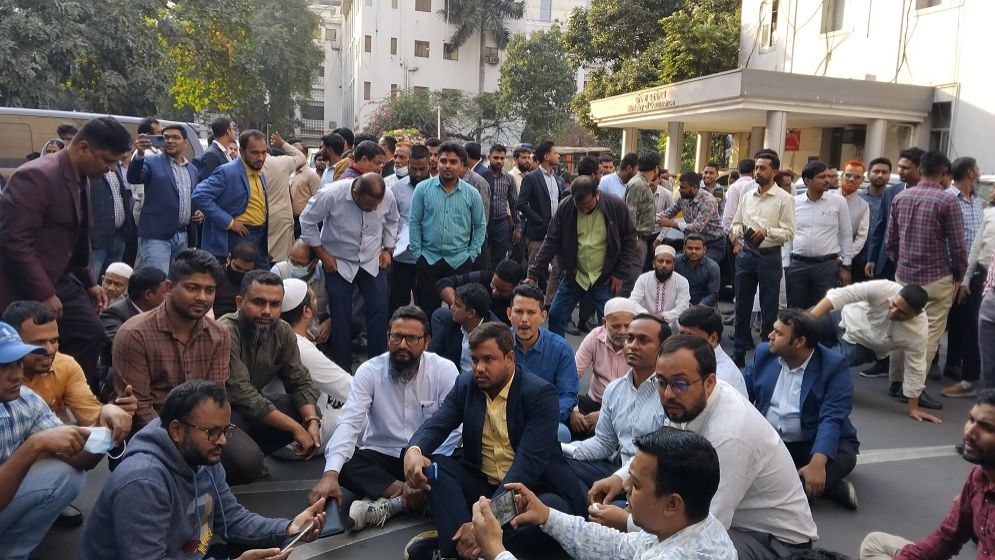
Non-cadre officers and employees working at Bangladesh’s Secretariat have intensified their protest demanding a 20 percent 'Secretariat Allowance'. Despite assurances, the government has yet to issue an official order, prompting renewed demonstrations on Thursday. Protesters gathered outside the Secretariat, chanting slogans and warning that they would begin a complete work stoppage next week if the order is not released by the end of the day. The movement escalated after protesters confined the Finance Adviser for nearly six hours on Wednesday, demanding immediate action. Police later intervened to free him amid tense confrontations. Officials had earlier indicated that a formal notification might be issued by Monday, but demonstrators rejected the delay, insisting on immediate implementation. The standoff underscores growing frustration among government staff over pay disparities and delayed administrative decisions. If the strike proceeds, it could disrupt key bureaucratic functions, putting pressure on the Finance Ministry to resolve the issue swiftly.
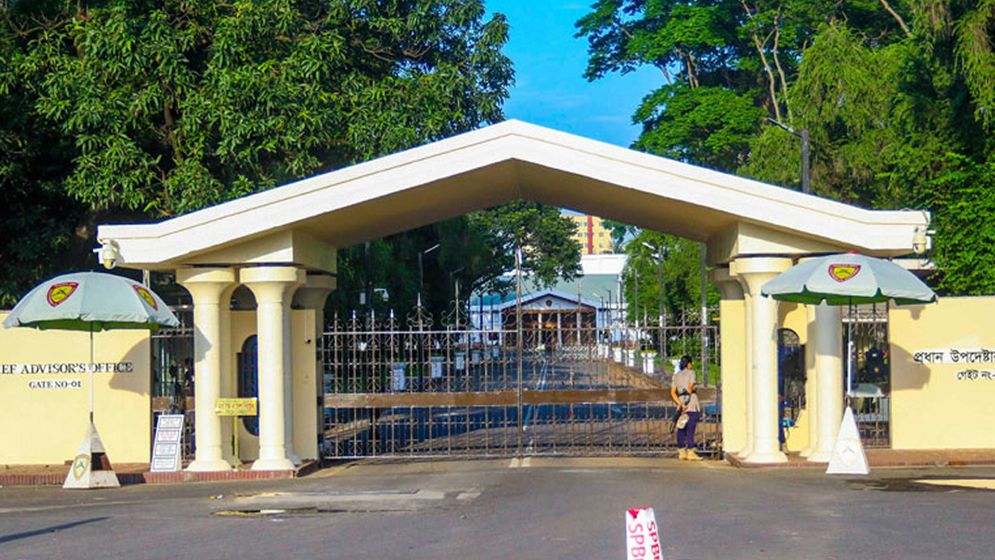
The Ministry of Public Administration has issued a notification withdrawing Dr. Mohammad Mohibul Hasan from his position as Director at the Chief Adviser’s Office. According to the circular released on Wednesday, December 10, the order was signed by Joint Secretary Abul Hayat Md. Rafiq under the authority of the President. Dr. Hasan has been instructed to return to his original cadre organization under the Health Education and Family Welfare Division. The notification stated that the decision was made in the public interest and will take immediate effect. No specific reason for the reassignment was disclosed. Such administrative reshuffles are common in Bangladesh’s civil service, often reflecting internal restructuring or policy adjustments within the government. Observers note that the move may be part of broader efforts to streamline administrative functions under the caretaker government framework. Further appointments or transfers in related departments may follow in the coming weeks.
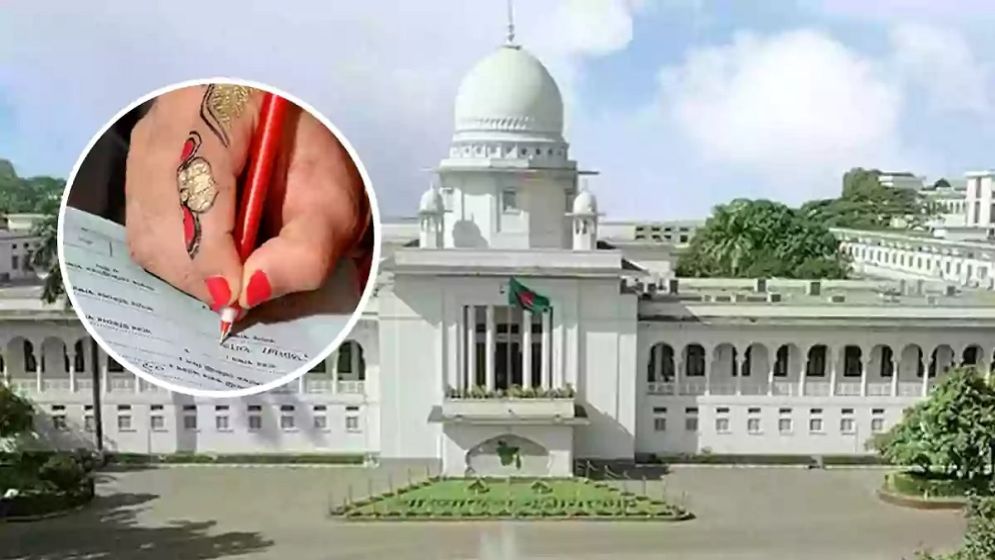
The High Court of Bangladesh has ruled that all marriages and divorces must be registered through a mandatory digital system. The verdict, delivered on December 11 by a bench comprising Justice Fahmida Kader and Justice Md Asif Hasan, directs authorities to establish a secure, centralized government database for recording marital information. The decision follows a 2021 writ petition seeking digitalization of marriage and divorce records. According to petitioner’s counsel Ishrat Hasan, the initiative aims to prevent data concealment, secret marriages, and disputes over divorce authenticity. She emphasized that digital registration will enhance citizens’ social protection, ensure justice, and rebuild trust within society. The court’s directive is expected to significantly reduce administrative complications and fraudulent practices. Authorities are now required to implement the digital system nationwide, marking a major step toward modernizing Bangladesh’s civil registration framework. Implementation details and timelines are yet to be announced, but the ruling signals a shift toward greater transparency and accountability in personal status documentation.
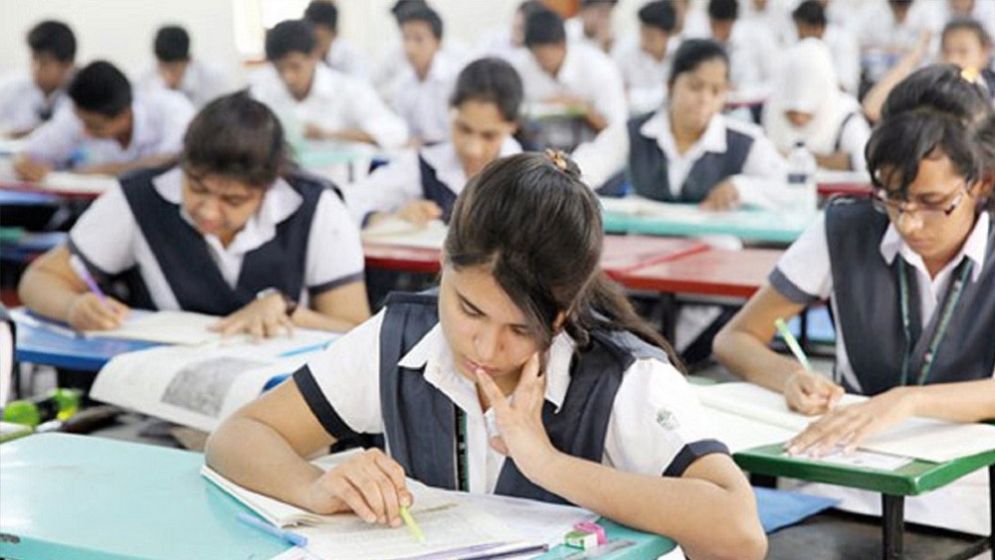
The National Curriculum and Textbook Board (NCTB) of Bangladesh has issued new guidelines regarding the syllabus for the 2026 Higher Secondary Certificate (HSC) and equivalent examinations. According to the directive, irregular and improvement candidates will continue to follow the revised syllabus used for the 2025 exams. All education boards have been instructed to take necessary measures to implement this decision. The Dhaka Board of Secondary and Higher Secondary Education circulated the instruction on December 11, confirming that the 2025 HSC and Alim exams were conducted under the NCTB’s revised curriculum. Following that pattern, the same syllabus will apply to irregular or improvement candidates in 2026. Education boards and related institutions have been asked to ensure compliance with the directive. This move aims to maintain consistency in assessment standards and reduce confusion among students preparing under different syllabi. Further updates on the 2026 regular candidates’ syllabus are expected from NCTB in the coming months.
Bangladesh’s Ministry of Primary and Mass Education has announced that the written examination for the recruitment of assistant teachers in government primary schools will be held simultaneously across all eight divisions on January 2. The exam will begin at 10 a.m., according to Masud Akhtar Khan, Additional Secretary of the ministry’s school division and a member of the Primary School Teacher Recruitment Committee. Earlier, the recruitment process was announced in two phases. The first phase, published on November 5, covered Rajshahi, Rangpur, Sylhet, Khulna, Barishal, and Mymensingh divisions, offering 10,219 assistant teacher positions. The second phase, announced on November 12, included Dhaka and Chattogram divisions with 4,166 vacancies. The unified examination aims to streamline the recruitment process and ensure uniform evaluation across the country. Officials expect the synchronized exam to reduce administrative complexity and maintain transparency. Results and subsequent interview schedules are likely to follow in early 2025, depending on the exam’s completion and evaluation timeline.

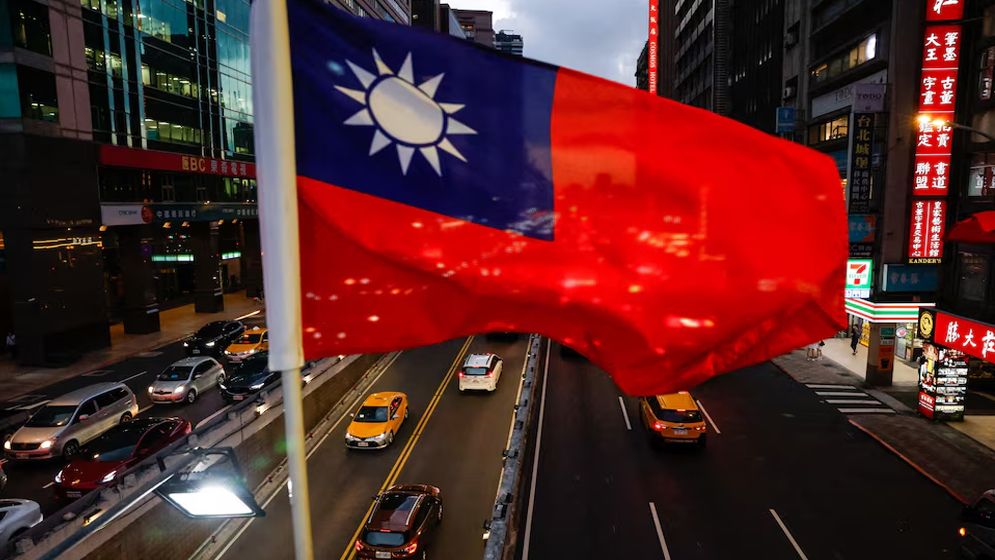
Taiwan’s Deputy Foreign Minister François Wu has reportedly made a secret visit to Israel, according to three sources cited by Reuters. The trip, said to have taken place earlier this month, underscores the discreet nature of Taiwan’s foreign engagements due to Beijing’s pressure on countries to avoid formal ties with Taipei. Israel, like most nations, officially recognizes Beijing rather than Taipei, making such a visit highly unusual. Sources did not disclose whom Wu met or what was discussed, though speculation surrounds potential talks on Taiwan’s new multi-layered air defense system, the T-Dome, modeled partly on Israel’s Iron Dome. Taiwan’s foreign ministry declined to confirm the visit but emphasized that both sides share democratic values and will continue practical cooperation in trade, technology, and culture. Israel’s foreign ministry did not comment. The visit, if confirmed, signals Taipei’s effort to deepen ties with democratic partners amid rising cross-strait tensions and ongoing conflict in Gaza, where Taiwan has expressed support for Israel since October 2023.
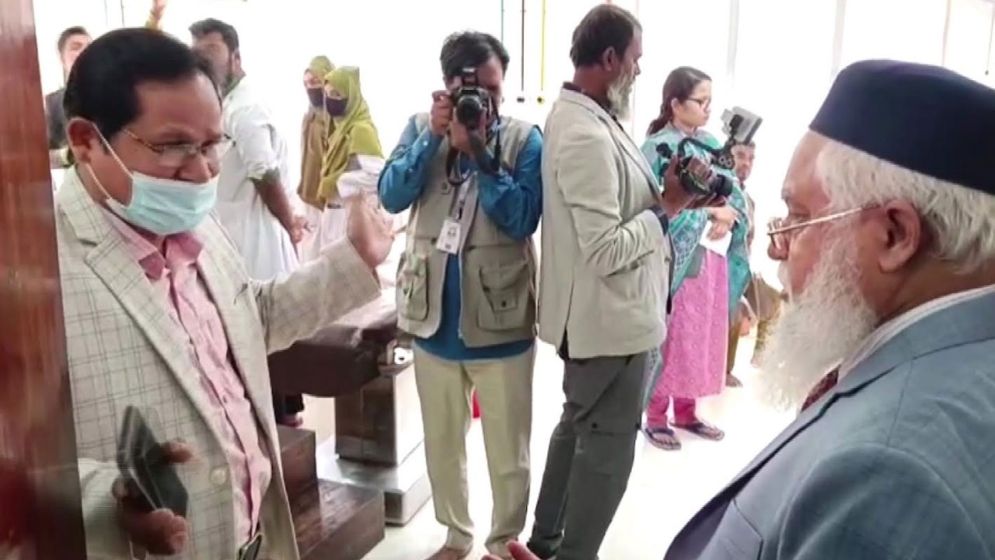
A physician at Mymensingh Medical College Hospital, Dr. Dhanadeb Chandra Barman, has been reinstated to his previous post just four days after being relieved of duty following a verbal altercation with the Director General (DG) of the Directorate General of Health Services (DGHS), Md. Abu Jafar. The reinstatement order, signed by hospital director Brigadier General Golam Ferdous, was issued on December 10 and confirmed the next day by Assistant Director (Administration) Mainuddin Khan. According to the order, Dr. Barman had been served a show-cause notice on December 6 for alleged misconduct during the DG’s visit. After submitting a written apology and assurance to avoid such behavior in the future, his response was deemed satisfactory by the DGHS. The DG, citing leniency, approved his reinstatement as Casualty OT In-Charge and Assistant Professor of Surgery. The incident highlights the importance of professional conduct in public healthcare institutions and the DGHS’s willingness to resolve disciplinary matters through due process and reconciliation.
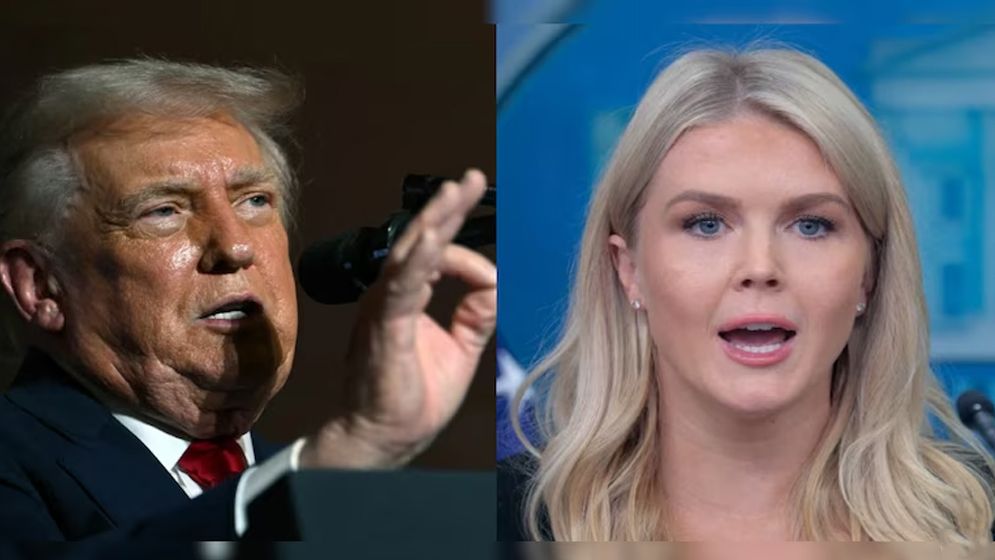
At a campaign rally in Pennsylvania, U.S. President Donald Trump sparked discussion by making personal remarks about White House Press Secretary Caroline Leavitt. While promoting his administration’s economic record, Trump digressed to praise the 28-year-old official’s appearance, calling her a ‘superstar’ and comparing her lips to a ‘small machine gun’ when she speaks on television. The comments drew mixed reactions, with supporters cheering during the event while critics accused Trump of objectifying a female staff member. Trump also used the occasion to highlight his administration’s stance on gender and immigration, contrasting his policies with those of his political opponents. This is not the first time Trump has made similar remarks about Leavitt; he previously used comparable language in a 2023 interview with Newsmax. Leavitt, who served as assistant press secretary during Trump’s first term, has not publicly commented on the latest remarks. Observers note that such statements may reignite debates over Trump’s rhetoric and treatment of women as he seeks to consolidate support ahead of the upcoming election season.
Saudi Arabia has further relaxed its alcohol restrictions, permitting high-income non-Muslim foreign residents to legally purchase alcohol in Riyadh. According to Bloomberg, foreigners earning at least 50,000 riyals (around USD 13,300) per month can now access the kingdom’s only licensed liquor store by presenting proof of income. The store, initially opened last year for foreign diplomats, has now extended access to non-Muslims holding premium residency status. The Saudi government has not issued an official statement on the policy change, and no immediate comment was provided to media inquiries. Purchases are reportedly managed through a monthly point-based allowance system. Bloomberg also reported that two additional liquor stores are under construction in other Saudi cities. Analysts suggest the move aligns with Crown Prince Mohammed bin Salman’s broader efforts to modernize Saudi society and attract skilled expatriates. The policy shift also comes as the kingdom prepares to host the 2034 FIFA Men’s World Cup, when an influx of international visitors is expected to seek greater social freedoms.

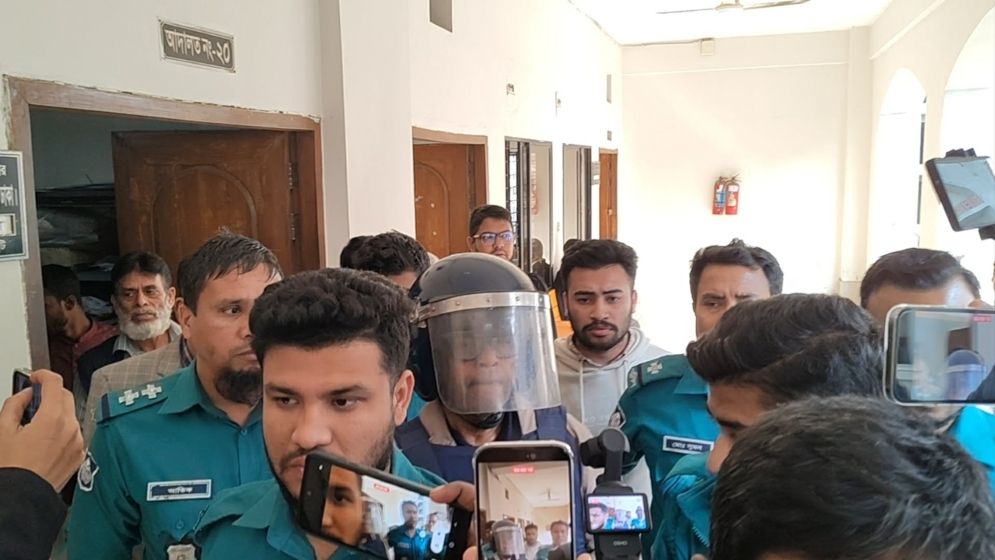
A Dhaka court has granted a five-day remand for Shawkat Mahmud, former president of the National Press Club and current secretary-general of Janata Party Bangladesh, in a case filed under the Anti-Terrorism Act. The case accuses him of conspiring to overthrow the interim government and collaborating with foreign agents. Metropolitan Magistrate Fahmida Khandaker Anna approved the remand after a hearing on Thursday. Mahmud was arrested last Sunday in Dhaka’s Malibagh area by the Detective Branch (DB) police, following the earlier arrest of US citizen of Bangladeshi origin, Enayet Karim Chowdhury, who is accused in the same case. Investigators claim Mahmud and others held secret meetings with political and business figures to destabilize Bangladesh’s political and economic environment. Authorities say interrogation is needed to uncover his alleged connections with foreign entities. The case has drawn attention due to its political sensitivity and the involvement of several figures from different parties. Other accused individuals remain in custody as the investigation continues under the Anti-Terrorism Act.
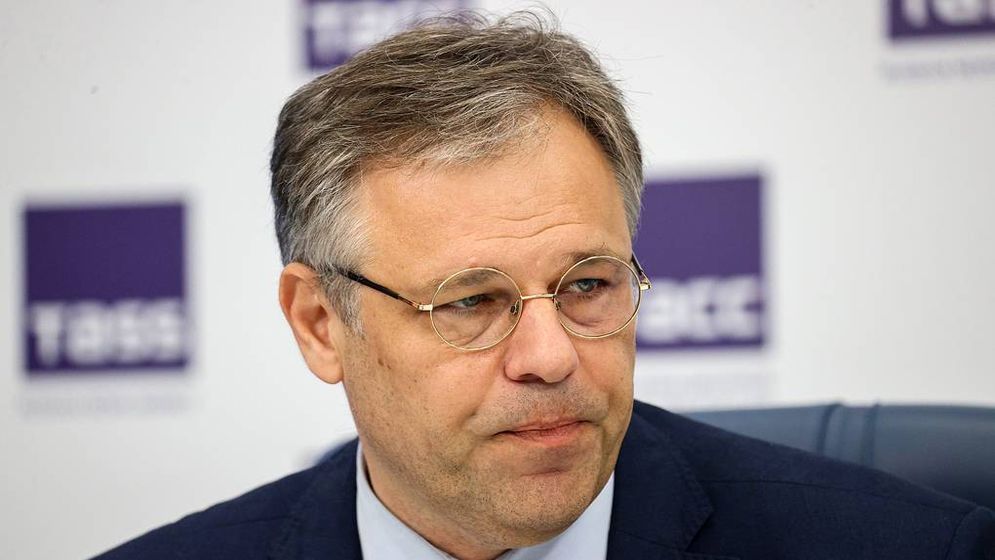
Russia has accused Ukraine of deliberately sabotaging ongoing peace talks by presenting conditions that Moscow deems unacceptable. Rodion Miroshnik, Russia’s special envoy to the Foreign Ministry, told Izvestia that Kyiv is intentionally setting terms designed to collapse the dialogue and then blame Russia for the failure. He described Ukraine’s approach as a waste of time and a political bluff aimed at reshaping proposals linked to former U.S. President Donald Trump’s peace framework. The accusation follows the conclusion of three days of U.S.-mediated discussions in Florida between Ukrainian and American officials, which ended without tangible results. Ukrainian President Volodymyr Zelensky said he held a constructive phone conversation with U.S. envoys Steve Witkoff and Jared Kushner, emphasizing that real progress toward peace depends on Moscow’s willingness to engage sincerely. Analysts note that both sides continue to trade blame, underscoring the deep mistrust that has stalled diplomatic efforts since the start of the conflict. Observers suggest that without renewed commitment from both Kyiv and Moscow, future negotiations may remain symbolic, prolonging uncertainty in the region.
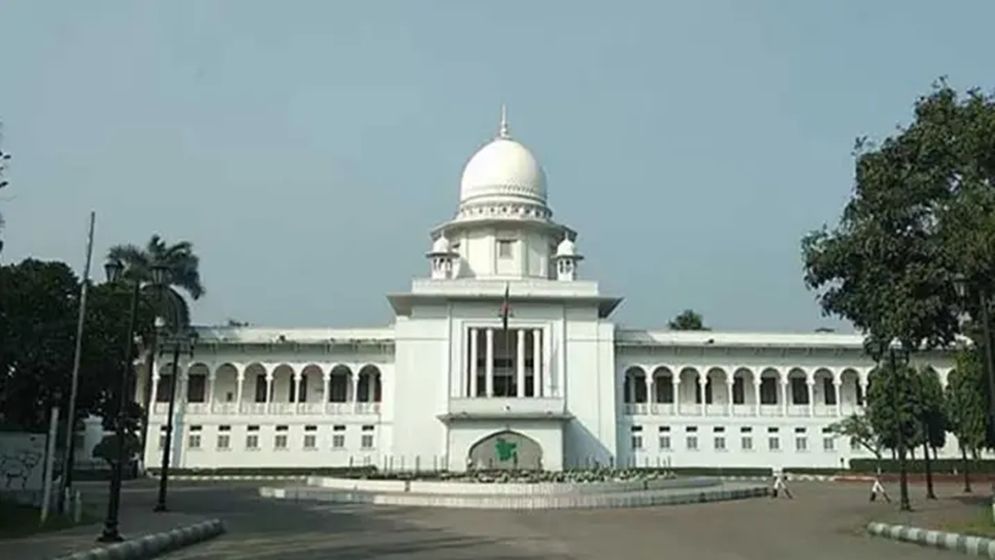
The Appellate Division of Bangladesh’s Supreme Court has announced that the final hearing on the appeal against the High Court verdict regarding the 15th Amendment to the Constitution will take place after the upcoming 13th parliamentary election. Chief Justice Syed Refaat Ahmed’s bench scheduled March 5 as the date for the hearing, effectively placing the matter beyond the election period. Attorney General Mohammad Asaduzzaman told the court that certain aspects of the 15th Amendment should be left for the next parliament to decide, emphasizing the need to avoid any ruling that could invite controversy. Lawyers representing the BNP argued that with national elections only two months away, repealing the amendment now could complicate future constitutional reforms. Barrister Sara Hossain stressed that any future constitutional amendment must preserve the core principles of the Liberation War. The decision to delay the hearing underscores the judiciary’s cautious approach amid heightened political sensitivity ahead of the polls.
Australia has expressed interest in prioritizing Bangladesh as its second production destination for the cotton and wool industry. The announcement came during the sixth round of Senior Officials’ Talks (SOT) between Bangladesh and Australia, held in Dhaka. The meeting was co-chaired by Dr. Md. Nazrul Islam, Secretary (Bilateral–East and West) of Bangladesh’s Ministry of Foreign Affairs, and Sarah Storey, First Assistant Secretary for South and Central Asia at Australia’s Department of Foreign Affairs and Trade (DFAT). The dialogue covered a wide range of bilateral issues including trade, investment, renewable energy, maritime cooperation, and technology exchange. Australia reaffirmed its support for Bangladesh’s interim government and reform initiatives, emphasizing the importance of a free and fair upcoming national election. Both sides also discussed cooperation in artificial intelligence, cybersecurity, and anti–money laundering efforts. The talks concluded with the signing of a memorandum of understanding on employment for dependents of diplomatic and consular staff. The next round of SOT is scheduled to take place in Canberra next year, signaling continued momentum in the growing partnership.
-693a6b156bb75.jpg)
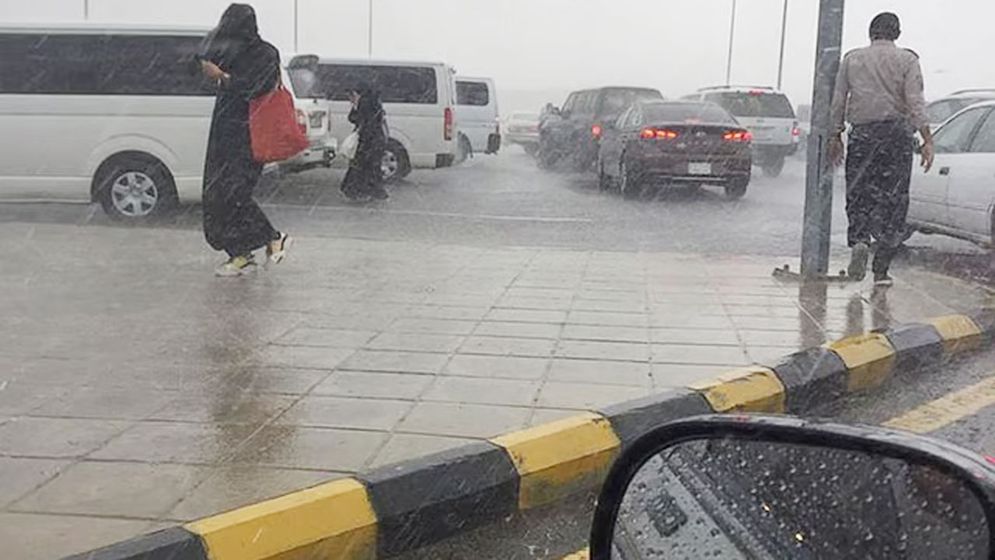
Saudi Arabia is experiencing widespread storms and heavy rainfall across most regions, prompting warnings of potential flash floods if weather conditions do not improve soon. The National Center for Meteorology (NCM) reported that strong winds and rain have hit Makkah, Madinah, Qassim, Riyadh, the Eastern Province, and the Northern Border Region. Moderate rainfall and fog have also been observed in Hail, Tabuk, Al Jouf, and the southwestern areas. According to the NCM, the current weather pattern is driven by a deep low-pressure system over the Red Sea, causing winds between 18 and 40 kilometers per hour, with gusts possibly reaching 50 kilometers per hour. The stormy conditions have also extended to the Persian Gulf, where winds are sweeping toward Saudi Arabia’s southern regions. Such intense weather events are relatively rare in the desert climate of Saudi Arabia, though similar storms have occurred several times in recent years. Authorities are urging residents to remain cautious and avoid flood-prone areas as the situation develops.
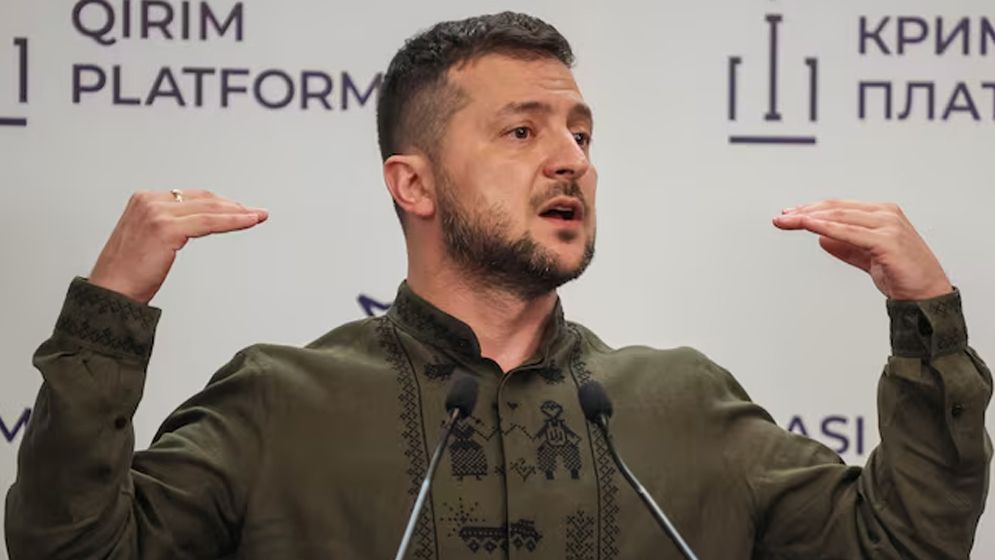
Ukrainian President Volodymyr Zelensky has acknowledged that Kyiv currently lacks the military capacity and allied support to retake territories under Russian control, including Crimea. His statement marks a significant shift in tone after four years of war, signaling a possible softening of Ukraine’s long-held goal to fully restore its 1991 borders. The admission comes as Washington intensifies pressure on Kyiv to accept former U.S. President Donald Trump’s proposed peace plan, which aims for a deal before Christmas. According to reports, U.S. envoys held a two-hour meeting with Zelensky, urging him to respond within days. Analysts view this as a turning point, reflecting both battlefield fatigue and the limits of Western military and financial backing. Zelensky’s remarks also highlight growing uncertainty over Ukraine’s NATO aspirations and the fragility of European support without U.S. leadership. The coming weeks may determine whether Kyiv can secure credible security guarantees and reconstruction commitments in exchange for accepting the new geopolitical reality.
The ‘1 Nojor’ media platform is now live in beta, inviting users to explore and provide feedback as we continue to refine the experience.