

The ‘1 Nojor’ media platform is now live in beta, inviting users to explore and provide feedback as we continue to refine the experience.
Dhaka University Central Students’ Union (DUCSU) Vice President Abu Sadiq Kayem, also a central leader of Islami Chhatra Shibir, has called for a move away from what he described as India-oriented politics toward a Bangladesh-centered political approach. Speaking as the chief guest at a student and citizen rally organized by Jamaat-e-Islami in Chhatak, Sunamganj, on Friday, he warned that any attempt to govern the country in a 'fascist manner' would face strong public resistance. Kayem emphasized that the youth must play a more conscious role in the current political climate, noting former Prime Minister Khaleda Zia’s historical role in anti-fascist movements and wishing her recovery from illness. Other speakers, including former principal Abdus Salam Al Madani and local Jamaat leaders, stressed the importance of democratic values, rule of law, and freedom of expression to overcome the nation’s political and social crises. The hour-long rally concluded peacefully, with participants calling for justice, good governance, and a politics rooted in national interest rather than external influence.
-6932d6d750784.jpg)
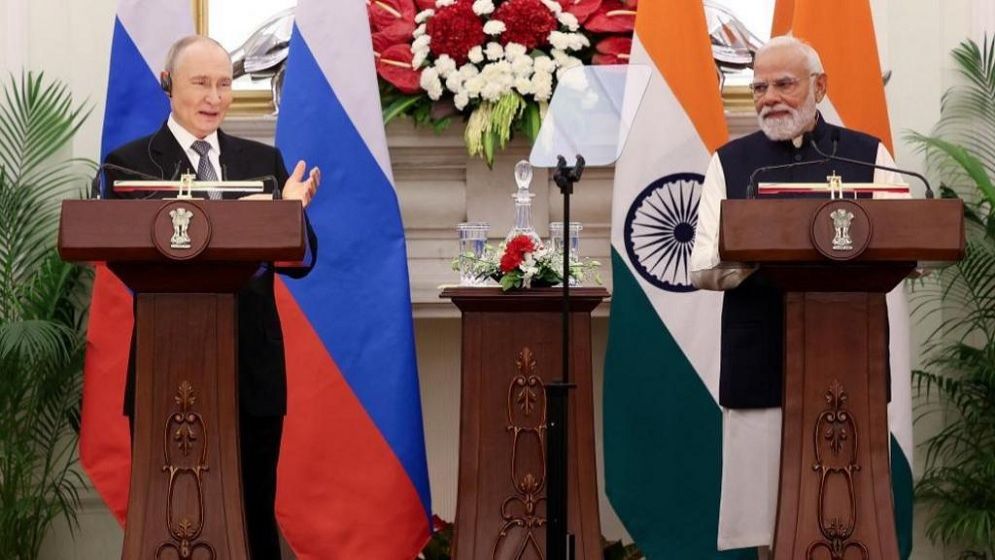
Russia has proposed building small modular reactors (SMRs) and floating nuclear power plants in India, expanding their long-standing nuclear cooperation. During his recent visit to New Delhi, President Vladimir Putin discussed the initiative with Indian Prime Minister Narendra Modi, emphasizing Moscow’s readiness to ensure continuous energy supply to India. Putin highlighted the progress of the Kudankulam Nuclear Power Plant, Russia’s largest nuclear project in India, where two of six planned reactors are already connected to the national grid. The remaining four units are under construction. He also mentioned future collaboration in non-energy nuclear technologies, including isotope applications in medicine and agriculture. The proposal comes amid U.S. pressure on India to reduce energy imports from Russia, citing concerns that such trade supports Moscow’s war efforts in Ukraine. Despite these tensions, India continues to prioritize affordable and clean energy partnerships, with the new Russian proposal potentially reshaping its nuclear energy landscape.
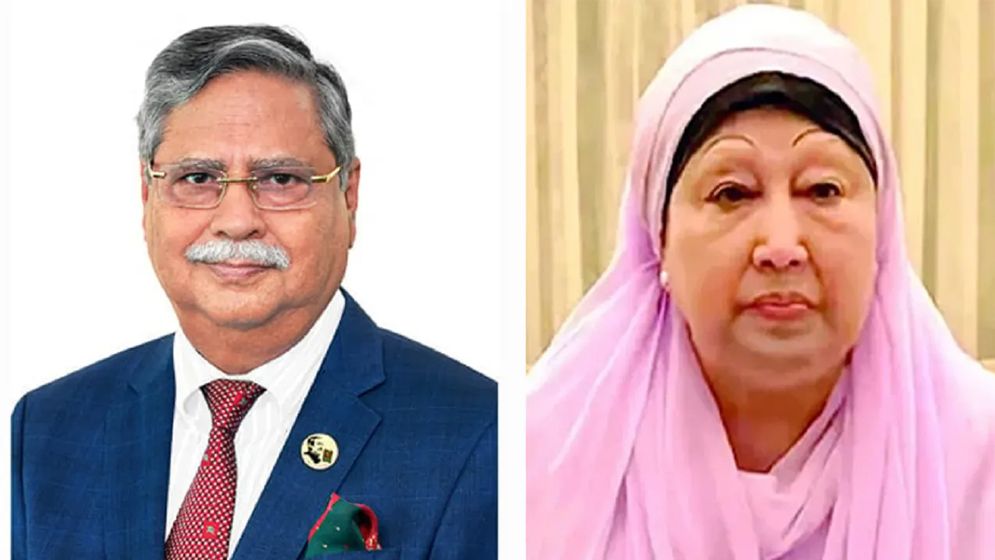
President Mohammed Shahabuddin organized a special prayer gathering at Bangabhaban mosques on December 5, seeking the speedy recovery of BNP Chairperson and former Prime Minister Begum Khaleda Zia. The event followed Friday prayers and was attended by senior officials, family members, and staff of the presidential residence. The chief imam led prayers for Khaleda Zia’s health, longevity, and for the peace and prosperity of Bangladesh. Khaleda Zia, aged 80, has been under treatment at Evercare Hospital’s coronary care unit since November 23. Her medical board, comprising local and foreign specialists, including doctors from the UK and China, has deemed her fit to travel abroad. She is expected to be flown to London soon aboard an air ambulance provided by Qatar’s Emir. Upon arrival, she will be admitted to London Bridge Hospital, where her son and acting BNP Chairman Tarique Rahman will receive her. The development underscores the political and humanitarian attention surrounding the health of one of Bangladesh’s most senior political figures.
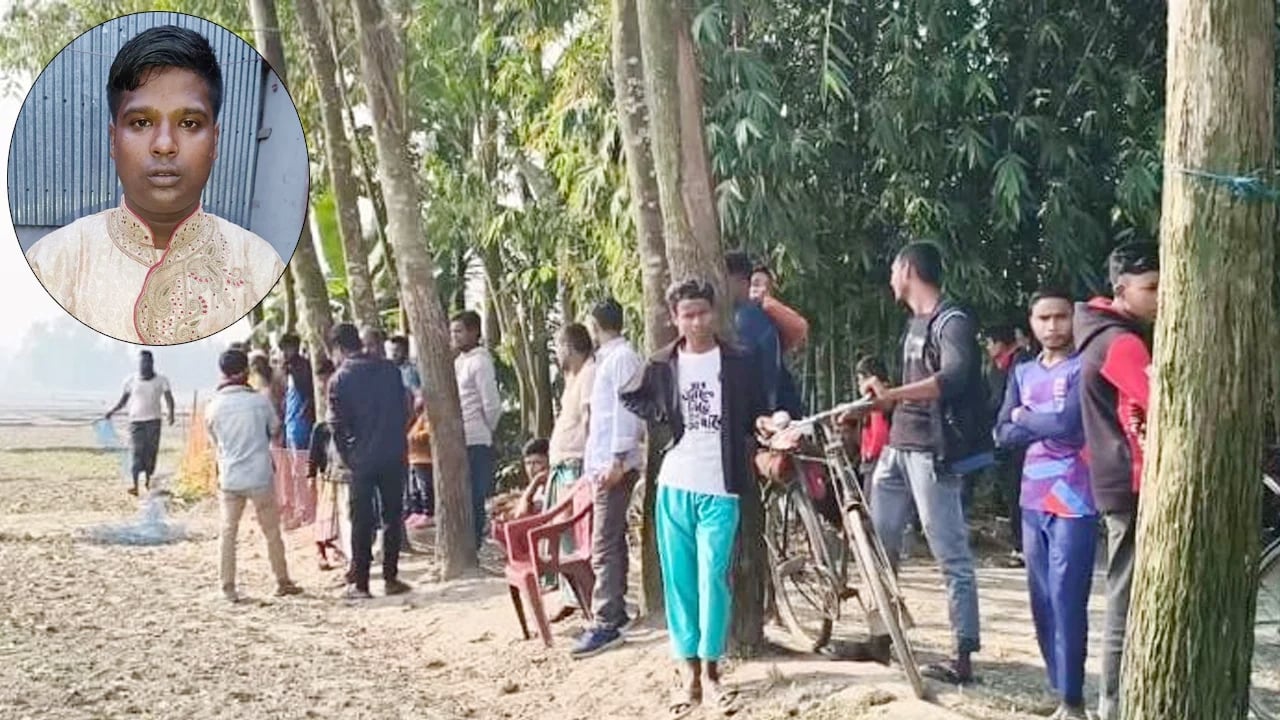
A Bangladeshi youth named Sabuj Mia was shot dead by India’s Border Security Force (BSF) early Thursday near the Patgram border in Lalmonirhat district. His body was handed over to Bangladeshi authorities 16 hours later at the Nazirgomani Border Outpost in the presence of both countries’ law enforcement officials. The handover took place late Thursday night, with the victim’s family members present. According to local and border sources, Sabuj was killed near border pillar 864/5 at the Shamshernagar area of Patgram upazila. Lalmonirhat police confirmed that the body was returned to the family after completion of legal formalities. The incident has once again drawn attention to recurring border shootings between Bangladesh and India, which have been a source of diplomatic concern. Human rights groups have repeatedly urged both governments to strengthen non-lethal border management and ensure accountability for such incidents.
Four officials of the Forest Department were injured after being attacked by a group of illegal hill cutters in the Korehat area of Mirsarai upazila, Chattogram, late Thursday night. The incident occurred when the officials attempted to stop the use of a shallow machine for unauthorized hill cutting at the Saibenikhil hill site. According to Tariqul Rahman, Range Officer of the Korehat Range under the Chattogram North Forest Division, the attack was led by a man identified as Masud Kala. The injured officials—Alal Uddin, Enamul Haque Chowdhury, Ruhul Amin, and Shah Alam—received primary treatment following the assault. Authorities have filed a case with Jorarganj Police Station under forest and criminal laws. Assistant Conservator of Forests Mohammad Harunur Rashid stated that the perpetrators used sticks and rods during the attack, emphasizing that no one would be spared for assaulting government officials. Police confirmed that legal action is underway, and investigations are ongoing to identify and arrest those involved.
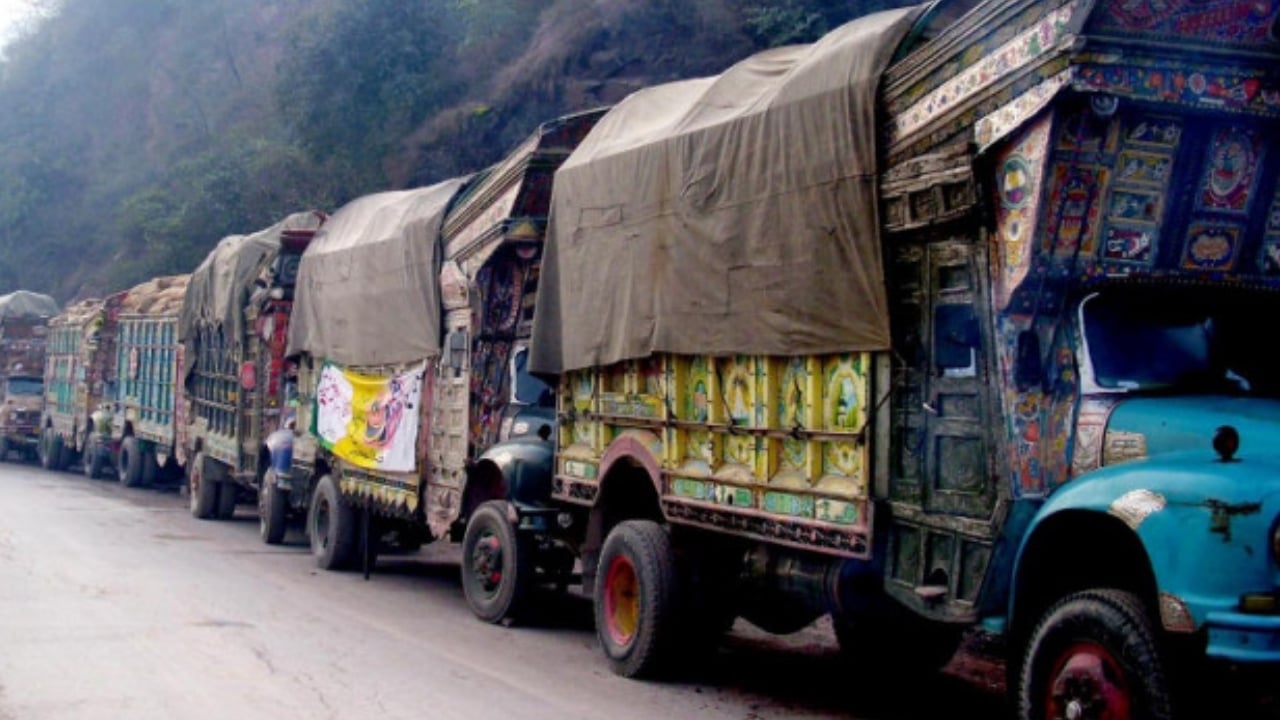
Tensions between Pakistan and Afghanistan have led to the closure of key border crossings since October 11, leaving hundreds of trucks stranded and disrupting regional trade. Pakistani truck drivers transporting goods to Afghanistan are facing uncertainty as their cash reserves run out. Exporters and logistics operators report that shipments bound for Afghanistan, Iran, and Central Asia, including kinnow fruit exports, have been severely affected. According to Junaid Makda, president of the Pakistan-Afghanistan Joint Chamber of Commerce, thousands of containers carrying bilateral and transit goods are stuck across Pakistan, with demurrage charges of $150–200 per container per day. Last year, Pakistan exported kinnow worth $110 million, but this year’s estimate has dropped to $100 million due to the disruption. The closure follows one of the most intense border clashes since the Taliban’s takeover of Kabul in 2021, further straining trade and livelihoods across the region.
Argentine football legend Lionel Messi has expressed uncertainty about participating in the 2026 FIFA World Cup, despite his strong wish to be part of the tournament. In an interview with ESPN ahead of the World Cup draw in Washington D.C., the 38-year-old star said he hopes to be there but admitted that circumstances could prevent his participation. Messi, who fulfilled his lifelong dream by winning the 2022 Qatar World Cup, stated that even if he cannot play, watching the event as a spectator would still be a special experience. His comments have sparked mixed emotions among fans, many of whom are eager to see him lead Argentina once again on the global stage. The uncertainty stems from his age and the physical demands of top-level football, raising questions about whether the iconic forward will extend his international career to one more World Cup.

A day-long free medical camp titled “Shaheed Kamrul Free Medical Camp 2025” was held at Jahangirnagar University (JU) on Friday, organized by the university unit of Bangladesh Islami Chhatra Shibir. The camp, which began at 9 a.m. at the TSC premises, aimed to provide affordable and quality healthcare services to students. Due to overwhelming participation, the event extended beyond its scheduled 5 p.m. closing time. JU Vice-Chancellor Professor Dr. Kamrul Ahsan inaugurated the camp and commended the initiative, urging other student organizations to undertake similar welfare activities. Shibir’s JU unit president, Muhibur Rahman Muhib, stated that the camp sought to bridge healthcare accessibility gaps faced by students due to financial or time constraints. Around 5,000 students and community members received medical consultations and free medicines. University officials, including pro-vice-chancellors and faculty members, visited the camp, praising its contribution to student welfare. Organizers distributed small gifts such as pens and notepads to registered participants, reinforcing the event’s community-oriented spirit.
-6932d5ea8f057.jpg)
BNP’s acting chairperson Tarique Rahman’s wife, Zubaida Rahman, arrived in Dhaka from London on Friday morning and went directly to Evercare Hospital to visit her ailing mother-in-law, former Prime Minister and BNP Chairperson Khaleda Zia. After spending over two and a half hours at the hospital, she left for her mother’s residence in Dhanmondi. Security was tightened around the hospital during her visit. Zubaida’s visit comes as preparations continue to transfer Khaleda Zia to London for advanced treatment. The plan was delayed after a technical fault was detected in the air ambulance sent by the Emir of Qatar. BNP’s media cell said a replacement aircraft, made in Germany, may arrive in Dhaka by Saturday. Party Secretary General Mirza Fakhrul Islam Alamgir stated that if Khaleda’s condition allows and the medical board approves, she could fly to London on December 7. Khaleda Zia has been under treatment at Evercare Hospital for 13 days due to lung infection and cardiac complications. Her condition remains critical but slightly improved in some areas, according to doctors.
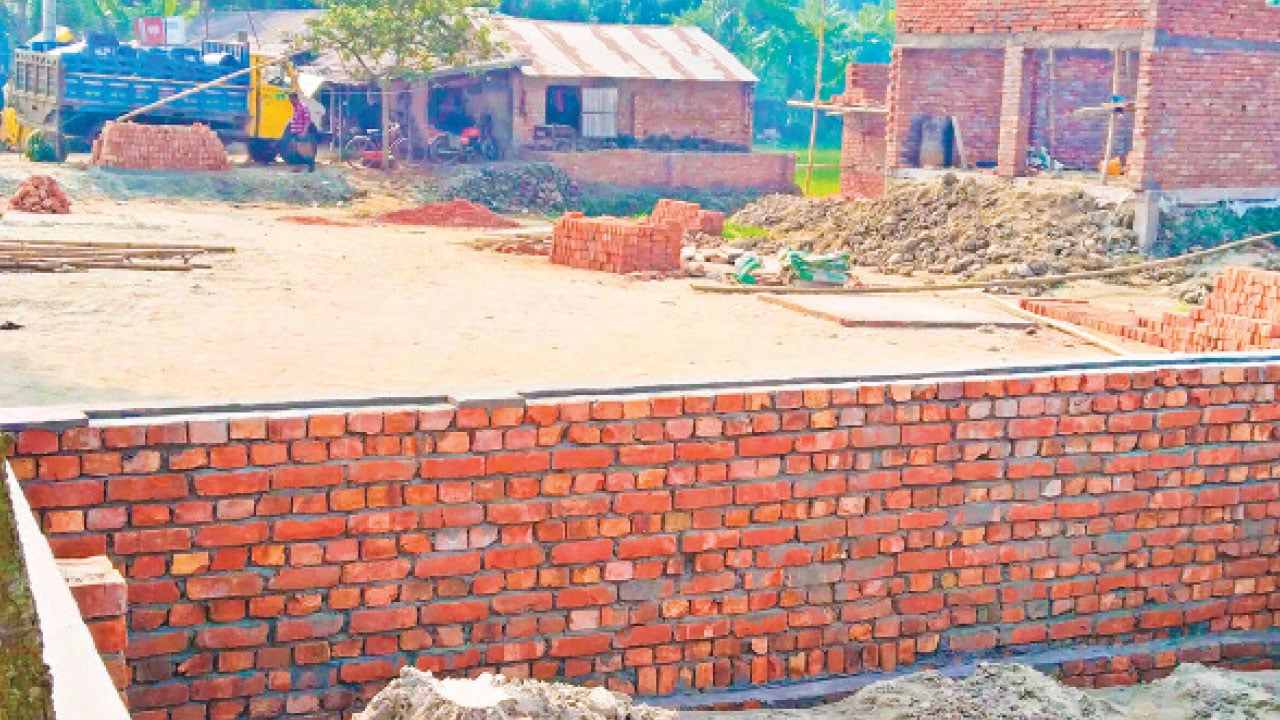
Authorities in Keshabpur, Jesore, have stopped the construction of a market allegedly built on government and Waqf land by Abdus Salam Khan, vice president of the local Awami League unit. Assistant Commissioner (Land) Md. Sharif Newaz intervened on Thursday, ordering a halt to the ongoing construction of 16 new shops after reports surfaced that Salam Khan had already built and rented out 12 shops on the disputed land. Officials said the land, located beside the Jessore–Satkhira highway, belongs to the district council and a Waqf estate. Salam Khan reportedly collected advance payments totaling nearly 48 lakh taka from tenants. Locals claim that the income from the Waqf property, meant for the upkeep of a community mosque, has been diverted for private gain. The assistant commissioner confirmed that further legal action will follow pending instructions from the district administration. Residents have urged the government to recover the occupied Waqf property and ensure its proper management to prevent future encroachments.
The United States is preparing to significantly expand its travel ban list, potentially adding more than 30 countries, according to Homeland Security Secretary Kristi Noem. In an interview with Fox News, Noem declined to specify the exact number but confirmed that President Donald Trump is assessing multiple nations. The move follows a recent incident in Washington, D.C., where two National Guard members were killed by an Afghan immigrant, prompting the administration to tighten immigration policies. Trump previously imposed full travel bans on 12 countries and partial restrictions on seven others, citing national security concerns. The new expansion targets nations with unstable governments, weak identity verification systems, or limited cooperation with U.S. vetting processes. This initiative is part of a broader overhaul of immigration policy since Trump’s return to office, which includes stricter border enforcement, reassessment of asylum cases, and review of green card issuances for citizens of 19 countries.

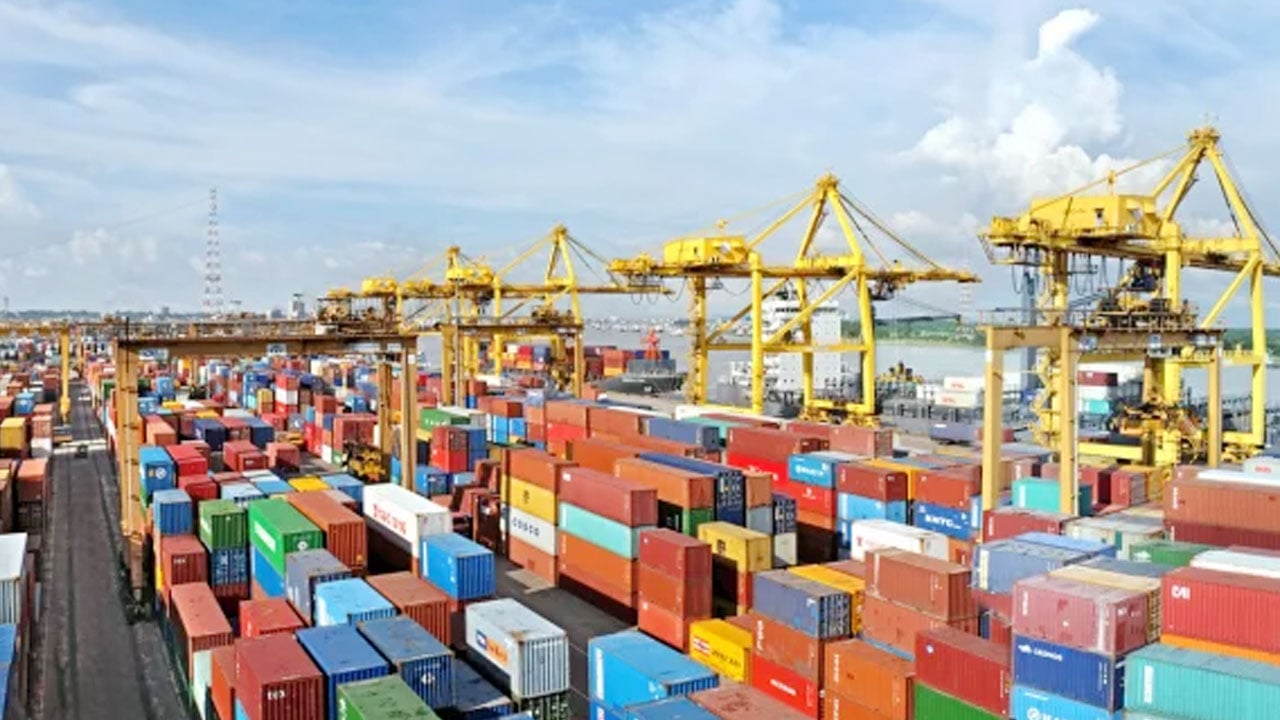
Bangladesh’s export earnings have declined for four consecutive months since August of the 2025–26 fiscal year, reflecting persistent weakness in the country’s key apparel sector. According to the Export Promotion Bureau (EPB), November’s export income fell by 5.54% year-on-year to $3.89 billion, down from $4.12 billion in the same month last year. Despite this, total exports for July–November reached $20.02 billion, slightly higher than $19.90 billion a year earlier, marking a marginal 0.62% growth. The readymade garment industry remained the top export earner, contributing $3.14 billion in November, though 5% lower than last year. Exporters attribute the decline to aggressive competition from China and India in the EU market and higher tariffs in the US, which have reduced demand by about 30%. Analysts warn that achieving the government’s $63 billion annual export target will be difficult amid sluggish global demand, high interest rates, and domestic economic challenges.
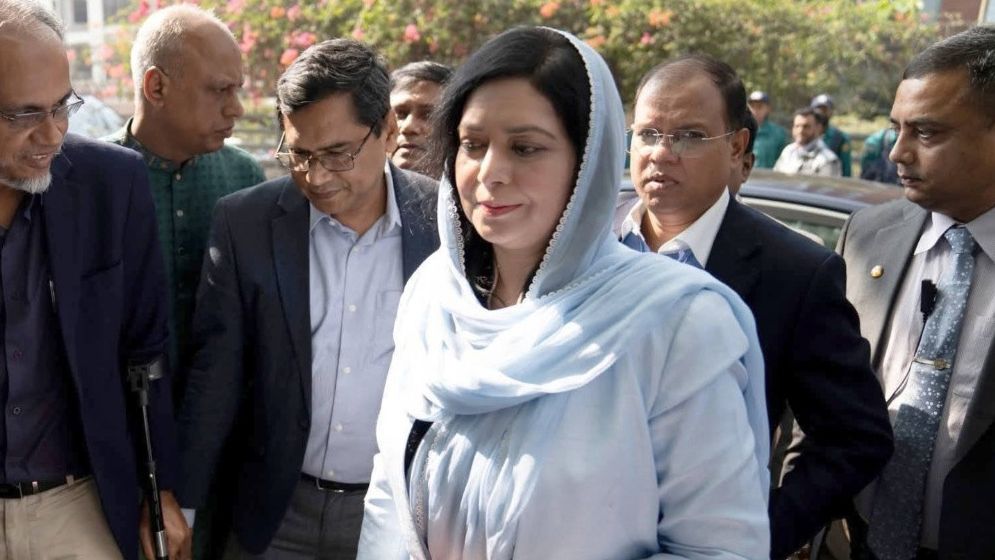
The National Citizens Party (NCP) has announced a 67-member convening committee for its Feni district unit. Zahidul Islam Saikat has been appointed as the convener, while Shah Wali Ullah Manik will serve as the member secretary. The committee was approved through an official statement signed by central member secretary Akhtar Hossain and chief organizer (southern region) Hasnat Abdullah on Thursday, December 4. Senior Joint Convener Advocate Abdullah Al Monsur and several joint conveners, including Professor Ferdous Anwar and Emdadul Haque Rajib, were also named. Mohaymin Tajim was appointed as Senior Joint Member Secretary. The committee includes various organizational secretaries and members representing different professional and social backgrounds. Party leaders hope the new committee will strengthen the NCP’s organizational activities in the Feni region and enhance its grassroots presence ahead of future political programs.
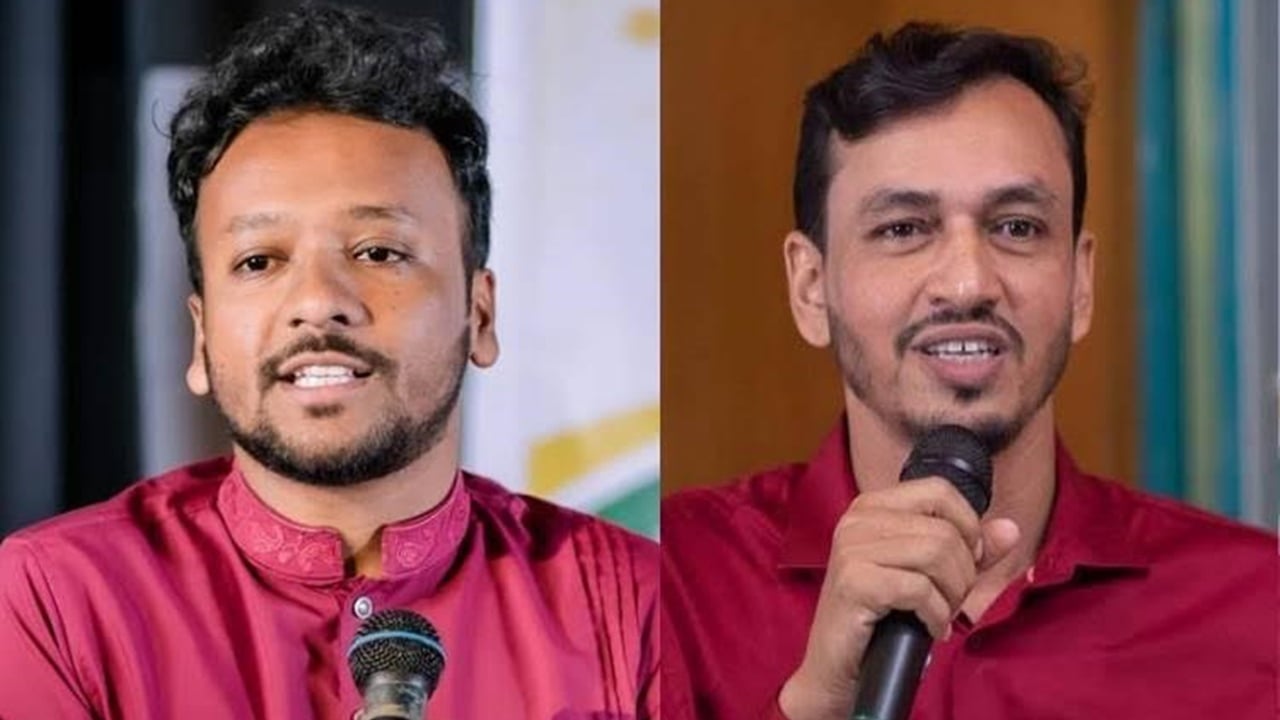
Ahead of Bangladesh’s 13th national parliamentary election, Jamaat-e-Islami is reportedly set to drop between 80 and 100 candidates from its previously announced list. The move comes as part of seat-sharing arrangements with seven allied parties participating in a joint movement based on five-point demands. Reliable sources indicate that candidate reshuffling is being guided by field-level popularity assessments and professional representation. Jamaat leader Advocate Ehsanul Mahbub Zobayer stated that the main criterion for selection is the likelihood of victory rather than the number of candidates. The eight-party alliance, which includes Jamaat, Islami Andolon, Khelafat Andolon, Khelafat Majlis, Nezame Islam Party, JAGPA, and BDPO, is working toward finalizing single candidates per constituency. Jamaat’s top leaders, including Ameer Dr. Shafiqur Rahman, are expected to contest from Dhaka, while candidates from minority and indigenous communities are also under consideration. New candidates have already been finalized in constituencies such as Habiganj-4 and Kurigram.

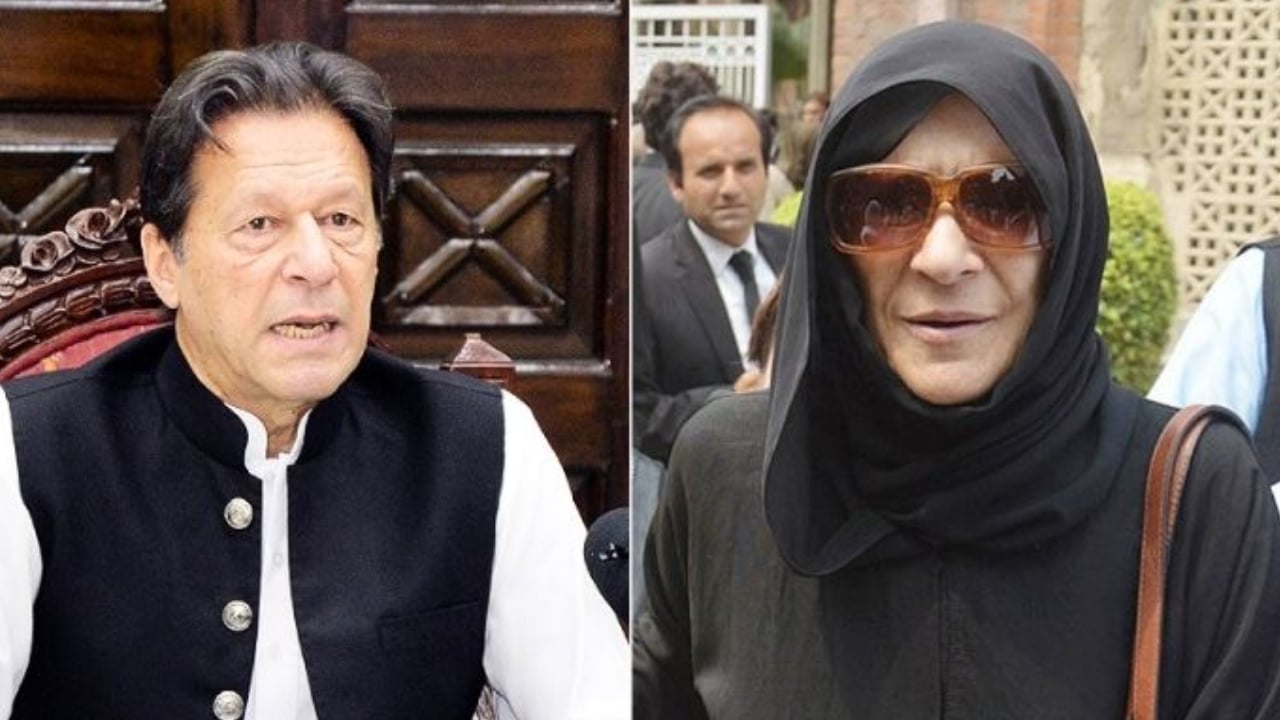
The Pakistani government has suspended the visitation rights of former Prime Minister and PTI founder Imran Khan’s sister, Uzma Khan, after she allegedly engaged in political discussions during a recent prison visit. Information Minister Attaullah Tarar announced that any visitor who discusses politics with the jailed leader will lose visitation privileges, citing prison regulations that prohibit such conversations. Law Minister Azam Nazir Tarar emphasized that these restrictions have long existed under prison law and apply equally to all convicts. He added that Adiala Jail, where Khan is held, operates under Punjab’s jurisdiction, and that meetings must be supervised, limited to six visitors once a week, and free of political content. The ministers also warned that anyone violating prison rules or causing unrest outside the facility would face strict action. The government reiterated that Khan, as a convicted prisoner, cannot hold unsupervised meetings or communicate politically from jail.
The ‘1 Nojor’ media platform is now live in beta, inviting users to explore and provide feedback as we continue to refine the experience.