

The ‘1 Nojor’ media platform is now live in beta, inviting users to explore and provide feedback as we continue to refine the experience.
Bangladeshi expatriates living in France have shown strong enthusiasm for the newly launched 'Postal Vote BD' app, which allows them to participate in Bangladesh’s upcoming national election through postal ballots for the first time. Registration began on November 26, and expatriates across French cities are signing up in groups. Despite initial technical issues with OTP verification and photo uploads, users report that the process has since become smoother. Refugees without passports can register using only their national ID numbers, expanding participation among the diaspora. Expatriate organizations have welcomed the initiative, calling it a milestone for inclusive democracy. The government will handle the entire postal process, ensuring voters incur no additional costs. Many expatriates describe the move as historic, fulfilling a decades-long demand for voting rights abroad. Observers see it as a significant step linking expatriates not only to the economy but also to Bangladesh’s democratic process, marking a new chapter in the nation’s electoral history.

More than 92,000 Bangladeshi expatriates have registered to vote through the ‘Postal Vote BD’ app for the upcoming 13th National Parliamentary Election. According to the Election Commission (EC) website, as of November 30, a total of 92,385 expatriates have signed up, including 77,544 men and 14,841 women. This marks the first time Bangladesh is introducing an IT-supported postal ballot system, enabling expatriates, individuals in legal custody, and election officials on duty to cast their votes remotely. Registration began on November 19 and will continue until December 23. The EC is conducting registration across numerous countries, including South Korea, Japan, the United States, Saudi Arabia, Australia, and several African nations. Registered voters will receive postal ballots by mail, which they must return to the designated returning officer after voting. The EC aims to engage up to five million expatriate voters as part of its broader electoral participation initiative ahead of the election scheduled for early February 2025.

Ariful Islam Talukdar, the South Region Organizer of the National Citizen Party (NCP), has resigned from his post, submitting his resignation letter on November 28 to the party convener. In his letter, Talukdar expressed deep frustration with the party’s internal weaknesses, indecision, and misuse of power. He claimed that despite his key role in the July 2024 mass uprising, the NCP failed to unite the youth forces or uphold the revolutionary spirit that inspired the movement. Talukdar accused some central leaders of accumulating wealth and monopolizing the movement’s achievements, leading to inequality and disunity. He also criticized the interim government’s advisory council for inefficiency and blamed the party for ignoring the majority’s religious sentiments. Citing corruption, bureaucratic dominance, and lack of justice for victims of state violence, Talukdar said he no longer saw a reason to continue with the NCP. He concluded by expressing hope that he might rejoin future movements for national unity and youth-led politics.

The United States has suspended issuing visas to Afghan citizens following a recent shooting incident in Washington, D.C., involving an Afghan national. The U.S. State Department has instructed all embassies and consulates worldwide to stop processing Afghan visa applications immediately. Secretary of State and National Security Advisor Marco Rubio announced on social media that the decision was made to prioritize national security and public safety. The move comes after Rahmanullah Laknwal, an Afghan citizen and former CIA agent during the U.S.-NATO operations in Afghanistan, allegedly opened fire on National Guard members, killing one and injuring another. Following the attack, U.S. Citizenship and Immigration Services canceled all pending Afghan citizenship and residency applications. The new directive, issued under President Trump’s administration, reinforces a stricter immigration stance toward Afghan nationals amid growing security concerns.
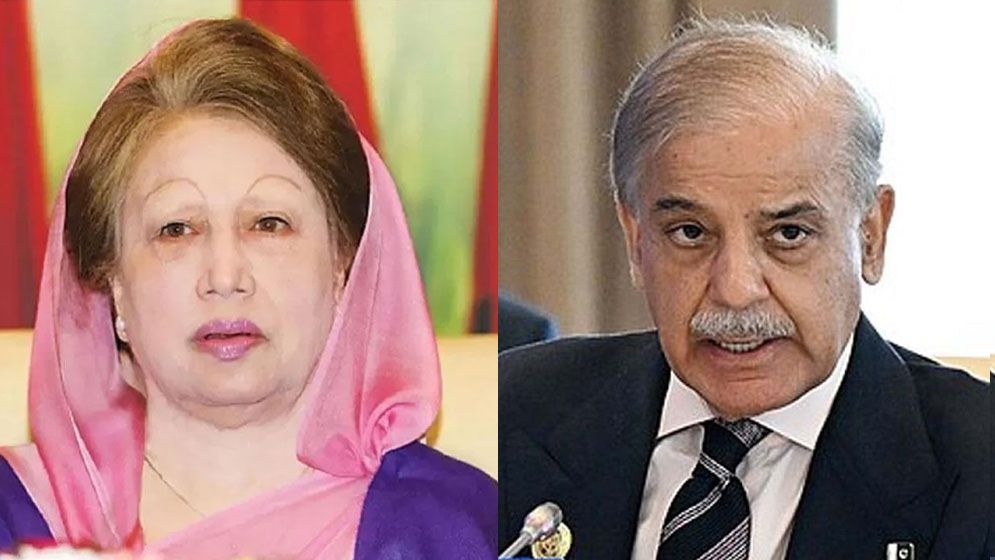
Pakistan’s Prime Minister Shehbaz Sharif has sent a letter to Bangladesh Nationalist Party (BNP) Chairperson and former Prime Minister Khaleda Zia, expressing deep concern over her recent illness and wishing her a quick recovery. Earlier, on November 27, the Pakistani Prime Minister, Deputy Prime Minister, and Foreign Minister had sent floral greetings to convey their best wishes for her health. In his letter, Sharif praised Khaleda Zia’s significant contributions to Bangladesh’s development and her role in strengthening the fraternal ties between Bangladesh and Pakistan. He also prayed for her full recovery so that she could continue to serve as a source of courage and guidance for her party and nation. Khaleda Zia has been undergoing treatment at Evercare Hospital in Dhaka since November 23. According to her personal physician and BNP Standing Committee member Dr. AZM Zahid Hossain, her health condition has remained unchanged over the past three days.
Despite a declared ceasefire, Israeli forces have continued air, drone, and artillery strikes across the Gaza Strip, resulting in mounting civilian casualties. According to Gaza’s Health Ministry, more than 70,100 Palestinians have been killed and over 170,900 injured since Israel’s offensive began on October 7, 2023. The latest attacks, reported by Al Jazeera, included drone strikes in Bani Suhaila near Khan Younis that killed two children, Juma and Fadi Tamer Abu Asi. Witnesses said bombs were dropped near Al-Farabi School, hitting civilians. Israeli forces also launched new assaults from land, sea, and air in various parts of Gaza, including Khan Younis, Rafah, and Gaza City. Gaza’s media office director, Ismail al-Thawabta, stated that Israel has violated the ceasefire 535 times since it began, raising concerns over the sustainability of the truce and the worsening humanitarian crisis in the besieged enclave.

At 38, Lionel Messi continues to make history, breaking a 59-year-old world record for the most career assists in football. During Inter Miami’s 5–1 victory over New York City FC, which secured the club’s first-ever Major League Soccer Eastern Conference title, Messi provided his 405th career assist. The record surpasses the previous unofficial mark of 404 assists held by Hungarian legend Ferenc Puskás since 1966. Although Messi’s impact in the match was limited to a single assist, it proved decisive in both the game and football history. Among active players, Thomas Müller follows with 352 assists, while Luis Suárez, Kevin De Bruyne, Ángel Di María, and Cristiano Ronaldo trail behind. Messi’s career tally now stands at 896 goals, further cementing his status as the player with the most combined goals and assists in football history.

On the third day of his visit to Turkey, Pope Leo XIV toured Istanbul’s iconic Sultan Ahmed Mosque, widely known as the Blue Mosque. Built in 1617 under Ottoman Sultan Ahmed I, the mosque is famed for its more than 21,000 Iznik ceramic tiles in shades of blue and turquoise. According to the Vatican’s media office, the Pope visited in a spirit of silence, reflection, and deep respect for the faith of those gathered in prayer. He was accompanied by Turkish Culture and Tourism Minister Mehmet Nuri Ersoy, Istanbul’s provincial mufti Emrullah Tuncel, and the mosque’s imam, Kura Hafiz Fatih Kaya. The visit was guided by muezzin Musa Asgin Tunca. Pope Leo became the third pontiff to visit the Blue Mosque, following Pope Francis in 2014 and Pope Benedict XVI in 2006, marking another gesture of interfaith dialogue and mutual understanding between Christianity and Islam.

Russia has officially designated the international human rights organization Human Rights Watch (HRW) as an 'undesirable organization,' effectively banning its operations within the country. The decision, announced by Russian authorities on Friday, means that HRW must cease all activities in Russia, and anyone cooperating with the group could face prosecution. HRW has long criticized Moscow for suppressing dissent and committing war crimes during the ongoing war in Ukraine. Executive Director Philippe Bolopion stated that HRW’s mission to uphold human rights in post-Soviet Russia has remained constant, but the government’s authoritarian policies and repression have sharply intensified. The move comes amid a broader crackdown on critics, journalists, and activists since Russia’s 2022 invasion of Ukraine. In a related development, Russia’s Supreme Court also labeled the late opposition leader Alexei Navalny’s Anti-Corruption Foundation as a terrorist organization. Founded in 1978, HRW monitors human rights abuses worldwide.

Shahjalal Islami Bank Limited (SJIBL) is advancing Bangladesh’s cashless transaction ecosystem through robust digital infrastructure, innovative payment systems, and international collaborations. Managing Director Mosleh Uddin Ahmed stated that the bank has developed state-of-the-art internet and app-based payment systems, enabling customers to make secure transactions across merchants, utilities, and wallet accounts. SJIBL has partnered with institutions in India, Sri Lanka, and Singapore for technical maintenance and remittance services, ensuring uninterrupted digital operations. The bank’s new app, Shahjalal TouchPay, and integration with mobile financial services, card payments, and corporate payment systems enhance service quality and accessibility. Customers can now make charge-free transactions via Bangla QR and EFT systems under Bangladesh Bank guidelines. Despite progress, SJIBL faces challenges from rising cyber threats and regulatory complexities in launching new digital products. The bank remains committed to strengthening cybersecurity, customer awareness, and continuous innovation to sustain its leadership in the competitive digital banking landscape.
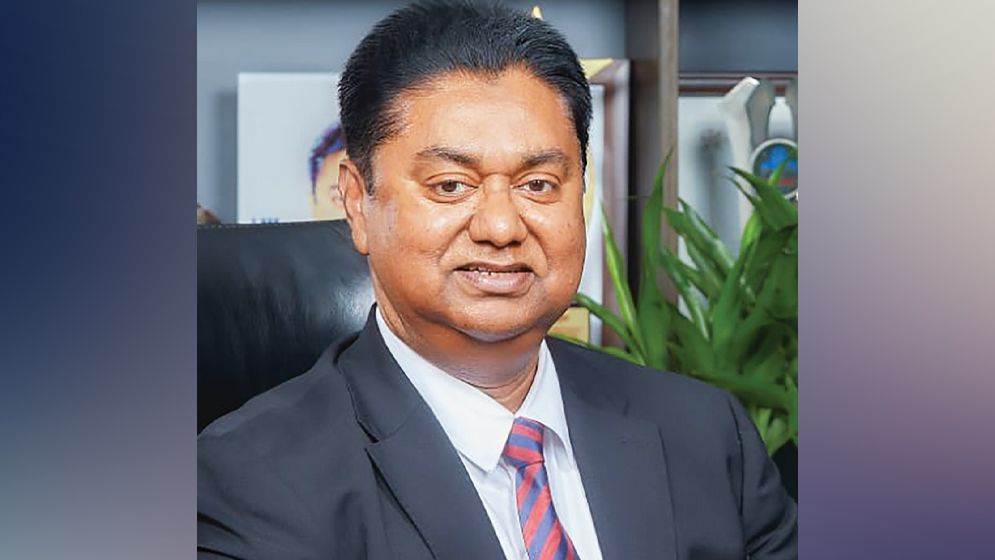
Bangladesh is intensifying efforts to build a fully cashless economy by July 2027 through digital payment expansion and cost reduction. According to Md. Omar Faruk Khan, initiatives include upgrading digital platforms such as Selfin, iBanking, and MCash, which now support interoperable transactions across mobile financial services without cash-out. Partnerships with Mastercard have enabled several educational institutions to become fully cashless campuses using Bangla QR. Inspired by models from India, Sri Lanka, and Pakistan, Bangladesh is adapting foreign experiences to local realities, focusing on interoperability and low-cost peer-to-peer transfers. The central bank has capped transaction fees, allowing providers to reduce or waive charges. To ensure reliability, the bank has launched Selfin Echo, the country’s first generative AI-powered voice assistant for banking services. Despite progress, challenges remain in network reliability, cybersecurity, and system scalability during peak transaction periods. The overall goal is to make digital transactions easier, faster, and more affordable for all citizens.
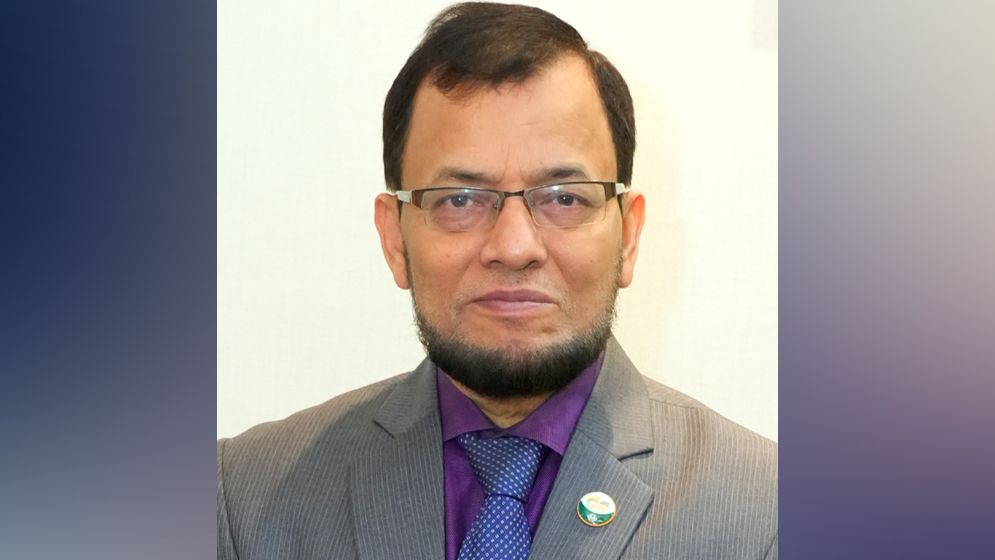
Bangladesh Nationalist Party (BNP) Chairperson Begum Khaleda Zia remains in a 'critical but stable' condition, according to Dr. Tasnim Jara, senior joint member secretary of the National Citizens’ Party (NCP). Speaking to reporters after visiting her at Evercare Hospital in Dhaka on Saturday, Dr. Jara said Khaleda Zia is conscious, alert, and following doctors’ instructions despite her critical state. She described the former prime minister as a symbol of tolerance who continues to fight with resilience. NCP leaders, including Dr. Jara, Nasiruddin Patwary, and Hasnat Abdullah, met with doctors to discuss her health condition and appealed to the public for prayers. Abdullah expressed hope that Khaleda Zia would witness Bangladesh’s democratic progress and alleged that she had not received adequate medical care under Prime Minister Sheikh Hasina’s government. Party leaders reiterated their call for nationwide prayers for her recovery.

Eastern Bank PLC (EBL) has introduced the world’s first biometric metal card featuring fingerprint-based security, reinforcing Bangladesh’s move toward a cashless economy. The bank’s Managing Director, Ali Reza Iftekhar, stated that EBL’s innovations—such as the WEAREBL wearable payment device, upgraded Sky Banking app, and multi-network virtual cards—are designed to make digital transactions faster, safer, and more convenient. EBL has also ensured interoperability with mobile financial services (MFS) and e-commerce platforms, while adopting AI-based fraud detection and real-time transaction monitoring to strengthen cybersecurity. Drawing lessons from India, Sri Lanka, and Pakistan, EBL is developing cost-effective peer-to-peer transfer models and merchant-friendly fee structures. The bank is also promoting digital literacy and awareness to address fraud and social engineering risks, particularly in rural areas. These initiatives aim to enhance customer trust and accelerate Bangladesh’s transition to a secure, inclusive digital banking ecosystem.

Bangladesh Bank has announced plans to introduce a new interoperable digital payment platform called the Inclusive Instant Payment System (IIPS) by July 2027, aiming to make the country’s financial transactions fully cashless. The initiative, supported by the Gates Foundation’s Mojaloop platform, will connect banks, mobile financial services (MFS), insurance companies, and other financial institutions under a unified system. Governor Ahsan H. Mansur stated that the system will enhance transparency, reduce corruption, and lower transaction costs by minimizing the need for cash-outs. The agreement for the platform was signed virtually for security reasons. Experts believe the system will formalize the informal economy and could boost Bangladesh’s GDP by 2.5% to 5.4%, equivalent to an additional $12–25 billion. Currently, the country spends around Tk 20,000 crore annually on cash handling and currency management, a cost expected to drop significantly once IIPS is operational.

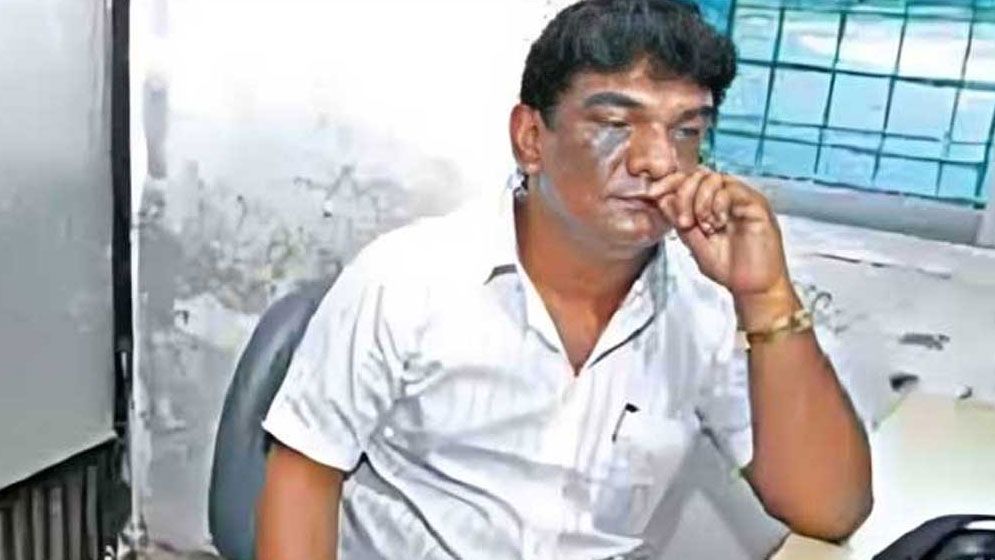
Tanvir Mahmud, 55, managing director of Hallmark Group and a key figure in one of Bangladesh’s largest financial scandals, died Saturday night while undergoing treatment at Dhaka Medical College Hospital. Prison authorities said he was transferred from jail earlier in the day after complaining of illness. Mahmud had long suffered from kidney disease, hypertension, diabetes, and respiratory complications. He was serving a life sentence handed down last year for embezzling Tk 10 crore under the names of non-existent companies. The Hallmark Group became infamous after being accused in 2012 of misappropriating around Tk 4,000 crore in loans from Sonali Bank through fraudulent means. Mahmud’s wife, Hallmark chairperson Jesmin Islam, and several others were also convicted in the case. His death marks the end of a controversial chapter in Bangladesh’s banking and corporate fraud history.
The ‘1 Nojor’ media platform is now live in beta, inviting users to explore and provide feedback as we continue to refine the experience.