

The ‘1 Nojor’ media platform is now live in beta, inviting users to explore and provide feedback as we continue to refine the experience.
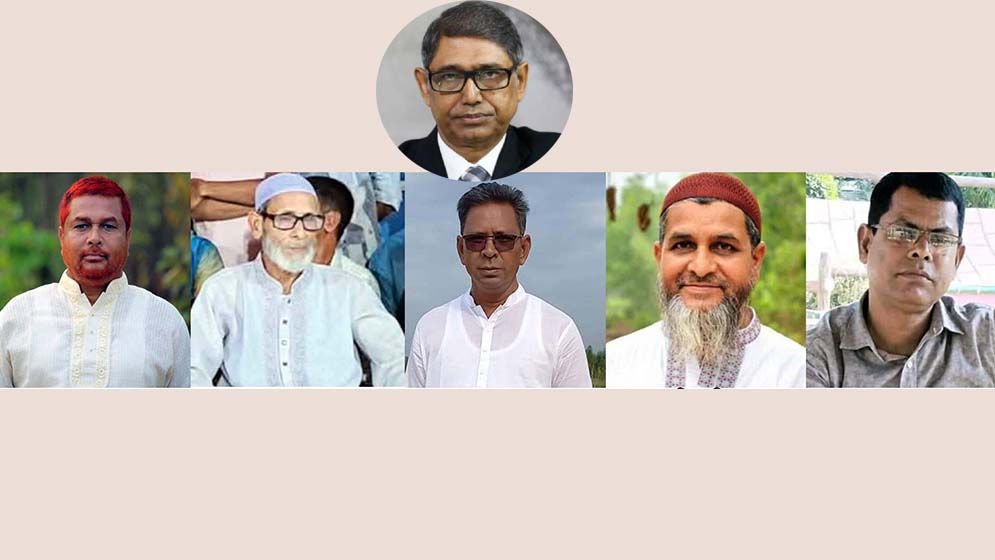
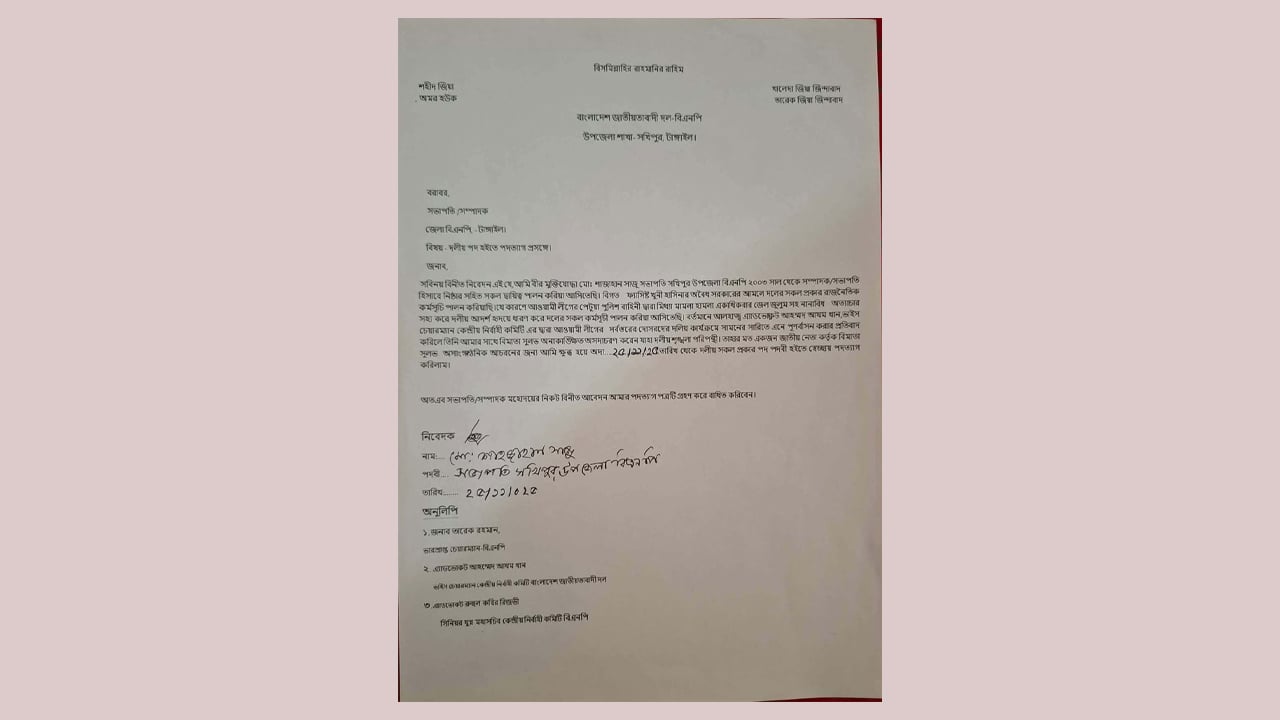
Six leaders of the Bangladesh Nationalist Party (BNP) in Sakhipur upazila of Tangail have resigned from their party positions, accusing BNP’s Tangail-8 (Basail-Sakhipur) candidate and central vice-chairman Ahmed Azam Khan of rehabilitating Awami League activists within the party. The resignations, submitted between November 21 and 25, were shared on social media, sparking widespread discussion. The resigning leaders, including freedom fighters Abdul Bashed Master and Shahjahan Saju, claimed Khan acted in an authoritarian and undisciplined manner, alienating long-time BNP activists. Internal conflict within the local BNP has reportedly deepened since Khan’s nomination, with some leaders refusing to join his campaign. Khan denied all allegations, calling them false and politically motivated, and claimed that a conspiratorial group coerced some leaders into signing resignation letters. District BNP leaders described the incident as a misunderstanding and expressed hope for party unity ahead of the election.
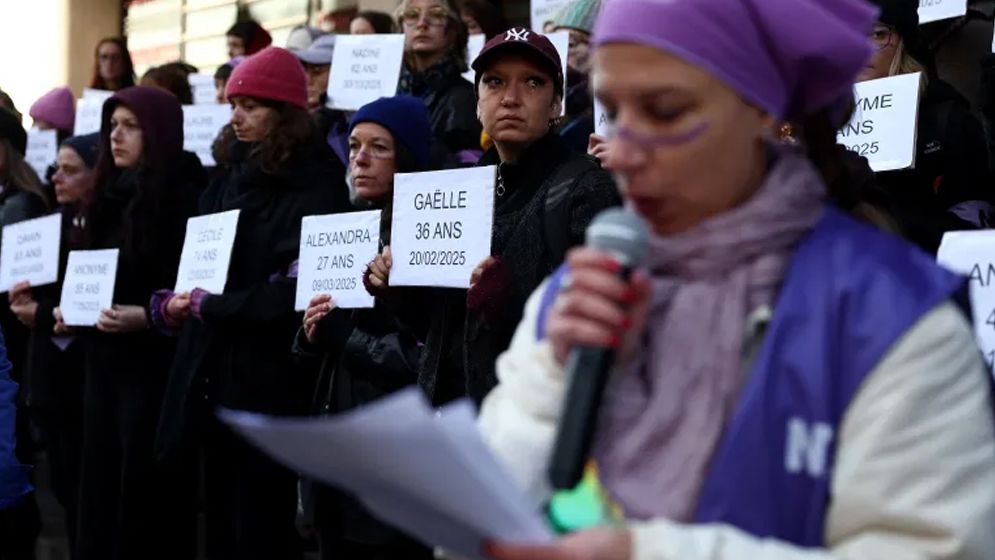
A joint report by the United Nations Office on Drugs and Crime (UNODC) and UN Women reveals that more than 50,000 women and girls were killed worldwide in 2024 by intimate partners or family members—an average of 137 victims per day or one every 10 minutes. The report, released ahead of the International Day for the Elimination of Violence against Women 2025, highlights that 60% of all female homicides were committed by current or former partners or relatives, compared to only 11% of male victims. The UN agencies warned that many of these femicides are preventable but persist due to weak protection systems, inadequate police responses, and limited social support in many countries. The report also notes that the actual number of femicides may be higher because of poor data collection, victims’ fear of reporting, and outdated legal definitions that fail to classify many killings as gender-based violence.
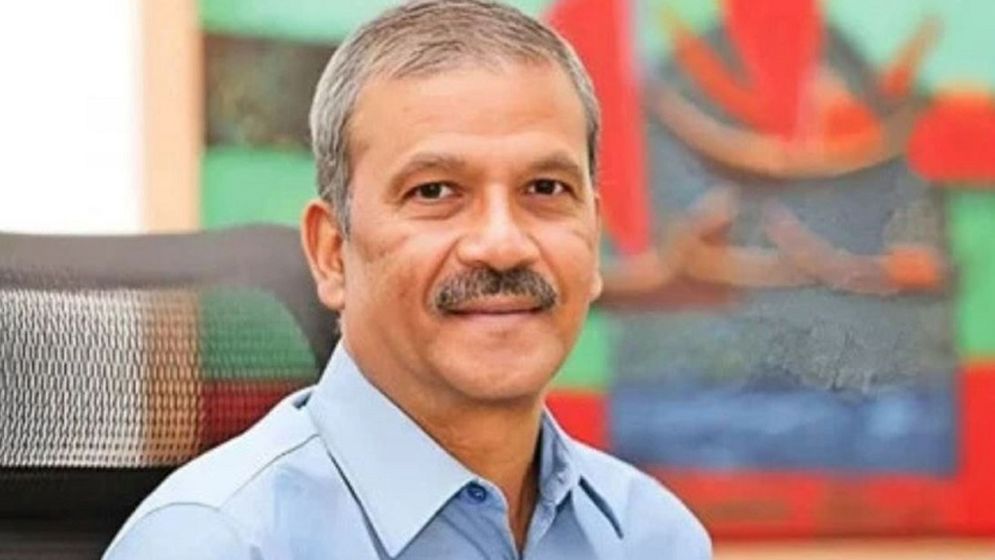
Bangladesh’s Legal Adviser Asif Nazrul announced that the upcoming national referendum will feature ballots of a different color to help voters distinguish them from those used in the national election. The referendum ordinance was approved at a meeting of the advisory council on Tuesday, November 25, and the official gazette is expected to be published within a day or two. The referendum will include a single question requiring a 'yes' or 'no' response, and it will be held simultaneously with the 13th National Parliamentary Election. The same officials appointed for the parliamentary election—returning, assistant returning, presiding, and polling officers—will also oversee the referendum process. The government has decided to hold the referendum to seek public opinion on 30 reform proposals recommended by the National Consensus Commission. The winning party will be obligated to implement these agreed-upon reforms. The referendum law was initially approved on November 20, and the ordinance is now set for final approval.
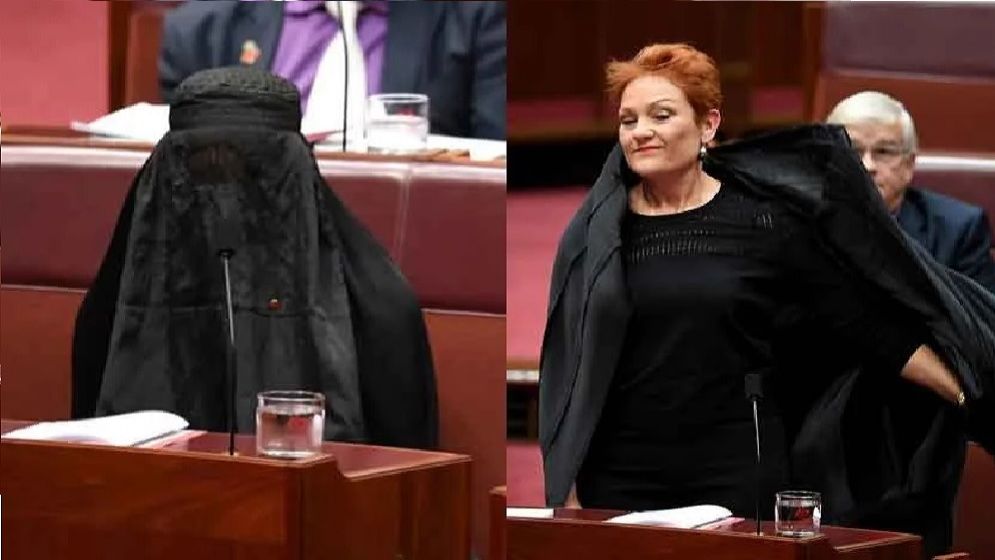
Australian Senator Pauline Hanson, leader of the right-wing One Nation Party, has been suspended for seven sitting days after wearing a full burqa in Parliament to protest against the refusal to debate her proposed burqa ban bill. Her act sparked outrage and accusations of racism from fellow lawmakers, including Greens Senator Mehreen Faruqi and independent Muslim Senator Fatima Payman, who called the incident shameful and divisive. Government and opposition leaders, including Labor’s Penny Wong and Liberal’s Anne Ruston, condemned Hanson’s behavior as disrespectful to the Senate’s dignity. A censure motion against Hanson and her party passed by 55–5 votes. Hanson defended her actions, claiming there is no dress code in Parliament and that her protest was about equality and security. Known for her anti-immigration stance since the 1990s, Hanson had previously worn a burqa in the Senate in 2017 to make a similar statement.
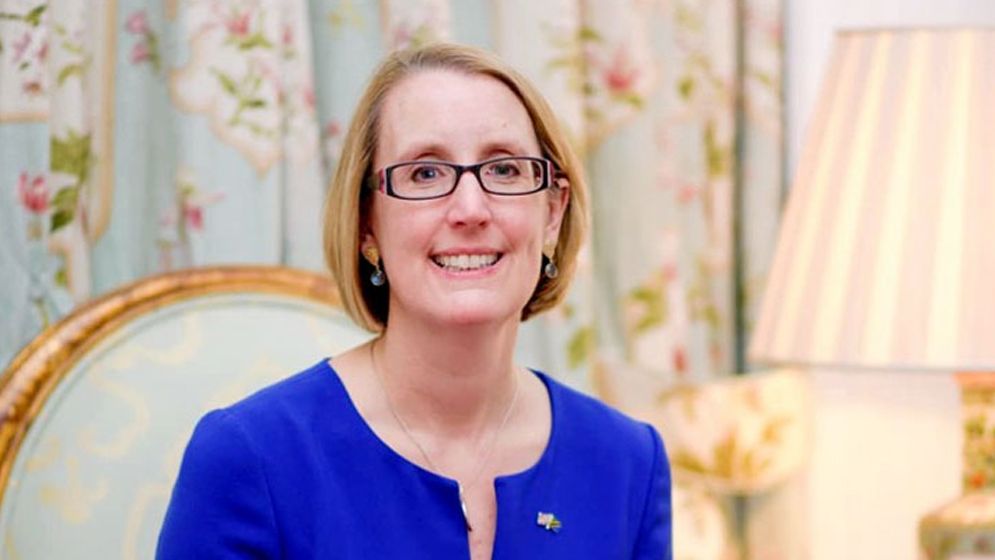
The British High Commissioner to Bangladesh, Sarah Cook, has issued a strong warning against visa fraud and illegal attempts to enter the United Kingdom. In a statement released by the British High Commission in Dhaka, Cook said that anyone found engaging in visa forgery or using unlawful means to travel to the UK could face a 10-year travel ban. She emphasized that visa fraud destroys people’s dreams and harms families, while those assisting in such crimes exploit individuals’ hopes for a better life and put them at serious risk. The High Commissioner urged applicants to use only official channels for legitimate visa applications, reaffirming the UK government’s commitment to combating fake visas and maintaining the integrity of its immigration system.
Bangladeshi Baul singer Hasina Sarkar has made explosive allegations against male Baul artists, claiming that some of them demand sexual favors from female performers in exchange for being invited to musical programs. Her comments came amid nationwide outrage over fellow Baul artist Abul Sarkar, who was recently arrested for making derogatory remarks about Islam and Allah during a performance in Ghior, Manikganj. Hasina stated that when she sought performance opportunities, male Bauls implied she must comply with their inappropriate demands. She rejected such propositions, saying she would not compromise her dignity for stage appearances. The remarks have sparked widespread discussion about exploitation and moral decline within parts of the Baul community, a folk tradition known for its spiritual and philosophical roots. Authorities have not yet commented on Hasina Sarkar’s claims.

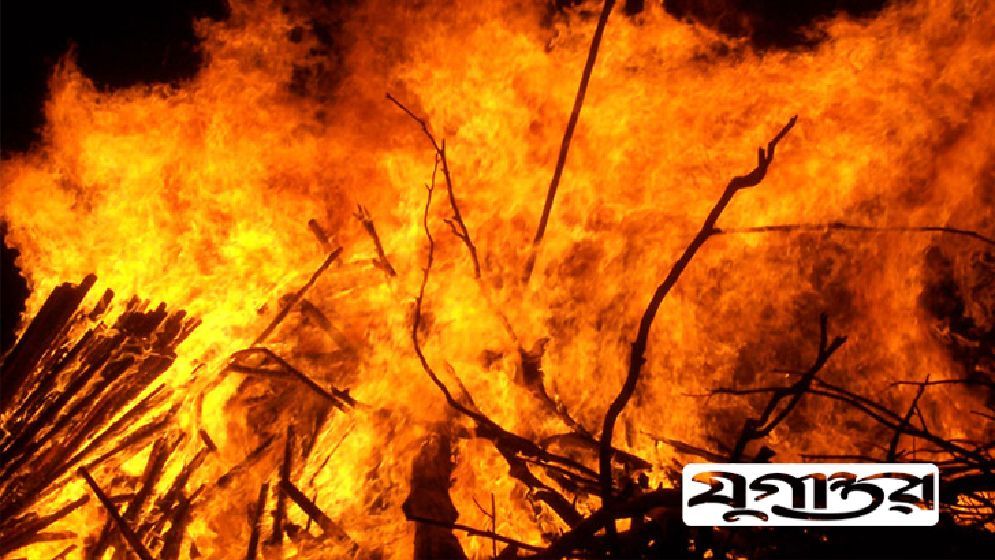
A massive fire broke out in the Korail slum area of Dhaka on Tuesday evening, prompting a major emergency response. According to Fire Service and Civil Defence duty officer Rashed Bin Khalid, the fire started around 5:19 p.m. and quickly spread through the densely populated settlement. Eleven units of the Fire Service were deployed to the scene to bring the blaze under control. As of the latest reports, firefighters were still working to contain the flames, though the cause of the fire and the extent of damage or casualties were not immediately known. Korail, one of Dhaka’s largest informal settlements, has experienced similar fire incidents in the past, often resulting in significant losses for residents. Authorities have urged people to stay away from the area while emergency operations continue.
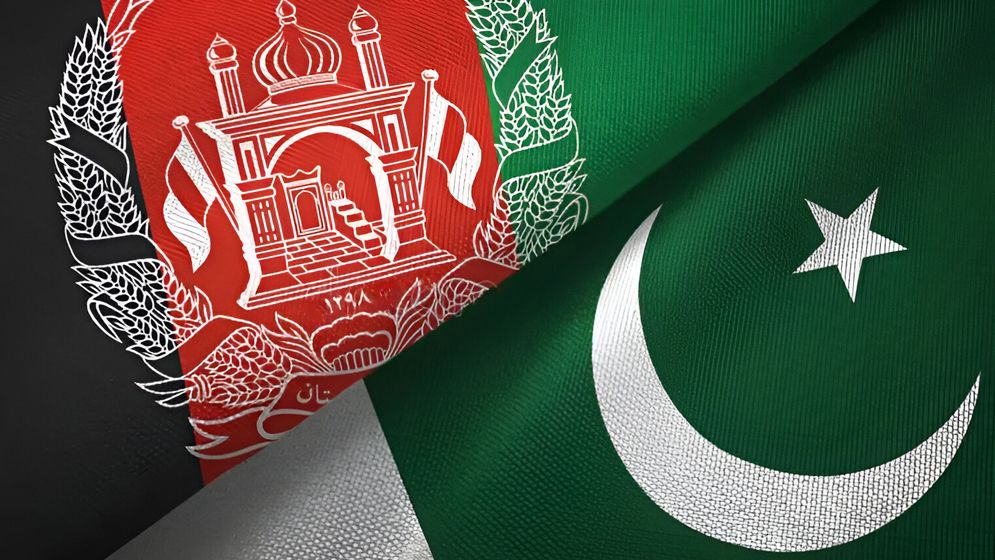
Afghanistan has threatened to retaliate against Pakistan following deadly airstrikes in Khost province that killed at least 10 people, including nine children, according to the Taliban government. The strikes came hours after a suicide bombing in Pakistan’s Peshawar killed six people, three of them security personnel. Taliban spokesperson Zabihullah Mujahid stated that defending Afghanistan’s territory and people is its legitimate right and promised an appropriate response at the right time. Pakistan claims that militants from Tehrik-i-Taliban Pakistan (TTP) use Afghan territory to launch attacks, a charge the Taliban denies. Relations between the two neighbors have deteriorated since the Taliban took power in 2021, with cross-border violence escalating in recent months despite mediation efforts by Qatar and Turkey.
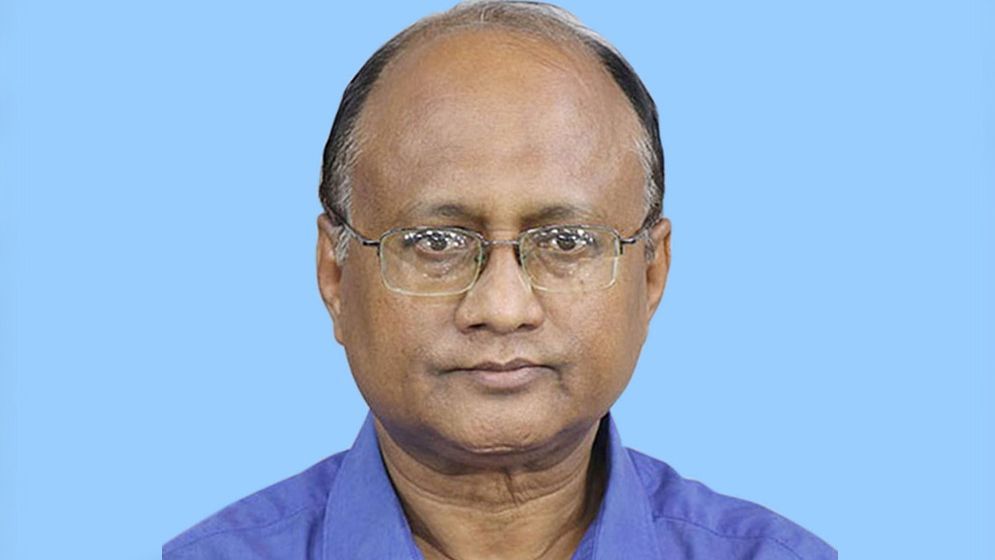
The Anti-Corruption Commission (ACC) of Bangladesh has announced that it will publicly disclose the names of individuals who attempt to obstruct or exert undue influence on its investigations. ACC Chairman Mohammad Abdul Momen made the statement on Tuesday, November 25, during a discussion marking the commission’s founding anniversary at its Segunbagicha headquarters in Dhaka. Responding to questions about external pressure on the commission, Momen emphasized that any future attempts to interfere with ACC’s work will be met with full transparency through name disclosure. The meeting was also attended by ACC Commissioners Miah Muhammad Ali Akbar Azizi and Brigadier General (Retd.) Hafiz Ahsan Farid, along with Secretary Mohammad Khaled Rahim. The chairman reiterated the ACC’s commitment to ensuring impartial and independent investigations into corruption cases across the country.
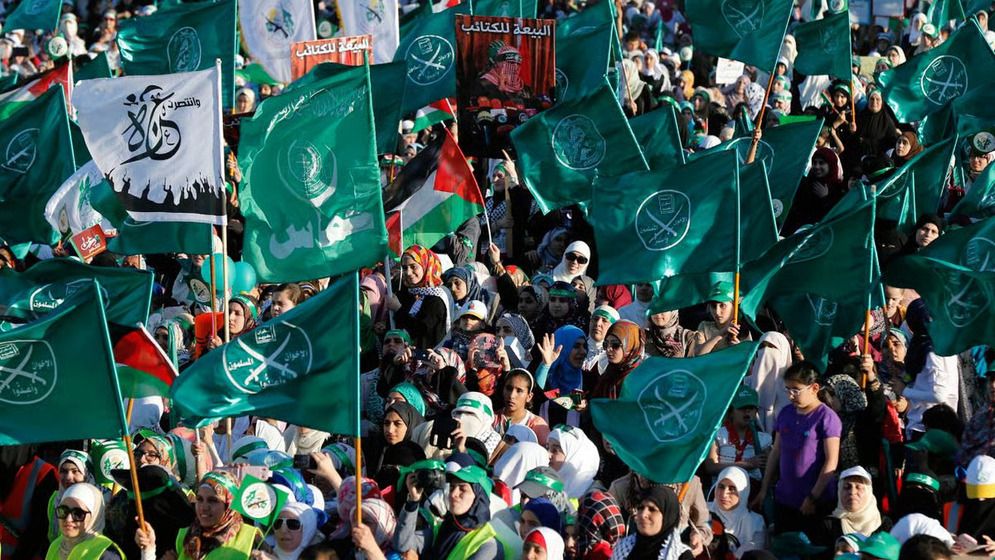
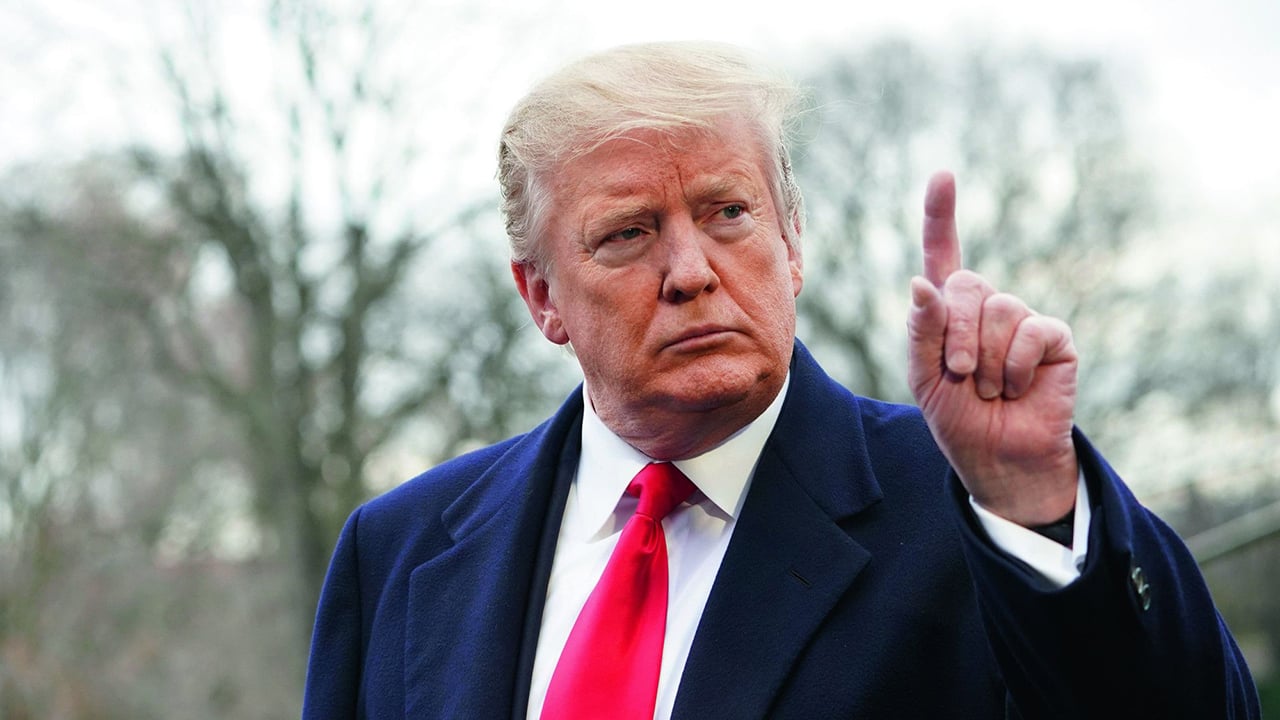
US President Donald Trump has initiated a process to classify certain branches of the Muslim Brotherhood as foreign terrorist organizations and specially designated global terrorists. According to the White House, Trump has directed Secretary of State Marco Rubio and Treasury Secretary Scott Besent to assess the eligibility of Brotherhood branches in countries such as Lebanon, Egypt, and Jordan for such designation. The officials have 45 days to submit their findings and proceed with potential listings. The Trump administration alleges that these groups have supported or incited violence against Israel and US allies, and provided financial or material support to Hamas. The move aligns with longstanding demands from Republican and far-right circles in the US to label the Brotherhood a terrorist entity. Founded in Egypt in the 1920s, the Muslim Brotherhood has grown into a transnational Islamist movement with significant influence across the Arab world.
At the National Communication Association’s annual conference in Denver, Colorado, multiple international scholars presented research on Bangladesh’s July 2024 uprising, analyzing how Gen Z-led activism overcame state censorship and violence to drive political change. A special session titled “From Rights Movement to Regime Change,” chaired by Dr. Mohammad Ala Uddin of Saint Mary’s College, explored the cultural and communicative dynamics that sustained the movement. Studies highlighted how activists adapted to internet shutdowns through offline mobilization, used protest songs and graffiti as tools of emotional and symbolic resistance, and how foreign media framed the events. Researchers from the US, Bangladesh, China, and Pakistan contributed diverse perspectives, including analyses of leadership missteps and the movement’s lasting cultural memory. The uprising, they argued, has become a global reference point for understanding modern social movements. Revised papers from the panel will be published by Bloomsbury in an upcoming volume titled “Critical Media Perspectives on the 2024 Bangladesh Uprising.”

The Trump administration is set to implement the 'Gold Card' visa program by December 18, enabling foreign investors to obtain permanent US residency through a minimum investment of $1 million. The Department of Homeland Security and US Citizenship and Immigration Services (USCIS) have prepared the draft application form, known as I-140G, which has received emergency approval from the White House. Corporate applicants must invest $2 million, while each application requires a non-refundable $15,000 fee. The program, initially delayed due to strict immigration policies, is now moving forward. Applicants will undergo verification to ensure investment funds come from legitimate sources. Once approved, they will complete consular processing and receive immigrant visas granting lawful permanent residency. Skilled professionals, such as scientists, artists, and entrepreneurs, may apply under EB-1, while those contributing to US national interests can apply under EB-2 (National Interest Waiver).
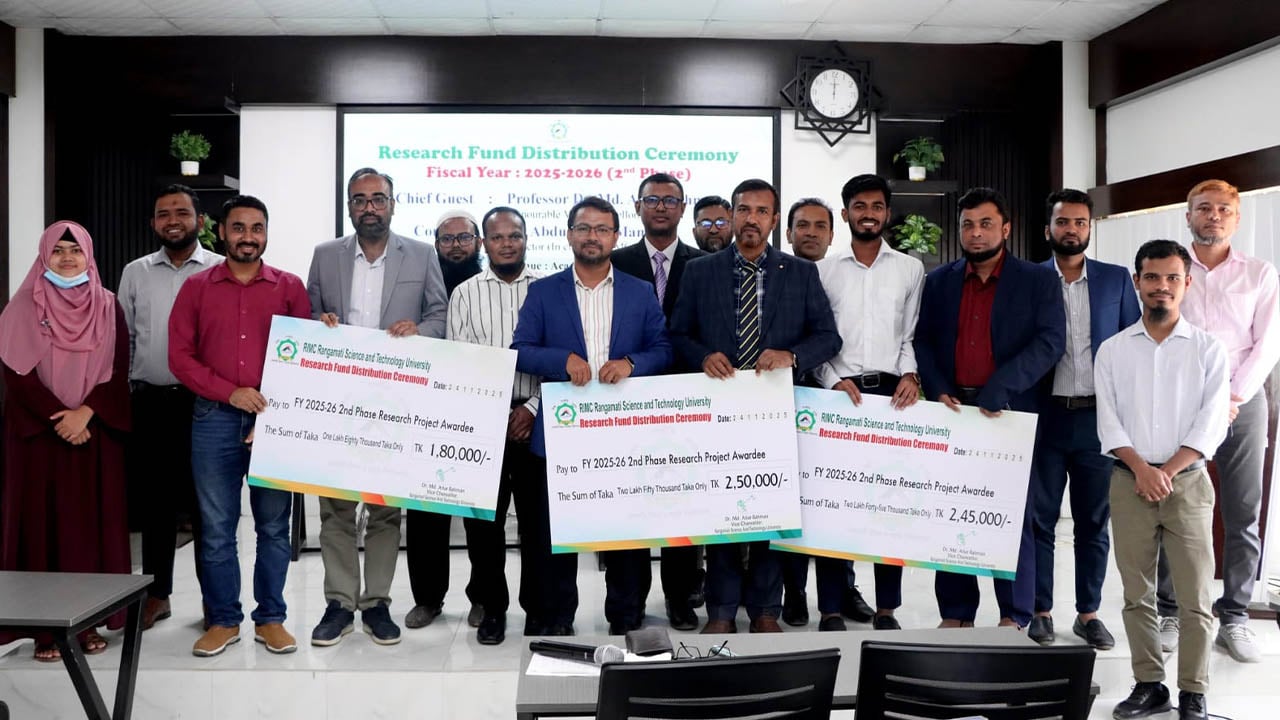
Thirteen faculty members from five departments of Rangamati Science and Technology University (RMSTU) have received a total of 3.175 million Bangladeshi taka in research grants under the 2025–2026 fiscal year’s revenue budget. The grants, distributed in the second phase, were awarded at a ceremony organized by the university’s Research and Innovation Management Cell (RIMC) at the Academic Building-1 conference room. Vice-Chancellor Professor Dr. Md. Atiar Rahman attended as the chief guest and emphasized the importance of research integrity, academic excellence, and institutional reputation. The funded projects cover diverse topics, including the development, harvesting, and marketing of fish resources in Kaptai Lake, aiming to contribute to national-level research and technological advancement. The event was conducted by Acting Director of RIMC Professor Dr. Abdullah Al Mamun, with the presence of deans, department heads, the acting registrar, and other faculty members.
A major rift has emerged within the Bangladesh Nationalist Party (BNP) in Tangail’s Sakhipur upazila after six local leaders, including the upazila unit president Shahjahan Saju and general secretary Abdul Based Master, resigned from their posts. The resignations came in protest against alleged favoritism by BNP central vice chairman and Tangail-8 candidate Advocate Ahmed Azam Khan, whom they accused of rehabilitating individuals linked to rival political groups. The dispute escalated after Saju was relieved of his duties on September 16, prompting demands for his reinstatement. When that did not happen, several leaders followed him in quitting. The resignations, which spread on social media overnight, sparked widespread debate among BNP supporters. District BNP leaders, however, dismissed the move as part of a conspiracy ahead of the upcoming election and urged unity under the party’s electoral symbol. Ahmed Azam Khan claimed the resignations were part of a deeper plot against the BNP and expressed confidence in the party’s victory.
The United States has reduced its proposed Ukraine peace plan from 28 to 19 points following discussions in Geneva involving Ukrainian and European representatives. According to reports from TRT World and US media, the revised plan aims to end the ongoing war in Ukraine but remains unfinalized. US Secretary of State Marco Rubio described the talks as highly constructive, noting significant progress though some issues remain unresolved. Participants told the Financial Times that nine proposals were removed from the earlier draft, without specifying which ones. European officials had previously raised concerns over sanctions on Russia and the management of seized Russian assets, emphasizing these matters fall under EU jurisdiction. Finnish President Alexander Stubb called the reduction in points a step forward. The draft plan reportedly includes potential territorial concessions by Ukraine, limits on its military size, and a formal renunciation of NATO membership ambitions.

The ‘1 Nojor’ media platform is now live in beta, inviting users to explore and provide feedback as we continue to refine the experience.