

The ‘1 Nojor’ media platform is now live in beta, inviting users to explore and provide feedback as we continue to refine the experience.
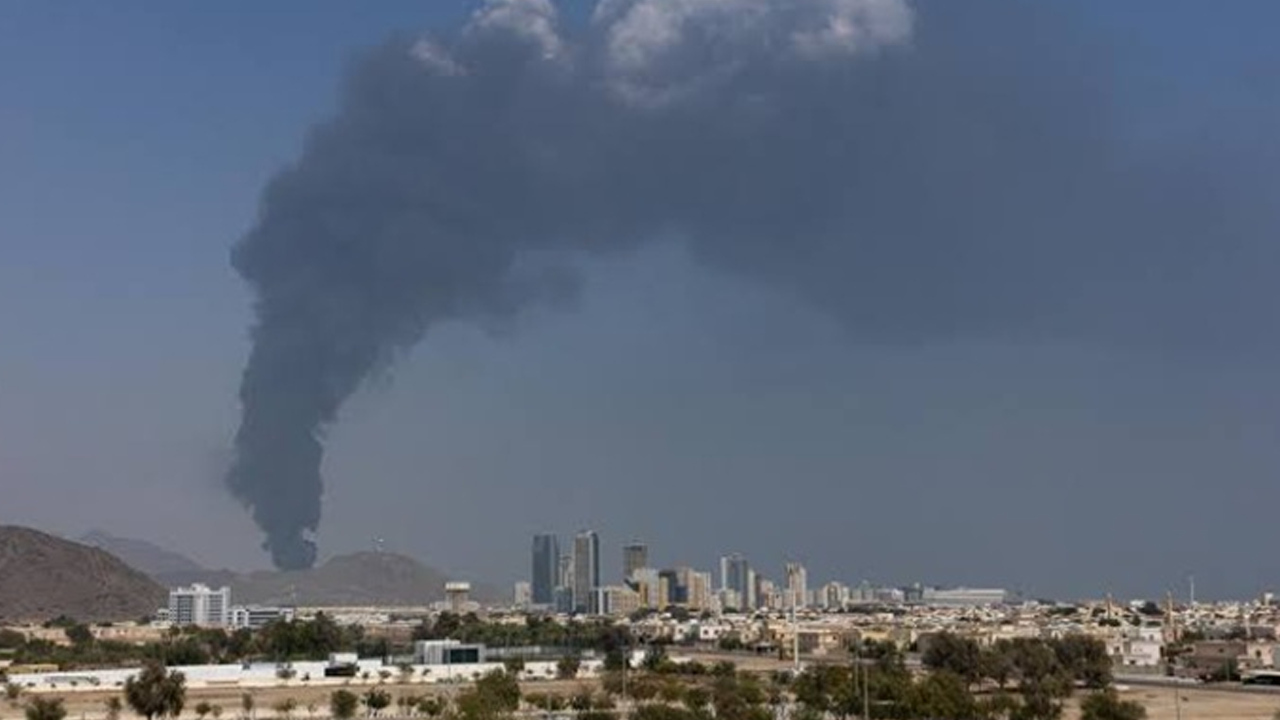
The United Arab Emirates’ Defence Ministry said it intercepted a drone approaching UAE airspace from Iran over the country’s territorial waters. The ministry said the UAE Air Force responded as the drone advanced, but did not provide details on whether it was shot down or whether it reached its intended target. In a statement, the ministry said the armed forces were at “maximum readiness” to address any potential threat. It said air-defence systems were continuously monitoring the country’s airspace and working to keep it secure. The statement came amid military tensions between Iran and the United States. Iran’s military had earlier claimed it launched a drone attack targeting US military facilities at Al Minhad air base in the UAE, saying the action responded to a US attack on Larak Island. The developments have renewed security concerns over UAE airspace and territorial waters, while the UAE said its air-defence systems remain active around the clock.
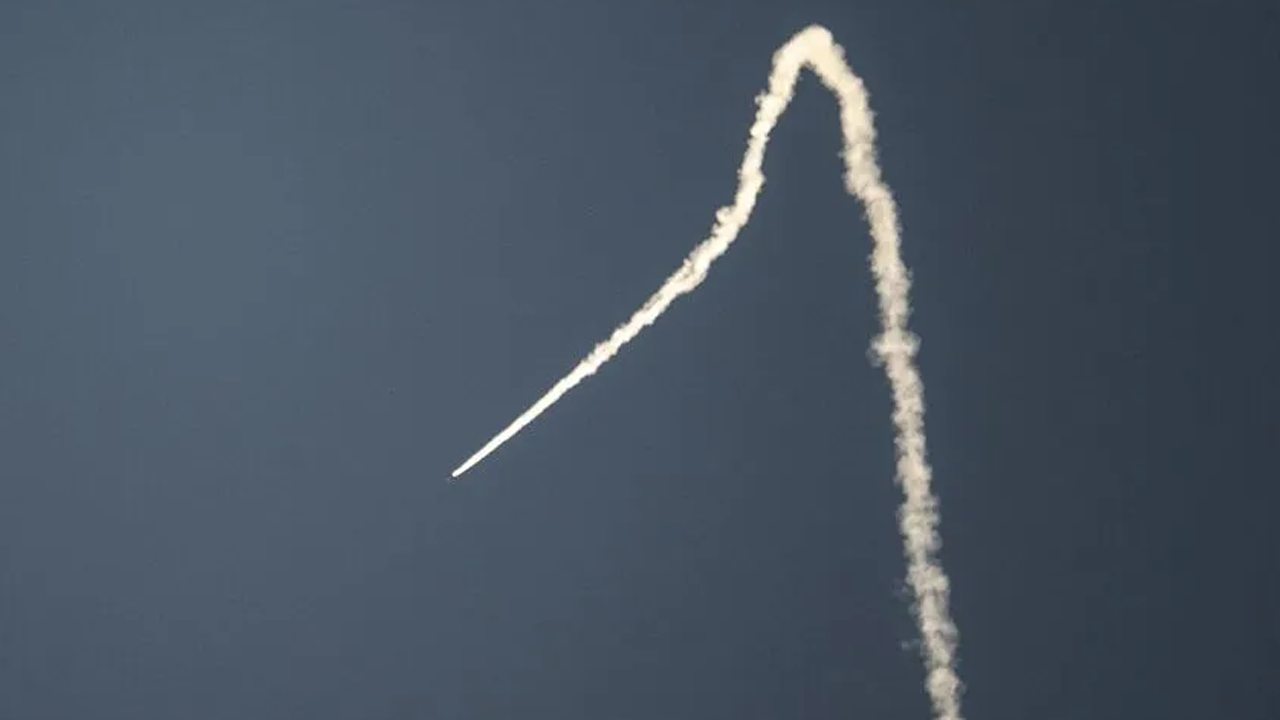
Iran said it launched missile strikes at a US military base in Jordan after a US attack on Iran’s Larak Island. The exchange has raised fears that the conflict could spread further across the Middle East. No date was provided in the source for either attack. US Central Command said its operation on Larak Island was limited and precise, citing an imminent threat from the Islamic Revolutionary Guard Corps’ ability to lay mines in the Strait of Hormuz. Iran described the US attack as aggression and claimed it responded by targeting the American base in Jordan. Sina Azodi, director of George Washington University’s Middle East Studies Program, told Al Jazeera that whether the confrontation escalates now largely depends on the United States. He said that if Washington attacks Iran again, Tehran would have little option but to respond, potentially returning the situation to full-scale military conflict. Analysts similarly said the next US move will be crucial in determining the conflict’s direction.
The Puthia upazila administration conducted an overnight operation against the illegal cutting of fertile topsoil from cropland in Kaiharia, Shilmaria and Baropakhia areas of Rajshahi. The operation ran from 10pm Sunday until 1:10am Monday. Officials detained two people allegedly involved and handed them to police custody for further legal action. During the operation, authorities found two excavators being used to cut soil at two separate locations. As transport was not available, both machines were rendered completely inoperable on site. Four batteries were seized from the locations and two additional batteries were destroyed. The drive followed allegations that topsoil was being removed from various agricultural fields under cover of darkness, reducing land fertility and damaging its natural structure. Puthia Assistant Commissioner (Land) and Executive Magistrate Shibu Das led the operation. The administration said such operations would continue and that legal action would be taken against people involved in illegal soil cutting from cropland.
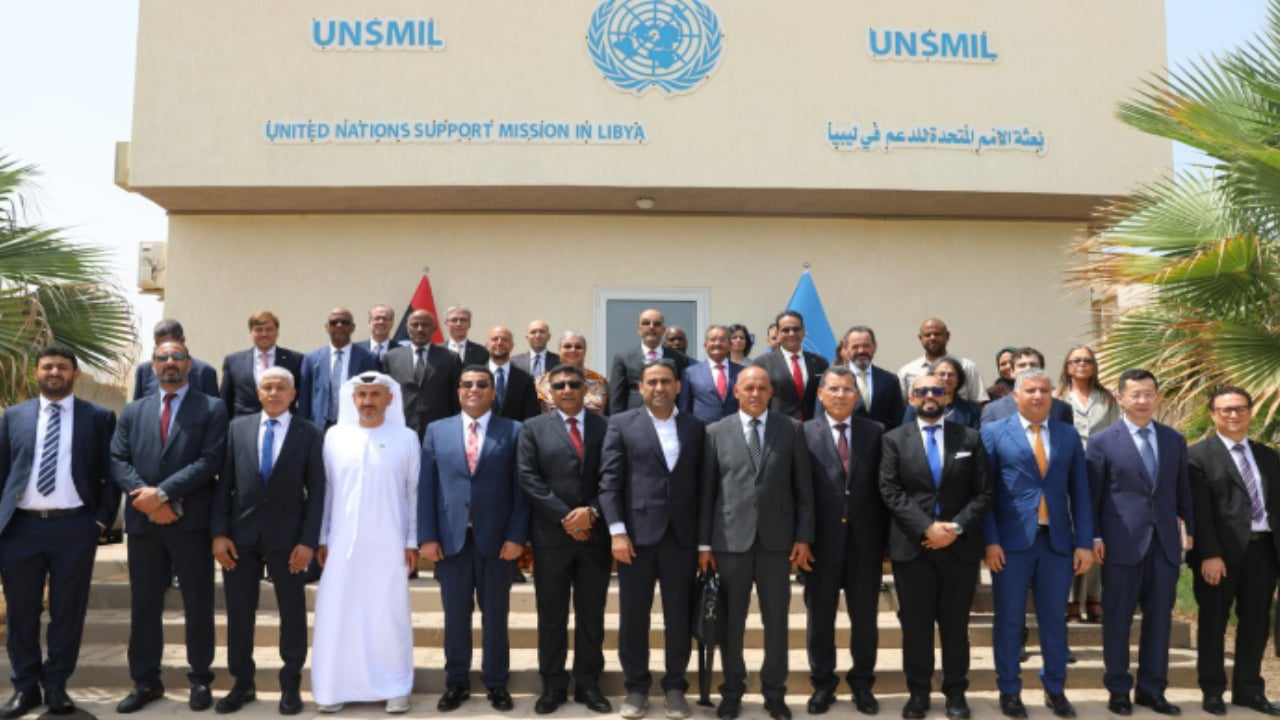
Libya’s rival political factions agreed on a two-year roadmap aimed at clearing the way for national elections, following UN-mediated talks in Tripoli on Sunday. Representatives of the Government of National Unity, High Council of State, House of Representatives and Libyan National Army signed the agreement at the UN Support Mission in Libya office. The deal sets a target of holding presidential and parliamentary elections within a maximum of 24 months. It also calls for resolving disputes over election laws and reforming the national election authority. The elections are intended to take place under a single executive authority and unified national institutions. State Minister for Political Affairs and Communication Walid El Lafi said the legislative and presidential polls should not take more than 24 months. Libyan National Army representative Shibani Abu Hamoud said the four sides would work with the UN on implementation and seek to establish a framework within one month. If the House of Representatives and High Council of State fail to approve the agreement within a month, parties will seek to adopt it as a constitutional document through a broader national process, with possible international backing from the UN Security Council.
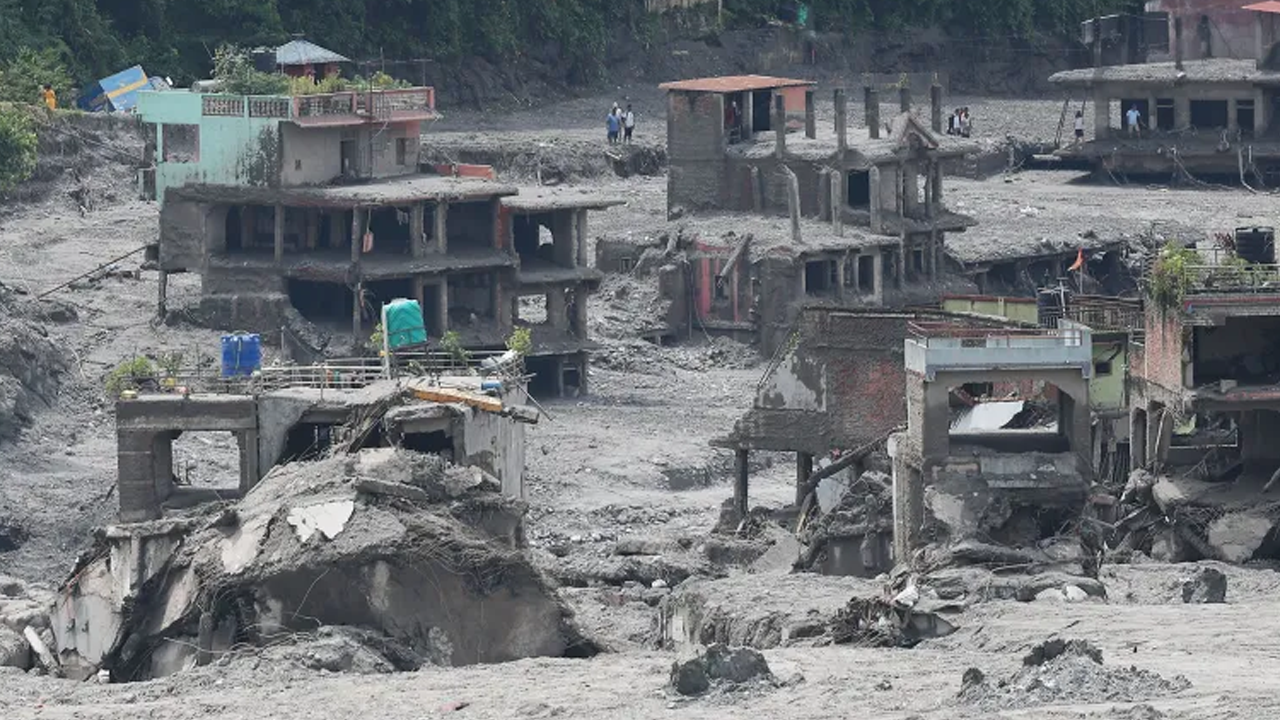
China has provided flood-hit Nepal with financial assistance totaling $2.2 million, as the country faces widespread destruction from severe flash floods. Nepal’s government said China contributed 350 million Nepali rupees, valued at about $2 million, while the Chinese Red Cross provided a further $200,000. On Sunday, Chinese Ambassador Zhang Maoming handed a cheque for 350 million Nepali rupees to Nepalese Finance Minister Swarnim Wagle, and the Red Cross aid was also transferred to the government. Chinese President Xi Jinping and Premier Li Qiang expressed deep sorrow over the deaths and property losses caused by the disaster. Through Ambassador Zhang, they conveyed condolences to families of those killed and said Nepal was not alone in the crisis, adding that China would always stand beside Nepal. The flash floods struck northern and central Nepal last Wednesday, possibly after a major collapse of ice and rocks or an avalanche near the Nepal-Tibet border. The Bhote Koshi River carried floodwaters southward, sweeping away homes, vehicles, roads and bridges and damaging hydropower projects. Nepal’s death toll has reached 919, with about 4,250 people still missing. In Tibet, flooding killed 16 people and left around 550 missing.
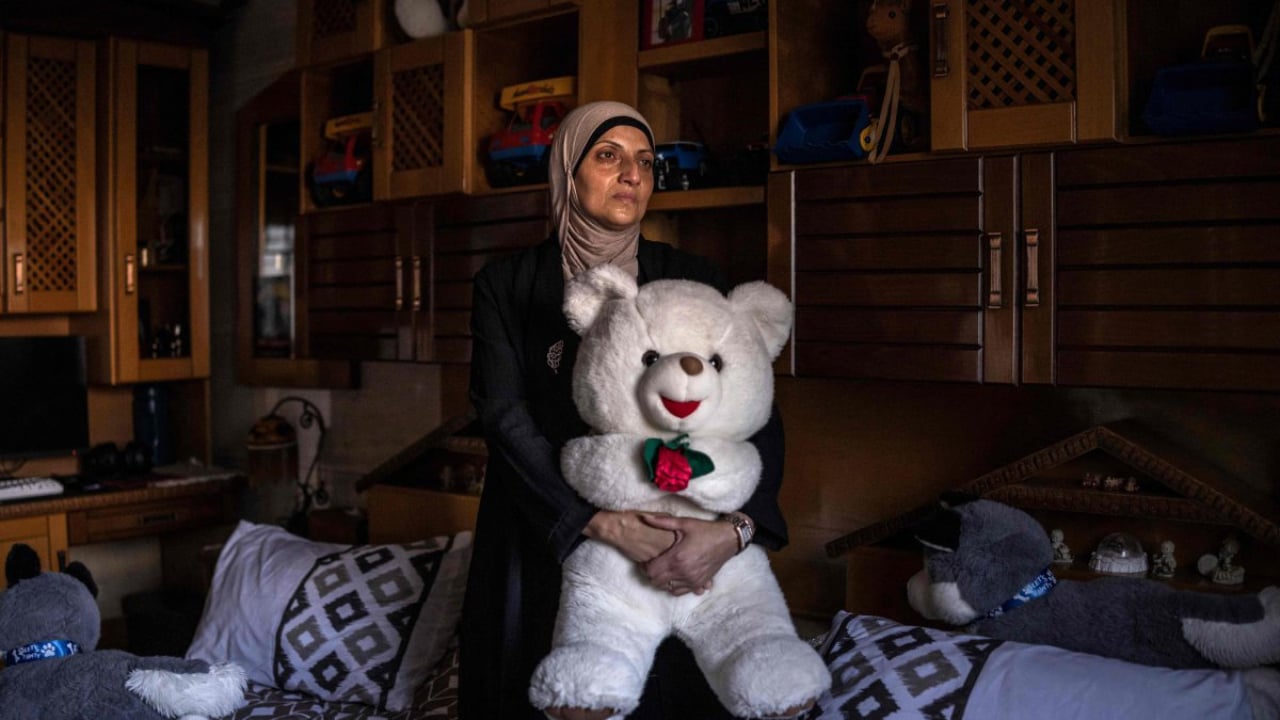
Palestinian children and teenagers have been killed at a sharply higher rate in the occupied West Bank since October 7, 2023, according to Israeli human rights organisation B’Tselem. It said at least 235 minors were killed by Israeli forces through June 2026, including five killed in attacks by Israeli settlers. A Palestinian Authority body put the death toll at 250. B’Tselem said the monthly average of Palestinian children and teenagers killed by Israeli forces rose from about one between 2005 and 2021 to nearly seven after October 2023. Twelve bereaved Palestinian mothers said the deaths had halted their family lives and alleged a lack of accountability. Many teenagers were killed during confrontations involving Palestinian youths and Israeli forces, including incidents involving stone throwing. The report said not all deaths were linked to clashes. In June, seven-month-old Sam Abu Haikal was killed by Israeli gunfire in Hebron while in a car with his mother, who was wounded. The military said a soldier fired after the vehicle moved toward troops, while the mother disputed that account. Families are demanding full investigations and justice.
Bangladesh Bank issued a fresh warning on August 27 over fake loan apps that offer fast, easy credit through apps, online platforms and social media. The central bank said unauthorized lenders may collect users’ personal information and later use it to demand excessive payments, intimidate borrowers or threaten to disclose private data. The Bangladesh Financial Intelligence Unit identified 31 unauthorized loan apps, including Sathi Loan, PopCash, FinCash, Quick Loan, Quick Taka and LoanBuddy. The warning highlights risks linked to app permissions, including access to photographs, contacts, files, cameras, microphones and location data. Users who accept such permissions without reviewing them may expose phone numbers, messages, identity document images and financial details. Contact lists can also be used to pressure borrowers by informing relatives, friends or colleagues about alleged debts. Bangladesh Bank advised people not to provide national identity card details, bank account information, mobile financial service data or other sensitive phone data to unfamiliar loan apps. It also urged caution where lenders seek advance payments, processing fees or registration fees. Users should verify a provider’s identity, address, authorization and loan terms, and should not share PINs, passwords or one-time security codes.

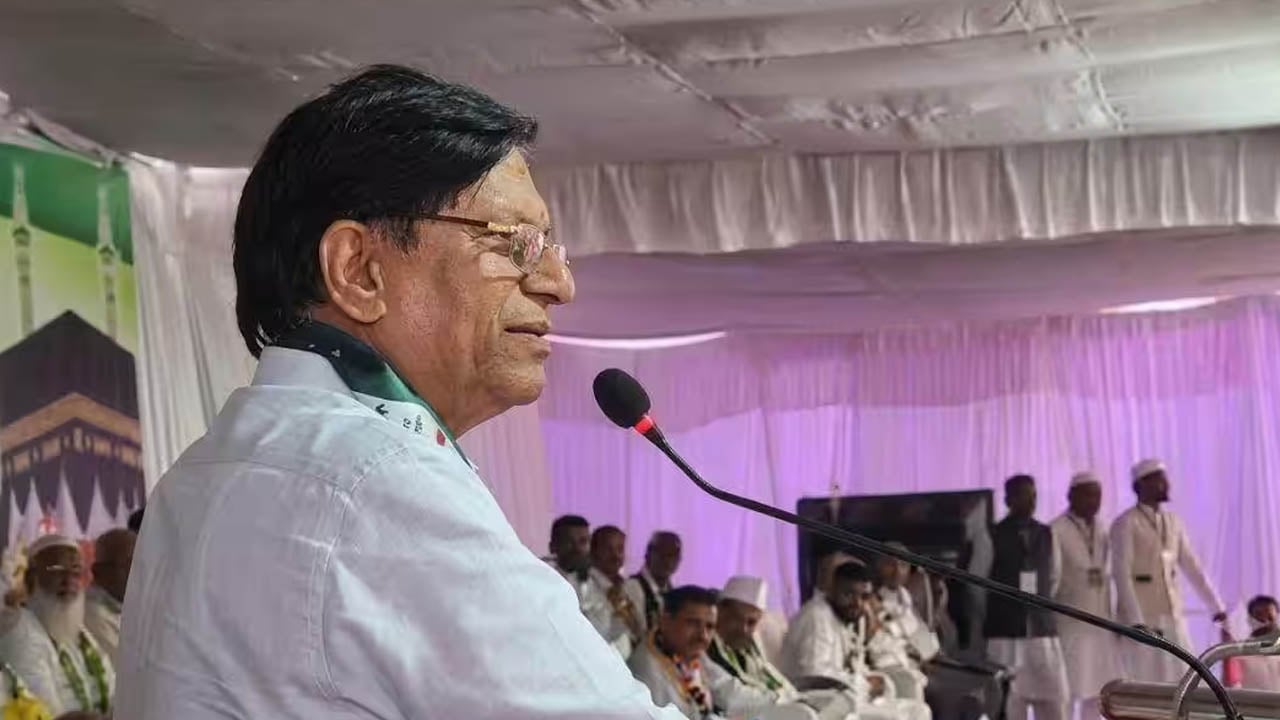
India’s opposition Bharatiya Janata Party has demanded the removal of Karnataka Higher Education Minister Basavaraj Rayareddy after he described Islam as greater than all other religions at an event in Kukunur, Koppal district. Rayareddy called Islam a great and humane religion, saying it is science-based and teaches people how to live. He said Islam was superior because it begins with humanity. Rayareddy said people unfamiliar with Islam hold misconceptions and form mistaken opinions about it. Discussing the Quran, he said he had not extensively studied Abrahamic religions, although he reads about different religions and history. He also said he does not frequently visit temples or monasteries. Karnataka BJP president R. Ashok alleged that Rayareddy had made disrespectful remarks about Hinduism and temples and monasteries. He asked Chief Minister D. K. Shivakumar to ensure the minister withdraws his statements and apologizes to the Hindu community. Ashok said Rayareddy should be removed from the cabinet if he does not apologize. BJP spokesperson Ashok Gowda said no religion should be called superior without reading the scriptures of different faiths.
Iran’s army has claimed it launched a drone attack targeting a US military installation at Al Minhad Air Base in the United Arab Emirates. Iranian news agencies, citing an army public relations statement, reported that numerous drones had been launched at the base since before dawn. The statement said locations where US troops and helicopters were deployed were among the targets. Iran said the operation was retaliation for what it described as a US attack on Larak Island. Tehran claimed that members of the Islamic Revolutionary Guard Corps and civilians were killed in that attack. The army statement said the strike on Al Minhad was intended to avenge the deaths of the IRGC members and civilians on Larak Island. The claimed attack comes amid heightened military tensions between Iran and the United States following the reported US attack on Larak Island. Iran had earlier claimed to have attacked a US military base in Jordan. The successive Iranian claims of retaliatory strikes coincide with intense tensions involving the Strait of Hormuz, raising concerns that conflict in the Middle East could widen.
Neighbors in Cumilla reportedly detained Maulana Zakir Hossain, former general secretary of Cumilla South District Olama Dal, after he entered his rented home with a woman around 10 p.m. on Sunday. The incident occurred in the Dhulipara area on EPZ Road and a video of the episode has spread on social media. Neighbors said no members of Hossain’s family were at home when he arrived with the woman. They said they became suspicious and detained him, alleging that sexual items were recovered from the woman and that she was involved in sex work. These allegations were attributed to the neighbors in the report. In the video, neighbors asked Hossain why he had brought a woman to his home late at night. He was heard saying that she had come to him for personal work. Residents said Hossain went into hiding after the matter became known. Asked for comment, Hossain told Daily Amar Desh that he did not want to comment and urged people to listen carefully to the viral video.

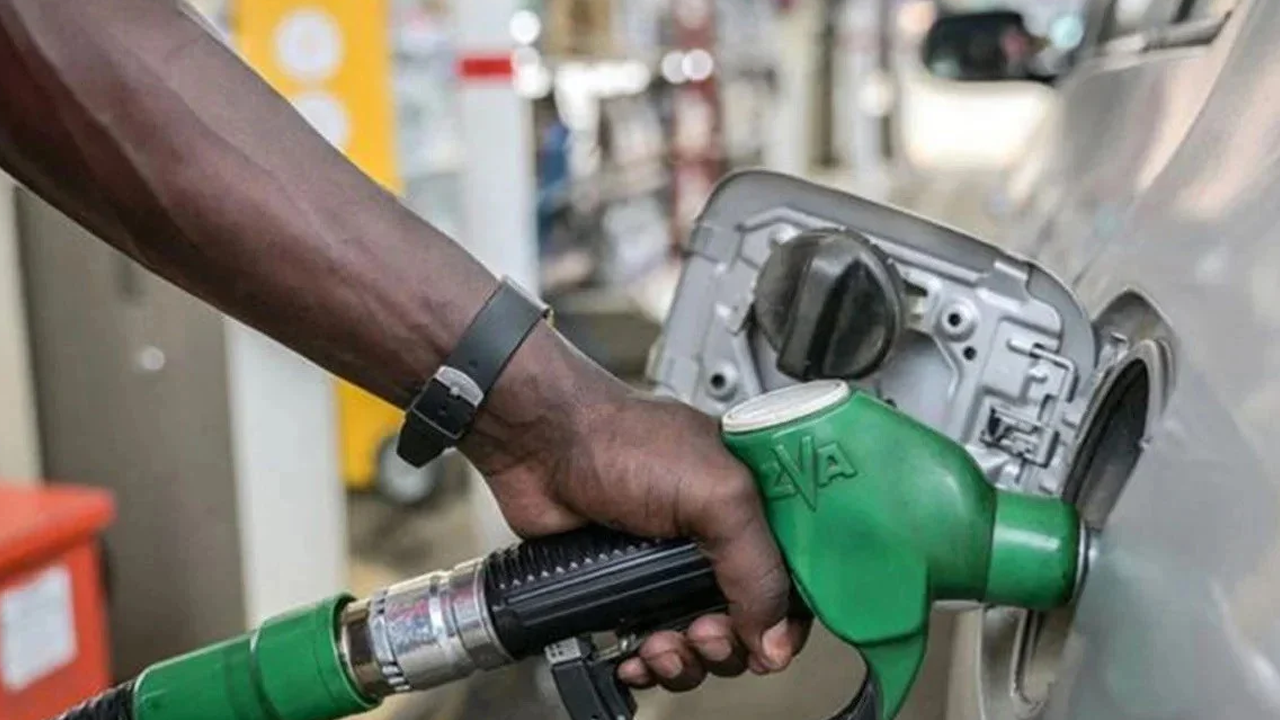
The government has decided to keep fuel oil prices unchanged for September 2026. From September 1, diesel, octane, petrol and kerosene will continue to be sold at their previously fixed consumer prices, according to a notice issued Sunday by the Energy and Mineral Resources Division’s Operation-1 branch. The notice sets diesel at Tk115 per litre, octane at Tk145, petrol at Tk140 and kerosene at Tk135. These rates were originally determined through a May 31, 2026 notification issued by the Energy and Mineral Resources Division. The existing rates have been retained for September with approval from the appropriate authority. The notice said the decision will take effect in line with instructions from the relevant authorities, meaning the current prices for all four fuel products will remain in force from September 1, 2026.
Iran’s Islamic Revolutionary Guard Corps (IRGC) said a supertanker caught fire after striking two sea mines while attempting to cross the southern route of the Strait of Hormuz. According to an IRGC naval statement carried by Iranian state television, the vessel lost its ability to move and came to a complete stop. The IRGC issued fresh warnings to ships transiting the strait, saying vessels that violate its security rules would face the same fate. It said compliance with regulations issued by the IRGC for navigation and vessel operations in the Strait of Hormuz was mandatory. The statement also warned shipping companies not to be misled by what it called US military provocation or expose ships and crews to unnecessary risks. Iran has largely halted shipping through the strait, though some vessels have crossed through waters near Oman’s coast, in some cases with US assistance, the source said. Tehran has repeatedly described such routes as unauthorized and illegal. The Strait of Hormuz is a major energy transport route, and disruption to shipping could affect international energy supplies and global trade.

Bangladesh has pledged to purchase additional Boeing aircraft from the United States, according to Sergio Gor, US special envoy for South and Central Asia and ambassador to India. In an X post on Sunday night, August 30, Gor welcomed what he described as a new agreement reached this week between US President Donald Trump and Bangladesh Prime Minister Tarique Rahman. Gor called the agreement an “extraordinary deal” and said Bangladesh would spend billions of dollars on more Boeing aircraft, significantly increasing its initial order. He linked the announcement to Trump’s efforts to create high-paying jobs, attract investment and revive the US economy. However, he did not disclose the number of aircraft, their models, or the total value of the new agreement. No immediate comment from the Bangladesh government was available regarding Gor’s statement. Under an earlier tariff agreement with the United States, Bangladesh had pledged to buy 25 aircraft from Boeing. Biman Bangladesh Airlines signed a final agreement on May 1 to buy 14 aircraft from the US manufacturer, at a stated cost of $3.7 billion, or Tk45,408 crore at the cited exchange rate.

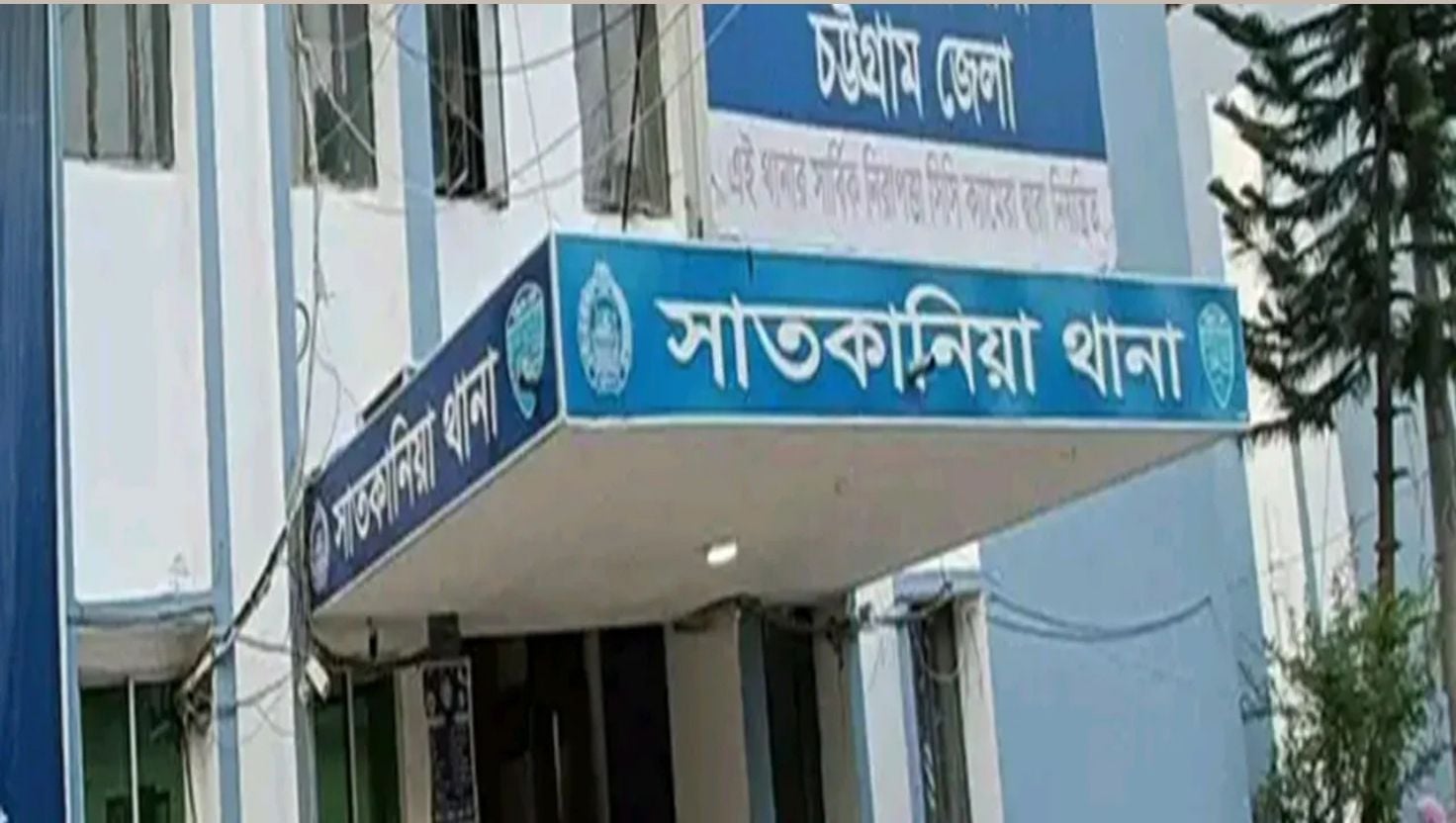
A man identified as Jahidul Islam, 35, also known as “Pichchi Jahed,” was hacked to death after assailants stopped his motorcycle in Satkania, Chattogram. The attack occurred on a road in the southern part of Puranghar Union on Sunday night. স্থানীয় residents tried to take him to hospital after the assault, but he died on the way. According to local sources and police, a group of attackers blocked Jahidul’s path while he was travelling by motorcycle. They surrounded him and struck him with sharp weapons on his head and other parts of his body. Additional Superintendent of Police for Satkania Circle Ariful Islam Siddiqui visited the scene after receiving information about the killing. Police said they are working to identify and arrest those involved and expect to bring them under the law quickly. Officers collected various evidence from the scene, while arrangements were underway to send the body to the Chattogram Medical College Hospital morgue for an autopsy. Investigators are examining the motive and identities of those involved. The killing has caused alarm and concern in the Puranghar area.
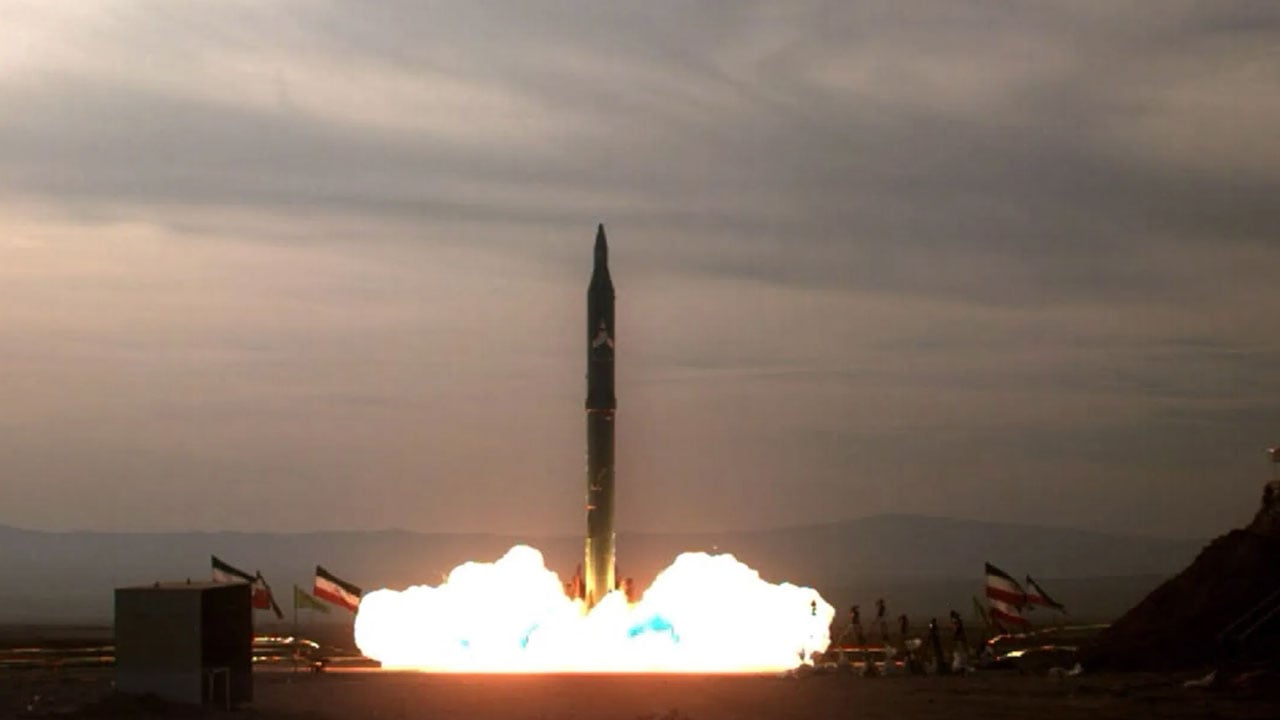
Iran has warned that it will respond forcefully to any future military aggression against the country, according to a Foreign Ministry statement. Tehran also said the United States and parties supporting its military actions would bear full responsibility for any new escalation. No date was provided for the statement. The ministry said Iranian armed forces struck US military bases in Jordan in response to what it described as a US attack on Larak Island. It claimed the US facilities in Jordan had been used to carry out and support the attack on the island, where Iranian armed forces members and civilians were killed and injured. Tehran said its strikes on US military installations in Jordan were retaliatory and warned that it would respond even more strongly to similar attacks in the future. The statement said tensions between Iran and the United States had increased after the reported attack on Larak Island, while Iran's claimed retaliatory action in Jordan had further complicated the situation.
The ‘1 Nojor’ media platform is now live in beta, inviting users to explore and provide feedback as we continue to refine the experience.