

The ‘1 Nojor’ media platform is now live in beta, inviting users to explore and provide feedback as we continue to refine the experience.
Questions have intensified following the death of Nurul Alam in Chattogram Central Jail a day after his arrest, as conflicting claims have emerged about his political affiliation. Police described him as the joint convener of the banned Dhemsha Union Jubo League when presenting him to court, while his family has firmly rejected that description. The police forwarding report also identified him as a suspect in a 2024 case under the Explosives Act linked to the July–August student and public protests. Nurul Alam’s elder brother, Nur Mohammad, stated that his brother had never been involved with the Jubo League and was known instead as a supporter of the BNP. He alleged that a local land dispute led to Nurul’s arrest and described his death in custody as suspicious. Local political circles have also expressed mixed views, with some claiming he was connected to the Awami League’s affiliate organization and others saying he had recently associated with BNP supporters. The conflicting claims about Nurul Alam’s political identity and the circumstances of his death have made the case more complex, with answers now depending on the outcome of the ongoing investigation.
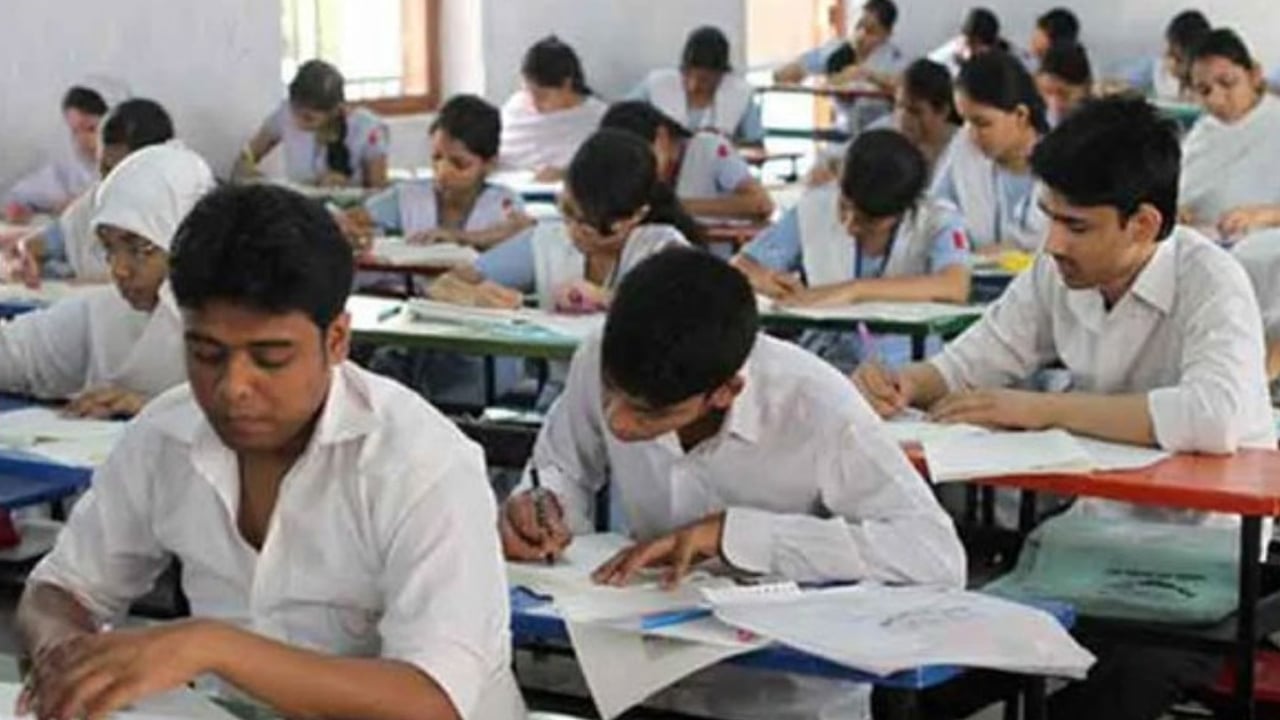
The Directorate of Secondary and Higher Education (DSHE) has revised the schedule for secondary-level half-yearly and pre-selection examinations. According to an order signed by Professor Md. Sakhawat Hossain Khan, Director (Secondary) of DSHE, the new schedule was announced on Tuesday. The exams, originally planned from June 28 to July 13, will now be held from July 1 to July 16 due to unavoidable reasons. The directive has been sent to principals or head teachers of all government and non-government lower secondary, secondary, and school-and-college institutions, as well as to district and upazila secondary education officers. The revised schedule applies to half-yearly exams for grades six to ten and pre-selection exams for grade ten students. The change aims to ensure uniform implementation across educational institutions under the DSHE’s supervision, aligning all schools with the updated examination timeline.
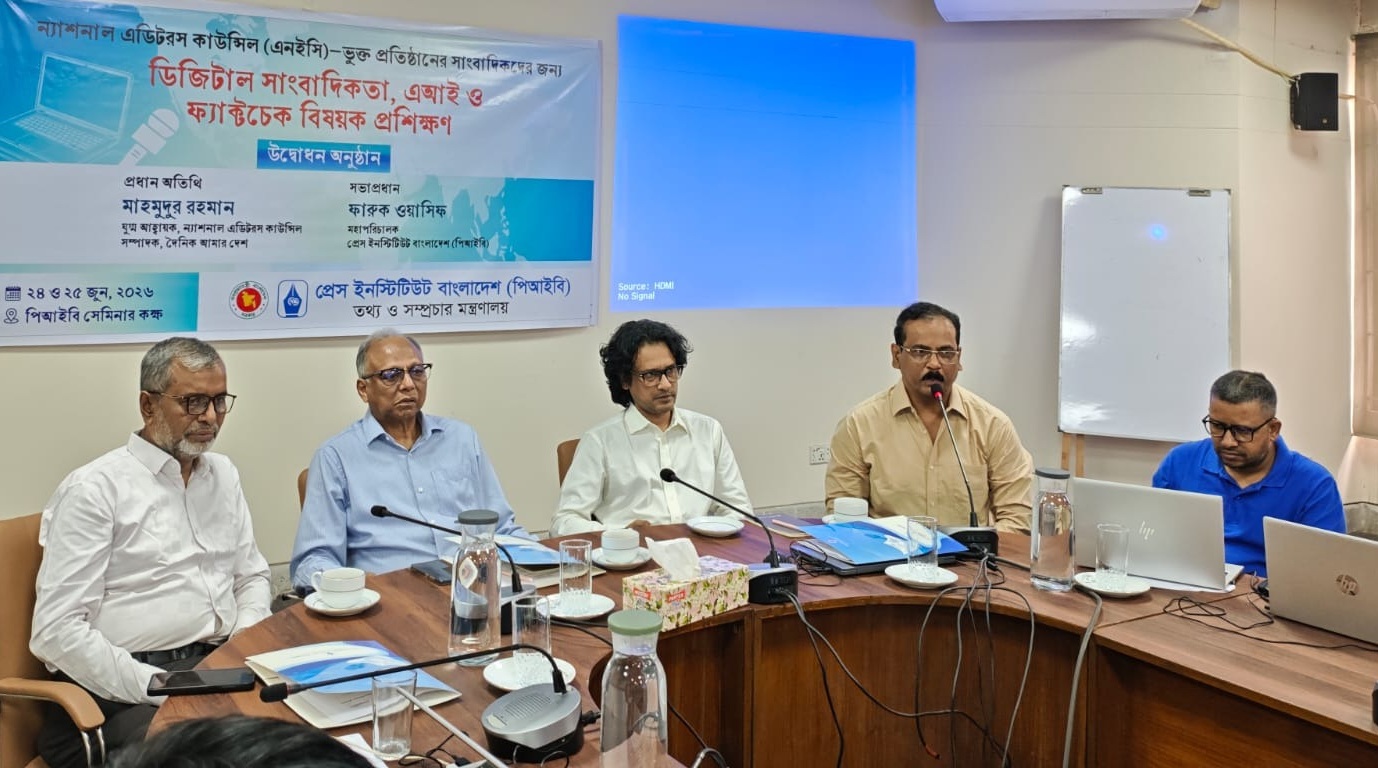
Mahmudur Rahman, editor of Amar Desh and joint convener of the National Editors Council, emphasized that newspapers must not become party mouthpieces or engage in anti-state or anti-public activities while shaping narratives. He made these remarks on Wednesday morning at a workshop on digital journalism, AI, and fact-checking organized by the National Editors Council in collaboration with the Press Institute of Bangladesh (PIB). Rahman said the press, as the fourth pillar of the state, has suffered decline over the past 16 years and must be restored to credibility. He urged journalists to remain honest, skilled, and dedicated to their profession. PIB Director General Faruk Wasif noted that journalists now need fact-checking skills and said PIB has trained 7,000–8,000 journalists in the past two years. Other speakers highlighted the growing importance of AI and fact-checking in combating misinformation. The two-day workshop included hands-on sessions on AI tools, Google Trends, and Notebook LM, with 29 senior sub-editors and staff reporters participating. The second day will focus on fact-checking principles, data security, and journalistic ethics.
Meta Platforms and eyewear manufacturer EssilorLuxottica have jointly announced the launch of a new line of AI-powered smart glasses priced at 299 US dollars. The product, named 'Meta Glasses', will be significantly more affordable than last year’s 800-dollar 'Ray-Ban Display' model, aiming to make AI-integrated wearables accessible to a wider consumer base. Although developed in partnership with Luxottica, this marks the first eyewear series released under Meta’s own branding rather than Luxottica’s well-known labels such as Ray-Ban or Oakley. The glasses will be available in multiple colors and shapes, including a rectangular design and a slim oval frame created in collaboration with media personality Kylie Jenner. The devices will feature Meta’s first in-house AI model, 'Muse Spark', developed by its Superintelligence Labs to deliver advanced Meta AI services. Unlike Snap’s smart glasses that overlay digital content on real-world views, Meta’s new glasses focus on text display and direct AI interaction, highlighting the company’s continued investment in personal artificial intelligence technologies.

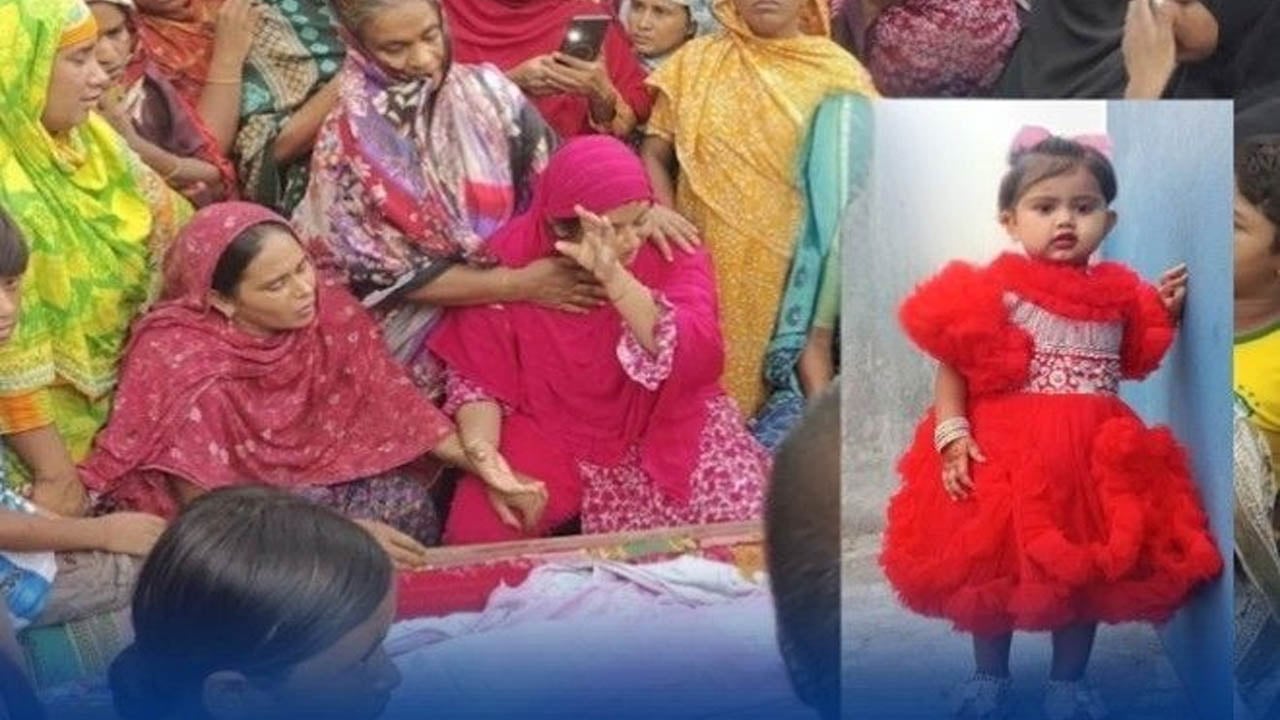
A two-year-old girl named Tanisha died from electrocution on Wednesday morning in Nabinagar village under Kutubpur Union of Chuadanga Sadar upazila. The incident occurred around 10 a.m. when she accompanied her mother to a nearby house where an electric three-wheeler was being charged. While playing, she came into contact with a leaking electric line connected to the vehicle and was electrocuted. Family members rushed her to a local doctor, who declared her dead upon examination. The tragic death has cast a pall of grief over the area, with relatives and neighbors expressing deep sorrow. Local residents said similar accidents often occur due to unsafe electrical connections used for charging vehicles. They urged greater caution and safety measures to prevent such incidents. Chuadanga Sadar Police Station Officer-in-Charge Mizanur Rahman confirmed the death and said necessary legal steps had been taken, though no complaint was filed by the family.
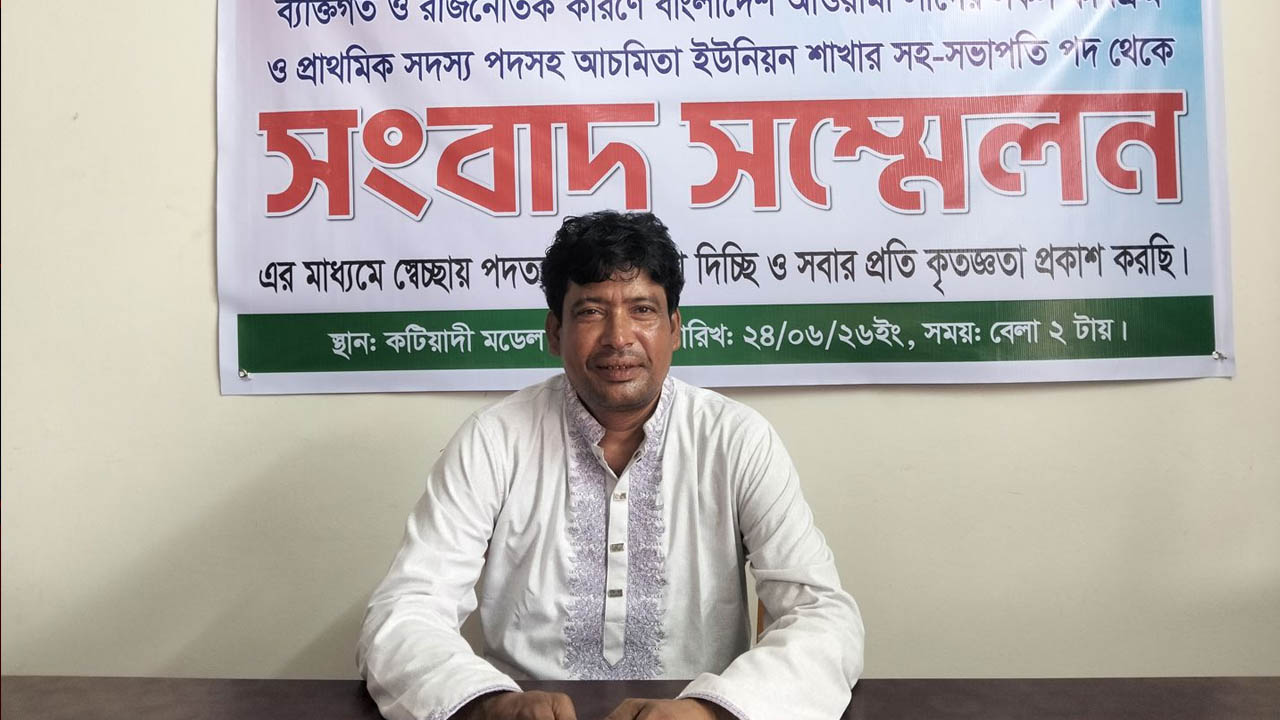
Md. Matiur Rahman Mati, chairman of Achmita Union Parishad in Katiadi upazila of Kishoreganj, announced his resignation from all positions and primary membership of the Awami League. He made the announcement on Wednesday afternoon during a press conference at the Katiadi Model Press Club, stating that the decision was voluntary and based on personal and political considerations. Matiur Rahman Mati had long been involved in Awami League politics and served as vice president of the Achmita Union Awami League. His resignation has sparked wide discussion in the local political arena. In his written statement, he said he intends to work for the welfare of all residents of the union beyond party affiliation. Local political observers noted that such a move by a long-time party member and elected chairman has generated new debate in the area. However, Matiur Rahman did not clarify whether he plans to join any other political party in the future.
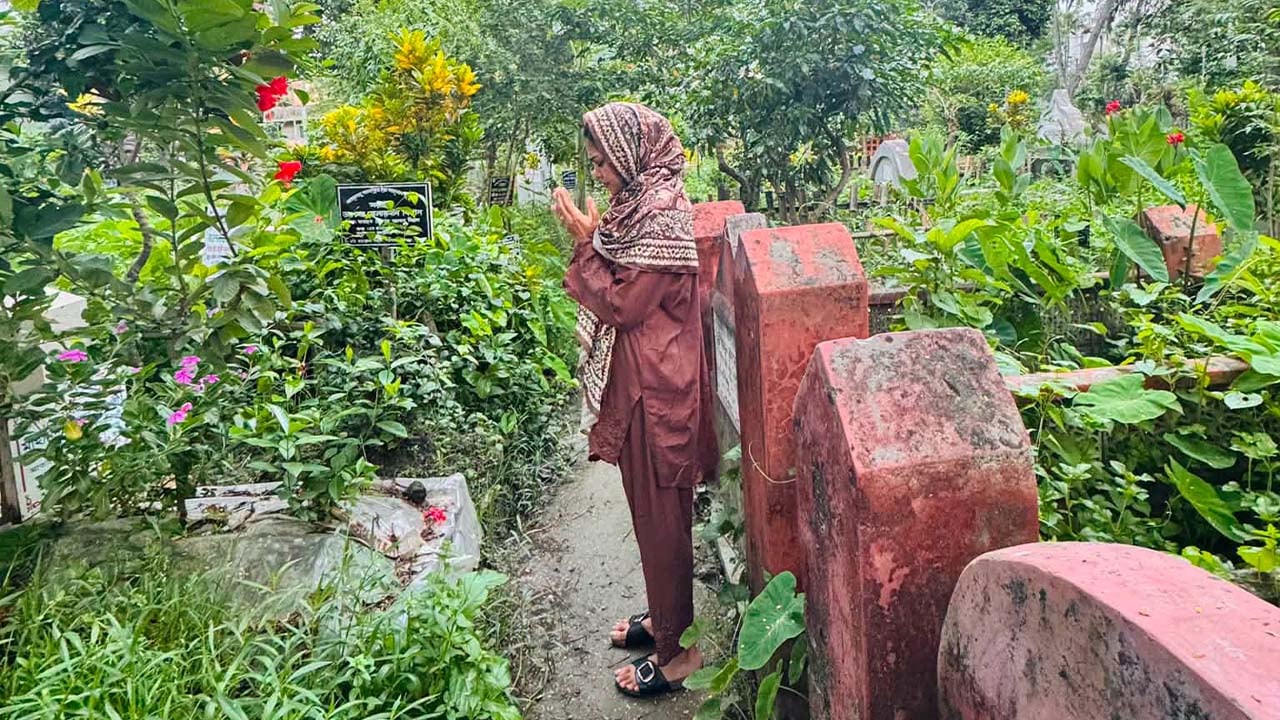
Bangladeshi model, actress, and lawyer Peya Jannatul shared an emotional post on June 23 marking the first death anniversary of her father. In her social media message, she reflected on the brevity of life and expressed sorrow over two additional deaths that deeply affected her on the same day. Peya mourned the sudden passing of Priya, a young entrepreneur and founder of the fashion brand Pakhi, who died at the age of 32. She recalled their recent conversation about Priya’s dreams and vision for Bangladesh. Peya also expressed grief over the death of choreographer Zakir Hossain, who had worked with her on a film and passed away at 50. In her post, Peya emphasized that death is everyone’s final destination and urged people to live with kindness and humanity. She concluded by asking for prayers for her late father’s peace and eternal reward.
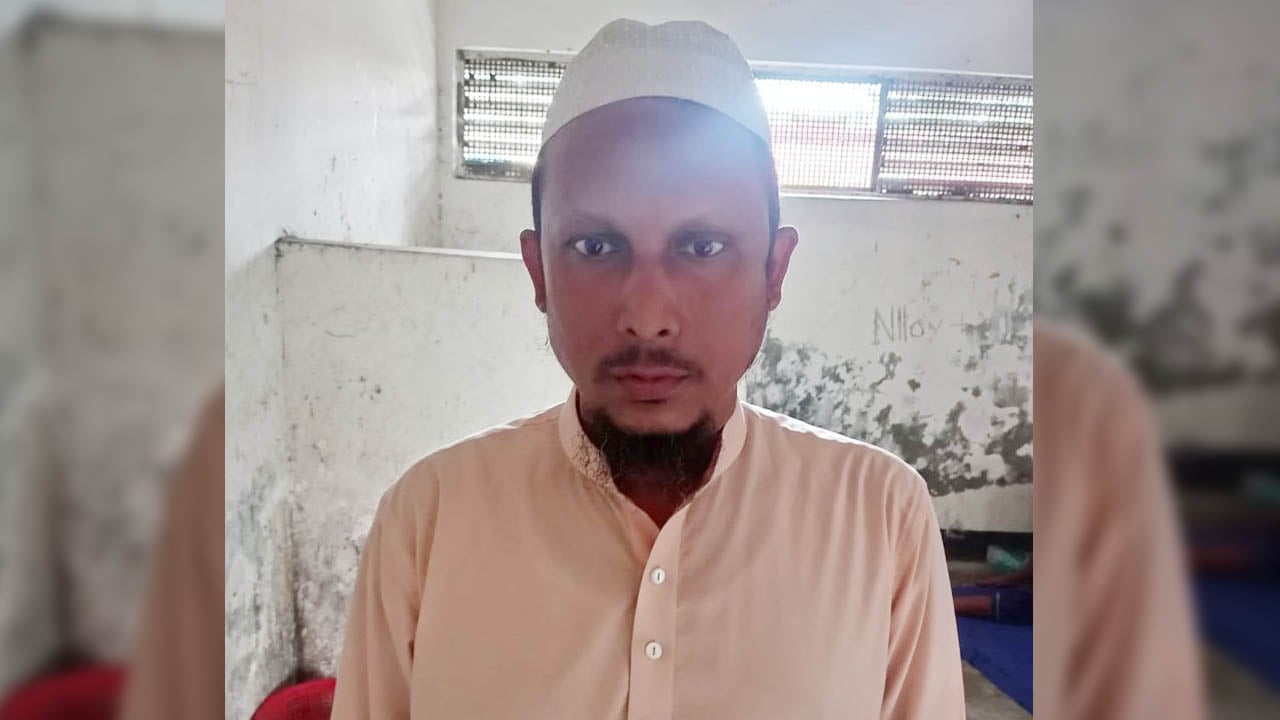
Police in Mymensingh’s Fulbaria upazila have arrested Mosharraf Hossain, 40, the main suspect accused of severely beating a prominent Islamic scholar. The arrest took place on Tuesday night at Laxmipur Bazar. The incident occurred on Sunday morning in Kalibajail village of Deokhola Union, reportedly over a boundary dispute near the Akand Bari area. The victim was rescued by locals and family members and first taken to Mymensingh Medical College Hospital, from where doctors referred him to Dhaka for advanced treatment. According to police and local sources, Mosharraf Hossain allegedly attacked the scholar with an iron rod, causing serious injuries. Following the assault, the victim’s son, Kawsar Jamil, filed a case with Fulbaria Police Station naming three suspects under case number 26 dated June 23, 2026. Officer-in-Charge Rashedul Hasan confirmed the arrest and said efforts are ongoing to apprehend the remaining accused. Police have continued operations to identify and detain others involved in the attack as the investigation progresses.
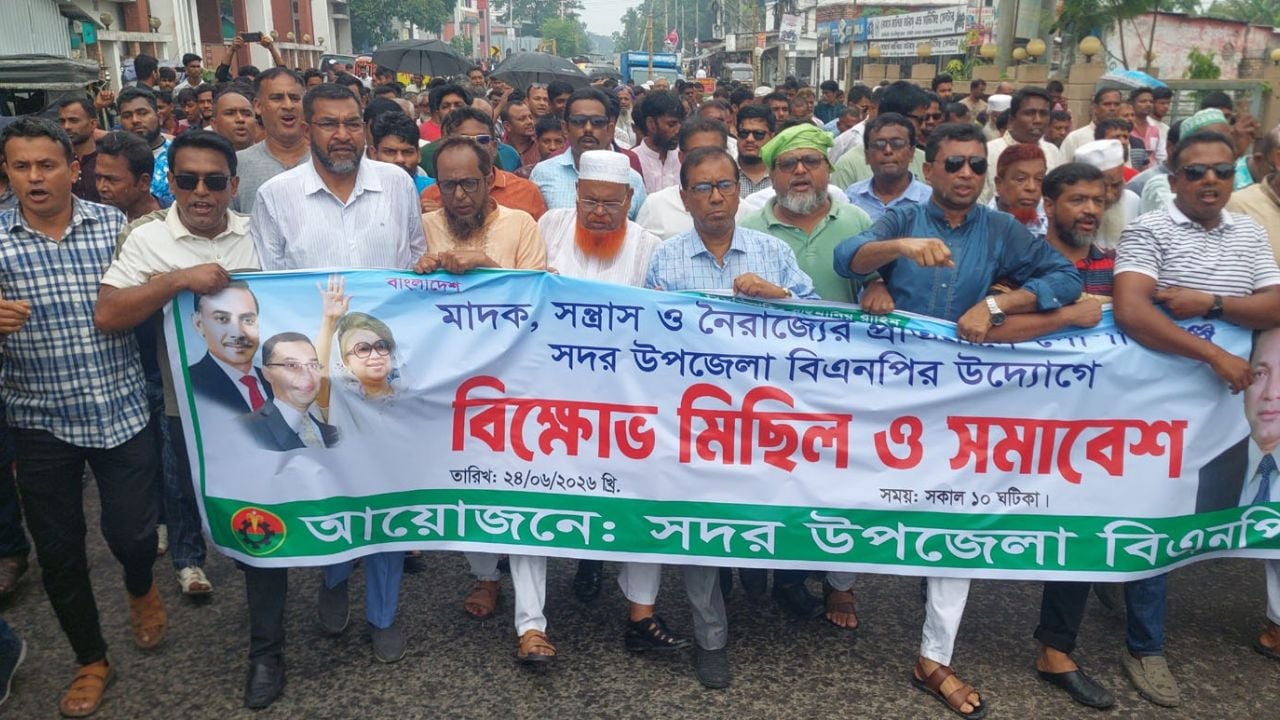
The Sadar Upazila unit of the Bangladesh Nationalist Party (BNP) organized a protest march and rally in Gopalganj on Wednesday morning, June 24, 2026, to protest against drugs, terrorism, and anarchy. The procession began at 11 a.m. in front of the Sadar Upazila BNP office in the Panchuria area and was led by Sadar Upazila BNP president Sikdar Shahidul Islam Lelin. The march passed through various city streets and concluded in front of the Deputy Commissioner's office, where a brief rally was held. District BNP convener and Zila Parishad administrator Sharif Rafiquzzaman, district BNP member secretary Advocate Kazi Abul Khayer, BNP leaders Advocate Toufiqul Islam and Ziaul Kabir Biplob, Sadar Upazila BNP general secretary Fazlul Kabir Dara, and district Jubo Dal president Riaz Uddin Lipton addressed the gathering. Leaders and activists from BNP and its affiliated organizations were present at the event. Speakers urged building social resistance against drugs, terrorism, and anarchy and called for effective measures to improve the law and order situation.
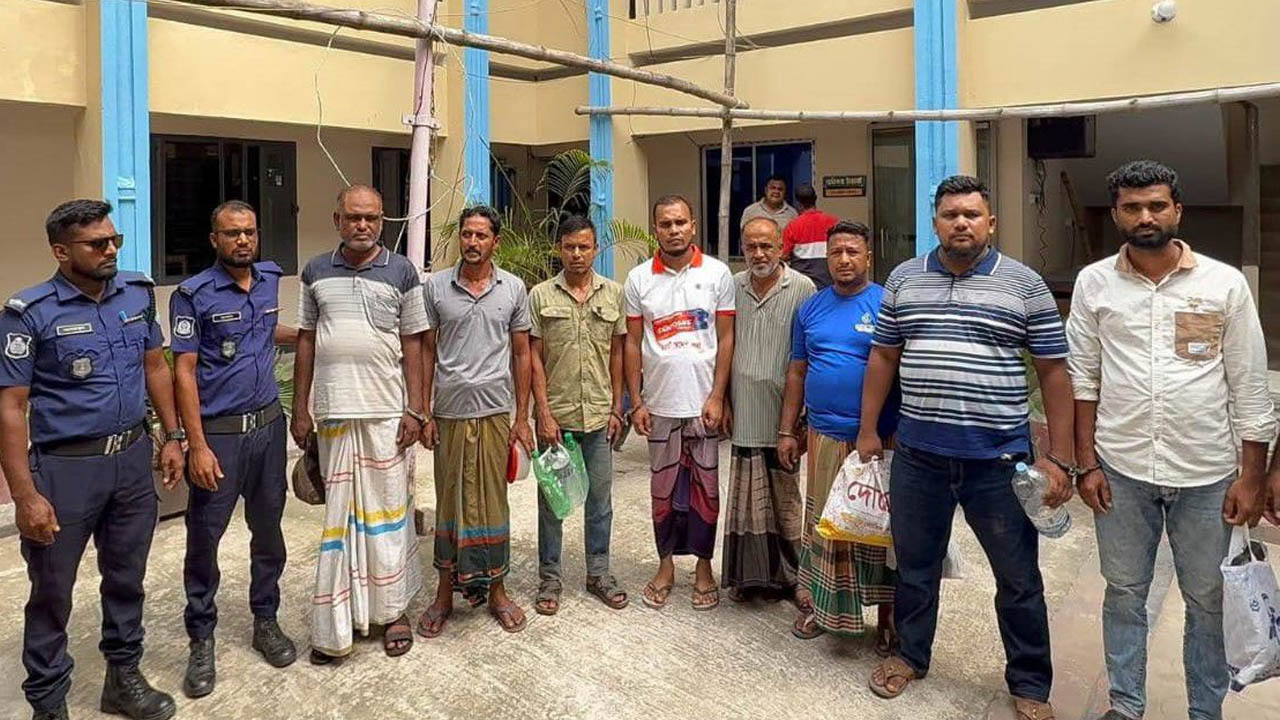
Police in Kaliganj, Jhenaidah, arrested eight leaders and activists of the banned Awami League and its affiliated organizations under the Anti-Terrorism Act. The arrests took place late Tuesday night during operations across several areas of the upazila. On Wednesday afternoon, the detainees were sent to jail through the court following their formal arrest in the case. According to police sources, the operation was launched after receiving information that former Kaliganj mayor and district Awami League labor affairs secretary Mostafizur Rahman Biju was hosting the party’s founding anniversary event at his residence. Biju reportedly fled the scene as police arrived, while some attendees allegedly engaged in arguments with officers and obstructed their duties. Sub-inspector Moniruzzaman filed the case, naming 11 individuals including Biju and listing 20 to 30 unidentified others as accused. Police stated that raids were conducted immediately after the case was filed, resulting in the arrest of eight suspects. The court ordered their imprisonment, and efforts to apprehend the remaining accused continue.
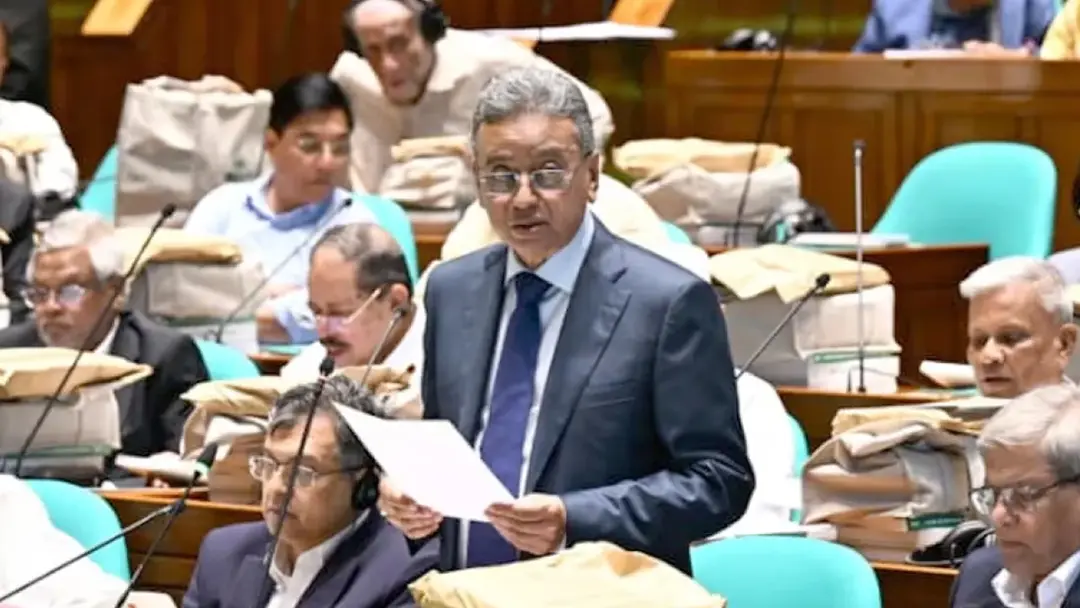
Finance Minister Amir Khasru Mahmud Chowdhury informed Parliament that Bangladesh currently has 193.25 million bank accounts, including 177.95 million savings accounts and 1.53 million loan accounts, according to Bangladesh Bank data. He made the disclosure during a parliamentary question session chaired by Speaker Hafiz Uddin Ahmed. The minister said the government has adopted the National Financial Inclusion Strategy to ensure full adult financial inclusion by 2026, with the current inclusion rate at 64.5 percent. Responding to separate questions, the minister said around 30 banks affected by loan defaults and illicit fund transfers abroad have engaged nine international legal firms under “no win, no fee” terms to recover funds. He also reported that as of March 2026, Bangladesh’s external debt stood at USD 78,233.448 million, while registered taxpayers increased by 11.86 percent to 13.83 million. Emergency liquidity support totaling Tk 75,903.11 crore has been provided to banks facing cash shortages. Chowdhury added that five Islamic banks are under the 2025 Bank Resolution Scheme, with depositors being repaid up to Tk 200,000 under the 2026 Deposit Protection Act. Further actions may follow for other liquidity-stressed banks.
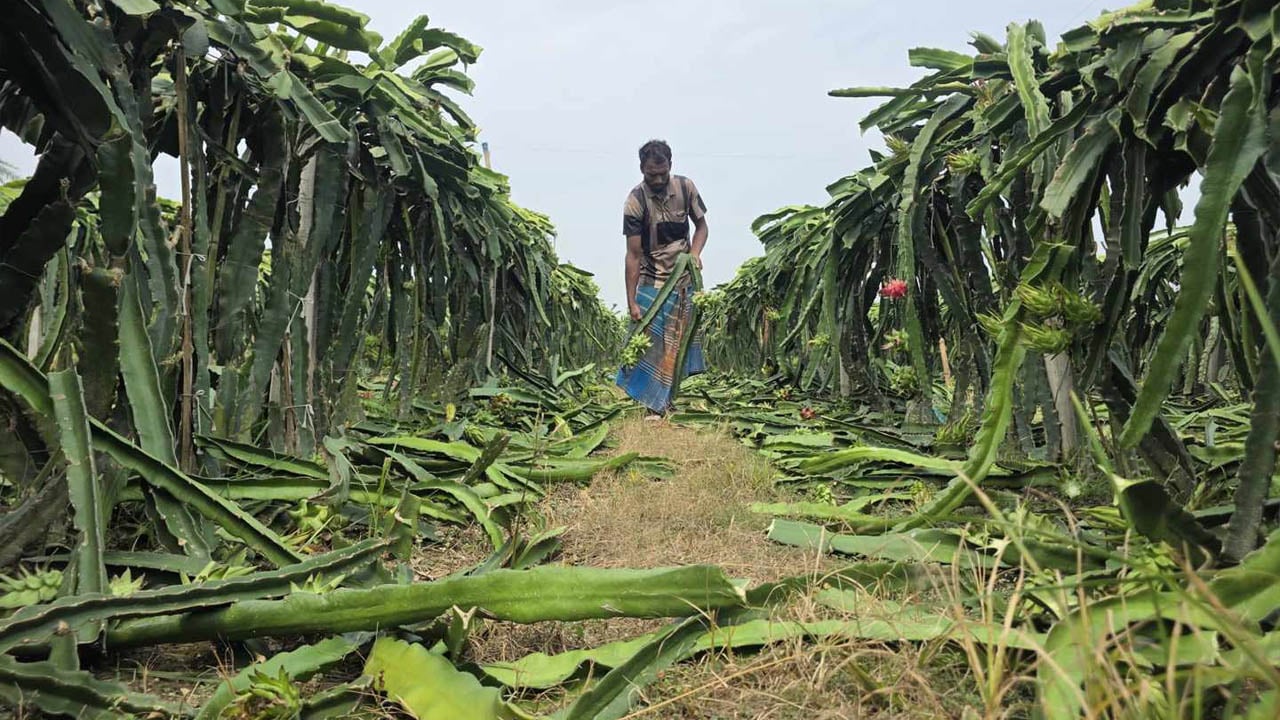
In Maheshpur upazila of Jhenaidah, miscreants cut down nearly three thousand dragon fruit trees on about one and a half bighas of land, allegedly due to a longstanding feud. The incident occurred late Tuesday night in the Beltala field area of Azampur Union. The farmer, Shahjalal, who had cultivated the orchard through loans and hard work, suffered a stroke upon discovering the destruction of his fruit-bearing trees on Wednesday morning. He was rescued and admitted to Maheshpur Upazila Health Complex, where he remains under treatment. According to the victim’s family, the damage amounts to around ten lakh taka. Shahjalal’s father, Robiul Islam, accused two local men, Alamin and Alim, of carrying out the attack after previously threatening to destroy the orchard. Local union leaders, including Chairman Abdus Sattar Khan, visited the site and condemned the act as inhumane and financially devastating. Maheshpur Upazila Nirbahi Officer Sajjad Hossain described the incident as deplorable and directed authorities to take legal action against those responsible. Officials pledged a thorough investigation and swift arrests of the perpetrators, emphasizing the need for justice for the affected farmer.
Israeli Defense Minister Israel Katz has declared that Israeli forces will not withdraw from southern Lebanon even if pressured by the United States. According to Al Jazeera, citing The Times of Israel, Katz stated that Israel will maintain its military presence in the area despite Washington’s demands. Katz explained that around 200,000 residents displaced by Israeli attacks and aggression would not be able to return to their homes in southern Lebanon. He argued that previous experiences showed that allowing civilians to live in the security zone led to roadside bombings and attacks on Israeli soldiers. Based on those incidents, he said Israel would not allow a repeat of such situations and would not retreat from the area. The statement underscores Israel’s firm stance on maintaining control over southern Lebanon, highlighting ongoing tensions in the region amid international calls for de-escalation.

A heated debate erupted in the Bangladesh Parliament over the interpretation of a Quranic verse, leading to a sharp exchange between ruling and opposition lawmakers. The discussion began when Cox’s Bazar-2 MP Alhaj Alamgir Muhammad Mahfuz Ullah Farid cited verse 7 from Surah Ibrahim, interpreting it as a call for gratitude toward the national budget, allocations, and the Prime Minister. He argued that opposition members should show gratitude instead of protesting while seeking budget allocations. In response, Pabna-1 MP Mohammad Nazibur Rahman of Bangladesh Jamaat-e-Islami criticized the interpretation, saying it distorted the meaning of the verse. He questioned whether failing to praise the government would lead to punishment, calling the explanation a serious misrepresentation of the Quran. Home Minister Asaduddin Ahmed and Jamaat’s senior Nayeb-e-Ameer Professor Mujibur Rahman also spoke on the issue, reflecting the depth of disagreement within the session. The exchange highlighted rising tensions in parliamentary discourse, with religious references becoming a point of contention between political factions.

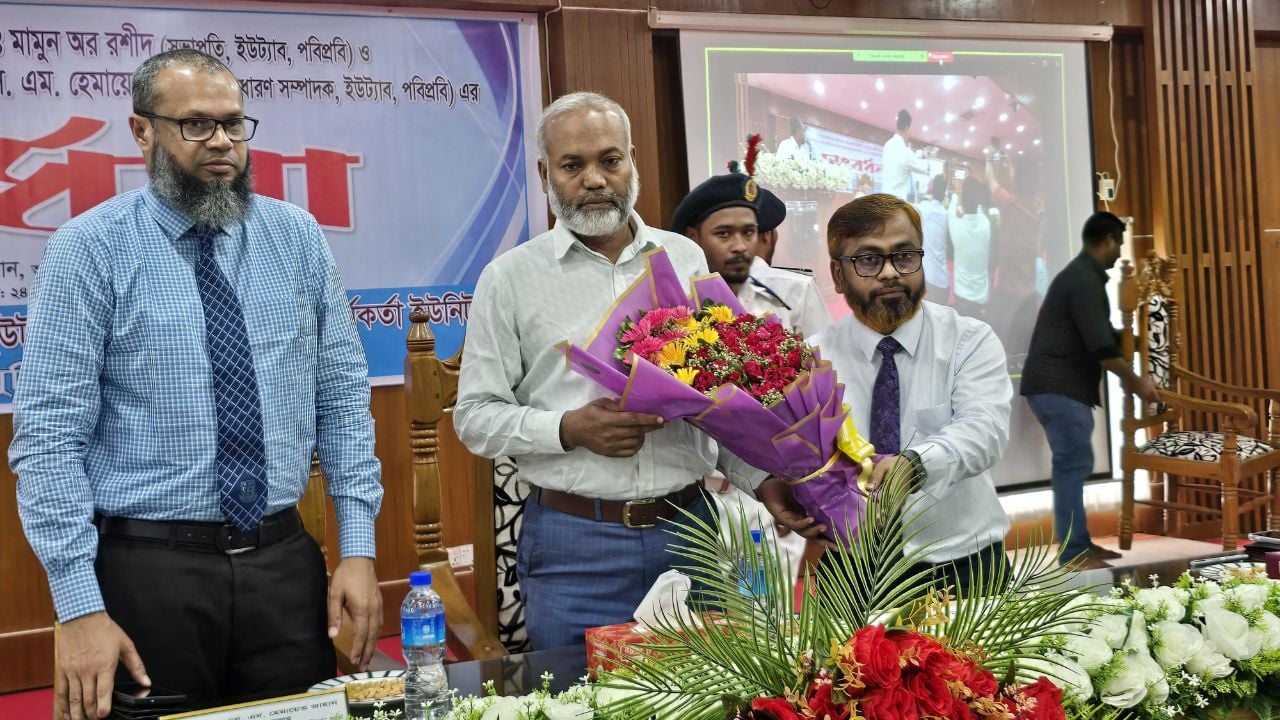
Two faculty members of Patuakhali Science and Technology University (PSTU), Professor Dr. S. M. Hemayet Jahan and Professor Dr. Md. Mamunur Rashid, were honored after being appointed vice-chancellors of two separate universities. The felicitation ceremony took place on Wednesday morning at 11 a.m. in the TSC Conference Hall of PSTU, jointly organized by the University Teachers Association of Bangladesh (UTAB) PSTU Unit and Zia Parishad (Officers’ Unit). The event was presided over by Professor Dr. Mohammad Atikur Rahman, registrar of PSTU and convener of the organizing committee, while Professor Dr. A. B. M. Saiful Islam, dean of the Faculty of Oceanography, conducted the program. Floral greetings, crests, and honorary mementos were presented to the newly appointed PSTU Vice-Chancellor Professor Dr. S. M. Hemayet Jahan and Barishal University Vice-Chancellor Professor Dr. Md. Mamunur Rashid. Speakers at the event expressed pride in the appointment of the two PSTU teachers as vice-chancellors of universities in southern Bangladesh and voiced optimism that their leadership would enhance education, research, and administrative activities at their respective institutions.
The ‘1 Nojor’ media platform is now live in beta, inviting users to explore and provide feedback as we continue to refine the experience.