

The ‘1 Nojor’ media platform is now live in beta, inviting users to explore and provide feedback as we continue to refine the experience.
A complaint has been raised against Nasim Ahmed, assistant secretary for science and technology affairs of the Rajshahi University (RU) unit of the Jatiyatabadi Chhatra Dal, for allegedly staying in a university dormitory one and a half years after completing his regular academic program. Nasim, a student of the 2018–19 session in the Statistics Department and a resident of Shaheed Ziaur Rahman Hall, reportedly continued living in room 321 even after his master’s results were published in December 2024. Hall General Secretary Arif stated that university regulations require students to vacate dormitories after completing their studies, but Nasim remains in residence. He also claimed that the hall provost was aware of the situation but allowed Nasim to stay on humanitarian grounds. Nasim, however, said he vacated his official seat after his results and is now staying in a junior student’s room. Hall Provost Professor Mahbubur Rahman confirmed that Nasim’s seat was canceled about seven months ago but acknowledged that he is still residing in the hall. The RU Chhatra Dal president said he was not yet aware of the full details.
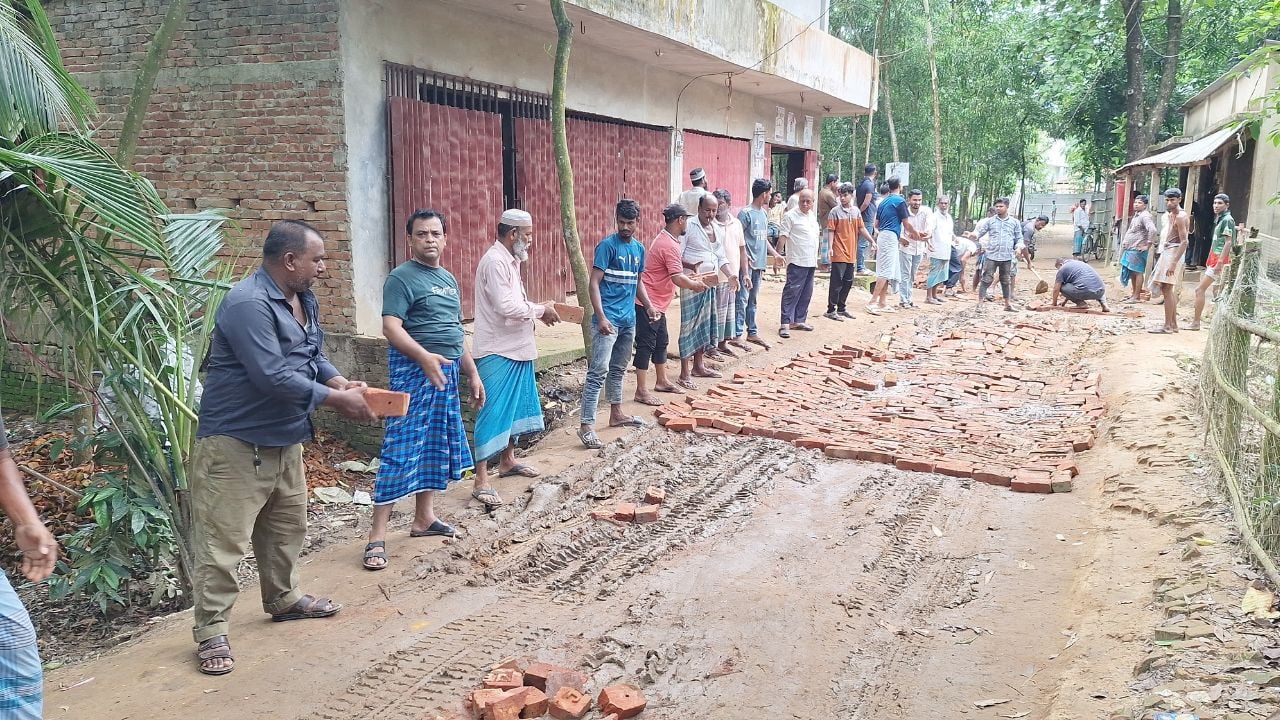
Residents of several villages in Raozan upazila of Chattogram have repaired a 600-foot stretch of road through voluntary labor after years of neglect. The Kulalpara-Gazipara road in East Raozan had remained in poor condition for decades, causing severe hardship for more than 20,000 residents. With no initiative from local representatives, villagers decided to take matters into their own hands and fund the repair themselves. On Wednesday morning, residents from Kulalpara, Gazipara, Moular Bari, Adarshagram, Shilpara, Baruyapara, and Rupnagar joined the effort. Under the supervision of local social worker Mohammad Ali and with financial support from expatriates, around 200 to 300 people participated in the voluntary roadwork. Several community members and local figures were present during the repair activities. The initiative highlights the community’s determination to address infrastructure problems independently when official action is lacking.
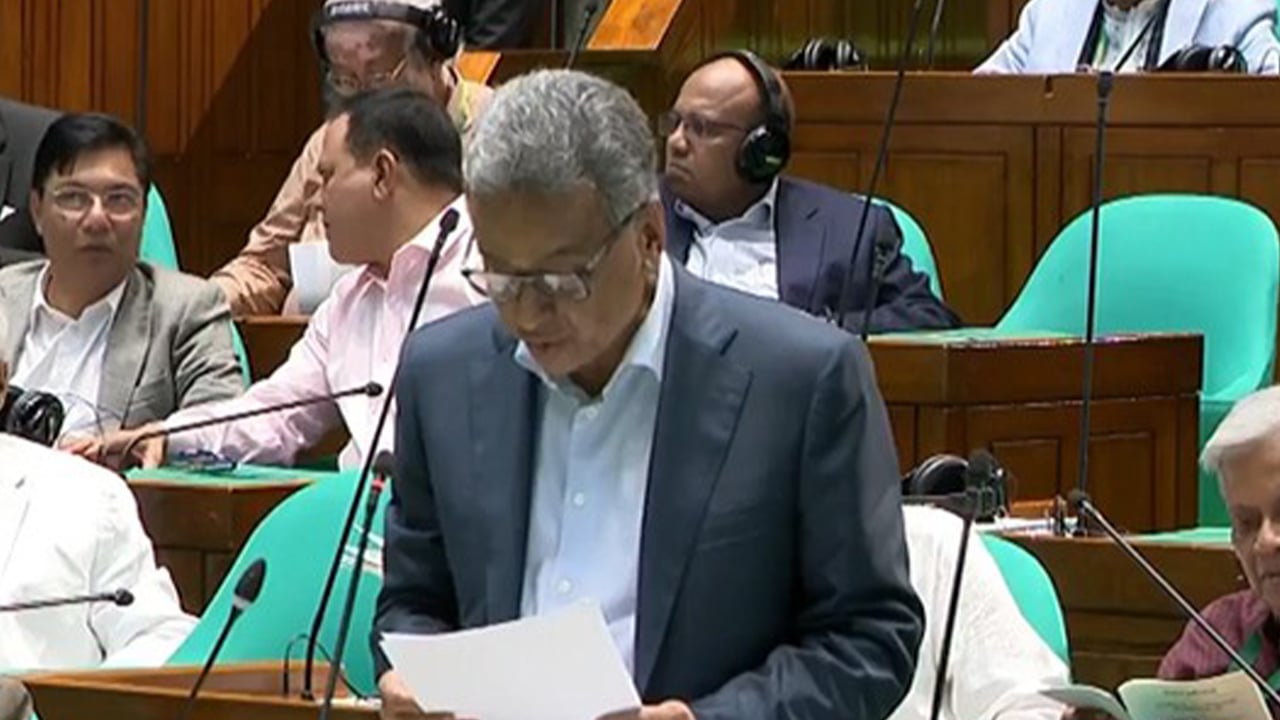
Finance Minister Amir Khosru Mahmud Chowdhury informed the National Parliament that several business sectors, including grocery stores and beauty parlors, are planned to be brought under the Value Added Tax (VAT) system in the upcoming 2026–27 fiscal year. He disclosed this plan on Wednesday while responding to a question from reserved seat MP Selina Sultana during the parliamentary question session chaired by Speaker Hafiz Uddin Ahmed. According to the minister, the sectors expected to come under VAT include sellers of ready-made garments or fabrics, confectionery, cosmetics shops, plastic and ceramic household goods, shoe stores, hardware sellers, decorators, mobile phones, air conditioners, refrigerators, ovens, and other electronics, as well as paint, sanitary fittings, tiles, corrugated sheets, rods, cement, furniture, sweet shops, and restaurants. The minister also stated that in the 2024–25 fiscal year, a total of 1,41,586 crore taka was collected as VAT revenue.
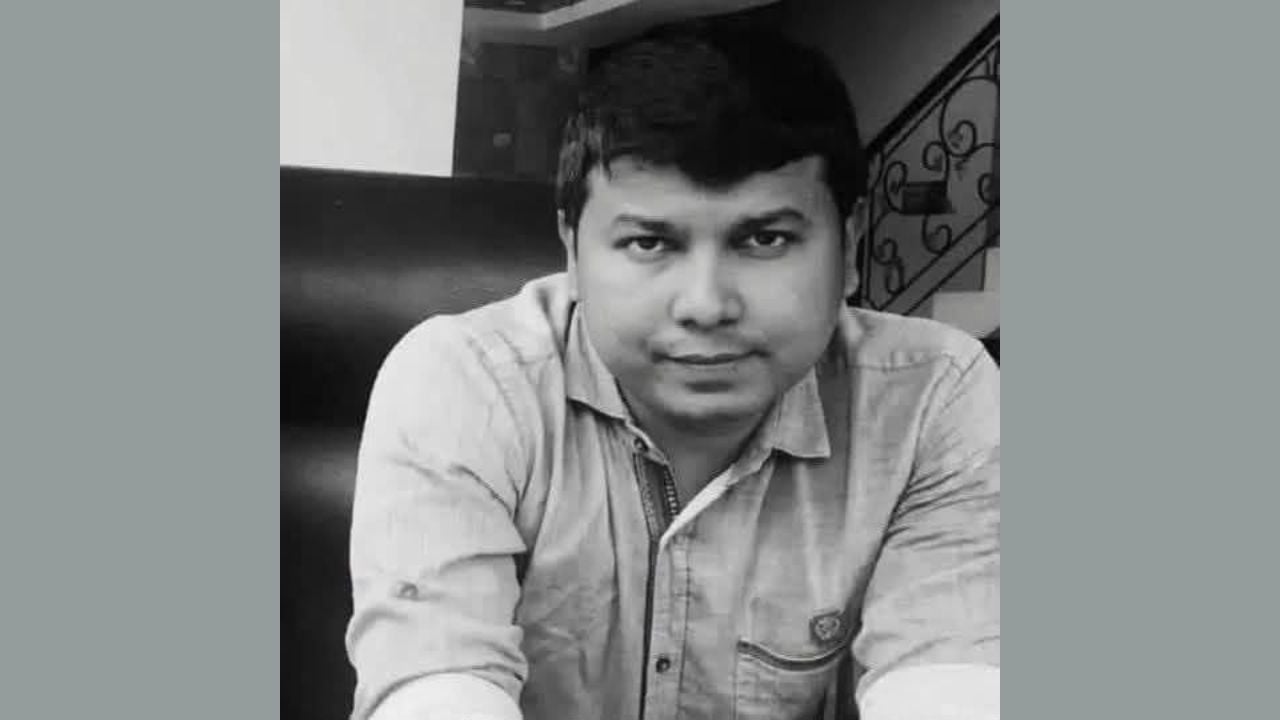
Shahidul Islam Bhuiyan, father of slain student Farhan Faiyaz, testified before International Crimes Tribunal-1 on Wednesday as the first witness in a case over the killing of nine people, including Faiyaz and Mahmudul Rahman Soikat, during the July uprising in Mohammadpur, Dhaka. He accused former Dhaka South City mayor Fazle Noor Taposh, former minister Jahangir Kabir Nanak, and 26 others of involvement in the attack. In his testimony, he described how his son, a student of Dhaka Residential Model College, was shot dead while participating in a peaceful anti-discrimination student movement on July 18, 2024. Bhuiyan recounted that police and ruling party activists opened fire on unarmed students, killing his son instantly. He detailed his desperate attempts to reach the hospital, the chaotic scenes there, and the subsequent funeral arrangements amid alleged obstruction by police and ruling party members. He said he identified the accused through social media, video footage, and witness accounts from other students. He demanded justice and punishment for those he holds responsible for his son’s death, naming 28 individuals in total in his testimony.

A detainee named Nurul Alam, 45, died less than 15 hours after being taken to Chattogram Central Jail. He was identified as the joint convener of the banned Satykania Upazila unit of the Youth League. Prison authorities said that on Wednesday morning, while in the import ward of the jail, Alam complained of chest pain and breathing difficulties. He was first taken to the prison hospital and then to Chattogram Medical College Hospital, where doctors declared him dead. According to the report, Nurul Alam had been arrested on Tuesday by a team from the Detective Branch in connection with a 2024 explosives case filed at Satykania Police Station. After being handed over to the police station, he was presented before the court and later sent to Chattogram Central Jail in the afternoon. Jail superintendent Iqbal Hossain stated that Alam appeared healthy upon arrival and bore no signs of injury. His condition deteriorated suddenly the next morning, leading to his death despite prompt medical attention. The report did not mention any official investigation or further action following the incident.
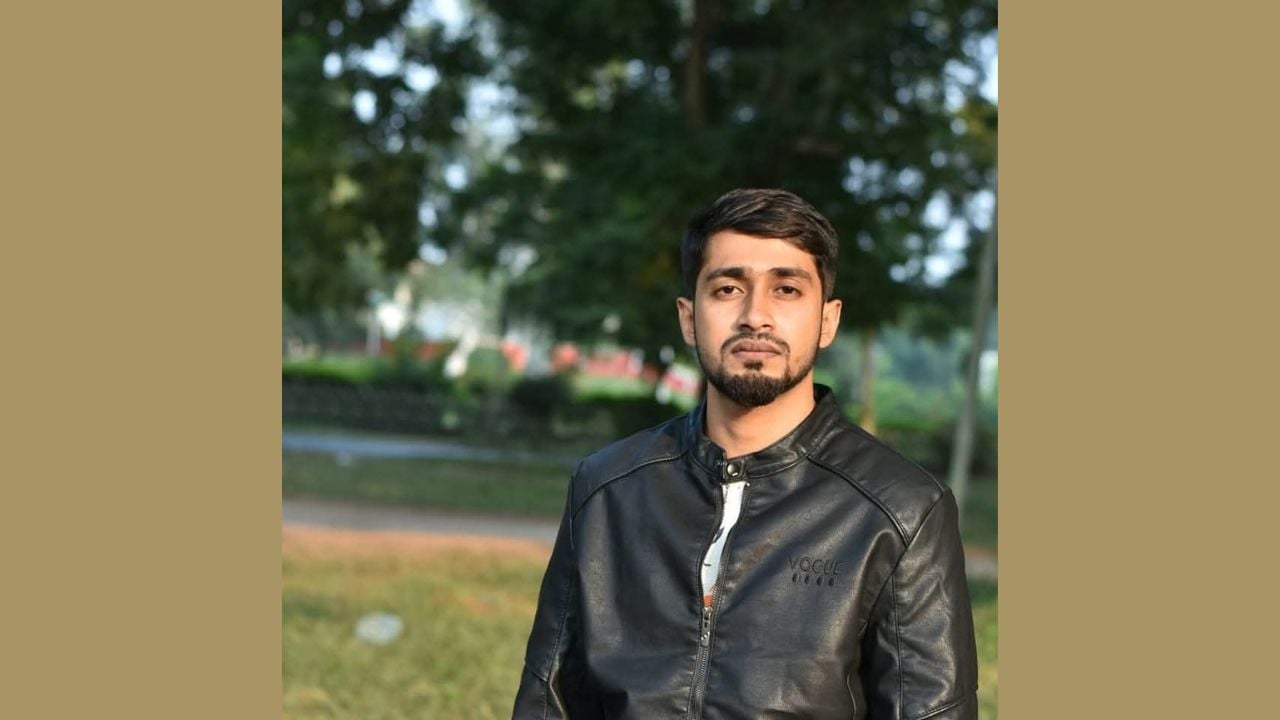
Bangladesh Jamaat-e-Islami Secretary General Mia Golam Porwar has urged an immediate end to ongoing oppression and torture against humanity across the world, including in the Middle East. In a statement issued to the media on Wednesday ahead of the United Nations’ International Day in Support of Victims of Torture on June 26, he condemned widespread human rights abuses and state-sponsored violence. Porwar alleged that during the previous government’s 15-and-a-half-year rule, Bangladesh saw a sharp rise in enforced disappearances, extrajudicial killings, and violence against women and children. He claimed that thousands of opposition activists, scholars, journalists, and lawyers were imprisoned under false charges, while corruption and suppression of free speech crippled the nation’s economy and democracy. He also referred to the 2024 student and public uprising, alleging mass killings and injuries. He expressed solidarity with victims of oppression worldwide, citing ongoing violence in Gaza, other parts of the Middle East, and Iran. Porwar appealed to the United Nations, human rights organizations, and the OIC to stand by the persecuted and urged the current government to release all political prisoners.
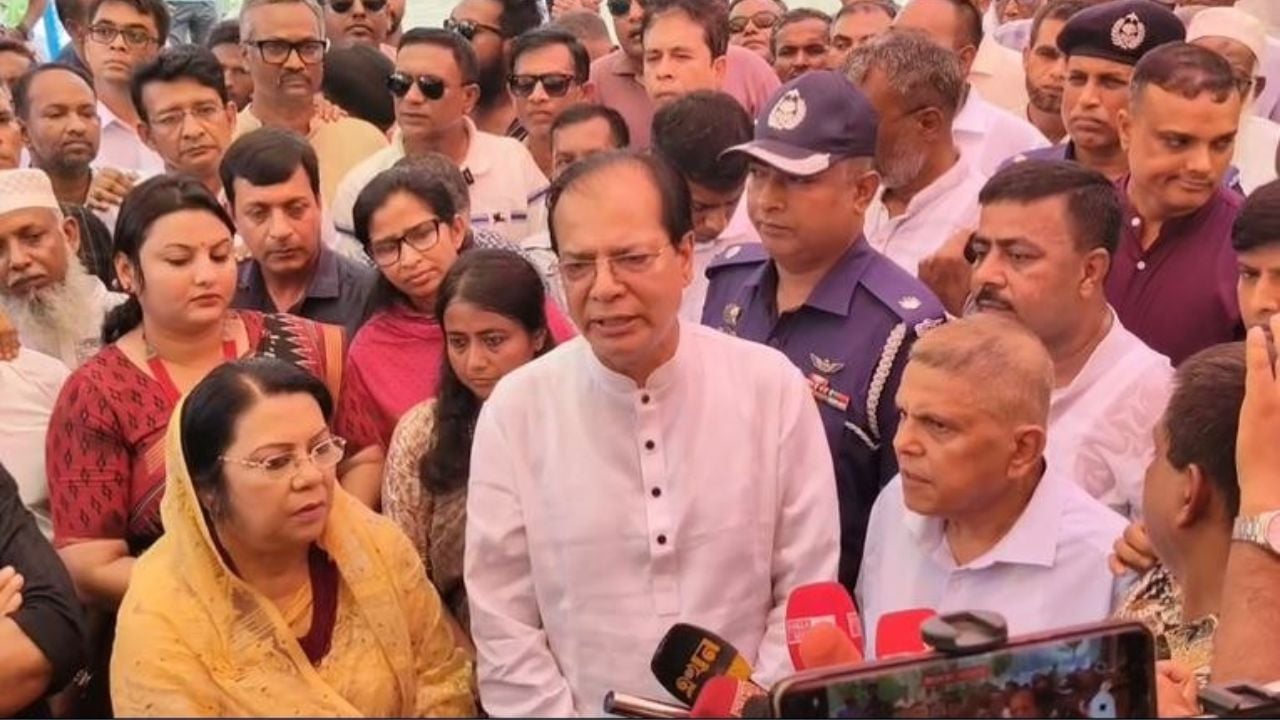
Civil Aviation and Tourism Minister Afroza Khanom Rita and Disaster Management and Relief Minister Asadul Habib Dulu inspected canal excavation work in Kasadah canal of Shibaloy upazila, Manikganj, on Wednesday afternoon. During the visit, they also participated in a tree-planting program. Minister Dulu stated that rivers in Bangladesh are drying up due to water disparity caused by a neighboring country, adding that the government has undertaken the Teesta and Padma master plans to address the issue. He emphasized that Bangladesh, being a riverine country, has seen many rivers turn into canals because of neglect and lack of maintenance. The government has a master plan for re-excavation of these waterways. Dulu noted that early rainfall has slowed excavation work, but incomplete projects will be finished in the next dry season. Addressing corruption concerns, the minister said Bangladesh had been plagued by corruption for 17 years and that while it cannot be eradicated overnight, any specific complaints regarding canal excavation will be investigated and acted upon.
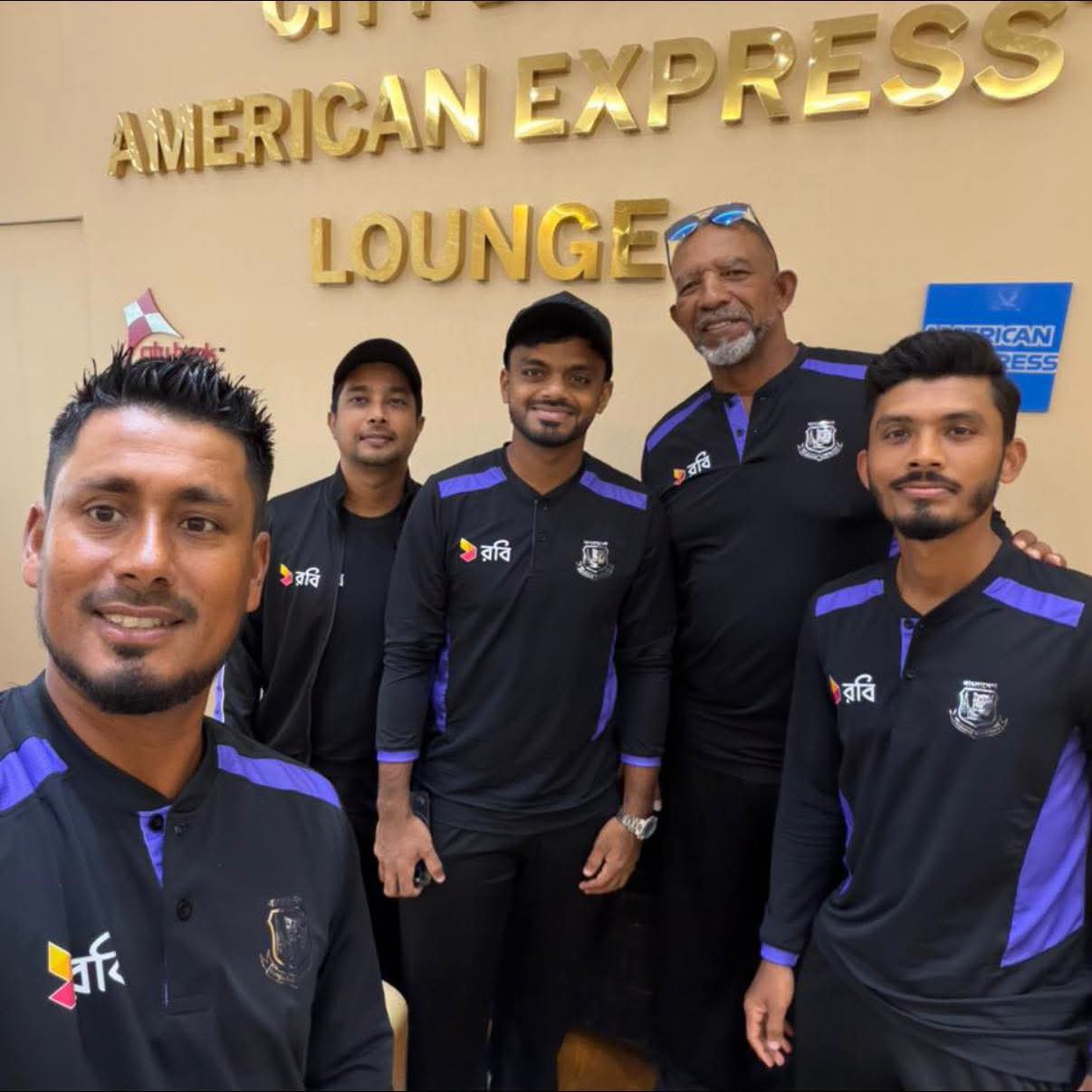
Former Bangladesh captain Mohammad Ashraful is set to travel to Zimbabwe with the national team after 13 years, this time as the team’s batting coach rather than a player. In a Facebook post, Ashraful expressed his emotions about returning to the country where he both began and ended his international playing career. His last international series was in Zimbabwe in 2013, and now he returns there in a new coaching role. Ashraful mentioned that he has been working with the national team for the past seven months, participating in all home series during that period. This will be his first overseas assignment as batting coach. He described the opportunity to return to a place filled with memories in a new capacity as one of the most beautiful aspects of cricket. He requested prayers for himself and the Bangladesh team, expressing hope that he can contribute to the team’s progress in his new role. The Zimbabwe tour marks a significant new chapter in his long cricketing journey.
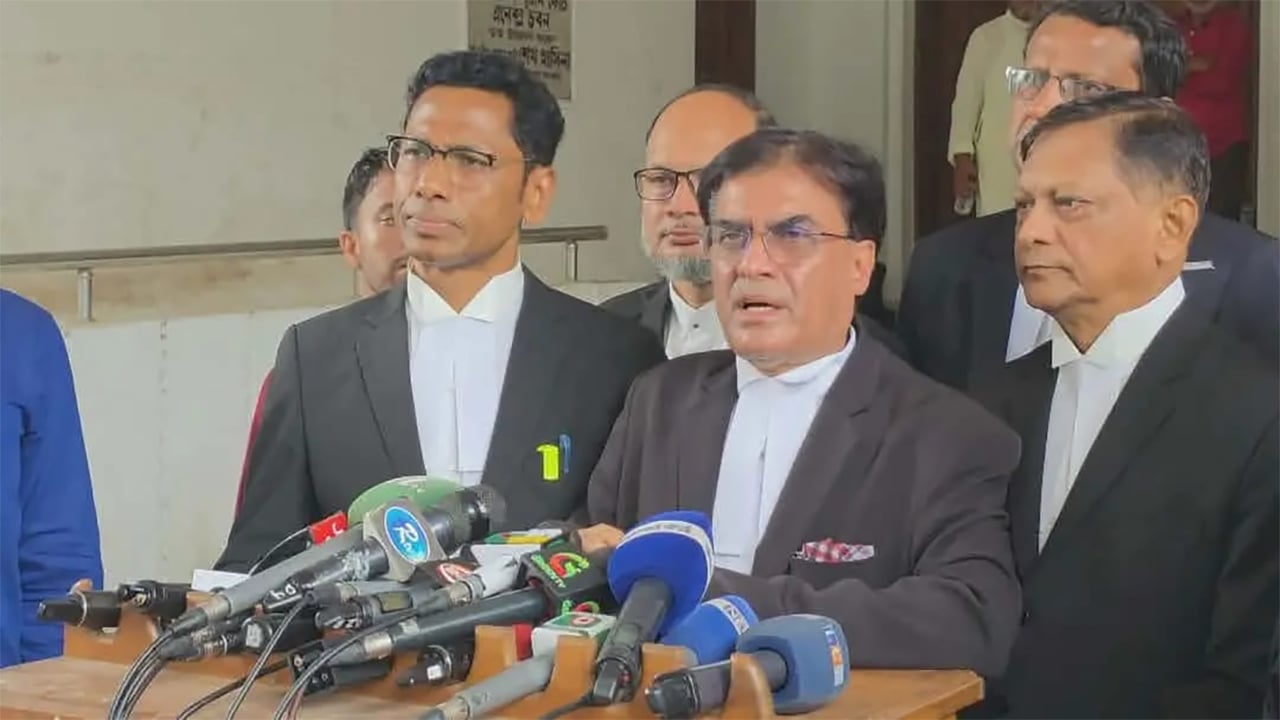
BNP’s legal affairs secretary Barrister Badruddoza Badol has described the statements made by recently resigned assistant attorney generals with Jamaat affiliations as undesirable and politically motivated. He made the remarks on Wednesday afternoon in front of the Supreme Court’s annex court while reacting to their resignations. Badol said that it is customary for government law officers such as the attorney general, deputy attorney general, and additional attorney general to resign voluntarily when a new government takes office. He criticized the officials who worked for four months under the current administration, receiving salaries and benefits, before resigning and making political comments. He termed their statements as politically influenced and unexpected. He further urged the attorney general to review the files handled by those officers during their tenure to determine whether they worked in the government’s interest or against it. According to him, their recent allegations were baseless, politically motivated, and contrary to the responsibilities of their office.
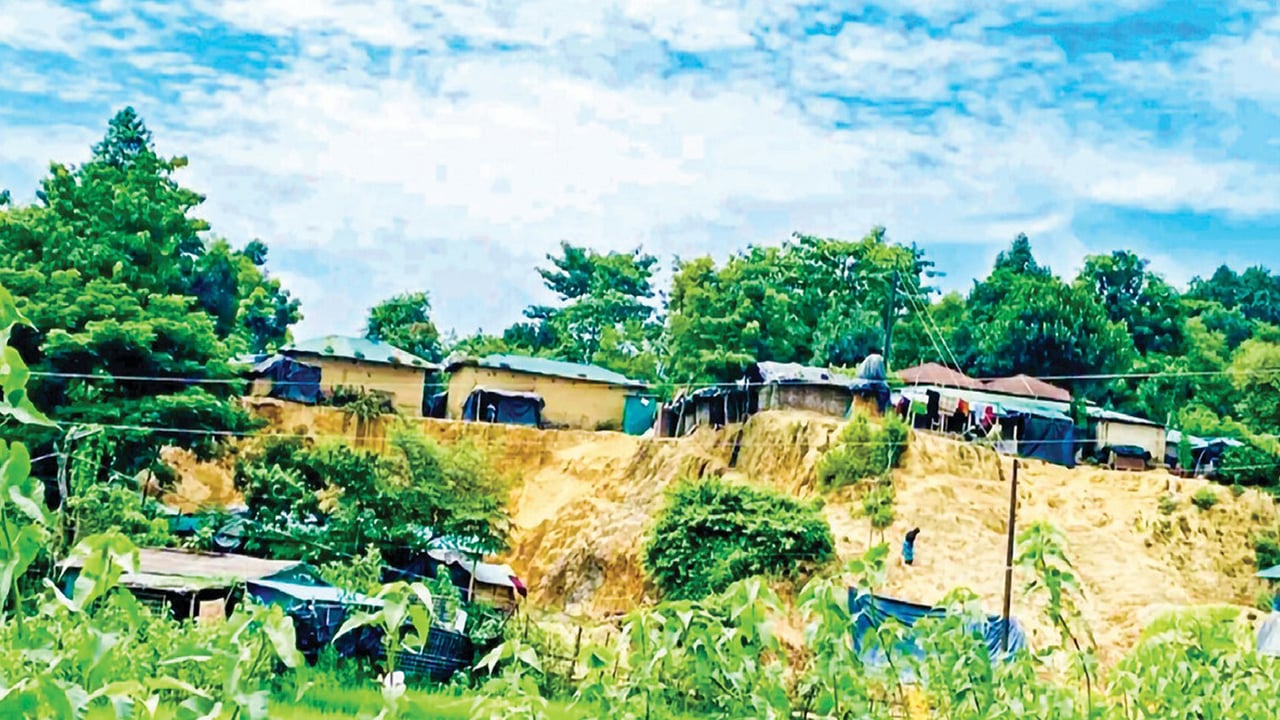
Authorities in Teknaf, Cox’s Bazar, have issued loudspeaker warnings urging residents living on hill slopes to move to safer areas as continuous heavy rainfall has raised fears of landslides. Hundreds of low-income families continue to live in these risky zones due to poverty and lack of alternative housing. The administration has begun identifying landslide-prone settlements and conducting awareness campaigns with NGO support. Local residents reported that illegal hill cutting continues at night in several areas, worsening the risk of collapse during the rainy season. Over the past year, more than a hundred new houses have been built on 12 highly vulnerable hills, now home to thousands of people. Officials said about 50,000 people, including displaced Myanmar nationals, are living illegally across 20 risky hills and 11 hillocks in the upazila. The Forest Department stated that no new illegal settlements are being allowed and that relocation efforts are underway. The Upazila Nirbahi Officer confirmed that precautionary measures and public announcements are ongoing to prevent casualties during the monsoon.
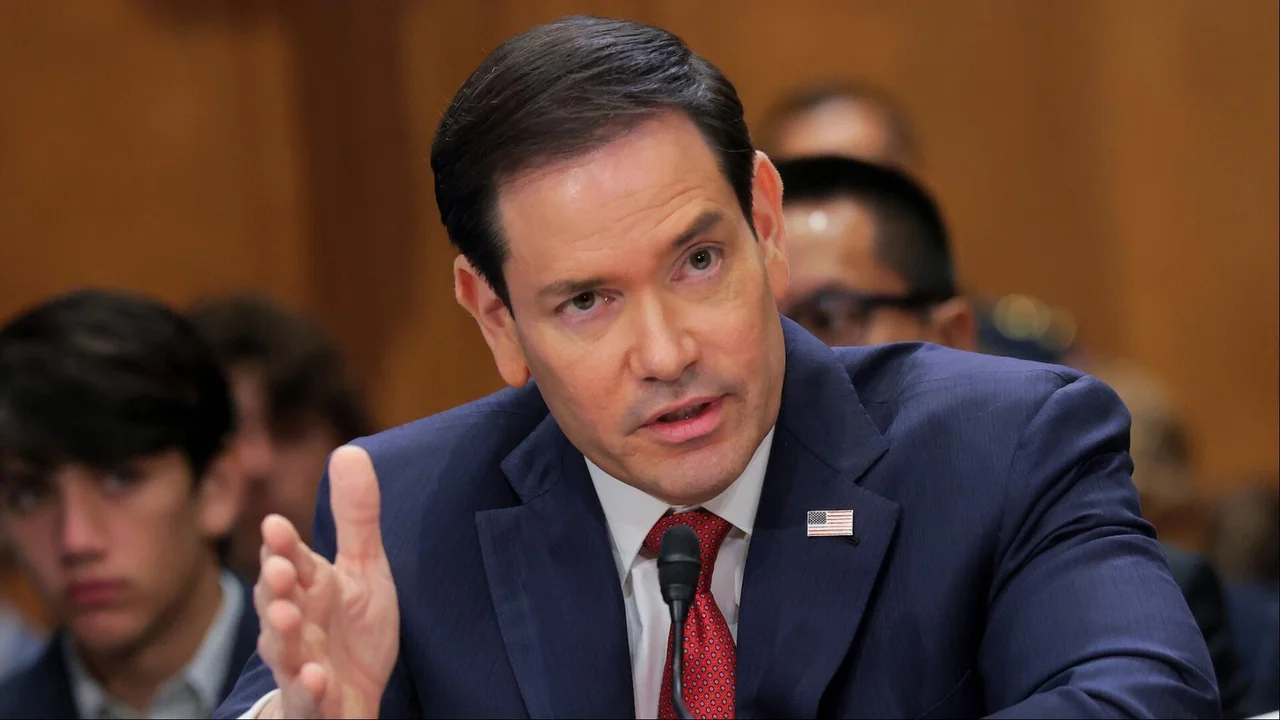
During a press briefing in Abu Dhabi, United Arab Emirates, US Secretary of State Marco Rubio made a significant statement regarding Iran’s future direction. He said Iran has an extraordinary opportunity if it chooses to operate as a normal state rather than as a revolutionary movement. Rubio noted that such a shift could open new economic prospects and attract foreign investment, similar to other countries in the region. However, he clarified that any potential investments would not come from the US government or its funds. Rubio emphasized that Iran’s political future depends on progress in upcoming discussions on several security-related issues. He also reiterated that once a final agreement is reached, Iran will not be allowed to impose tolls or fees in the Strait of Hormuz. Additionally, he confirmed that talks concerning Lebanon will remain separate from the ongoing US-Iran negotiations. The remarks, reported by Al Jazeera, highlight Washington’s conditional openness to Iran’s economic reintegration if Tehran alters its political stance and engages constructively in regional security talks.
Bangladesh’s Prime Minister Tarique Rahman will undertake his first state visit to China from Wednesday to Friday, marking his inaugural foreign trip since taking office. During the visit, he will attend the 17th Annual Meeting of the ‘New Champions’ in Dalian and witness the signing of several cooperation agreements between Bangladesh and China. The visit underscores the new government’s emphasis on strengthening ties with Beijing and attracting foreign investment, infrastructure collaboration, and trade facilitation. Bangladesh’s economy has faced challenges since the 2024 political transition, including internal uncertainty and regional conflicts. China remains Bangladesh’s largest trading partner for 16 consecutive years, hosting around a thousand Chinese enterprises that generate hundreds of thousands of jobs. Since December 2024, China has granted Bangladesh duty-free access on all tariff lines, boosting agricultural exports. The visit is part of a broader wave of high-level visits to China by South and Southeast Asian leaders seeking deeper cooperation. Some Indian media outlets have expressed dissatisfaction, claiming Bangladesh overlooked India for the Prime Minister’s first foreign trip. However, the report emphasizes that China’s regional cooperation is not directed against any third party and supports inclusive, mutually beneficial partnerships across South Asia.

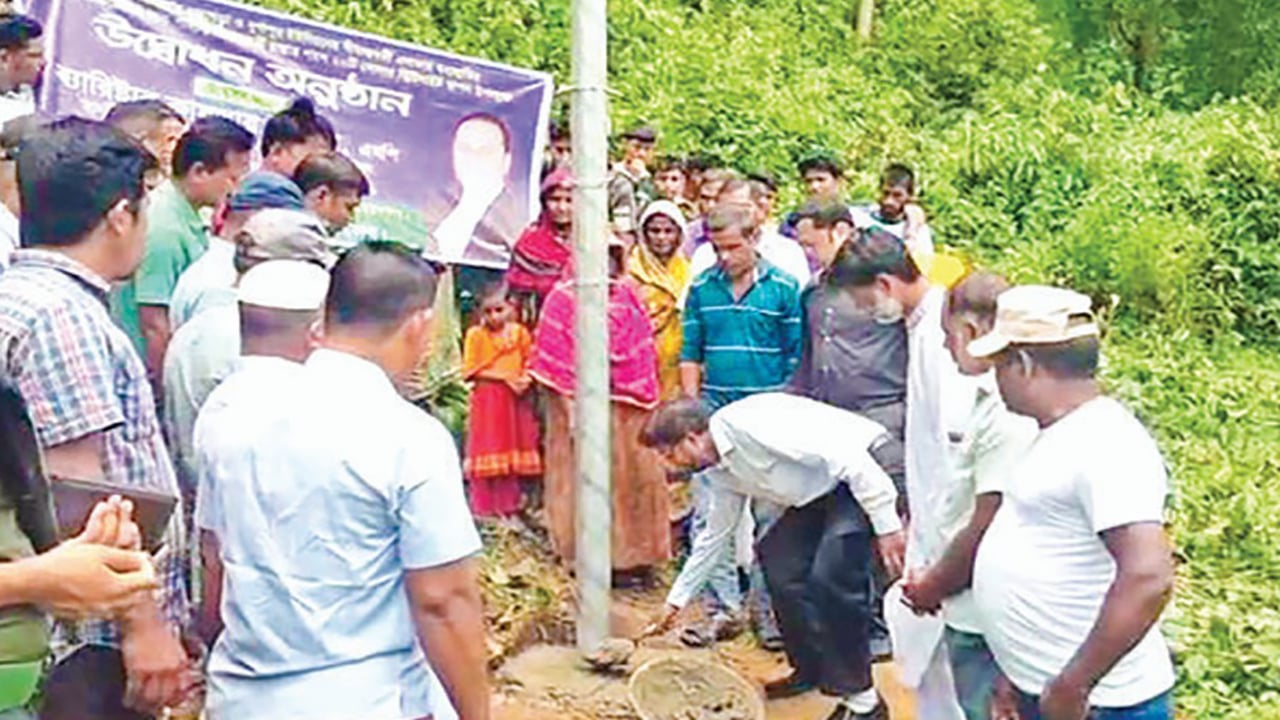
Authorities in Durgapur upazila of Netrokona have installed solar-powered street lights to deter increasing wild elephant attacks along the border. The installation work was inaugurated on Monday afternoon beside the hilly road in Dahapara area. The initiative includes setting up 20 solar street lights in border regions of Kullagara and No. 2 Durgapur unions to protect local residents and farmers from elephant incursions. Every year, wild elephants crossing the border cause deaths and destroy crops, houses, and fruit orchards in the area. The project was undertaken following the death of a young man named Partha Rangsa in a wild elephant attack on May 5 in Bhabanipur area. The initiative was launched under the special direction of Deputy Speaker and local MP Barrister Kaiser Kamal, with the victim’s father inaugurating the installation work. Upazila Nirbahi Officer Ahmed Sadat praised the project, saying it would enhance safety for both indigenous and Bengali farmers. Awareness programs are also being conducted through forest department volunteers to educate residents on how to respond during elephant encounters.
Ten years after the 2016 referendum in which 52 percent of Britons voted to leave the European Union, the United Kingdom continues to grapple with political instability and economic slowdown. Since the vote, the country has seen six prime ministers, with a seventh expected soon. The latest, Keir Starmer, announced his resignation after two years in office, citing a sluggish economy and a divided electorate. Analysts and academics describe Brexit’s lingering influence as an “underground imprint” that still shapes British politics. Economists say Brexit has damaged the UK economy, reducing exports to the EU by about 12 percent and imports by 16 percent. Businesses face new trade barriers, paperwork, and border checks despite a zero-tariff agreement. Political divisions have deepened within major parties, and voter disillusionment has grown, pushing many toward smaller parties such as the Green Party and Reform UK. Public opinion polls now show a majority favoring rejoining the EU. Experts warn that unless British leaders confront Brexit’s legacy, the country will remain in a state of prolonged crisis, with its political and economic vitality steadily eroding.

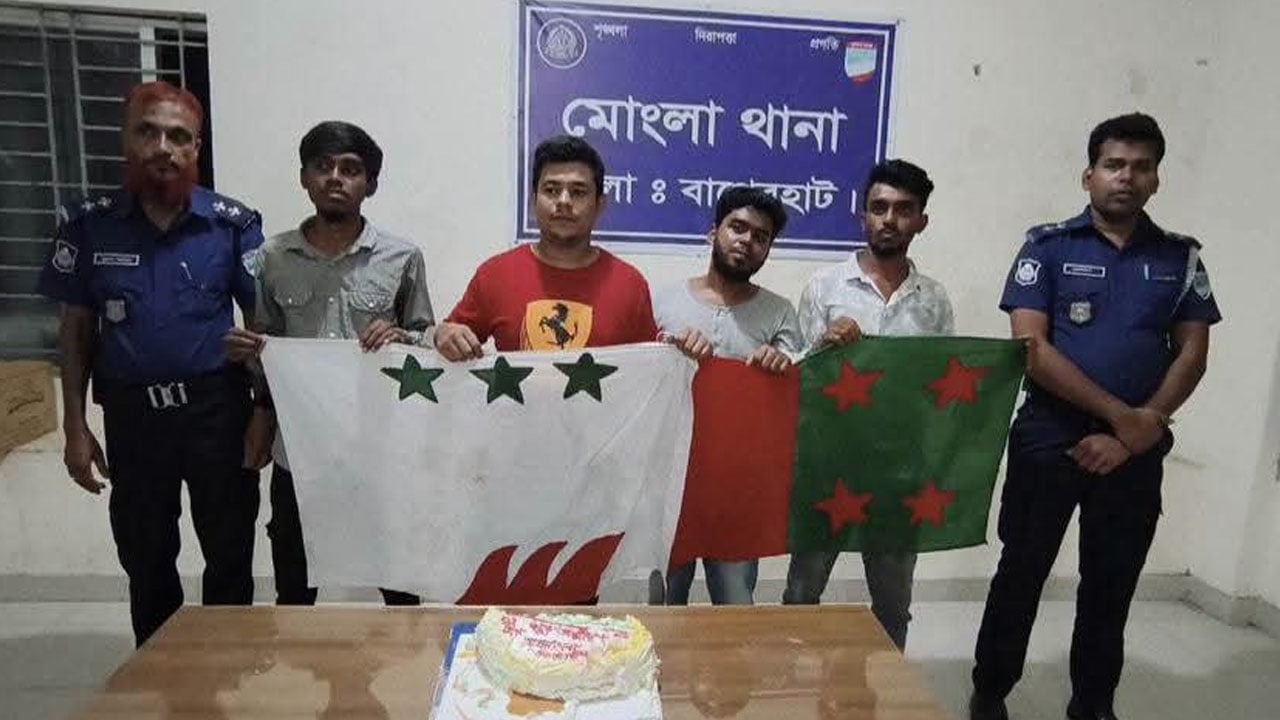
Police detained four activists of the banned Chhatra League in Mongla, Bagerhat, on Tuesday night while they were preparing to cut a cake marking the anniversary of the Awami League. The arrests took place around 9:30 p.m. at Mongla Port Municipality. According to police and local sources, the detainees were known as active members of the prohibited organization and were organizing a small celebration when officers arrived. During the operation, police seized a cake and two organizational flags from the scene. The detainees were taken to the local police station, where legal proceedings were initiated against them. Officer-in-Charge Atikur Rahman stated that police are actively working to prevent any organizational activities of banned groups. He added that the operation was part of regular police drives aimed at maintaining public order and preventing potential acts of sabotage. Police operations in the area will continue as part of these preventive measures.
The ‘1 Nojor’ media platform is now live in beta, inviting users to explore and provide feedback as we continue to refine the experience.