

The ‘1 Nojor’ media platform is now live in beta, inviting users to explore and provide feedback as we continue to refine the experience.
A new panel named 'Jagrat Jobian' has been formed by leaders and activists of the Bangladesh Nationalist Party (BNP)-backed Jatiyatabadi Chhatra Dal (JCD) who were denied posts in the Jagannath University Central Students’ Union (JCSU) and hall elections. The panel was announced on Monday, November 17, after collecting nomination papers from the election commission office at Shaheed Sajid Bhaban. Rafiqul Islam Rafiq, a joint convener of the JCD unit, is contesting for vice president, while Touhid Chowdhury and Mehedi Hasan Akon are running for general secretary and assistant general secretary respectively. The panel aims to prioritize issues such as accommodation, security, library facilities, and student rights. The move follows discontent among JCD members after the central leadership announced the 'United Fearless Jobian' panel earlier the same day. The JCSU election schedule includes nomination submission, scrutiny, and campaigning through December, with voting set for December 22.
-691b79bfbc05b.jpg)
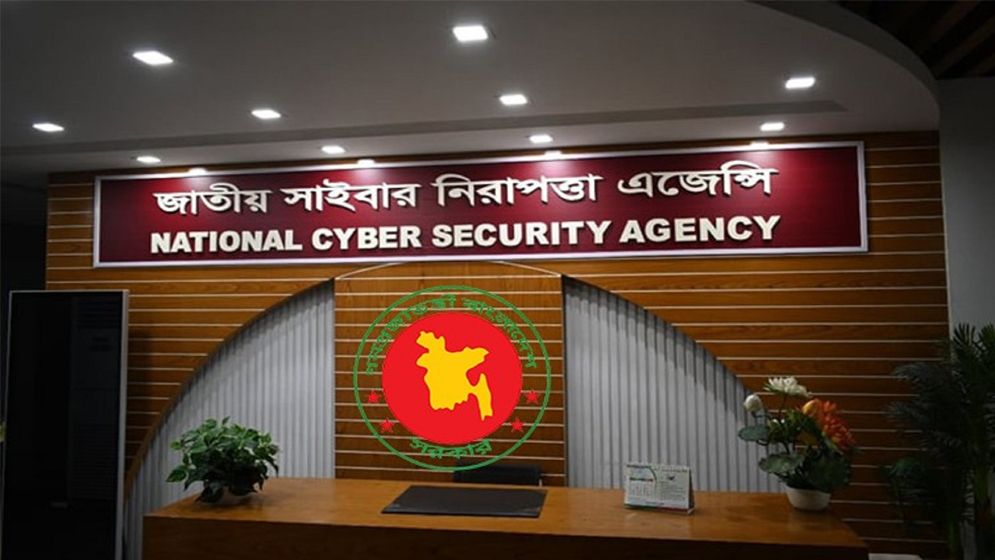
The National Cyber Security Agency (NCSA) of Bangladesh has requested all media outlets to refrain from broadcasting or publishing statements made by convicted or fugitive individuals. In a press release issued on Monday night, the agency expressed concern that some print, electronic, and online media have been airing comments from convicted and absconding persons, including Sheikh Hasina, which allegedly incite violence, disorder, or criminal activity. The NCSA stated that such actions violate the Cyber Security Ordinance 2025, particularly sections 8(2) and 26, which empower law enforcement to remove or block content that threatens national integrity, security, or public order. The agency emphasized that while it respects freedom of expression and journalism, media organizations must avoid disseminating content that promotes hatred or violence and should remain mindful of their legal responsibilities under the ordinance.
For over a decade, opposition movements against Sheikh Hasina struggled to gain mass traction in Bangladesh. However, on July 14, 2024, a remark she made during a press conference at Ganabhaban ignited widespread outrage among students. Responding to a journalist’s question, Hasina’s comment about freedom fighters’ descendants and ‘razakars’ was perceived as deeply offensive by many. The statement quickly spread across campuses, transforming a limited quota reform protest into a nationwide student-led uprising. Demonstrations erupted at Dhaka University and spread to all corners of the country, with slogans denouncing authoritarianism and demanding justice. The government’s violent response, including the killing of hundreds of protesters, further intensified public anger. Ultimately, the escalating unrest forced Sheikh Hasina to flee the country on August 5, marking the collapse of her long-standing rule.
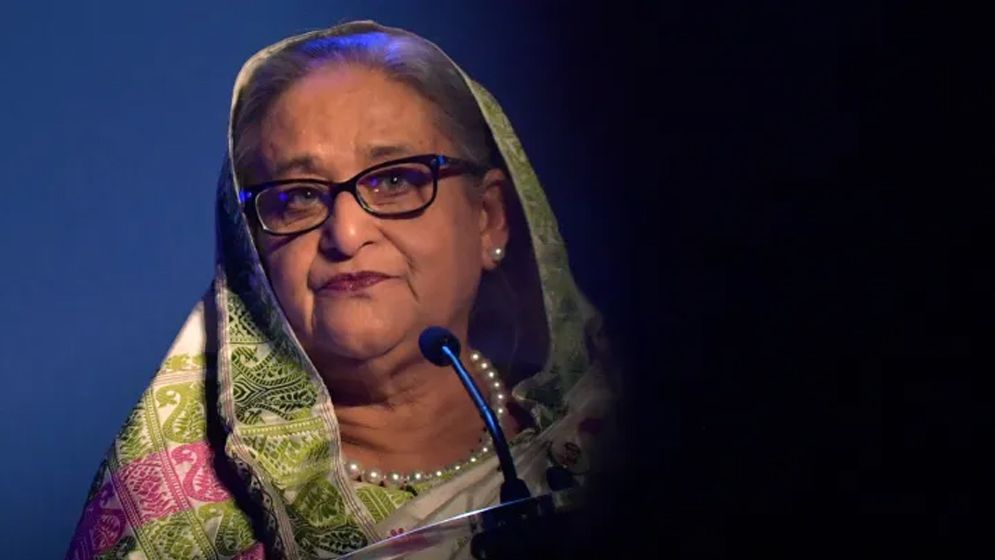
Bangladesh Islami Chhatra Shibir’s central president, Zahidul Islam, has warned political activists not to emulate former Prime Minister Sheikh Hasina, urging them instead to learn from what he described as her downfall. Speaking at a representative meeting organized by the Bhola municipal branch of Islami Chhatra Shibir on November 17, he called for building a political culture free from fascism and violence. Zahidul Islam alleged that Hasina and the Awami League were responsible for widespread killings and political repression, citing incidents from 2006 as examples of violent politics. He also expressed hope that the interim government would bring Hasina back to Bangladesh through Interpol to face trial for alleged crimes. The event was chaired by Bhola city Shibir president Abdullah Al Amin and attended by Bhola district Jamaat-e-Islami leader Zakir Hossain and others.
-691b71e28bf22.jpg)
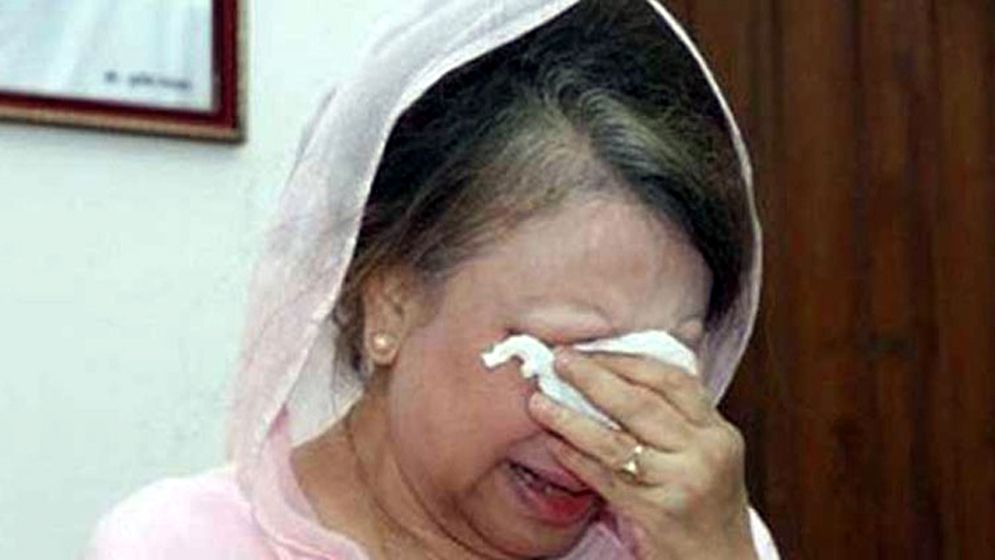
Bangladesh’s political landscape has been shaken after an international crimes tribunal sentenced exiled former Prime Minister and Awami League leader Sheikh Hasina and former Home Minister Asaduzzaman Khan Kamal to death. The verdict, delivered in absentia, follows months of unrest, including the destruction of Hasina’s family homes in Dhaka. In this context, a 2010 video of former Prime Minister Khaleda Zia’s tearful reaction to her eviction from her late husband Ziaur Rahman’s residence has resurfaced online. Zia had accused Hasina’s government of forcibly removing her and humiliating her despite her status as a former head of government and widow of a former president. Her emotional remarks, in which she said she left justice to God and the people, are being widely shared as symbolic of political vengeance and the long-standing rivalry between the two leaders that has defined Bangladesh’s politics for decades.
The Election Commission of Bangladesh has granted final registration to the National Citizen Party (NCP) and the Bangladesh Socialist Party (Marxist). The decision was made after no objections were filed against the two parties within the stipulated period. A gazette notification confirming their registration was issued on Monday night, allowing both parties to contest in the upcoming national elections under their own symbols. The two newly registered parties have also been invited to participate in the Election Commission’s dialogue scheduled for Wednesday. Meanwhile, the registration of the Bangladesh Aam Janata Party remains pending due to multiple complaints filed against it, which are currently under review by the commission. Earlier, on November 4, the commission had initially decided to register three parties and invited objections until November 12, but only the Aam Janata Party faced formal challenges.
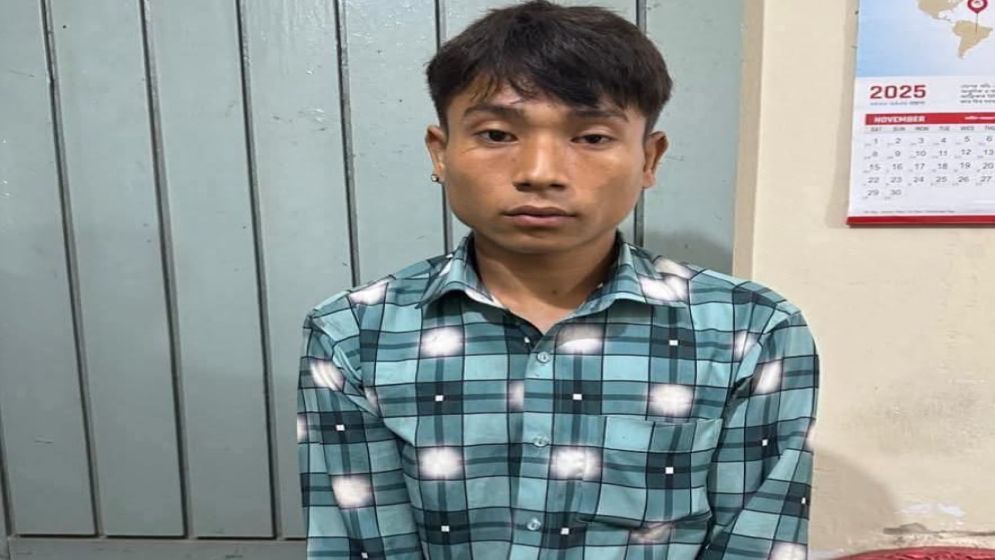
Police in Naikhongchhari, Bandarban, detained a young man from Myanmar’s Rakhine State on Monday for alleged drug trafficking and illegal entry into Bangladesh. The suspect, identified as Sun Aung Tanchangya, son of Aungshipu Tanchangya from the Akhyab area of Rakhine, reportedly confessed during interrogation that he had been involved in cross-border drug smuggling for a long time. He also admitted to having links with several local individuals from the Tanchangya community who allegedly assisted in the trafficking operations. Law enforcement officials said preparations are underway to file a case against him, while further investigations are being conducted to identify and apprehend other members of the drug network operating along the border region.
Vehicular movement in Dhaka’s Dhanmondi area returned to normal late Monday night after a day of unrest surrounding the verdict in a war crimes case involving former Prime Minister Sheikh Hasina and several co-accused. From Monday morning, protesters gathered near Dhanmondi 32, leading to the closure of the New Market–Mirpur road. The crowd swelled throughout the day, and tensions escalated again after dusk. Between 8:30 p.m. and 10:00 p.m., police and demonstrators clashed multiple times, with law enforcement using sound grenades to disperse the protesters. By around 10 p.m., the situation was brought under control, and traffic flow gradually resumed. The protest initially began near the historic residence of Sheikh Mujibur Rahman, where demonstrators had assembled to express anger over the court’s decision, triggering widespread agitation in the area.
-691b680dc4d55.jpg)
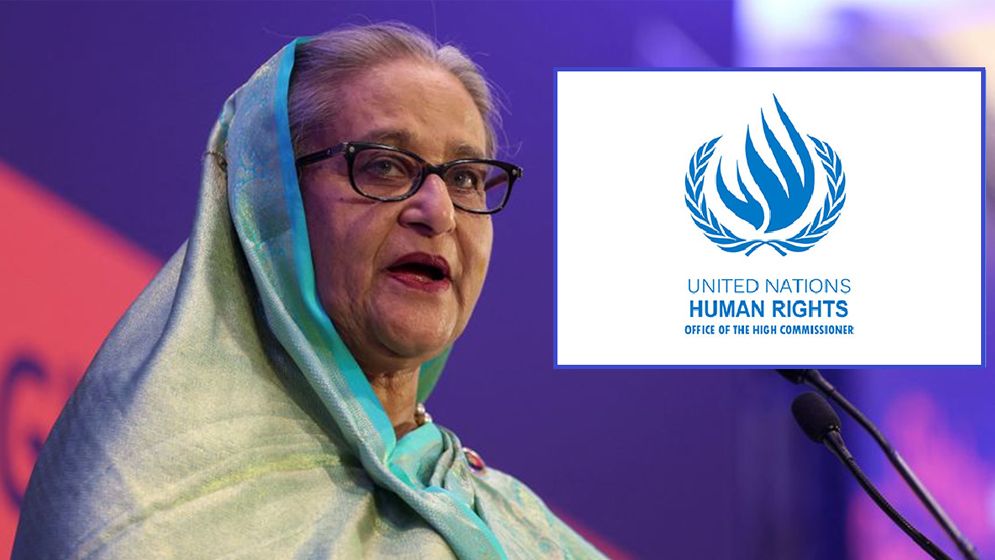
The UN Office of the High Commissioner for Human Rights (OHCHR) has responded to the death sentence handed down to former Bangladeshi Prime Minister Sheikh Hasina and ex-Home Minister Asaduzzaman Khan Kamal by Bangladesh’s International Crimes Tribunal. OHCHR spokesperson Ravina Shamdasani said from Geneva that the verdict marks a significant moment for victims of serious rights violations during the July uprising. She reiterated the UN’s call for accountability in line with international standards, including for those in leadership roles, and for ensuring victims receive effective remedies and compensation. Shamdasani noted that the trial was held in absentia and stressed the importance of fair trial standards, especially given the imposition of the death penalty, which the UN opposes in all cases. She urged all parties to act with restraint and said High Commissioner Volker Türk hopes Bangladesh will pursue truth, justice, and reform to prevent future abuses, with OHCHR ready to assist.
Police in Barishal have arrested Masum, the joint convener of the 10th Ward unit of the Jatiyatabadi Chhatra Dal (JCD), who previously bit a police officer and escaped custody. The arrest took place on Sunday night at Masum’s residence in the Bhatar Khal area. According to Kotwali Model Police Station Officer-in-Charge Md Mizanur Rahman, Masum was wanted in multiple cases and had fled after injuring an officer during an earlier arrest attempt. Following his capture, Masum was presented before a court on Monday, which ordered his imprisonment. The incident had earlier led to a case being filed by ATSI Mahbub from Naniburi outpost. Barishal City JCD President Rezaul Karim Rony stated that the organization would not take responsibility for Masum’s personal actions and that he would be expelled from the party soon. The case highlights ongoing tensions between law enforcement and opposition-linked student groups in the region.
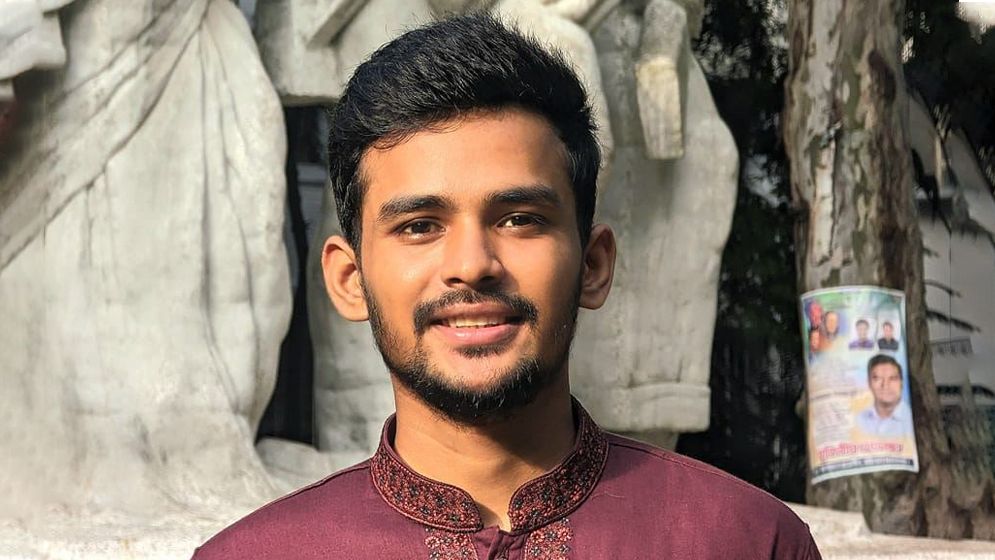
Following the International Crimes Tribunal’s verdict sentencing fugitive former Prime Minister Sheikh Hasina to death for crimes against humanity committed during the July uprising, reports emerged of sweets being distributed across Bangladesh, including in the capital Dhaka. In apparent response to these celebrations, Youth and Sports Adviser Asif Mahmud posted a brief message on Facebook stating, 'There are no sweets anywhere.' The tribunal, led by Justice Md Golam Mortuza Mojumdar, also sentenced former Home Minister Asaduzzaman Khan Kamal to death and former Inspector General of Police Chowdhury Abdullah Al-Mamun to five years in prison after he turned state witness. Asif Mahmud’s post has drawn attention and speculation on social media, with many interpreting it as a subtle reaction to the public mood following the high-profile verdict.
Throughout history, several heads of state and government have faced execution following accusations of tyranny, corruption, or betrayal of their nations. England’s King Charles I was executed in 1649 after being convicted of treason for defying Parliament. In Turkey, Prime Minister Adnan Menderes was hanged in 1961 following a military coup and charges of constitutional violations and corruption. Pakistan’s former Prime Minister Zulfikar Ali Bhutto was executed in 1979 after a controversial trial under General Zia-ul-Haq’s regime. Iran’s former Prime Minister Amir-Abbas Hoveyda was shot dead in 1979 following the Islamic Revolution, in a trial criticized for its lack of due process. Other notable leaders who met similar fates include France’s King Louis XVI, Hungary’s Imre Nagy, Romania’s Nicolae Ceaușescu, and Japan’s Hideki Tojo. These cases highlight how political downfall and authoritarian rule have often led to the ultimate punishment — death.

Bangladesh’s International Crimes Tribunal has sentenced former Prime Minister Sheikh Hasina and former Home Minister Asaduzzaman Khan Kamal to death for crimes against humanity committed during the July uprising last year. Both are reportedly in India. Chief Prosecutor Mohammad Tajul Islam stated that Bangladesh could bring them back through two legal avenues: the 2013 extradition treaty with India or via Interpol. He expressed confidence that India, respecting the rule of law, would cooperate. The tribunal also ordered confiscation of the convicts’ properties to be distributed among the July uprising victims. Former Inspector General of Police Chowdhury Abdullah Al Mamun received a five-year prison sentence as a state witness. The prosecutor emphasized that Bangladesh has maintained international standards in prosecuting complex crimes and that the verdict would stand in any global court. The Home and Foreign Ministries are expected to coordinate the extradition process.
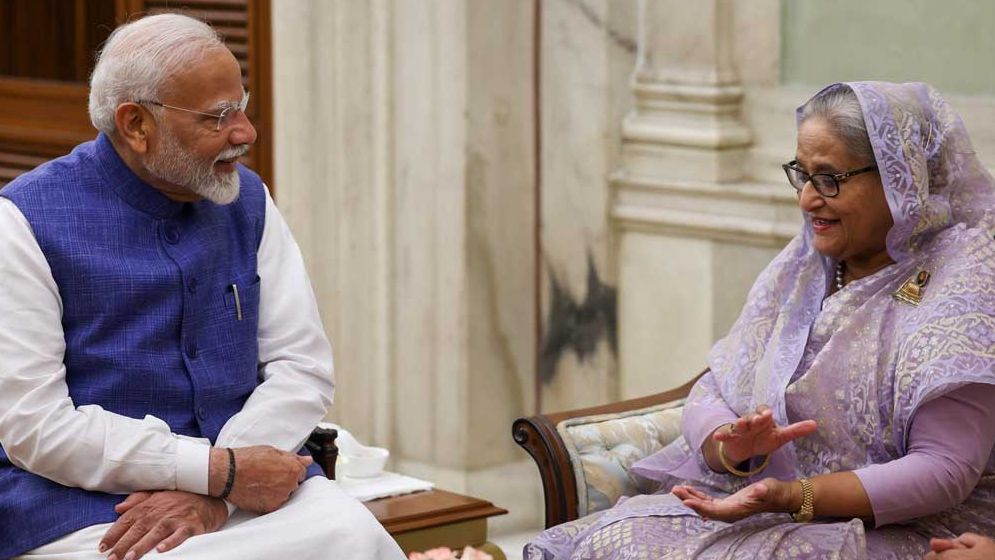
Former Bangladeshi Prime Minister Sheikh Hasina, ousted during the July uprising, is now facing a total of 686 legal cases across the country. According to police headquarters, 324 of these involve murder charges, with 321 filed in Dhaka alone. The cases include allegations of abduction, attempted murder, violence, sabotage, and incitement. Five cases have been filed in the International Crimes Tribunal, including one related to the Shapla Chattar massacre, where a death sentence was recently issued. Additionally, the Anti-Corruption Commission has lodged six cases against her. Many of these cases stem from the violent aftermath of last year’s July–August protests, which led to over 1,600 cases nationwide. Of these, 580 cases against Hasina remain under investigation. On July 2, the International Crimes Tribunal sentenced her to six months in jail for contempt of court. The first case against her was filed on August 13 last year over the murder of businessman Abu Sayeed in Mohammadpur.
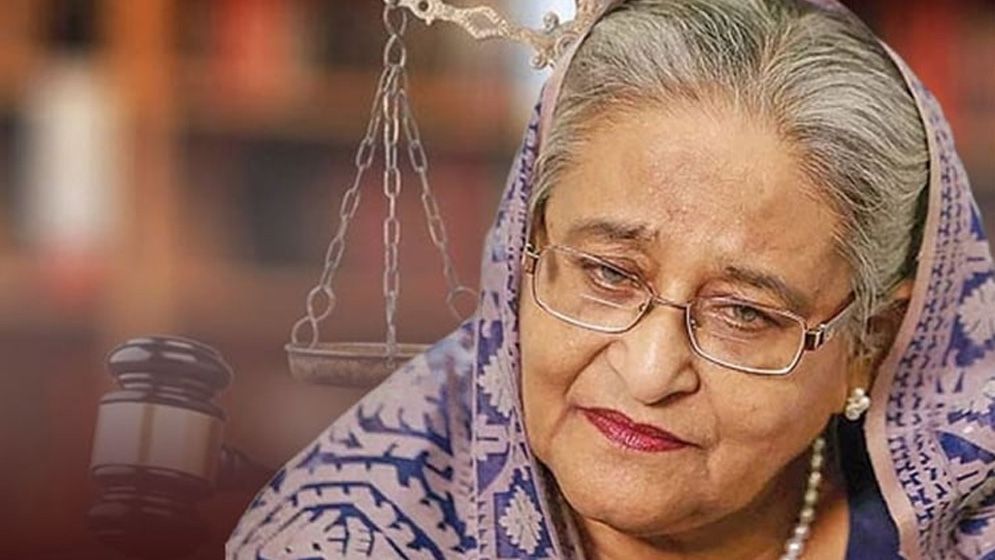
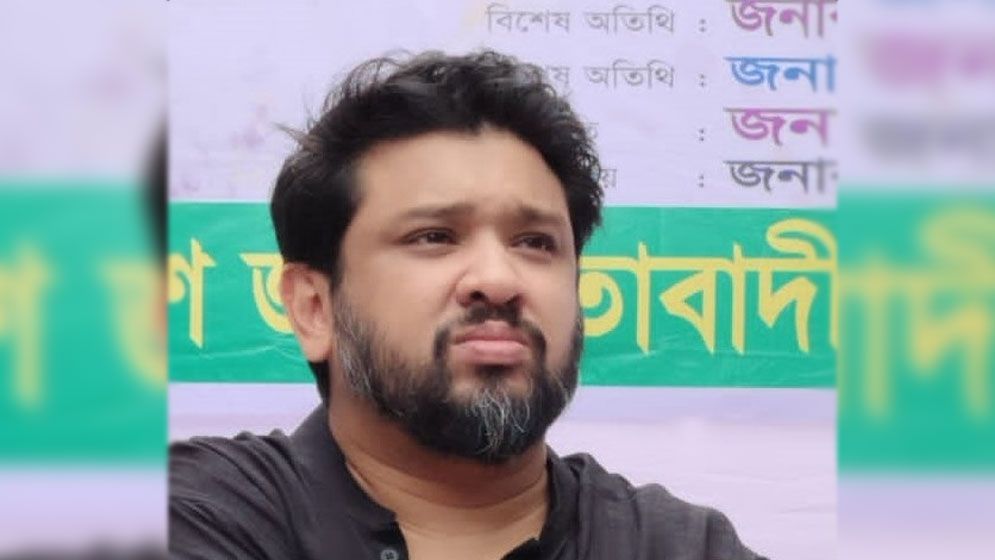
Following the death sentence of former Prime Minister Sheikh Hasina by Bangladesh’s International Crimes Tribunal-1, a past video of executed BNP leader Salahuddin Quader Chowdhury has gone viral. In the clip, Chowdhury is heard predicting that one day the same tribunal would sentence Hasina to death. His son, Hummam Quader Chowdhury, commented that his father’s words reflected a belief held by many Bangladeshis. Speaking to the media in Rangunia, Hummam described the prophecy as symbolic of public sentiment against Hasina’s alleged misdeeds. The tribunal, led by Justice Md Golam Mortuza Mojumdar, sentenced Hasina to death on three charges and life imprisonment on two others. Former Home Minister Asaduzzaman Khan Kamal was also sentenced to death, while ex-Inspector General of Police Chowdhury Abdullah Al-Mamun received a five-year prison term. The verdict has triggered widespread debate and emotional responses across Bangladesh’s political landscape.
The ‘1 Nojor’ media platform is now live in beta, inviting users to explore and provide feedback as we continue to refine the experience.