

The ‘1 Nojor’ media platform is now live in beta, inviting users to explore and provide feedback as we continue to refine the experience.
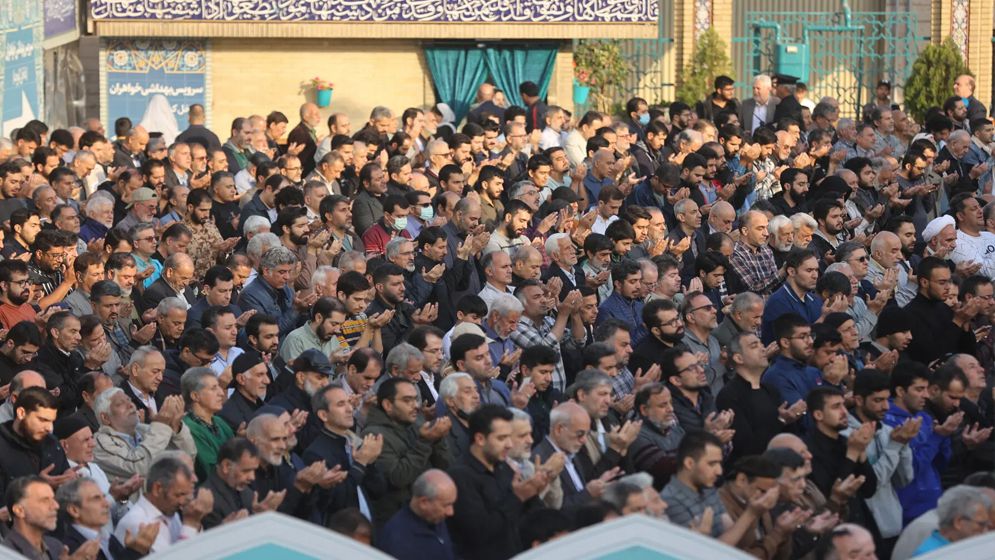
Thousands of residents in northern Tehran gathered at Imamzadeh Saleh Mosque on Friday, November 14, to pray for rain as Iran faces one of its worst droughts in decades. Local officials reported that rainfall in the capital has dropped to its lowest level in a century, with half of the country’s provinces experiencing months without precipitation. The government has begun rationing water supplies for Tehran’s 10 million residents, implementing periodic shutdowns to conserve resources. President Masoud Pezeshkian recently warned that if rain does not arrive before winter, authorities might need to consider relocating residents, though officials later clarified he intended only to highlight the severity of the situation. Five major dams supplying Tehran are nearly empty, with one completely dry and another below 8% capacity. Nationwide, rainfall this year has reached only 152 millimeters—40% below the 57-year average—raising fears of worsening water shortages across Iran.
Police in Gazipur recovered the throat-slit body of a woman, Rahima Begum, from a multi-story building in the Konabari Nawab Ali Market area on Saturday morning. Her husband, Imran Hossain, was found injured beside her and taken to a medical facility for treatment. According to police, Imran, a butcher by profession, and Rahima, a homemaker, were in their second marriage. Their daughter, Sharmin, told investigators that her father allegedly killed her mother before attempting to slit his own throat. Law enforcement officials are continuing to question the daughter and other family members while legal proceedings are underway. The incident has shocked the local community, and police are investigating the motive behind the tragic event.
-69182ff195b21.jpg)
Bangladesh Jamaat-e-Islami Secretary General and former MP Mia Golam Porwar cautioned that if the forthcoming national election resembles those of 2014, 2018, or 2024, the nation will face severe hardship. Speaking at a motorcycle rally in Khulna’s Zero Point, Porwar urged the administration to remain neutral and ensure a transparent election where all candidates have equal opportunity. He criticized previous governments for corruption and misrule, calling for a new Bangladesh based on Islamic principles. Porwar emphasized rejecting candidates who misuse wealth or engage in corruption, urging people to vote for the 'balance scale' symbol. The rally, attended by over 500 motorcycles, covered several areas of Khulna and ended at Shiromoni Shaheed Minar. He also highlighted the youth’s role in driving change and expressed optimism that the upcoming election would bring transformation toward a peaceful and just Bangladesh.
-69182fda95947.jpg)
A 25-year-old tourist named Md. Iqbal Hossain from Demra, Dhaka, went missing while bathing in the Nafakhum Waterfall in Thanchi upazila of Bandarban on Friday, November 14. He was part of an 11-member group visiting the remote waterfall without a local guide, despite a travel restriction in the area. According to local authorities and the Border Guard Bangladesh (BGB), Iqbal was swept away by the strong current while swimming. Rescue operations have been launched by law enforcement agencies and local volunteers, but he remains untraced. The local tourist guide association stated that visitors are only allowed to travel up to Tindu and Remakri Boropathor areas and must be accompanied by a registered local guide, as per administrative directives. Authorities have urged tourists to follow safety and travel guidelines strictly to prevent such incidents.
-69182f0129d6c.jpg)
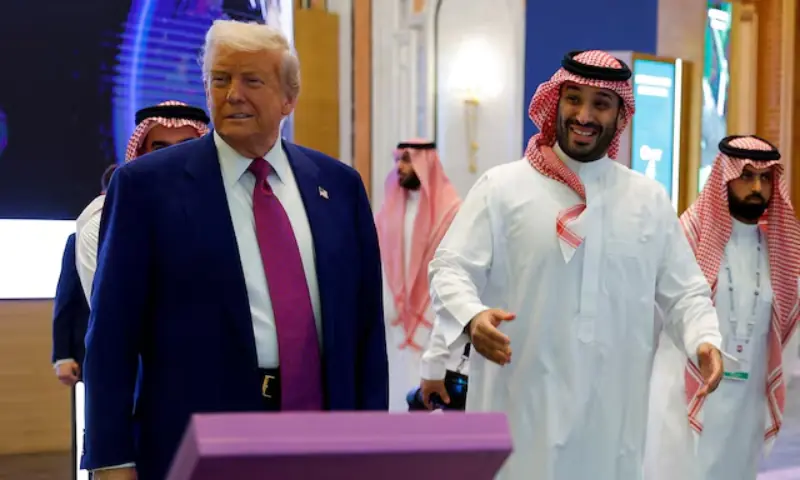
Former US President Donald Trump said he is considering a deal to sell F-35 stealth fighter jets, manufactured by Lockheed Martin, to Saudi Arabia. The announcement comes ahead of Saudi Crown Prince Mohammed bin Salman’s planned visit to the White House, where economic and defense agreements are expected to be discussed. Trump described the upcoming meeting as an occasion to 'honor' Saudi Arabia and expressed hope that Riyadh would eventually join the Abraham Accords. However, a Pentagon intelligence report has reportedly raised concerns that such a sale could risk sensitive technology being accessed by China. The potential deal is part of broader US-Saudi defense talks, with Riyadh seeking security guarantees and access to advanced weaponry. The two nations have long maintained a strategic partnership centered on oil and defense cooperation.
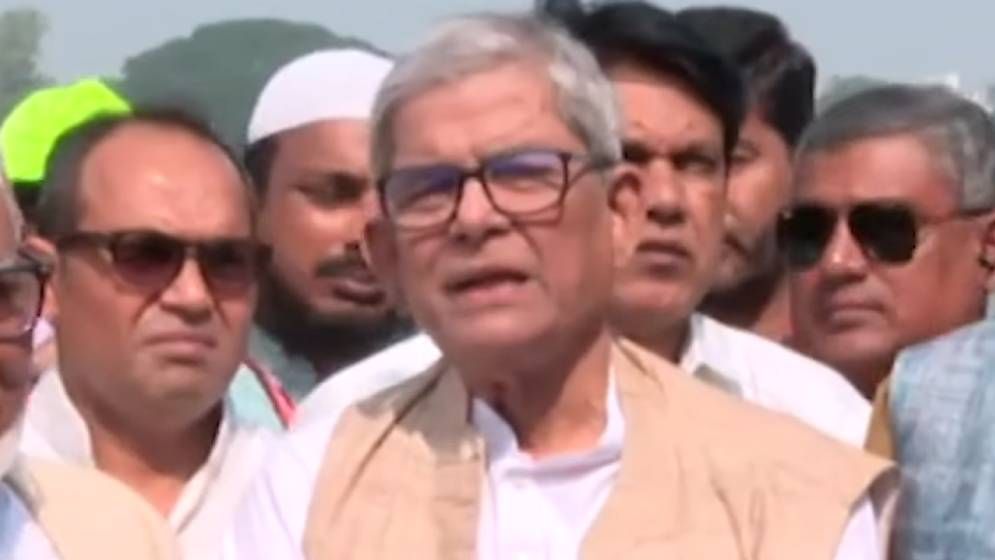
BNP Secretary General Mirza Fakhrul Islam Alamgir has alleged that a certain group is trying to create division within the Bangladesh Nationalist Party (BNP) for its own benefit. Speaking at a gathering in Godagari, Rajshahi, after visiting the grave of late BNP leader Barrister Aminul Haque, Fakhrul urged party leaders and activists to remain vigilant and united. He introduced retired Major General Sharif Uddin, who received BNP’s preliminary nomination for the Rajshahi-1 constituency, and called on members to support him. Fakhrul also criticized another political group that he claimed seeks power but lacks the capacity to restore order or bring meaningful change to the country. He praised Aminul Haque’s contributions to the region and emphasized the importance of unity under the leadership of acting chairman Tarique Rahman. Senior BNP leaders, including Mizanur Rahman Minu and former Rajshahi mayor Mosaddek Hossain Bulbul, were present at the event.
-69182c1e703fd.jpg)
BNP Secretary General Mirza Fakhrul Islam Alamgir has accused India of exercising undue dominance over Bangladesh in water-sharing agreements, particularly concerning the Ganges and other transboundary rivers. Speaking during a visit to the Mahananda River in Chapainawabganj ahead of a BNP rally themed 'Save the Padma,' Fakhrul said Bangladesh continues to suffer from water scarcity and river erosion due to India’s control of upstream flows. He criticized the Awami League government for failing to secure equitable water distribution and vowed that a future BNP government would prioritize fair water-sharing, revive the Ganges Barrage project, and strengthen the Joint Rivers Commission. Fakhrul also linked river protection to climate resilience, warning that environmental degradation threatens Bangladesh’s ecological balance. He emphasized that only an elected government can effectively defend national interests and pledged to pressure India to stop what he termed 'hegemonic behavior' while maintaining respectful bilateral relations.
A senior Ukrainian intelligence official has claimed that Russia intends to manufacture up to 120,000 glide bombs in 2025, including 500 new long-range models capable of reaching targets up to 200 kilometers away. Major General Vadym Skibitskyi, deputy head of Ukraine’s Defense Intelligence, said Russia is currently firing 200–250 glide bombs daily, a sharp increase from previous months. The weapons, cheaper and more abundant than missiles, have caused widespread destruction in Ukrainian cities such as Kharkiv and Kherson. Skibitskyi also estimated that Russia will produce about 70,000 long-range drones this year, including 30,000 Shahed models used to target Ukraine’s energy infrastructure. He warned that these developments pose a growing threat, allowing Russia to strike deep into Ukrainian territory without crossing front lines. Skibitskyi further noted that North Korea has supplied Russia with millions of artillery shells since 2023 but that deliveries have recently declined as Pyongyang’s stockpiles dwindle. North Korea has also begun producing its own battlefield drones, reportedly learning from the conflict.

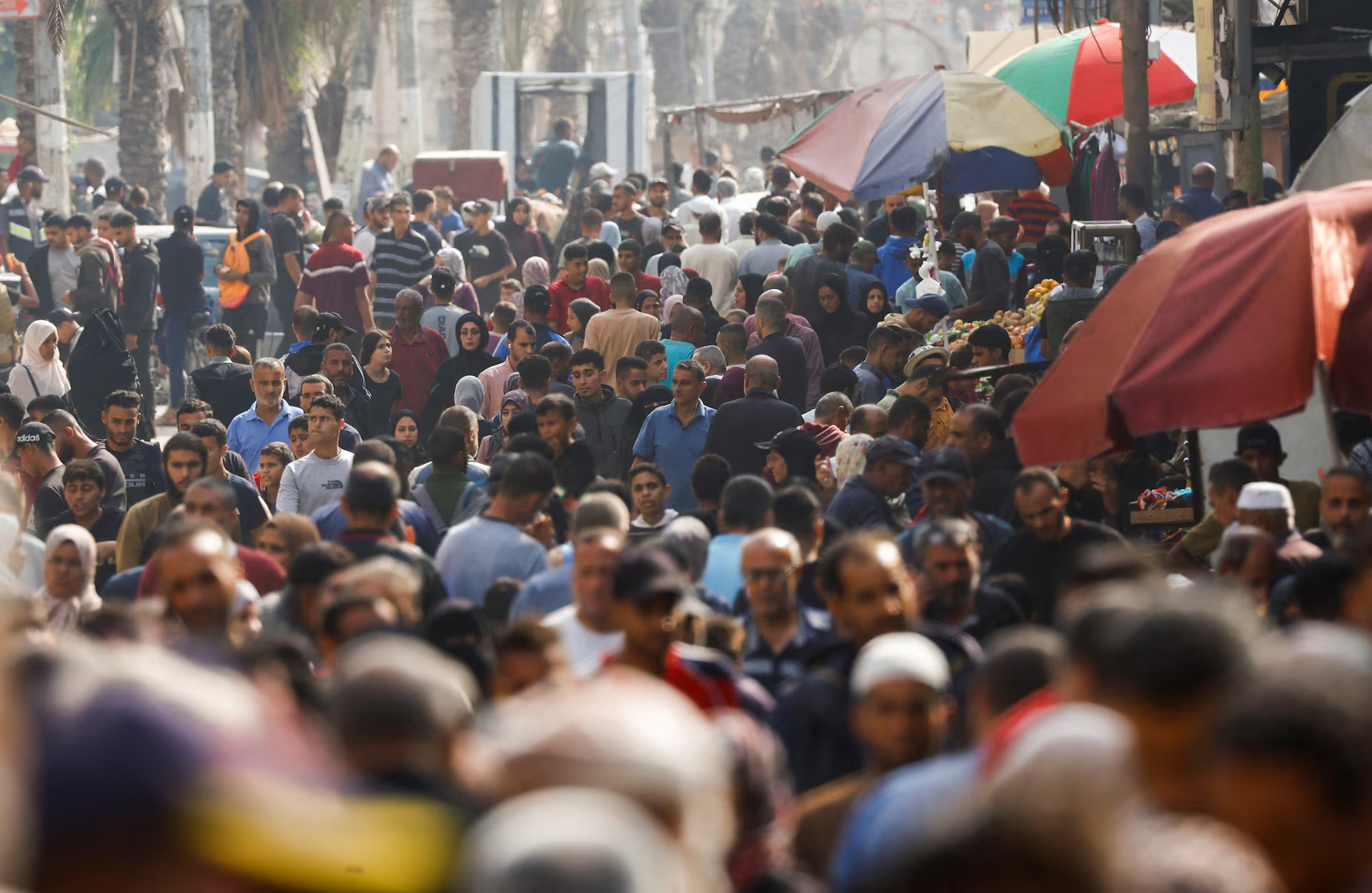
Hamas is reasserting its control over Gaza following last month’s ceasefire, despite international calls for it to step aside under a U.S.-backed post-war transition plan. Residents report that Hamas has resumed administrative functions such as regulating prices, levying fees on goods like fuel and cigarettes, and punishing alleged collaborators. While Hamas denies imposing new taxes, it claims to be maintaining order and preparing for a smooth transition to a technocratic administration. The U.S. plan, initiated under President Donald Trump, envisions a multinational security force, Hamas’ disarmament, and reconstruction efforts. However, with Israeli forces still occupying parts of Gaza and no consensus on who will govern, the process has stalled. Analysts say Hamas is using the delay to entrench its authority further. The U.S. State Department insists Hamas “cannot and will not govern” Gaza, while the Palestinian Authority seeks a role in any new administration. Meanwhile, Gazans continue to face severe economic hardship and uncertainty over their political future.
The US military has confirmed that four people were killed in a strike on a boat in international waters in the Caribbean, marking the 20th such attack on suspected drug-trafficking vessels in recent months. The strike, authorized by Defense Secretary Pete Hegseth, was part of what has been named 'Operation Southern Spear,' which now involves around 12,000 US sailors and Marines in the region. Human rights experts have condemned the attacks as extrajudicial killings. Meanwhile, reports indicate that senior Trump administration officials have held multiple White House meetings to discuss potential military action against Venezuela. The military buildup, including the deployment of F-35s, warships, and the Gerald R. Ford Carrier Strike Group, has drawn criticism from Latin American leaders who argue it violates the 2014 'Zone of Peace' agreement. A Reuters/Ipsos poll found limited US public support for the strikes or intervention in Venezuela, with only 21 percent backing military involvement.

Bangladesh’s education system faces a growing disparity between government and MPO (Monthly Pay Order) teachers, despite both groups performing the same duties with similar qualifications. Government teachers enjoy higher salaries, housing and medical allowances, full festival bonuses, and pension benefits, ensuring financial stability and social respect. In contrast, MPO-listed teachers receive limited allowances, partial bonuses, and no full pension, with deductions made for welfare and retirement funds that are often delayed in disbursement. This economic and social inequality has created frustration among MPO teachers, many of whom have long demanded nationalization of their jobs or parity in benefits. The divide not only affects teachers’ morale but also threatens the overall quality of education. Observers argue that ensuring equal dignity and fair treatment for all teachers is essential for improving the nation’s education system and restoring respect to the teaching profession.
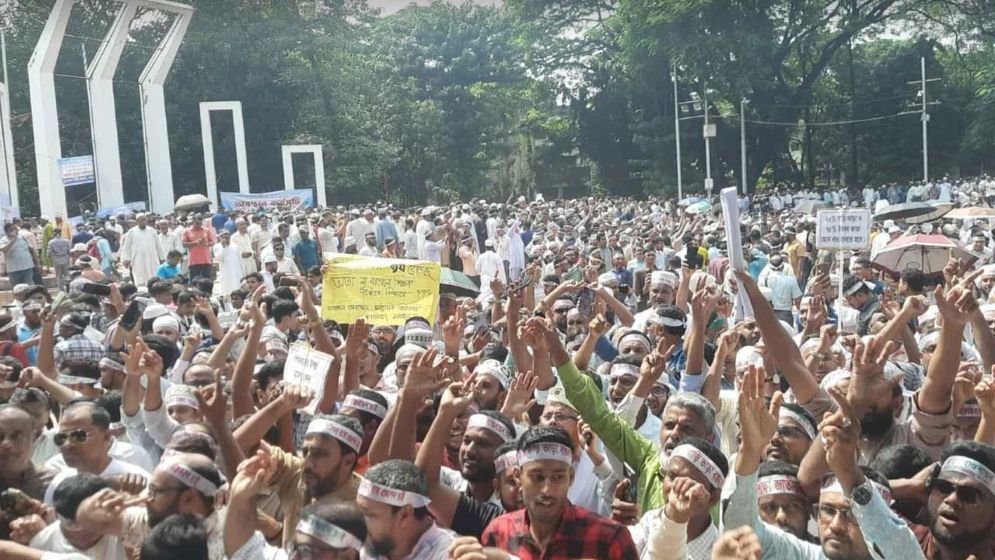
Leaders from several Bangladeshi political parties, including the BNP and Jamaat-e-Islami, attended the International Khatme Nabuwwat Grand Conference held at Suhrawardy Udyan in Dhaka on Saturday. The religious gathering, organized by the Combined Khatme Nabuwwat Council, began at 9 a.m. and continued until 2 p.m. Thousands of participants from across Bangladesh arrived by foot, private vehicles, buses, and metro to join the event, which called for declaring the Ahmadiyya community as non-Muslim. Prominent clerics and scholars from Saudi Arabia, India, Pakistan, and Egypt participated, including Maulana Fazlur Rahman of Pakistan, Maulana Mahmood Madani of India, and Sheikh Musab Nabil Ibrahim of Al-Azhar University. Senior Bangladeshi religious figures such as Mufti Rezaul Karim, Maulana Shah Muhibbullah Babunagari, and Mufti Abdul Malek were also present. The conference was presided over by Maulana Abdul Hamid, convener of the Combined Khatme Nabuwwat Council and Amir of the Khatme Nabuwwat Protection Committee Bangladesh.

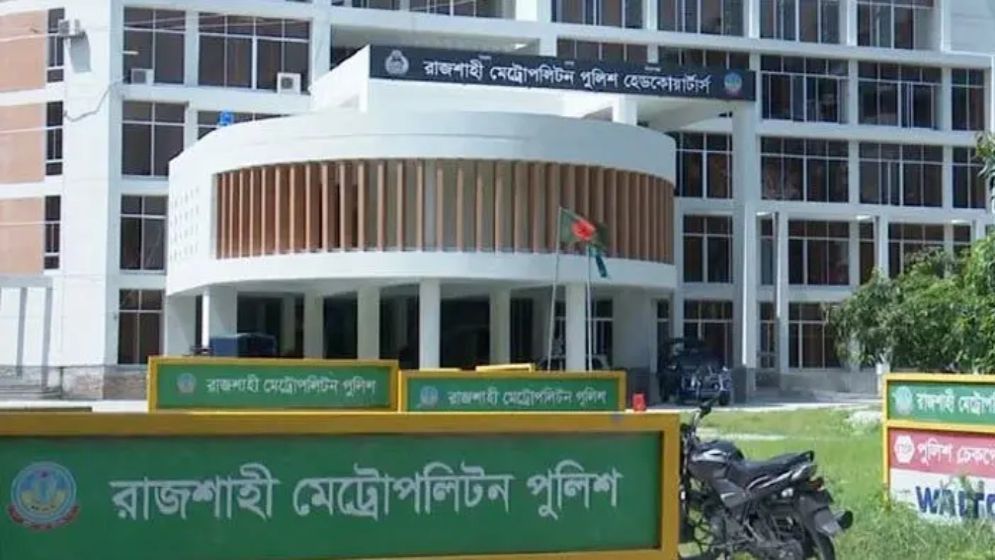
A Rajshahi court has issued a show-cause notice to Rajshahi Metropolitan Police Commissioner Mohammad Abu Sufian for allowing a murder suspect to speak to the media while in police custody. The notice follows the killing of Tawsif Rahman, son of a district judge, at an apartment in Terkhadia, Rajshahi. The accused, Limon Mia, allegedly stabbed Tawsif to death and injured his mother, Tasmin Nahar Lusi, before being arrested and hospitalized. Media reports later showed Limon making statements blaming the victim, which the court said violated Supreme Court directives prohibiting accused persons from making public statements while under police custody. The Metropolitan Magistrate Court issued the notice on November 15, directing the commissioner to appear in person and explain his actions by November 19.
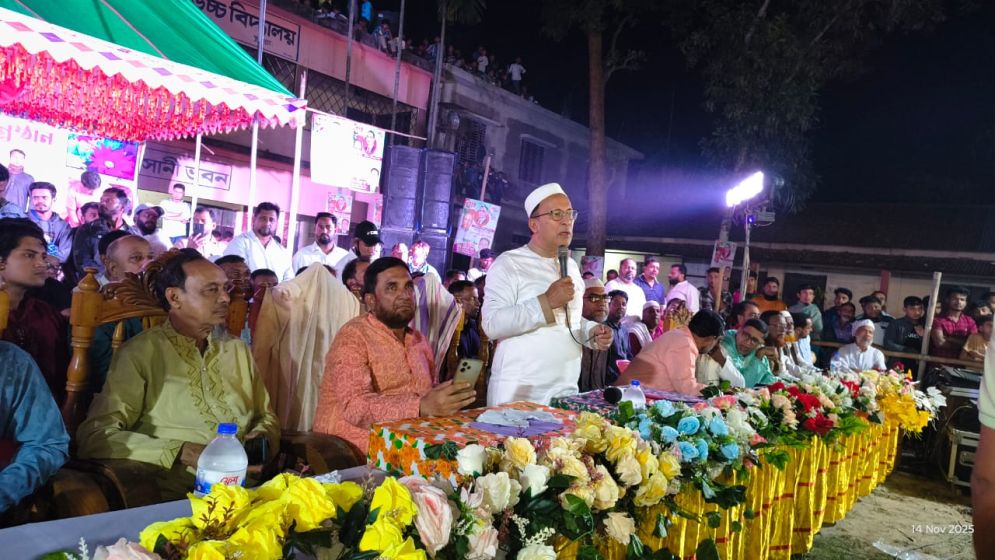
Jasim Uddin, the BNP-nominated candidate for Cumilla-5 (Burichang–Brahmanpara) and former member secretary of Cumilla South District BNP, has alleged that a rival political party is exploiting religion to deceive voters ahead of the national election. Speaking at a local cricket tournament event in Burichang, he claimed that the group is going door-to-door selling so-called 'tickets to heaven' and misleading women with promises of paradise. Jasim described these actions as religious fraud and manipulation. He further alleged that the same party has begun conspiracies to disrupt the upcoming national election. Urging supporters to remain vigilant under the direction of BNP leader Tarique Rahman, he reaffirmed his long-standing political commitment to the region. Jasim also pledged to implement a 'zero tolerance' policy against drugs if elected as a Member of Parliament. The event was attended by several BNP leaders and activists from different levels of the Cumilla district.
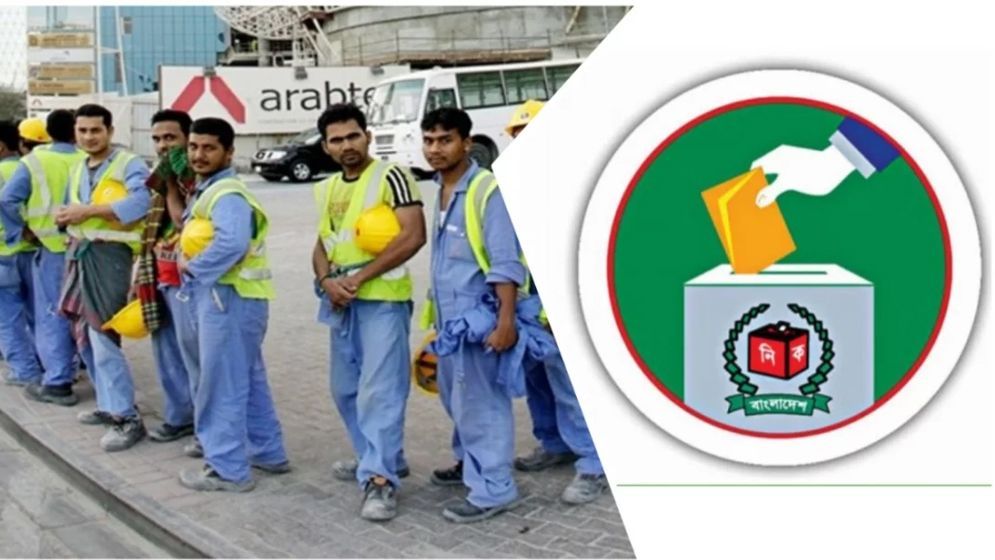
For the first time, Bangladeshi expatriates will be able to vote in the upcoming national election through a new mobile application called 'Postal Vote BD'. The Election Commission (EC) will officially launch the app on November 18, allowing expatriates to register using their international SIM cards and national ID verification with facial recognition. Once registered, ballots will be mailed to their foreign addresses, including all approved party symbols and a 'no' vote option. Voters will mark their preferred candidate and return the ballot through the postal system, managed entirely by the Bangladesh Post Office. Each vote will cost the EC about 700 taka. Ballots must reach returning officers by 4 p.m. on election day to be counted. The EC estimates the process, from ballot dispatch to return, will take 15–30 days. The system includes a tracking feature for transparency. The initiative marks a historic step in extending voting rights to millions of Bangladeshis living abroad.
The ‘1 Nojor’ media platform is now live in beta, inviting users to explore and provide feedback as we continue to refine the experience.