

The ‘1 Nojor’ media platform is now live in beta, inviting users to explore and provide feedback as we continue to refine the experience.
The National Citizen Party (NCP) has extended the deadline for collecting nomination forms for its aspiring candidates until November 20. Previously, the last date for form collection was set for November 13, following the start of sales on November 6. The extension was announced via the party’s official Facebook page late on November 13. According to the updated schedule, candidates can apply both online and offline. Online applications can be submitted through the website nomination.ncpbd.org, while offline forms can be collected from the NCP central office or through regional organizers and divisional secretaries. The extension aims to accommodate more applicants and ensure a smooth nomination process ahead of upcoming political activities.

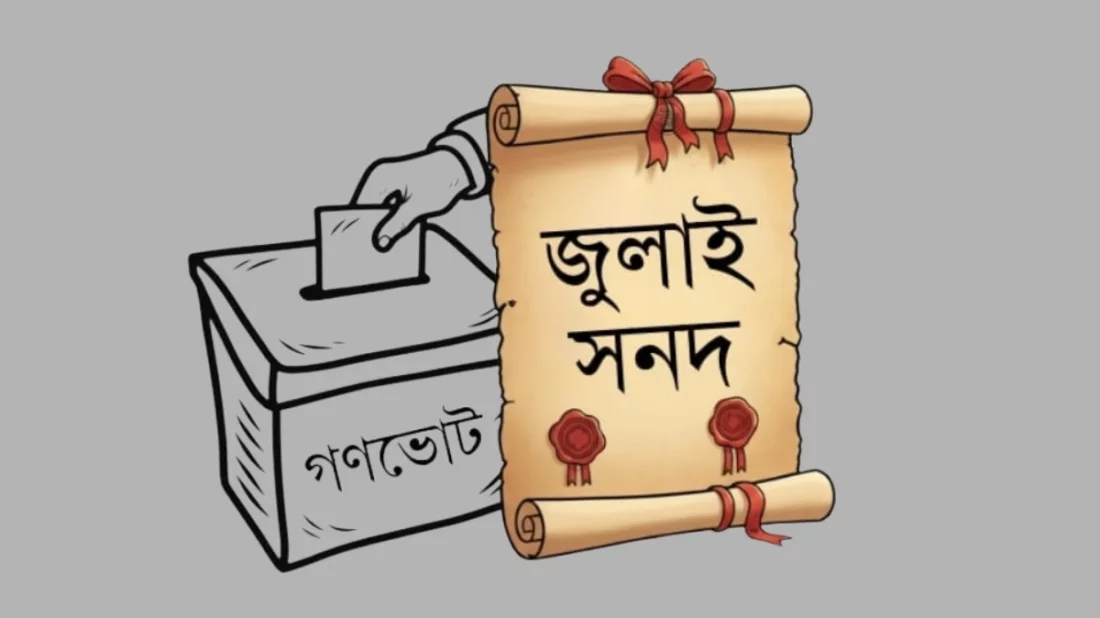
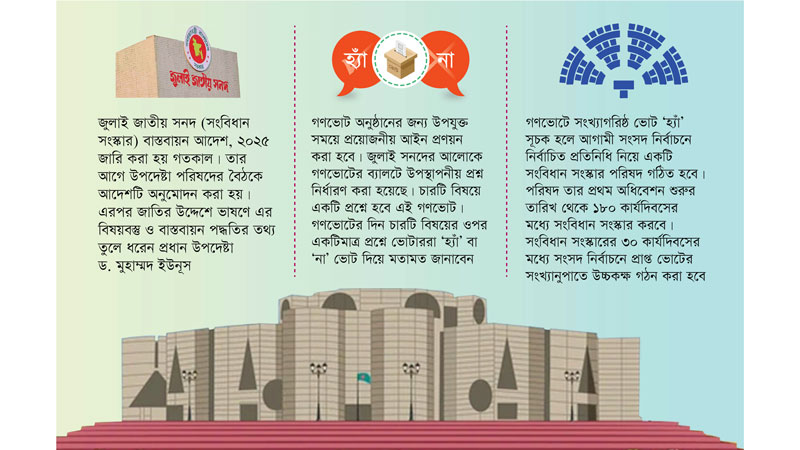
Bangladesh’s Chief Adviser Professor Muhammad Yunus announced that a national referendum will be held on the same day as the upcoming 13th parliamentary election. Voters will cast a single ‘yes’ or ‘no’ vote on a question covering four key reform issues under the July National Charter. If the majority votes ‘yes,’ a Constitutional Reform Council will be formed with elected representatives who will also serve as members of parliament. The council will have 180 working days to complete constitutional amendments, after which a 100-member upper house will be established proportionally based on election results. The reforms include introducing a bicameral legislature, limiting the prime minister’s term, expanding women’s representation, strengthening the presidency, and ensuring judicial independence. The July Charter will also be incorporated into the constitution as part of the reform process.
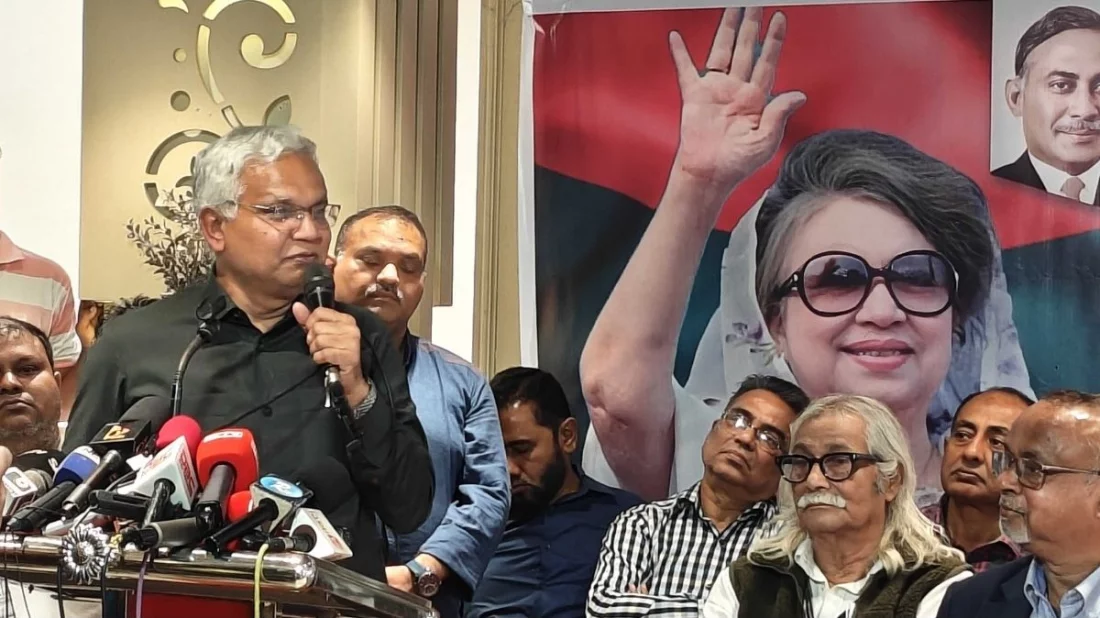
BNP Standing Committee member Professor Dr. AZM Zahid Hossain stated that during Bangladesh’s Liberation War, while many surrendered or fled across the border, Ziaur Rahman did not. Instead, he declared independence and fought with arms. Speaking at a meeting in Dinajpur Sadar-3 constituency regarding Khaleda Zia’s nomination, Zahid highlighted Zia’s contributions to restoring multiparty democracy and promoting economic progress. He emphasized Zia’s vision of ‘Bangladeshi nationalism’ that united people beyond religious divisions. Warning against divisive politics, Zahid urged equitable distribution of development benefits and assured that BNP would not abandon the people if given the chance to govern. The meeting, chaired by district BNP president Mofazzal Hossain Dulal, also assigned Zahid to monitor Khaleda Zia’s campaign activities in the constituency.
Bangladesh has the second-highest rate of diabetes among South Asian countries, with 13.2% of adults aged 20–79 affected, according to the International Diabetes Federation (IDF) 2024 report. Only Pakistan has a higher prevalence at 31.4%. Experts attribute the rise to rapid urbanization, unhealthy diets, reduced physical activity, and stress. They warn that without lifestyle changes, diabetes could lead to serious complications such as heart disease, stroke, and kidney failure. Currently, 13.9 million Bangladeshis are estimated to have diabetes, though many remain undiagnosed. The IDF projects that by 2045, the number could reach 22.3 million. Health specialists urge nationwide screening, awareness campaigns, and workplace wellness initiatives. This year’s World Diabetes Day theme emphasizes building awareness at workplaces to mitigate lifestyle-related risks.

Myanmar’s military junta has launched renewed offensives to reclaim Rakhine State, where the Arakan Army controls about 90 percent of the territory. The junta currently holds only three of 17 townships—Sittwe, Kyaukphyu, and Manaung—but its grip remains weak. Backed by Chinese diplomatic and economic pressure that has weakened several rebel groups, the junta is preparing coordinated land, naval, and air assaults, particularly in southern and central Rakhine. Airstrikes have already intensified, causing civilian casualties and destruction of homes, schools, and religious sites. Analysts say the junta aims to secure Kyaukphyu, a key site for Chinese infrastructure projects, before expanding operations northward. However, logistical challenges, poor ground communication, and lack of local support may hinder progress. The ongoing blockade has devastated Rakhine’s economy, leading to food shortages, high prices, and widespread unemployment, while fears grow of mass displacement if fighting escalates further.

Microsoft is developing a global network of interconnected data centers, dubbed 'superclusters', to support the next generation of artificial intelligence models that will use hundreds of trillions of parameters. The initiative began last October by linking data centers in Mount Pleasant, Wisconsin, and Atlanta, Georgia, enabling them to function as a single high-performance computing unit. The company aims to expand this model worldwide, using high-speed internet connections to integrate multiple centers for large-scale AI training. These facilities, called 'Fairwater', employ direct-to-chip liquid cooling to minimize water use. Microsoft Azure CTO Mark Russinovich said the company’s goal is to scale AI infrastructure across multiple centers for efficiency and flexibility. Analysts note that this approach will allow Microsoft to optimize data center locations based on cost, climate, and energy availability.

Sony has reported selling 3.9 million PlayStation 5 (PS5) consoles during the third quarter of this year, covering July to September. Since its launch in 2020, total PS5 sales have reached 84.2 million units globally. The company noted a significant rise in demand following the release of the new video game 'Ghost of Yotei,' which sold 3.3 million copies in just one month. Additionally, Sony’s PlayStation Network has surpassed 110 million monthly active users, reflecting continued growth in its digital gaming and media ecosystem. The strong sales performance underscores Sony’s dominance in the console market and the sustained popularity of its gaming platform.

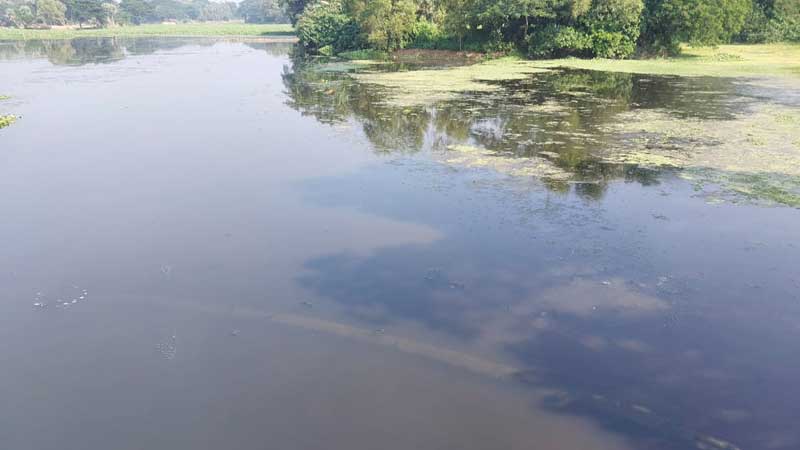
In Mymensingh’s Bhaluka upazila, over 336 acres of farmland have remained uncultivated for more than 15 years due to severe water pollution caused by industrial waste from nearby textile and dyeing factories, including Multazim Mill and Experience Textile Mill. Farmers report that the contaminated water has destroyed crops, killed aquatic life, and caused skin diseases. A government investigation confirmed the damage, estimating total losses at around Tk 33.28 crore, and recommended that the two mills compensate affected farmers. However, the factories have yet to pay. Local authorities say discussions with mill management are ongoing, while environmental officials note that the mills’ effluent treatment capacity is inadequate and waste is being discharged indiscriminately into nearby water bodies.
Chief Election Commissioner (CEC) A.M.M. Nasir Uddin has cautioned that the upcoming 13th National Parliamentary Election in Bangladesh could face credibility issues if political parties do not cooperate with the Election Commission (EC). Speaking at a dialogue with 12 registered political parties, he emphasized the EC’s role as a neutral referee and urged all parties to assist in ensuring a fair and acceptable election. The CEC also highlighted challenges such as overseas voting, voting arrangements for officials, and the misuse of social media. He warned of strict enforcement of the electoral code of conduct, particularly regarding the ban on posters. Party leaders raised concerns over financial barriers, the limited scope of the ‘no vote’ option, and security issues, while some suggested reforms to make the process more inclusive and transparent.

Dhaka University authorities have temporarily suspended five security guards over allegations of negligence in duty. According to a statement issued on Thursday, November 13, the guards were on duty at various university locations between 10 p.m. and 6 a.m. on November 11. During an inspection by the Proctorial Security Mobile Team, the guards were reportedly found neglecting their responsibilities. The suspended guards are Md. Shah Alam and Md. Selim from the Institute of Education and Research (IER), Md. Sangram Hossain from the Faculty of Fine Arts middle gate, Md. Shafiqul Islam from the Department of Nutrition and Food Science, and Md. Ali Ahmed from the back gate of Curzon Hall. The university administration stated that further investigation will determine any additional disciplinary action.

A fire was deliberately set on a railway track in the Bhatsala area of Brahmanbaria’s Akhaura upazila on Thursday night, marking the second such incident in two days. According to Akhaura Railway Police Station Officer-in-Charge SM Shafiqul Islam, miscreants ignited tires, wood, and petrol on the track near the Akhaura-Chinair road. Railway police, security forces, and local police quickly responded, extinguishing the fire before it could disrupt train operations. Authorities have since increased patrols and surveillance around the Akhaura railway junction to prevent further sabotage attempts. The police remain on high alert to ensure the safety of rail infrastructure and passengers following these repeated arson attempts.

The Amar Bangladesh Party (AB Party) has expressed support for the chief adviser’s recent address, calling it a relatively acceptable solution in the greater interest of the nation. In a statement issued by Chairman Mojibur Rahman and General Secretary Asaduzzaman Fuad, the party said that despite some differences over specific directives, it welcomes the government’s final decisions. These include holding the national election and referendum on the same day, determining upper house seats through proportional representation, and incorporating both agreement and dissent in the referendum ballot. The AB Party emphasized that after extensive debate among political parties, a decisive government resolution was necessary. It urged all political parties, including the BNP and Jamaat-e-Islami, to avoid division and participate in a free, fair, and festive election to ensure democratic stability in Bangladesh.
The Bangladesh Nationalist Party (BNP) has expressed satisfaction over the Chief Adviser Dr. Muhammad Yunus’s reaffirmation that the national parliamentary elections will be held in the first half of February, along with a referendum on the same day. The BNP’s National Standing Committee, chaired virtually by acting chairman Tarique Rahman from London, conveyed its gratitude during a meeting at the party’s Gulshan office. Following the meeting, Secretary General Mirza Fakhrul Islam Alamgir announced the party’s appreciation at a press conference. The BNP also urged the interim government and the Election Commission to hold the referendum on the July National Charter and to ensure timely parliamentary elections. Senior BNP leaders including Khandaker Mosharraf Hossain, Goyeshwar Chandra Roy, and others attended the meeting.

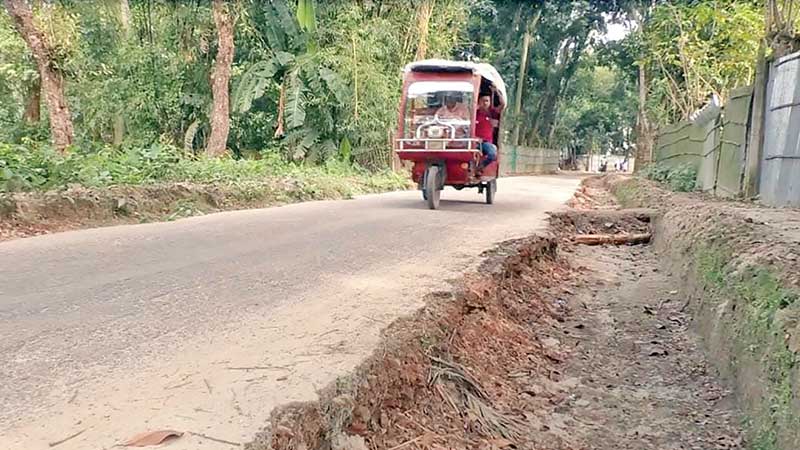
The long-neglected Kurigram-Chilmari road in northern Bangladesh remains in disrepair despite a major renovation project launched by the Local Government Engineering Department (LGED) in early 2024. The 12-kilometer road, vital for connecting several upazilas to Rangpur, was allocated about Tk 14.5 crore for widening and reconstruction. However, with only six weeks left before the project deadline, nearly 90% of the work remains incomplete. Locals allege that the contractor, Khairul Kabir Rana, abandoned the site after digging trenches along the road, leaving it unsafe and unusable. The neglected condition has caused frequent accidents, especially at night, and led residents to stage protests demanding action. LGED officials say repeated notices have been issued to the contractor and warned of punitive measures if the work is not completed on time.
The Bangladeshi government has issued the 'July National Charter (Constitutional Reform) Implementation Order, 2025', setting the referendum on the same day as the upcoming 13th parliamentary election, scheduled for the first half of February. The referendum will ask voters a single question covering four key reform issues, including the creation of a bicameral parliament with a 100-member upper house based on proportional representation. The reforms also propose limiting the prime minister’s tenure, expanding presidential powers, increasing women’s representation, and strengthening judicial independence. Chief Adviser Dr. Muhammad Yunus announced the decision, emphasizing efficiency and cost-effectiveness. Analysts, however, warned that combining four complex issues into one question could confuse voters and limit their ability to express nuanced opinions. The order follows months of political debate and aims to implement the July Charter, which was signed by major political parties after extensive negotiations.
The ‘1 Nojor’ media platform is now live in beta, inviting users to explore and provide feedback as we continue to refine the experience.