

The ‘1 Nojor’ media platform is now live in beta, inviting users to explore and provide feedback as we continue to refine the experience.
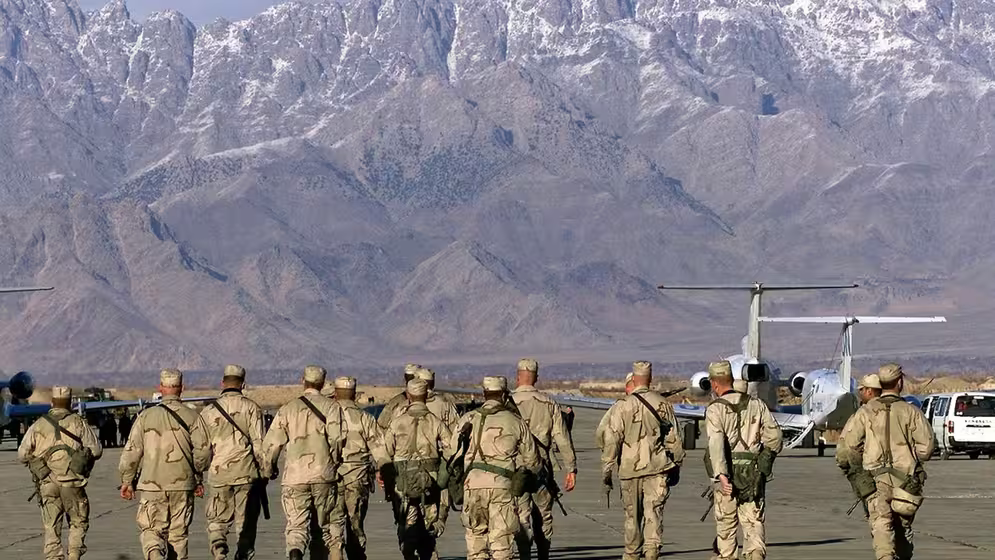
Russia has warned the United States and other foreign powers against establishing military bases in Afghanistan, emphasizing that the country should remain fully independent. Speaking in Samarkand during a CIS security and intelligence meeting, SVR Director Sergei Naryshkin stated that Afghanistan has long been a focal point of international interest, and ensuring no foreign military presence is crucial for both regional stability and the welfare of the Afghan people. Russia advocates for open, equal, and mutually beneficial dialogue and cooperation with Afghanistan, including plans for economically advantageous projects. Naryshkin called on all nations to adopt a similar approach, noting that genuine peace in Afghanistan is only possible through collective efforts. Russia had previously recognized the Islamic Emirate of Afghanistan and lifted restrictions on Taliban activities, paving the way for full diplomatic and economic engagement with Kabul.
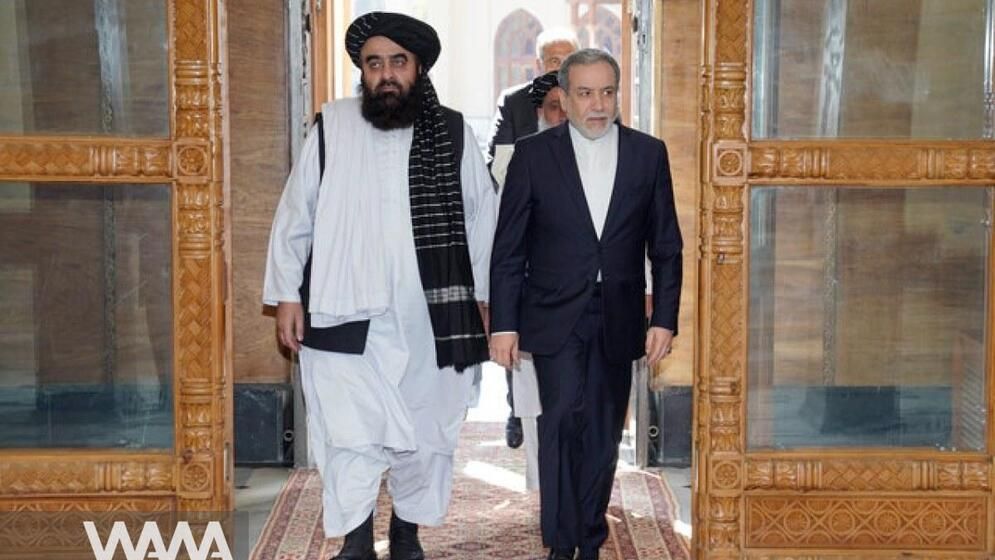
Iran has expressed serious concern over recent border clashes between Afghanistan and Pakistan and has offered to help ease tensions. During a phone conversation on October 18, Iranian Foreign Minister Abbas Araghchi urged both countries to exercise restraint, stop military confrontations, and resolve disputes through dialogue. He warned that continued tension could not only result in humanitarian losses but also threaten the stability of the entire region. Afghan Foreign Minister Amir Khan Muttaqi briefed Araghchi on the situation, emphasizing that the Islamic Emirate prioritizes peaceful solutions over military action. The ministers also discussed the Helmand River water-sharing agreement, stressing adherence to existing treaties, technical cooperation, and joint management to prevent water wastage and ensure Iran receives its rightful share. Both sides agreed to strengthen bilateral relations, maintain border security, prevent foreign interference, and continue close consultation for lasting peace and stability.
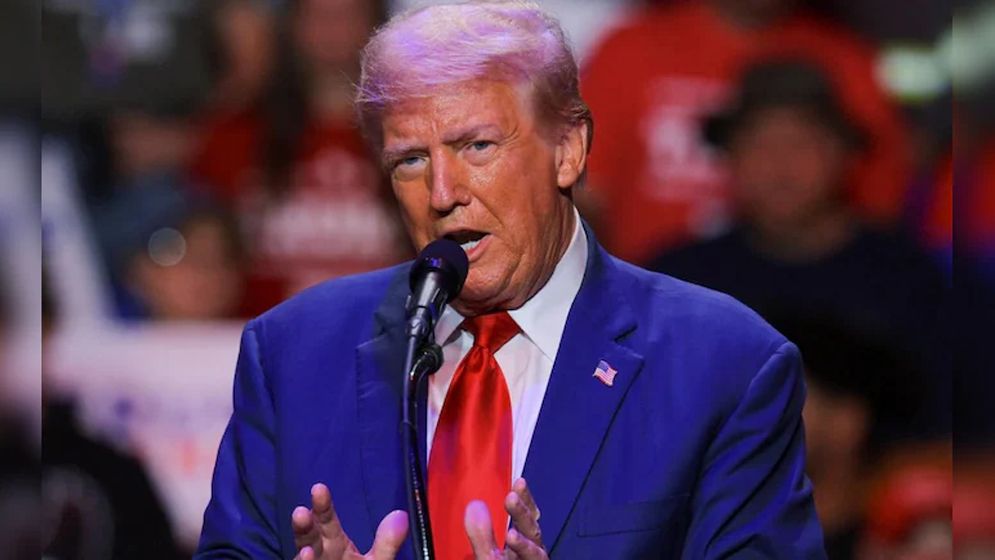
Former U.S. President Donald Trump has expressed optimism that the Abraham Accords, which previously normalized diplomatic relations between Israel and several Arab nations, will soon expand to include Saudi Arabia. In an interview on Fox Business Network, Trump said many other countries are likely to follow once Saudi Arabia joins. He revealed that he recently held positive discussions with several nations showing interest in the agreement. The Abraham Accords were first signed in 2020 by the UAE and Bahrain, marking the first Arab-Israeli normalization in 25 years, with Morocco and Sudan joining later. Trump also met with Muslim and European leaders in Egypt to discuss Gaza’s future, suggesting his proposals could lead to a broader Middle East peace. He even hinted at the possibility of a future Iran-Israel peace deal, emphasizing that it could be a transformative step for the region.
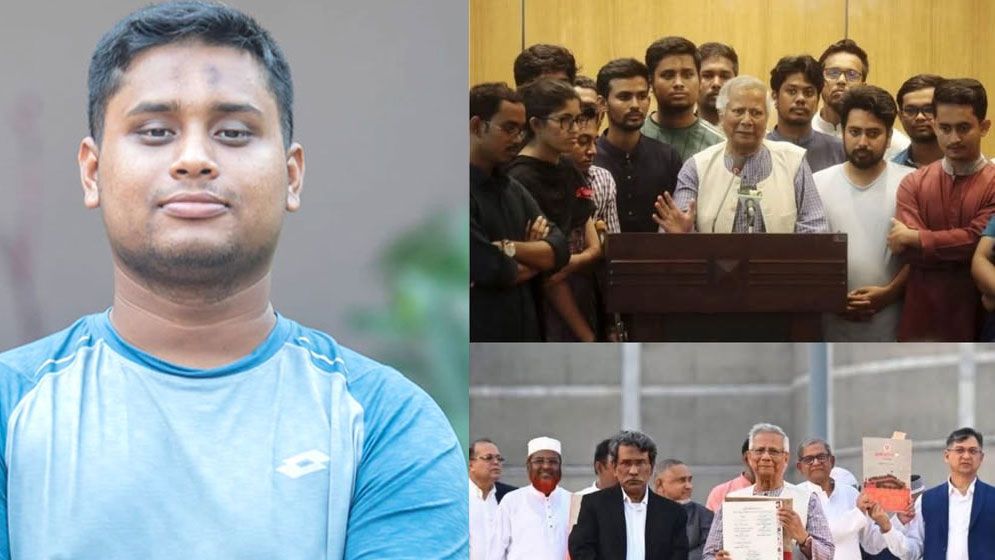
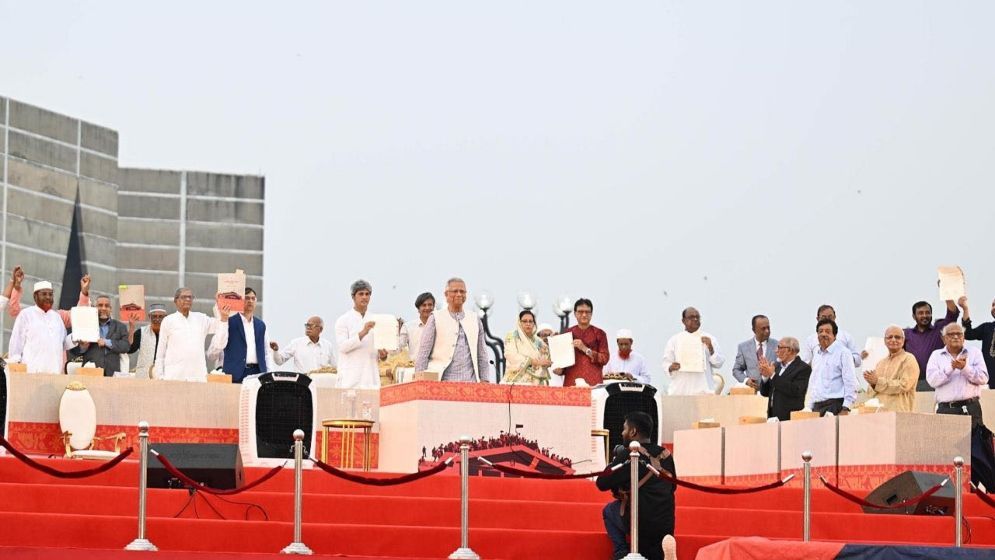
Hasnat Abdullah, chief organizer of the National Citizens’ Party (NCP) in southern Bangladesh, criticized political opportunism on social media, saying his party is always the first to donate blood but disappears when power is at stake. On Saturday, October 18, Hasnat shared a photo on his verified Facebook account juxtaposing two moments: one from last year when Dr. Muhammad Yunus returned to Bangladesh and was welcomed by anti-discrimination student leaders, and another from Friday’s July Certificate signing ceremony at the South Plaza of the National Parliament. He remarked that these images reflect the only visible reform in the country. The first photo shows leaders including Nahid Islam, Hasnat Abdullah, Sarjis Alam, Asif Mahmud, and Umama Fatema greeting Dr. Yunus at the airport. The second shows political party leaders beside the chief adviser during the signing ceremony. NCP, however, did not participate in the event or sign the certificate.
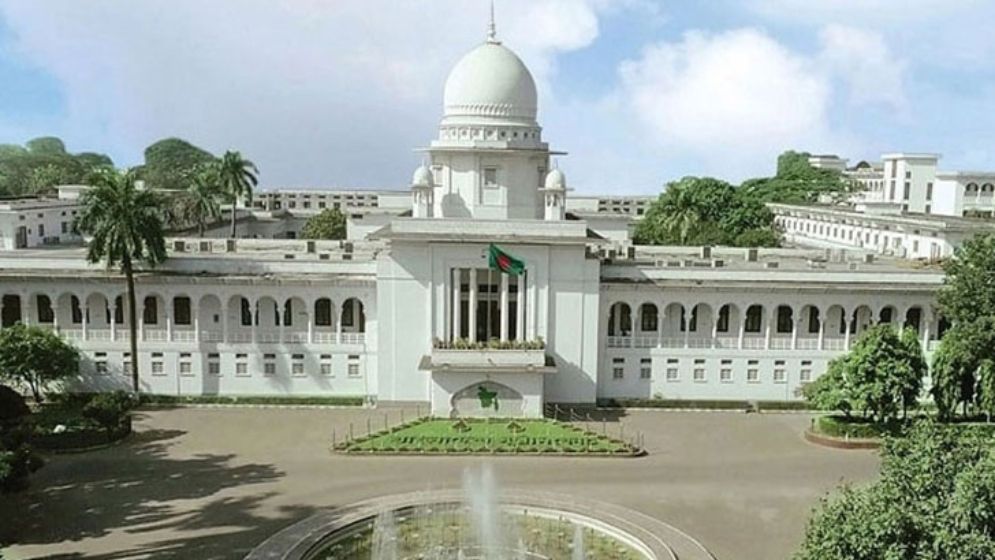
After a 45-day recess, the Supreme Court will resume its regular judicial activities on Sunday, 19 October. Chief Justice Syed Refat Ahmed has reconstituted 66 benches, with urgent and important cases being prioritized during the recess. Among all pending matters, the case concerning the reinstatement of the caretaker government has drawn the most attention. The six-judge Appellate Division, led by Chief Justice Dr. Syed Refat Ahmed, is scheduled to hear the case on 21 October. This follows the court’s earlier acceptance of a leave-to-appeal request after a review of the verdict that annulled the 13th amendment, which introduced the caretaker government system in 1996. During the recess, benches were formed to handle critical cases, and Justice Farah Mahbub was appointed to hear matters in the Appellate Division recess bench.
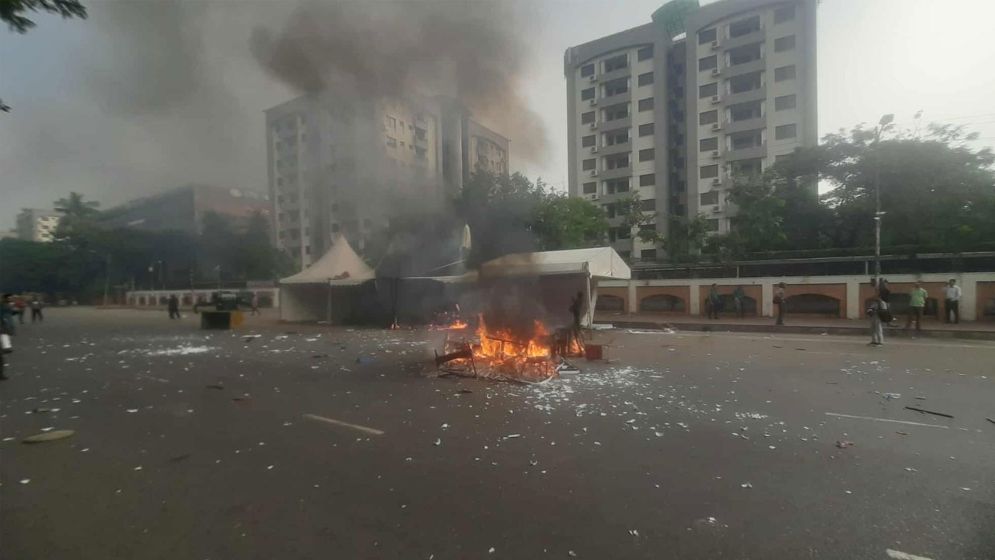
On 17 October, a group of protesters under the banner of “July Warriors” clashed with law enforcement on Manik Mia Avenue in Dhaka, demanding the inclusion of their three demands in the upcoming July certificate. The confrontation escalated around 1:30 PM at Gate 12 of the Parliament, as protesters both inside and outside the premises threw bottles, chairs, bricks, and stones at police. Police responded with sound grenades and tear shells in an effort to disperse the crowd. Several vehicles were vandalized, fires were set on the streets, and a few people were reportedly injured during the clashes. Following the incident, four cases were filed at Sher-e-Bangla Nagar Police Station against approximately 800–900 unidentified individuals. So far, one person, Rimon Chandra Barman, has been arrested. Authorities are continuing their investigation into the violence.
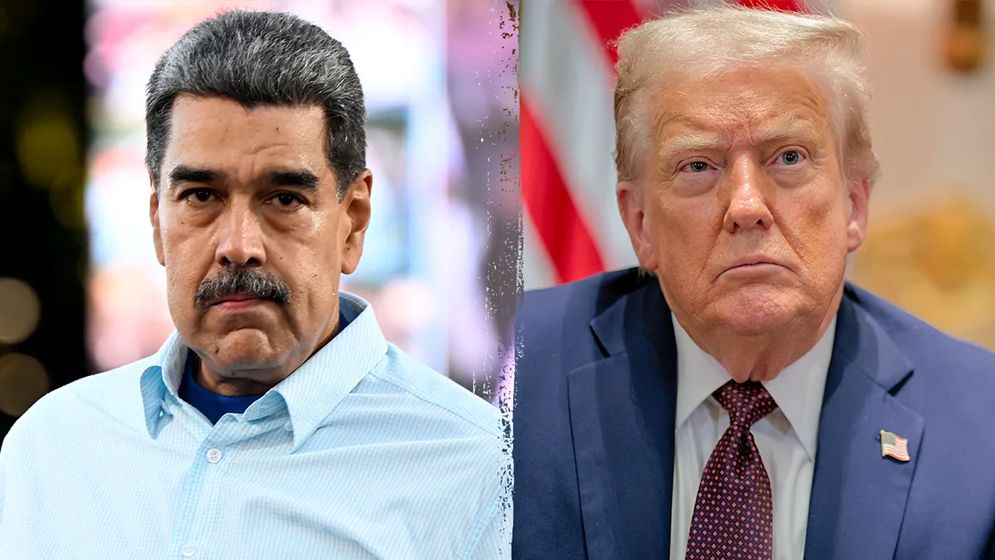
U.S. President Donald Trump openly criticized Venezuelan President Nicolás Maduro in profane language, accusing him of trying to avoid confrontation with the United States. Speaking at the White House, Trump said Maduro had offered major concessions to reduce tensions, using an explicit four-letter word to emphasize his point. Meanwhile, the U.S. has intensified military actions in the Caribbean, targeting suspected drug-smuggling operations linked to Maduro’s government. These operations include stealth fighter jets, seven Navy ships, and attacks on several vessels, reportedly killing over 20 individuals. Trump specifically mentioned striking a submarine designed to transport large quantities of drugs. U.S. Secretary of State Marco Rubio said it is unclear whether any people survived the attacks. Experts warn that carrying out such lethal actions without concrete proof may violate international law, raising concern in Caracas. Recent B-52 patrols further demonstrate U.S. global readiness and deterrence measures.
Bangladesh has recorded a foreign exchange surplus of $480 million in the first two months of the 2025-26 fiscal year, more than double the surplus in the same period last year. According to Bangladesh Bank data, imports increased by nearly 10% to $10.88 billion, while exports rose 11% to $7.93 billion, resulting in a trade deficit of $2.96 billion, slightly higher than last year’s $2.75 billion. Capital goods imports surged 24.5%, and intermediate goods imports grew by 8.2%. Officials attribute the improvement to reduced opportunities for illicit money transfers following recent government changes. Meanwhile, the country’s foreign exchange reserves have increased by $8 billion, surpassing $32 billion. Sustained growth in exports and remittances continues to support the positive trajectory of Bangladesh’s external sector.
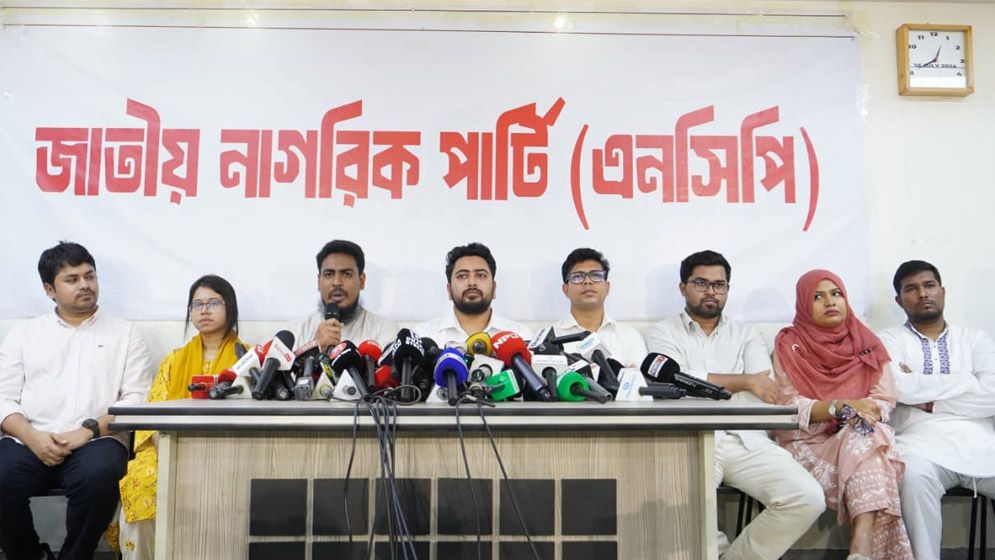
National Citizens Party (NCP) convener Nahid Islam stated that the party will respond if the Unity Commission calls for discussions. Speaking at a press conference on 18 October at the NCP’s temporary central office in Banglamotor, Dhaka, he emphasized that the July Charter has no connection with the Note of Dissent. He criticized the July Charter as being symbolic and deceptive if it lacks legal validity. Nahid Islam expressed confidence that the NCP’s election symbol, the “Shapla” (water lily), will remain unchanged, and that the party intends to contest the upcoming national elections under it. He further accused beneficiaries of the previous fascist structures of conspiring to maintain the old order, stating that some political parties have compromised, but the NCP has remained independent. He also condemned BNP Standing Committee member Salahuddin Ahmed for labeling July fighters as “Awami Fascists” and called for a retraction and apology.
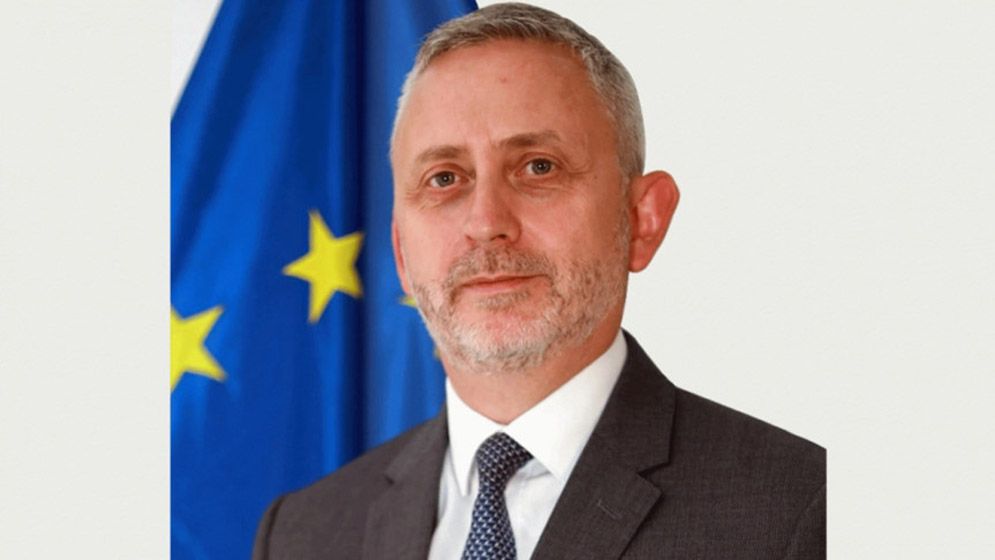
The signing of Bangladesh’s July National Charter 2025 has been hailed as a significant milestone in the country’s political transition, according to EU Ambassador Michael Miller. Speaking on the occasion, Miller emphasized that the charter reflects broad consensus among 25 political parties, including BNP and Jamaat-e-Islami, on key reforms and strengthens unity ahead of the 2026 elections. The ambassador described the event as evidence of Bangladesh’s commitment to moving forward in a cohesive and democratic manner. His presence also signals the European Union’s ongoing support for democratic governance and institutional reforms in the country. Over the years, the EU has worked closely with Bangladesh to enhance good governance and accountability, recently reaffirming its commitment to ensuring free, fair, and participatory elections. Technical assistance and potential election observation missions are part of the EU’s continued efforts to support sustainable development and democratic practices in Bangladesh.
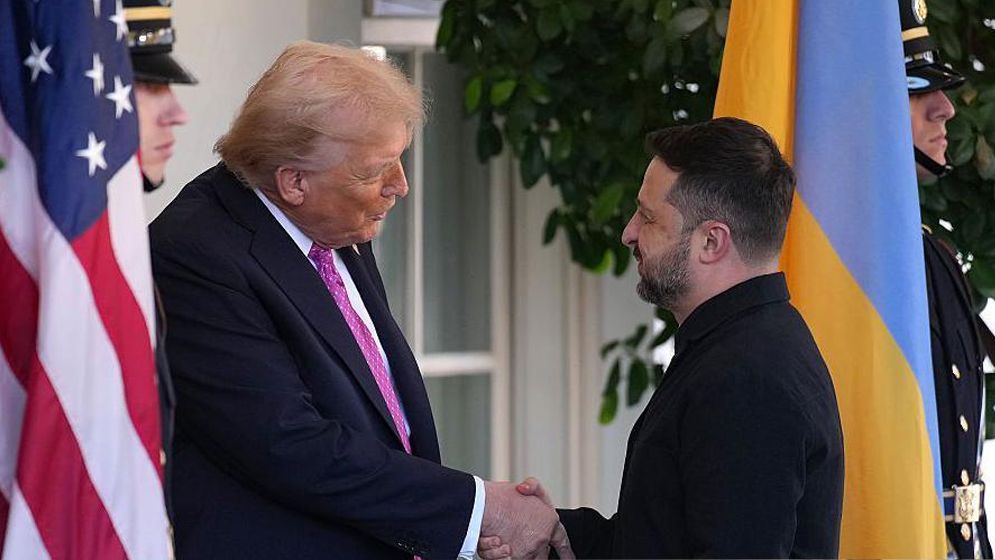
During a White House meeting on October 17, U.S. President Donald Trump encouraged Ukrainian President Volodymyr Zelensky to negotiate a deal to stop the ongoing war with Russia. Trump emphasized that both sides should “claim victory” and put an end to the bloodshed. He shared details of the discussion on his social media platform, Truth Social, describing the meeting as “very engaging and sincere.” Zelensky later told reporters that the talks included the supply of U.S.-made Tomahawk missiles and discussions on long-range missiles, though both leaders agreed not to disclose sensitive details publicly to avoid escalating tensions with Moscow. Zelensky stressed that Ukraine requires strong security guarantees from the United States to prevent further aggression from Russia if a ceasefire occurs. Prior to this meeting, Trump had a lengthy phone conversation with Russian President Vladimir Putin, during which both leaders agreed to hold a future meeting in Budapest.
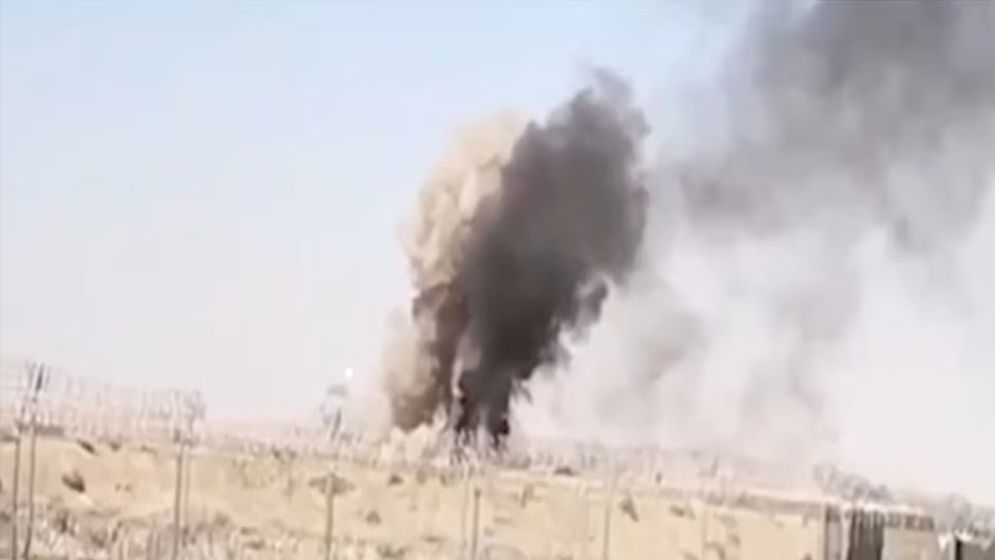
Pakistan and Afghanistan have extended their ceasefire ahead of peace talks between their official representatives, scheduled to begin in Doha, Qatar, on October 18. The move comes after a series of deadly clashes and airstrikes, including Pakistan’s October 9 strike in Kabul that killed TTP leader Noor Wali Mehsud and several other top commanders. Retaliatory attacks by Afghan forces on Pakistani border posts between October 11 and 14 left more than 200 Taliban fighters and 23 Pakistani soldiers dead. After an initial 48-hour ceasefire on October 15, airstrikes in Kandahar and Paktika killed nearly 50 people and injured over 150. Following this escalation, both nations have agreed to extend the ceasefire to allow peace talks to continue and prevent further civilian casualties.
Six political parties that participated in the National Consensus Commission’s dialogue — including the National Citizens Party (NCP), Communist Party of Bangladesh (CPB), Socialist Party of Bangladesh (BASAD), BASAD (Marxist), Bangladesh JASAD, and Gonoforum — have refused to sign the July National Charter 2025. The signing ceremony took place on Friday (October 17) at the South Plaza of the National Parliament Building, where 25 other parties, including the BNP and Jamaat-e-Islami, signed the document. The NCP announced earlier that it would not join, arguing the process lacked legal foundation and amounted to mere formality. Leftist parties also abstained, alleging that the proposals compromise the principles of the 1971 Liberation War and the 1972 Constitution. CPB President Kazi Sajjad Zahir Chandan and other left leaders reiterated that genuine national consensus requires adherence to constitutional ideals and legal legitimacy.
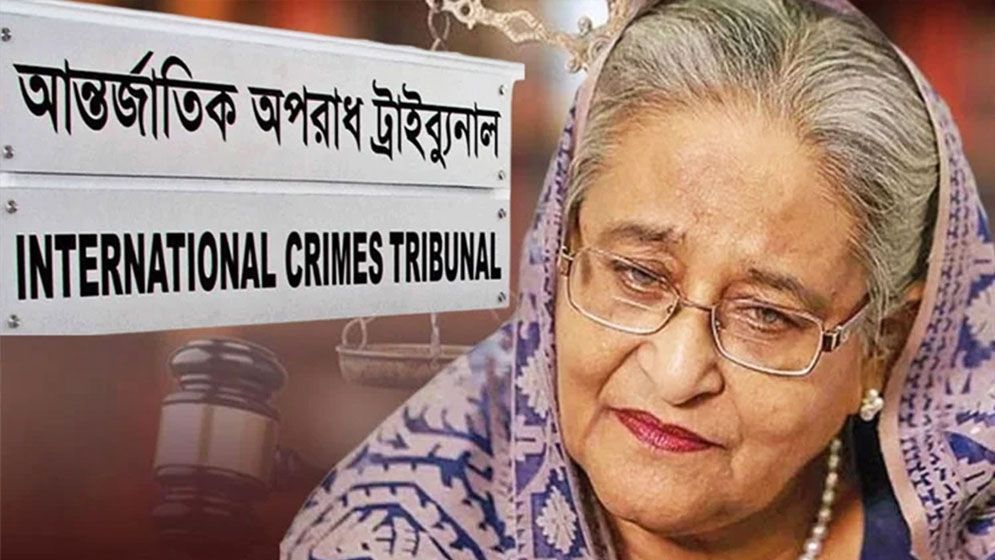
Former Bangladeshi Prime Minister Sheikh Hasina, now 78, is facing possible execution if found guilty of crimes against humanity, according to The Telegraph. Tried by Bangladesh’s International Crimes Tribunal, Hasina is accused of ordering lethal force against anti-government demonstrators in 2024, resulting in around 1,400 deaths. Prosecutors allege that victims’ bodies were burned and the injured denied medical aid. The defense argues police acted in self-defense. Arrest warrants have been issued for Hasina and her former home minister, believed to be in India. Former police chief Abdullah Al-Mamun confessed to carrying out attacks under her orders. The final verdict is expected by mid-November, and her assets could be seized if convicted. Meanwhile, Hasina’s Awami League has been banned from elections as the BNP emerges as the favorite ahead of the February 2025 polls.
Power generation at the Barapukuria coal-based thermal power plant in Dinajpur has dropped sharply to just 50 megawatts due to mechanical failures. Out of three production units with a combined capacity of 525 MW, only one unit remains partially operational. Chief Engineer Md. Abu Bakkar Siddique said the 275 MW third unit was shut down Thursday night after turbine steam sensor valves failed. Repairs are underway, and the unit is expected to resume operations within a week. The second unit, with a capacity of 125 MW, has been offline since November 2020. The first unit, though functional, is generating only 50 MW instead of its full capacity. Established in 2006 and expanded in 2017, the plant has rarely achieved full production due to recurring technical issues. Currently, the adjacent coal yard holds about 440,000 tons of coal, raising storage concerns as mining continues.

The ‘1 Nojor’ media platform is now live in beta, inviting users to explore and provide feedback as we continue to refine the experience.