

The ‘1 Nojor’ media platform is now live in beta, inviting users to explore and provide feedback as we continue to refine the experience.
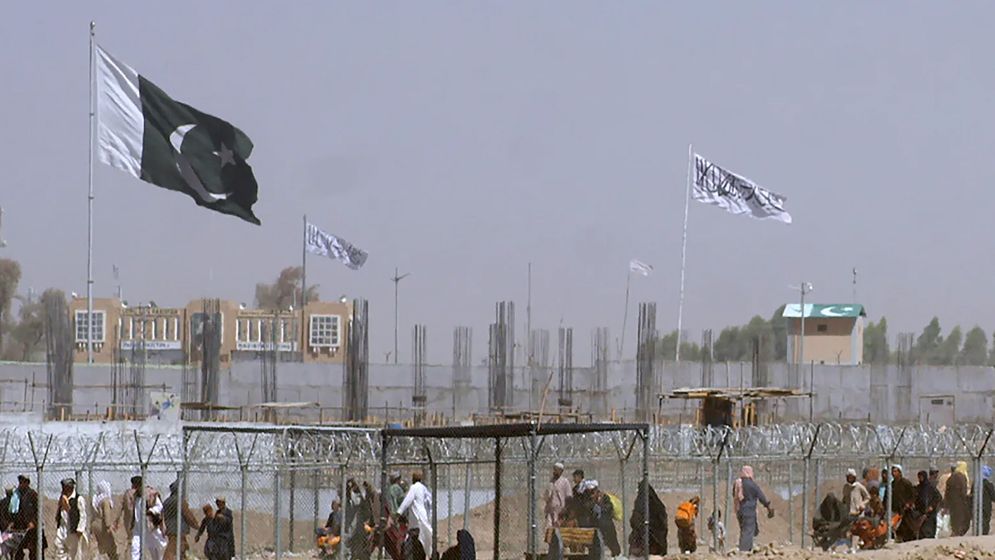
Following several days of fierce cross-border clashes, Pakistan and Afghanistan have agreed to a 48-hour ceasefire beginning Wednesday evening (October 15) at 6 p.m. local time. The decision, confirmed by Islamabad, aims to de-escalate one of the deadliest confrontations between the two neighbors in recent years. Pakistan stated that Afghanistan requested the ceasefire, though Kabul has yet to comment publicly. Earlier, Pakistan claimed it killed dozens of Afghan security personnel and militants during overnight operations, while destroying several Afghan tanks and military posts. In retaliation, Taliban spokesperson Zabihullah Mujahid reported that their forces destroyed a Pakistani border post and captured a tank. Tensions have been high as Pakistan accuses Afghanistan of sheltering militant groups responsible for terrorist attacks within its borders—a claim the Taliban government denies. Both sides have now pledged to pursue dialogue to find a peaceful and lasting resolution to the border crisis.
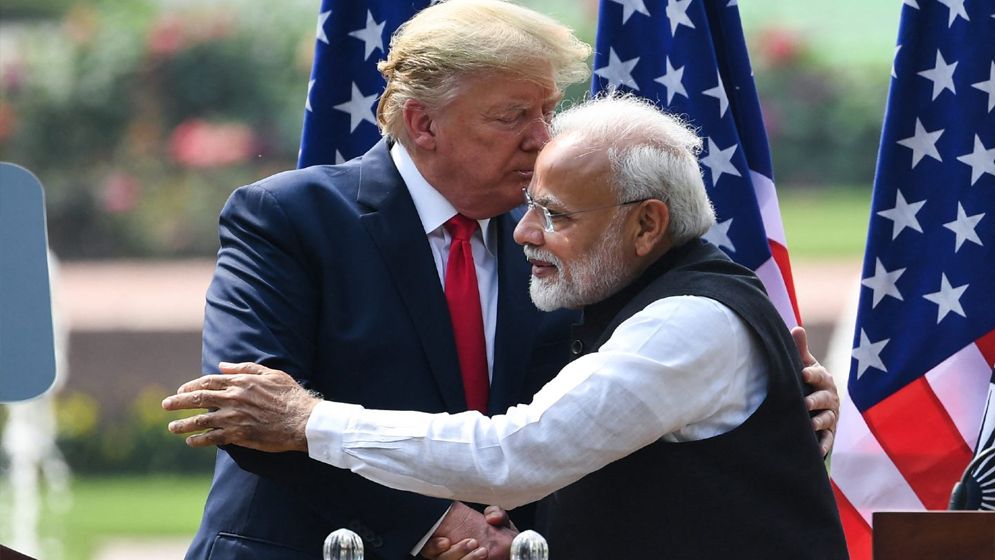
U.S. President Donald Trump announced that Indian Prime Minister Narendra Modi has assured him India will no longer purchase oil from Russia. Speaking to reporters at the White House on Wednesday (October 15), Trump said he had been unhappy with India’s continued oil trade with Moscow but welcomed Modi’s commitment to halt the imports. He described the decision as a “big step” and added that Washington would now pressure China to take similar action. When asked for confirmation, the Indian Embassy in Washington did not provide an immediate response. Analysts view this move as a potential turning point in global energy diplomacy amid the ongoing war in Ukraine, as the U.S. seeks to curtail Russia’s oil revenue. India, one of Russia’s largest oil buyers, would mark a significant shift in Moscow’s export landscape if the pledge is implemented soon.
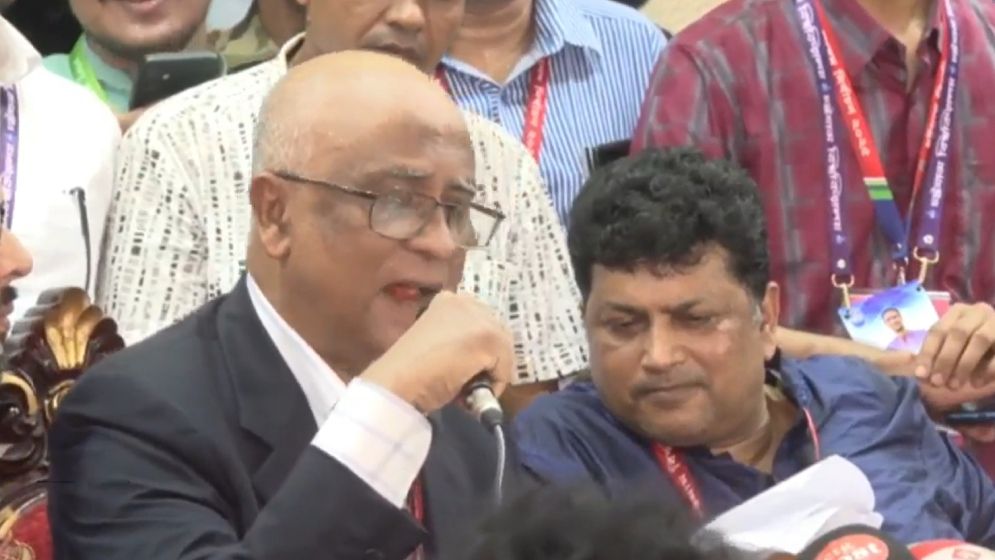
In a historic landslide, the Shibir-backed “Sampreeti Students’ Alliance” has won 24 of the 26 positions in the Chittagong University Central Students’ Union (CUCSU) election, including the top posts of Vice President (VP) and General Secretary (GS). Ibrahim Hossain Roni and Saeed Bin Habib were elected as VP and GS, respectively. The alliance also secured all five executive member positions. Only two posts went to other groups—Ayubur Rahman Taufiq from the BNP-backed panel won as Assistant General Secretary (AGS), and Tamanna Mahbub Preeti won as Assistant Sports Secretary. The Shibir-supported winners have taken major roles across cultural, welfare, IT, environment, research, and rights portfolios. This result marks a major political shift in the university’s student politics, signaling renewed dominance of Shibir-backed student groups in CU campus affairs.
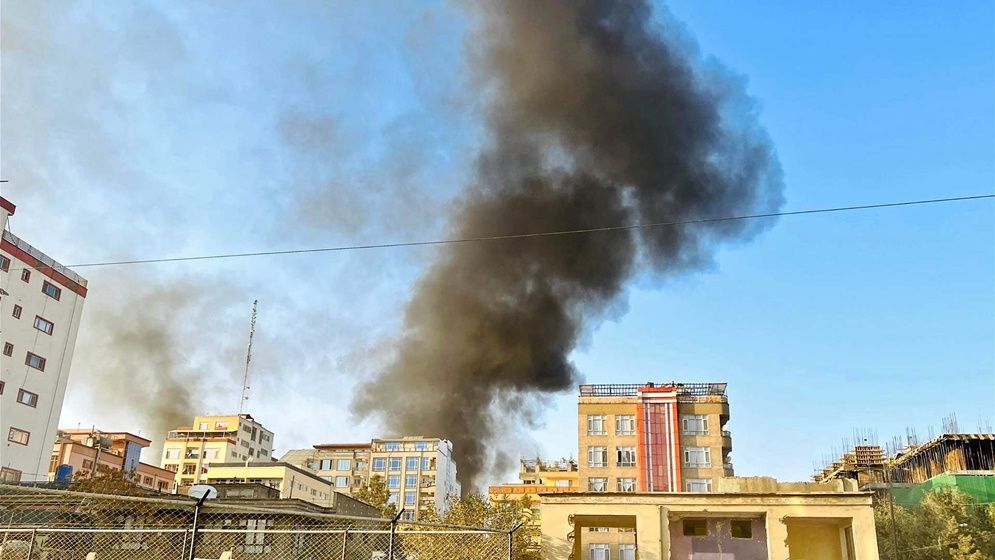
At least five people were killed and 35 others injured in a powerful explosion in Kabul, Afghanistan’s capital, just before a 48-hour ceasefire between Afghanistan and Pakistan was due to take effect. According to AFP, which cited an Italian NGO operating a hospital in Kabul, emergency services received multiple casualties, including women and children. Dejan Panic, the NGO’s Country Director, reported that many of the wounded were brought in by ambulance and that the blast occurred just a few kilometers from their facility. Witnesses described hearing twin explosions and seeing thick black smoke rising above the city. Streets near the blast site were littered with shattered glass and debris from damaged buildings. The incident comes amid escalating border tensions between Afghanistan and Pakistan, which both sides have vowed to resolve through dialogue during the temporary ceasefire.
Dhaka Mass Transit Company Limited (DMTCL) has announced major schedule improvements for metro passengers in Dhaka. Starting Sunday, October 19, metro rail service hours will be extended by one hour daily — trains will begin operating 30 minutes earlier in the morning and continue 30 minutes later at night. On Fridays, operations will start at 2:30 p.m. instead of 3:00 p.m. DMTCL also plans to increase the number of metro trips by mid-November, reducing the gap between trains from 10 to 8 minutes. Before finalizing the changes, additional test runs will be conducted. Currently, 12 of 24 train sets are in regular operation, but with the extended schedule, 19 sets will be used. The improvements aim to accommodate growing passenger demand and enhance convenience for commuters across the Uttara–Motijheel route. Metro service was first launched in December 2022 and continues to expand toward Kamalapur.

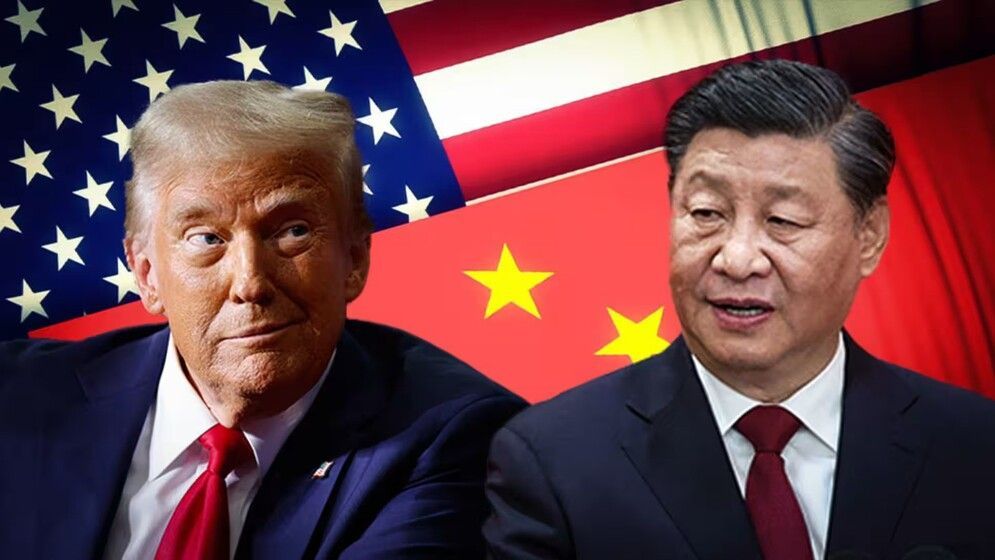
China has vowed to “fight till the end” in its trade war with the United States after President Donald Trump announced a new 100% tariff on Chinese imports. The statement, released by China’s Ministry of Commerce on October 14, came in response to Trump’s recent social media post threatening broader export controls on critical software starting November 1. The tensions were further inflamed after China limited exports of rare earth minerals. The trade escalation has shaken global markets and cast uncertainty over a possible meeting between Chinese President Xi Jinping and South Korean officials. Beijing reiterated that it remains open to dialogue but warned Washington against combining talks with threats. Despite the disputes, China’s exports grew by 8.3% in September, with shipments to the U.S. rising to $34.3 billion. The tariff conflict continues to dominate discussions at the IMF and World Bank meetings.
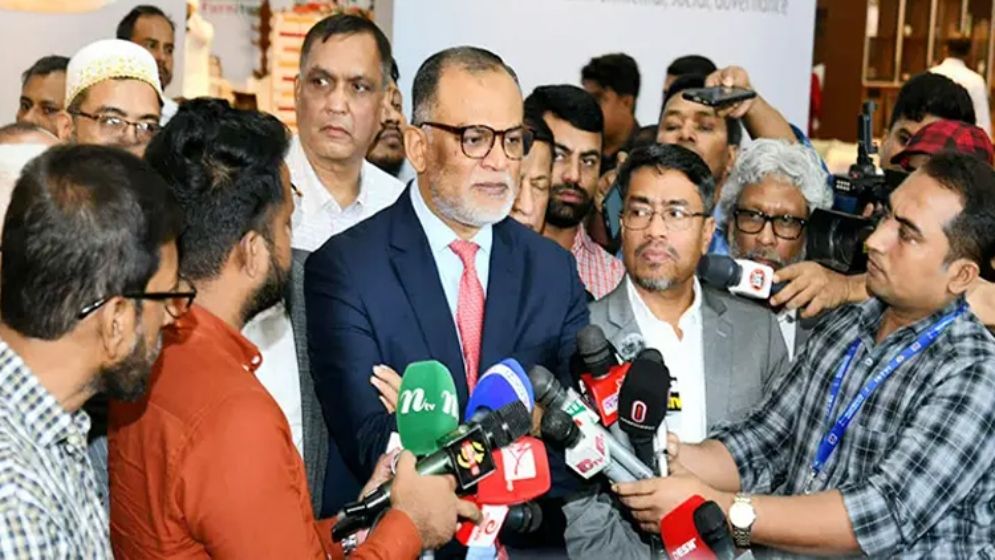
Commerce Adviser Sheikh Bashir Uddin has clarified that the government has not raised edible oil prices, countering public confusion after refiners announced new rates. Speaking to reporters in Purbachal on Tuesday (October 14), he emphasized that traders cannot increase prices without the Commerce Ministry’s approval and warned that the government will take necessary action against unauthorized changes. The Bangladesh Vegetable Oil Refiners and Vanaspati Manufacturers Association had earlier stated that, following discussions with the ministry, prices were adjusted in line with the international market. Their announcement raised the prices of bottled and loose soybean and palm oils effective from October 14. Following this, many assumed that the government had approved the hike. However, the adviser stressed that no such directive had been issued and that the government is maintaining strict market monitoring to prevent arbitrary price increases by traders.
The International Monetary Fund (IMF) has projected Bangladesh’s GDP growth to reach around 4.9% in the current fiscal year—slightly higher than last year’s 3.97%, but still below the government’s 5.5% target. According to the IMF’s World Economic Outlook 2025, inflation, which had declined in recent months, is likely to rise again due to higher commodity prices. Economic activity and import costs are also expected to increase, widening the current account deficit as dollar spending outpaces earnings. Despite these challenges, the IMF predicts steady growth over the next few years, reaching 6.5% by 2029–30. Bangladesh’s current account deficit, once 4% of GDP in 2021–22, has since dropped to 1.4% in 2023–24, though further pressure on foreign reserves remains likely.
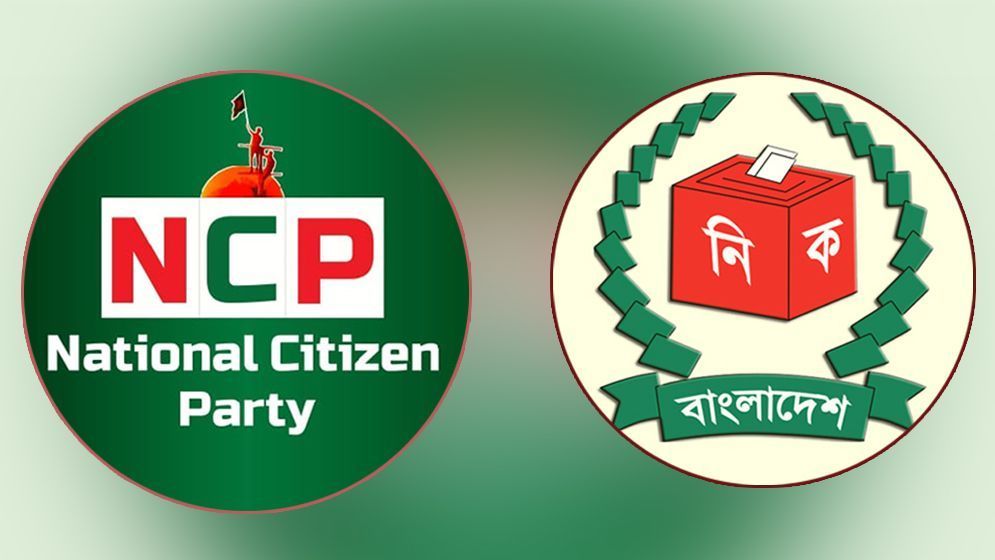
The Election Commission (EC) of Bangladesh has instructed the National Citizen Party (NCP) to select a new election symbol by October 19, after deciding that the party cannot use the Shapla (water lily) emblem. EC Senior Secretary Akhtar Ahmed announced the decision while speaking to reporters at the EC headquarters on Tuesday, October 14. He stated that if the NCP fails to propose an alternative symbol by the deadline, the Election Commission will assign one on its own. According to the secretary, the commission sees no necessity to include the Shapla symbol in the registration process. He added that if the NCP refuses to accept registration without the Shapla, it will be the party’s own choice. The directive signals the EC’s firm stance on regulating political symbols to maintain clarity and avoid duplication in upcoming elections.
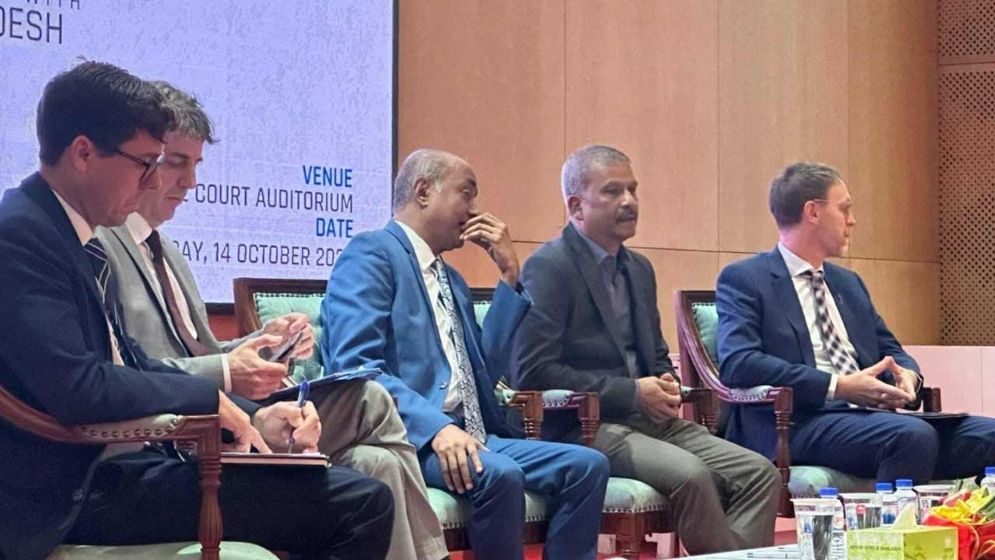
Interim Government Law Adviser Dr. Asif Nazrul has announced a major digital reform that will allow bail orders to be sent directly from courts to prisons with a single click. Speaking at an event at the Supreme Court Auditorium, Dr. Nazrul said that currently, an accused person must go through 12 lengthy and often corrupt steps before being released after securing bail. From Wednesday, the new online bail system will automatically deliver bail documents to the relevant prison, eliminating delays, costs, and harassment. He emphasized that this initiative was developed entirely with government funds, without any external assistance. Dr. Nazrul also revealed that during the interim government’s tenure, several key laws—including those on the judicial secretariat, enforced disappearances, the Anti-Corruption Commission, and human rights—will be finalized soon. Attorney General Md. Asaduzzaman chaired the event, joined by Additional Attorney General Arshadur Rauf and Barrister Anik R. Haque.
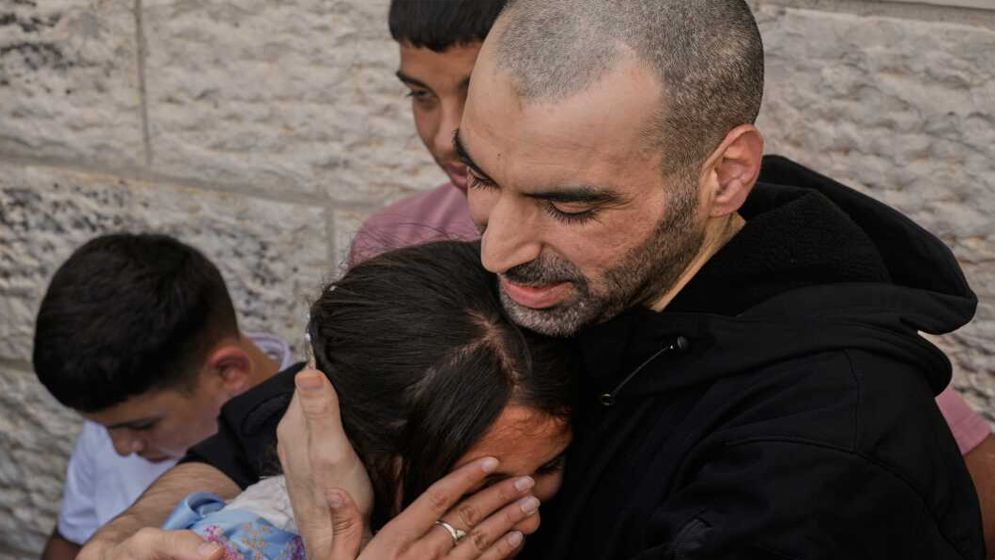
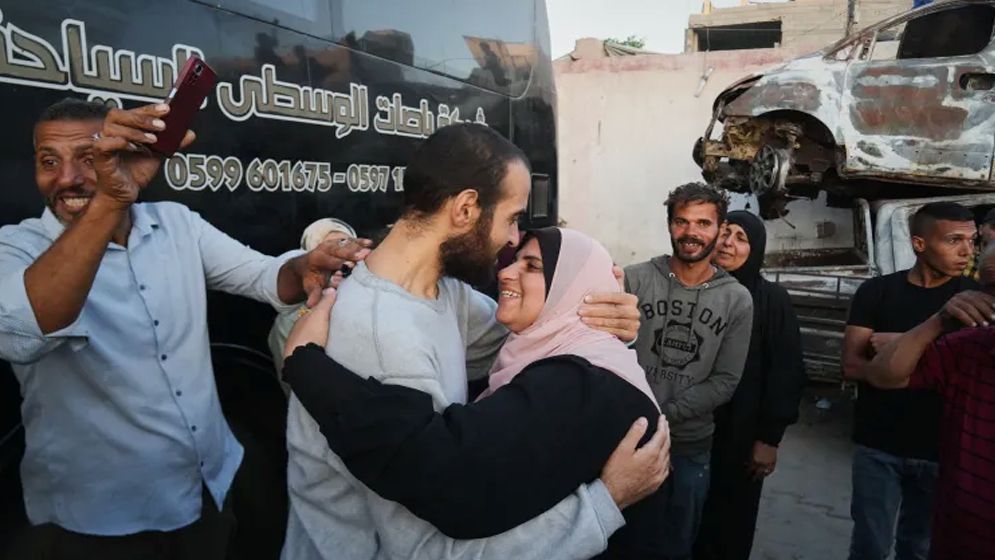
On Monday, October 13, Israel released around 250 Palestinians who had been serving life or long-term sentences, along with approximately 1,718 others detained during the Gaza war. Among the freed was Abdullah Abu Rafe, who described Israeli prisons as “slaughterhouses” rather than detention facilities. He recounted the harsh conditions, including the absence of mattresses, confiscated belongings, poor food, and general mistreatment. Another former prisoner, Yasin Abu Amra, described experiencing severe hunger, beatings, and torture, revealing he went four days without food. Said Shubair expressed indescribable joy at seeing the sun without bars, emphasizing that freedom is priceless. The United Nations had previously listed many of those released as forcibly disappeared. The testimonies shed light on the severe human rights concerns in Israeli detention facilities and the emotional relief and elation of those regaining their freedom.
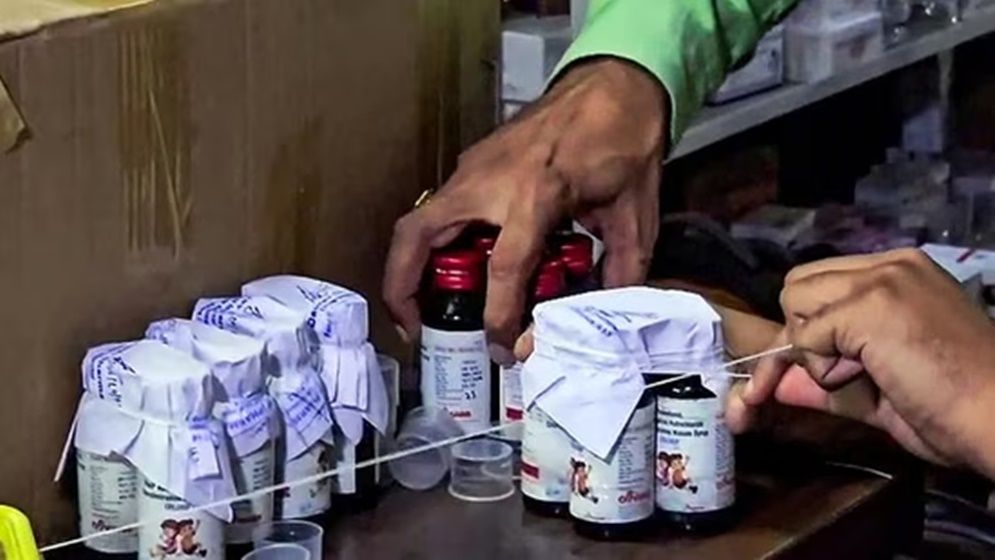
The World Health Organization (WHO) has issued a global alert regarding three Indian-made cough syrups found to contain dangerously high levels of diethylene glycol, a toxic chemical. The syrups—Coldref by Shresan Pharmaceuticals, Respifresh TR by Rednex Pharmaceuticals, and Relife by Shape Pharma—were intended for children aged one to five. WHO tests revealed the presence of the chemical at concentrations 500 times higher than the approved limit. The alert follows the deaths of 17 Indian children in August after consuming Coldref syrup. Similar incidents in 2023 caused 141 child deaths in Uzbekistan, Cameroon, and The Gambia from contaminated Indian syrups. India’s Central Drugs Standard Control Organization (CDSCO) has acknowledged the WHO warning and promised stricter quality monitoring and regulatory actions to prevent future tragedies.
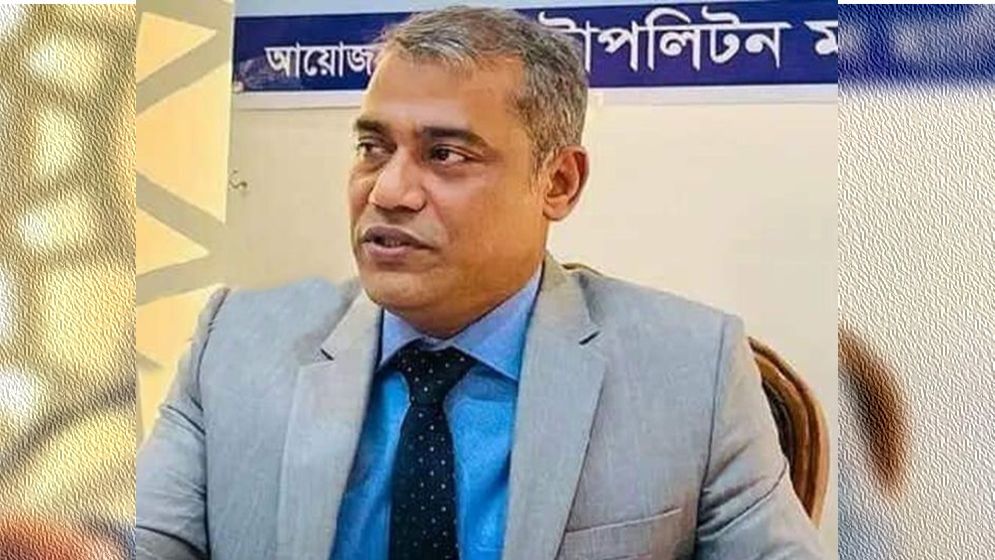
Dhaka’s former Chief Metropolitan Magistrate, Rezaul Karim Chowdhury, has been temporarily suspended over serious allegations of corruption and misconduct during the Awami League government led by Sheikh Hasina. According to a law ministry order issued on September 29, the decision was made following consultation with the Supreme Court. Investigations by the Anti-Corruption Commission (ACC) found evidence of bribery, manipulation of bail, and misuse of judicial power. Chowdhury allegedly turned his court into a hub of political favoritism, punishing opposition leaders while profiting from illegal case settlements and auction scams. He is also accused of misappropriating seized vehicles and securing multiple land plots through abuse of authority. Sources claim his misconduct severely damaged the judiciary’s reputation. Chowdhury denies wrongdoing, saying the ACC probe will clear him. The suspension has been widely welcomed within legal circles.
Israel has freed 3,700 Palestinian detainees as part of a Gaza ceasefire agreement, according to the country’s Central Prison Authority. The release took place on October 13 in two phases. Around 2,000 prisoners from Ofer Prison near Ramallah were transported by buses, arranged by the International Committee of the Red Cross, to the West Bank city of Beitunia. Another 1,718 prisoners, previously held in Israel’s Negev Prison, were sent to Gaza’s Khan Younis. Among them were 250 inmates serving life sentences, many of whom were detained following Israel’s 2023 military operations in Gaza. Upon arrival, the released individuals underwent medical examinations at the Nasser Medical Complex in Khan Younis. Hundreds of Palestinians gathered in Beitunia and Khan Younis to welcome them amid scenes of joy and relief, marking a significant moment in the ongoing ceasefire process.
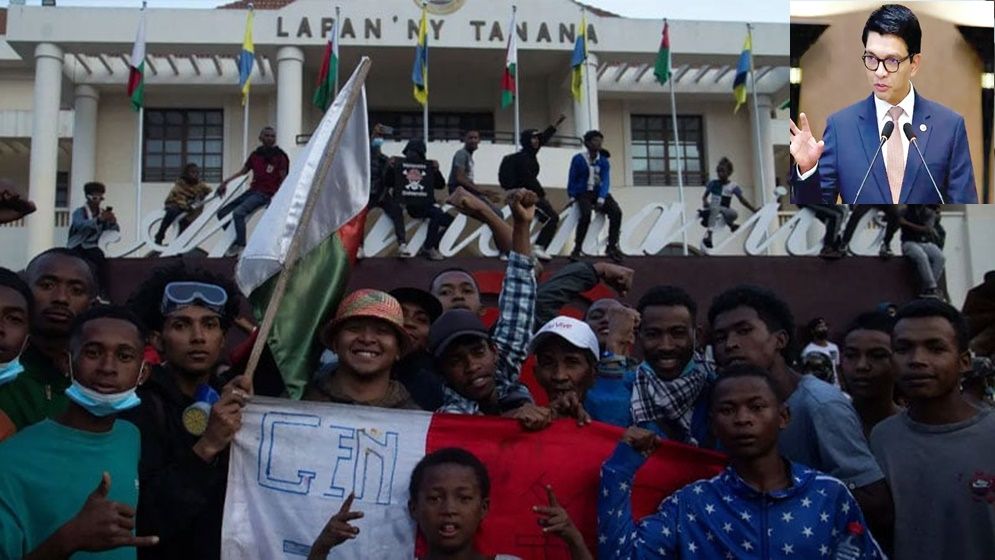
Madagascar is facing a political crisis as President Andry Rajoelina reportedly fled the country amid escalating protests led by the opposition group Zan-Gi. The protests, which began on September 25 over water and electricity shortages, quickly intensified into nationwide demonstrations addressing government corruption, mismanagement, and lack of basic services. According to opposition leaders, some military units rebelled and joined the demonstrators, prompting the President to leave the island nation on a French military plane bound for Paris. The President’s current location remains unknown, and a previously scheduled national address did not take place. French authorities, including President Emmanuel Macron, were reportedly involved in facilitating the move. Madagascar, with a population of nearly 30 million, faces deep economic challenges, with three-quarters of its citizens living below the poverty line and declining per capita GDP.
The ‘1 Nojor’ media platform is now live in beta, inviting users to explore and provide feedback as we continue to refine the experience.