

The ‘1 Nojor’ media platform is now live in beta, inviting users to explore and provide feedback as we continue to refine the experience.
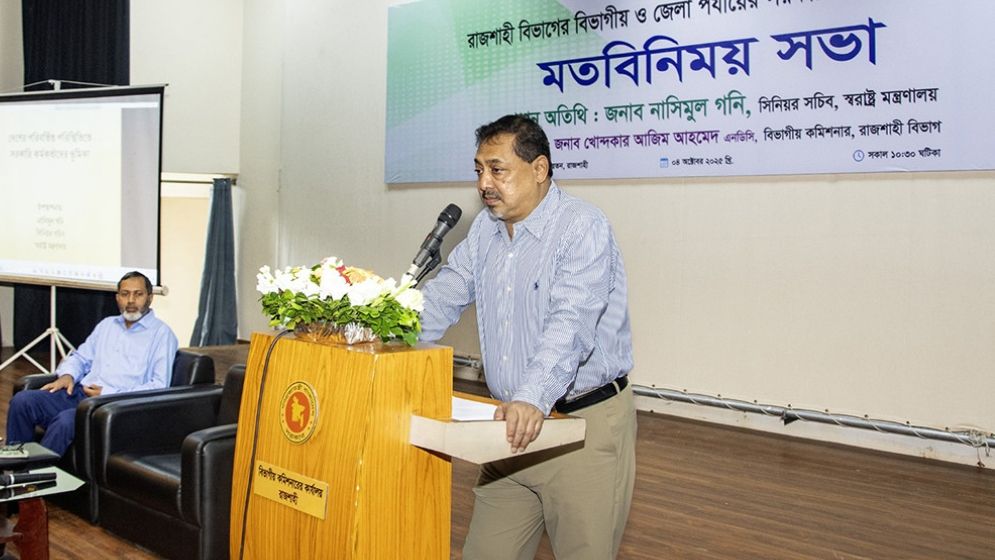
Home Ministry Senior Secretary Nasimul Gani stated that 40 percent of the country’s population belongs to Generation Z, and it was this group that led the July 36 uprising. Speaking at a meeting with government officials in Rajshahi, he emphasized that society does not collapse because of dishonest people but because of the silence of honest ones. Reflecting on the failures during recent movements, he noted that there was no lack of intelligence or talent, only of sincerity. Gani stressed that public servants must align their duties with the expectations of the new generation, ensuring fairness and justice not just within the judiciary but across all administrative levels. Quoting the Qur’an, he reminded officials that their service is a divine and civic responsibility, not merely a means to earn money.
As Bangladesh prepares for its 13th national election, major Islamic parties are rethinking political alliances, expressing sharp reservations about joining hands with Jamaat-e-Islami. Leaders from Hefazat-e-Islam, Bangladesh Khelafat Majlish, Jamiat Ulema-e-Islam, and Islami Andolon Bangladesh have voiced concerns that Jamaat’s ideology, rooted in Maududism, contradicts traditional Islamic teachings and could mislead their followers. Hefazat chief Mawlana Muhibullah Babunagari called Maududi’s ideas a “fitna,” warning that aligning with Jamaat could endanger Islamic faith. Other leaders argued that while cooperation with BNP poses no religious risk, Jamaat’s theological differences threaten Islamic unity. Despite recent joint movements and shared political demands, many Islamic parties remain unwilling to form a formal alliance with Jamaat. Analysts believe this division may reshape electoral equations, as ideological rifts overshadow pragmatic politics. Past efforts to unite Islamist groups have repeatedly failed due to doctrinal and leadership disputes, and the same challenges persist ahead of the upcoming polls.

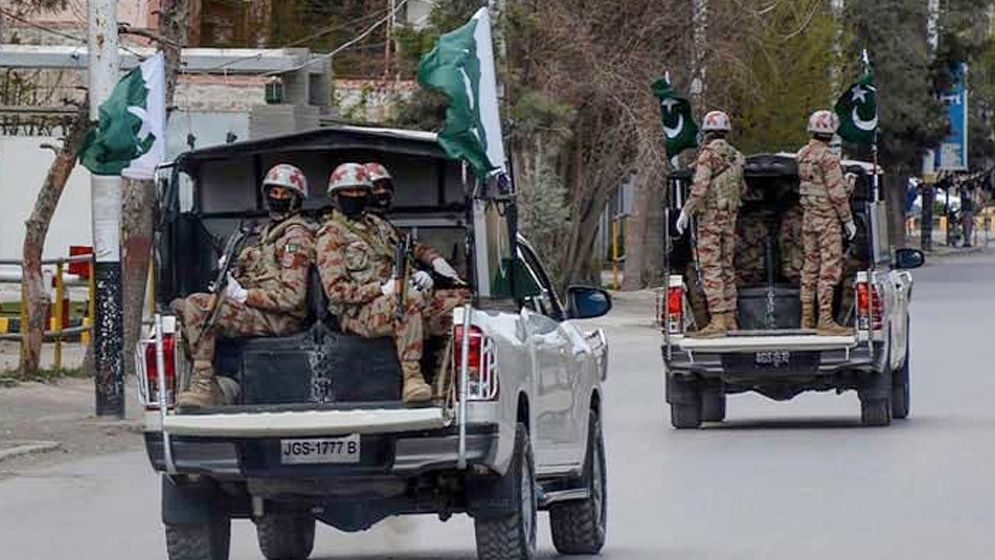
In a major counterterrorism operation in the Zehri area of Khuzdar district, Balochistan, Pakistani security forces killed at least 14 members of the India-backed militant organization “Fitna al-Hindustan.” The operation, launched on intelligence inputs, also left around 20 militants injured. Local residents praised the move, saying it restored peace and stability in the region. Authorities confirmed that operations would continue until the group is fully eliminated. Earlier this week, a similar intelligence-based operation in Sherani district killed seven Indian-supported militants linked to “Fitna al-Kharej” and the banned Tehrik-i-Taliban Pakistan (TTP). Meanwhile, violence in Pakistan surged by 46% in the third quarter of 2025, with 901 people killed in 329 incidents. Research data shows that 57% of those killed were militants or criminals, while 219 civilians and 166 security personnel also lost their lives. The provinces of Khyber Pakhtunkhwa and Balochistan accounted for 96% of all violent incidents nationwide.
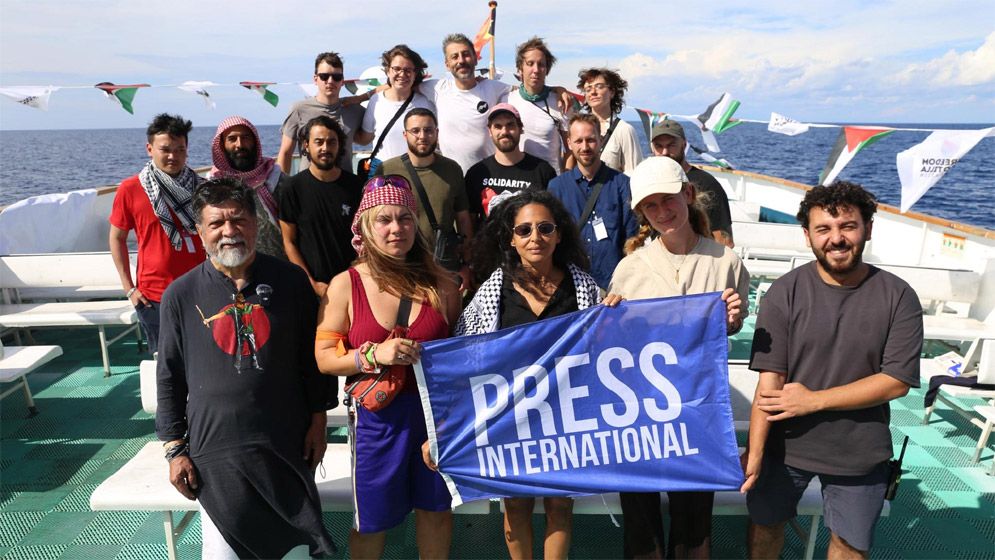
Israel has deported 137 detainees from the Global Sumud Flotilla to Turkey, according to the Israeli Foreign Ministry. Earlier, Israeli forces intercepted the humanitarian flotilla in international waters, detaining 443 people from 46 countries, including rights activists, lawyers, doctors, journalists, and European Parliament members. Among them was Swedish activist Greta Thunberg. The flotilla, comprising over 40 civilian ships, was carrying humanitarian aid to Gaza in defiance of Israel’s blockade. Many nations condemned Israel’s actions, labeling them as acts of aggression and a violation of international law. The first group of vessels departed from Barcelona on August 31, later joined by ships from Tunisia, Italy, and Greece. The detained individuals included citizens of the U.S., U.K., Italy, Jordan, Kuwait, Libya, Algeria, Mauritania, Malaysia, Bahrain, Morocco, Switzerland, Tunisia, and Turkey. The deportation marks escalating tensions surrounding humanitarian efforts to reach Gaza amid ongoing conflict and global outcry.
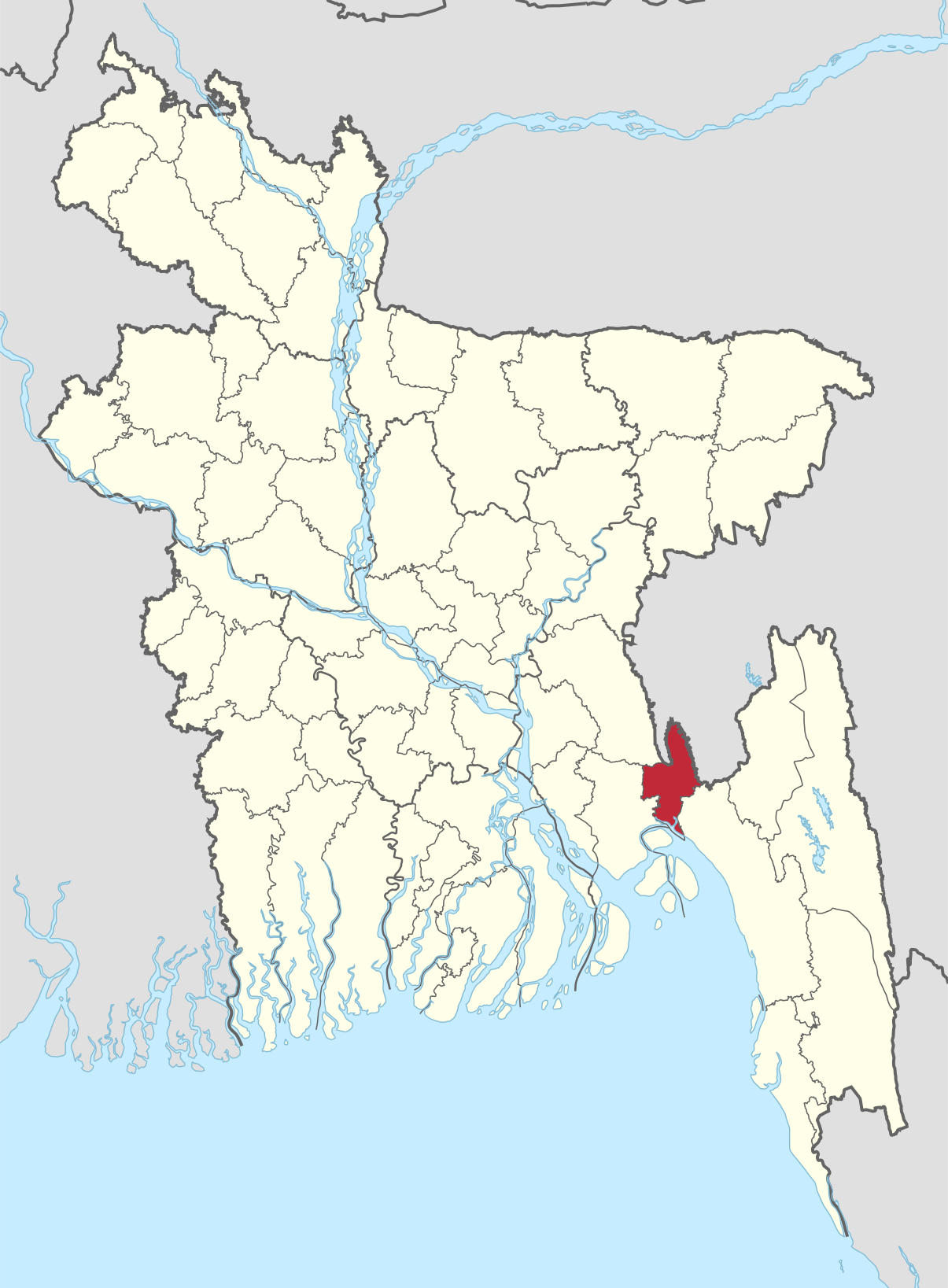
A tragic bus accident in Daganbhuiyan, Feni, claimed the lives of three people when a Sugandha Paribahan bus lost control and hit an electric pole before overturning onto a roadside shop. The incident occurred around 10:15 a.m. on Thursday at Lucky Road in the Silonya Bazar area along the Feni-Noakhali regional highway. The victims were identified as Shamima Ara (50) from Khushipur, Mohammad Shrabon (20) from South Jailskar, and Samira (15) from South Barahi Gobind. At least 20 others were injured and taken to Feni General Hospital, where doctors declared three dead. Police have attributed the crash to reckless speed and rainy conditions. Following the tragedy, Shamima Ara’s son, Nafsi Al Hasan, filed a case against driver Md. Farid of Sugandha Paribahan. Law enforcement confirmed that the bus has been seized and legal proceedings are underway.
Israel has launched a series of new airstrikes on Gaza, killing at least 20 people, despite U.S. President Donald Trump’s direct order to cease attacks following Hamas’s partial acceptance of a U.S.-brokered peace proposal. According to Gaza Civil Defense spokesperson Mahmoud Basal, last night was marked by intense bombings across Gaza City and other regions. Around 20 houses were destroyed in the strikes. The attacks came just as civilians had begun returning home after Trump’s call for restraint and Hamas’s conditional approval of the ceasefire plan. The Israeli military, however, claimed that ongoing operations in Gaza City made the area unsafe and urged residents to stay away. The renewed assault has raised fears among Gazans that hopes for peace and an end to the 30-month-long conflict may once again fade, undermining recent diplomatic efforts led by Washington.
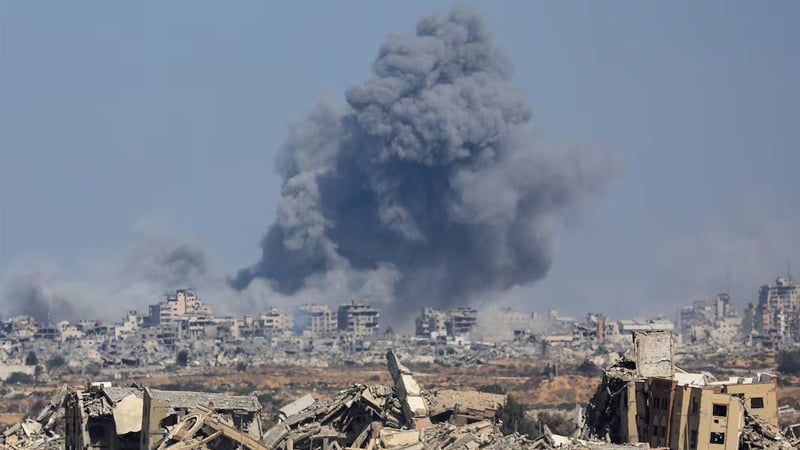
Nepal is facing one of its worst crises in decades, driven by political instability, corruption, and deep-rooted party favoritism, according to political analyst Rajendra Bajgain. Speaking to The Himalayan Times, Bajgain warned that merely replacing the prime minister will not solve Nepal’s growing turmoil. He argued that the federal system, intended to promote accountability, has instead turned into a “factory of corruption,” plagued by bribery and political interference from local governments to national ministries. Bajgain cited major infrastructure failures, such as the Pokhara and Lumbini international airports, which became costly burdens due to poor planning and policy-level corruption. He cautioned that direct election of the prime minister could lead to dictatorship if structural reforms are ignored. To revive Nepal, Bajgain urged reducing local government units by 60%, introducing public-private partnerships for state enterprises, ensuring independent financial oversight, prosecuting corrupt officials, and adopting clear national development strategies like those of Singapore and Malaysia.
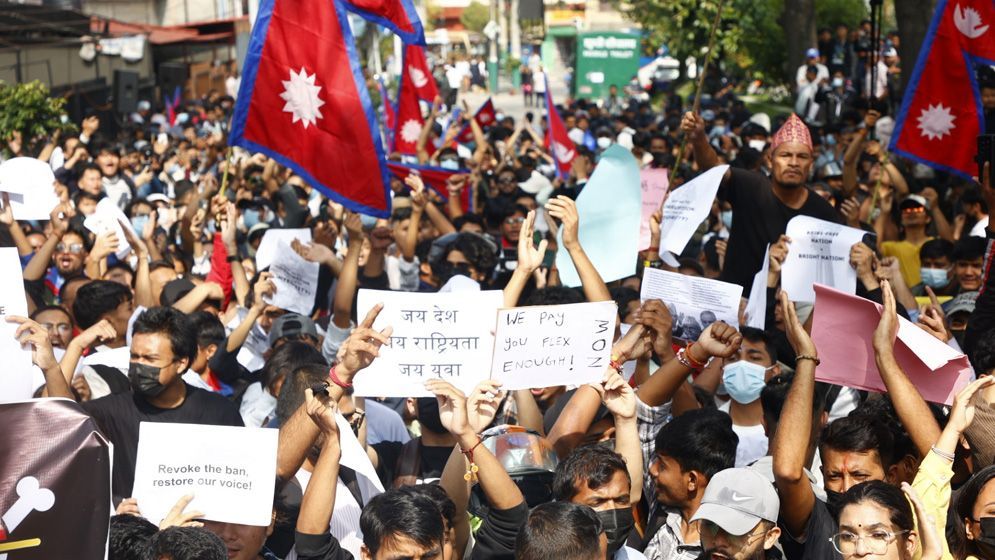
Bangladesh has reiterated its commitment to strengthening maritime collaboration with Small Island Developing States (SIDS) to promote shared goals of economic growth, ocean security, and climate resilience. At a special event organized at the Bangladesh High Commission in London, High Commissioner and Permanent Representative to the International Maritime Organization (IMO), Abida Islam, highlighted the importance of collective efforts in tackling global maritime and climate challenges. Diplomats and High Commissioners from several SIDS countries attended the event, which created new opportunities to enhance partnership under the IMO framework. Participants praised Bangladesh’s proactive role in promoting sustainable maritime management and regional leadership on ocean governance. The initiative reflects Bangladesh’s growing engagement in international maritime diplomacy and its dedication to fostering equal, collaborative relations with climate-vulnerable developing nations for a more resilient and sustainable future.
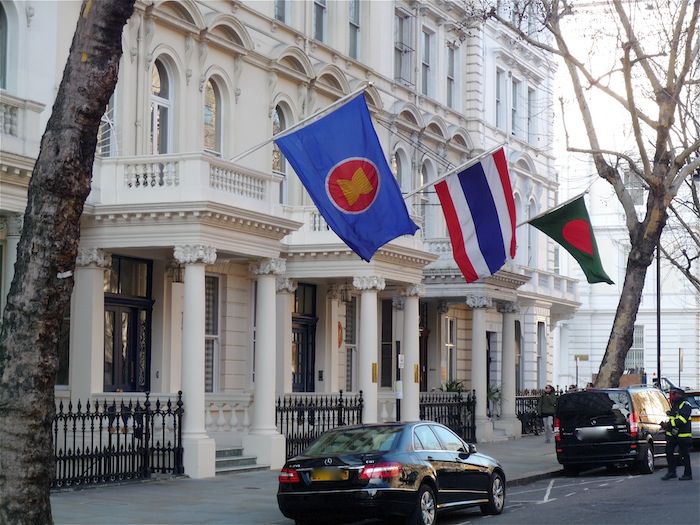
Chinese President Xi Jinping marked the 50th anniversary of China-Bangladesh diplomatic relations by sending a congratulatory message to President Mohammed Shahabuddin. Xi emphasized that despite global and regional shifts over the past five decades, both nations have remained steadfast partners guided by the Five Principles of Peaceful Coexistence. He praised the countries’ mutual respect, equality, and “win-win” cooperation, noting deepened collaboration under the Belt and Road Initiative. Xi reaffirmed China’s commitment to advancing traditional friendship, enhancing cooperation, and promoting shared development for the benefit of both peoples and global peace. In response, President Shahabuddin expressed gratitude for China’s enduring support in Bangladesh’s sustainable development and regional stability. He emphasized the strong trust and friendship built over fifty years and expressed confidence that future cooperation will yield even greater achievements for both countries.
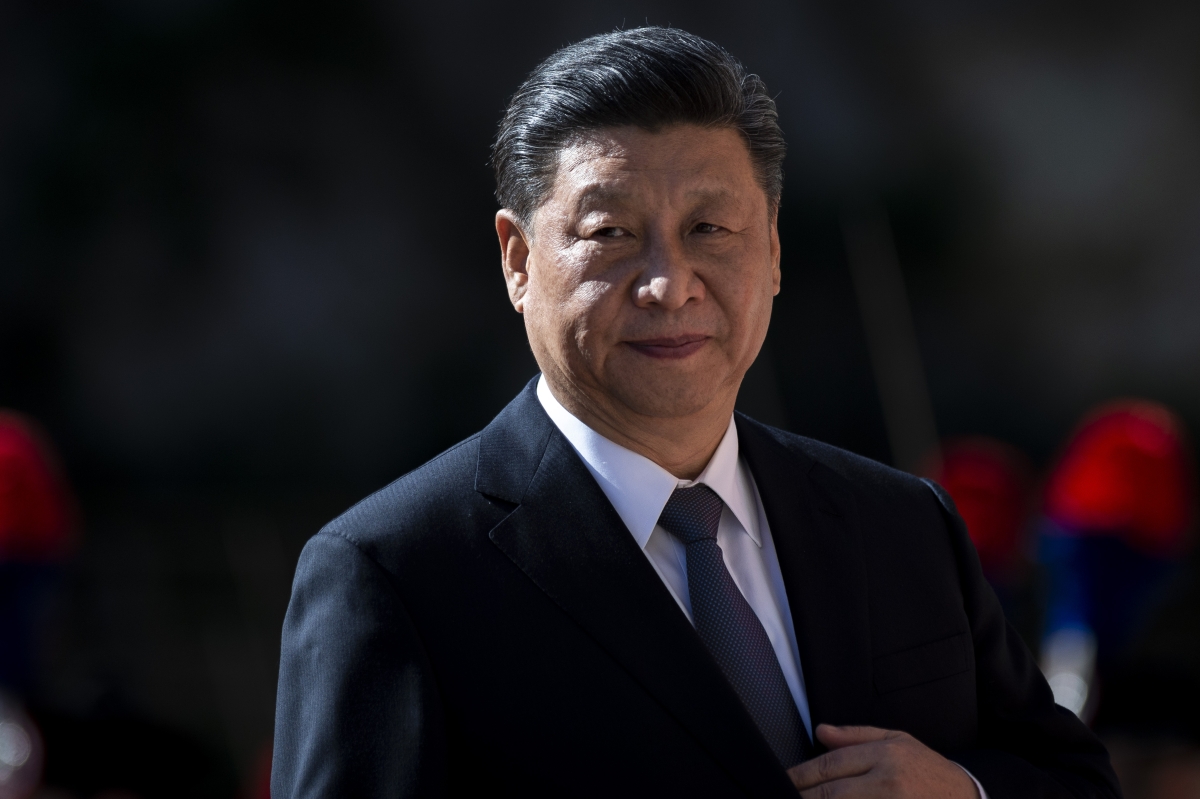
Dismissed and OSD-designated employees of Islami Bank have withdrawn their blockade from the Dhaka-Chattogram Highway in Faujdarhat, Chattogram. The protest, which began around 11:30 a.m. and caused a three-kilometer-long traffic jam, ended at about 1:00 p.m. as traffic gradually normalized. The demonstrators claimed that around 5,500 employees were dismissed or made OSD for boycotting the bank’s Special Competency Assessment examination. They issued a 24-hour ultimatum to meet their six-point demands, including immediate reinstatement. The earlier blockade had caused severe suffering for commuters.

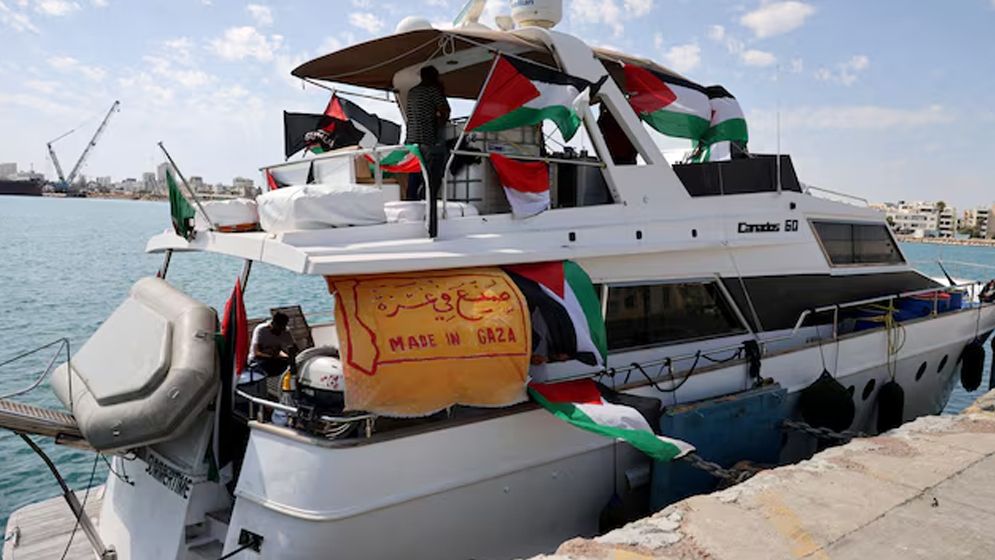
Photographer-director Shahidul Alam posted on Facebook that all vessels of the Freedom Flotilla are now sailing together toward Gaza after the ship Conshans made contact with eight earlier boats. Alam said Conshans, the largest vessel in the convoy which departed Italy on September 30, had been moving faster than the other ships and briefly touched those ahead; its speed was reduced and the fleet is now proceeding as a single formation. Conshans belongs to international initiatives including the Freedom Flotilla Coalition and Thousand Madelins to Gaza, aiming to challenge Israel’s maritime blockade and highlight the humanitarian crisis. Alam emphasized the flotilla carries no food aid, described the Thousand Madelins idea as symbolic yet unprecedented, and argued global leaders’ inaction has compelled civil society to act. He affirmed the crew’s determination to break the siege, warned that if any vessels are stopped others will press on, and expressed confidence that repression cannot withstand popular resolve; Palestine will ultimately be freed soon.
Israel’s government has directed its military to halt its operation to seize Gaza following Hamas’s positive response to a U.S.-proposed peace plan. Army Radio reported that Israel’s political leadership instructed the military to scale down activities to a minimum and focus solely on defensive measures. Hamas has agreed to release all Israeli hostages, living and deceased, and expressed willingness to discuss a ceasefire and administrative handover. Prime Minister Benjamin Netanyahu’s office stated Israel is ready to implement the first phase of President Trump’s plan for immediate hostage release. Meanwhile, Trump urged Israel to stop bombing Gaza to ensure the safe evacuation of hostages, emphasizing that the ceasefire proposal aims not only to stabilize Gaza but also to achieve long-term peace across the Middle East. Talks on details and implementation have already begun.
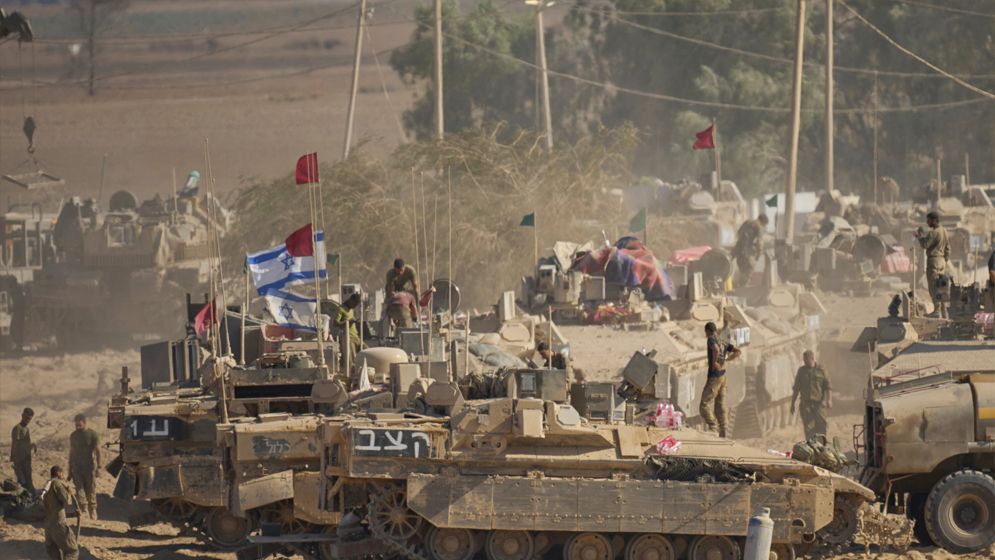
Hamas has agreed to release all Israeli hostages, both living and deceased, following U.S. President Donald Trump’s proposed 20-point Gaza peace plan. The group has also expressed willingness to engage in discussions on a ceasefire and administrative handover. Following Hamas’s positive response, the office of Israeli Prime Minister Benjamin Netanyahu stated that Israel is ready to implement the first phase of Trump’s plan, aimed at immediately freeing all hostages. Israel emphasized cooperation with the U.S. to end the conflict in line with its policies, although the statement did not reference Trump’s call to halt deadly bombing in Gaza. Meanwhile, Trump urged Israel to stop airstrikes to ensure the safe release of hostages and expressed optimism about Hamas’s readiness for long-term peace. Detailed discussions on a ceasefire are underway, with the broader goal of achieving lasting peace across the Middle East.
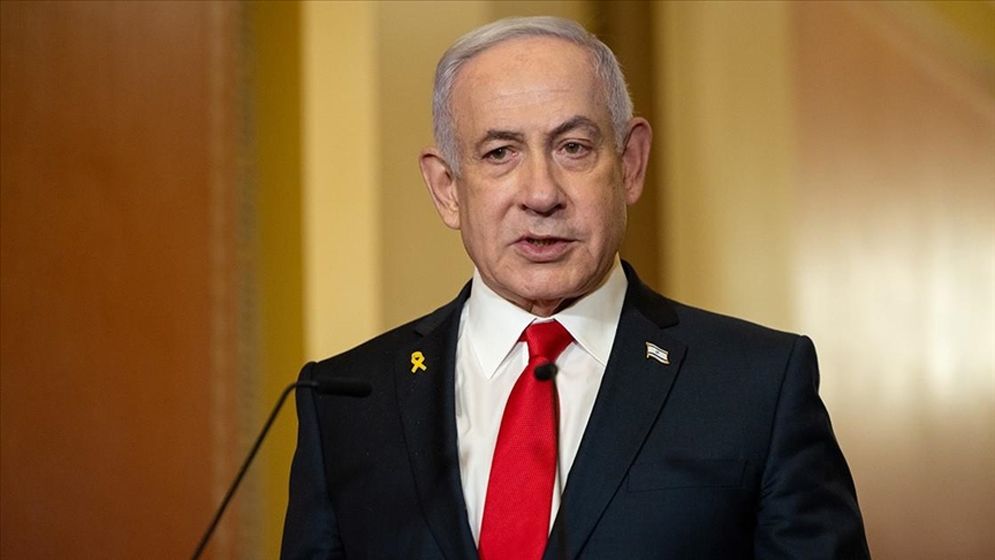
U.S. President Donald Trump has ordered Israel to immediately stop airstrikes in Gaza after Hamas partially agreed to conditions in the U.S. plan to end the ongoing conflict. Trump had set a Sunday evening deadline for Hamas to accept his proposal, warning of severe consequences otherwise. Hamas announced it is willing to release all hostages, both alive and deceased, but requested further discussions on several key conditions. The White House had unveiled a 20-point plan last Monday, approved by Israeli Prime Minister Benjamin Netanyahu, calling for an immediate ceasefire, return of 20 living hostages within 72 hours, and handover of deceased hostages’ remains, in exchange for releasing hundreds of Gaza residents held by Israel. Trump emphasized that talks continue on unresolved issues, highlighting that the plan aims not only to stop the violence in Gaza but also to advance long-awaited peace in the Middle East.

Activists from the Global Sumud Flotilla, detained by Israeli forces while attempting to deliver humanitarian aid to Gaza, have launched an indefinite hunger strike. The international organization To Break the Siege of Gaza confirmed the strike, stating it will continue until the detainees are released and aid reaches the besieged territory. Israel has intercepted nearly all 44 ships of the flotilla, detaining over 450 human rights activists from more than 50 countries. The flotilla aimed to provide aid and challenge the Israeli blockade, but reports indicate the ships were stopped in international waters. Since October 2023, Israeli attacks have killed over 66,200 Palestinians in Gaza, mostly women and children. The UN and human rights groups warn that the ongoing violence and blockade are making Gaza increasingly unlivable, with severe shortages of food and medicine, spreading famine, and rising disease.

The ‘1 Nojor’ media platform is now live in beta, inviting users to explore and provide feedback as we continue to refine the experience.