

The ‘1 Nojor’ media platform is now live in beta, inviting users to explore and provide feedback as we continue to refine the experience.
Several deprived leaders of the Bangladesh Jatiyatabadi Jubo Dal have alleged widespread irregularities and post trading in the organization’s newly announced central executive committee. On Monday morning, they submitted a written memorandum to Ruhul Kabir Rizvi, Senior Joint Secretary General of the BNP and adviser to the Prime Minister, at his official residence in Dhanmondi. The leaders expressed anger that dedicated and active activists were overlooked while inactive and unqualified individuals were given key posts, demanding a fair investigation and inclusion of experienced leaders who had faced imprisonment and political persecution. A large number of former Jubo Dal and Chhatra Dal leaders were present during the submission, including several former vice presidents and secretaries of the student and youth wings. They expressed hope that the BNP high command would take effective steps to resolve the crisis and properly recognize the sacrifices of genuine activists. The controversy follows the June 4 announcement of a 151-member Jubo Dal central committee led by Abdul Monayem Munna as president and Mohammad Nurul Islam Nayan as general secretary. Following the committee’s announcement, deprived leaders have held multiple protest programs in Dhaka, including sit-ins on June 13 and June 17, vowing to continue their movement until fair evaluation is ensured.
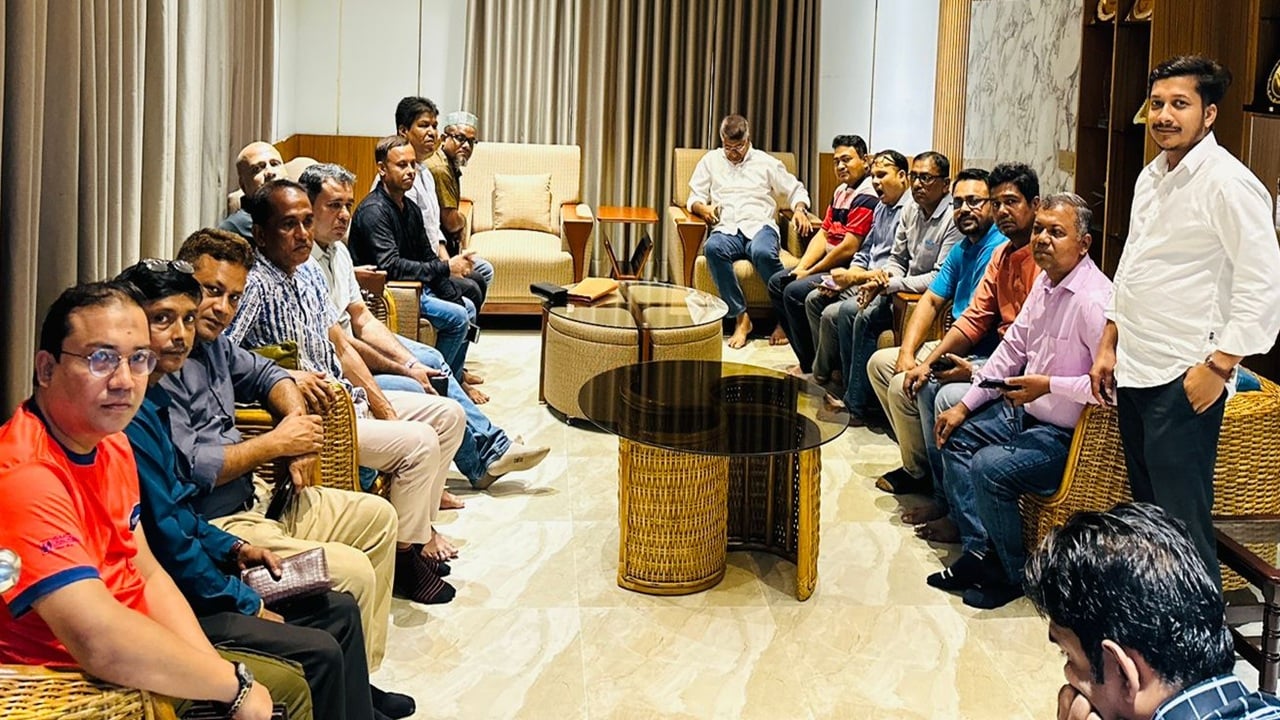
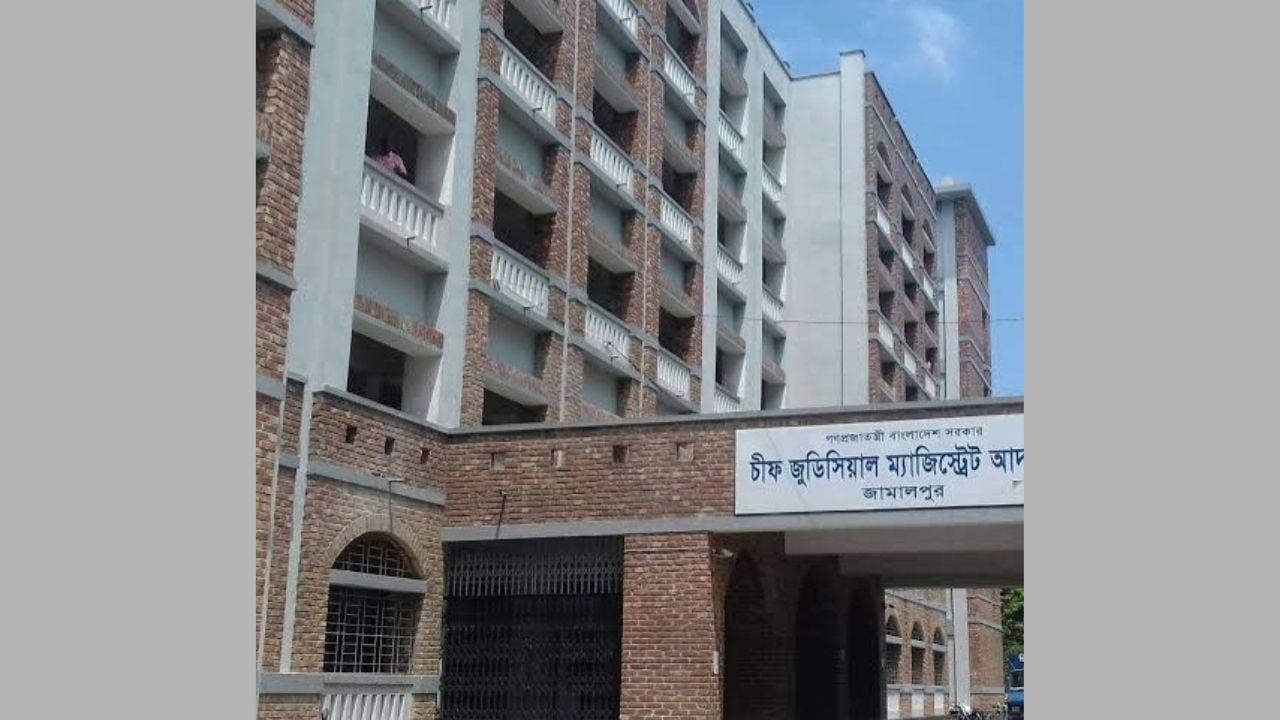
Ten leaders and activists of the Awami League and its affiliated organizations, including Madarganj Upazila Awami League president Jibon Krishna Saha, were sent to jail after a Jamalpur court rejected their bail petitions. They surrendered before the Senior Judicial Magistrate Court on Monday and sought bail, which Magistrate Romana Akter denied after a hearing. According to court sources, two separate cases were filed in 2024 under the Explosives Act and for sabotage during a period of political unrest. The cases were lodged by local BNP leaders Mizanur Rahman Ratan and Abdullah Al Mamun, naming several Awami League and allied organization members as accused. After remaining fugitive for a long time, the ten accused appeared in court to surrender. The Assistant Public Prosecutor of the court, Mahbubur Rahman Sohel, confirmed that the cases are still under trial and further legal proceedings are ongoing. The court will decide on the next hearing date based on case progress.
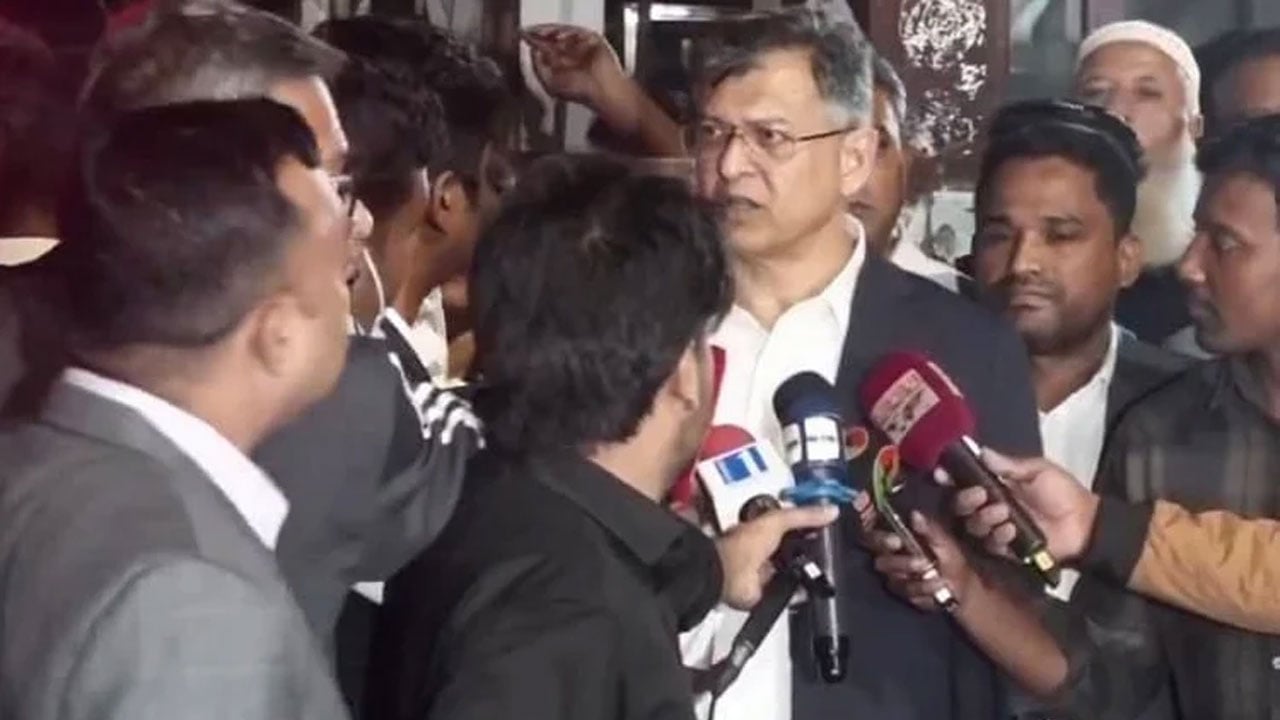
Bangladesh’s Home Minister Salahuddin Ahmed on Monday addressed the controversy surrounding the temporary police custody of Khairul Islam Sajib, son of BNP lawmaker Azharul Islam from Narayanganj-3. Speaking to reporters at the Secretariat, he said Sajib was taken into custody for questioning based on multiple complaints received by the police. After verifying information and conducting necessary interrogation, police decided to release him upon taking a written undertaking. The minister emphasized that no one holds special privileges under the law, stating that all citizens are equal before it. He further asserted that the country’s law and order situation has not deteriorated and remains better than before. According to him, the government remains vigilant to maintain stability, and opposition parties’ right to hold rallies is part of democratic practice. Salahuddin Ahmed also mentioned that law enforcement strength is increased when necessary. He confirmed that the recent army deployment was based on intelligence reports to prevent subversive activities linked to the banned Awami League’s anniversary events.
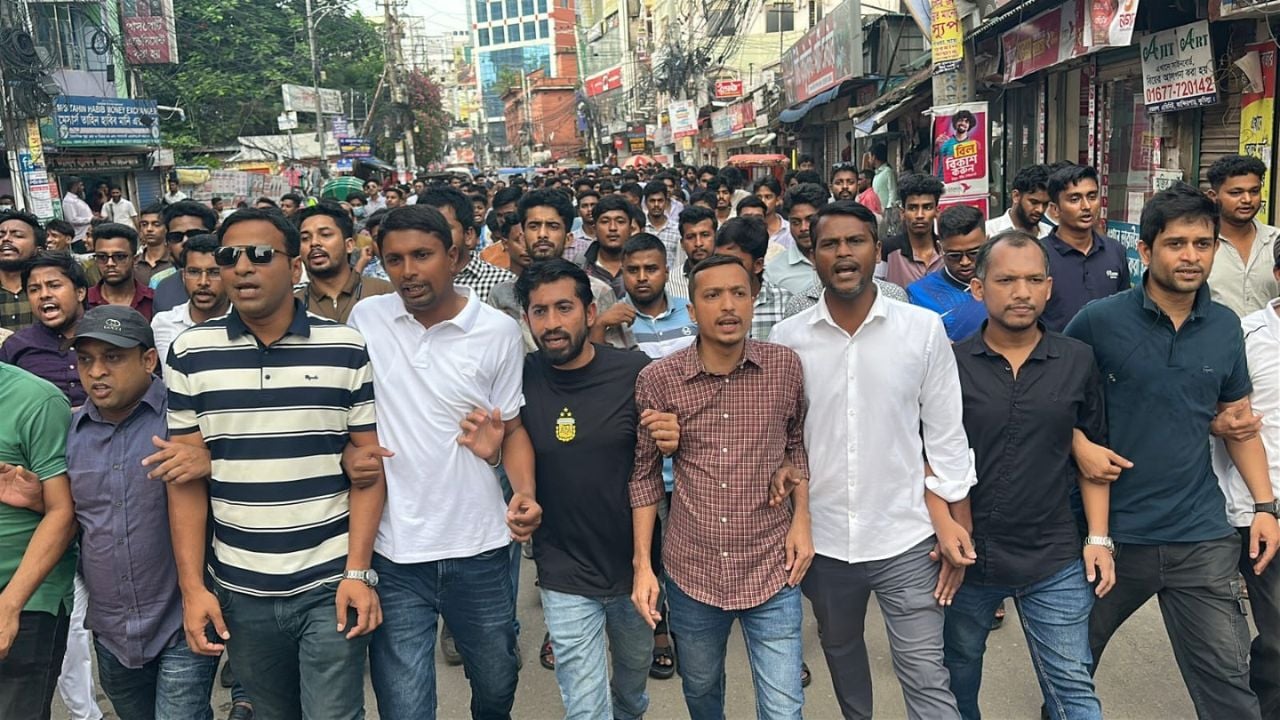
On June 22, 2026, leaders and activists of the Comilla Metropolitan and South District units of the Chhatra Dal held a protest march across several streets in Comilla city. The demonstration was organized to oppose potential violence and flash processions by the banned Awami League and its affiliated organizations ahead of the party’s anniversary on June 23. Participants included local Chhatra Dal leaders such as Nahiduzzaman Rana, Faiyaz Rashid Primo, Ismail Hossain, and Kazi Jubayer Alam Jilani. Following the march, South District Chhatra Dal president Kazi Jubayer Alam Jilani stated that the Awami League remains a banned organization and that any attempt to disrupt peace in Comilla would be resisted in cooperation with law enforcement. Metropolitan Chhatra Dal general secretary Faiyaz Rashid Primo added that the group would maintain a 24-hour presence across the city to prevent unrest. Comilla police officials, including the Officer-in-Charge of Kotwali Police Station and the Superintendent of Police, confirmed that special operations were underway and that any attempt by the banned organization to stage processions or digital activities would be firmly countered.
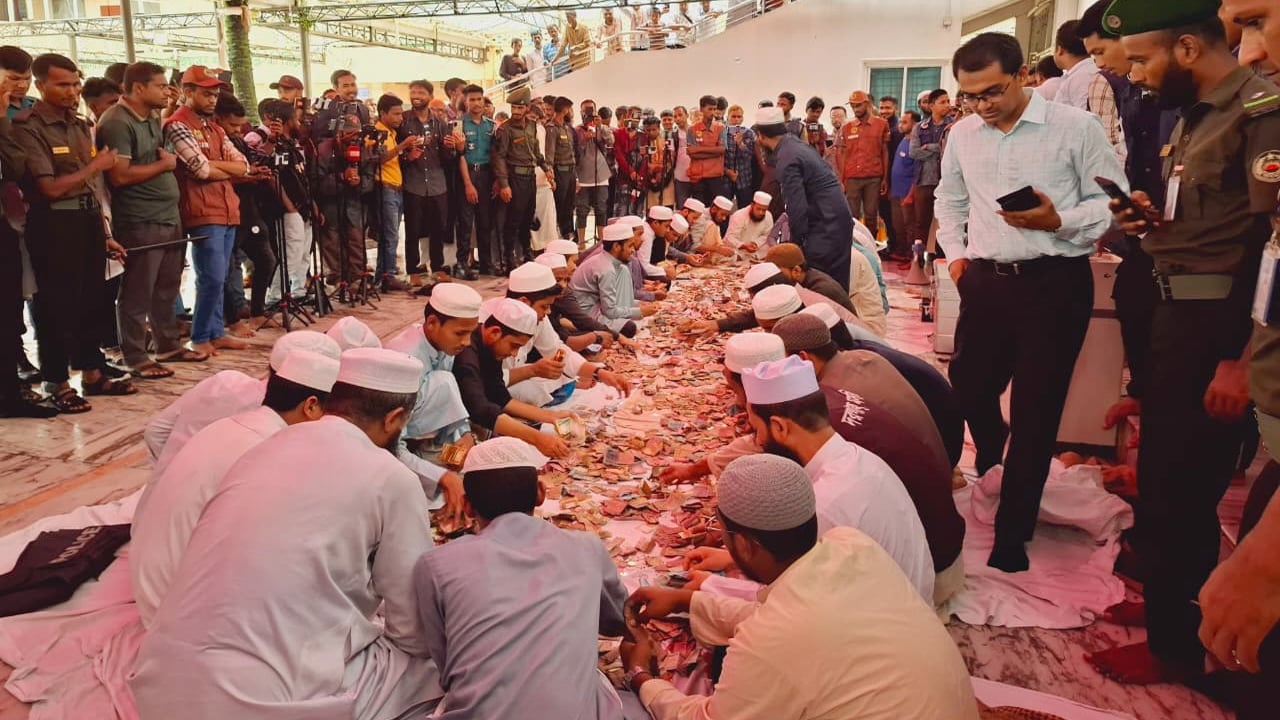
For the first time in 707 years, donations at the historic shrine of Hazrat Shahjalal (R.) in Sylhet were publicly counted under the supervision of the district administration. Over four and a half days, a total of 1,765,559 taka and seven ana of gold were collected from the shrine’s donation boxes and cauldrons. The counting concluded on Monday afternoon, with officials confirming the figures. A certificate praising District Commissioner Md. Sarwar Alam’s initiatives was also found inside one of the cauldrons. Earlier, on Thursday, the old cauldrons were sealed and nine new donation boxes were installed under administrative oversight. CCTV cameras were also set up to ensure transparency in the donation collection process. The shrine, one of Bangladesh’s most significant religious and tourist sites, uses donations for maintenance, development, and religious activities. The public counting followed growing discussions about the shrine’s financial management. Authorities said the measures aimed to ensure transparency and accountability. However, on Sunday, the Public Administration Ministry reassigned DC Sarwar Alam without explanation, prompting protests in Sylhet demanding his reinstatement.
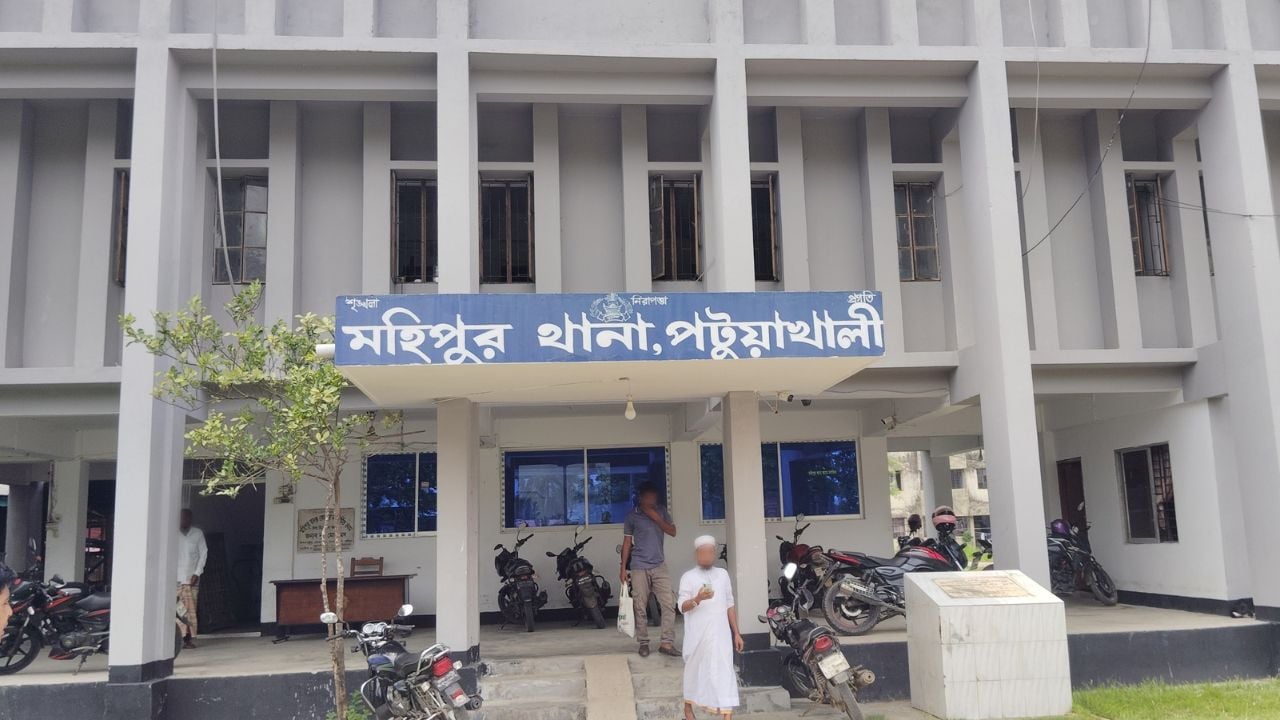
A violent attack occurred late Sunday night in Patuakhali’s Mohipur area, where a woman allegedly entered her husband’s home by cutting through the wall and attacked him and his second wife with a sharp machete. Police arrested the accused, identified as Khadija Begum, 23, the first wife of Hasan Sardar, 24. The incident took place around 11:30 p.m. in East Alipur village under Latachapli Union. Both Hasan and his second wife, Mim, 19, sustained serious injuries and were first taken to Kuakata Hospital before being transferred to Patuakhali Medical College Hospital for advanced treatment. According to police and local sources, Khadija had been living at her father’s house in Purana Mohipur following marital disputes. During her absence, Hasan married Mim on May 17 and began living with her in Alipur. Upon learning of the second marriage, Khadija became enraged and carried out the attack. Locals rescued the injured couple after hearing their screams. Police confirmed that legal action has been taken, and the suspect has been sent to court. The incident has caused significant local unrest.
The government has established a four-tier committee system to review and finalize the posting of newly appointed assistant teachers and the transfer of existing teachers in government primary schools. According to a circular issued on Sunday by the School-2 Division of the Ministry of Primary and Mass Education, the committees will operate at national, divisional, district, and upazila or thana levels. At the national level, the committee will be chaired by the Secretary of the Ministry of Primary and Mass Education, with the Director General of the Directorate of Primary Education as a member and the Additional Secretary (School) as member secretary. Divisional committees will be led by the Divisional Commissioner, district committees by the Deputy Commissioner, and upazila or thana committees by the Upazila Nirbahi Officer. Each committee will include designated education officials and two respected local members nominated by the chair. The circular states that all four committees must meet at least once a month to verify and resolve transfer applications. Priority will be given to teachers awaiting placement in schools where replacement-based transfer orders have already been issued.

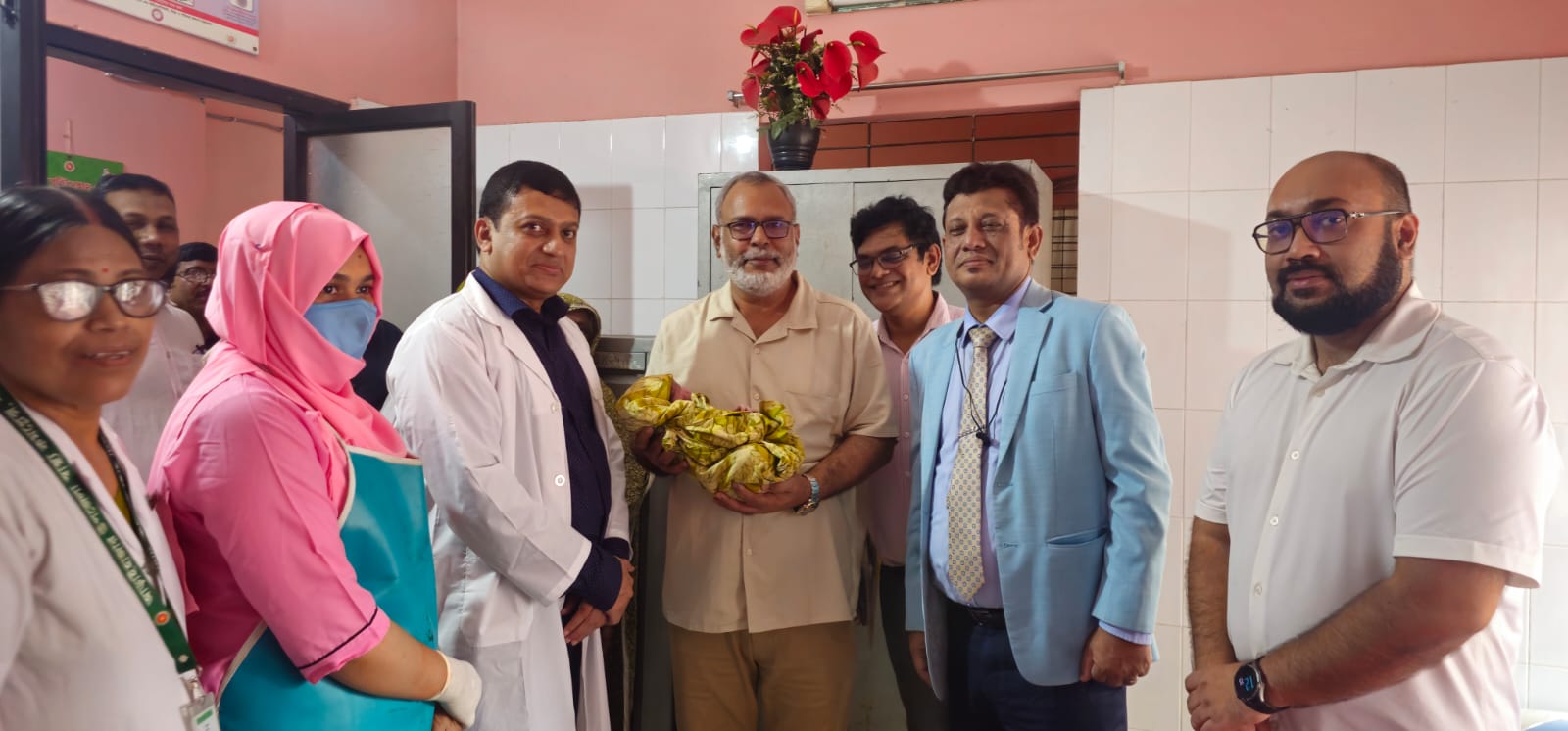
Professor Dr. Zahid Raihan, Additional Director General (Administration) of the Directorate General of Health Services, visited the Araihazar Upazila Health Complex in Narayanganj on Monday morning. During the three-hour inspection, he toured various wards, service centers, the labor room, and other departments, expressing high praise for the hospital’s cleanliness, environment, and quality of care. He also announced a cash reward of one thousand taka for a mother who had given birth through normal delivery to encourage such deliveries. Dr. Raihan stated that among the many hospitals he has visited across the country, few maintain such a high level of cleanliness and order. He noted that every area, from toilets to wards, was well maintained and that patient care conditions were satisfactory. Hospital sources said that recent initiatives have been taken to improve service quality, cleanliness, and patient-friendly conditions at the Araihazar Health Complex. The senior official’s commendation has reportedly inspired renewed enthusiasm among the hospital’s doctors, nurses, and staff.
The United States has announced a temporary relaxation of sanctions on Iran’s oil sales following progress in recent diplomatic discussions. US Treasury Secretary Scott Bessent said the decision came after positive outcomes from talks held in Switzerland, where both sides reached an understanding on several issues. Under the new arrangement, the US Treasury issued a 60-day general license allowing Iran to produce, supply, and sell oil without sanctions until 12:01 a.m. on August 21. According to Washington, Iran agreed to ensure free and safe navigation in the Strait of Hormuz and to allow International Atomic Energy Agency inspectors access to its facilities. Analysts believe the move could provide significant relief to Iran’s economy, which has been strained by years of strict sanctions. The decision also aims to stabilize operations in the Strait of Hormuz and reduce potential disruptions in global energy supply. The Strait of Hormuz is one of the world’s most critical energy transport routes, and any disturbance there could have major effects on international oil markets and energy distribution.

A group of Argentina football supporters organized a colorful rally in the Pakherhat area of Khansama upazila, Dinajpur, on Monday afternoon. The event featured a massive 700-foot-long Argentine flag and drew participation from over a hundred local fans. Participants wore sky-blue and white jerseys and carried flags and banners as they marched through the Pakherhat market area. Supporter Masud Rana said they arranged the rally out of love for the Argentina team, which he has supported since childhood. Other fans, including Rabbi and Mehedi Hasan, noted that the large flag brought joy to local residents and expressed hope that sports would spread friendship and happiness among young people. The rally highlighted the strong enthusiasm of local football fans and their collective celebration of team spirit through a peaceful and festive gathering.

Mahmudul Hasan, a private sector official, testified on Monday before International Crimes Tribunal-1 as the fifth witness in a case against 17 individuals, including Sheikh Hasina, former IGP Benazir Ahmed, and several current and former army officers. He stated that he was abducted on June 20, 2016, for posting critical comments about the Awami League government on Facebook. Hasan described being detained in isolation and subjected to severe torture, including electric shocks and beatings, while being pressured to confess to militancy. In his testimony, Hasan said he was kept handcuffed for long periods, denied religious observance during Ramadan, and shown disturbing images to coerce confessions. He recounted being later presented to the media by RAB officers, who claimed he had been arrested from a nearby building, and then charged under multiple laws, including the Arms Act and Anti-Terrorism Act. After 25 months in jail, he was released on bail but was again detained for 16 days by counterterrorism officials before being freed upon signing a bond. Hasan demanded exemplary punishment for those he alleged were involved, including RAB’s intelligence wing, the Home Ministry, and the then government.
Assistant Secondary Education Officer Md. Shahinur Rahman has been serving in the same position at Taraganj Upazila Secondary Education Office in Rangpur for more than ten years. He joined the office on December 3, 2015, and continues to hold the same post, now also acting as the Upazila Secondary Education Officer. Despite multiple transfers of other officials during this period, no transfer order has been implemented in his case. According to administrative and education policy, field-level officials are not supposed to remain in one workplace for extended periods to ensure neutrality, transparency, and accountability while preventing the creation of local influence networks. However, Shahinur Rahman’s long tenure has raised questions about the effectiveness of these policies. Several teachers, school management committee members, and local residents, speaking anonymously, alleged that his prolonged stay has led to the formation of a strong influence circle within the education administration. Local sources also claimed that he was close to former Member of Parliament Ahsanul Haque Chowdhury Duke during the Awami League government. When contacted, Shahinur Rahman declined to comment on the matter.
The National Citizens Party (NCP) has announced plans to hold protest rallies across all districts and metropolitan areas of Bangladesh on Tuesday. The demonstrations aim to demand justice for alleged disappearances, killings, and mass murders said to have been committed by the banned Awami League. The directive was issued Monday through a message signed by Sadia Farzana Dinar, a member of the party’s office cell. According to the announcement, all district and metropolitan branches of the NCP have been instructed to organize protest gatherings at 5 p.m. Tuesday in their respective areas. The protests coincide with the anniversary of the banned Awami League, for which the government has decided to deploy the army in six districts—Dhaka, Gazipur, Narayanganj, Faridpur, Gopalganj, and Chattogram—to prevent possible unrest. Separately, an 11-party alliance has also called for a protest in the capital, citing slow progress in trials related to the July Movement killings, deteriorating law and order, and attacks on its activists.

The Bangladesh Nationalist Party (BNP) and its affiliated organizations held a protest march in Madan upazila of Netrakona on Monday afternoon. The demonstration, organized by the upazila and municipal BNP units, began at the party’s local office, passed through the old bus stand, and concluded at Madan Bazar. Leaders and activists from various BNP wings, including the Jatiyatabadi Chhatra Dal, Jubo Dal, Swechchhasebak Dal, Krishak Dal, and Mohila Dal, participated in the event. According to Upazila BNP General Secretary Rafiqul Islam Akand, the protest was organized in response to what he described as attempts by the Awami League and its associates to destabilize law and order across the country. He stated that the BNP remains prepared to resist any acts of sabotage allegedly carried out by the ruling party. The event reflected ongoing political tension between the BNP and the Awami League, with the opposition party framing its protest as a defense of national stability.

A major political upheaval has emerged in West Bengal as a rebel faction of the Trinamool Congress, calling itself the 'Real Trinamool', announced the removal of Mamata Banerjee from the post of party chairperson. The group also declared the temporary suspension of senior leader Abhishek Banerjee. The decision was made at a meeting held at a hotel in New Town, Kolkata, reportedly attended by 60 legislators and 70 municipal councillors. Arup Roy, an MLA from Howrah, was named the new chairperson. The rebellion followed the expulsion of Ritabrata Banerjee by Mamata’s leadership for alleged anti-party activities. Ritabrata’s supporters responded by forming a new committee, arguing that the party’s constitution requires reconstitution of the national executive every three years, which they claim was overdue since February 2022. Rebel leaders said the move was necessary to preserve organizational legitimacy and continuity. Reports indicate the Trinamool Congress is now split into three factions. Rebel MPs plan to approach India’s Supreme Court to claim control over the party’s election symbol, while uncertainty looms over the management of about 1,100 crore rupees in party funds.

The ‘1 Nojor’ media platform is now live in beta, inviting users to explore and provide feedback as we continue to refine the experience.