

The ‘1 Nojor’ media platform is now live in beta, inviting users to explore and provide feedback as we continue to refine the experience.
Bangladesh’s Appellate Division has set September 7 to decide whether it will admit for hearing an appeal filed by Maulana Abul Kalam Azad against his death sentence in a crimes against humanity case linked to the 1971 Liberation War. A bench led by the chief justice issued the order on Monday, August 31. Barrister Ehsan Abdullah Siddik and Barrister Najib Momen represented Azad in court. Azad filed the appeal on August 10 against the death penalty verdict issued by the International Crimes Tribunal. The tribunal sentenced him to death in absentia on January 21, 2013. The report describes the verdict as the first in a crimes against humanity case 41 years after Bangladesh’s independence. He had faced allegations of crimes against humanity at different locations in Faridpur during the Liberation War. After remaining absconding for a long period, Azad surrendered before the International Crimes Tribunal on January 21 this year. The report says the president suspended his death sentence for one year on condition that he surrender and file an appeal. The Home Ministry issued a gazette notification on the sentence suspension on October 22, while International Crimes Tribunal-2 directed that necessary case documents be supplied for filing the appeal.
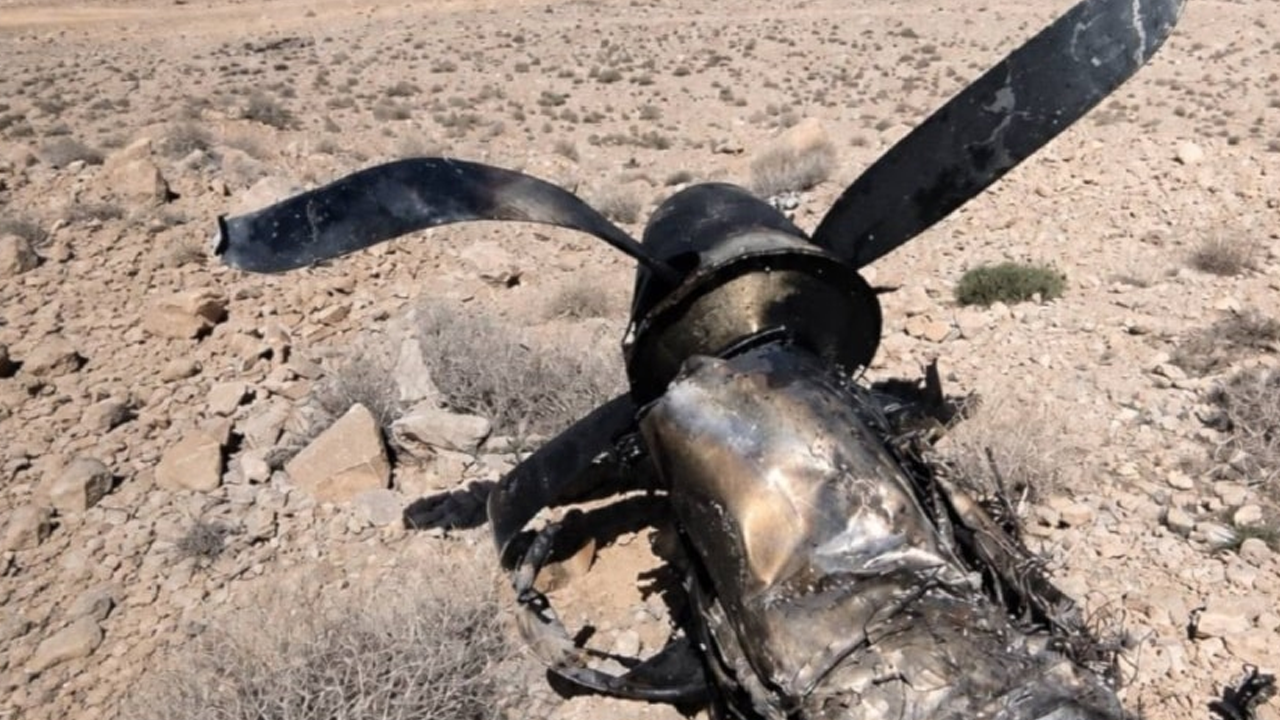
Iran’s Islamic Revolutionary Guard Corps, or IRGC, has claimed it shot down a United States MQ-9 Reaper drone over the Strait of Hormuz. Iranian news agencies Fars and Mehr reported the claim, citing an IRGC statement that said Iran’s air-defence system detected the long-range US drone in the sky over the strategic waterway and brought it down. According to the IRGC statement, the air-defence system intercepted what it described as a long-range American MQ-9 drone after identifying its presence above the Strait of Hormuz. The statement said the drone later fell into the Gulf. The source does not include confirmation of the claim from US authorities or independent verification of the reported incident. The claim comes as military tensions between Iran and the United States have risen again. The source says both sides have been carrying out attacks against each other after a comparatively calm period of about a month. Iran said its air-defence forces acted after detecting the US drone over the Strait of Hormuz.
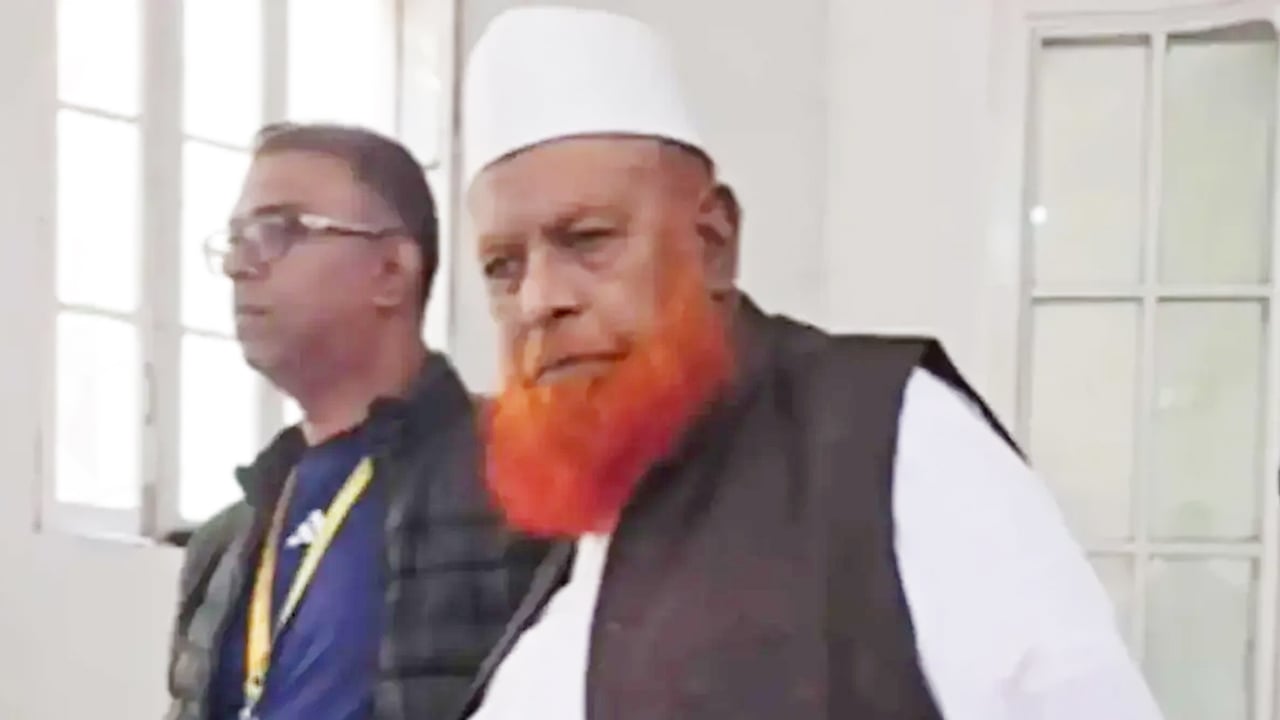
Police arrested four people, including three BNP leaders and a Chhatra Dal leader, in Pirojpur over allegations of demanding extortion money from a contractor working on a power substation project. The detainees include former Kadamtala Union chairman and union BNP president Abdus Salam Sheikh, union Sramik Dal general secretary Raju Sheikh, former president Ashraful, and union Chhatra Dal president Hasib Sheikh. Pirojpur Sadar police said Salam Sheikh was arrested in Dhaka with assistance from Rapid Action Battalion-10, while the other three were detained from different areas of Pirojpur and handed over to police. Pirojpur Sadar police station officer-in-charge Shariful Islam confirmed the arrests in connection with an extortion case. According to the case statement, contractor Zakir Hossain began sand-filling work at the under-construction substation in Kadamtala village on August 13. He alleged that Salam Sheikh pressured him to take him as a partner and later demanded one taka for each cubic foot of sand. The complaint says that after Zakir refused, Salam and associates broke about one kilometre of sand-filling pipeline, causing an estimated loss of Tk150,000. The case names six accused and four or five unidentified people.
-b75bee.jpg)
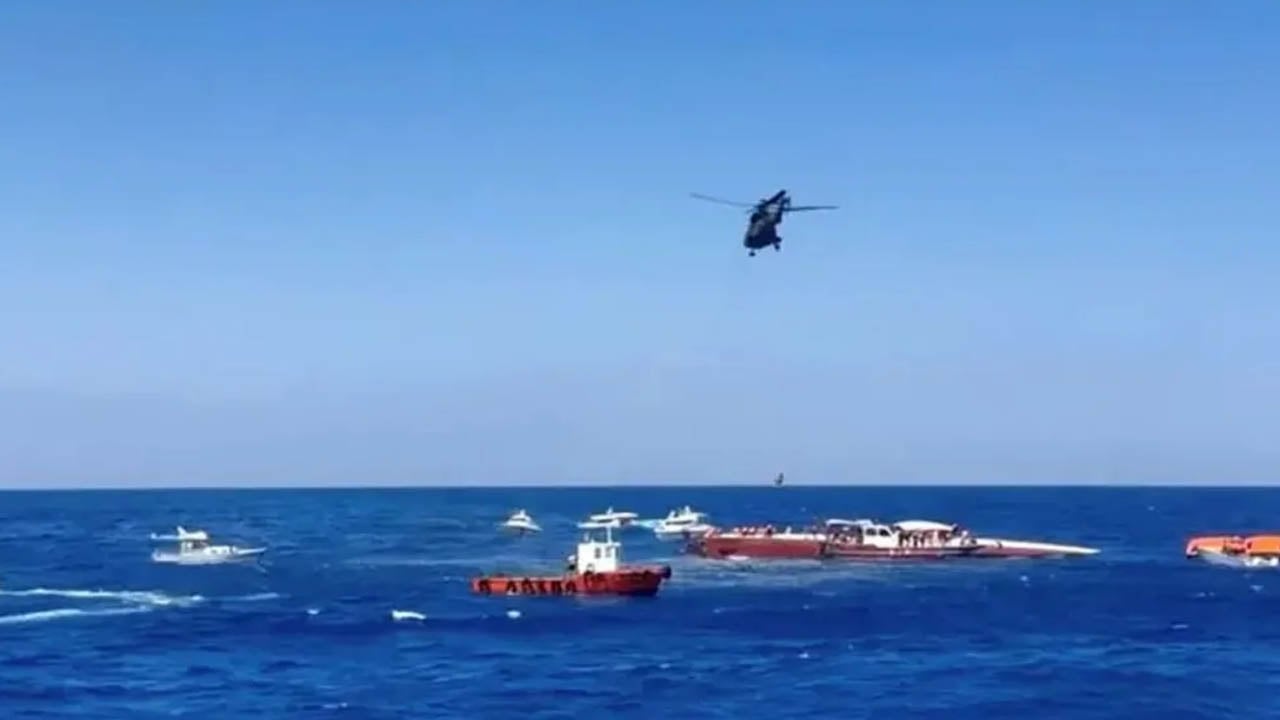
At least eight people died after a passenger ferry sank off the coast of Kyrenia in northern Cyprus. The ferry was carrying 259 passengers and eight crew members when it overturned after water entered the vessel during bad weather, authorities said. Authorities said two large waves struck the ferry in succession, allowing water to enter before it capsized. About 100 people have been rescued and brought ashore, while many passengers remain missing. Turkey and northern Cyprus have launched a joint search operation using vessels and helicopters to find the missing people. The ferry captain and seven crew members have been detained as an investigation into the cause of the accident proceeds. Authorities said action would be taken against those responsible if any negligence is found.
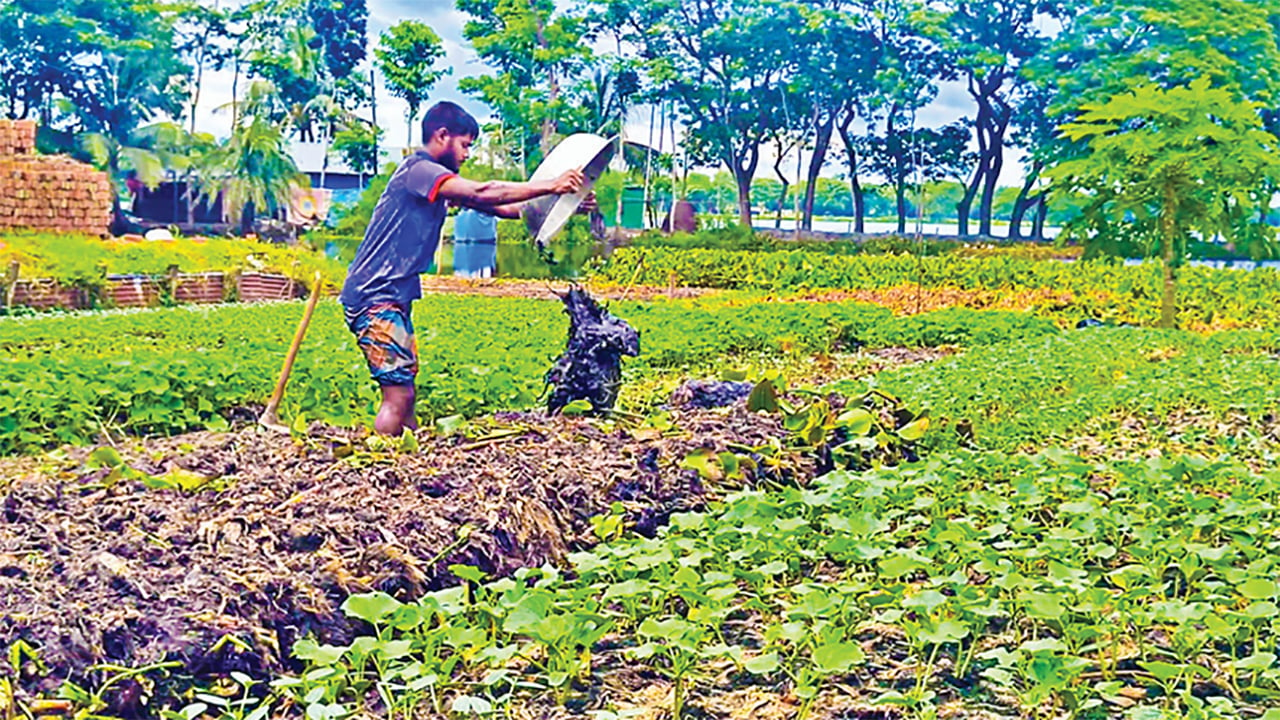
Farmers in Shobhan area of Faridganj upazila, Chandpur, are turning discarded water hyacinth from the Dakatia River into floating beds for chemical-free vegetable cultivation. The practice has become an income source while supplying consumers with safer vegetables. Farmers grow 15 to 17 varieties, including bottle gourd, pumpkin and red amaranth, and later use the remaining beds as organic fertilizer. Farmer Sahid Talukdar began experimenting with the method after seeing floating-bed seedlings brought from Barishal by a plant seller three decades ago. More than 100 farmers in Shobhan village now follow the approach, while trainees and farmers from other districts and upazilas visit Faridganj to observe it. Talukdar said he made 60 floating beds this year at a cost of about Tk350,000 and expects earnings of around Tk1 million. Farmer Abu Taher said creating a one-decimal bed costs about Tk5,000 and can generate Tk10,000 to Tk12,000. Faridganj agriculture officer Kallol Kishore Sarkar said the department has arranged 28 demonstrations and that expanded training and technical support could raise production several times.
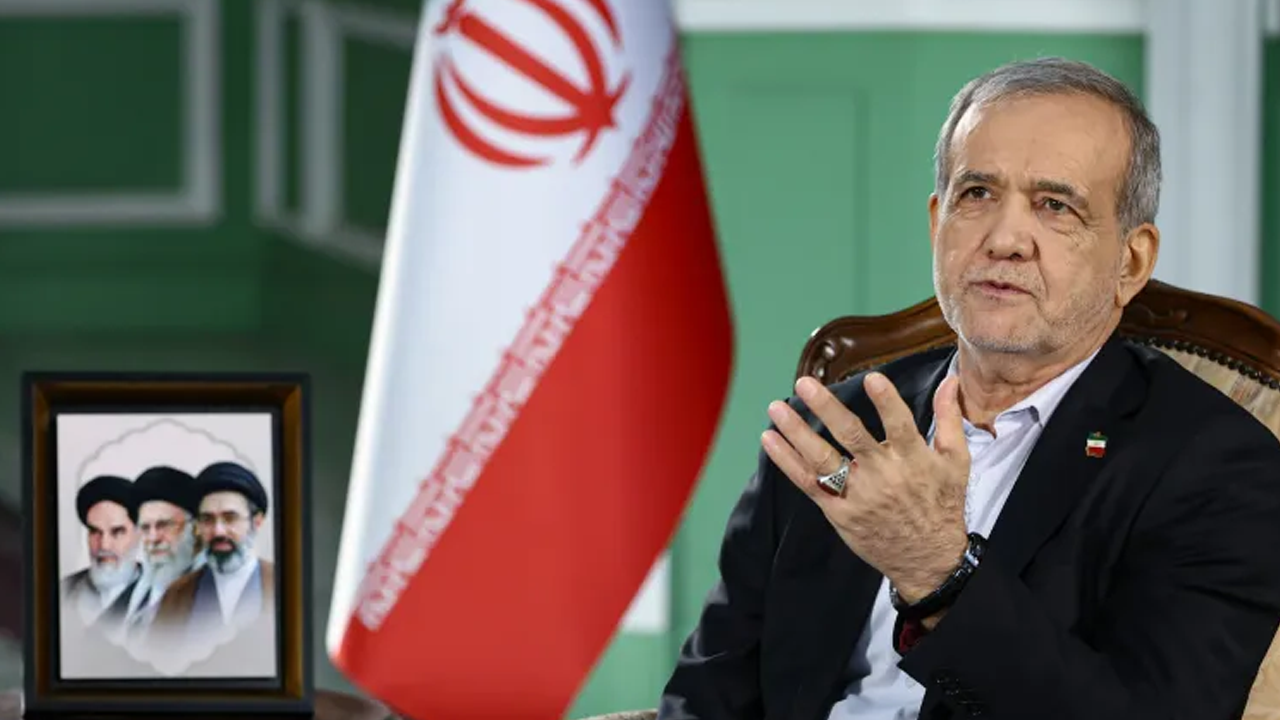
Iranian President Masoud Pezeshkian said Iran does not want war but will not remain silent in the face of any aggression. He made the remarks while travelling to Bishkek, the capital of Kyrgyzstan, to attend a summit of Shanghai Cooperation Organisation member states, following a US attack on Iran's Larak Island. According to Iran's Fars news agency, Pezeshkian said any party attacking Iran would receive a “final response.” He said Iran would never sit still before aggression. He also said instability and unrest in the region serve no country's interests and would create challenges for everyone. The US Central Command said it conducted a “limited and precise” operation against an Iranian Islamic Revolutionary Guard Corps mine-laying force, citing an “imminent threat” in the Strait of Hormuz. Tehran described the attack as an act of aggression. The strike has renewed tensions in the Middle East, while Pezeshkian's comments combined stated opposition to war with a firm warning of retaliation if Iran is attacked.
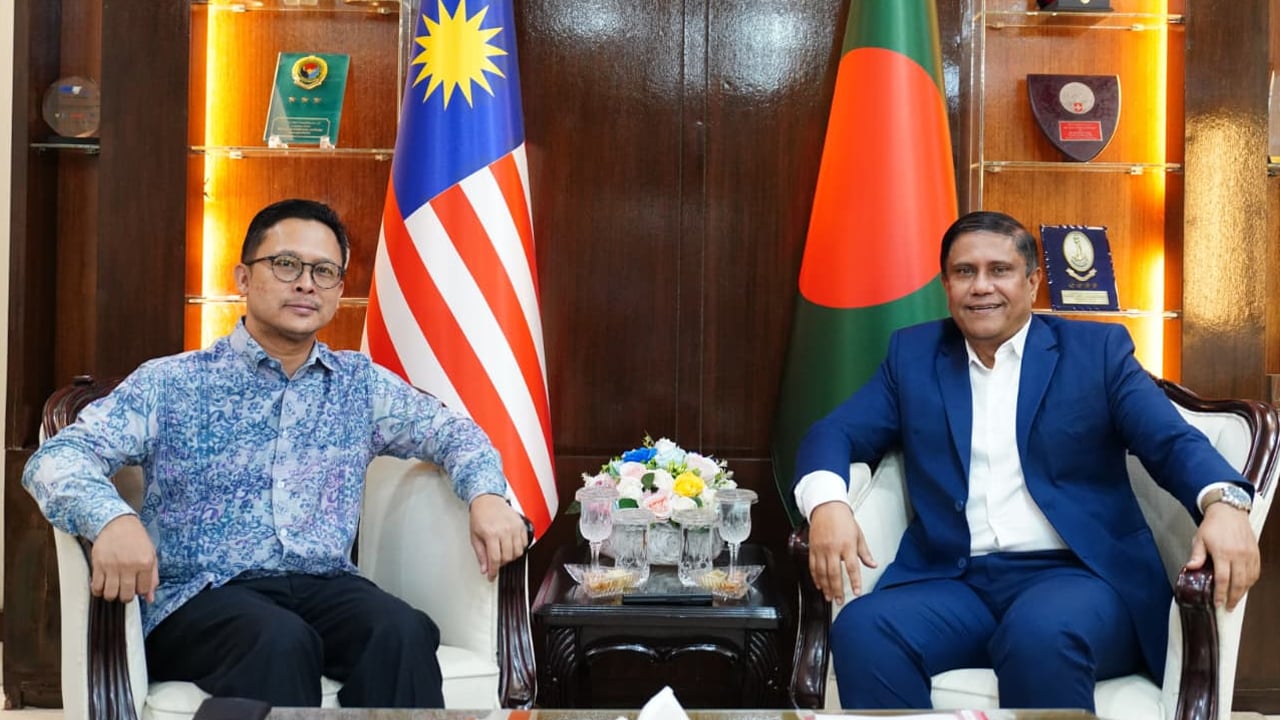
Malaysia’s High Commissioner to Bangladesh, Mohammad Suhada Osman, paid a courtesy call on Prime Minister’s Defence Adviser Brigadier General (Retd.) Dr AKM Shamsul Islam on Monday at the Armed Forces Division office in Dhaka Cantonment. The meeting was held in a cordial atmosphere and covered the longstanding friendly relationship between Bangladesh and Malaysia, defence cooperation, and other matters of mutual interest. Both sides emphasized improving professional skills among the armed forces of the two countries through regular joint military training, specialized courses, training exchanges, and broader capacity-building. They also discussed possible cooperation on the transfer of modern military technology, sharing information and experience, military equipment and logistics support, and joint partnerships in defence equipment production. The Malaysian high commissioner praised the sacrifice, discipline, and professionalism of Bangladesh’s armed forces in United Nations peacekeeping missions. He said Bangladeshi peacekeepers’ contribution to global peace was a notable example internationally. The defence adviser highlighted the existing brotherly relationship with Malaysia and expressed hope that defence and strategic cooperation would further strengthen the friendship in the future.
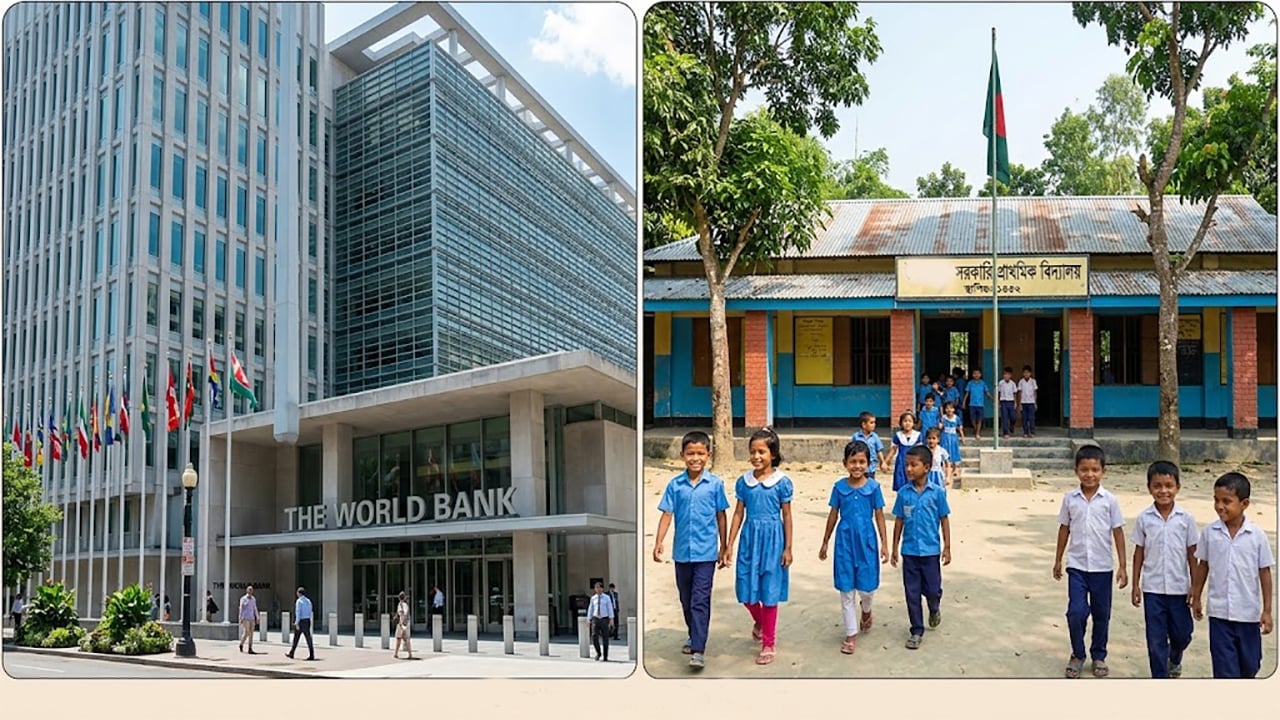
A World Bank report published this year says Bangladesh’s primary education system remains fragile despite its large scale and progress in access and gender equality. The report found that 51 percent of 10-year-old children cannot read and understand age-appropriate basic Bangla and English texts, while also failing to attain grade-appropriate mathematics skills. Bangladesh has 20,183,048 students from pre-primary through grade five. The report cited weak teaching, gaps in school leadership, inadequate infrastructure, climate-related disruptions and low funding as key factors behind learning deficits. Annual Primary School Statistics 2024 recorded more than 20 million children in 118,607 institutions, including 10,617,962 pupils in 65,567 government schools. Of 65,553 head-teacher posts, 27,734 are vacant, with assistant teachers serving in acting roles. Teacher association leader Khairun Nahar Lipi disputed the report’s broad portrayal, saying primary education has improved despite challenges. The government has started recruitment for 32,000 head teachers. A proposed World Bank-financed PEDP-5 project worth Tk 417.61 billion awaits approval, covering teacher training, classrooms, WASH blocks and other targets.
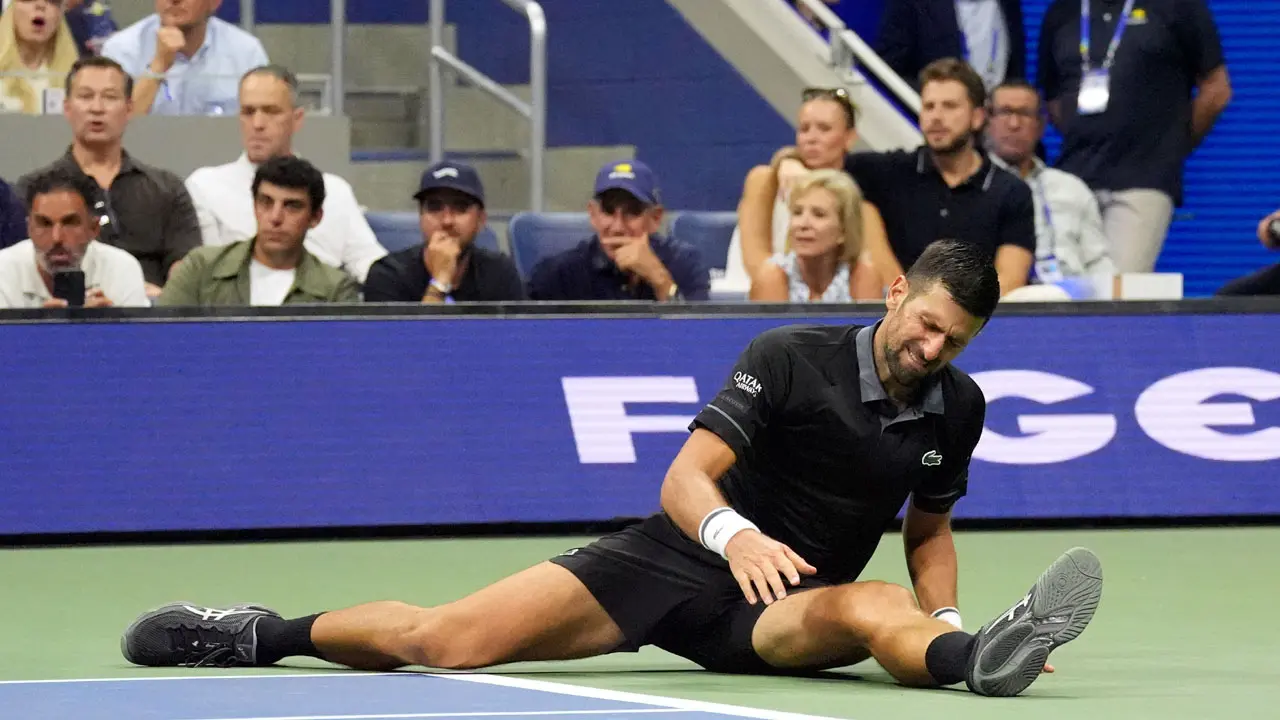
Novak Djokovic was eliminated in the first round of the US Open after losing a five-set match to Argentina’s Mariano Navone. The Serbian star lost 7-6 (7-5), 5-7, 4-6, 6-2, 6-1 while struggling with physical illness throughout the match in New York. Djokovic, 39, had entered the tournament seeking a record 25th Grand Slam title. Djokovic appeared uncomfortable from the beginning in New York’s humid weather. He used an ice bag on his head and requested air conditioning to reduce the court temperature. In the third set, his condition worsened as he vomited several times in the sixth game, later receiving medicine from a physio and drinking fluids. Despite cramps and severe pain, Djokovic continued playing. He recovered from losing the first-set tiebreak to win the second and third sets, but back and shoulder problems made the contest increasingly difficult. Navone won the final two sets, ending Djokovic’s run of 78 consecutive first-round Grand Slam victories. Djokovic had last lost in a Grand Slam first round at the 2006 Australian Open.
Italy is proposing a new highway code rule that would fine pedestrians at least €75 for using mobile phones or other electronic devices while crossing roads. The measure, included in a draft revised highway code prepared by the Transport Ministry, is intended to improve pedestrian safety by reducing distraction from approaching vehicles. Tablets, laptops and digital cameras would also fall under the proposed restriction. Authorities say that even if a driver sees a pedestrian distracted by a phone, there may not be enough time to avoid an accident. The proposal would not ban every form of phone use: emergency calls and hands-free conversations would remain allowed. Headphones would also be permitted if pedestrians can still hear surrounding traffic. The rule would not apply to people walking on pavements. The draft instructs pedestrians to ensure that approaching drivers have seen them and are preparing to stop before crossing, while avoiding unnecessary delay or hesitation. Italy expects approval of the revised code by mid-October. The draft also proposes stricter penalties for drivers using phones, including fines up to €2,588 and licence suspension for one to three months for repeat offences.

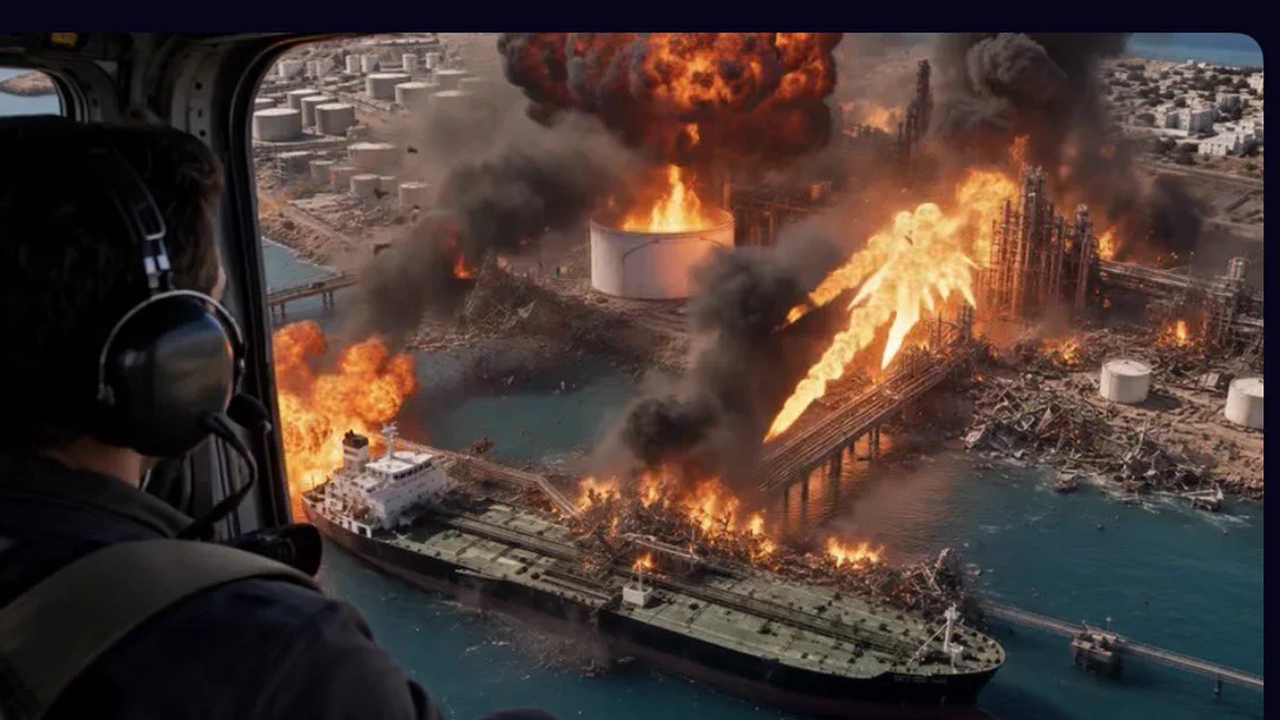
US President Donald Trump posted an artificial intelligence-generated video on his Truth Social account depicting an aerial bombing of Iran’s Kharg Island, a major oil port. The video shows explosions involving an oil storage tank and an oil tanker. Trump accompanied the post with a message saying Kharg Island was being crushed. The footage does not show a real attack, according to the source, but an AI-created depiction. Before the war, most of Iran’s oil exports were handled through Kharg Island, making it a highly important center for the country’s economy. Trump has threatened to seize or destroy Kharg Island since the war began and has previously referred to the possibility of taking control of or destroying it. The new AI video presents an imagined scenario of a possible attack and again highlights US military threats concerning the key oil facility.
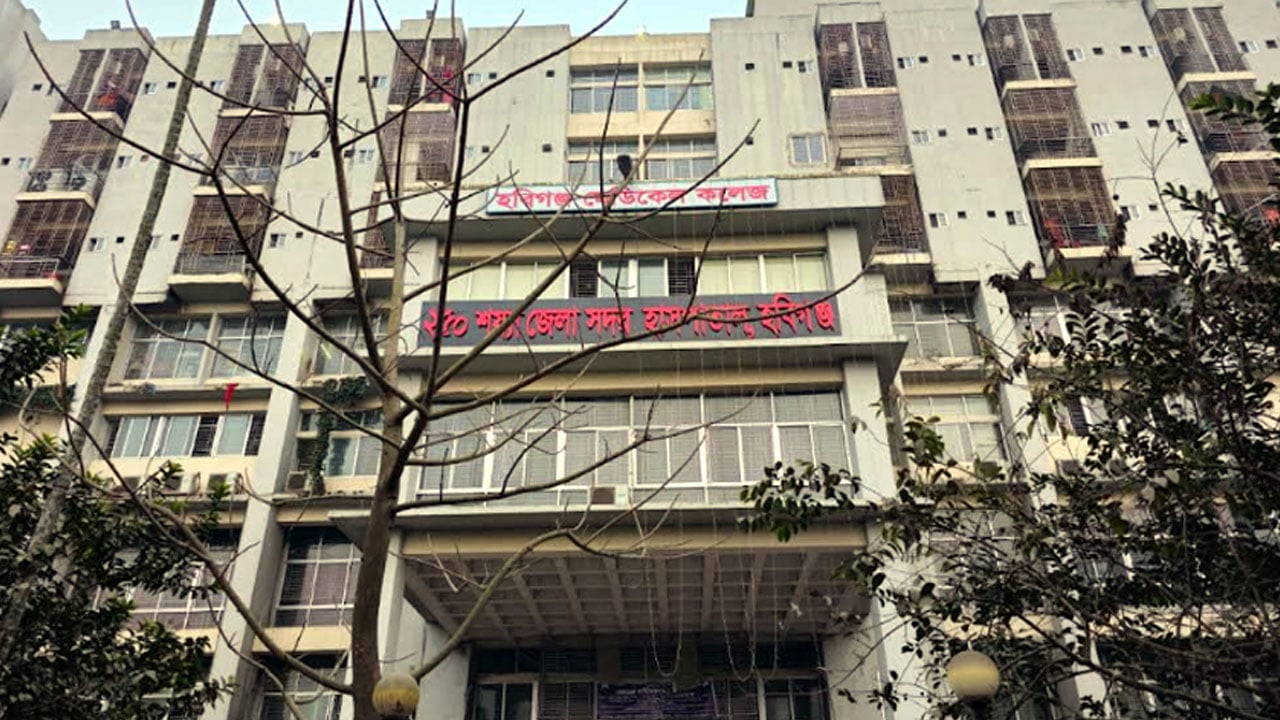
Habiganj Medical College has expelled eight students from academic activities and its hostel for varying periods following a fight among students at Hostel-1. The expulsion order, signed by Principal Professor Dr Mohammad Javed Zillul Bari, was issued on Sunday night. The clash occurred at about 12:30am on August 19 and left several students seriously injured. One injured student, Tafsir Ahmed, was at risk of losing an eye and is receiving treatment at the National Institute of Ophthalmology in Dhaka. The college formed a six-member investigation committee following an emergency meeting of its Academic Council on August 20. The committee submitted its report to the disciplinary committee on August 27. After reviewing the report, the disciplinary committee recommended punishment, which was approved at the Academic Council’s 22nd meeting. Seven students received academic suspensions ranging from six months to seven years and lifetime hostel expulsions, while one was expelled from the hostel for one year. Five students, including one of those expelled, were identified as instigators and warned of strict action if future involvement is proven.
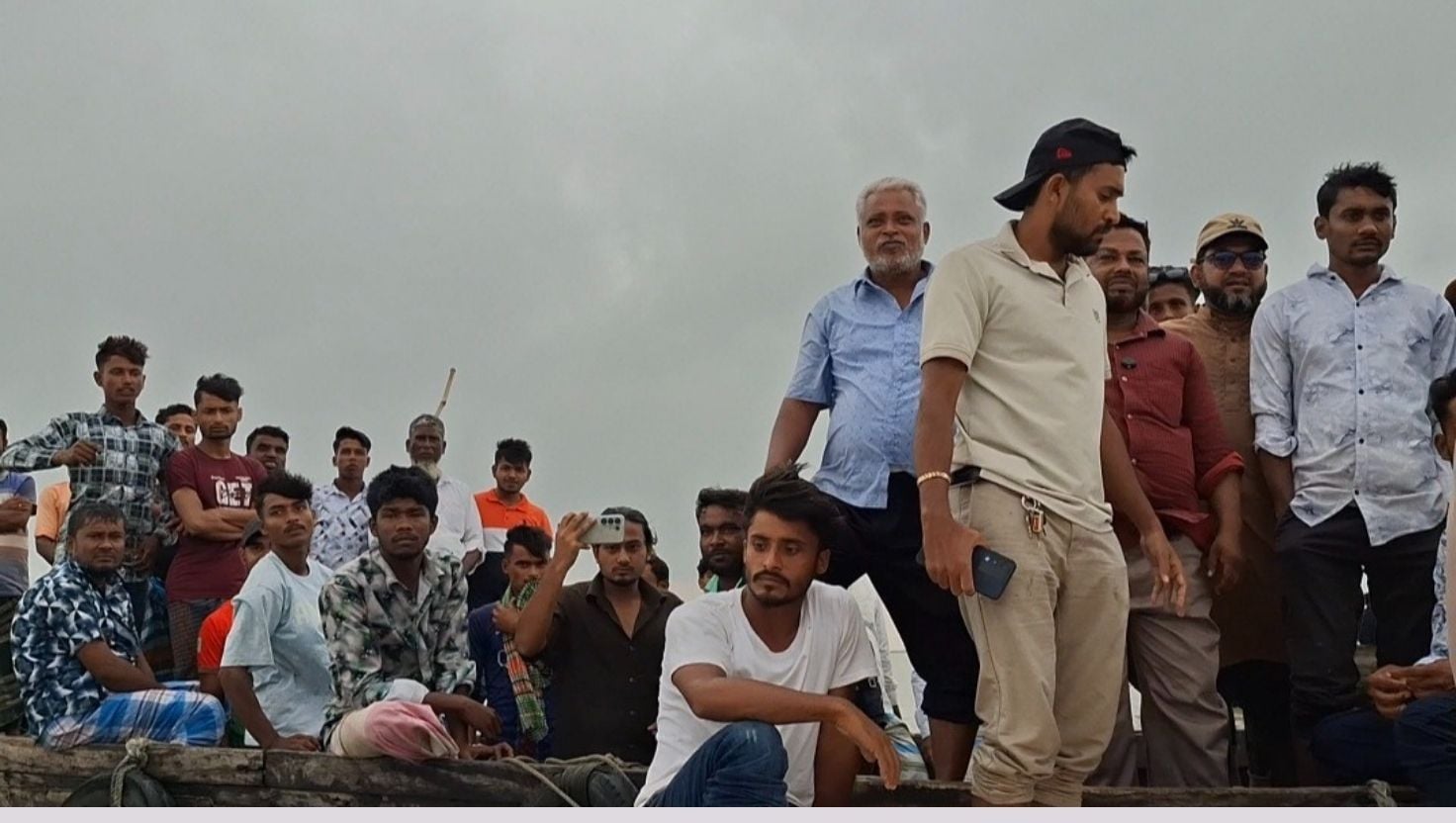
Local BNP leaders were accused of attempting to take control of a newly emerged river char in the Meghna River at Char Ramani Mohan Union of Lakshmipur Sadar Upazila on Sunday morning. Farmers resisted the effort, and the group ultimately left without gaining control, according to the report. Union BNP president Abdul Kader, along with BNP members Md Ripon and Md Milon, reportedly travelled from Majuchowdhury Hat in two trawlers with supporters. Farmers said they had cleared weeds and made the river chars suitable for cultivation, growing rice, soybeans and various vegetables. They alleged that the leaders arrived with around 50 people and locally made weapons, and that they sought Tk20,000 per acre in exchange for renting the char land. Farmers said the alleged attempt to evict them followed their refusal to pay. Abdul Kader denied the allegations, saying some party activists had gone to the char for a picnic and that it remained controlled by Awami League and Jubo League members. Police and river police later went to the area, brought the situation under control and moved both sides away to prevent any untoward incident.
US President Donald Trump said Iran would not be allowed to obtain nuclear weapons, reiterating Washington’s position in an interview with Fox News. Trump said plainly that Iran could not be permitted to acquire such weapons and would not get them. He described Iran’s leadership as highly violent and evil, claiming Tehran would use nuclear weapons if it possessed them. Trump said an Iranian nuclear capability would effectively devastate the Middle East and destroy Israel, while also raising the possibility that the United States or Europe could later become targets. Trump also called Iran a failed state and said he was surprised when Tehran began attacking Gulf countries at the start of the war. He said others were shocked as well. However, he ultimately characterized the move as positive, saying it caused Iran to lose the support it had received.

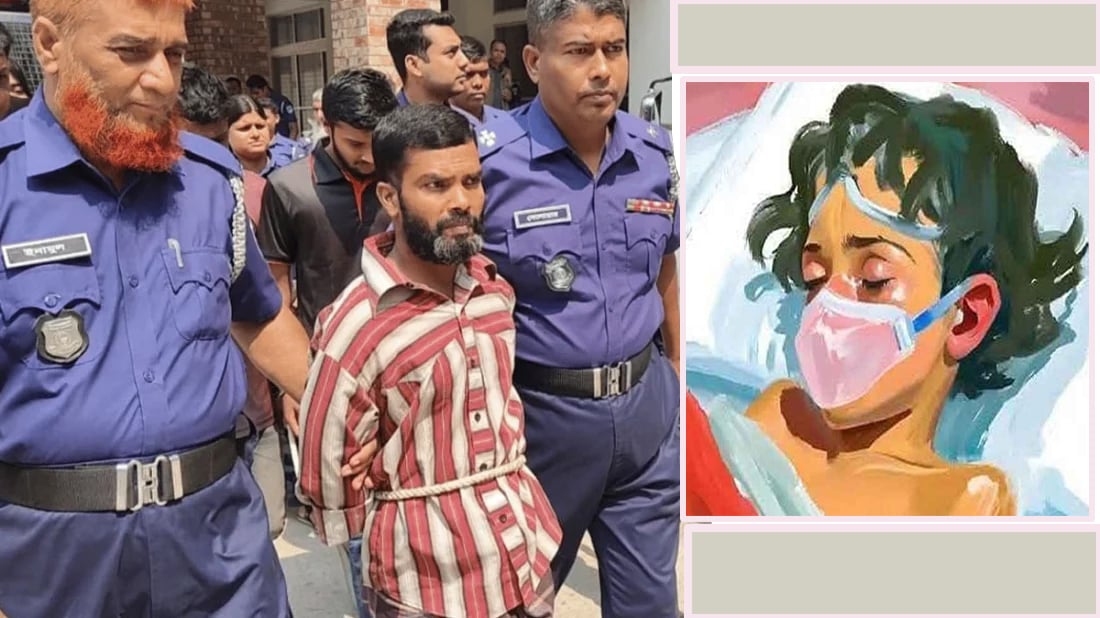
The High Court has upheld the death sentence of Hitu Sheikh, the principal accused in the rape and murder case of eight-year-old Achia in Magura. A bench comprising Justice Bhishmadev Chakrabortty and Justice KM Rasheduzzaman Raja delivered the verdict at about 11am on Monday. Achia was raped and sexually abused in early March 2025 while visiting her sister’s in-laws’ home in Nij Nanduali village of Magura. She was initially taken to hospitals in Magura and Faridpur with severe injuries, then admitted to Dhaka Medical College Hospital and later the Combined Military Hospital in Dhaka. She died during treatment on March 13, 2025. On May 17, 2025, Judge M Zahid Hasan of the Magura Women and Children Repression Prevention Tribunal sentenced Hitu Sheikh, Achia’s sister’s father-in-law, to death. Three other accused—Achia’s sister’s husband Sajib Sheikh, his brother Ratul Sheikh and their mother Jaheda Begum—were acquitted. The tribunal’s records later reached the High Court as a death reference. The verdict had been scheduled for August 25 but was deferred following a state application.
The ‘1 Nojor’ media platform is now live in beta, inviting users to explore and provide feedback as we continue to refine the experience.