

The ‘1 Nojor’ media platform is now live in beta, inviting users to explore and provide feedback as we continue to refine the experience.
Humanity has reached a remarkable milestone in science and technology with the installation of the world’s largest and most powerful digital camera at the Vera C. Rubin Observatory in northern Chile. The 3,200-megapixel camera, built by the SLAC National Accelerator Laboratory of Stanford University, officially began operation in 2025 after being installed in late 2023–24. Designed for the Legacy Survey of Space and Time (LSST) project, the camera weighs about three tons and features a five-foot-wide lens, the largest of its kind. The LSST project, costing approximately 673 million US dollars, took nearly a decade of collaboration among scientists and engineers from multiple countries. The camera’s 201 custom-designed CCD sensors form an ultra-flat focal plane, maintained in a dust-free, -100°C environment. It can capture images so detailed that a golf ball would be visible from 24 kilometers away. Each night, it will collect around 15 terabytes of data, processed using advanced supercomputers and artificial intelligence. The images will help create the first 3D map of the universe, aiding research into galaxies, asteroids, supernovae, and dark matter, and enhancing understanding of cosmic origins.

The International Crimes Tribunal-2 has set June 30 for delivering the verdict in the war crimes case against Jatiya Samajtantrik Dal (JASAD) president Hasanul Haq Inu. The case involves allegations of killing six people in Kushtia during the July Revolution and other killings across the country. The tribunal fixed the date on Monday after completing all legal procedures. Earlier, on May 14, both the prosecution and defense concluded their arguments, after which the tribunal kept the case awaiting verdict. Inu is the sole accused in the case. The tribunal’s investigation agency had submitted its report to the prosecution, leading to the formal filing of charges. On September 25 last year, Tribunal-2 officially accepted the charges. Previously, on November 2, the tribunal framed eight specific charges of crimes against humanity against Inu and ordered the commencement of the trial proceedings.
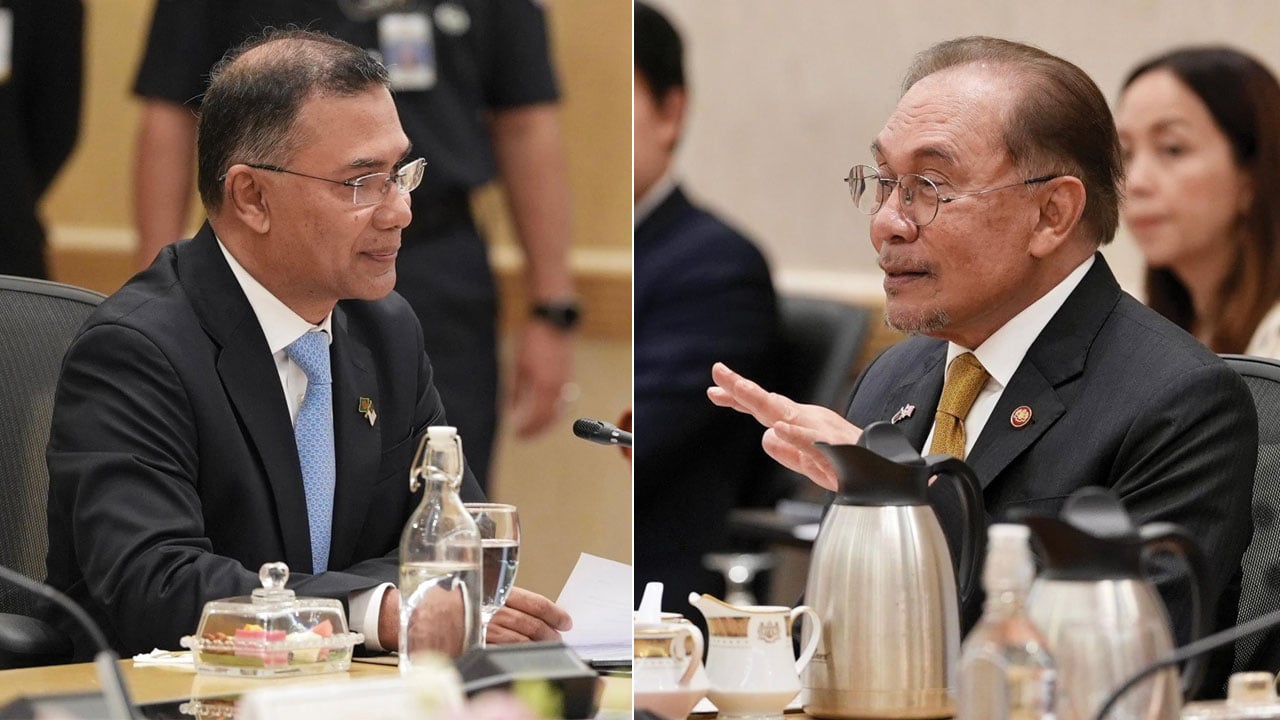
Bangladesh expressed its intention to elevate bilateral relations with Malaysia during a meeting between Tareq Rahman and Malaysian Prime Minister Anwar Ibrahim on June 22, 2026, at the Perdana Putra office in Putrajaya. Rahman urged Malaysia to reopen its labor market for Bangladeshi workers and to regularize undocumented migrants. The two leaders discussed a range of issues of mutual interest, followed by a delegation-level meeting reviewing bilateral, regional, and international matters. Discussions covered labor recruitment, renewal of work permits, market access for Bangladeshi agricultural products, Bangladesh’s application to become an ASEAN Sectoral Dialogue Partner, inclusion in the Regional Comprehensive Economic Partnership, the Rohingya issue, and cooperation in multilateral forums. After the talks, both prime ministers witnessed the signing of a memorandum of understanding on cultural affairs, as well as the exchange of documents on counterterrorism research cooperation and investment promotion. The meeting concluded with a joint press conference and a luncheon hosted by the Malaysian prime minister, featuring a cultural program performed by Malaysian artists in Malay and Bengali languages.
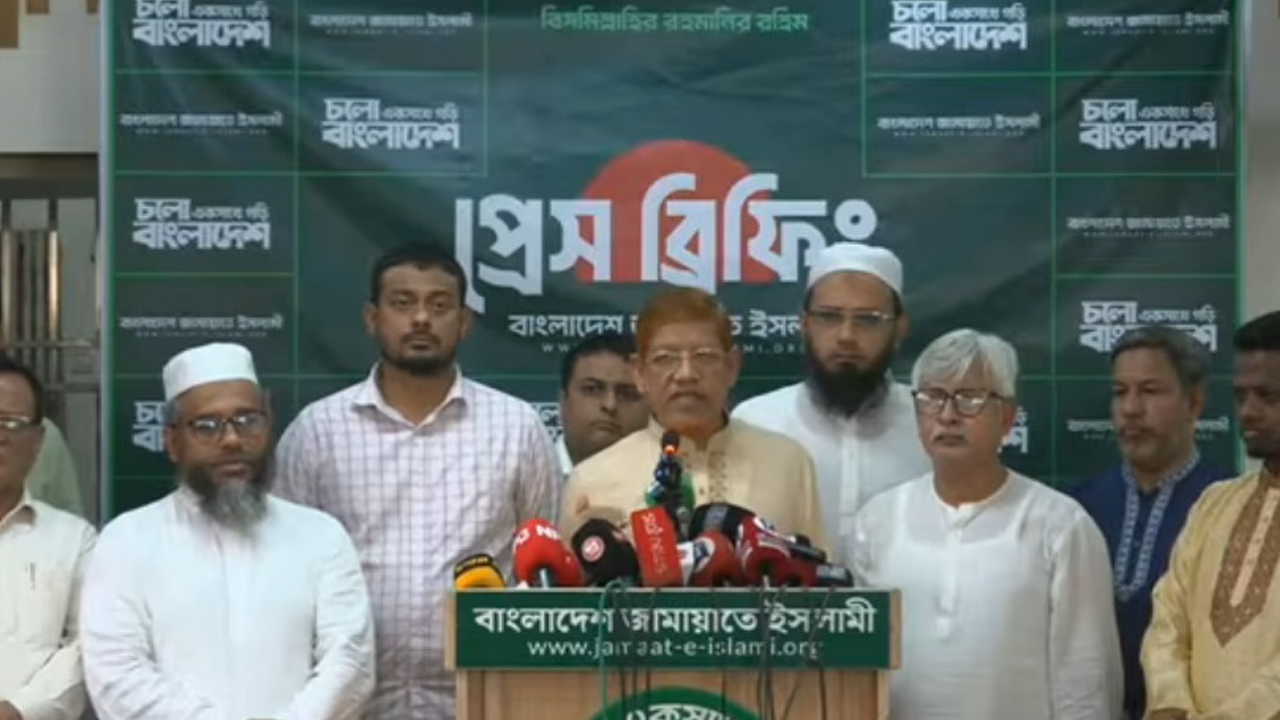
The eleven-party alliance led by Jamaat-e-Islami has announced a protest rally in Dhaka on Tuesday, demanding justice for enforced disappearances, killings, and mass murders allegedly committed during what it called the period of fallen Awami fascism. The rally will take place at Bijoynagar, where opposition leader and Jamaat Ameer Dr. Shafiqur Rahman, along with top leaders of the alliance, will address the gathering. The program was announced at a press conference held Monday morning at Jamaat’s central office in Moghbazar by alliance coordinator and Jamaat Assistant Secretary General Dr. Hamidur Rahman Azad. He said the alliance will also hold rallies across districts on July 4 to protest the deteriorating law and order situation and alleged anti-national conspiracies. Additional programs will continue even after the national budget is passed. The alliance plans a 36-day campaign from July 1 to August 5, to be finalized after a June 25 meeting. Upcoming divisional rallies are scheduled for Mymensingh on June 27, Rangpur on July 11, Barishal on July 18, and Sylhet on July 25.
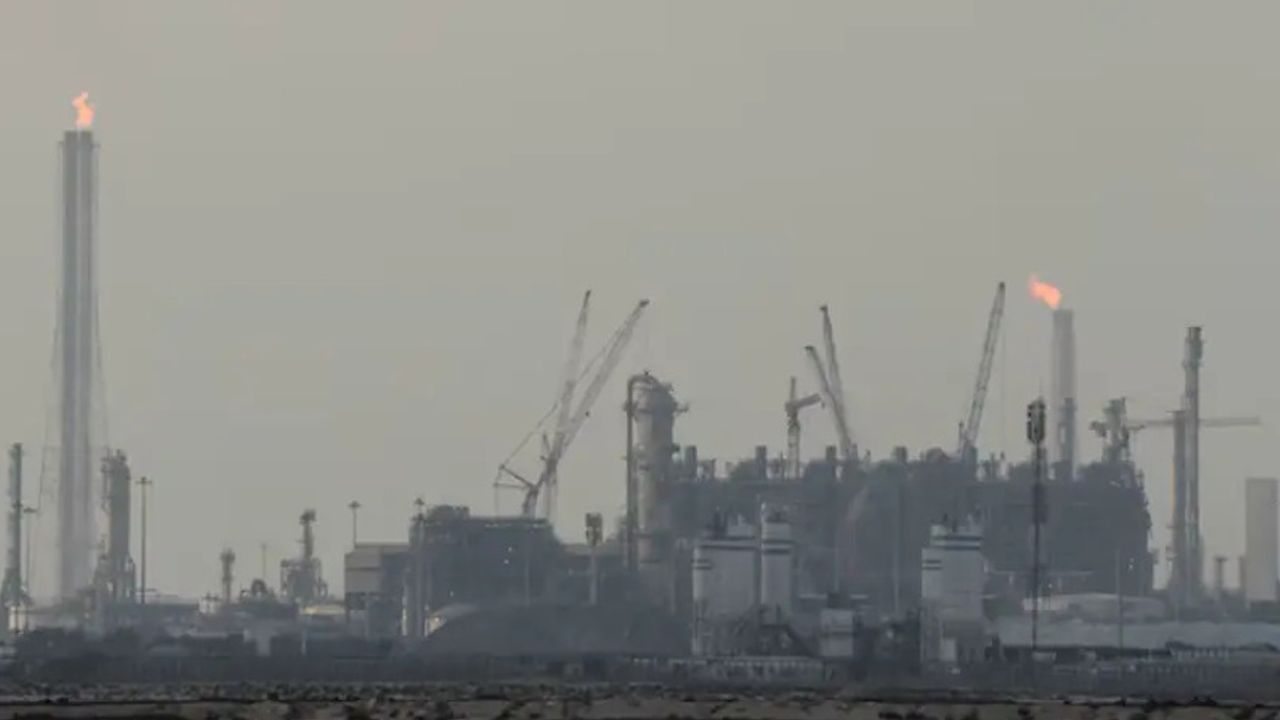
At least 54 people were injured and 18 others went missing following a powerful explosion at a factory in Qatar’s Ras Laffan Industrial City, according to the country’s Ministry of Interior. The ministry released the information on Monday through a post on social media platform X, confirming the scale of the incident. Authorities have initiated search and rescue operations to locate the missing individuals. The ministry did not provide further details about the cause of the explosion or the condition of the injured. The report was carried by news agency AFP and published by local outlet Amar Desh Online. Efforts to find the missing workers are ongoing, with officials focusing on recovery and safety measures in the affected industrial area.
Palestine supporters in the United Kingdom foresee a potential shift in the country’s Middle East and Israel policies as political changes loom. The rise of the Green Party in local elections, declining popularity of Prime Minister Keir Starmer, and growing sentiment within the Labour Party to halt arms exports to Israel have intensified speculation. Andy Burnham, the Labour Mayor of Greater Manchester, recently won a by-election in Makerfield with 54.80 percent of the vote, positioning him as a leading contender to replace Starmer. Polls show Burnham, aged 56, as the most popular Labour politician, while Starmer faces one of his lowest approval ratings. A survey by Medical Aid for Palestinians found that 87 percent of Labour members support ending trade with illegal settlements and 78 percent back a full arms embargo on Israel. Burnham has maintained a balanced stance toward both Israel and Palestine, calling for a ceasefire and humanitarian aid for Gaza while supporting Israel’s right to targeted operations under international law. Analysts suggest that a leadership change could bring further policy adjustments, following Labour’s 2024 decisions to partially suspend arms exports to Israel and recognize Palestine as a state.

Bangladesh Prime Minister Tareq Rahman and Malaysian Prime Minister Anwar Ibrahim held a private and bilateral meeting on Monday morning at Perdana Putra in Putrajaya. The two leaders discussed transparency in labor recruitment, worker welfare, and cooperation in trade, energy, and employment. Both sides expressed commitment to building prosperity through partnership, promoting regional peace, and fostering a more inclusive international order. No immediate major announcement on the labor market was made, as earlier indicated by Bangladesh’s foreign ministry. During a joint press conference, Tareq Rahman urged Malaysia to recruit more Bangladeshi workers, reopen the labor market quickly, and consider regularizing undocumented workers. Anwar Ibrahim praised Rahman’s sincerity and emphasized that worker exploitation and abuse must end, calling for transparent processes that protect laborers and their families. The meeting also covered cooperation in halal economy, semiconductors, agriculture, education, and people-to-people exchanges. Both leaders voiced optimism that the discussions would mark a new chapter in Bangladesh–Malaysia relations, with expectations of positive future impacts on labor and economic collaboration.
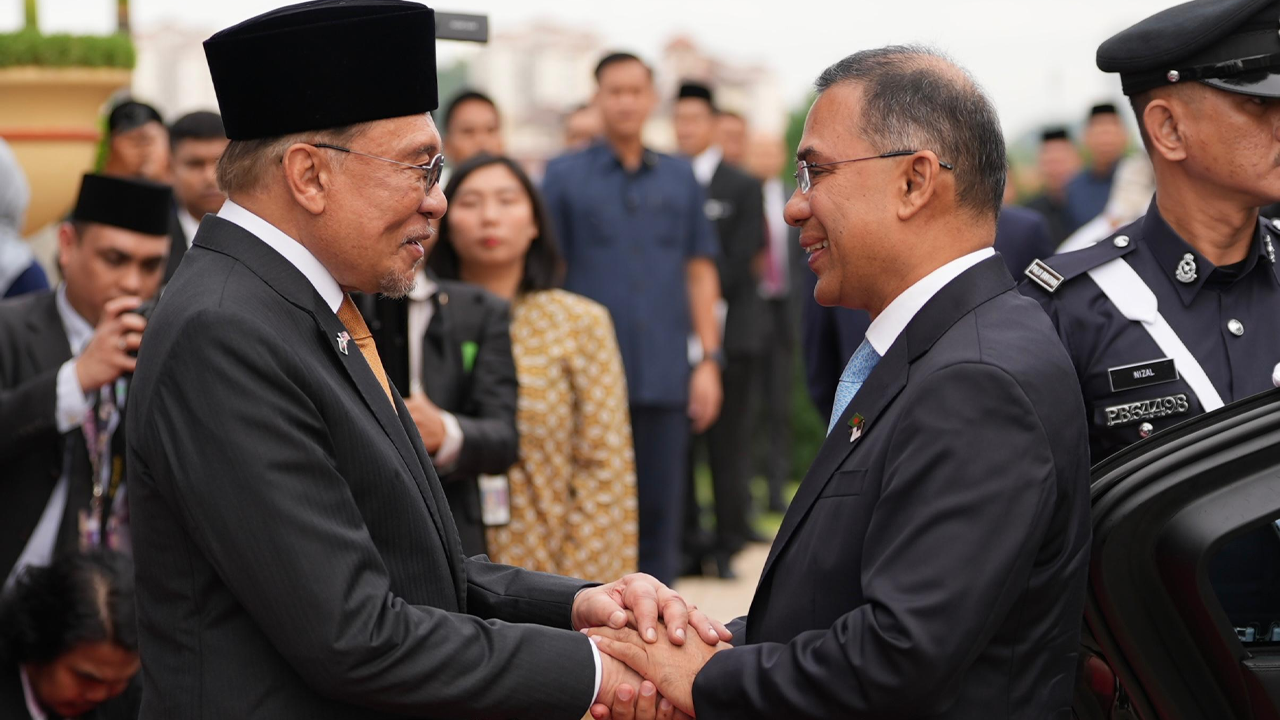
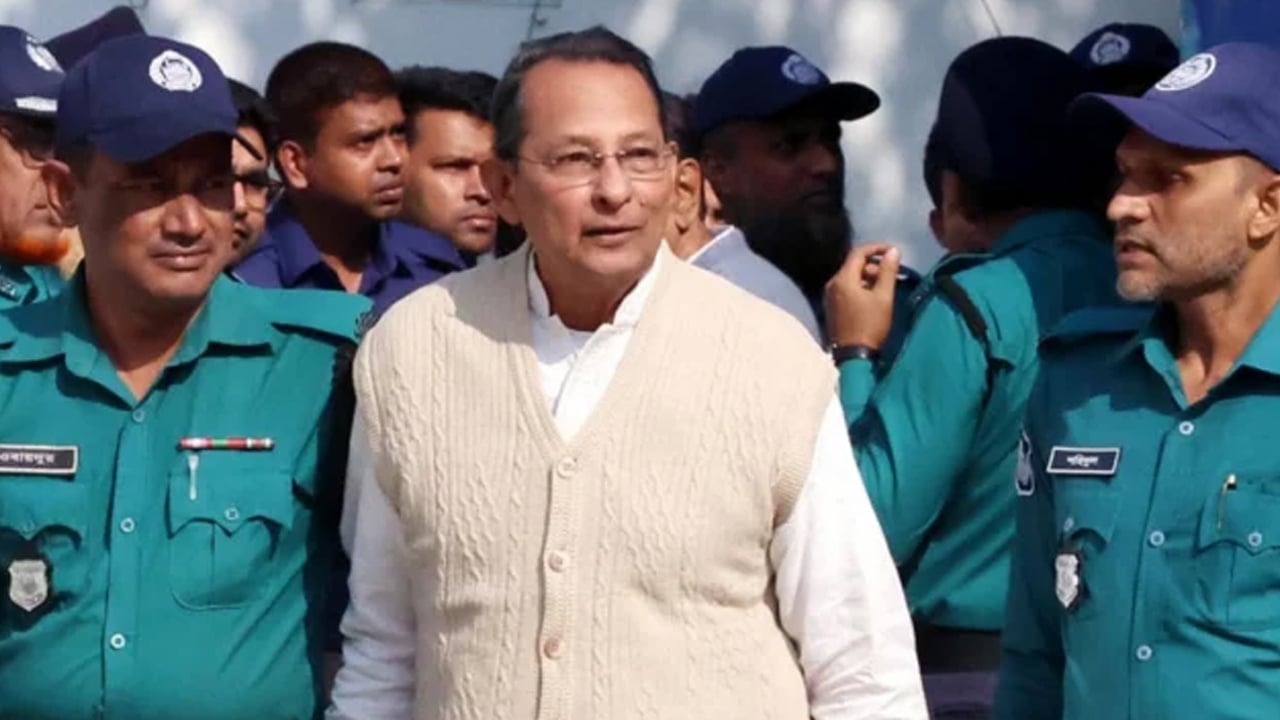
A witness has testified before Bangladesh’s International Crimes Tribunal that former army officer Major General Ziaul Ahsan was directly involved in the disappearance of BNP leader M Ilias Ali. The witness, Imrul Kayes, a former soldier who once served as Ahsan’s bodyguard, gave his statement on Sunday in Tribunal-1 during a case concerning crimes against humanity allegedly committed during the Awami League government. Ahsan, who was brought to court under heavy police guard, previously served as head of RAB intelligence and later as director general of the National Telecommunication Monitoring Centre. Kayes stated that during his service as Ahsan’s bodyguard for over a year, he witnessed numerous enforced disappearances and killings. He claimed that detainees from RAB-1’s TFI Cell were executed by shooting or lethal injections, estimating that 150 to 200 people were killed through various methods. Overcome with emotion, Kayes said he testified out of moral duty and a desire for justice, expressing hope that no soldier would face such circumstances again.

Pakistan’s Defense Minister Khawaja Asif has warned that the country will not hesitate to take military action if its water security is threatened. In an interview with ARY News, he said the issue of water distribution from the Indus River is directly linked to national security. Asif stated that if Pakistan’s rights over the Indus basin are undermined, Islamabad will respond accordingly, even considering war with India if national security is perceived to be at risk. The warning comes amid renewed tensions between India and Pakistan over the Indus Waters Treaty. Recently, India’s Water Resources Minister C. R. Patil suggested that India could gain the capacity to significantly limit the Indus River’s flow to Pakistan by 2028, sparking widespread debate on social media. Relations between the two countries deteriorated after a deadly attack in Pahalgam in April 2025, which killed 26 people. India blamed Pakistan-backed militants and suspended the 1960 treaty, saying it would not be reinstated until cross-border terrorism was curbed. Pakistan continues to oppose India’s decision, arguing that any disruption to the river flow would severely affect millions dependent on the Indus for agriculture and livelihoods.
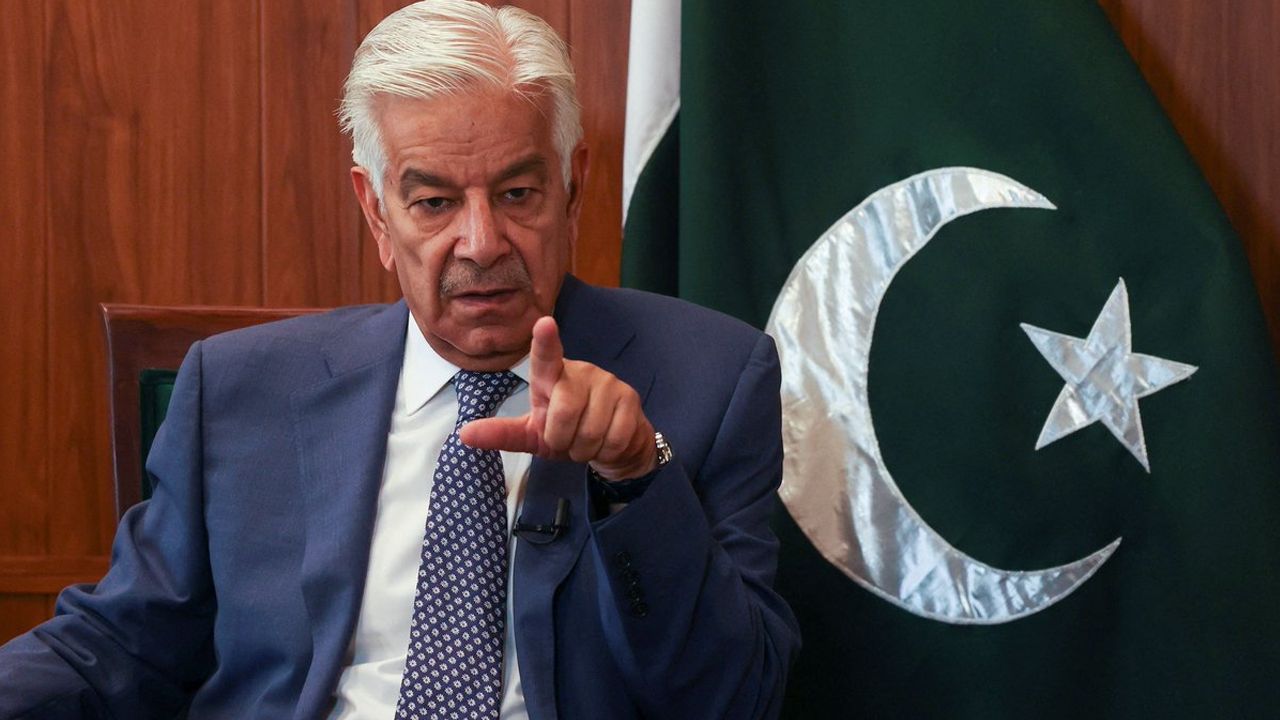
Prime Minister Tareq Rahman of Bangladesh and Malaysian Prime Minister Anwar Ibrahim held a bilateral meeting on Monday at the Perdana Putra complex in Malaysia. The discussion focused on strengthening bilateral relations and addressing issues of mutual interest between the two nations. Following the meeting, both leaders led a delegation-level discussion reviewing overall relations and exchanging views on regional and international matters of shared concern. Key topics included reopening Malaysia’s labor market for Bangladeshi workers, regularizing undocumented Bangladeshi citizens, renewing work permits, and expanding market access for Bangladeshi agricultural products such as mangoes, fruits, and vegetables. The talks also covered Bangladesh’s application to become an ASEAN Sectoral Dialogue Partner, its inclusion in the Regional Comprehensive Economic Partnership (RCEP), the Rohingya issue, and cooperation in the United Nations and other multilateral forums. After the discussions, both prime ministers witnessed the signing of a memorandum of understanding on cultural cooperation, along with the exchange of documents on counterterrorism research and capacity building, and a bilateral investment agreement between the two countries.
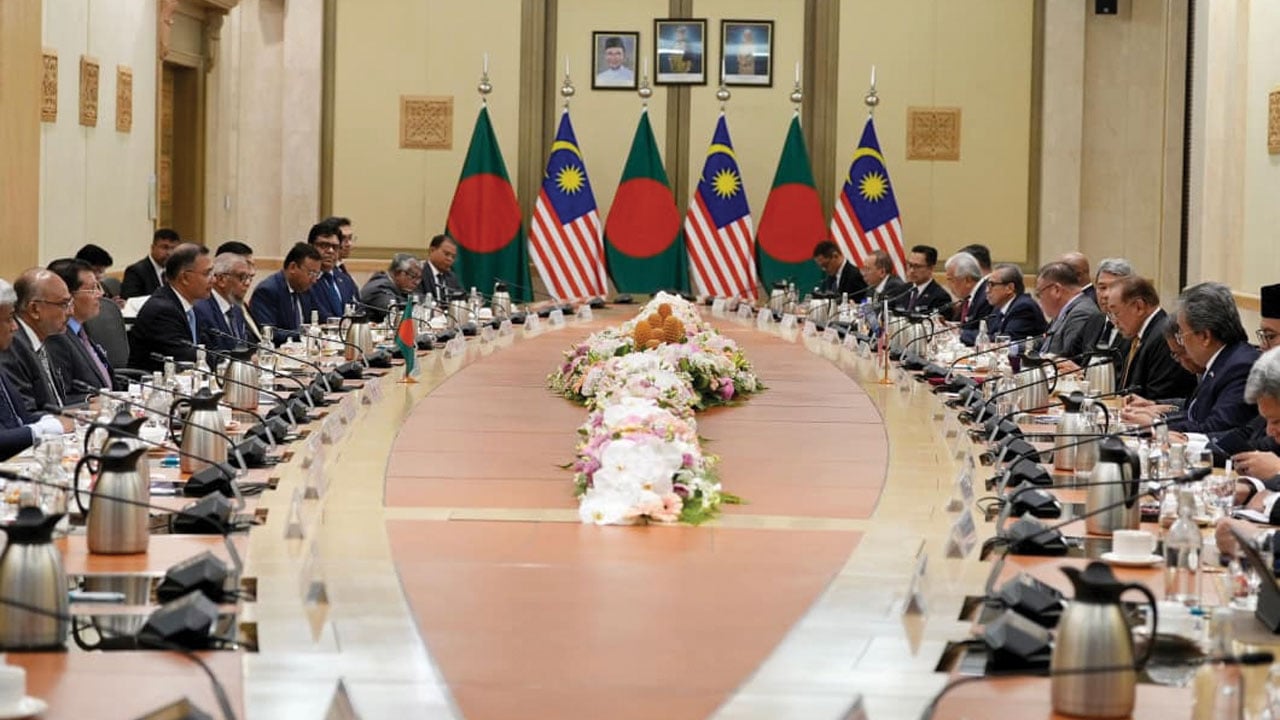
Bangladesh’s industrial sector has plunged into a deep crisis due to acute energy shortages, soaring bank interest rates, and a sluggish domestic market. Production costs have surged while technological stagnation has eroded global competitiveness. Many factories are operating below half capacity, and new investments have stalled. Experts warn that shrinking employment and industrial stagnation could push the overall economy toward a prolonged downturn. Sectoral data show steep declines in textile, jute, cement, and food processing output, while high borrowing costs have discouraged new investment despite rising bank liquidity. The steel and cement industries are struggling with higher electricity prices and reduced demand, while the ready-made garment sector—responsible for over 80% of export earnings—has seen production drop by up to 30% due to power and gas shortages. Leather exports remain weak amid environmental compliance failures and financing constraints. Export earnings fell 7.07% year-on-year in May 2026, with major markets shifting orders to competitors such as Vietnam and India. Industry leaders urge urgent policy action to stabilize energy supply, reduce interest rates, and restore investor confidence to avert long-term economic damage.
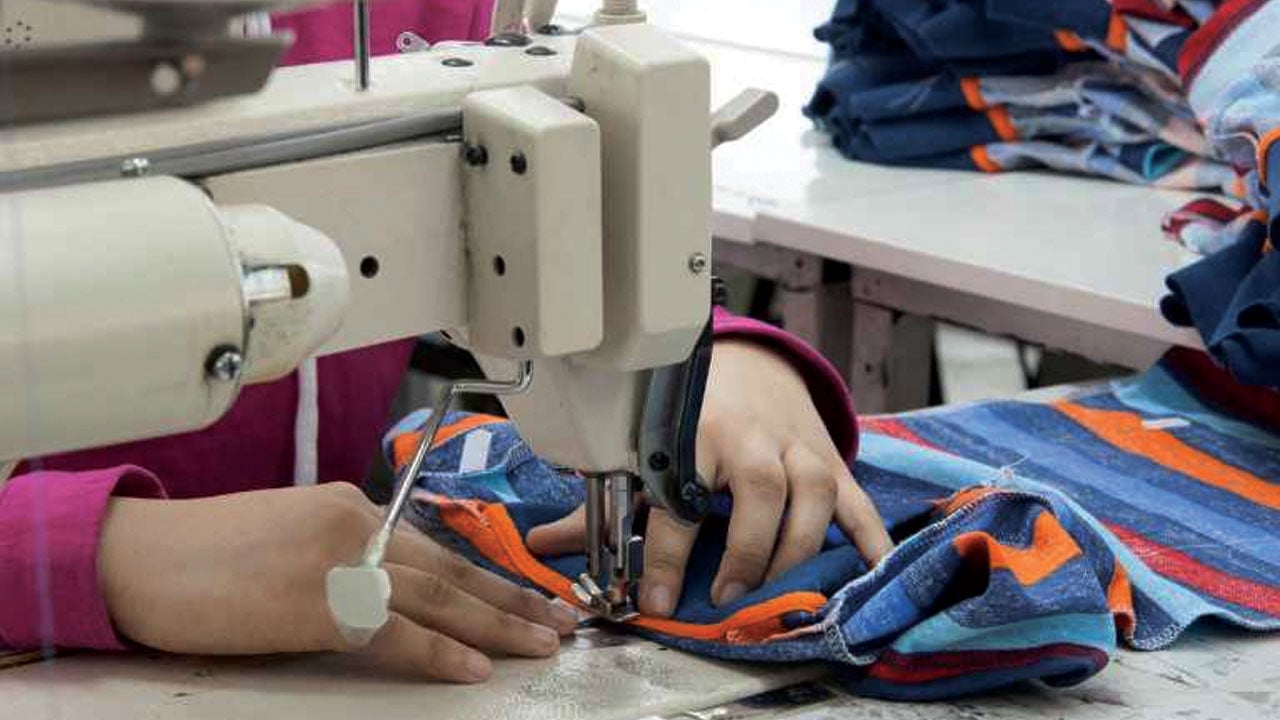
Two farmers were killed by lightning in Kanchannagar area of Jamirta Union under Singair upazila in Manikganj district on Sunday evening, June 21, 2026. The victims were identified as Kabir Hossain, 30, son of Newaz Uddin, and Shahidul Islam, 25, son of Rafi Mistri, both residents of Kanchannagar village. The incident occurred while they were working in the field during sudden bad weather. According to police and local sources, the two men were engaged in agricultural work when a thunderstorm began. They were struck by lightning and sustained severe injuries. Locals rescued them and took them to Jamal Clinic in Hemayetpur, Savar, where doctors declared them dead upon arrival. Singair Police Station Officer-in-Charge Majharul Islam confirmed the incident and said police had been sent to the scene. He urged people to remain cautious during storms, warning that staying in open fields during rain is highly dangerous.
The National Citizens Party (NCP), a new youth-oriented political organization, is undergoing a major restructuring of its central leadership. The current convening committee will be transformed into an executive committee, with the existing convener and member secretary retaining their positions. Posts such as joint convener, joint member secretary, chief organizer, and coordinator will be replaced by editorial positions. The party’s top policy forum and general assembly have already approved the changes, which are expected to be announced by late June or early July. The new committee will implement a month-long program in July marking the anniversary of a mass uprising. NCP leaders said the restructuring aims to strengthen the party’s organizational foundation and streamline responsibilities. A new advisory council will be formed while the political council remains intact. The reorganization follows earlier overhauls of affiliated and fraternal bodies. Several leaders from other political groups have recently joined NCP, and many have been assigned roles at various levels. The party expects the new structure to energize both central and grassroots committees. According to party officials, the reorganization is intended to build a stronger opposition presence ahead of upcoming local government elections.

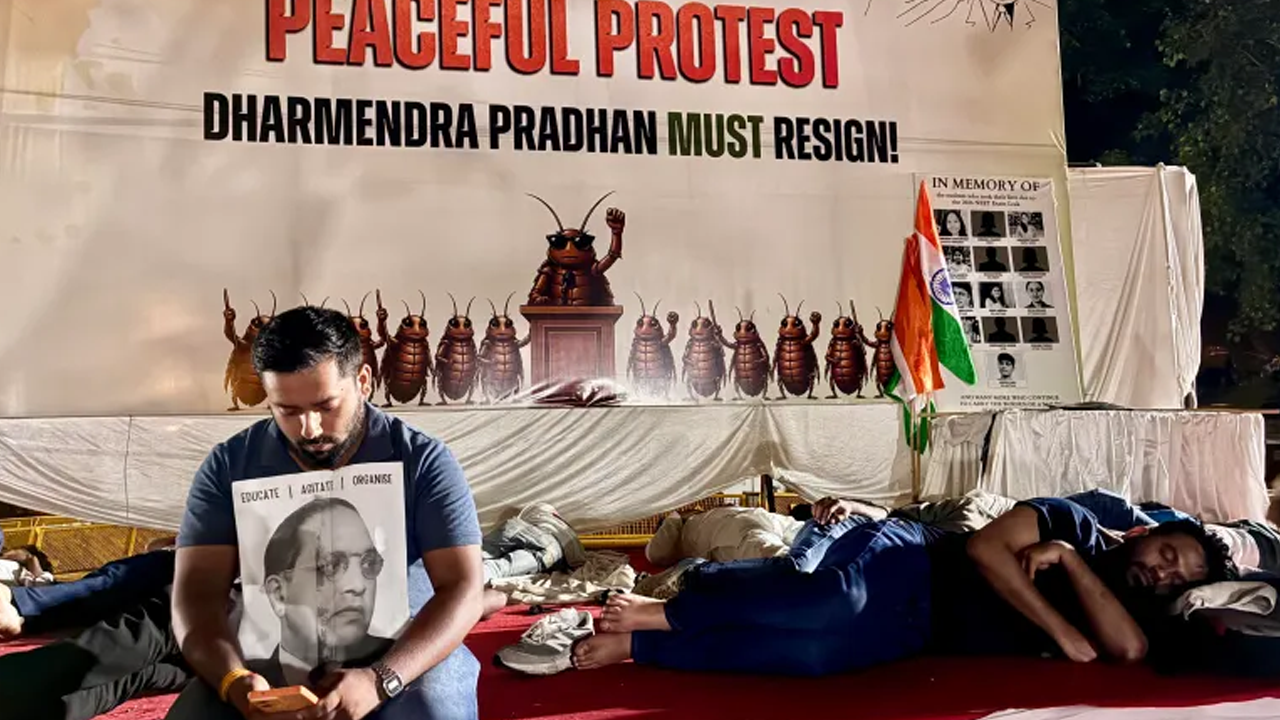
Supporters of the 'Cockroach Janata Party' have launched an indefinite sit-in protest in New Delhi demanding the resignation of India’s education minister Dharmendra Pradhan. Defying police orders, the group—formed by Gen Z activists—has set up tents in the capital despite intense summer heat. The movement’s leader, Abhijit Dipke, a recent Boston University graduate, returned to India earlier this month and brought the viral online campaign to the streets. The protest stems from widespread anger among India’s youth over repeated exam paper leaks and irregularities. Nearly half of India’s 1.4 billion people are under 25, and many face academic and job pressures. The Cockroach Janata Party, which began as a social media satire, gained traction after India’s chief justice compared young people to cockroaches, sparking outrage. Dipke’s movement now boasts over 22 million Instagram followers—twice that of the ruling party. The government temporarily banned Telegram to curb leaks, but critics called it a short-term fix. More than 15 student suicides between exams have intensified calls for the minister’s resignation. Protesters vow to remain until Pradhan steps down, which would mark the first such resignation under Prime Minister Narendra Modi’s 12-year rule.
In a column published on June 22, 2026, writer and journalist Kakon Reza criticized the use of politically charged language in Bangladeshi media coverage. He argued that headlines often reflect partisan bias rather than journalistic integrity, citing examples where similar events were described differently depending on which political group was involved. Reza described such selective word choices as a form of political journalism that undermines ethics and accountability. The article highlighted how terms like “mob” and “attack” are used inconsistently to shape public perception, turning journalism into a tool of propaganda. Reza contended that this practice supports oppressors and erodes the moral foundation of the press. He also compared the situation to neighboring countries, where state-aligned media have faced public anger for similar reasons. Reza warned that if Bangladeshi media continue to act as propaganda outlets, they may soon face strong public resistance, especially from younger generations who reject establishment-aligned reporting.

The ‘1 Nojor’ media platform is now live in beta, inviting users to explore and provide feedback as we continue to refine the experience.