

The ‘1 Nojor’ media platform is now live in beta, inviting users to explore and provide feedback as we continue to refine the experience.
U.S. President Donald Trump warned an Iranian delegation participating in talks in Switzerland that if Iran closes the Strait of Hormuz, the country would face severe consequences. In a 20-minute phone interview with Fox News on Sunday, Trump said the United States could take control of the strategic waterway and impose tolls if no agreement is reached. He also cautioned that Iran might not be able to return to its own country if it proceeds with the closure. The warning followed reports from Iranian state media on Saturday that Tehran was considering shutting down the Strait of Hormuz. The move was reportedly in response to Israel’s alleged violations of a Lebanon ceasefire agreement and what Iran described as U.S. failure to implement the first phase of a preliminary peace understanding. Trump further indicated that the situation could escalate into renewed U.S. military action against Iran. Trump added that the United States could act as the “guardian” of the Strait of Hormuz, suggesting potential control or preferential access to the oil transported through the vital maritime route.

U.S. President Donald Trump has warned that the United States could take control of the Strait of Hormuz if Iran fails to reach an agreement with Washington. In a 20-minute phone interview with Fox News on Sunday, Trump said the U.S. might impose tolls on the vital waterway and hinted at possible military action if the situation worsens. He also issued stern warnings to Iranian delegates participating in talks in Switzerland and to Iran’s regional allies. The remarks followed reports from Iranian state media that Tehran might close the Strait of Hormuz, citing Israel’s alleged violations of a Lebanon ceasefire and U.S. failure to implement the first phase of a peace agreement. Trump reiterated that the U.S. could act as the “guardian” of the strait, through which about 20 percent of global oil passes, and called on Iran to stop funding proxy groups in Lebanon. Trump’s comments have sparked renewed concern over Middle East stability, as the Strait of Hormuz remains critical to global energy supply and regional security.

Bangladesh Jamaat-e-Islami has condemned the killing of Saifullah Bari, president of a local Islami Chhatra Shibir unit, in Gaibandha’s Bonarpara area. According to a statement issued on Sunday by Jamaat Secretary General and former MP Mia Golam Porwar, Bari was allegedly attacked and beaten to death in broad daylight by former Jubo Dal leader Mukul, his brother Polash, and others using sharp weapons and iron rods. Porwar described the incident as a planned and barbaric act stemming from a dispute over the formation of a primary school managing committee. He urged law enforcement agencies to arrest all those involved, including the main suspects Mukul and Polash, and to ensure exemplary punishment. He also called on authorities to prevent any political influence from obstructing the investigation. The statement added that Bari’s friend Salauddin was critically injured in the attack and is receiving treatment at Bogura Shaheed Ziaur Rahman Medical College Hospital. Porwar expressed condolences to Bari’s family and prayed for the recovery of the injured.

A violent clash erupted in Saghata upazila of Gaibandha following a dispute over the formation of a school management committee. According to local reports, Saifullah Bari, president of the Bonarpara Union unit of Islami Chhatra Shibir, was killed after being attacked with a sharp weapon by a Jubo Dal leader. Another Shibir activist, Salauddin, sustained severe injuries in the same incident, leaving the area tense and residents demanding the arrest and execution of those responsible. Following the attack, Islami Chhatra Shibir organized a large protest march through various streets of Saghata town on Sunday evening. Salauddin, who was critically injured, has been admitted to Shaheed Ziaur Rahman Medical College Hospital. Family sources said he has already received four bags of blood, and doctors have indicated that more transfusions are needed. His condition remains critical, with injuries to his back being closely monitored to determine possible lung damage. Salauddin’s father, Maulana Mohammad Dudu Mia, has sought prayers from people across the country for his son’s recovery.
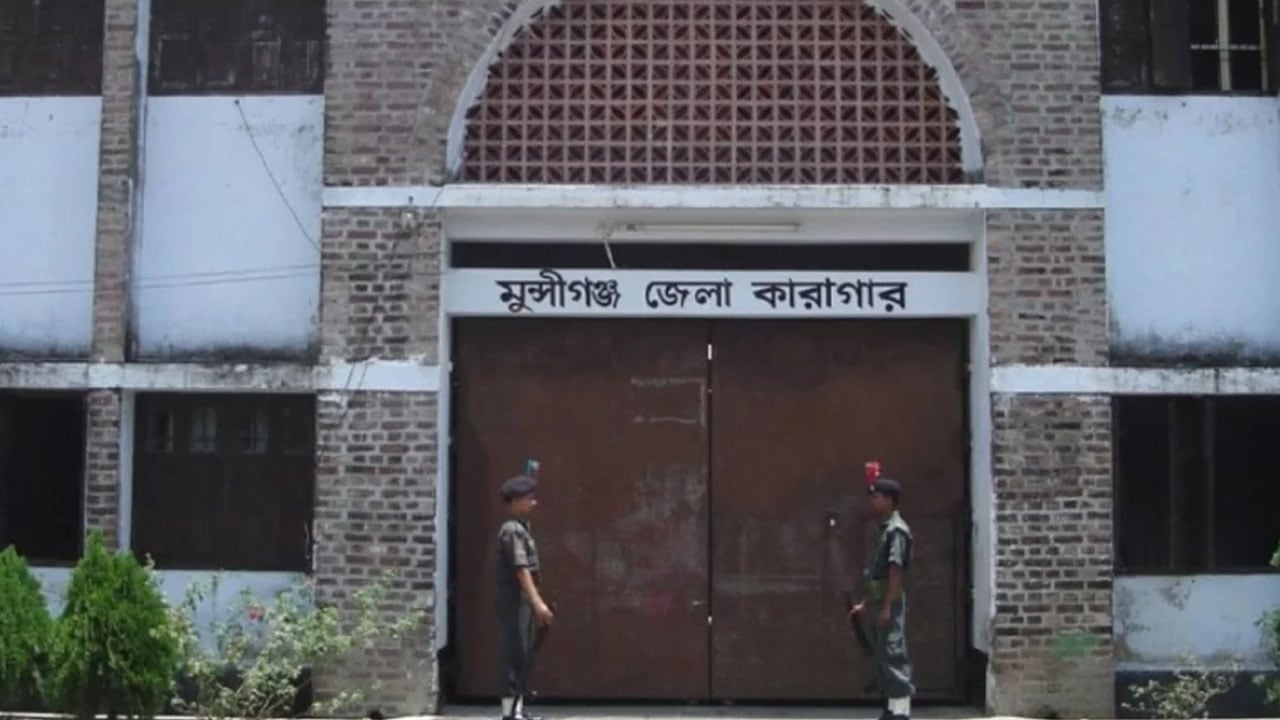
Munshiganj District Jail has become the first prison in Bangladesh to introduce a fully cashless management system. Starting Sunday, all financial transactions for inmates are now conducted digitally without the use of physical cash. The initiative was confirmed by the Department of Prisons’ AIG (Development and Media), Jannat-ul-Farhad. According to prison authorities, the modern and secure digital system maximizes the use of Radio Frequency Identification (RFID) technology. This allows real-time tracking of inmates’ locations and ensures accurate counting and enhanced security within prison wards. Under the new system, relatives can deposit money virtually into an inmate’s designated account, which inmates can then use via RFID cards to purchase food or other items from the prison canteen. Officials stated that the cashless system is expected to reduce corruption and irregularities, increase transparency and accountability, and ensure complete financial security for inmates.
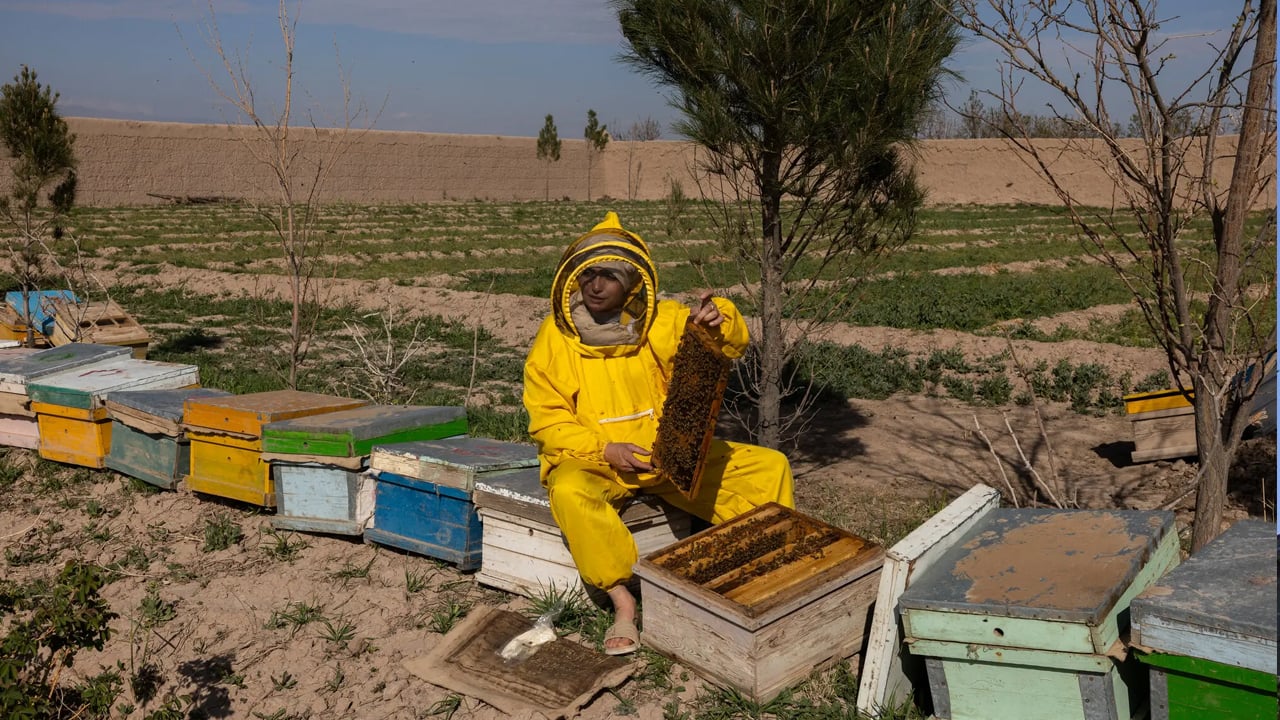
Thousands of Afghan women are turning to entrepreneurship as one of the few remaining paths to independence under Taliban rule. Despite restrictions on education, employment, and public participation, the government has allowed women to run businesses under specific conditions to mitigate economic collapse and international isolation. According to the Afghanistan Chamber of Commerce and Industry, more than 10,000 women now hold business licenses, a tenfold increase in five years, while another 120,000 operate small ventures without licenses. Many women who once aspired to be lawyers, engineers, or teachers have shifted to carpet weaving, cosmetics production, or vocational training. UNDP data show that only 7 percent of Afghan women were employed as of 2024. Entrepreneurs like Nasira Azizi in Mazar-i-Sharif, Rokiya Rezayi in Herat, and beekeeper Ghoncha Karimi have built small enterprises despite social and administrative barriers. Officials claim to support women’s vocational training, but critics argue that government initiatives remain limited. For many Afghan women, business ownership has become a last refuge for dignity, income, and survival amid ongoing restrictions.
The National Board of Revenue (NBR) reported collecting over Tk 3.6 trillion in revenue during the first eleven months of the current fiscal year, from July 2025 to May 2026. Despite achieving a record collection, the NBR fell short of its revised target by Tk 810 billion, according to an official statement released on Sunday night. In the first 20 days of June, an additional Tk 293.11 billion was collected, bringing the total to Tk 3.899 trillion, surpassing last year’s total revenue of Tk 3.708 trillion. The NBR expects that with another Tk 250 billion collected in the final ten days of June, total revenue for the fiscal year could reach Tk 4.15 trillion, the highest in the country’s history. This would still be Tk 880 billion below the revised target but Tk 431.57 billion higher than the previous fiscal year. The NBR reported over 10 percent growth in revenue collection, with customs up 7.08 percent, VAT up 10.05 percent, and income tax up 12.54 percent. To accelerate revenue collection, the NBR has formed three task forces for income tax, VAT, and customs divisions to expedite legal processes, recover evaded taxes, and strengthen audit and monitoring activities.

Lionel Messi is one goal away from setting three new World Cup records as Argentina prepares to face Austria. After scoring a hat-trick in the opening match against Algeria, the Inter Miami forward has equaled several long-standing records and now stands on the brink of surpassing them. Messi’s total of 16 World Cup goals has matched Germany’s Miroslav Klose, and one more goal would make him the tournament’s all-time leading scorer with 17. He has also tied Klose’s record of 16 World Cup match wins, meaning another Argentine victory would make Messi the player with the most wins in World Cup history. Additionally, his long-range strike against Algeria brought him level with Brazil’s Roberto Rivelino for the most goals scored from outside the penalty box, with five. If Messi scores another long-range goal against Austria, he will hold that record outright, further extending his dominance in World Cup history.

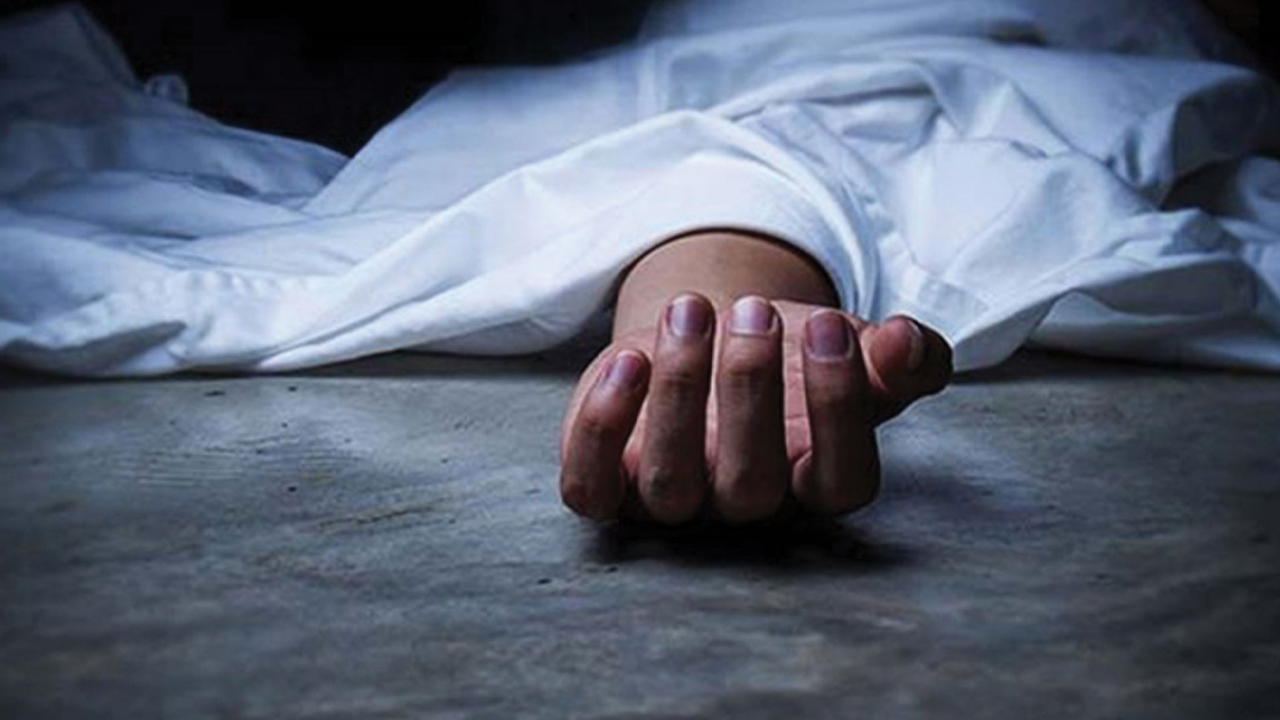
A 21-year-old man named Md. Minhaj died after being electrocuted while fishing with an electric shock device in the Dhanagoda River at Farazikandi Janata Bazar area of Matlab North upazila, Chandpur. The incident occurred at around 5:30 a.m. on Sunday. Minhaj was the son of Monir Hossain from Amirabad Baluchar village. According to his uncle Billal Hossain and local residents, Minhaj was fishing with companions Shiblu, Amir, and Ibrahim using a battery-powered electronic shock device. A local resident said that a large fish, killed by the electric current, fell from the basket, and Minhaj jumped into the water to retrieve it, where he was fatally electrocuted. Police confirmed that an unnatural death case was recorded at Matlab North Police Station. After an investigation, the body was handed over to the family.
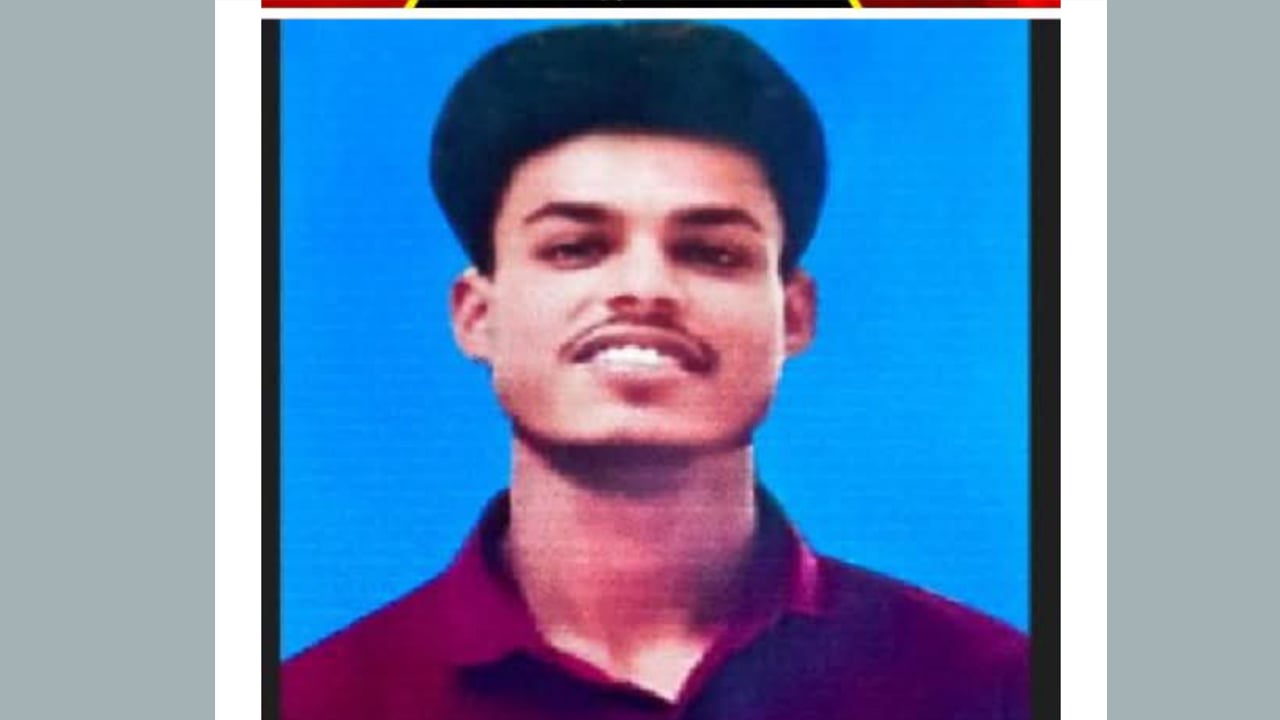
The human rights organization Ain o Salish Kendra (ASK) has expressed deep concern over the death of Mirza Ishtiaq Ahmed Pranto, a 24-year-old student, while in the custody of the district Detective Branch (DB) police in Faridpur. In a press release issued on Sunday, ASK stated that the death of a young man in state custody raises serious questions and called for a judicial investigation into the incident. According to the report, Pranto, a resident of Gondardia in Madhukhali municipality and a student of Faridpur Law College, was detained by a DB team on June 20 with 100 grams of cannabis. Police claimed he was later taken to Madhukhali Police Station and then to DB custody in Faridpur town, where he fell ill and was declared dead at the hospital on June 21. His family alleged that he was physically tortured during detention, which may have caused his death. ASK emphasized that state custody should never pose a threat to life and reminded that the Constitution of Bangladesh and international conventions obligate the state to ensure the safety and dignity of detainees.

A woman named Rozina Akter died after being stabbed by her lover in the Merul Badda area of Dhaka. She succumbed to her injuries at Dhaka Medical College Hospital on Saturday night. According to reports, Rozina’s lover, identified as Titu, attacked her near the Padma River in Mawa after telling her he was terminally ill with cancer and did not want her to live after his death. Hospital sources said Rozina initially claimed she had been attacked by unknown muggers to conceal the affair. Rozina, wife of expatriate Md. Awal from Muradnagar in Cumilla, had been in a relationship with Titu for about four years. After the attack, a speedboat driver rescued her and took her to Postogola, from where she contacted a friend named Anwar, who admitted her to a local hospital. Titu later sent her money for treatment via mobile transfer. Rozina’s brother told reporters that Titu had taken his sister from home and stabbed her. Badda Police Station’s officer-in-charge Nesarul Amin confirmed hearing about the relationship and the assault but said no case had been filed since the incident occurred in the Mawa area.
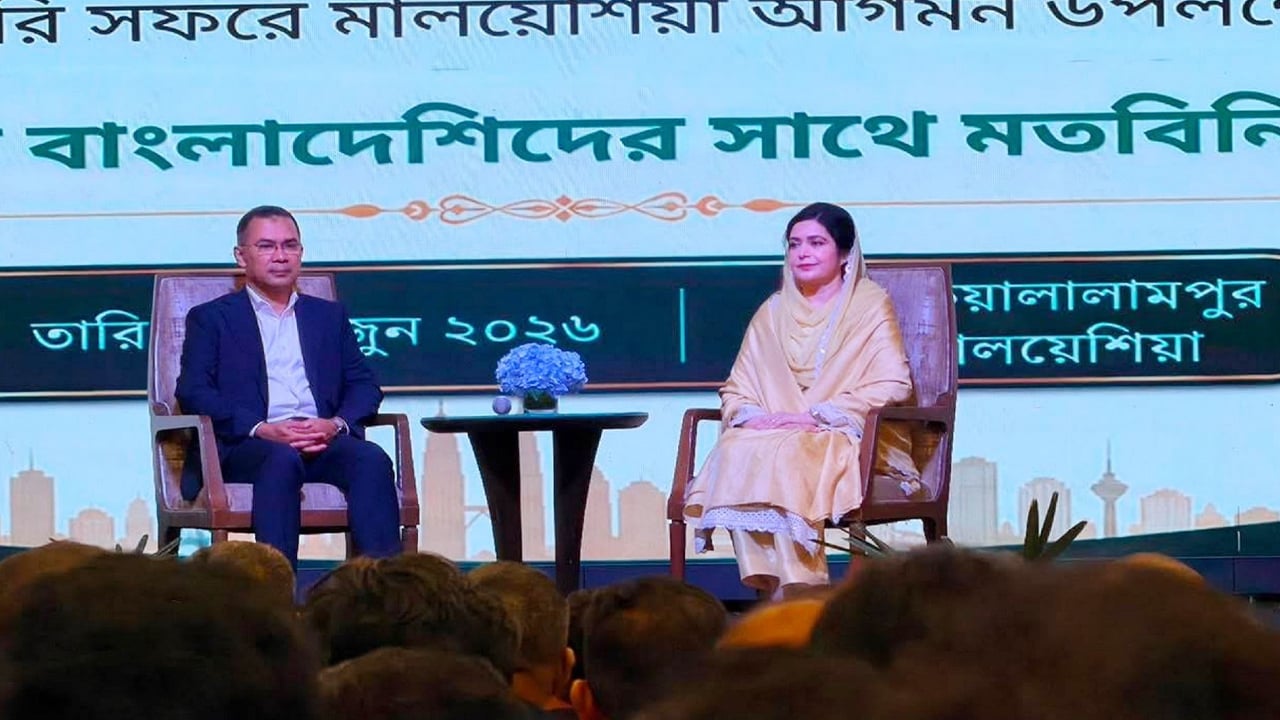
Prime Minister Tarique Rahman announced that he will discuss the release of Bangladeshi citizens detained in Malaysian prisons with the Malaysian government. He made the statement on Sunday, June 21, during a meeting with expatriate Bangladeshis in Malaysia, marking his first official visit to the country as prime minister. He was accompanied by his wife, Dr. Zubaida Rahman. Rahman emphasized that the government is prioritizing modern training and language education to enhance the skills of overseas workers. He said steps are being taken to modernize technical and vocational institutions in Bangladesh to prepare workers for global labor market competition. The government is also planning to identify countries where demand for Bangladeshi workers may increase over the next decade. During the visit, discussions are expected to cover issues faced by Bangladeshi workers in Malaysia, opportunities for new labor recruitment, and potential cooperation in trade, investment, and technology. The foreign secretary earlier indicated that a memorandum of understanding on a free trade agreement and cultural cooperation may be signed during the trip.
Sarjis Alam, the chief organizer of the National Citizens Party (NCP) for the northern region, criticized the Speaker and Deputy Speaker of Parliament in a Facebook post on Sunday. He said their tone when saying 'this is not Shahbagh' diminishes the significance of the July street movement that began at Dhaka University and spread across Bangladesh. Alam argued that such remarks belittle the movement that enabled the current political leadership to return to power and hold key positions. In his post, Alam reminded the Speaker that the public had previously lost trust in major political parties due to election controversies and failures to sustain street movements. He emphasized that the July movement was driven by students and citizens seeking change, not by partisan politics. He urged the parliamentary leaders to correct any procedural violations according to rules rather than mock the Shahbagh or July movements. Alam concluded by expressing hope that the Speaker and Deputy Speaker would refrain from disparaging the July movement in the future, calling it the epicenter of change in Bangladesh.

Bangladesh Jamaat-e-Islami’s Nayeb-e-Ameer and Member of Parliament for Rangpur-2 (Badarganj-Taraganj) ATM Azharul Islam visited the Fire Service and Civil Defence Station in Badarganj on Sunday morning. Upon arrival at around 8:30 a.m., he was welcomed by members of the Fire Service. During the inspection, he observed various firefighting and rescue equipment and urged personnel to ensure prompt and effective service delivery to accident victims. Following the inspection, the MP signed the station’s visitor book and held discussions with officials about existing operational challenges and requirements. He assured them that necessary steps would be taken to address these issues. The visit was attended by Badarganj Upazila Nirbahi Officer Anjuman Sultana, local Jamaat leaders including Maulana Kamruzzaman Kabir, Shah Muhammad Rustam Ali, and Maulana Minhajul Islam, along with other community representatives. The visit highlighted the MP’s engagement with local emergency services and his commitment to improving their operational capacity through responsive measures.

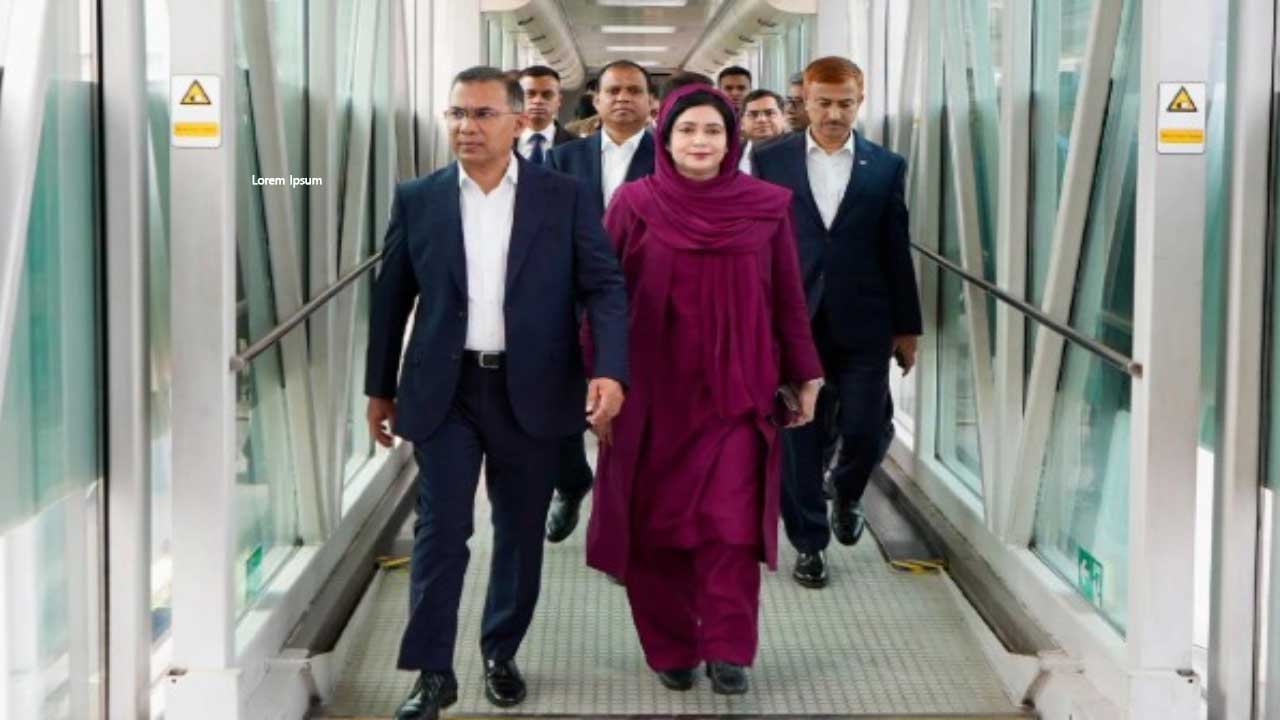
Bangladesh Prime Minister Tarique Rahman has embarked on his first official foreign visit since taking office in February 2026. He departed Dhaka on Sunday afternoon aboard a Biman Bangladesh Airlines flight bound for Kuala Lumpur, Malaysia, before continuing to China. The Prime Minister’s Office confirmed the departure through its verified Facebook page. A 25-member delegation is accompanying the Prime Minister on this trip. His wife Zubaida Rahman, Foreign Minister Khalilur Rahman, Labour and Employment Minister Arifur Rahman Chowdhury, and several advisers and state ministers are part of the delegation. The itinerary includes meetings in Malaysia on June 21–22 and in China from June 23–26. During his Malaysia visit, Tarique Rahman is scheduled to hold a one-on-one meeting with Malaysian Prime Minister Anwar Ibrahim on June 22, followed by a bilateral session between high-level delegations. Discussions will focus on trade, investment, energy cooperation, halal economy, semiconductor industry, agriculture, education, and public communication, aiming to strengthen bilateral collaboration in these sectors.
The ‘1 Nojor’ media platform is now live in beta, inviting users to explore and provide feedback as we continue to refine the experience.