

The ‘1 Nojor’ media platform is now live in beta, inviting users to explore and provide feedback as we continue to refine the experience.
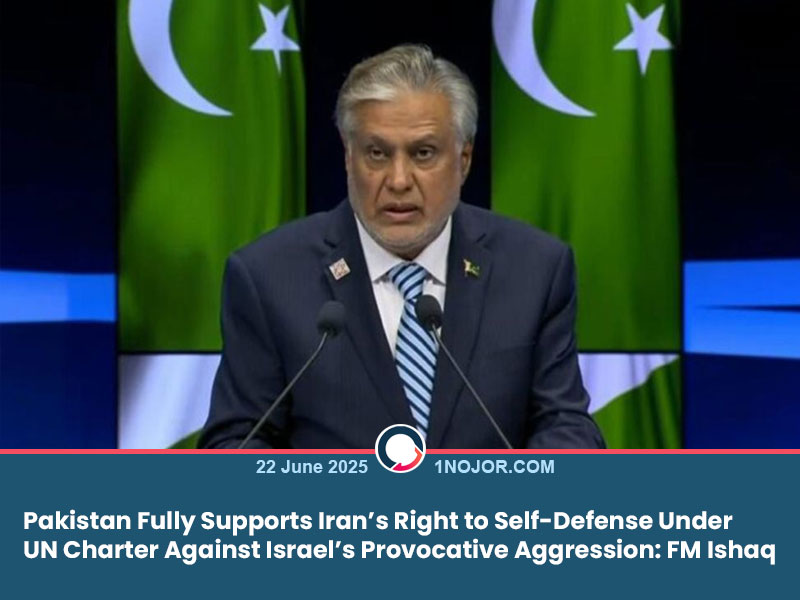
Speaking at the OIC foreign ministers’ meeting in Istanbul, Pakistan’s Foreign Minister Ishaq Dar affirmed Islamabad’s full support for Iran’s right to self-defense under Article 51 of the United Nations Charter. “We stand in solidarity with the brotherly nation of Iran and condemn in the strongest terms Israel’s provocative and unlawful aggression,” Dar said. He mourned the civilian casualties caused by the strikes and urged the international community to take action against Israel for violating international laws and treaties, stressing the need to protect global civilian security.
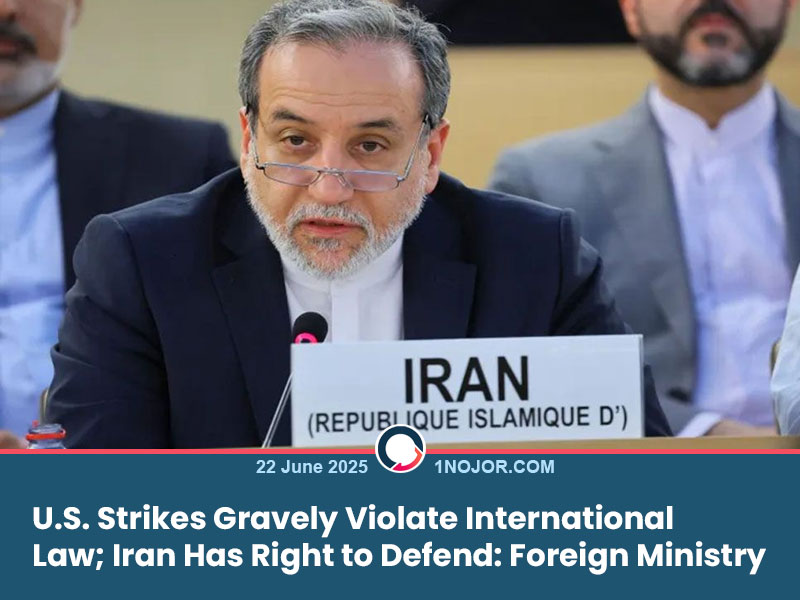
The Iranian Foreign Ministry has strongly condemned the U.S. airstrikes on its nuclear sites, calling them an "unprecedented and severe breach of international law." Tehran asserts its right to self-defense and accused the U.S. of enabling Israeli aggression, thereby undermining diplomatic efforts. "The United States disregards all norms and rules, shielding war crimes and the goals of an occupying regime," the ministry said. Iran vowed to fully defend its sovereignty and national interests in response to what it termed as "criminal acts by a rogue administration."
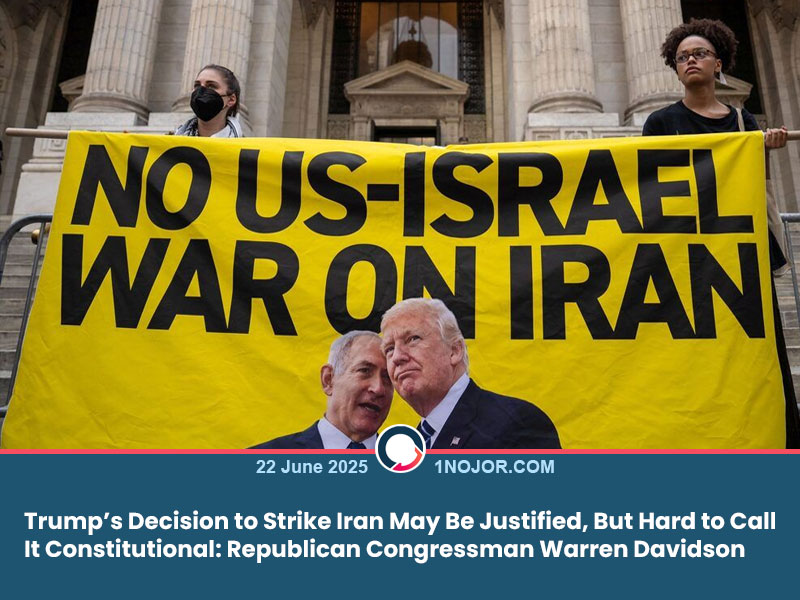
U.S. lawmakers from both Republican and Democratic parties have raised serious constitutional concerns over former President Donald Trump’s recent decision to authorize military strikes on Iran. Republican Congressman Warren Davidson remarked, “While President Trump’s decision may be justifiable, it is difficult to deem it constitutional.” His fellow Republican, Congressman Thomas Massie, echoed this sentiment, saying, “It is not constitutional.” On the Democratic side, Senator Bernie Sanders denounced Trump’s actions as “grossly unconstitutional,” while Congresswoman Alexandria Ocasio-Cortez stated, “Bombing Iran without congressional approval is clearly an impeachable offense.”
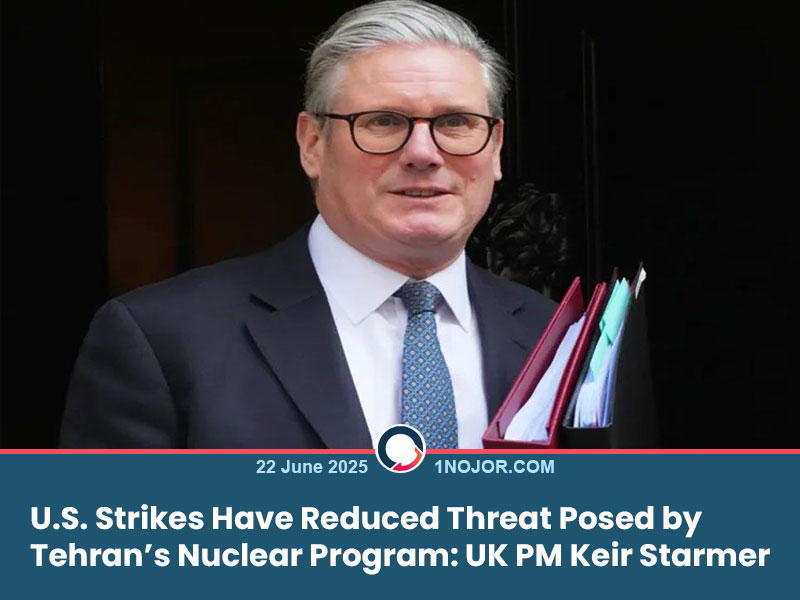
British Prime Minister Keir Starmer said the U.S. strikes on Iran have “diminished the threat posed by Tehran’s nuclear program.” He added, “Iran must never be allowed to acquire nuclear weapons. While the Middle East remains unstable, our priority is peace and stability in the region.” Starmer urged Iran to return to diplomatic talks and resolve the crisis peacefully.
In an official statement, the Saudi Ministry of Foreign Affairs expressed "deep concern" over the recent U.S. strikes targeting Iran, particularly its nuclear facilities. "The Kingdom is closely monitoring the developments involving our friendly nation, the Islamic Republic of Iran, especially the attacks targeting its nuclear infrastructure," the statement read. Riyadh has called for restraint and urged all parties to avoid further escalation. Saudi authorities also confirmed that no radioactive or nuclear activity has been detected in the Persian Gulf region following the strikes.
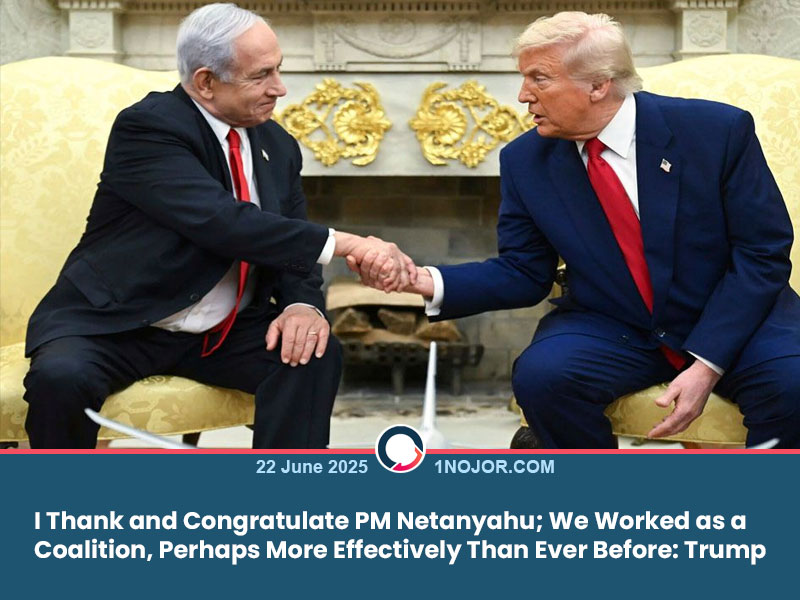
Former U.S. President Donald Trump congratulated Israeli Prime Minister Benjamin Netanyahu, saying, “We have acted as a coalition, perhaps more effectively than ever before.” He applauded the Israeli military for its role in countering what he described as “a terrible threat” and expressed pride in the unity between the U.S. and Israel during the recent developments.
Saudi Arabia released a statement expressing grave concern over the U.S. strikes on Iranian nuclear sites. The Foreign Ministry urged all parties to exercise restraint and avoid further escalation, emphasizing that Riyadh is monitoring the situation closely. Saudi Arabia also confirmed that no radioactive fallout has been detected in the Persian Gulf region following the attacks.
Four Latin American countries—Chile, Mexico, Cuba, and Venezuela—have issued strong condemnations of the U.S. airstrikes on Iranian nuclear sites. Cuban President Miguel Díaz-Canel labeled the attack a “dangerous escalation” and a serious violation of the UN Charter. Chilean President Gabriel Boric described the strikes as “illegal,” while Mexico reiterated its call for peace and dialogue. Venezuelan Foreign Minister Yván Gil condemned the airstrikes, accusing the U.S. of acting on behalf of Israel.
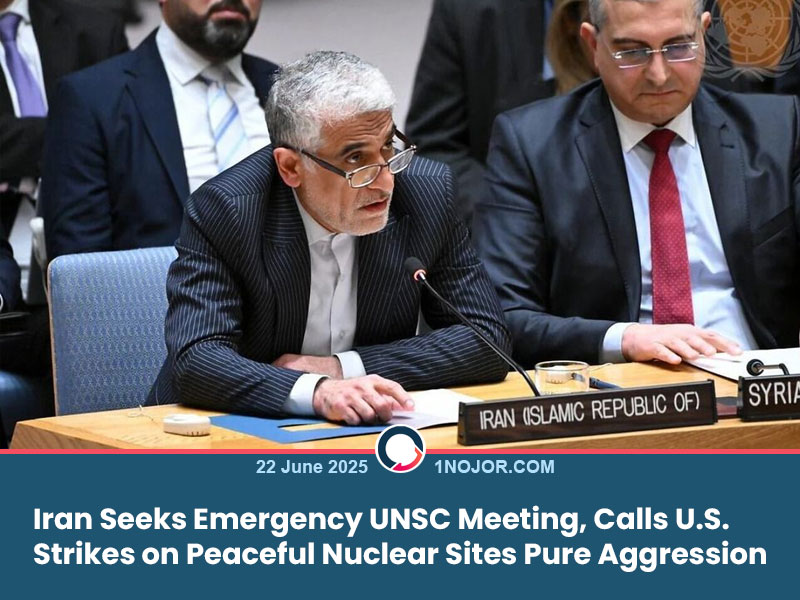
Iran’s Permanent Representative to the United Nations, Amir Saeid Iravani, sent multiple letters to the UN Security Council and Secretary-General António Guterres. Calling the U.S. attack a “brutal and unlawful act of aggression,” the letter stated that the airstrikes severely impacted both regional and international peace and security. Iran demanded an emergency meeting of the Security Council and insisted on accountability for violations of international law by both the U.S. and Israel.

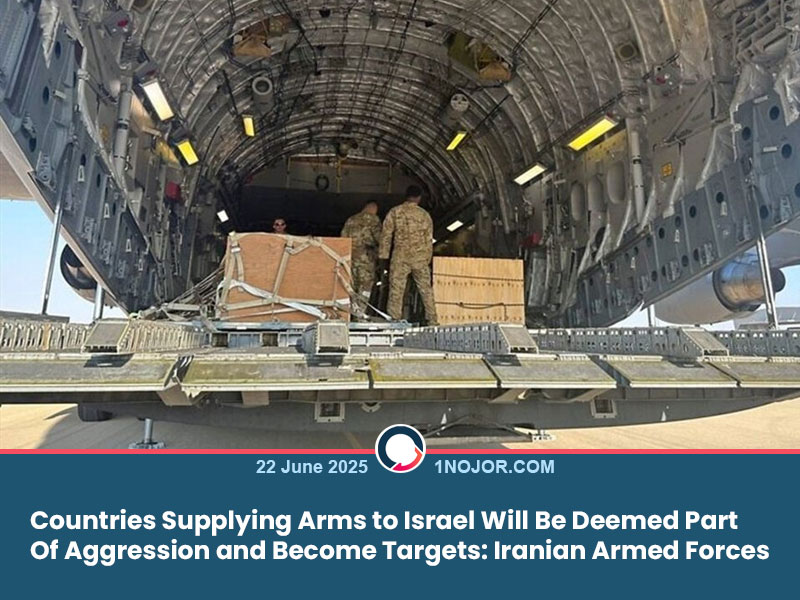
Iran’s Armed Forces Central Command, Khatam al-Anbiya Headquarters, issued a stern warning Sunday. The statement declared that any country providing military aid or equipment—by air or sea—to Israel would be considered a direct participant in the aggression and thus a legitimate target for Iranian forces. The statement added that despite Israel’s possession of one of the world’s most advanced missile defense systems, it failed to intercept Iranian attacks and suffered losses in radar and air defense capabilities, as well as a shortage of ammunition.
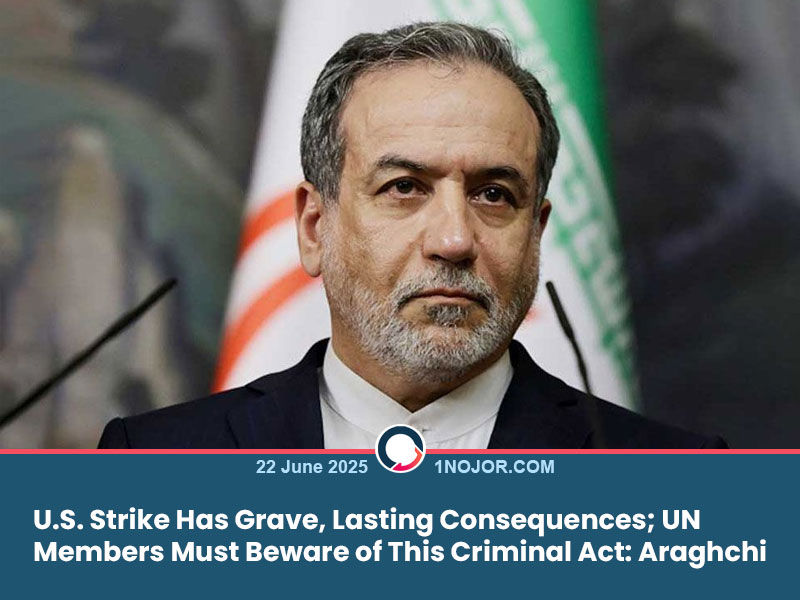
Iranian Foreign Minister Abbas Araghchi condemned the U.S. strikes, calling them “a grave violation of the UN Charter, international law, and the NPT (Non-Proliferation Treaty).” In a statement, he warned: “This morning’s U.S. attacks were extremely dangerous and will have permanent consequences. All UN member states must recognize this as a lawless and criminal act.” He emphasized Iran’s right to defend its sovereignty, interests, and people.
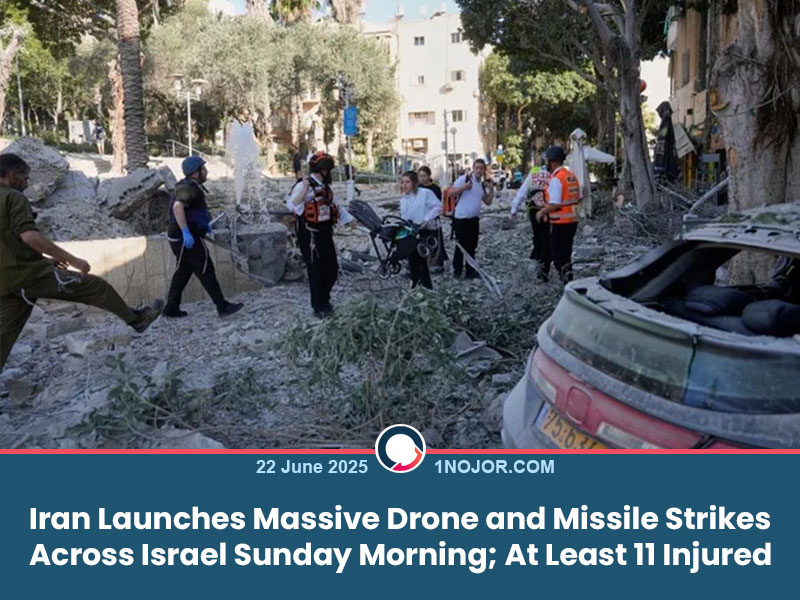
Following Iran's missile and drone attacks Sunday morning, at least 11 people have been injured across various parts of Israel, according to the country's emergency services. Magen David Adom (MDA), Israel’s national emergency response organization, reported that one person suffered a gunshot wound while ten others sustained minor injuries. Rockets and shrapnel reportedly struck ten different locations, including Carmel, Haifa, Tel Aviv, and the northern coastal plain.
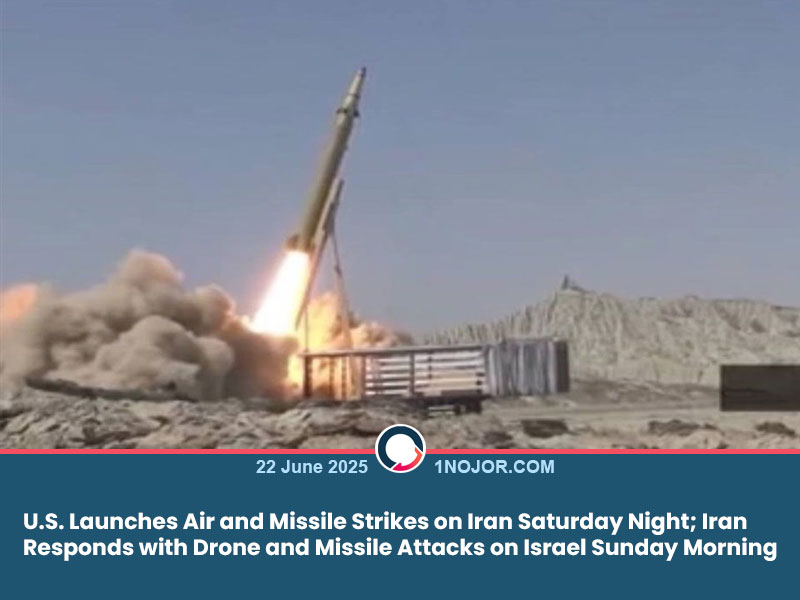
Iran launched a barrage of missiles and drones on Israel Sunday morning, marking a dramatic escalation just hours after the United States conducted overnight air and missile strikes on Iran’s nuclear facilities in Fordow, Natanz, and Isfahan. According to the Israel Defense Forces (IDF), Iran fired multiple ballistic missiles in what is being described as its first direct missile assault on Israel in the current conflict. Additionally, two Iranian drones were intercepted and shot down by the Israeli Air Force earlier in the day. The IDF claims these drones were launched even before the U.S. strikes occurred. The air raids have triggered widespread panic across Israel.
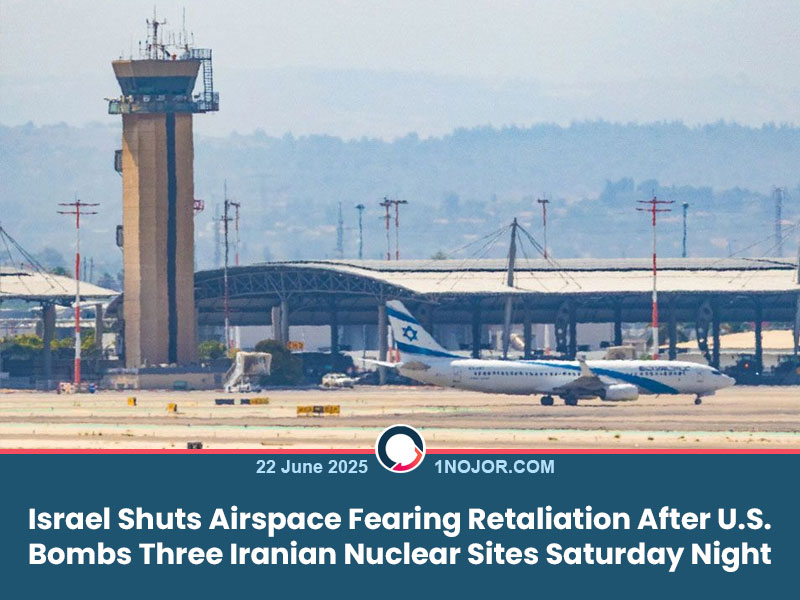
Following the U.S. airstrikes on Iran’s nuclear sites, Israel has temporarily closed its airspace, anticipating a retaliatory response from Iran. Israel’s airport authority cited “current developments” as the reason for the closure, which will remain in effect until further notice. However, land border crossings with Egypt and Jordan remain open.
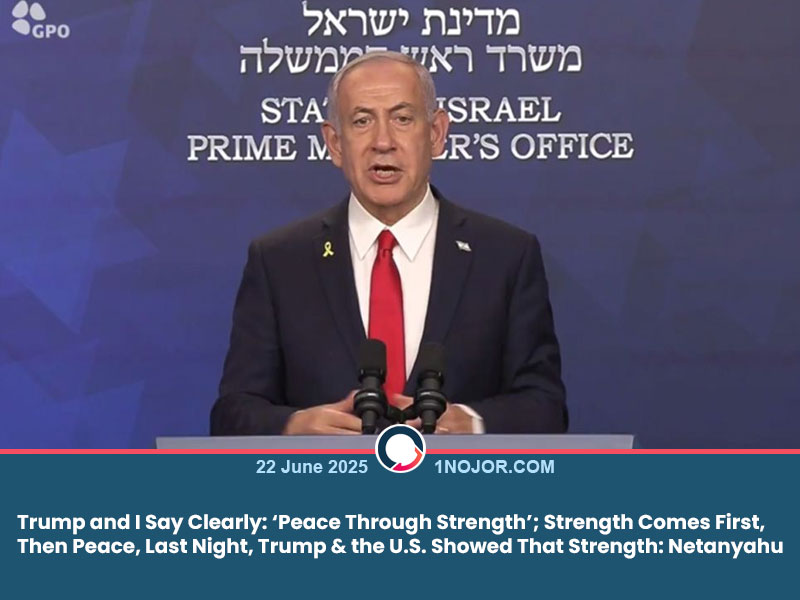
Israeli Prime Minister Benjamin Netanyahu hailed the U.S. strikes on Iran as a "turning point in history" in a video message posted online. “President Trump and I have long said: Peace comes through strength. Last night, the U.S. demonstrated its strength,” Netanyahu posted on X (formerly Twitter), framing the military operation as a strategic shift in the regional balance of power.
The ‘1 Nojor’ media platform is now live in beta, inviting users to explore and provide feedback as we continue to refine the experience.