

The ‘1 Nojor’ media platform is now live in beta, inviting users to explore and provide feedback as we continue to refine the experience.
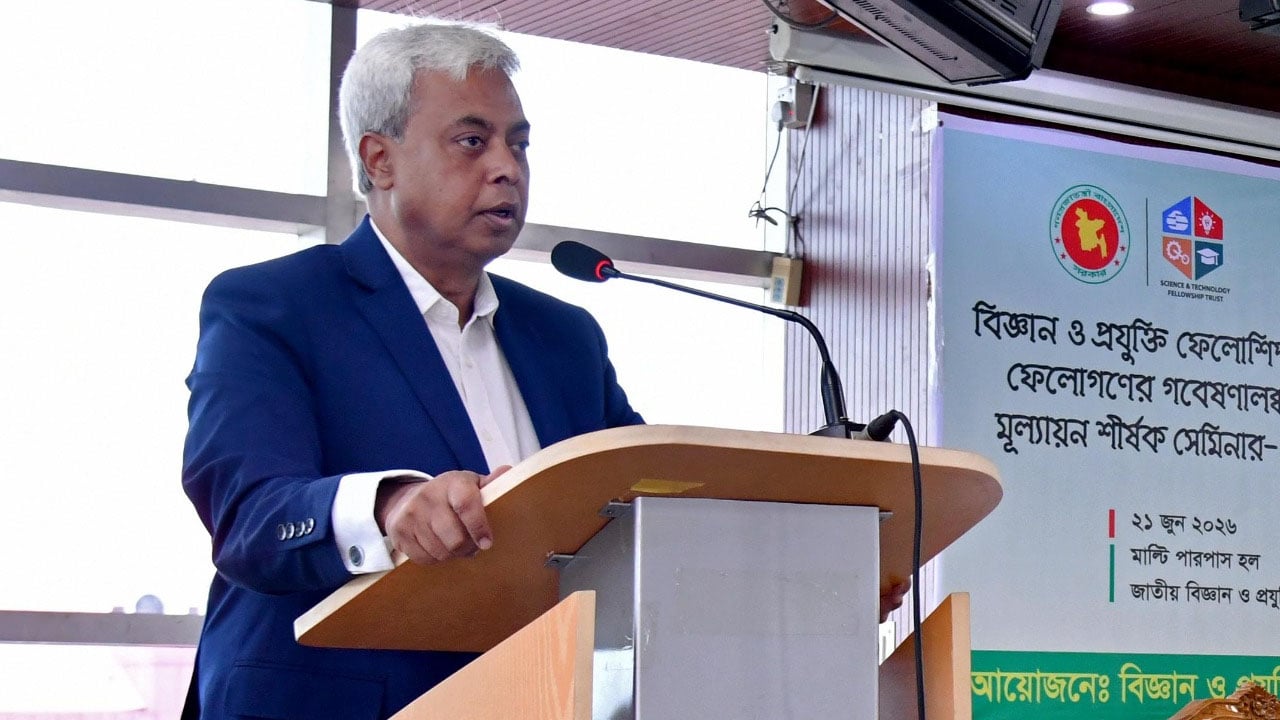
Bangladesh’s Science and Technology Secretary Md. Anwar Hossain said that the country’s greatest opportunity for advancement lies in effectively utilizing technology. Speaking as the chief guest at the opening of a two-day seminar titled “Evaluation of Research Progress and Acquired Knowledge of Science and Technology Fellowship Trust Fellows” at the National Science and Technology Complex in Agargaon, Dhaka, he emphasized the need to harness the nation’s intellectual and innovative capacity. The secretary noted that while many countries possess wealth and resources, they often lack the necessary human capital. In contrast, Bangladesh has a young population, with about 65 percent under the youth category, which he described as a major strength. He stressed that this demographic advantage must be used productively to drive national development. Hossain also remarked that artificial intelligence cannot solve all problems, as it can only suggest but not make decisions. He expressed confidence that Bangladesh’s young scientists will achieve significant success in the future.
Police in Chowgacha, Jessore recovered the throat-slit body of a security guard named Atiar Rahman, aged 40, on Sunday afternoon. The body was found under water hyacinths in a canal beside the Ber Gobindapur Baor area. Atiar, a physically disabled man from Laskarpur village in Chowgacha Sadar Union, worked as a guard at the Baor and also operated an electric motor to irrigate nearby farmland. According to police and family sources, Atiar left home for work on Saturday but did not return. His family began searching for him, and locals later discovered his body in the canal. Police arrived at the scene and recovered the body, noting multiple sharp weapon injuries on different parts of his body. Chowgacha Police Station Officer-in-Charge Mamunur Rashid confirmed the incident and said that police are working to uncover the motive and circumstances behind the killing.
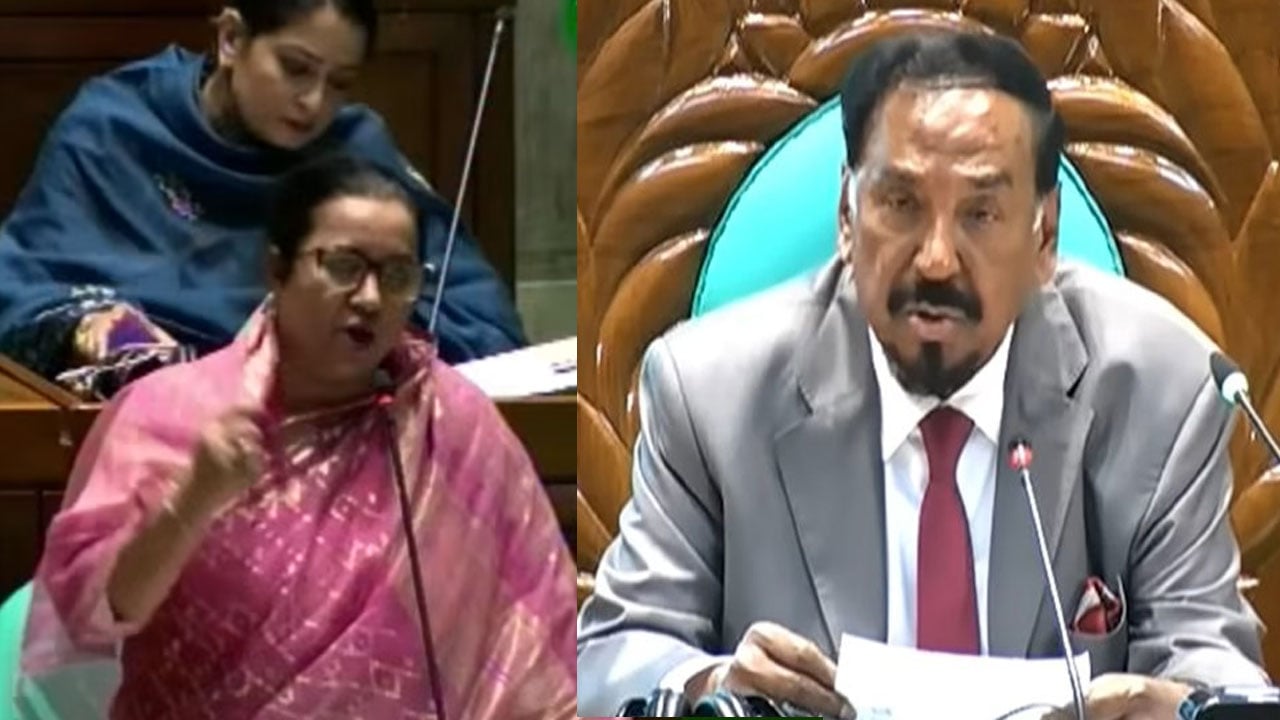
During the national parliament session on Sunday, Speaker Hafiz Uddin Ahmed asked ruling party reserved seat MP Nilufar Chowdhury Moni to conclude her speech within two minutes as her allotted time had expired. The incident occurred during the general discussion on the proposed national budget for the 2026–27 fiscal year. Earlier in her speech, Nilufar Chowdhury Moni criticized opposition members for their remarks about the budget, particularly claims that no allocation was made for Qawmi madrasas. She defended her party, saying the Bangladesh Nationalist Party (BNP) works for the entire nation under the leadership of Tarique Rahman. She also accused some MPs of making false claims about being children of freedom fighters. In response, Speaker Hafiz Uddin clarified that the MP previously mentioned had made an unintentional mistake, describing it as a slip of the tongue that had already been addressed in parliament.
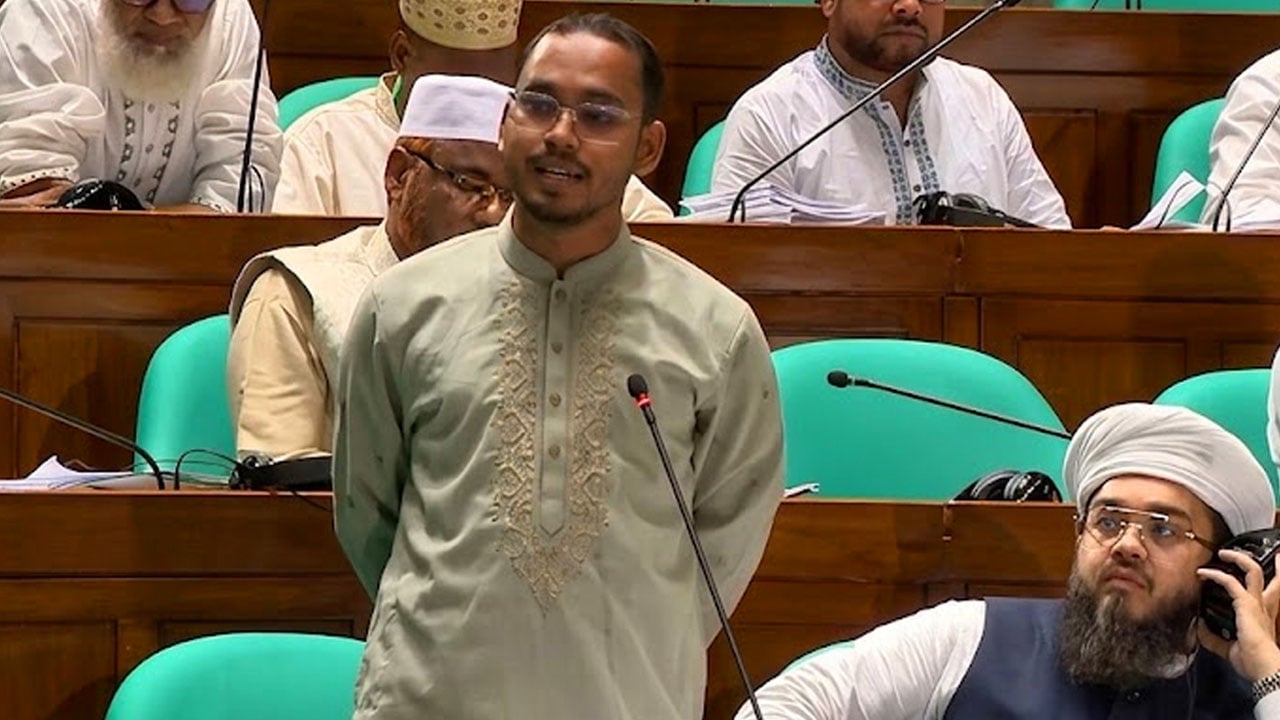
A man named Mohammad Harun allegedly hacked his younger brother Nazrul Islam, 42, to death inside a mosque in the Kazirhat area of Mehendiganj upazila, Barishal, on Sunday afternoon. The attack reportedly stemmed from a long-running dispute over family land. Local residents and police sources confirmed that the brothers had argued several times before the fatal incident. According to police, Harun attacked Nazrul with a sharp weapon while performing prayers, leaving him critically injured. Locals rescued the victim and took him to Muladi Upazila Health Complex, where doctors declared him dead. The Kazirhat Police Station officer-in-charge, Md Siddiqur Rahman, said police quickly reached the scene and brought the situation under control. Police stated that Harun fled after the killing, and efforts are underway to apprehend him soon.

Bangladesh’s National Parliament witnessed heated exchanges on Sunday during discussions on the proposed 2026–27 national budget after NCP lawmaker Hannan Masud accused the Prime Minister of making false statements. Masud alleged that the Prime Minister had delivered misleading remarks about opposition protests over price hikes of alcohol and cigarettes, and about loan-related issues. Members of the ruling party strongly objected, demanding that his comments be expunged from the record. Opposition lawmakers countered by asking the government to specify which parts of Masud’s remarks were false, arguing that criticism of the Prime Minister’s statements was a democratic right. Deputy Speaker Barrister Kaiser Kamal, presiding over the session, said he would review the matter before making a decision. The debate also saw interventions from BNP MP Zainal Abdin Faruk, Opposition Chief Whip Nahid Islam, and Local Government Minister Mirza Fakhrul Islam Alamgir, each defending their respective positions. The Deputy Speaker later urged members to maintain parliamentary decorum and assured that all disputed remarks would be examined before any ruling is issued.
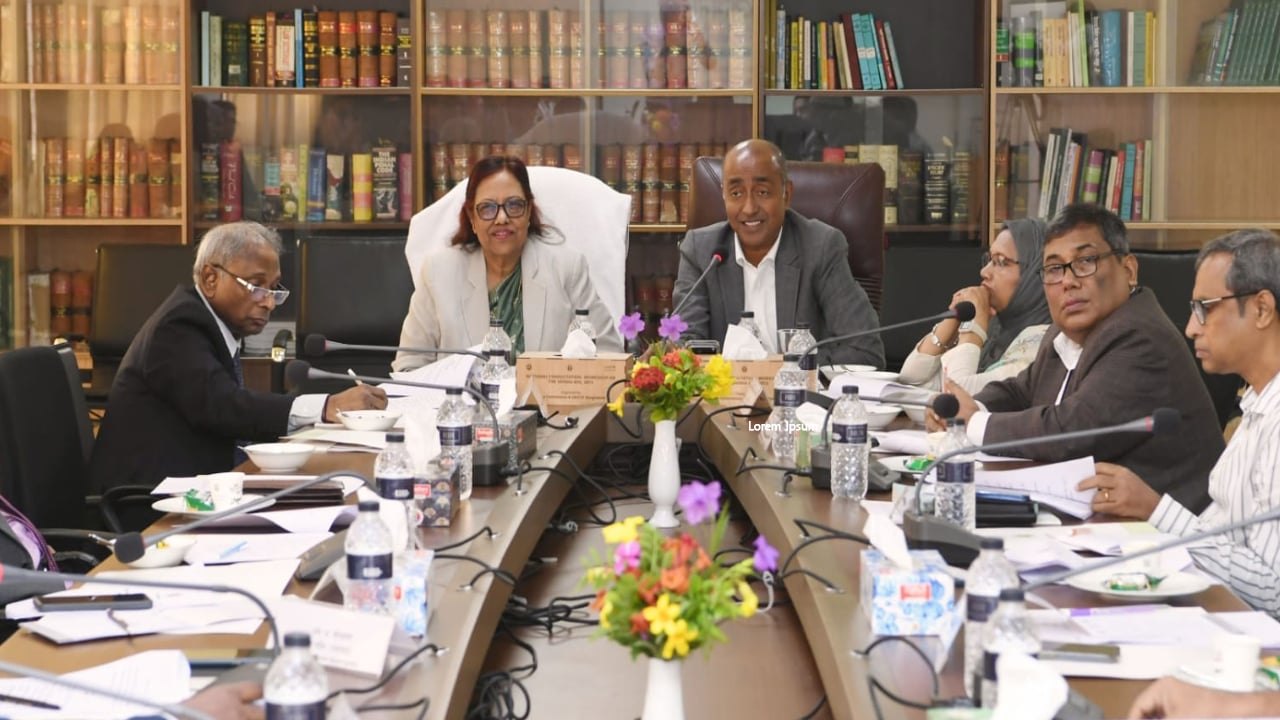
A national seminar titled “Feasibility Study on Legislation for Determining the Degree of Criminal Punishment” was held on Sunday at the Law Commission’s conference room in Dhaka. Organized by the Law Commission, the event aimed to develop a unified, transparent, and fair framework for determining sentencing levels in Bangladesh’s criminal justice system. Speakers discussed ways to resolve inconsistencies in verdicts under the same law and emphasized the need for clear sentencing guidelines. Law Minister Md. Anisul Huq, attending as chief guest, said stakeholder consultations are held at the start of any lawmaking process and their opinions are valued. He highlighted that laws undergo detailed review at multiple levels before finalization, which helps make them more effective and acceptable. The minister also stressed the importance of studying sentencing guidelines from countries like the United Kingdom to build a suitable model for Bangladesh. Speakers noted that the absence of clear legal guidance currently leads to variations in sentencing for similar offenses, undermining public trust in justice. They argued that a dedicated sentencing law could enhance transparency, consistency, and confidence in the judicial system.
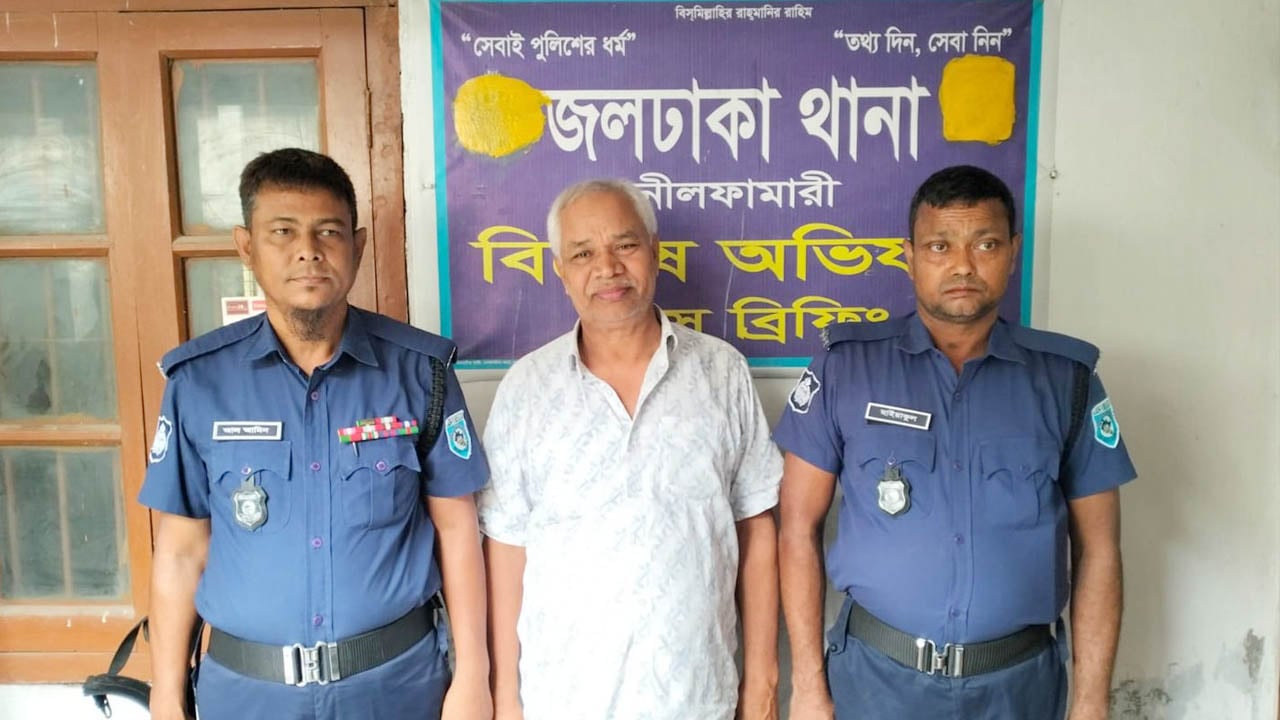
Police in Nilphamari’s Jaldhaka upazila arrested Saiful Islam (Mukul), chairman of the 2 No. Dauyabari Union Parishad and president of the local Awami League, in connection with a case related to an anti-discrimination movement. The arrest took place on Sunday afternoon at the Dauyabari Union Parishad office, where police conducted an operation to detain him. According to police sources, Saiful Islam was a named accused in the GR 12/24 case concerning the anti-discrimination movement. The case had been under judicial process for a long time, prompting the operation to bring him under legal custody. Jaldhaka Police Station’s officer-in-charge Nazmul Alam confirmed that Saiful was arrested from the Union Parishad office and later sent to court under tight security after completing legal formalities. Local sources added that Saiful Islam is also facing trial in a separate 2013 murder case, but police clarified that the current arrest is solely related to the anti-discrimination movement case.
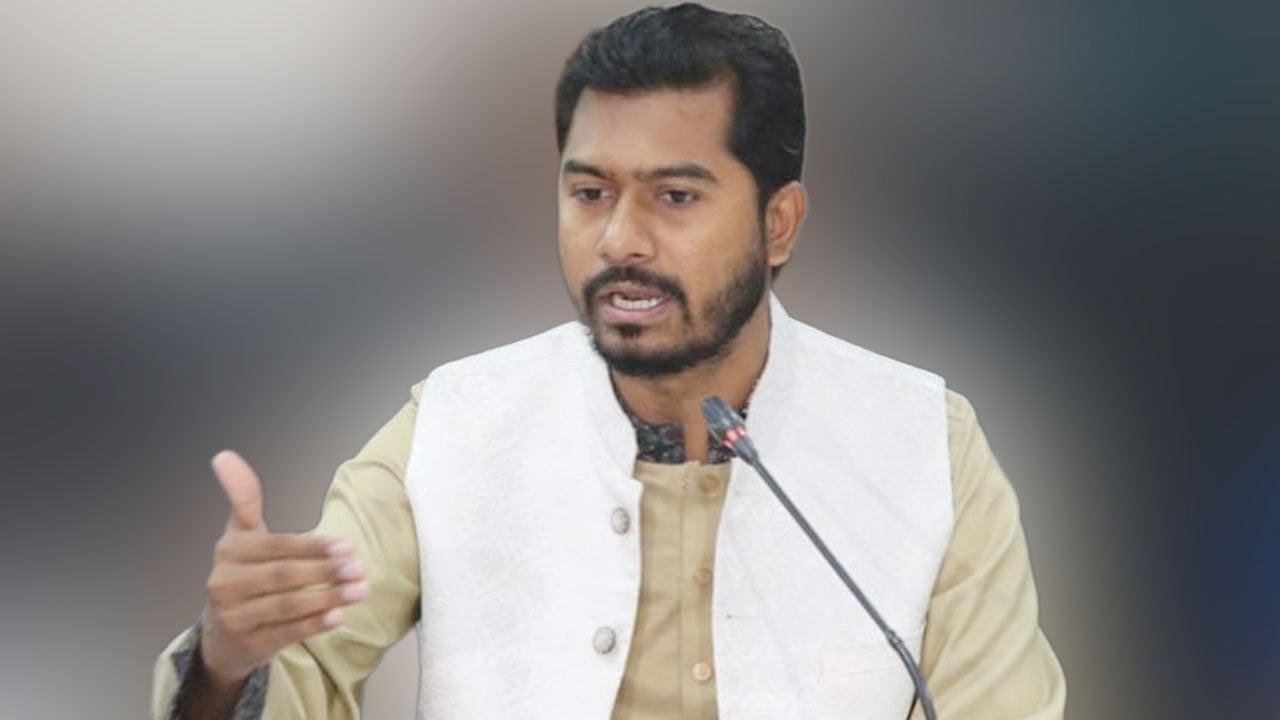
State Minister for Expatriates’ Welfare and Overseas Employment Md. Nurul Haque has assured that the bodies of five Bangladeshi workers killed in a road accident in Qatar will be brought back to Bangladesh as soon as possible. He described the deaths of these expatriates, who contributed to the national economy, as deeply tragic. The statement was issued through a press release from the ministry on Sunday. According to the ministry, the labor wing of the Bangladesh Embassy in Qatar has been instructed to prioritize financial compensation for the victims’ families. The government has pledged to stand by the bereaved families during this difficult time. The accident occurred on Sunday morning in Qatar’s Shahaniya area, claiming the lives of five expatriate Bangladeshis from Kanaighat upazila in Sylhet. The incident has cast a shadow of grief over their home community. The ministry’s assurance aims to ensure swift repatriation and support for the affected families, reflecting the government’s commitment to the welfare of overseas workers.
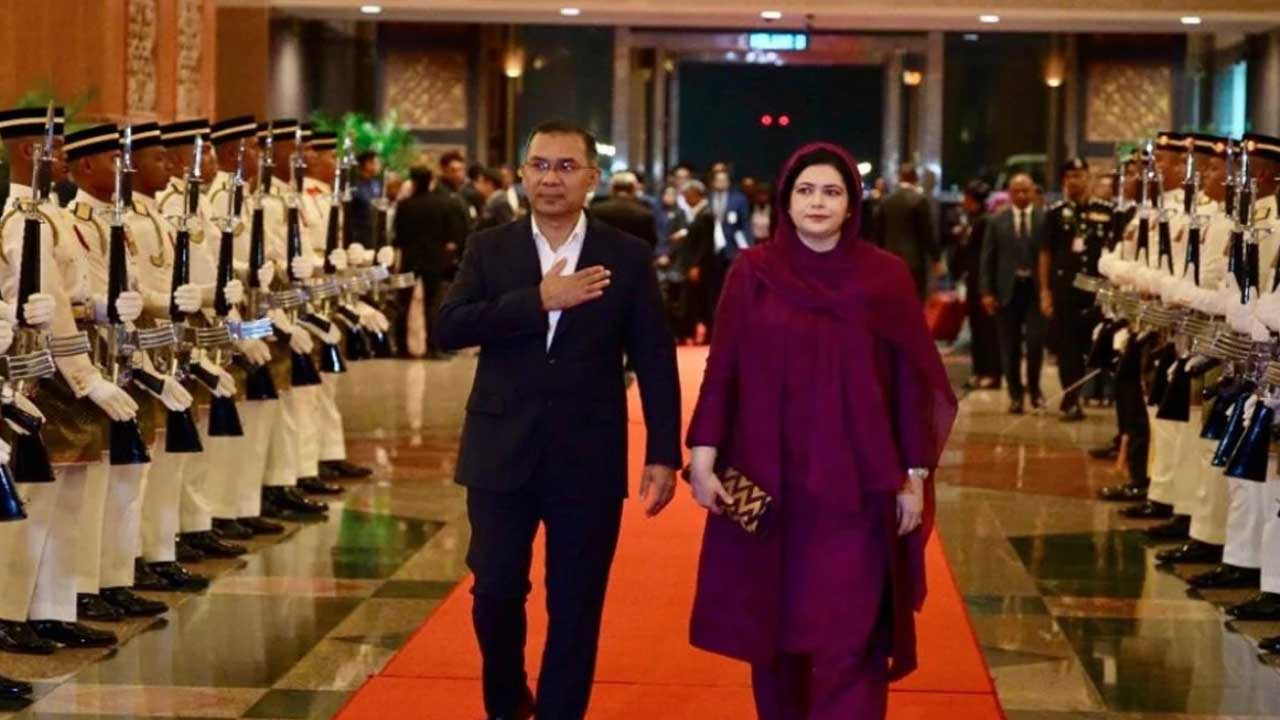
Bangladesh Prime Minister Tarique Rahman arrived in Kuala Lumpur on Sunday night at the invitation of Malaysian Prime Minister Anwar Ibrahim. His flight landed at Kuala Lumpur International Airport at 8:45 p.m. local time. At the VVIP terminal, he was received by Malaysia’s Minister for Religious Affairs Zulkifli Hasan and his spouse, along with Bangladesh’s High Commissioner to Malaysia, Manjurul Karim Khan Chowdhury. Earlier in the day, Rahman departed Dhaka’s Hazrat Shahjalal International Airport on a special Bangladesh Biman flight at 2:45 p.m. According to the Prime Minister’s Additional Press Secretary Atikur Rahman Rumman, Rahman was accompanied by his wife, Dr. Zubaida Rahman. Several senior officials, including LGRD Minister Mirza Fakhrul Islam Alamgir, Chief Whip Nurul Islam Moni, Cabinet Secretary Nasimul Gani, and foreign diplomats, were present at the airport to see him off. This marks Rahman’s first foreign trip since assuming office as Prime Minister on February 17. The Prime Minister is scheduled to complete his two-day official visit to Malaysia and begin a state visit to China on Monday night.
Rashed Khan Menon, a local Awami League leader in Barishal, died after jumping from the roof of his house on Sunday afternoon to avoid arrest. The incident occurred in Ward No. 1 of Barishal City Corporation. Menon served as the general secretary of the ward-level Awami League and was known as a follower of former mayor and city Awami League general secretary Serniabat Sadiq Abdullah. According to police, Menon was a banned Awami League leader accused in multiple cases and allegedly involved in anti-government activities. When police arrived at his residence to arrest him, he reportedly jumped from the roof. Kawniya Police Station Officer-in-Charge Sanjit Nath stated that police failed to detain him and later received news of his death after the fall. The incident highlights ongoing tensions surrounding banned political activities in Barishal, though further details about the investigation or official response were not provided in the report.
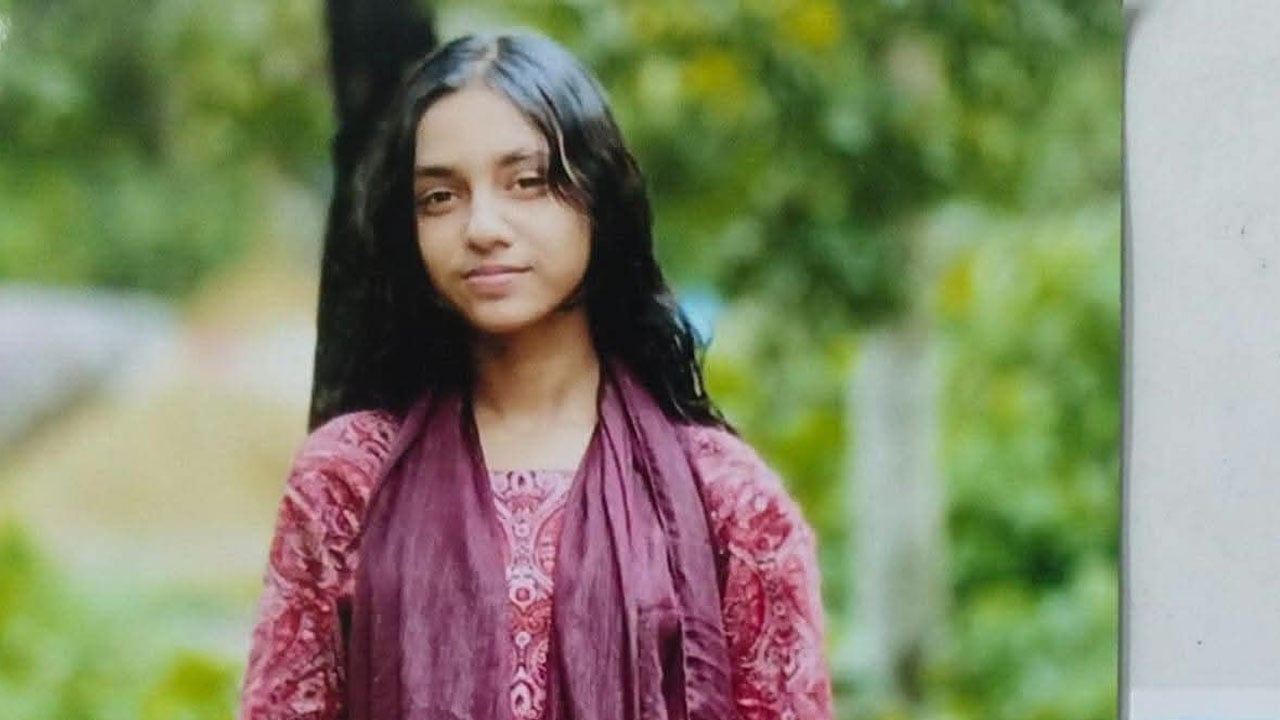
Police in Singair upazila of Manikganj recovered the dismembered body of 14-year-old schoolgirl Mahi Akter six days after she went missing. The body was found on Sunday afternoon beside a bamboo grove near the Chandanagar graveyard in Jamirta Union, following a tip-off from locals. Mahi, daughter of Mizanur Dewan from Char Laxmipur village, was an eighth-grade student at Singair Sahrail High School. According to police and family sources, Mahi and a male student had been issued transfer certificates from their school the previous Monday over a relationship-related matter. After receiving the certificate, Mahi went missing, prompting her family to file a complaint with the police. Her school bag, shoes, and uniform were found near the body, helping relatives identify her. Singair Police Station Officer-in-Charge Md. Mazharul Islam said the body appeared to be five to six days old and that DNA testing would be conducted to confirm identity. Police are investigating the case and working to identify those involved.
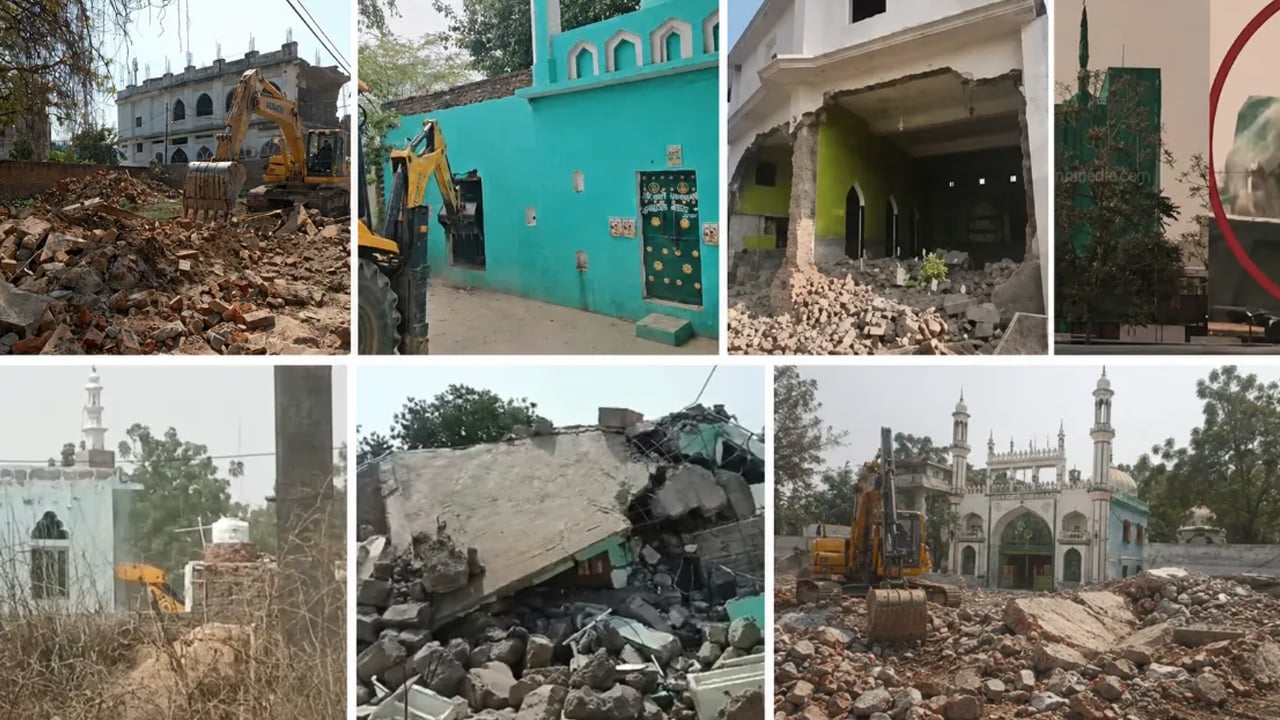
An investigative report by international outlet Muslim Mirror has revealed that more than 23 mosques, madrasas, eidgahs, and dargahs were demolished or partially removed across several Indian states in the past 45 days. The report noted that most incidents occurred in states governed by the Bharatiya Janata Party (BJP). Authorities stated that the demolitions were part of drives to clear government land, remove unauthorized structures, and implement development projects. Local Muslim communities, however, alleged that long-established religious sites were also targeted under these operations. Residents and affected individuals said that several mosques and dargahs had served as religious and social centers for years, and their sudden demolition caused anxiety and discontent in many areas. Community representatives described the incidents as alarming and called for impartial investigations, accountability, and rehabilitation for those affected. Administrative officials reiterated that the actions were not aimed at any specific religious group but were part of broader urban development and anti-encroachment measures. Human rights and minority rights observers expressed concern and urged transparent investigations and protection of religious freedom and minority rights.
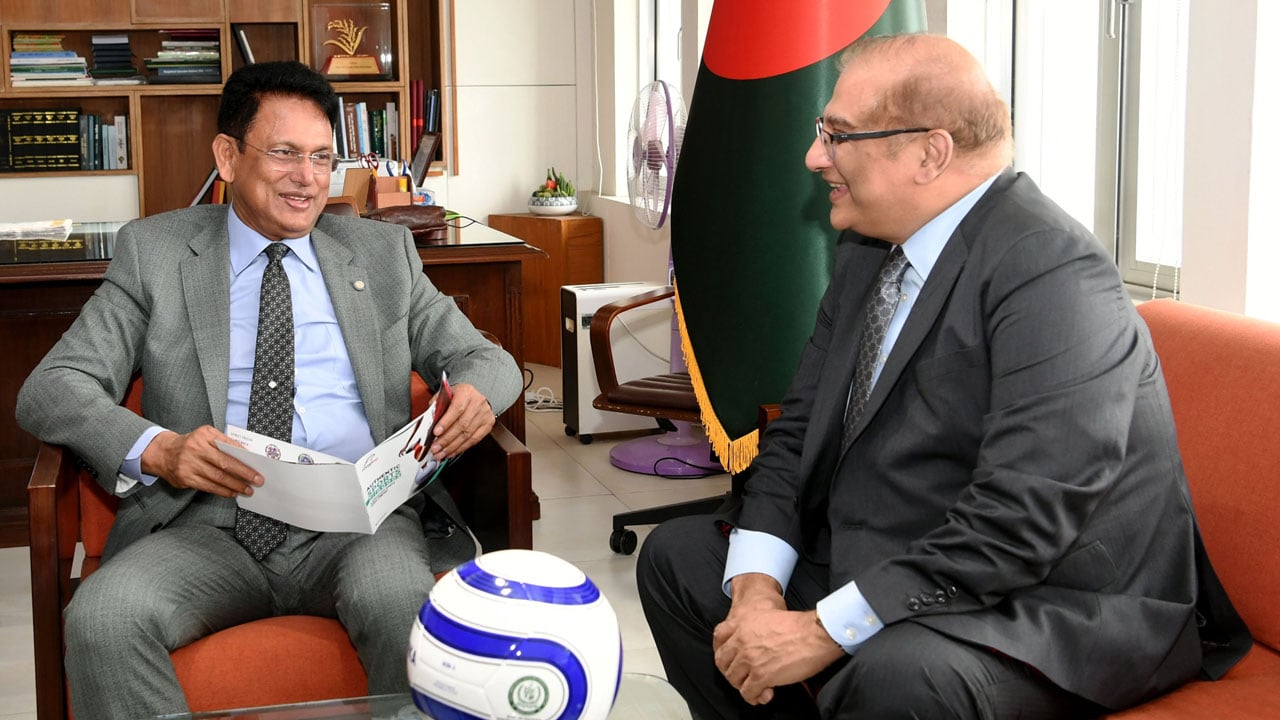
Pakistan’s High Commissioner to Bangladesh, Imran Haider, paid a courtesy call on Education Minister Ehsanul Haque Milon at the Secretariat on Sunday. The meeting focused on enhancing cooperation between the two countries in education, particularly in technical and vocational training. Both sides discussed various initiatives aimed at improving educational development. During the meeting, Minister Milon highlighted the government’s efforts to transform the population into skilled human resources by integrating technical education into the national curriculum. He noted that there are opportunities for Bangladesh and Pakistan to work together in this area. High Commissioner Haider emphasized Pakistan’s willingness to collaborate in educational advancement and invited the minister to visit Pakistan’s technical and vocational training programs. At the end of the meeting, the Pakistani envoy presented 1,000 footballs as gifts for school and college students. Senior officials from both countries, including the education secretary and the director general of the Directorate of Secondary and Higher Education, were present.
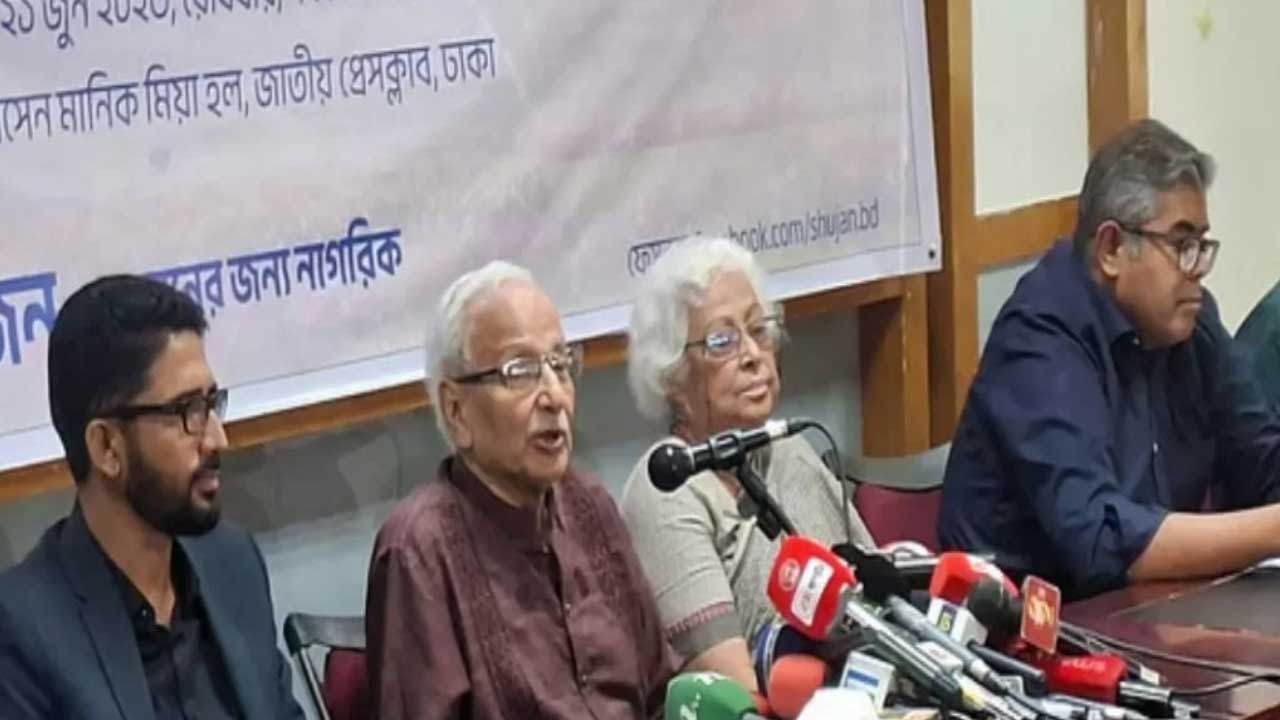
At a roundtable titled “Four Months of the Current Government: Expectations, Achievements and Tasks” held at the National Press Club on Sunday, Citizens for Good Governance (Sujan) stated that the government has yet to take any concrete steps to implement the July Charter or the referendum verdict. The organization said the implementation remains confined to formal speeches and political courtesies, warning that ignoring the spirit of the mass uprising could overshadow the government’s visible achievements. Sujan observed that the government’s stance does not reflect respect for the 2024 mass uprising, noting silence on issues such as forming an upper house of parliament based on proportional representation or establishing a National Constitutional Council. Sujan Secretary Badiul Alam Majumdar said that under the 1972 Constitution, the next national election should be held in 2029, but many constitutional aspects have changed following the uprising. He criticized the ousted administration of Sheikh Hasina as authoritarian, citing suppression of voting rights, free speech, and institutional collapse. Sujan leaders emphasized that reforms must ensure employment, youth engagement, and institutional integrity, warning that failure to uphold the uprising’s spirit could erode public trust.
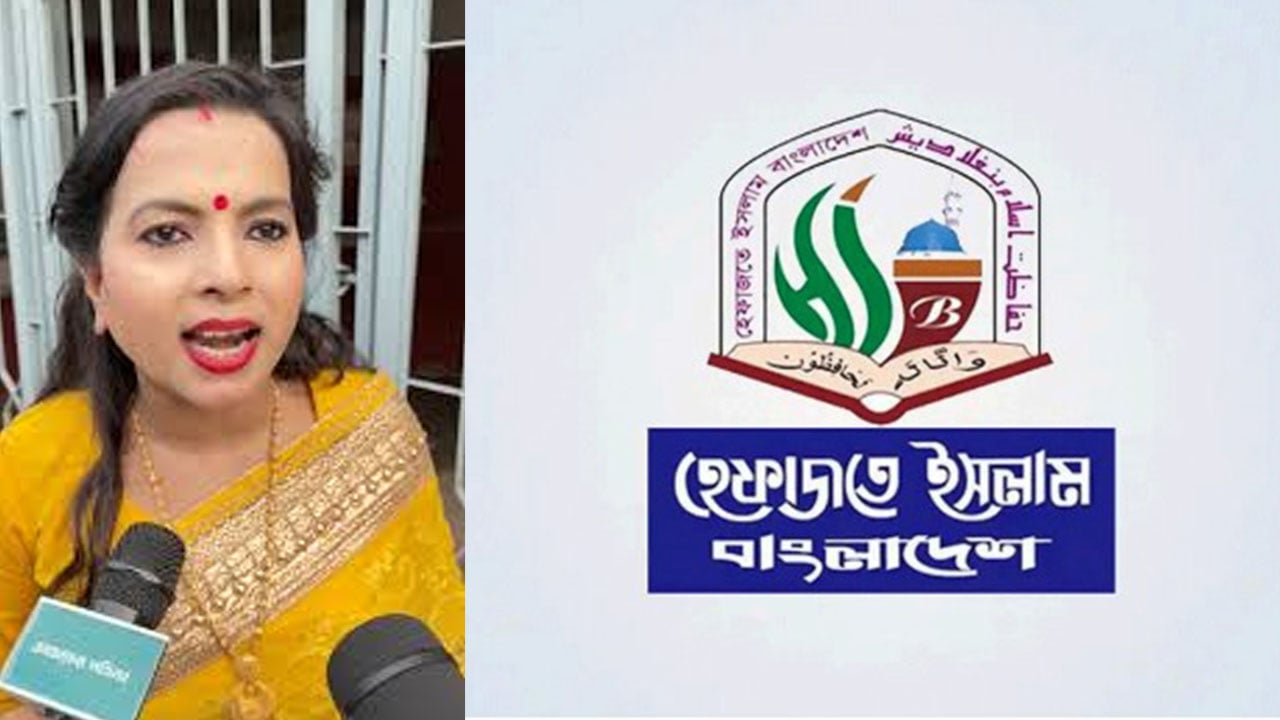
Hefazat-e-Islam Bangladesh has strongly condemned Supreme Court lawyer Chaitali Chakraborty for allegedly making separatist and inflammatory remarks calling for a separate province for Hindus. In a joint statement issued to the media on Sunday, the group’s Amir Allama Shah Muhibbullah Babunagari and Secretary General Allama Shaikh Sajidur Rahman demanded her immediate arrest and exemplary punishment under the law. They also urged the Bangladesh Bar Council to permanently revoke her legal license. The statement accused Chakraborty’s comments of being an act of treason and a threat to the country’s sovereignty. Hefazat leaders claimed that such remarks were part of a deeper international conspiracy to destabilize Bangladesh and undermine its communal harmony. They also criticized the construction of what was described as “Asia’s largest Ram statue” in Palashbari, Gaibandha, alleging it was provoking local unrest. Hefazat called on the government’s intelligence agencies to identify those behind the alleged plot and urged local authorities to take firm legal action to prevent any further communal tension in the area.
The ‘1 Nojor’ media platform is now live in beta, inviting users to explore and provide feedback as we continue to refine the experience.