

The ‘1 Nojor’ media platform is now live in beta, inviting users to explore and provide feedback as we continue to refine the experience.
The National Council of Canadian Muslims (NCCM) has expressed deep concern over an attack on Sheikh Ibrahim, the imam of the BCMA mosque in Victoria, British Columbia. According to a statement released on Saturday, the incident occurred Thursday evening when an unidentified man forcibly opened the imam’s car door after prayers and assaulted him while shouting anti-Muslim remarks and telling him to “go back to your country.” NCCM described the attack as Islamophobic and called it completely unacceptable, emphasizing that it reflects a worrying rise in anti-Muslim sentiment in society. The organization said it is coordinating with authorities to ensure the imam’s safety and urged a thorough investigation to hold the perpetrator accountable. NCCM also called on Canada’s political and social leaders to publicly condemn the attack and take effective measures against hate crimes. The statement further urged law enforcement to conduct a full and impartial investigation to determine whether the incident qualifies as a hate crime. Details about Sheikh Ibrahim’s current condition or any formal charges against the attacker have not yet been released.
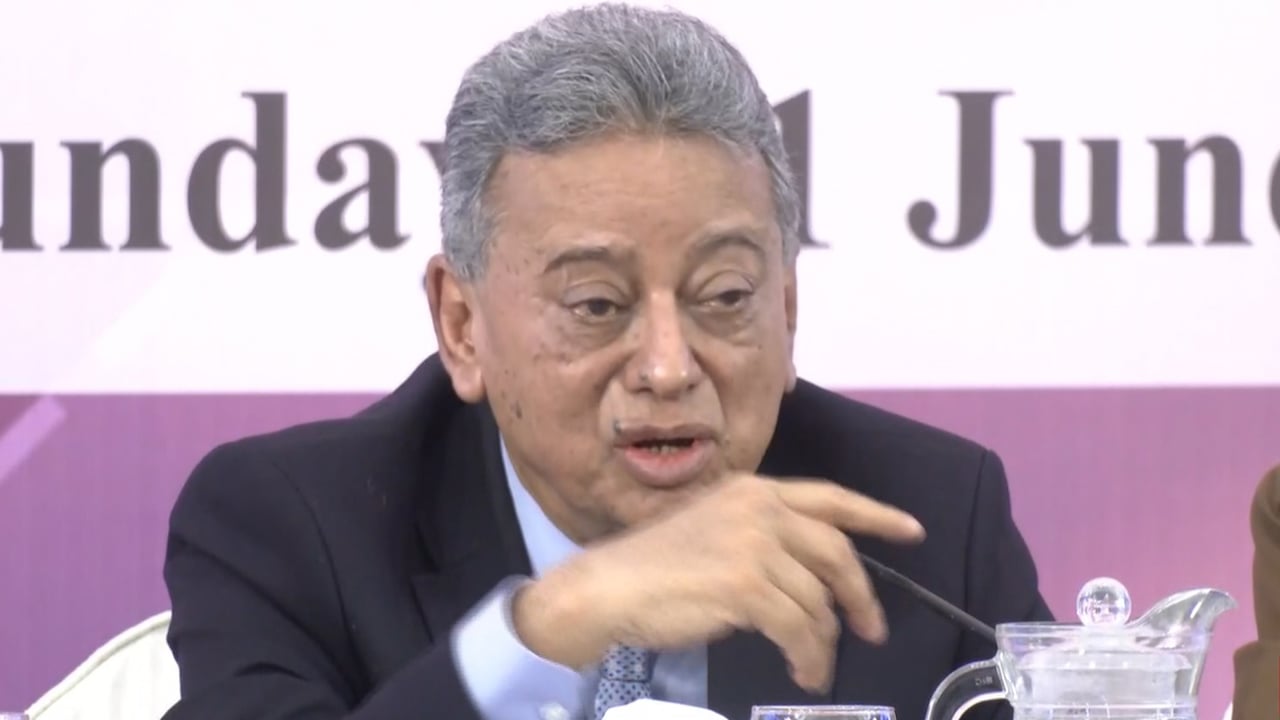
Finance and Planning Minister Amir Khosru Mahmud Chowdhury said Bangladesh will need two years to recover from its fragile economic situation. He stated that the government aims to reduce reliance on borrowing and is exploring alternative financial strategies. The minister made these remarks on Sunday afternoon while speaking to journalists. He explained that the government is reviewing various aspects to make the national budget more accurate and emphasized the importance of bringing more citizens under the tax net, even with small contributions. Chowdhury noted that the current administration inherited a heavy debt burden from the previous government, which he described as fascist, and that the 2026–27 fiscal budget is not yet perfect. However, he assured that efforts are ongoing to stabilize the economy within two years. The minister also mentioned that many of the 1,300 projects initiated by the previous government were canceled due to inefficiency or lack of utility. He added that borrowing from local banks at 11–13 percent interest is unsustainable for the private sector and burdensome for the government, which plans to move away from such borrowing.
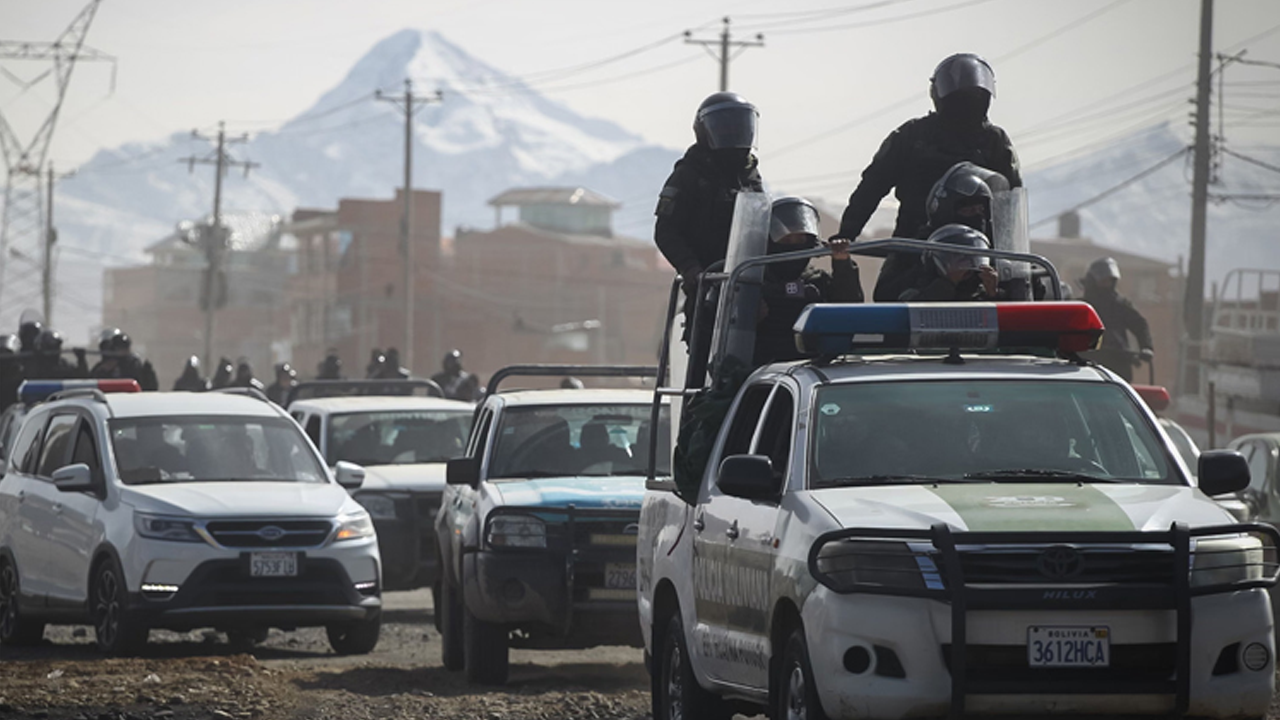
Bolivian President Rodrigo Paz declared a nationwide state of emergency on Saturday following weeks of anti-government protests that have paralyzed the country. The government deployed the army and bulldozers to remove roadblocks set up by demonstrators, which had severely disrupted daily life and transportation across major cities, according to AFP. For more than six weeks, labor unions, indigenous groups, and coca growers have staged protests, blocking roads with stones, logs, and other obstacles. These blockades have caused acute shortages of fuel, food, and medicine, inflicting billions of dollars in economic losses and posing a threat to the country’s first non-socialist government in two decades. In a televised address early Saturday, President Paz warned that legal action would be taken against protesters and announced the 90-day emergency, restricting the right to assemble and authorizing domestic military deployment. Hours later, AFP journalists reported army and armed police convoys in El Alto, where residents were seen welcoming the security forces as they began clearing the blockades.
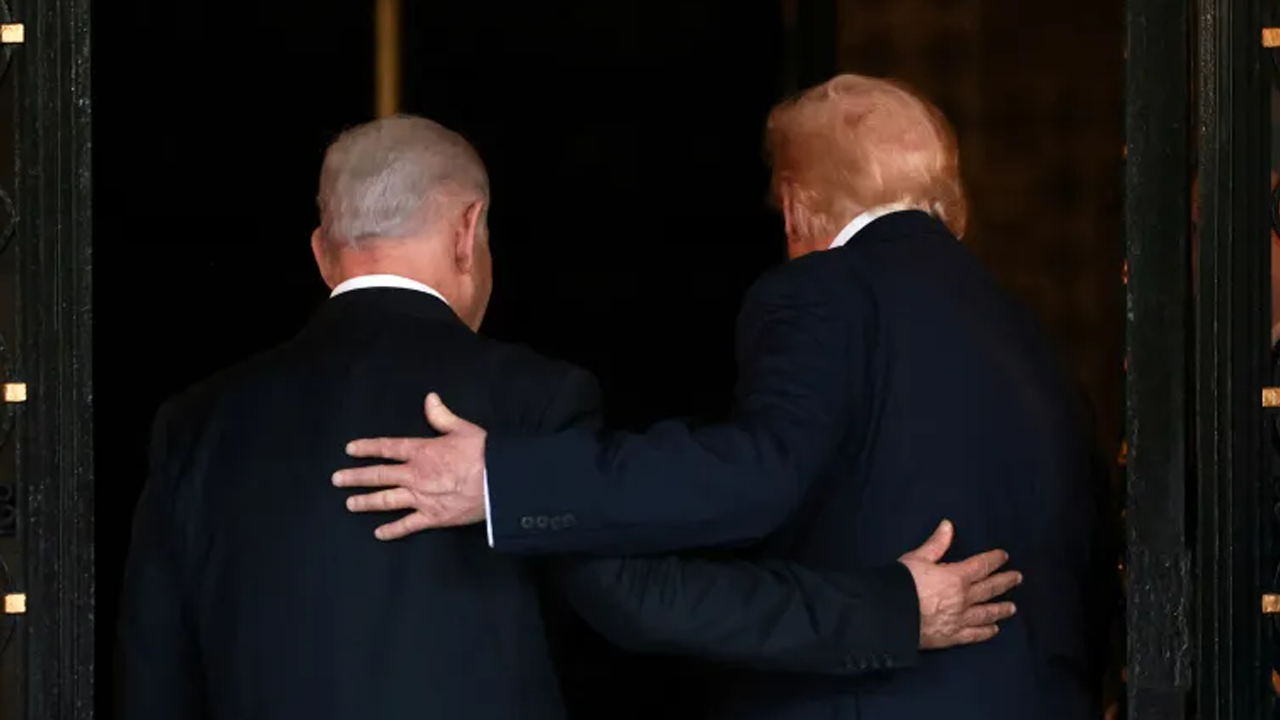
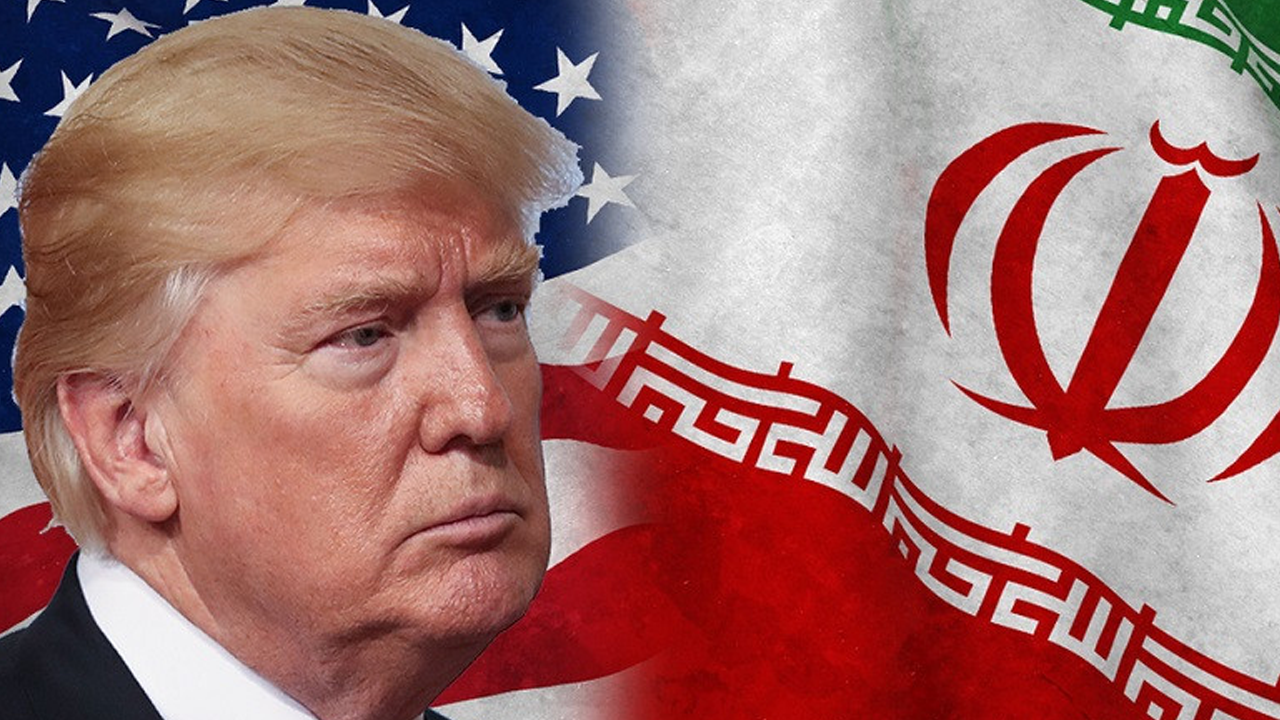
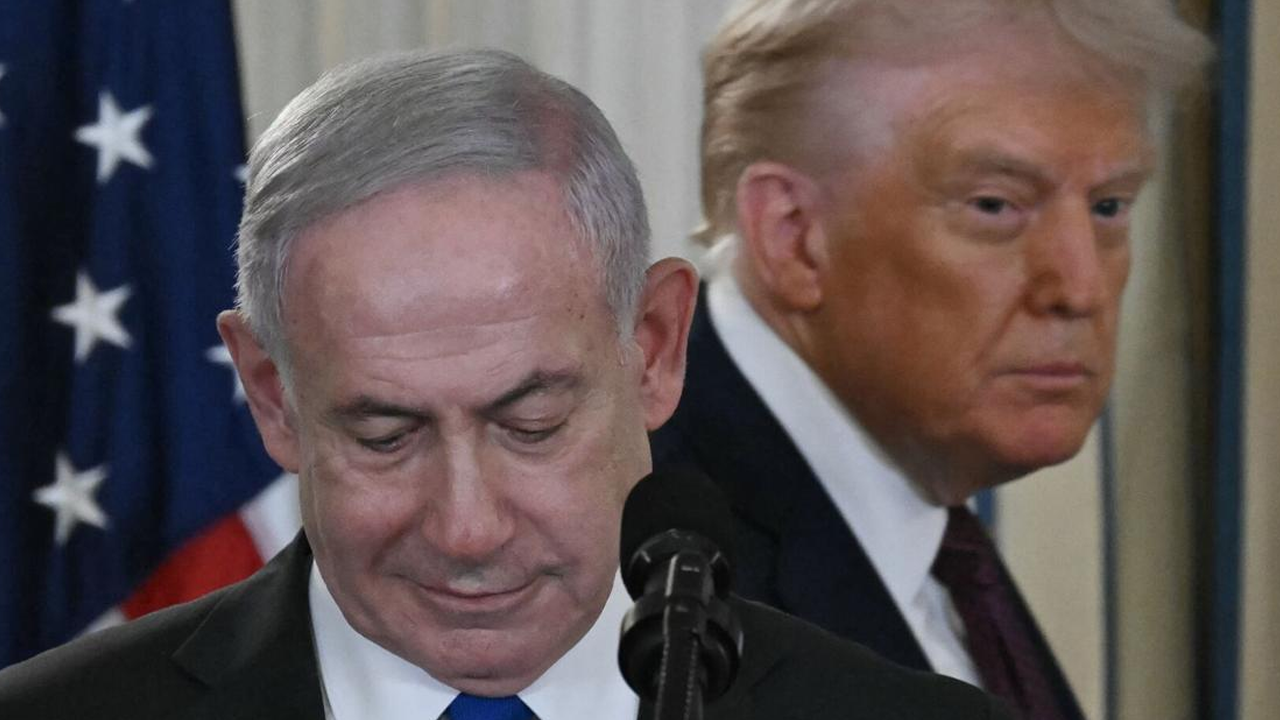
Tensions between the United States and Israel intensified this week following an interim agreement between Washington and Tehran aimed at ending the Iran war. Israeli media accused President Donald Trump of abandoning Israel to its greatest enemy, sparking widespread outrage and feelings of betrayal among the public and political circles. The memorandum of understanding, signed without Israel’s involvement, calls for an immediate halt to all hostilities, including Israel’s recent attacks in Lebanon, and for both sides to respect Lebanon’s territorial integrity. Leading Israeli newspaper Israel Hayom, owned by Trump donor Miriam Adelson, published a scathing editorial accusing Trump of surrendering to a “terrorist regime.” A Channel 12 poll showed only 11 percent of Israelis believe they have won the war, while 71 percent no longer trust the Trump administration to protect Israel’s interests. Far-right ministers Bezalel Smotrich and Itamar Ben Gvir publicly condemned the deal, with Ben Gvir’s incendiary social media post later restricted for policy violations. US officials expressed irritation at Israel’s reaction. At the G7 summit, Trump said Prime Minister Benjamin Netanyahu was “too excited” over Lebanon, while Vice President JD Vance defended Trump as Israel’s only sympathetic ally amid global criticism of its Gaza actions.
On June 15, Bangladesh’s Prime Minister Tarek Rahman directed that four major bus terminals in Dhaka—Fulbaria-Gulistan, Gabtoli, Mohakhali, and Sayedabad-Jatrabari—be relocated outside the capital to ease chronic traffic congestion. The government says the move aims to bring all terminals and counters under a unified structure. Urban planners and transport experts have welcomed the decision but identified seven key challenges that could hinder its success. The challenges include coordination among implementing agencies, infrastructural readiness, passenger connectivity from new terminals to the city, potential traffic shifts to city outskirts, slow progress in bus route rationalization, resistance from transport unions, and ensuring passenger safety. Experts warn that without proper feasibility studies, land acquisition, and modern facilities, the relocation could remain a political promise rather than a practical solution. They also caution that moving terminals without improving route management and intercity transport systems may simply transfer congestion elsewhere. Specialists emphasize that transparent project execution, stakeholder cooperation, and passenger-oriented planning are essential for the initiative to reduce Dhaka’s severe traffic problems effectively.

The Iran war concluded with what has been described as a conditional surrender by the United States, following a preliminary agreement between the Trump administration and Iran. President Donald Trump had earlier insisted that only Iran’s unconditional surrender could end the conflict, but the final deal reversed that stance. Conservative Republicans and war advocates have sharply criticized the agreement, calling it a major foreign policy mistake. Under the deal, Iran will regain access to previously frozen billions of dollars and receive a $300 billion reconstruction fund, along with partial rights to collect fees from commercial ships passing through the Strait of Hormuz within 60 days. Critics argue that the agreement represents a strategic defeat for the US, while supporters note that continuing the war would have caused further loss of life and economic damage. Trump defended his decision, saying the deal prevented prolonged bombing and economic collapse. Analysts suggest the war weakened the US militarily and financially, costing thousands of lives and nearly $1 trillion. The new accord leaves Iran’s nuclear capabilities for future negotiation, raising fears that Tehran may pursue nuclear weapons more aggressively. Talks are expected to extend beyond the initial 60-day period.
France has imposed partial restrictions on alcohol consumption as a precautionary measure during a severe heatwave sweeping across much of Europe. Following an emergency meeting, Prime Minister Sébastien Lecornu announced that drinking alcohol would be banned at public and open-air events, including the annual 'Fête de la Musique' festival, in 35 of the country's 96 departments under red alert. Temperatures in southwestern France, Paris, and Burgundy are expected to reach 39 to 40 degrees Celsius, with some areas possibly hitting 41 degrees. Paris authorities have ordered parks to remain open around the clock. Germany has issued heat warnings across most regions, where temperatures are nearing 38 degrees Celsius, and its weather agency has cautioned about possible thunderstorms due to high heat and humidity. In Italy, temperatures are forecast to reach 36 to 37 degrees Celsius, affecting daily life and tourism, while Spain’s football federation has closed a fan zone in Madrid due to extreme heat. Scientists cited in the report warn that climate change is making European heatwaves more frequent and intense, posing growing health and economic risks.

In Satkhira’s coastal upazilas, traditional rural games such as ha-du-du, gollachut, kanamachi, spinning tops, and kite flying are rapidly disappearing. Once a hallmark of village afternoons, these activities have been replaced by the lure of smartphones, television, YouTube, Facebook, and online games. The fields that once echoed with children’s laughter now remain silent as most spend their free time on screens. According to recent research cited in the report, about 85.8% of Bangladeshi children under five experience excessive screen time, harming their physical health, social skills, and mental development. Elderly residents recall how these games once fostered friendship, patience, and teamwork, while parents and teachers now express concern over children’s growing isolation from outdoor play. Educationists and community members emphasize that unregulated screen dependence poses a new challenge to children’s natural growth. They suggest reviving traditional games through school-based sports festivals, local competitions, and fairground events to reconnect the younger generation with Bangladesh’s cultural heritage.

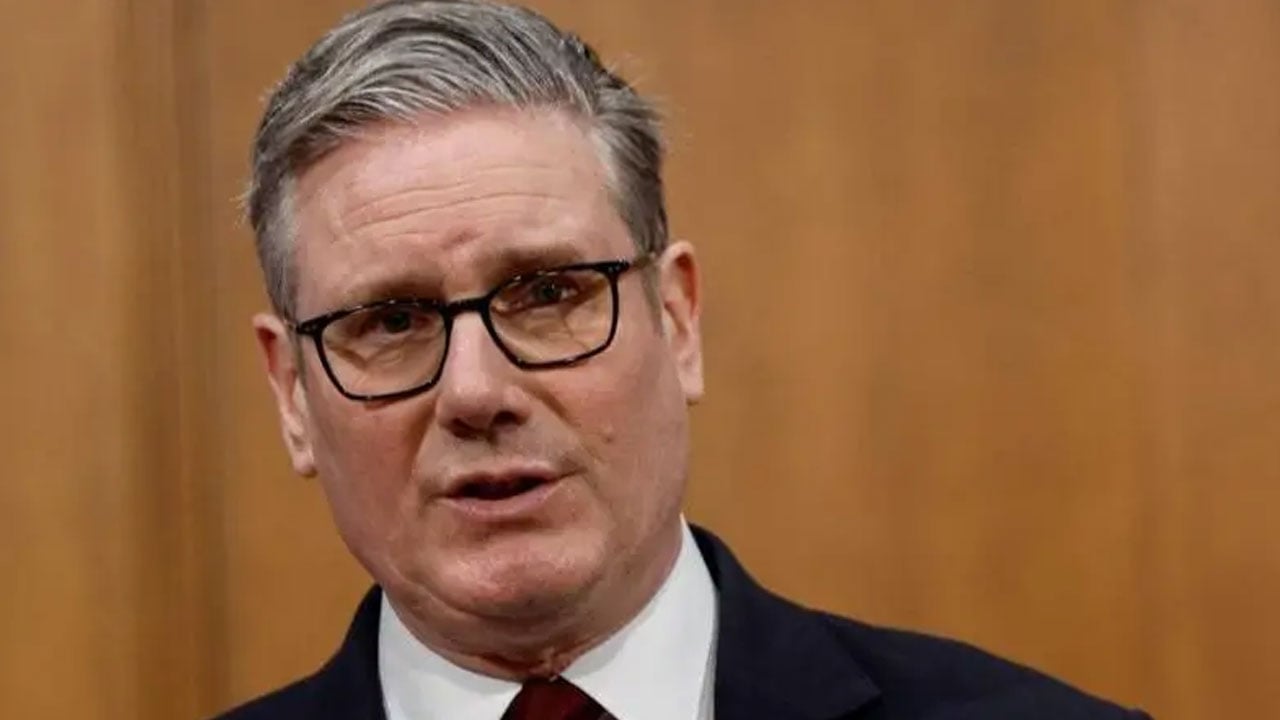
Speculation has intensified in the United Kingdom’s political circles over Prime Minister Keir Starmer’s possible resignation. The Observer reported that Starmer could announce his decision and a potential timeline for stepping down by Monday. However, an internal government source stated that he remains fully focused on his duties as prime minister. The discussions reportedly include consultations with his wife at the official residence, Chequers, as well as with senior Labour figures. The speculation follows months of internal dissatisfaction within the Labour Party, which escalated after Andy Burnham’s by-election victory positioned him to formally challenge Starmer’s leadership. Despite leading Labour to a major victory in 2024, Starmer’s popularity has since declined due to policy controversies and unmet promises on living standards. Reuters reported that over a hundred Labour MPs have publicly urged him to resign or set a departure date. Observers suggest that if Starmer resigns, the UK could see its seventh prime minister in a decade, marking another phase of political instability. Burnham and former health minister Wes Streeting are being discussed as potential successors.
The government has imposed a one-month ban on fishing during the breeding season in Kishoreganj’s haor region, covering Austagram, Itna, and Mithamain upazilas from May 28 to June 26, 2026. The Department of Fisheries has launched limited awareness campaigns through banners, posters, and loudspeaker announcements to enforce the restriction. However, the absence of alternative livelihoods or government food assistance has left thousands of fishermen and their families in severe hardship. According to official data, 33,190 fishermen are registered in the area, but local sources estimate the real number to be 45,000 to 50,000 families, including seasonal workers. Many depend solely on daily fish sales for survival. The sudden ban has disrupted their income, children’s education, and access to healthcare. The situation is worsened by recent crop losses in the single-harvest haor region, leaving both farmers and fishermen in crisis. Local fishermen and officials have urged the government to provide food aid or financial incentives, arguing that without such support, enforcing the ban will be nearly impossible.

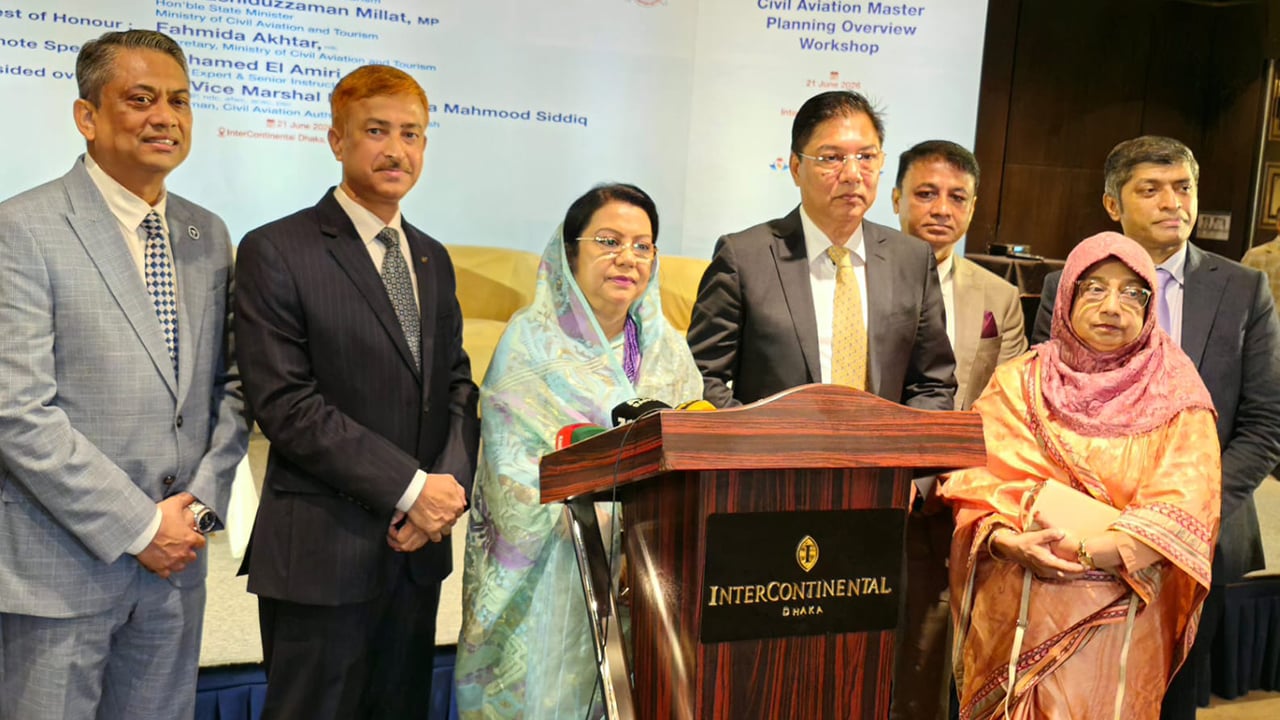
Civil Aviation and Tourism Minister Afroza Khanam announced that the direct flight between Dhaka and New York will not begin before 2028. She explained that it will take at least five years for new Boeing aircraft to join the Biman Bangladesh Airlines fleet. In the meantime, the government plans to lease aircraft from Airbus to maintain operations. She made these remarks while speaking to journalists after inaugurating a workshop on the National Civil Aviation Master Plan at a hotel in Dhaka on Sunday. State Minister for Civil Aviation and Tourism M. Rashiduzzaman Millat added that Prime Minister Tareq Rahman is scheduled to inaugurate the third terminal of Hazrat Shahjalal International Airport on December 16. He expressed hope that the Japanese contractor will complete the construction before the inauguration date. The workshop was organized to formulate the country’s first integrated National Civil Aviation Master Plan, with participation from senior officials of the Civil Aviation Ministry, CAAB, the armed forces, and other relevant agencies.
The Bangladesh Meteorological Department has forecast heavy to very heavy rainfall in several regions over the next two days due to the active southwest monsoon. According to a bulletin signed by meteorologist A K M Nazmul Haque on Sunday, June 21, rainfall between 44 and 88 millimeters, and in some places exceeding 88 millimeters, is likely in parts of Rangpur, Mymensingh, and Sylhet divisions within 48 hours from 9 a.m. The department also issued a weather warning for inland river ports, stating that until 6 p.m. today, temporary gusty or squally winds at speeds of 45 to 60 kilometers per hour may blow over Mymensingh, Patuakhali, Noakhali, Chattogram, and Sylhet districts, accompanied by rain or thundershowers. River ports in these areas have been instructed to hoist cautionary signal number 1. The forecast indicates continued monsoon activity across northern and northeastern Bangladesh, prompting authorities to alert local ports and residents to possible weather disruptions.

US Vice President JD Vance arrived in Switzerland to join formal negotiations aimed at turning a fragile interim agreement with Iran into a full accord. The talks, held near Lucerne, seek to limit Iran’s nuclear program and end ongoing conflicts. Vance landed at Emmen Air Base early Sunday with his wife, according to the Vice President’s office. The discussions follow a preliminary deal signed last week between the United States and Iran, considered vital for global economic stability and security. The negotiations face early challenges due to escalating clashes between Israel and Hezbollah in Lebanon and Iran’s announcement of closing the Strait of Hormuz, a key route for global oil and gas shipments. The US Central Command denied the closure, saying maritime traffic remains normal. Iran’s delegation, led by Speaker Mohammad Bagher Ghalibaf and Foreign Minister Abbas Araghchi, joined the talks alongside US envoys Steve Witkoff and Jared Kushner, with Pakistan and Qatar acting as mediators. Vance said he would stay in Switzerland briefly, leaving detailed discussions to Witkoff and Kushner. The agreement, signed by Donald Trump and Iranian President Masoud Pezeshkian, allows Iran to sell oil freely and access frozen assets while reducing enriched uranium stockpiles.

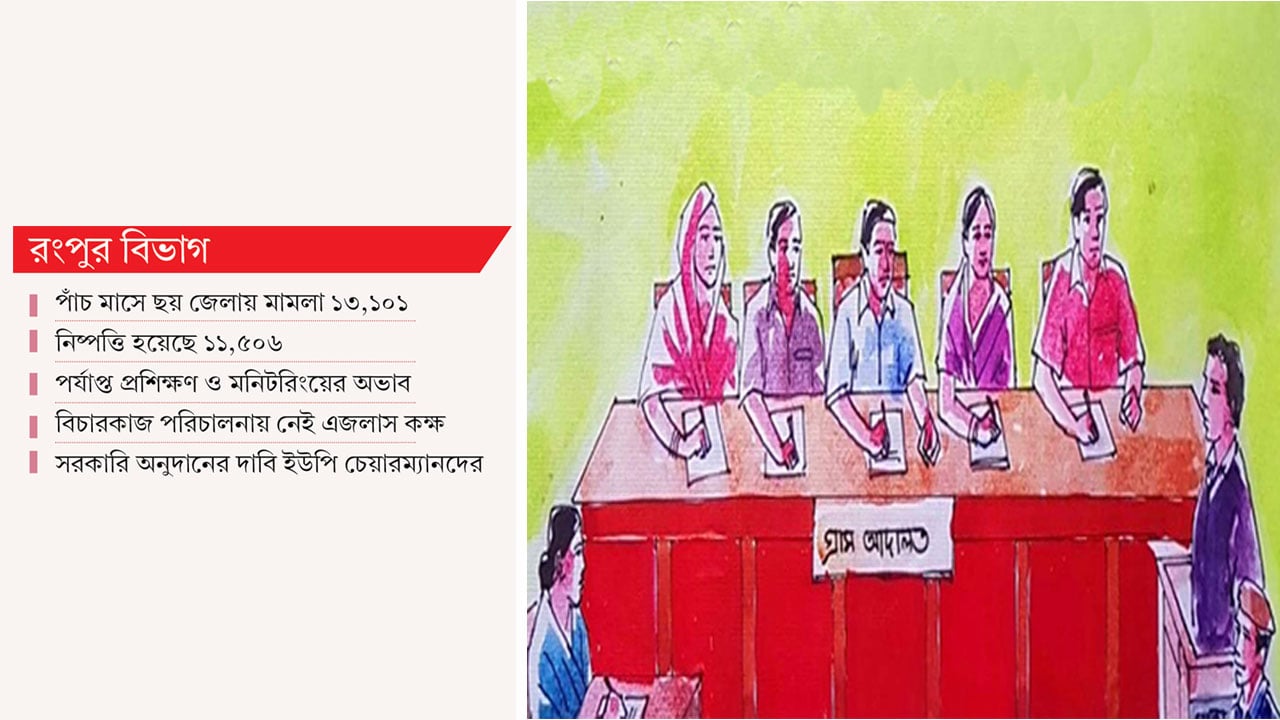
Public confidence in union parishad village courts across Rangpur Division’s six districts has grown notably, with more people seeking justice through these local institutions. From January to May 2026, a total of 13,101 cases were filed, of which 11,506 were resolved. The courts handle both criminal and civil disputes at minimal cost, allowing marginalized citizens to pursue justice close to home. Union Parishad chairmen reported that despite the rising caseload, limited monitoring, lack of training, and absence of courtroom facilities hinder smooth judicial operations. They urged the government to provide financial support and training to strengthen the system. The Local Government Division, with UNDP assistance, is conducting awareness and training programs to enhance court efficiency and public participation. Officials and stakeholders, including local chairmen, women representatives, and legal aid officers, emphasized that village courts are particularly beneficial for poor and marginalized groups, especially women. They believe that stronger government support and enforcement mechanisms would further boost public trust and reduce case backlogs in higher courts.
As U.S. President Donald Trump prepared to celebrate his 80th birthday at the White House, a long-anticipated peace deal with Iran aimed at extending the ceasefire and reopening the Strait of Hormuz was nearly finalized. However, just hours before the signing, Israeli warplanes struck Beirut, killing at least three people. Trump publicly condemned the attack on Truth Social, calling it ill-timed, and later had a heated phone exchange with Israeli Prime Minister Benjamin Netanyahu, reportedly using harsh language. The incident exposed growing tensions between the two leaders after more than three months of war with Iran. Trump, facing domestic pressure ahead of the November midterm elections, sought to end the conflict and lower oil prices, while Netanyahu insisted on continuing the fight until Iran’s defeat. Analysts noted that Netanyahu’s political future depends on the war’s outcome, with Israeli elections due in October and public opinion demanding Hezbollah’s destruction. Talks between the U.S. and Iran remain uncertain after the Beirut strike, with the situation now hinging on developments in Lebanon and whether Iran can restrain Hezbollah.
The ‘1 Nojor’ media platform is now live in beta, inviting users to explore and provide feedback as we continue to refine the experience.