

The ‘1 Nojor’ media platform is now live in beta, inviting users to explore and provide feedback as we continue to refine the experience.
A low-pressure system over the northwest Bay of Bengal and adjoining West Bengal-north Odisha coast has intensified into a well-marked low, prompting Bangladesh’s Meteorological Department to issue local warning signal No. 3 for four seaports. The marine warning was issued on Sunday, August 30, as gusty winds were forecast over the ports, northern Bay of Bengal and Bangladesh’s coastal areas. Chattogram, Cox’s Bazar, Mongla and Payra ports were instructed to continue displaying the signal. The system may move west and northwest. Fishing boats and trawlers in the northern Bay of Bengal were advised to stay close to the coast and navigate cautiously until further instructions. The monsoon trough extends through several Indian regions, the low-pressure centre, southern Bangladesh and Assam, while monsoon activity is moderate over Bangladesh and strong over the northern Bay. Light to moderate rain or thunderstorms with gusty winds are forecast for many areas, with heavy rainfall possible in places. River ports in six regions were also told to display signal No. 1 amid winds of 45 to 60 kilometres per hour from 5am to 1pm Monday.

Real Madrid defeated Malaga 4-0 at Santiago Bernabeu to record their third consecutive La Liga victory and reinforce their position at the top of the table. Before kickoff, Real Madrid and Malaga observed a minute of silence in memory of people killed in severe flooding near the Nepal-Tibet border. Real controlled possession and attacked from the opening stages. Jude Bellingham opened the scoring in the 19th minute, before Malaga goalkeeper Alfonso Herrera scored an own goal four minutes later. Kylian Mbappe made it 3-0 in the 30th minute after a strong cross from Trent Alexander-Arnold. Malaga attempted to return to the contest after halftime but could not break through Real's defence, with one effort striking the post. Real continued to create opportunities and retained control. Arda Guler came on as a substitute in the 87th minute and scored in added time to complete the 4-0 win. Real have nine points from three matches.

Bangladesh’s women will face Indonesia in the Women’s Asia Cup cricket competition, with the match scheduled live at 8:30pm on Sony Sports. The fixture is part of a television lineup that also includes domestic and international cricket, football and tennis broadcasts. England and Pakistan’s second Test enters its fifth day, live from 4pm on Sony Sports 2. Namibia will play Zimbabwe in a tri-nation Twenty20 series at 6pm on FanCode. In the CPL 2026, Patriots face Falcons live at 5am on Star Sports and FanCode. Football coverage includes Aston Villa against Arsenal in the English Premier League at 1am on Star Sports Select HD 1, while Barcelona meet Rayo Vallecano in La Liga at 1:30am. Atalanta play Bologna in Serie A at 12:45am on ZEE5. The US Open first round will be shown live from 9pm on Star Sports 1 and 2.
Iran’s Islamic Revolutionary Guard Corps said it carried out drone and missile attacks on US forces at the King Hussein and Al Azraq bases in Jordan, describing the operation as retaliation for an attack on Larak Island. In statements carried by Iranian news agencies, the IRGC said the strikes were intended to punish “aggressors” after the earlier US bombing. The IRGC claimed the attacks destroyed the bases’ technical and reconstruction capabilities as well as enemy aircraft takeoff facilities. It said attempts to suppress the force and take control of the Strait of Hormuz would not stop despite what it described as aggression and crimes, adding that every attack would receive a more severe response. Earlier on Sunday, August 30, the United States bombed two IRGC rocket launchers on Iran’s Larak Island. An unnamed US official said the launchers had been preparing to attack two American mine-carrying ships. The official said US forces were closely monitoring the area and were prepared to ensure safe maritime passage through the Strait of Hormuz. The IRGC said several fighters and civilians were killed in the Larak attack.

An 80-year-old woman from Taltali Bazar in Sandwip municipality was taken across rough seas by speedboat for emergency treatment in Chattogram after her condition worsened. A video of the journey, showing Rowshan Ara covered only with white polythene in heavy rain while using oxygen, spread on social media on Sunday morning. Her family said she had long suffered from breathing difficulties and was advised by doctors at Sandwip Medical Center to be transferred quickly. Her son Jahangir said they left Sandwip at 10am and admitted her to the intensive care unit of a private hospital in Chattogram at 2pm. Citing doctors, he said her condition had improved somewhat, but she was not yet out of danger. The family received no special facility at the ghat for an emergency patient and boarded a speedboat with other passengers, paying Tk300 per person amid disrupted vessel services. The video prompted public anger and concern over safe emergency treatment and transport for critically ill patients. Two sea ambulances allocated for Sandwip have reportedly remained inoperative for years. Upazila Health Officer Manas Biswas said an application for a new sea ambulance had been submitted, but no response had yet been received.

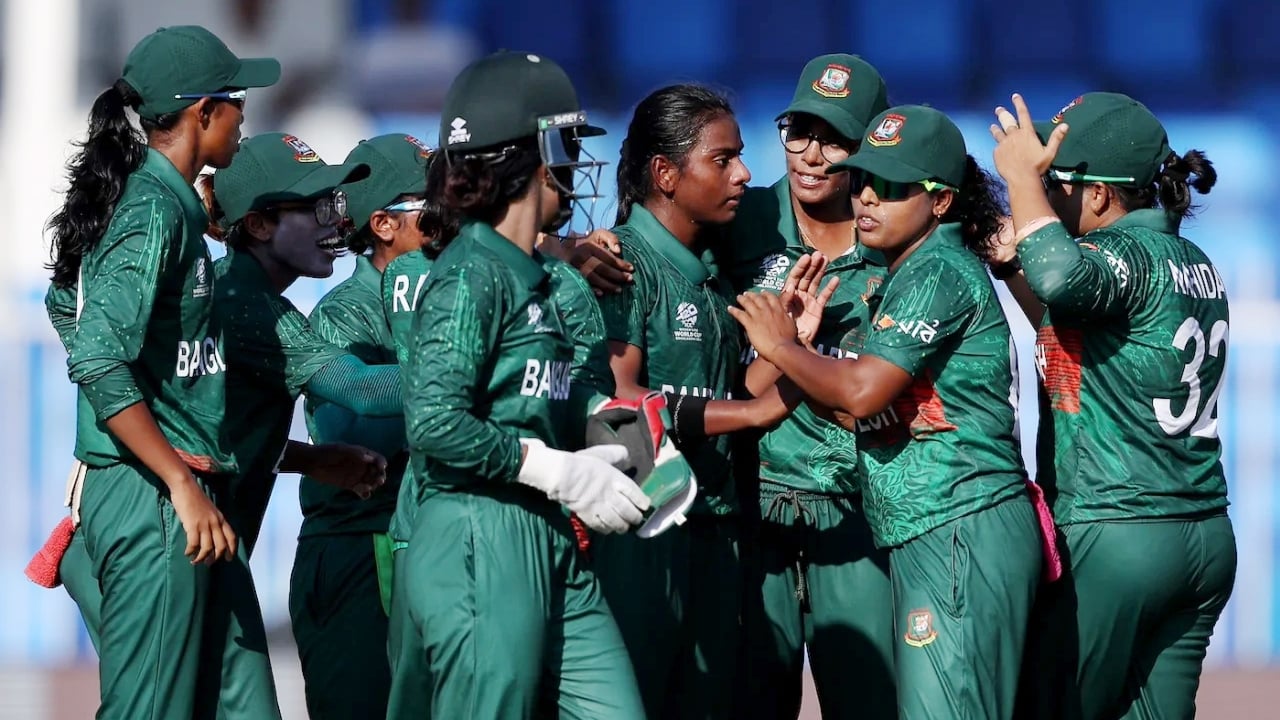
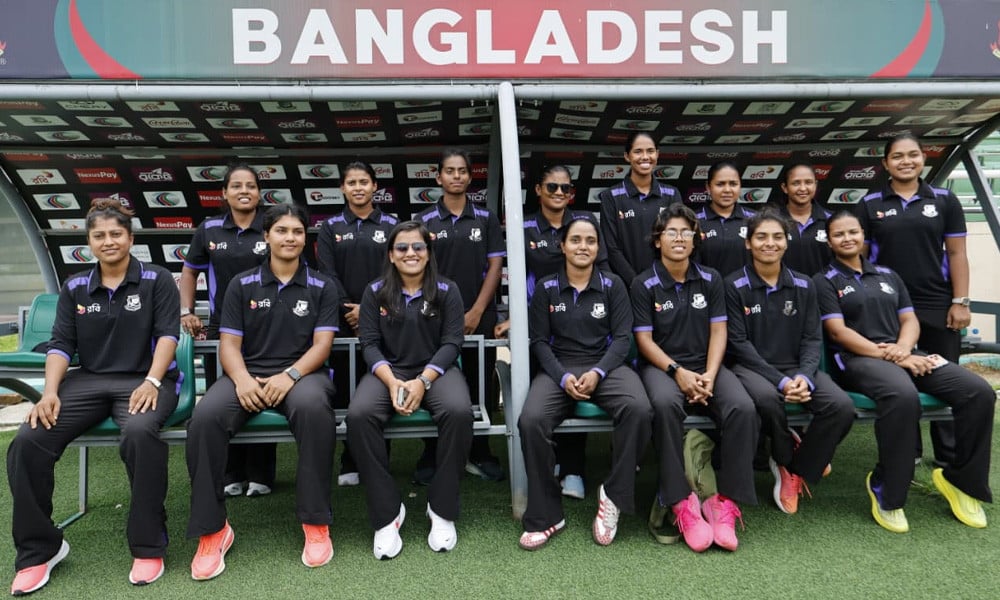
Bangladesh’s women’s cricket team will begin its Asia Cup campaign against Indonesia in Dubai on August 31, with captain Nigar Sultana Joty setting a primary target of reaching the final. The tournament is being held in the United Arab Emirates, and Bangladesh are grouped with Sri Lanka, Indonesia and hosts UAE. All of Bangladesh’s group matches are scheduled to start at 8:30pm Bangladesh time. Joty said the team wants to break its repeated semifinal exits rather than focus directly on the title. Bangladesh won the Women’s Asia Cup in 2018 in Kuala Lumpur after defeating India, but have not reached the final in subsequent editions. The captain said reaching the final would create an opportunity to compete for the championship. Bangladesh prepared for UAE conditions by playing two practice matches under floodlights at home. Bangladesh have lost experienced left-arm pacer Fariha Islam Trishna to a thigh injury, with 17-year-old uncapped Farzana Yasmin called up as her replacement. Bangladesh face defending champions Sri Lanka on September 6 and UAE on September 8, both in Dubai. After the Asia Cup, the team will also target a medal at the Asian Games, with Joty saying they will aim for gold.
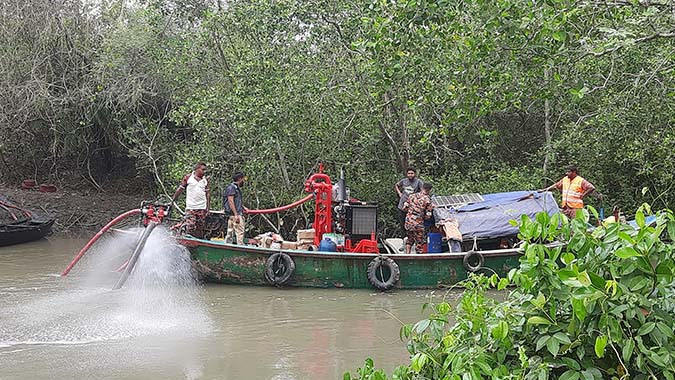
The Sundarbans will reopen on Tuesday after a three-month ban, allowing thousands of coastal fishers and bawalis to return to its narrow rivers to catch fish and crabs. Tourist centres in the forest will also reopen. The closure, imposed from June through August to protect fisheries and biodiversity, had barred all forest-resource collection and visitor entry. The ban severely disrupted families dependent on the Sundarbans, particularly in several unions of Shyamnagar and Ashashuni upazilas in Satkhira. With few alternative jobs, many residents borrowed from moneylenders at high interest or took NGO loans to cover household costs. Fishers in Burigoalini, Munshiganj and Gabura were preparing boats, repairing vessels, sewing nets and arranging permits from the Forest Department. Fishers said reopening offers hope of earning money and repaying debts, but concerns over uncertain catches, instalments and attacks or extortion by forest bandits remain. Tourism operators are also readying passenger trawlers after about 1,500 to 2,000 trawler workers were effectively unemployed during the closure. Former trawler owners' association official Abdul Halim said tourists, alongside fishers and bawalis, would be able to enter from September 1.
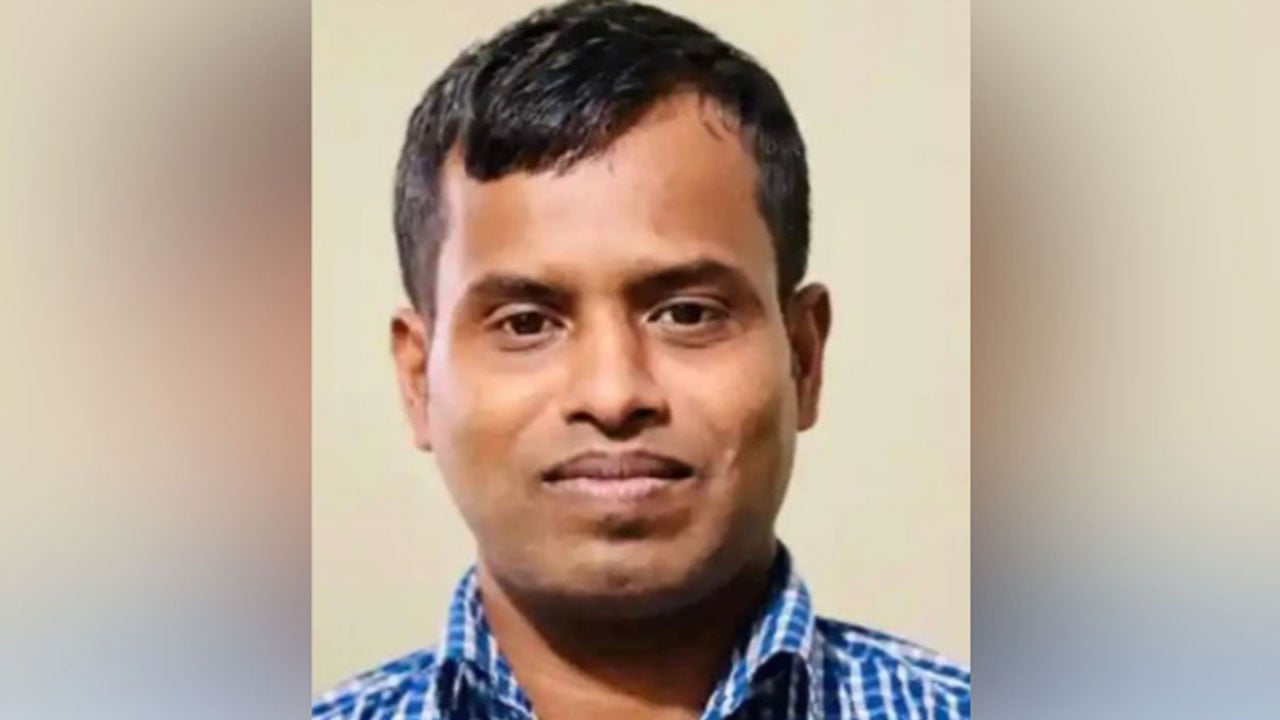
Bangladeshi expatriate Md Kamrul Hossain, 37, was shot dead by an armed Saudi man in the Hawaiya area of Taif, Saudi Arabia, at about 4am local time on Sunday, August 30. The attacker later shot himself in the head and died, according to relatives and a local union council member in Kamrul’s home area of Noakhali. Kamrul, from Kutubpur village in Begumganj upazila, had gone to Saudi Arabia after taking loans and was the father of two sons. His cousin said he had finished duty at a supermarket and was speaking with his wife by phone near the site when the gunman opened fire. Kamrul ran into the supermarket, where the attacker allegedly followed him and fired three more rounds. The motive for the shooting remains unknown. Kamrul’s family learned of his death around 11am on Sunday, the union council member said. Relatives have appealed to the prime minister to bring his body back to Bangladesh for burial in the family graveyard.
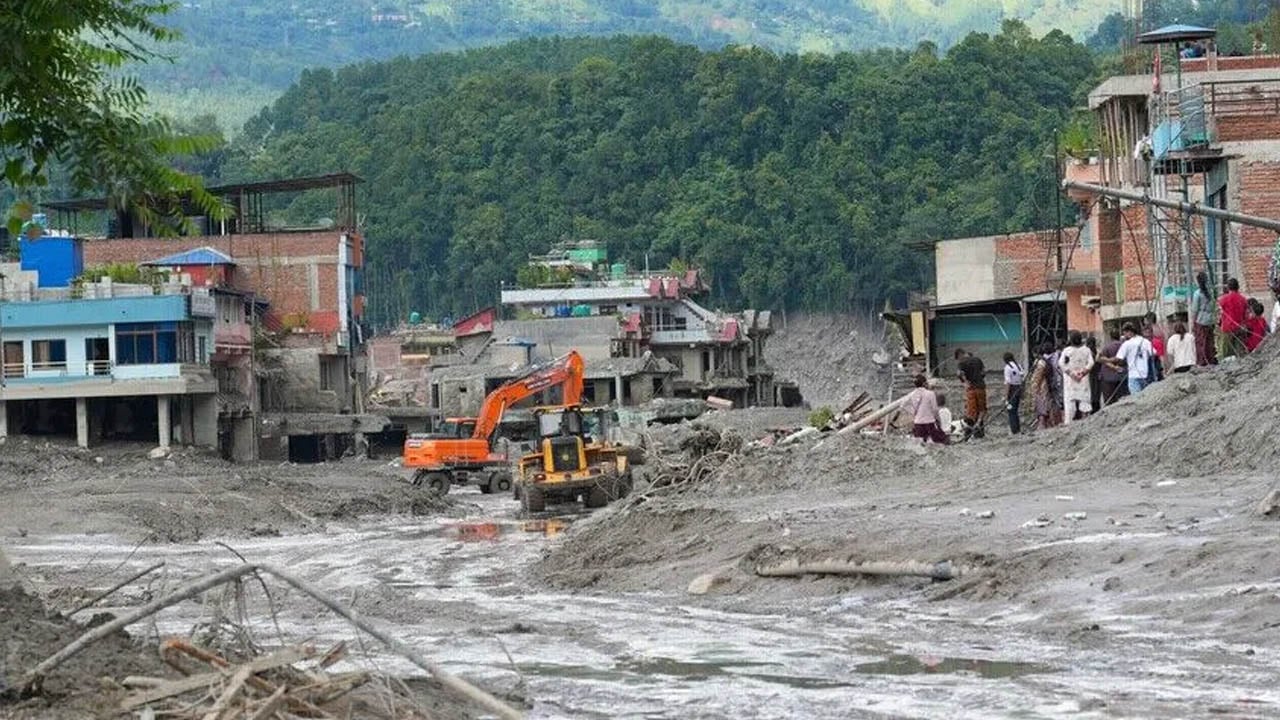
Rescue operations entered their sixth day after flash floods devastated the Nepal-Tibet border region, where the reported death toll has surpassed 800. More than 3,000 people remain missing, including foreign nationals. A tunnel has been built to rescue people trapped at the Trishuli-3A hydropower plant. In Tibet, authorities officially reported 16 deaths and 546 missing people. About half of those missing are believed to be foreign citizens. Chinese state media reported on Sunday that more than 100 Nepalis were among 261 missing foreigners in Tibet. Several hundred people from more than a dozen countries were in the area for work, mountain travel or pilgrimage to a sacred peak. Rising water in Nepal's Bhotekoshi River has raised fears of further flooding, and authorities have urged residents in affected areas to remain alert. According to the Associated Press, flood warnings were sent to mobile phones on Sunday. Rescue teams were also clearing debris from a key highway linking Kathmandu with an area severely damaged by the floods.
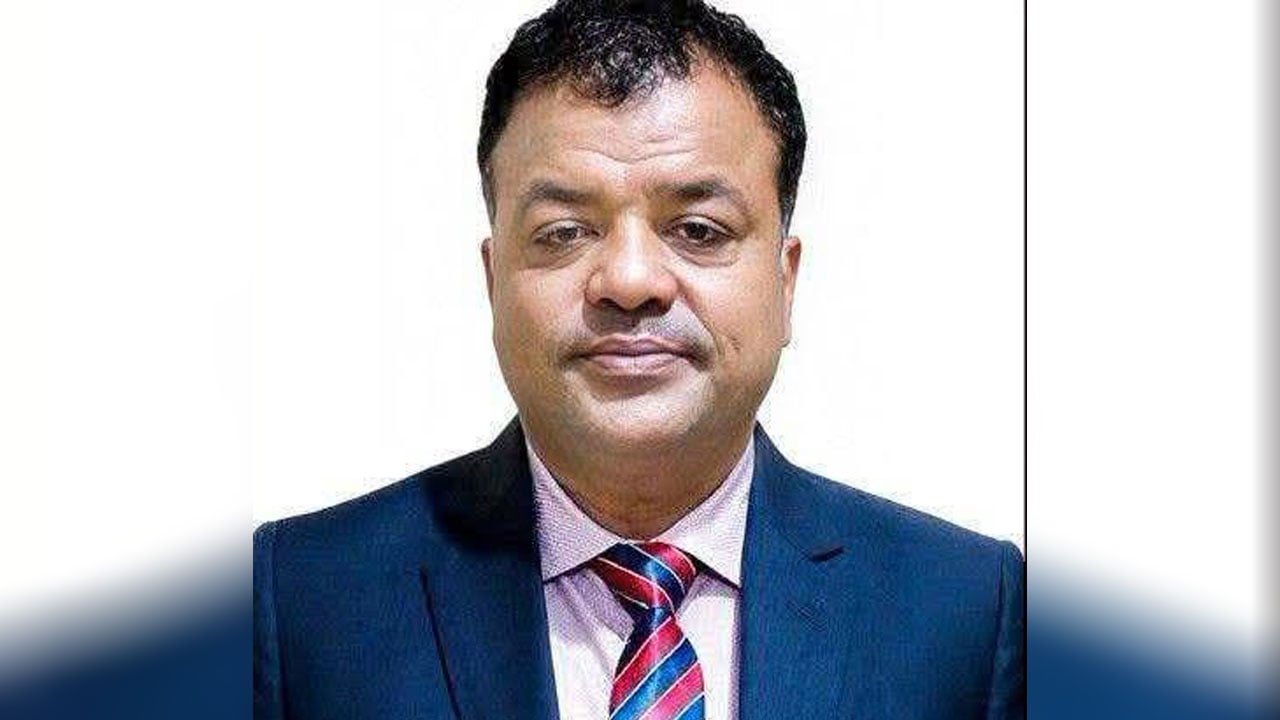
Bangladesh’s Home Ministry has transferred four deputy inspectors general of prisons, according to a notification signed on Sunday by Deputy Secretary Md Aminul Islam. The order covers officials serving in the prison directorate and the Dhaka, Khulna and Rangpur divisions. Tipu Sultan, serving in Gazipur under Dhaka Division-2, has been transferred to the prison directorate. Md Altaf Hossain, previously at the prison directorate, has been posted to the Khulna divisional headquarters. Md Kamal Hossain, who was serving in the Rangpur division, has been moved to Gazipur under Dhaka Division-2. Monir Ahmed, previously assigned to the Khulna division, has been transferred as deputy inspector general of prisons at the Rangpur divisional headquarters.

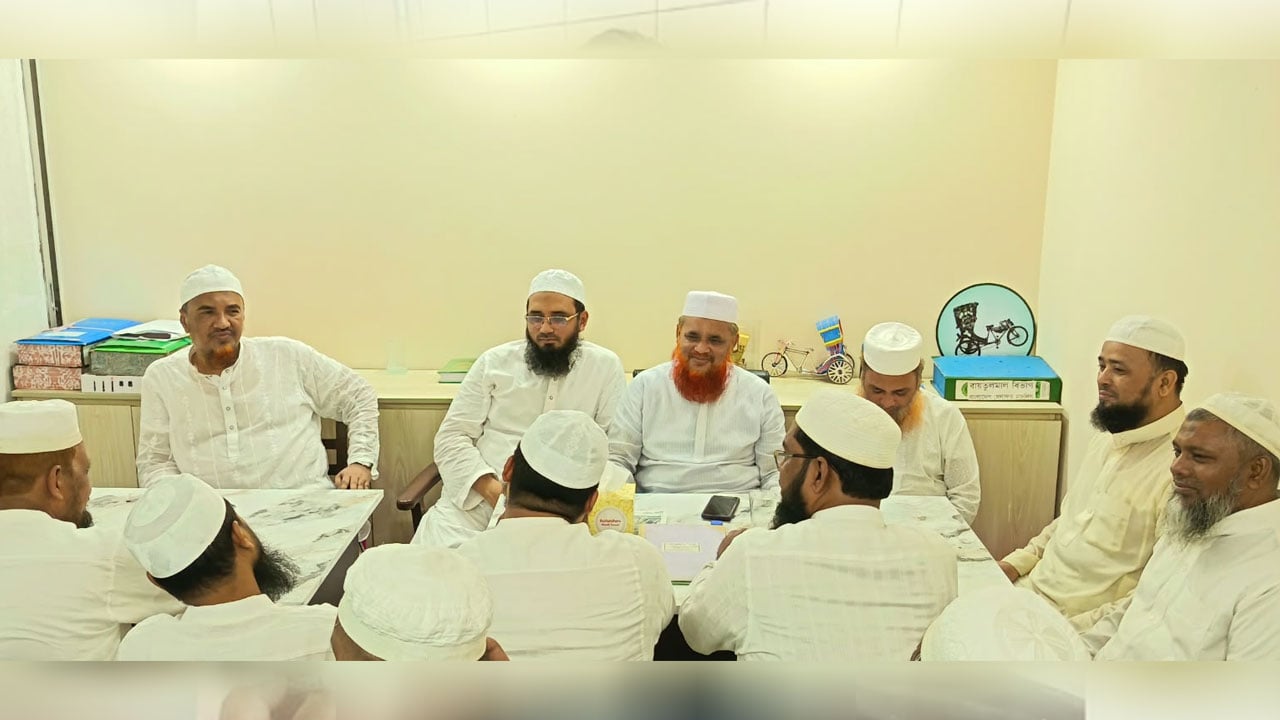
Bangladesh Khelafat Majlis Secretary General Maulana Jalaluddin Ahmad urged the government to clearly announce acceptance of the referendum verdict before an 11-party alliance’s long march on September 5. He made the call on Sunday while chairing a meeting of the party’s Dhaka-based central executive council members at its central office in Purana Paltan, the capital. Ahmad said respecting the people’s vote and referendum verdict was a fundamental responsibility of a justice-based state system. He warned against ignoring, bypassing or imposing decisions over the public verdict, saying such actions had not produced good outcomes historically. He also called on the government to abandon what he described as an ill-considered move toward constitutional amendment rather than constitutional reform. Ahmad said an early declaration to accept the referendum result could help ease political instability and restore public confidence. He warned that failure to accept and quickly implement the public verdict could deepen public anger and frustration. He urged party leaders, activists and the public to join the September 5 long march peacefully and in an orderly manner.
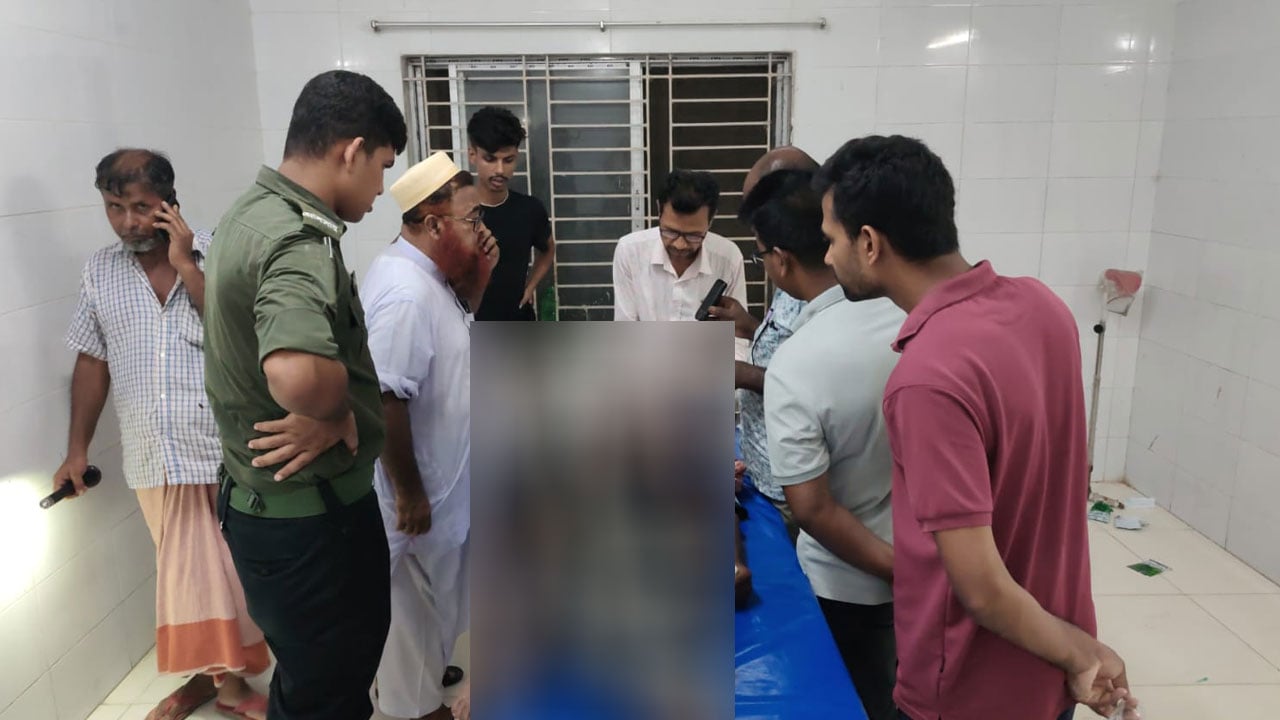
Three people, including a woman, were shot during indiscriminate firing in the Swamibagh Munshirteck area of Gendaria in the capital at about 7:30pm on Sunday. The injured were identified as pedestrian Asha Akter, 20, tea seller Alamgir, 33, and pedestrian Siam, 18. Police initially said suspected drug dealers carried out the shooting. Siam was shot on the left side of his chest, Alamgir in the head and Asha in her right leg. Local residents rescued the bleeding victims and took them to a nearby clinic before they were admitted to Dhaka Medical College Hospital. Inspector Md Faruk, in charge of the hospital police outpost, said they were receiving treatment in the emergency department. Gendaria police station officer-in-charge Moniruzzaman Khan said the gunmen allegedly fired at the office of local resident Monir Hossain, who had assisted police after several arrests over drug sales in Swamibagh and nearby areas. Police have sent officers to check on the victims, are trying to arrest those involved, and will file a case based on victims’ complaints. Police said operations and intelligence surveillance have been increased against drug and illegal-arms networks.

Police detained Alamgir Chowdhury, former mayor of Chakaria municipality and a leader of the activities-banned Awami League, in Cox’s Bazar. A team from Chakaria police station took him into custody from Sayma Plaza in the municipal centre at about 9:15pm on Sunday, August 30. Local sources said Chowdhury was talking with party leaders and activists at the location when he was detained. Chakaria police station Officer-in-Charge Arifur Rahman confirmed the detention but said he could not confirm which case it was connected to. Chowdhury’s brother-in-law, businessman Mohammad Sohel, said the former mayor had planned to travel to Dhaka that night and was resting at Sayma Plaza before getting into his vehicle. Sohel said police arrived suddenly and took him away, adding that he did not know the case behind the detention. The OC said details of the case would be disclosed on Monday morning.
Bangladesh’s stock market extended its recent decline on Sunday, with the Dhaka Stock Exchange’s benchmark DSEX index falling 41 points to 5,614. Most traded shares lost value after an initially positive start to trading. The decline came amid investor concerns over the continuing gas and electricity crisis, which market participants said has disrupted industrial production for more than a month. The DSE-30 index dropped 12 points to 2,122, while the DSE Shariah index fell four points to 1,128. Prices rose for 49 companies and units, declined for 309, and remained unchanged for 34. Turnover on the DSE rose to Tk518.03 crore from Tk467.01 crore in the previous session. Saiham Textile led DSE turnover with shares worth Tk26.75 crore, followed by Sharp Industries at Tk21.24 crore and Saiham Cotton at Tk16.77 crore. At the Chittagong Stock Exchange, the CASPI index declined 75 points, with turnover of Tk11.01 crore. DBA President Saiful Islam advised investors to remain patient, while ICB Chairman Abu Ahmed said energy shortages had exerted some negative effect on the market.

At least 25 people were injured in repeated clashes between two groups over local dominance in the Dhuljora Bridge area of Parameshwardi union in Boalmari, Faridpur. The violence began at about 4pm on Sunday, August 30, and continued intermittently until about 10:30pm, spreading to nearby areas. Several injured people received treatment at Boalmari উপজেলা Health Complex and other local hospitals. Police and local residents said the confrontation followed a longstanding dispute between former Parameshwardi union chairman Abdul Mannan Matubbar, who joined BNP from Awami League, and BNP leader Mushfiq Billah Jihad from Khardia village in neighboring Saltha. On August 29, Jihad group member Solaiman Matubbar was allegedly attacked at Moyendia Bazar, and Jihad was also injured after going there. Three seriously injured men—Kabir Mollah, Kamrul Mollah and Lokman Mollah—were sent to Faridpur Medical College Hospital after initial treatment. Police said they brought the situation under control, deployed additional personnel to maintain calm, and were preparing legal action. Leaders of both sides could not be reached, with their phones found switched off.
The ‘1 Nojor’ media platform is now live in beta, inviting users to explore and provide feedback as we continue to refine the experience.