

The ‘1 Nojor’ media platform is now live in beta, inviting users to explore and provide feedback as we continue to refine the experience.
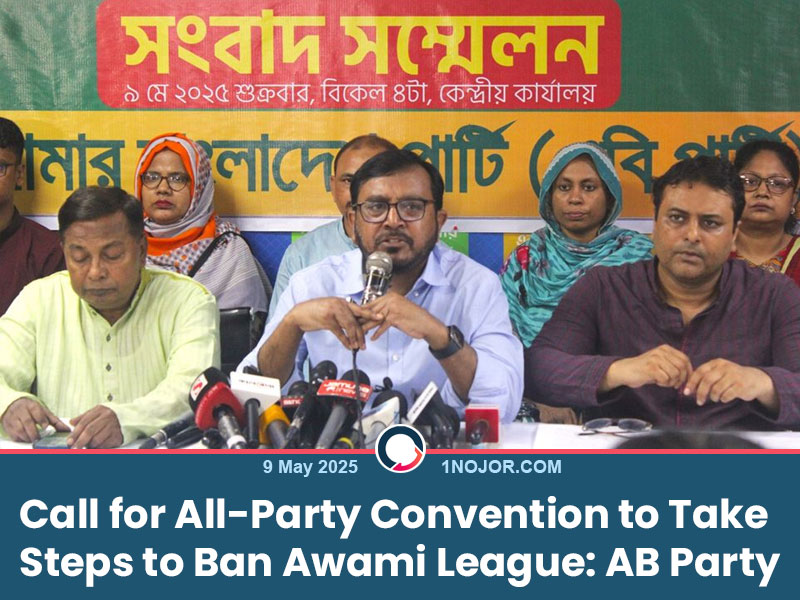
The AB Party has called for an all-party national convention to initiate steps toward banning the ruling Awami League, labeling it a party responsible for crimes against humanity. Party Chairman Mojibur Rahman Monju said, “The Awami League has committed enforced disappearances, killings, mass murders, and large-scale looting. They have destroyed the electoral process and democracy itself. It’s time to build consensus to formally ban this party.” He added that while larger parties like BNP and Jamaat-e-Islami were initially hesitant, all parties must now unite to take a decisive stance. Monju also demanded an impartial investigation into former President Abdul Hamid's recent departure from the country.
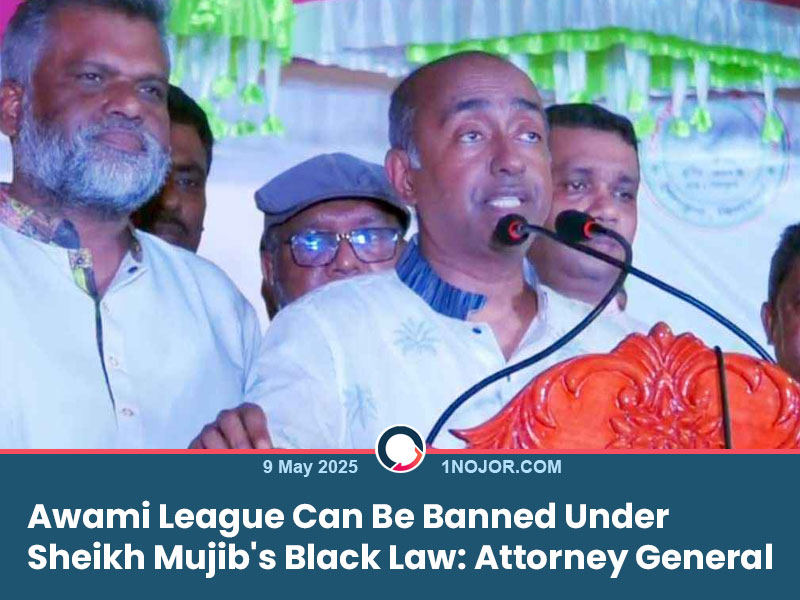
Attorney General Mohammad Asaduzzaman remarked that the Awami League could be banned under Section 19 of the Special Powers Act of 1974—enacted during Sheikh Mujibur Rahman's one-party rule. Citing a UN report, he claimed the July revolution resulted in 2,000 deaths and 30,000 people disabled. Over the past 17 years, 700 individuals were allegedly murdered and 4,500 victims subjected to extrajudicial killings, with 6 million facing politically motivated charges. He concluded that the people of Bangladesh will ensure justice and uphold the rule of law, God willing.
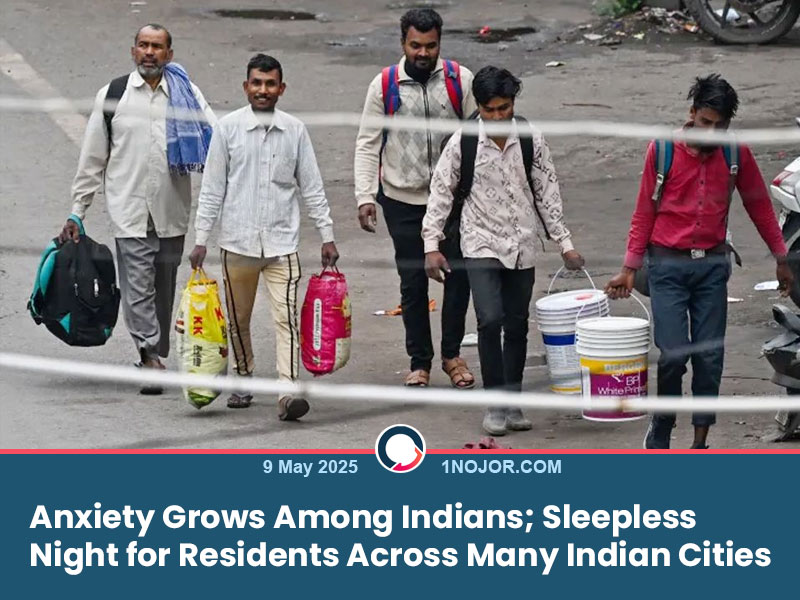
Panic and anxiety are spreading across Indian cities as fears mount over the escalating tensions with Pakistan. Many residents spent a sleepless night amid uncertainty and fear, as nuclear-armed neighbors exchange accusations of cross-border attacks. India claims to have shot down Pakistani drones, while confusion reigns online as rumors mix with facts, heightening public anxiety. From Delhi to Bengaluru, emergency preparedness drills are underway. Air raid sirens and blackout simulations are adding to the panic. People evacuated from border areas are struggling with sudden expenses for household essentials, unsure of when—or if—they will return home.
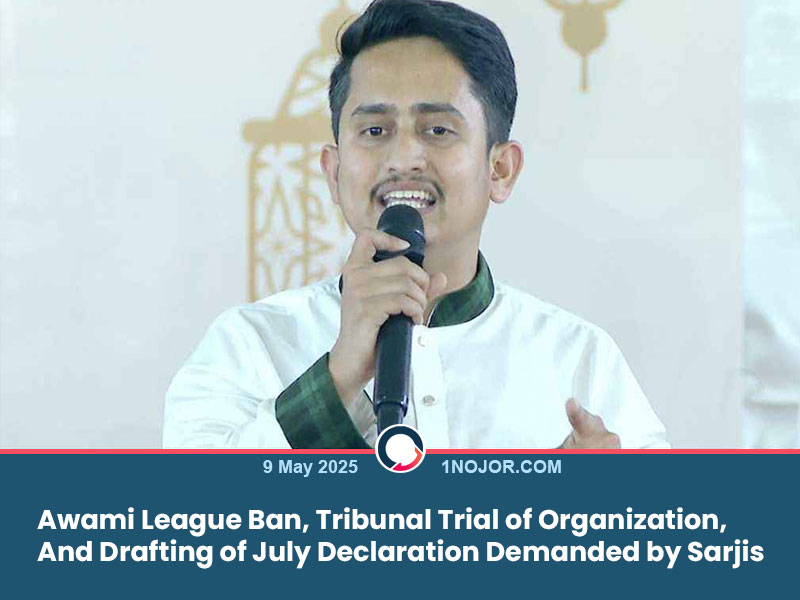
Mass movement leader Sargis Alam demanded the immediate designation of the Awami League as a terrorist organization. He also called for the inclusion of provisions under the International Crimes Tribunal Act to prosecute the party as a whole and to issue a comprehensive ‘July Declaration’. Earlier, he stated that all major political parties except the BNP have gathered at Shahbagh, adding that the July coalition will be complete once the BNP joins.
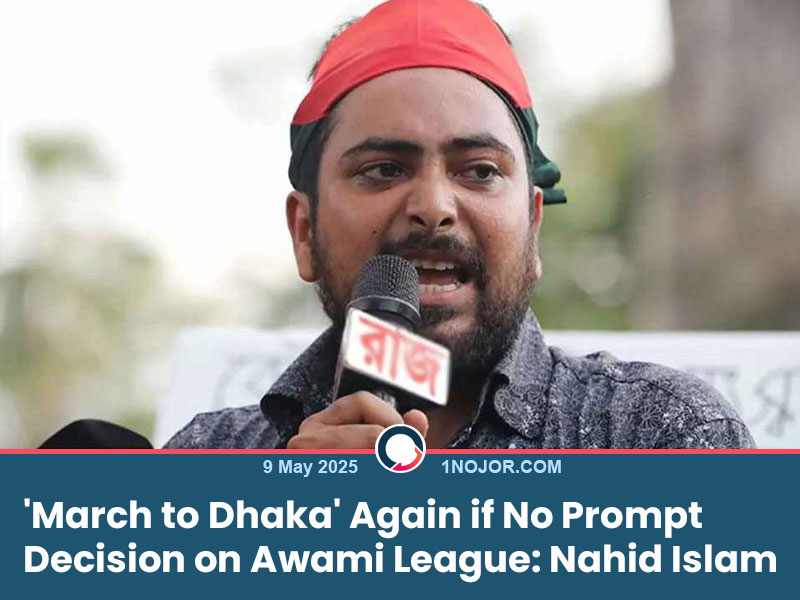
Prominent leader of the ongoing mass uprising, Nahid Islam, stated that the Shahbagh sit-in will continue. He urged that in the interest of national sovereignty, all political forces—regardless of ideology—must unite in July. Citing ongoing blockades across Dhaka, he warned that if a decisive action is not taken soon, the entire country will once again march on the capital. He further called for unification of all pro-Bangladesh forces to ban the Awami League, labeling it a fascist, anti-liberation, anti-Islam, anti-democracy, and anti-humanitarian entity.
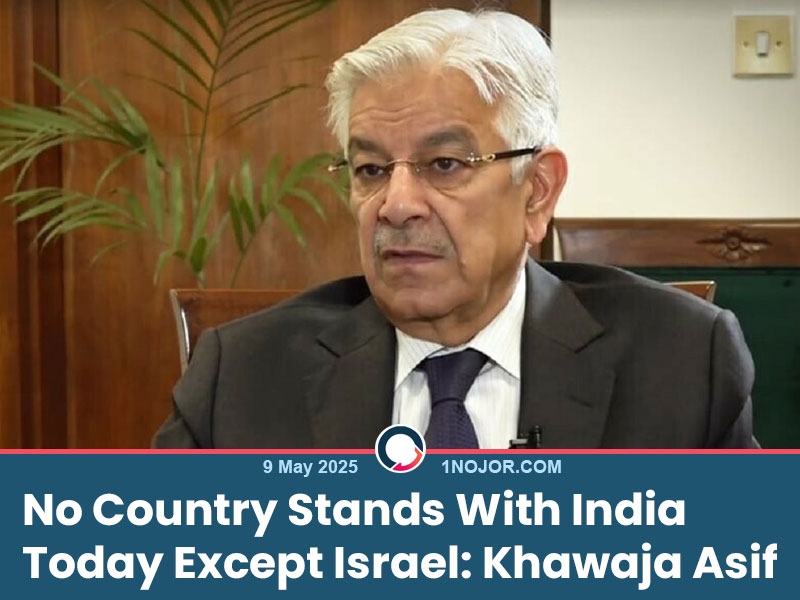
Pakistan’s Defence Minister Khawaja Muhammad Asif has claimed that India stands isolated on the global stage, with Israel being its only clear ally. “Most countries around the world have taken a neutral stance on the current situation,” Asif said. He highlighted that among Pakistan’s allies, China, Turkey, and Azerbaijan have expressed unequivocal support for Pakistan. The Pakistani government remains in daily contact with key partners including Iran, the UAE, Saudi Arabia, China, and Qatar. Meanwhile, the Indian Army has alleged that the Pakistan Army launched coordinated attacks along the western border on the nights of May 8 and 9, using drones and missiles to target Jammu, Udhampur, and Pathankot in Punjab. Islamabad has denied these claims.
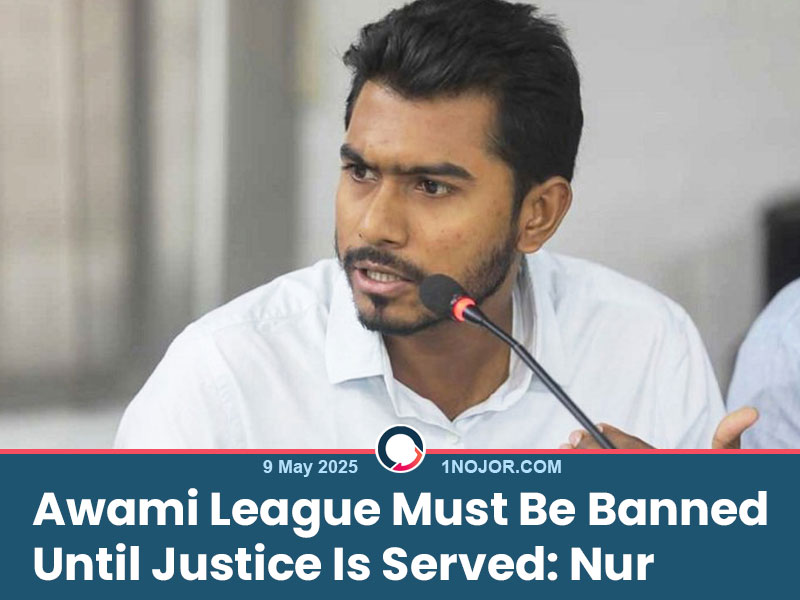
Nurul Haque Nur has called for an immediate executive ban on all activities of the Awami League until legal proceedings against the party are completed. He criticized the Advisory Council, stating that most of its members no longer uphold the spirit of the July uprising and have begun appeasing the Awami League. “The council has betrayed the martyrs and the injured of the popular uprising,” Nur alleged, calling for its urgent reconstitution. Echoing this sentiment, Rashed Khan said, “It’s already too late — had action been taken nine months ago, Awami League members wouldn’t be roaming freely today. If we fail to hold them accountable now, they will return to punish the revolutionaries later.”
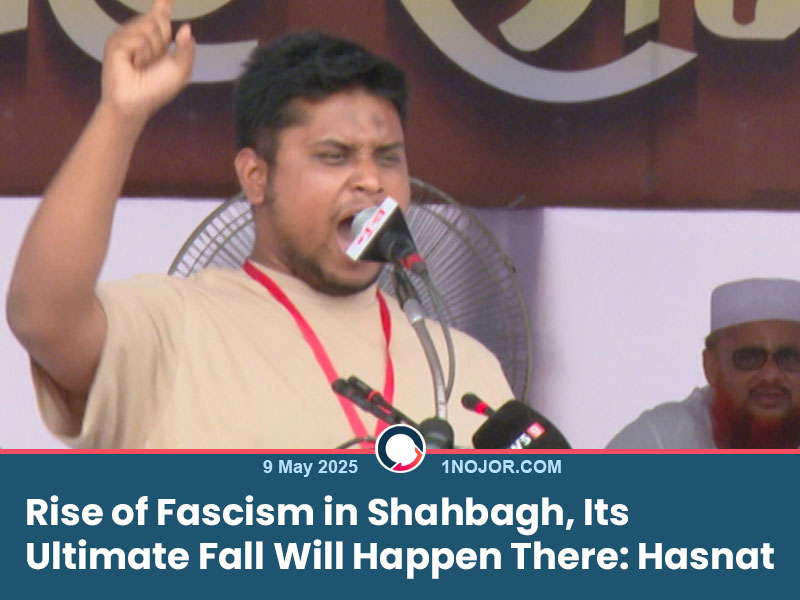
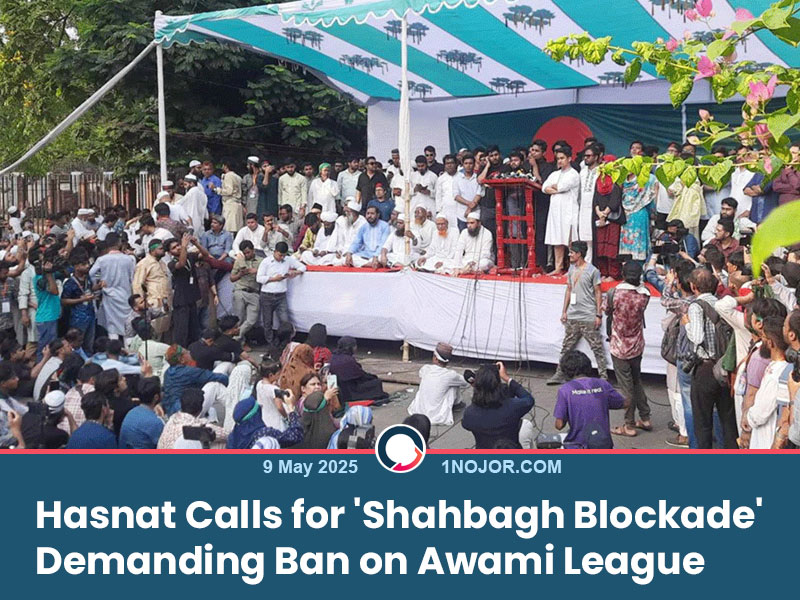
Hasnat Abdullah declared that Shahbagh, the birthplace of fascism, will also be its final battleground. In a social media post on Friday, the leader of the mass uprising stated that it is only a matter of time. “Our united struggle under the banner of July will continue,” he wrote. Earlier, at a rally in front of the Chief Adviser’s residence, Abdullah announced a blockade of the Shahbagh area demanding the banning of Awami League for committing genocide. He affirmed that the protest will not end until the party is officially banned, marking the beginning of the second phase of the uprising.
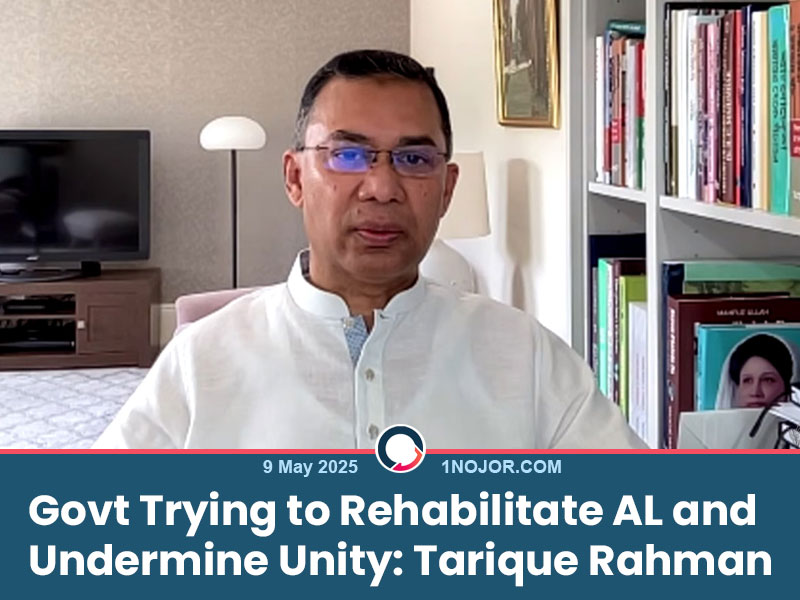
Tarique Rahman has accused the current regime of deliberately delaying constitutional reforms to create escape opportunities for former autocrats, weaken the anti-fascist alliance, and ultimately rehabilitate the Awami League. “This country does not belong to any individual or party — it belongs to the people,” he said, emphasizing that the Awami League had previously distorted the constitution for its own partisan interests. Rahman insisted that constitutional reform is essential and non-negotiable. “With fascism on the run, we have a chance to restore democracy,” he added, urging vigilance against future conspiracies. Referring to recent events, he remarked, “Just as Sheikh Hasina fled on August 5, Abdul Hamid also vanished under mysterious circumstances. The government claims to know nothing about his whereabouts, fueling public suspicion.”
Hefazat-e-Islam has strongly condemned the government for allowing alleged perpetrators of mass killings to escape without trial. In a statement, the group emphasized that the interim government was formed based on the legitimacy of the bloodiest and most successful uprising in the country’s history. Despite massive public support, the government is stalling on its first and foremost promise: banning the Awami League for its role in the Shapla Chattar and July massacres. Hefazat called on its members and the public to remain on the streets until the party is officially banned and prosecuted. The group warned, “They have repented before, only to return to power and establish fascism. Even the country’s sovereignty was compromised to foreign powers.”
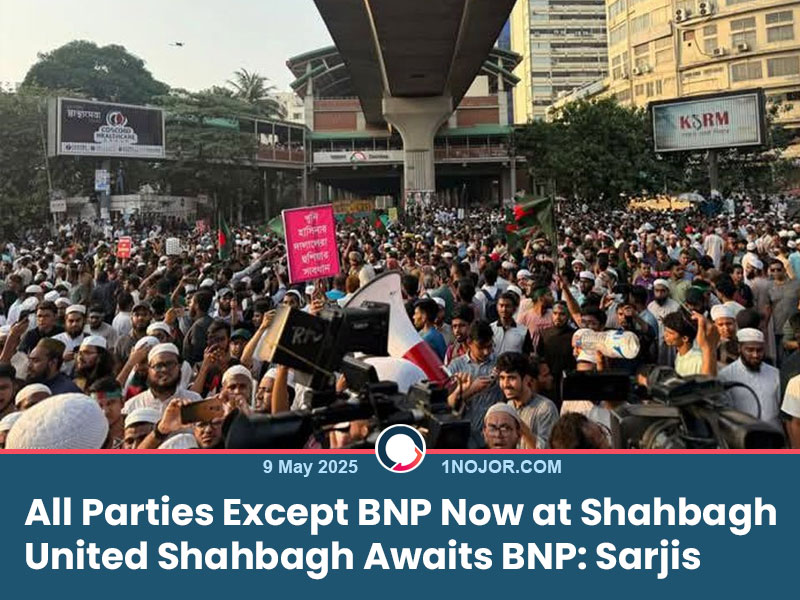
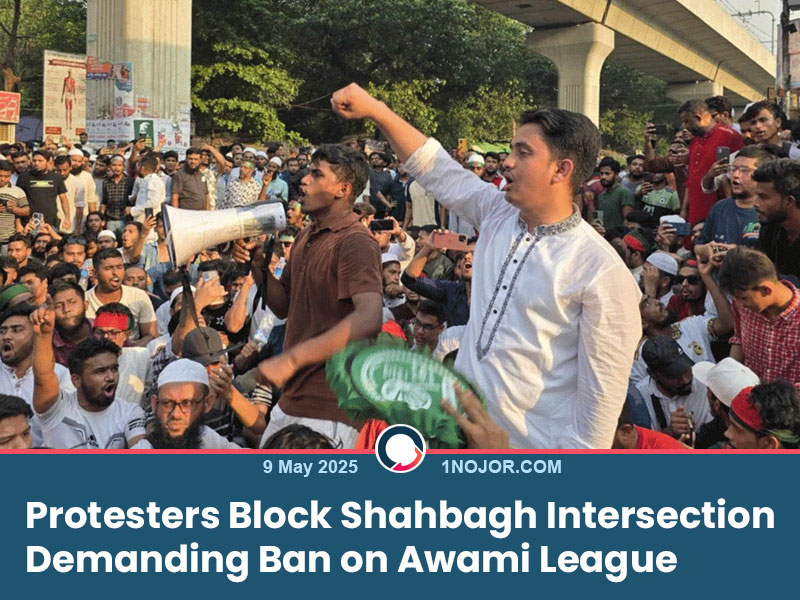
Sarjis Alam, a prominent leader of the ongoing mass uprising, stated that all major political parties—except the BNP and its affiliated organizations—have now joined the Shahbagh movement. He emphasized that once the BNP joins, the united political front, first seen in July, will be reestablished. "A united Shahbagh awaits the BNP," Sarjis wrote. "Today’s Shahbagh is a part of history and will serve as a benchmark for future politics." Notably, protesters at Shahbagh have now blocked the key intersection, demanding the banning of the ruling Awami League.
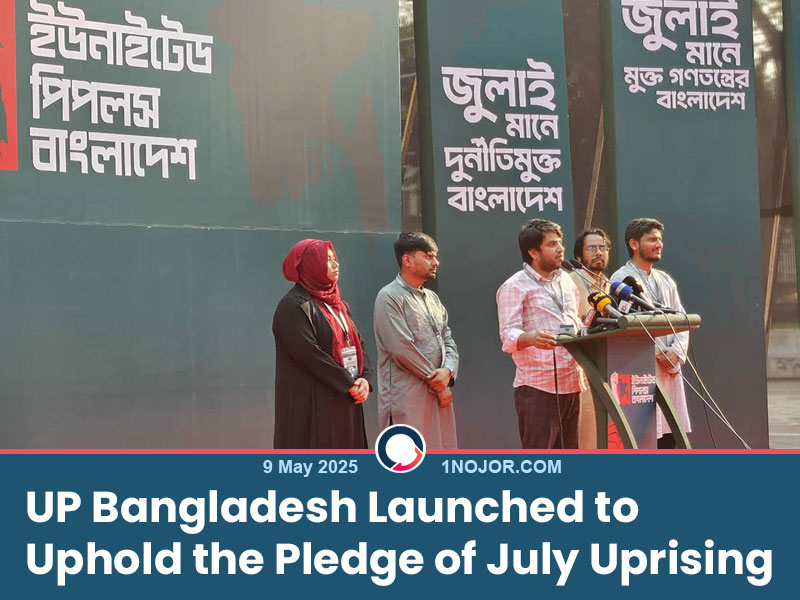
On Friday, a new political platform named United Peoples Bangladesh (UP Bangladesh) was officially launched at the Central Shaheed Minar with the goal of preserving the inspiration, pledges, and unity of the July Uprising. Many student leaders and activists from the July movement have joined this new coalition. Ali Ahsan Junayed, a key figure in the July uprising and former president of Shibir’s Dhaka University unit, was announced as the convenor. The 82-member central committee was declared by Abdur Rahman, father of martyr Osman. Other key appointments include Arefin Md. Hizbullah as member secretary, Rafe Salman Rifat as chief coordinator, Naeem Ahmed as chief organizer, and Shahrin Iraq as the spokesperson.
Protesters have blocked Shahbagh intersection in Dhaka, demanding an official ban on the Awami League. The blockade began around 4:45 PM on Friday, following a rally held near the InterContinental Hotel. Hasnat Abdullah had earlier announced the action from the protest venue. The July Uprising movement and various political and ideological groups—including Jamaat-e-Islami, Hefazat-e-Islam, Islami Chhatra Shibir, Ap Bangladesh, and Inquilab Manch—have expressed solidarity and participated in the demonstrations.
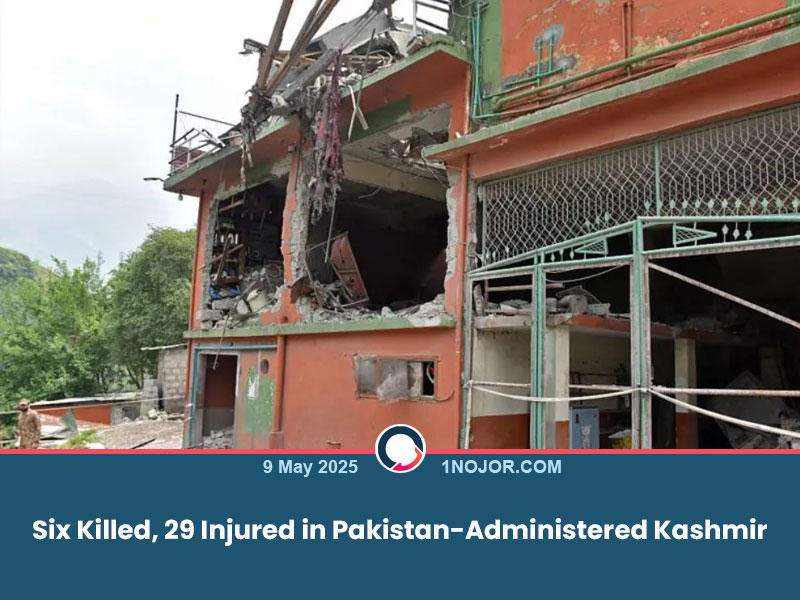
At least six people were killed and 29 others injured in overnight shelling by Indian forces along the Line of Control (LoC) and surrounding areas of Pakistan-administered Kashmir, officials said on Friday. Among the injured were nine women and three children. Since the escalation began on Wednesday, a total of 17 people have been killed and 51 injured in cross-border shelling. Local authorities also reported damage to 139 residential homes, either partially or completely destroyed due to the ongoing conflict.
Hasnat Abdullah, a leader of the mass uprising, stated that Bangladesh will only begin to truly progress once it earns the title "Bangladesh Without Awami League." He announced plans for a blockade from the rally site, declaring that the voices of the injured and the people's demands have not reached the ears of the interim government. "We will move to Shahbagh and block the roads. We will not retreat until an official notification is issued banning the Awami League," he said. The protest, demanding the party’s ban and prosecution, saw participation from various political groups and general students holding placards and festoons.
The ‘1 Nojor’ media platform is now live in beta, inviting users to explore and provide feedback as we continue to refine the experience.