

The ‘1 Nojor’ media platform is now live in beta, inviting users to explore and provide feedback as we continue to refine the experience.
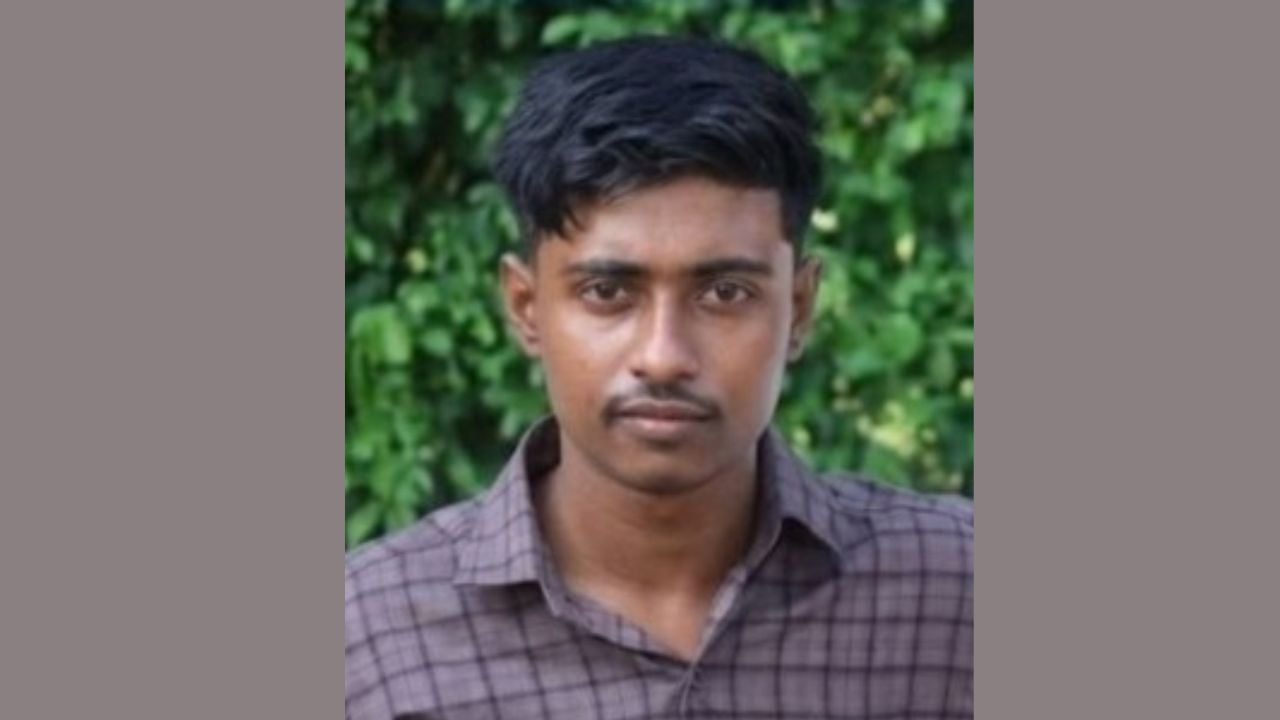
A Bangladeshi youth named Dipzol Ahmad, aged 25, has remained missing for three days after reportedly entering India through the Uttarkul border in Zakiganj upazila of Sylhet. Despite a two-and-a-half-hour flag meeting between the Border Guard Bangladesh (BGB) and India’s Border Security Force (BSF) on Thursday, the BSF could not provide any information about his whereabouts. Local tension rose in the border area following the incident but later subsided after assurances from local representatives and the administration. According to local sources, Dipzol and several others crossed into India on Monday night. While others managed to return after being chased by BSF members, Dipzol went missing. His companions claimed he was shot dead by the BSF, an allegation the BSF denied. Earlier, locals detained an Indian citizen in protest, who was later handed back to the BSF through BGB. BGB officials stated that multiple meetings have been held with the BSF, which denied any shooting or knowledge of the disappearance. Local authorities plan to visit the site on Friday to assess the situation.
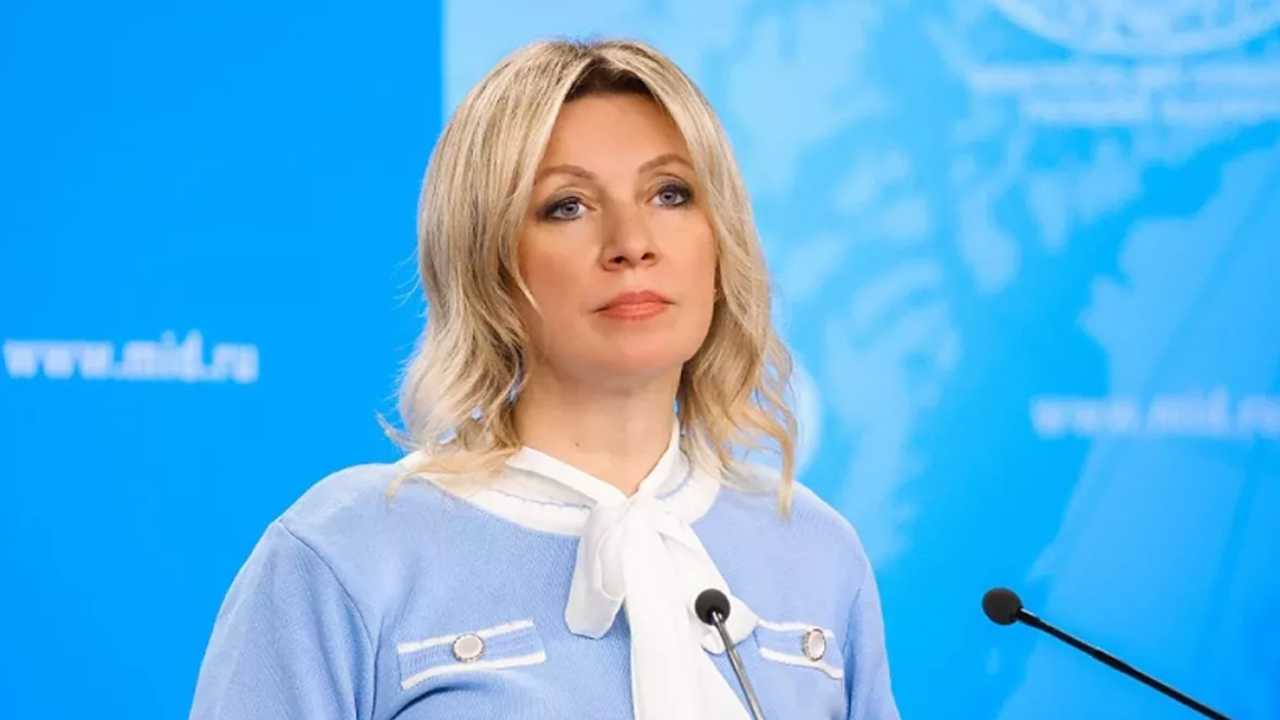
Russia has warned that any attack by a NATO member state on its territory would trigger a 'decisive and destructive' response. The warning was issued by Russian Foreign Ministry spokesperson Maria Zakharova during a press briefing, according to a report by the state news agency TASS published on Thursday. Zakharova emphasized that no Western military leadership or force would be able to stop Russia’s reaction if such aggression occurred. She further cautioned that Western leaders should understand the consequences of their statements and actions, suggesting that they were pushing Europe toward a dangerous direction. The remarks came after Ukraine launched what was described as the largest drone attack on Moscow from Wednesday night to Thursday morning, damaging a key oil refinery and causing fires and debris across the region. Following the drone strikes, all major airports in Moscow temporarily suspended flight operations as a precautionary measure, according to the report.
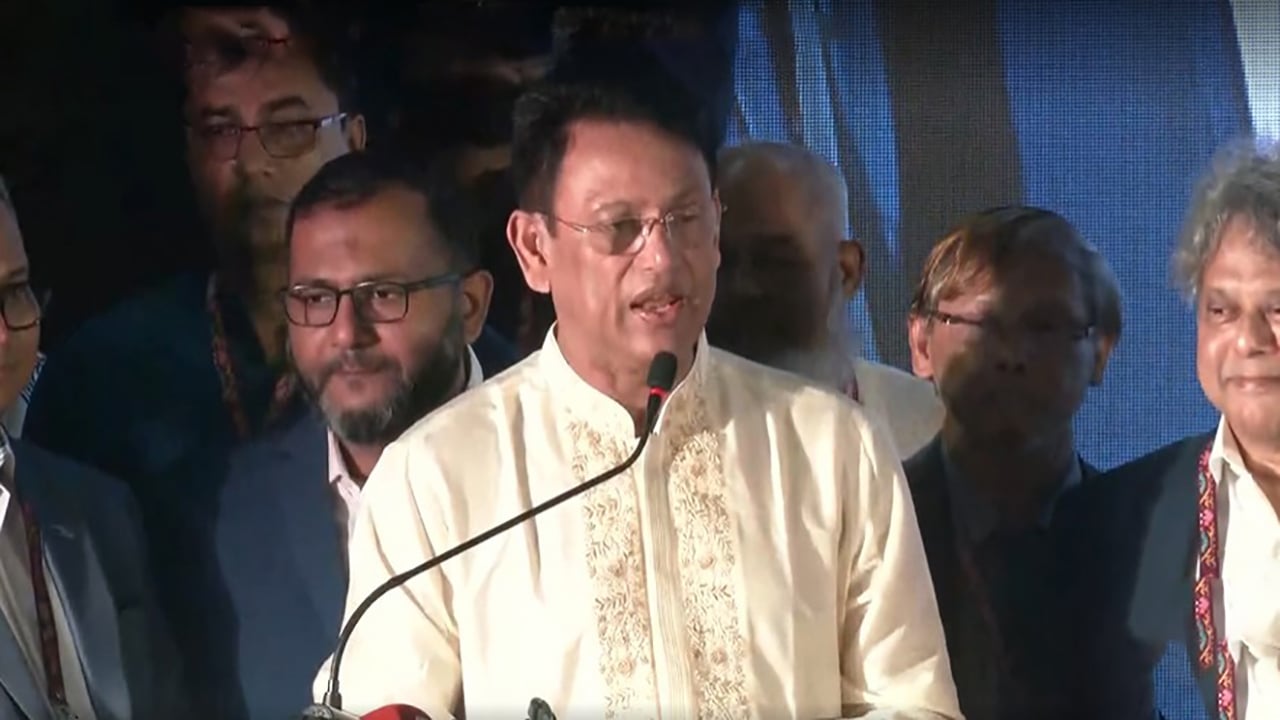
Education Minister Dr. A N M Ehsanul Haque Milon announced that digital cheating has been incorporated into the Public Examination Act in Bangladesh. The amendment introduces penalties of up to five years in prison and fines for hacking or illegally altering examination results or merit lists. He made the announcement on Friday, June 19, at a Leaders Training Seminar organized by Rotary Bangladesh at the Krishibid Institution auditorium. The minister emphasized that students should be developed to lead globally and that the current government is shaping the education system accordingly. He also stated that the government is prioritizing technical and vocational education to reduce unemployment, making technical education compulsory from grade six. The new provision aims to strengthen the integrity of public examinations and ensure accountability in the digital era, aligning with broader educational reforms highlighted by the minister.
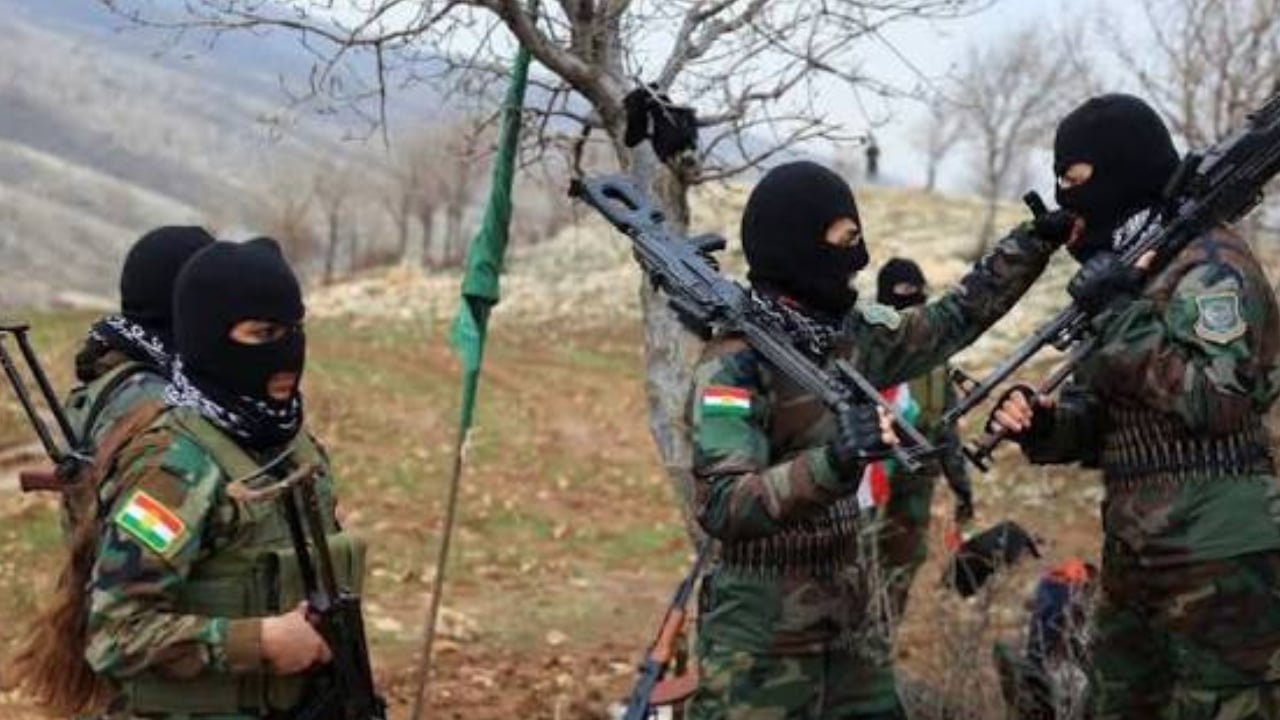
Iran’s Islamic Revolutionary Guard Corps (IRGC) has established new secret cells in Iraq to carry out attacks on US military targets stationed in Gulf countries, according to a Reuters report citing eight Iraqi sources. The report states that three to four such cells have been formed, each consisting of about ten selected Iraqi Shia fighters. Between April 20 and May 17, these groups allegedly launched at least seven drone strikes from desert areas near Basra and Samawah toward targets in Kuwait, Saudi Arabia, and the United Arab Emirates. Several members of these new units reportedly came from the group known as the Islamic Resistance in Iraq. The sources said the cells operate outside the group’s usual command structure and report directly to the IRGC. Among the eight sources were two Iraqi military officers, one security official, and five local militia commanders. According to five militia commanders, the creation of these new Iraqi cells aims to maintain Iran’s regional influence at a time when its proxy forces and domestic resources have significantly weakened.
The United Arab Emirates has announced a complete ban on social media use for children under the age of 15. The UAE Cabinet issued a directive setting 15 as the minimum age for accessing social media platforms. The decision follows growing concerns over children’s exposure to inappropriate content, unsafe interactions, data collection, and excessive use of digital platforms. According to the government, all social media companies operating in the country, including Meta, TikTok, and X, must comply with the new regulation. Platforms are required to use advanced technologies such as artificial intelligence and digital identity verification to confirm users’ real ages. Declaring age manually will no longer be accepted. All accounts belonging to users under 15 must be immediately closed, and any attempt to bypass the rule will face strict action. Advertising based on children’s data or behavioral profiling is also prohibited. Platforms have been given up to 12 months to fully adapt to the new requirements.

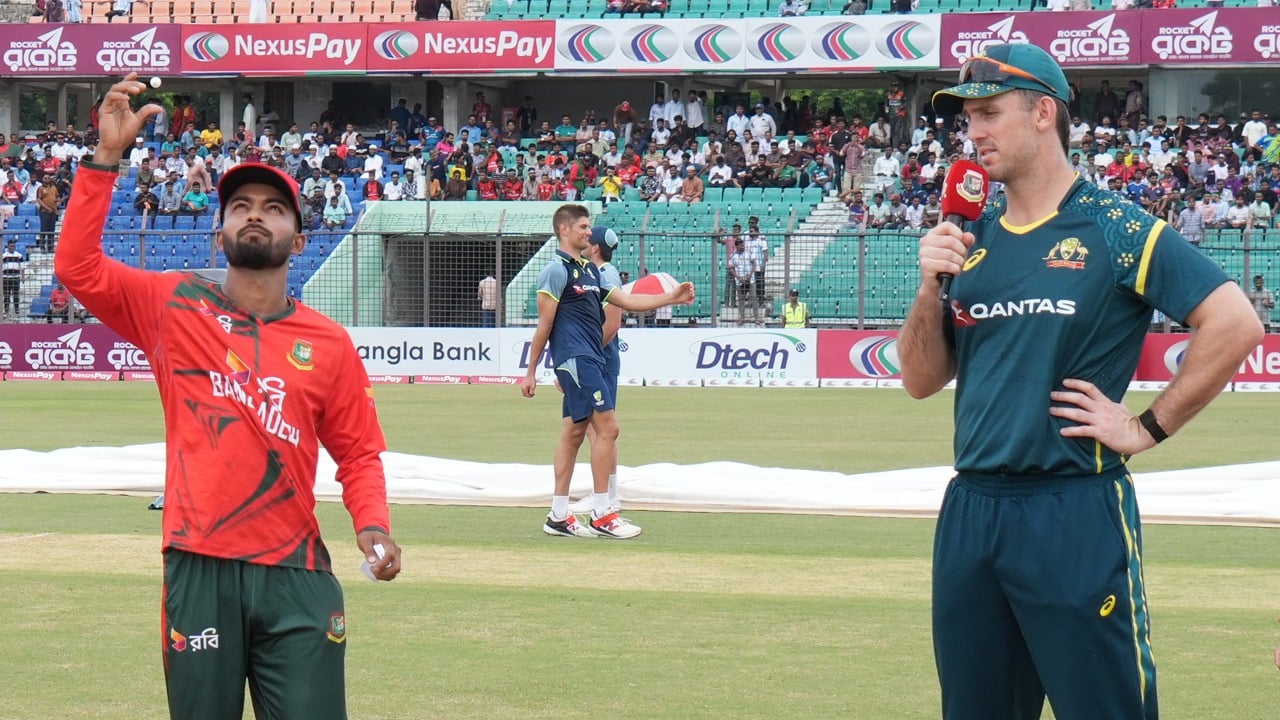
Bangladesh opted to field first in the second T20 match against Australia in Chattogram on Friday, June 19, 2026. The decision came after Australia won the toss and chose to bat. Following a disappointing loss in the first match, Bangladesh must win this game to stay alive in the series. The team, led by Towhid Hridoy, faces a crucial challenge to level the series. In the opening match, Bangladesh underperformed in both batting and bowling, failing to meet expectations. The second match therefore carries added pressure for the home side to recover and demonstrate improvement across departments. The playing XI includes Saif Hasan, Tanzid Hasan Tamim, Soumya Sarkar, Parvez Hossain (wicketkeeper), Towhid Hridoy (captain), Shamim Hossain, Nasum Ahmed, Abdul Gaffar, Rishad Hossain, Nahid Rana, and Mustafizur Rahman. A victory in this match would keep Bangladesh’s hopes alive in the T20 series against Australia, while another defeat would confirm a series loss.
Abdul Kuddus, a 50-year-old vegetable vendor, was stabbed to death late Thursday night in Jurain Nabarun Goli under Kadamtali Police Station in Dhaka. The attack occurred around 10:30 p.m., reportedly after Kuddus protested against the drug trade allegedly run by local dealers Monir and Firoz. He was taken to Dhaka Medical College Hospital around 11:45 p.m., where doctors declared him dead. According to his mother, Ranu Begum, Kuddus was chatting with friends at a tea stall when several young men attacked him and fled. She said the assailants were known to Kuddus and had argued with him about a week earlier. The landlord, Kamal Shikder, also confirmed a recent dispute between Kuddus and the alleged drug dealers. Sub-Inspector Sohel Rana of Kadamtali Police Station stated that the body was sent for autopsy and that the case is under investigation. Preliminary findings suggest the murder may have stemmed from an earlier conflict related to drug issues.
Switzerland’s Foreign Ministry has confirmed that the planned meeting between the United States and Iran will no longer take place. The meeting was scheduled for Friday at the Bürgenstock mountain resort in Switzerland. The announcement followed confirmation from a White House spokesperson that US Vice President JD Vance had canceled his planned trip to Switzerland for talks with Iranian representatives. The meeting was expected to initiate discussions on implementing a memorandum of understanding aimed at ending the ongoing conflict between Tehran and Washington. However, as the discussion plans were not yet finalized, both the visit and the meeting have been postponed for the time being. According to the Swiss statement, relevant parties are expected to provide further updates on the next steps at a later stage.

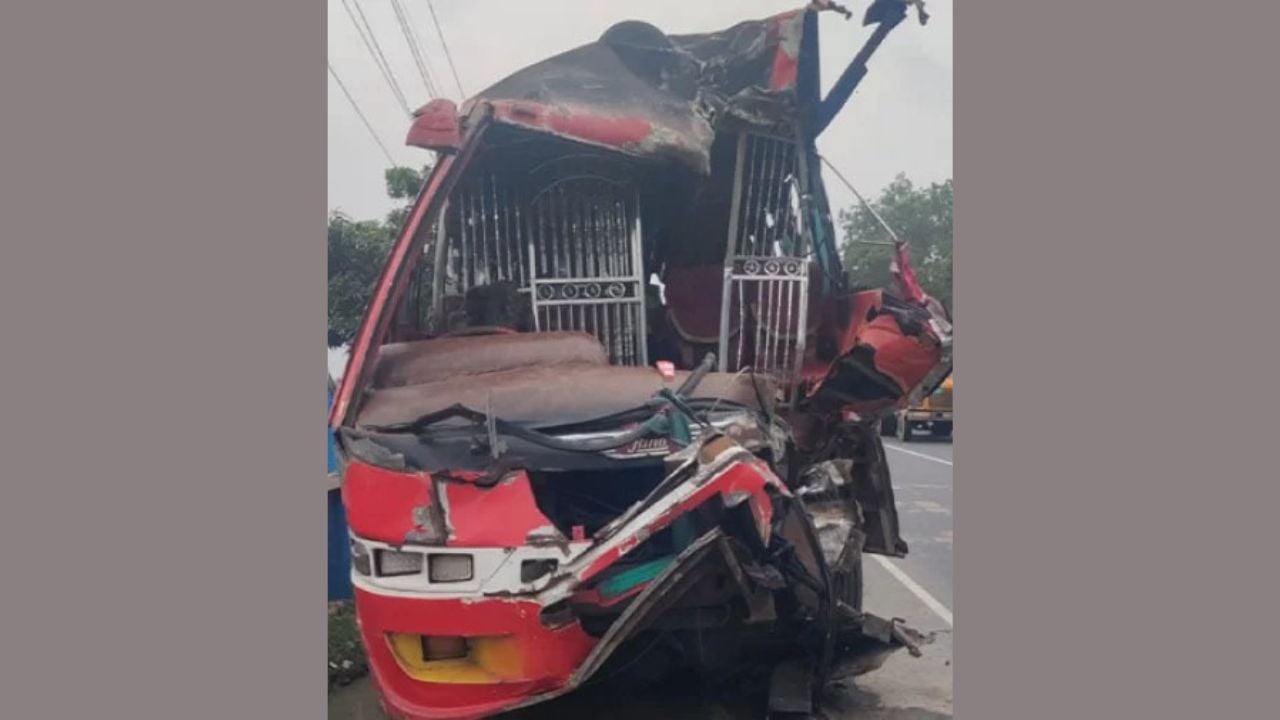
A supervisor named Alamgir Hossain, aged 48, was killed early Friday when a Shyamoli N.R. Travels passenger bus collided with a Souhardya Paribahan bus on the Dhaka–Chattogram Highway at Harisardar area in Chauddagram, Cumilla. The incident was confirmed by Md. Ruhul Amin, officer-in-charge of Miyabazar Highway Police Station. According to police, the Souhardya bus, traveling from Chattogram to Dhaka, attempted to stop on the left side of the highway without using any signal. The Shyamoli bus following behind then hit it from the rear, causing damage to both vehicles. Alamgir Hossain, the supervisor of the Shyamoli bus, sustained serious injuries and was taken to Chauddagram Upazila Health Complex, where doctors declared him dead. Police said both buses involved in the accident have been recovered and kept at the station, and traffic movement on the highway has returned to normal.
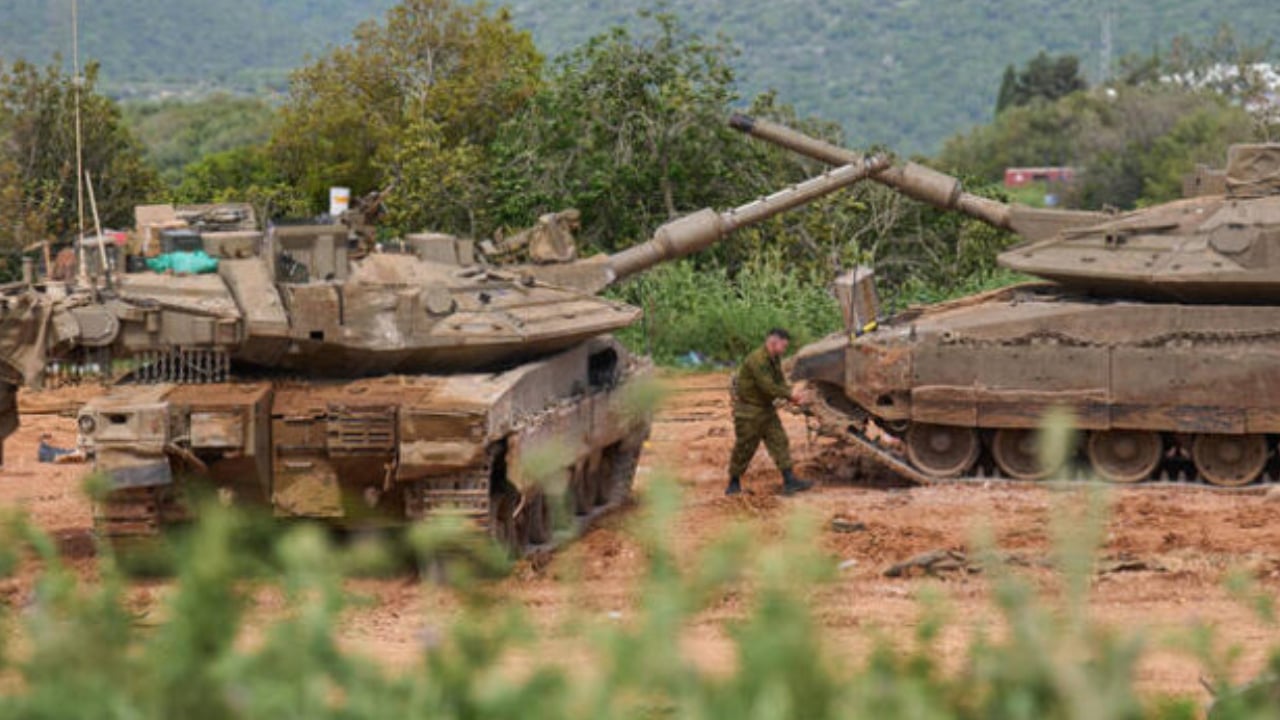
Hezbollah has claimed responsibility for destroying three Israeli Merkava tanks in a missile strike. The Iran-backed armed group said in a statement that its fighters targeted the tanks as Israeli armored and infantry units attempted to advance from the northern side of Ali al-Taher hill, near the city of Nabatieh. The group reported that the tanks were burned and destroyed, and that fighting in the area was still continuing. According to the report, Lebanon became involved in the broader Middle East conflict in March after Hezbollah launched attacks on Israel in retaliation for the killing of Iran’s supreme leader during a joint U.S.-Israeli operation. Following those attacks, Israel carried out extensive airstrikes and ground operations across Lebanon, particularly in the south, which borders Israel and has long been under Hezbollah’s control. The situation remains tense as clashes persist near the border, with both sides engaged in ongoing military activity in southern Lebanon.
Supreme Court lawyer Advocate Chaitali Chakraborty has warned that a separate province could be established for Hindus in Bangladesh if communal tensions continue to rise. In an interview published on Friday by a private media outlet, she said that if the situation worsens, appeals for international support might be made to form a distinct province for the Sanatan community, though she emphasized that such a move is not desired. Chakraborty stated that Hindus, Muslims, Christians, and Buddhists have historically lived together in harmony and expressed a wish to maintain that unity. She urged people not to engage in actions that could provoke communal violence, warning that such unrest would harm everyone. Her remarks come amid broader discussions about religious coexistence and social stability in Bangladesh. The statement has drawn attention to concerns about interfaith relations and the potential consequences of rising communal tensions within the country.

Dhaka Metropolitan Detective Police (DB) have arrested four individuals, including Jhalakathi District Jubo League convener Rezaul Karim Zakir, in connection with a murder case filed at Dhaka’s New Market Police Station. The arrests took place on Thursday afternoon around 3 p.m. in front of Bangabandhu Sheikh Mujib Medical University (BSMMU) in Shahbagh. The other detainees are district Jubo League leader Mehedi Hasan Munna, former Rajapur Upazila Chhatra League president Ahsan Habib Rubel, and district Jubo League member Shahjada Mohsin Parag. The operation was led by DB Sub-Inspector Sujan Haque. According to New Market Police Station sources, the case was filed over the killing of a 24-year-old man named Shahjahan Ali during a student-public protest on July 17, 2024. Police stated that evidence was found linking the four suspects to the murder, leading to their arrests. They are scheduled to be presented before the Dhaka Chief Metropolitan Magistrate Court on Friday. Police also confirmed that Zakir and Parag face multiple other cases at Jhalakathi Police Station.
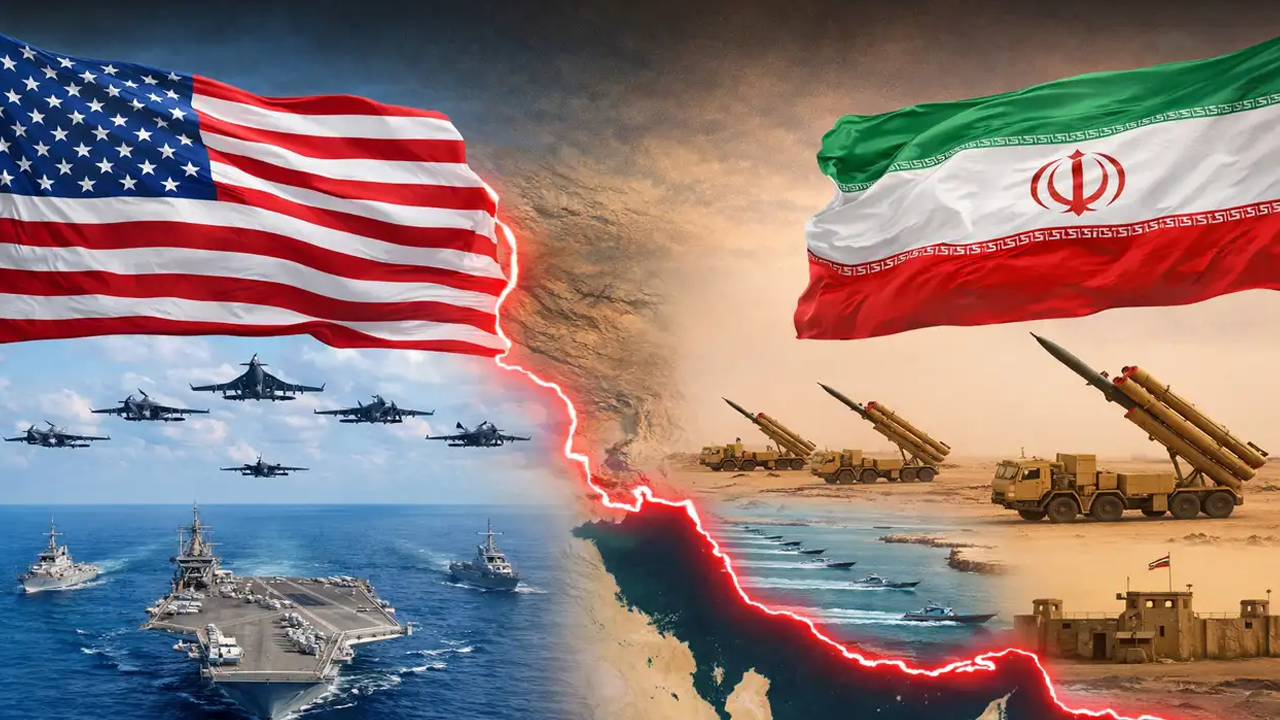
A memorandum of understanding between the United States and Iran has emerged following a month-long war that began after Washington decided to attack Iran on February 28. The conflict caused thousands of deaths in Iran and Lebanon, including many civilians. Despite facing a joint US-Israeli military campaign, Iran’s government survived and even strengthened its position, leveraging its experience in national security and resilience. Iran’s closure of the Strait of Hormuz, a key route for one-fifth of global oil and gas supply, severely disrupted the world economy and pressured US President Donald Trump to make concessions. Under the memorandum, the US agreed to lift its blockade of Iranian ports, ease oil export sanctions, and begin releasing billions of dollars in frozen Iranian assets, effectively restoring the situation to February 27, before the war began. The memorandum also calls for ending the war in Lebanon and sets a 60-day framework for talks on Iran’s nuclear program. Analysts view the war as a major foreign policy failure for Trump and a potential turning point for Israeli Prime Minister Benjamin Netanyahu’s political career.
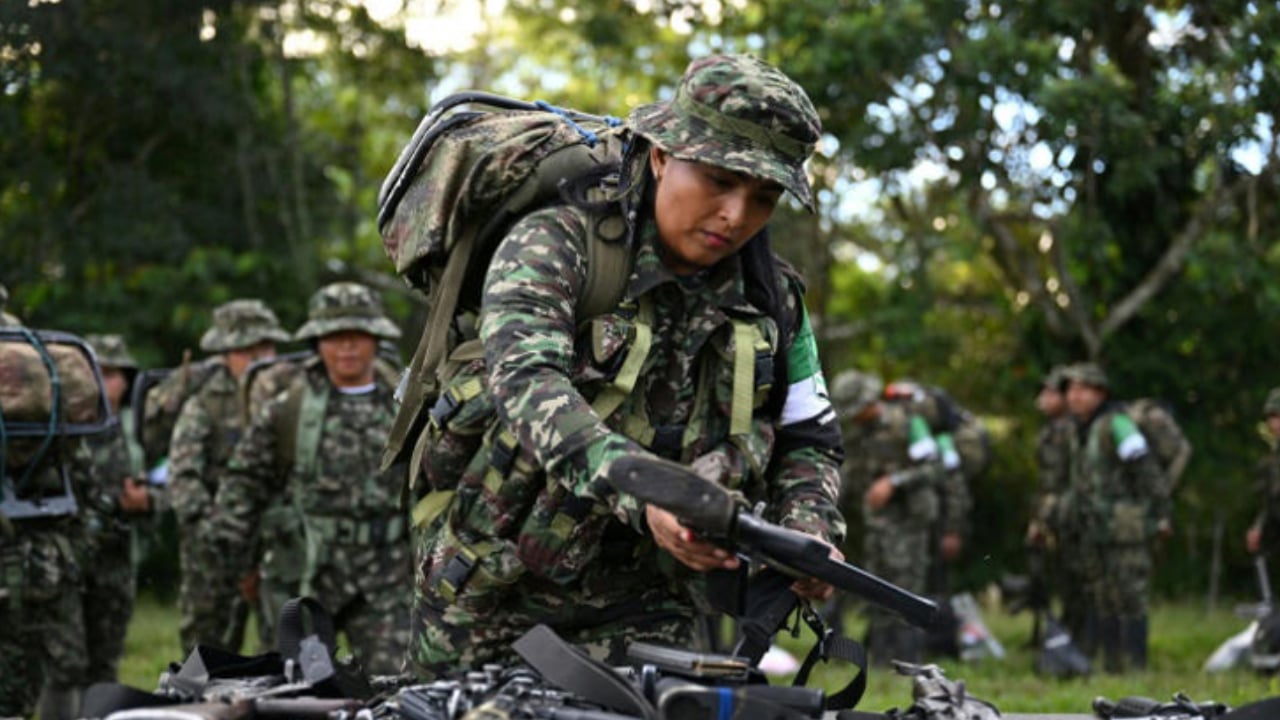
Nearly 100 guerrillas surrendered their weapons in a jungle area of southern Colombia’s Putumayo department, following an agreement with President Gustavo Petro’s government. The disarmament was carried out by members of the National Coordinating Committee of the Bolivarian Army, a group that split from the FARC rebels who had fought the government for nearly five decades. The event took place just three days before the country’s presidential runoff election. The surrender is being described as the most significant achievement of Petro’s “Total Peace” initiative, which seeks to end armed conflict through negotiation and reintegration. Guerrillas dressed in camouflage placed their rifles in a large container marked with a message pledging commitment to peace. Government peace representative Armando Novoa said the move sends a powerful message to Colombian society amid ongoing tensions over war and peace. The future of Petro’s peace policy remains uncertain, as the upcoming election will determine whether the next president continues or reverses his approach. Petro is scheduled to hand over power on August 7.
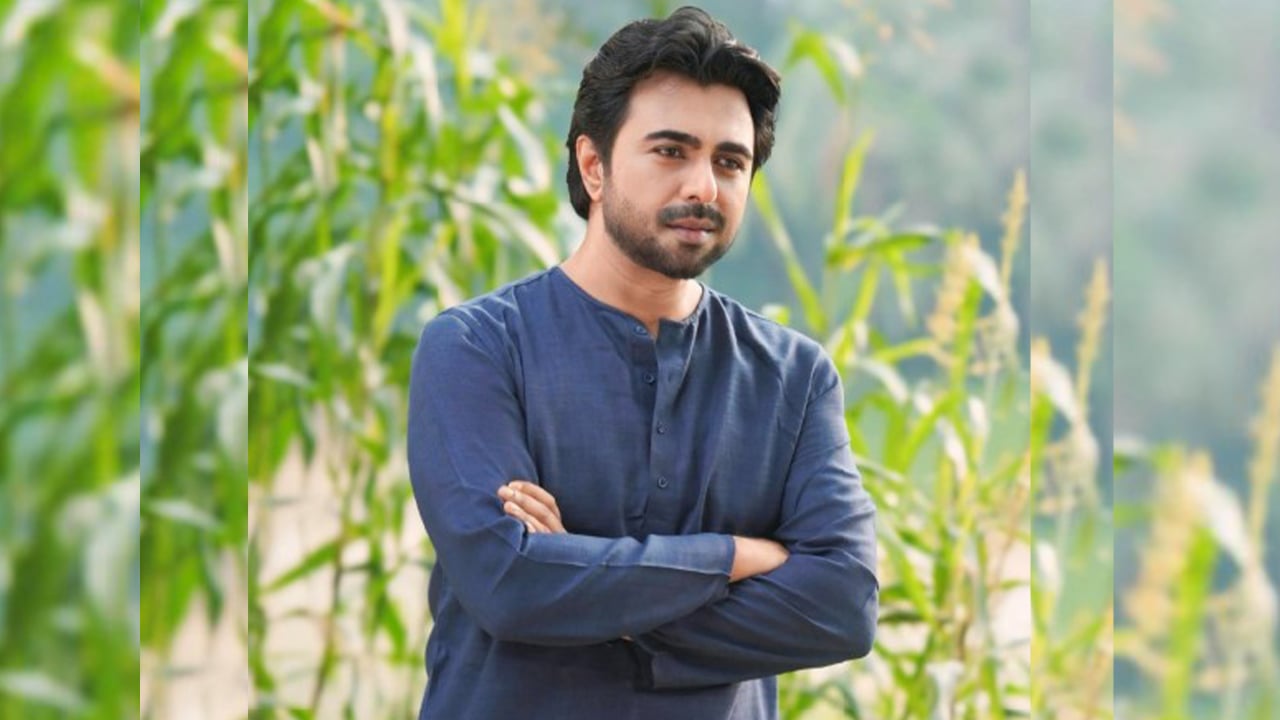
Popular actor Ziaul Faruq Apurba is returning to OTT nearly two years after his last release, 'Golam Mamun'. He stars as investigative journalist Zahid in the upcoming web series 'Headline', directed by Saleh Sobhan Anim. The series will premiere on the streaming platform Hoichoi on June 25, with its trailer already generating excitement for its intense portrayal of journalism and truth-seeking. According to the source, the story explores the struggles of uncovering truth while balancing family ties, personal conflicts, and moral dilemmas. Apurba expressed enthusiasm for portraying a layered character that evolves through emotional and realistic challenges. He said the story’s pace, mystery, and contemporary relevance made the project irresistible, promising viewers both entertainment and reflection. The series also marks the OTT return of Lux star Afsan Ara Bindu after three years. Featuring a star-studded cast including Yash Rohan, Sarika Sabrin, and others, 'Headline' is expected to spark new excitement among OTT audiences with its blend of journalism and crime drama.
The ‘1 Nojor’ media platform is now live in beta, inviting users to explore and provide feedback as we continue to refine the experience.