

The ‘1 Nojor’ media platform is now live in beta, inviting users to explore and provide feedback as we continue to refine the experience.
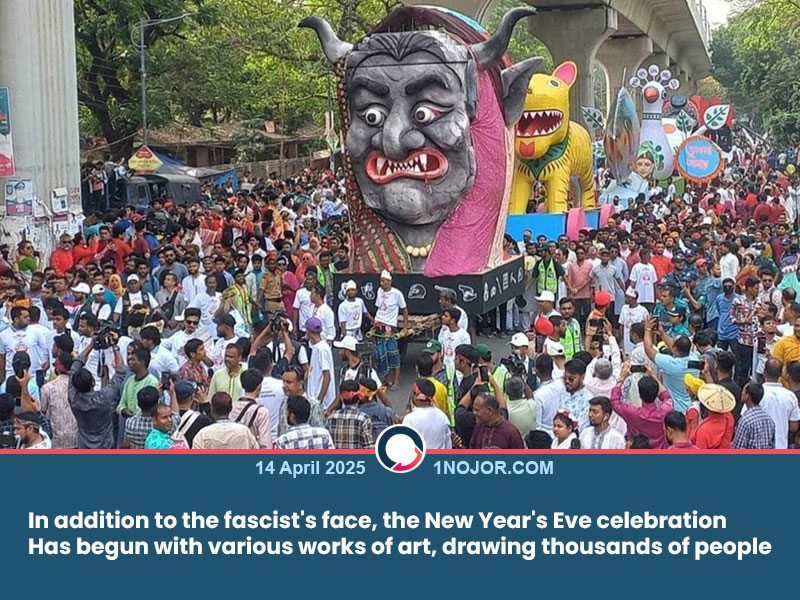
The traditional Mongol Shobhajatra (procession of goodwill) began with a burst of colors and symbolic artwork, including masks, puppets, and large bamboo sculptures of animals and nature. Participants included teachers, students, artists, and citizens of all ages—including many foreign nationals. This year’s Shobhajatra, the first in a “New Bangladesh,” featured artistic representations of rural life, nature’s harmony, and a massive portrait of Sheikh Hasina. The procession, organized by the Faculty of Fine Arts, started at 9 AM and circled through Shahbagh, TSC, the Central Shaheed Minar, Doel Chattar, and returned to its point of origin.
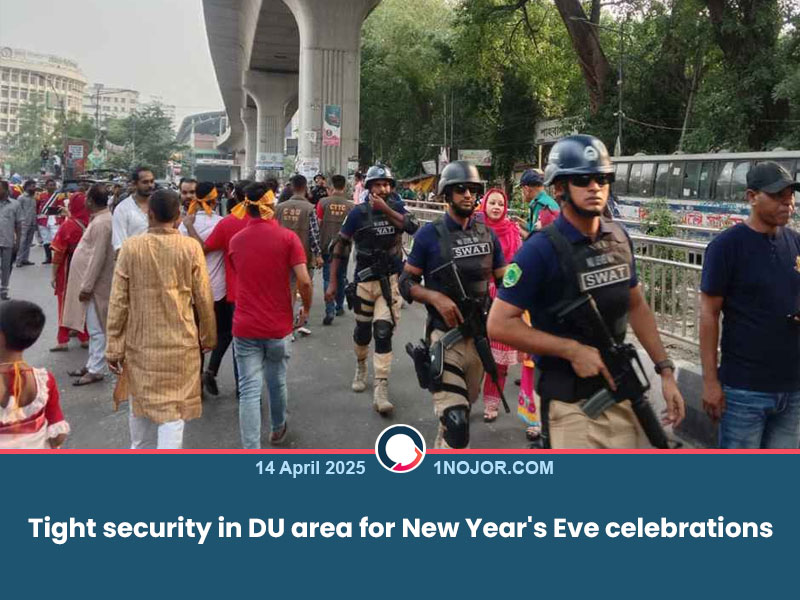
Strict security measures have been implemented across the Dhaka University area to ensure the safety of visitors during Pahela Baishakh celebrations. Law enforcement, including police in both uniform and plain clothes, have been deployed at key entry points. Members of RAB, SWAT, army, and intelligence agencies are also on patrol. University security personnel are assisting police to maintain a peaceful environment throughout the campus.
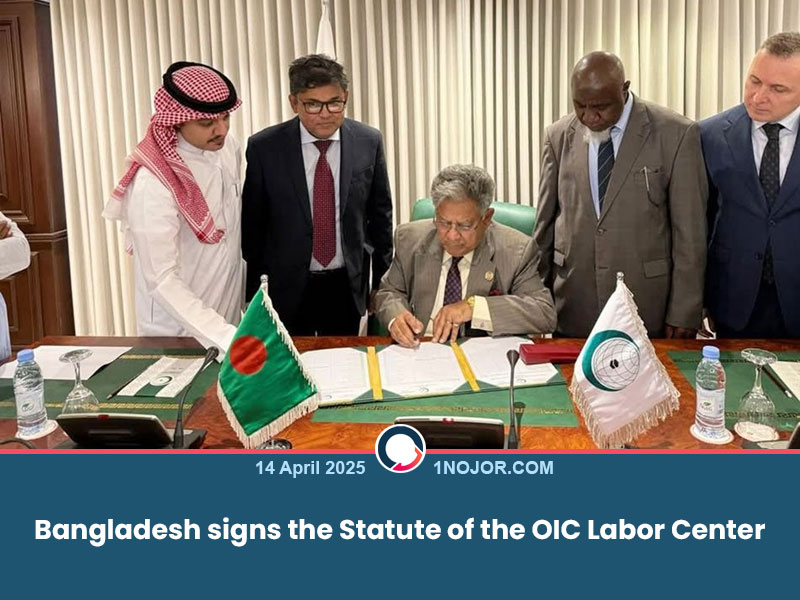
Bangladesh has officially signed the constitution of the Organisation of Islamic Cooperation (OIC) Labour Center. The signing ceremony took place in Jeddah on Sunday, with Labour Adviser Sakhawat Hossain representing Bangladesh. OIC Assistant Secretary General Dr. Ahmed Kawesa Sengendo warmly welcomed the adviser. Both parties emphasized the significance of the signing, which will enable Bangladesh to play a more active role in promoting labor rights and workers’ welfare within the OIC framework. Adviser Hossain noted that Bangladesh is a signatory to all core ILO conventions and protocols and has made significant strides in improving worker safety, health, minimum wages, and welfare. Sengendo expressed appreciation for Bangladesh’s commitment.
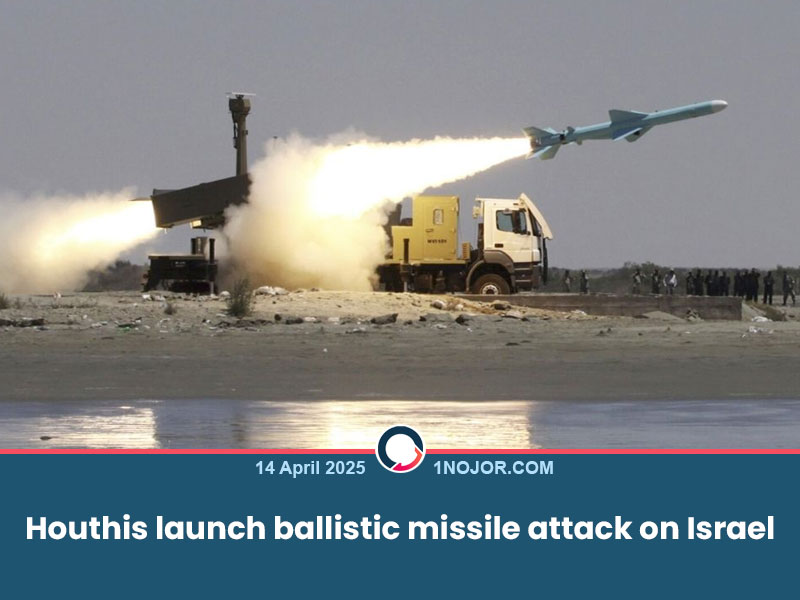
In retaliation for Israel’s ongoing attacks on Gaza, Yemen’s Houthi rebels have launched ballistic missiles at Israel. Although there were no immediate reports of casualties or damage, air raid sirens were sounded across Israel on Sunday as a precaution. The Israeli military confirmed that the Iran-backed Houthis fired at least two ballistic missiles toward Israeli territory. Air defense systems attempted to intercept the projectiles. Authorities are currently investigating whether the missiles were successfully neutralized.
In a message for Pahela Baishakh, Chief Adviser Dr. Muhammad Yunus emphasized that the people’s uprising of 2024 has presented an opportunity to build an egalitarian Bangladesh. “Let this New Year be our commitment to eliminating inequality,” he said. Calling Pahela Baishakh a day of unity and harmony, Dr. Yunus urged citizens to leave behind the sorrows of the past and move forward with hope and determination. He also noted the enduring tradition of Hal Khata, still observed in marketplaces across the country, and highlighted how ethnic communities in both hills and plains are celebrating this New Year on a larger scale.

Israeli forces have advanced 12 miles into Syrian territory, escalating from air raids to direct land occupation. Several areas have already been captured, and at least nine military outposts have been set up. On December 8, Israeli troops launched a sudden attack on Rasem al-Rawadi near Quneitra. Local resident Ali al-Ahmad reported that homes were searched and some destroyed, with displaced families housed in schools. The village has been under Israeli control for the past four months, during which around 350 people have been forcibly evicted, and some have been killed. Israel claims support from Syria’s Druze population to legitimize the occupation. Protests have erupted across Damascus, Daraa, Khan Arnabah, Suwayda, Quneitra, and other areas. The Druze community has even rejected humanitarian aid in defiance of the aggression.

The Bengali New Year 1432 was welcomed with vibrant festivities at Ramna Batamul as Chhayanaut commenced its traditional celebration at sunrise. With the theme “Amar Mukti Aloy Aloy” (My Liberation Lies in Light), the cultural program featured 24 performances, including 9 chorus songs, 12 solo renditions, and 3 recitations. Dr. Sarwar Ali, Executive President of Chhayanaut, delivered the opening address, and the event concluded with the national anthem. Male performers wore maroon panjabis and white pajamas, while female artists donned off-white sarees with maroon borders—complemented by stage decorations in matching tones.

The U.S. Department of Homeland Security has issued a directive requiring foreigners staying longer than 30 days to register with the authorities. Failure to do so could result in fines or imprisonment. Citing former President Donald Trump and Secretary of Homeland Security Kristi Noem, the department said, “Our message to illegal immigrants is clear—leave the U.S. and return home voluntarily.” Voluntary departure is considered safer, allowing individuals to book their own flights and retain their earnings. The department also noted that voluntary returnees may later reenter the U.S. legally. In cases of financial hardship, the U.S. government may subsidize airfare. Those who defy deportation orders may face a fine of $998 per day for each day they remain.
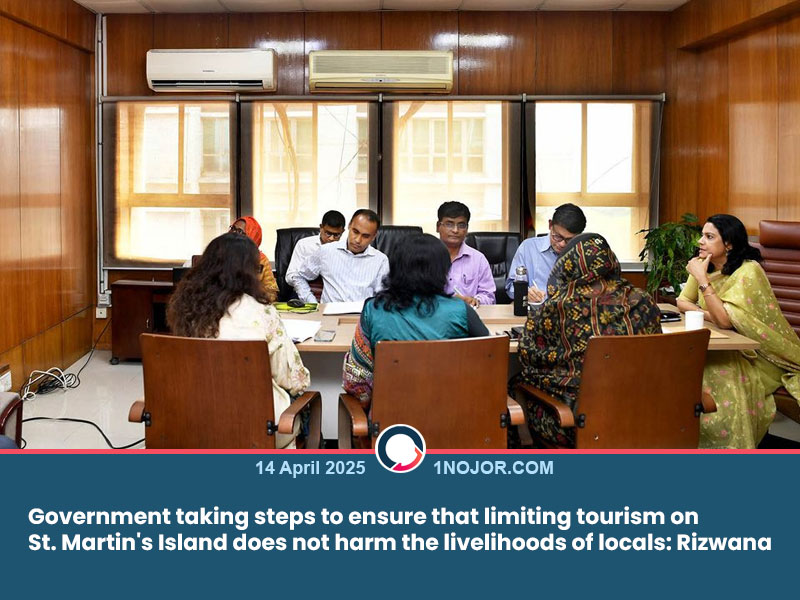
Environmental Adviser Syeda Rizwana Hasan announced that the government is taking proactive measures to ensure that limiting tourism on Saint Martin’s Island does not negatively affect local livelihoods. Efforts are underway to create alternative employment while preserving and restoring the island’s biodiversity. A working group, led by the Director General of the Department of Environment, has been formed with representatives from agriculture, fisheries, tourism, women and children’s affairs, the forest department, local administration, BRAC, and Coast Foundation. Proposed initiatives include sustainable fishing gear, branding of dried fish, cultivation of seaweed, mushrooms, and vegetables, livestock farming, content creation, blogging, and photography training. Women will receive training in sewing, crafting traditional quilts, souvenir production, and rope-making from coconut husks. Plans also include educational support, tree planting, waste management, restaurant job training, and grooming local youths to become professional tour guides.
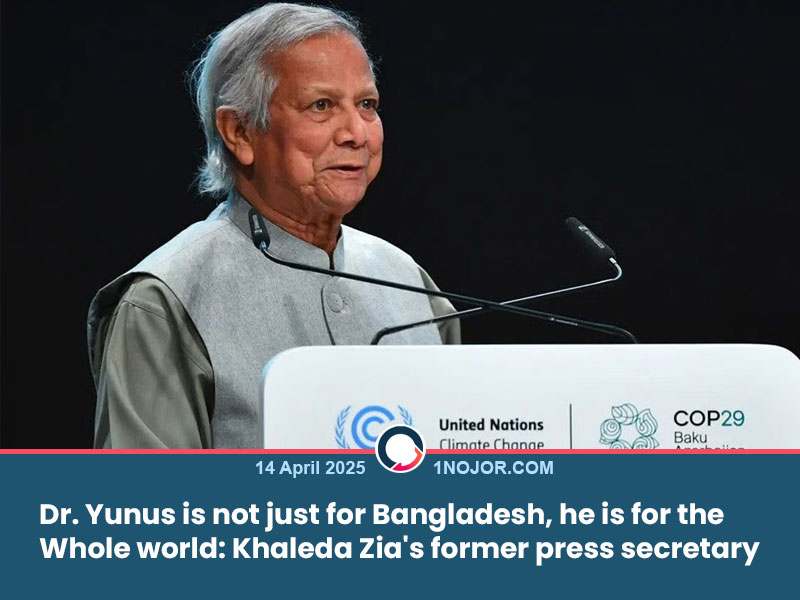
Maruf Kamal Khan, former press secretary to ex-Prime Minister Khaleda Zia, praised Nobel laureate Dr. Muhammad Yunus, saying, “Some people captivate us with their talent and magical skills. They stun us, move us, and render us speechless with admiration. Yet admiration is not the same as love. Love is a different, inexplicable emotion.” He added, “Dr. Yunus is such an exceptional person whose achievements overwhelm us. But he cannot be exclusively owned or loved by any one nation—he is universal. He belongs not just to Bangladesh, but to the entire world.” Contrasting this, he noted, “Our love is reserved for those we relate to—flawed, complex, yet dear. They are our own, intertwined with our destiny—destinies that no one can change.”
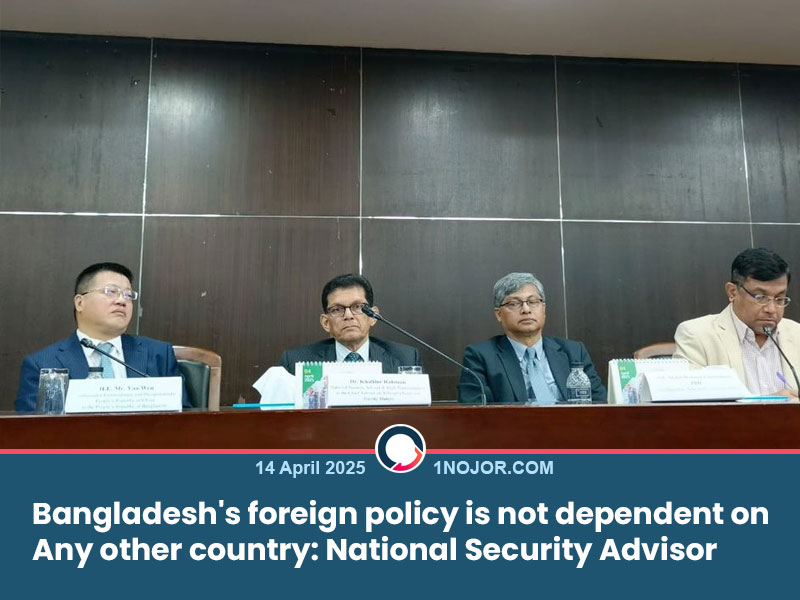
National Security Adviser Dr. Khairul Rahman has described the Chief Adviser’s visit to China as a “historic milestone.” He stated, “Bangladesh’s foreign policy is now entirely its own. We are no longer dependent on any other nation. This reflects our strategic autonomy.” He further noted that Bangladeshi patients will soon have the opportunity to seek treatment in Kunming, China, and plans are underway to establish Chinese hospitals in Bangladesh. “Our goal is to maintain strong relationships with both China and India,” he added. Chinese Ambassador Yao Wen remarked, “This visit has solidified the foundation of our bilateral ties and reflects not only government-level cooperation but also a people-to-people connection.” The Vice Chancellor of North South University stated that the MoUs signed with China will open up new opportunities for Bangladesh’s youth in sectors such as investment, technology, and healthcare.
Legal Adviser Dr. Asif Nazrul revealed that 7,184 politically motivated cases filed under the previous government have been recommended for dismissal, with over 100,000 more applications pending. He acknowledged errors in the arrest of Meghna under the Special Powers Act and promised swift correction. He also clarified that bail decisions lie solely with the judiciary, not the Law Ministry. Additionally, Nazrul affirmed that expatriates deserve voting rights as a matter of citizenship.

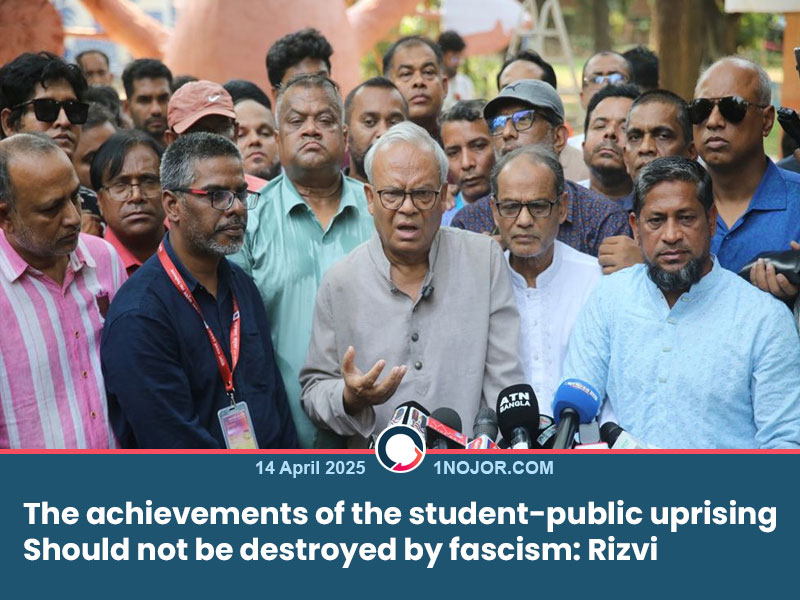
BNP’s Ruhul Kabir Rizvi emphasized the importance of continuous reform without compromising democratic values. He warned against allowing the gains of the mass uprising to be eroded by fascist forces. Rizvi called for unity in upholding freedom of speech and democratic continuity, stressing that differences in opinion should not hinder the national cause. He also blamed Sheikh Hasina for dismantling judicial independence and pledged to restore it.
Violent protests over India’s controversial Wakf Amendment Bill in Murshidabad led to three deaths and over 150 arrests. The central government has deployed troops in the region. Muslim communities argue the bill undermines their right to manage over $14 billion in Wakf assets and threatens India’s secular framework. Rahul Gandhi warned of wider communal implications, while West Bengal CM Mamata Banerjee vowed not to implement the “black law” in her state.

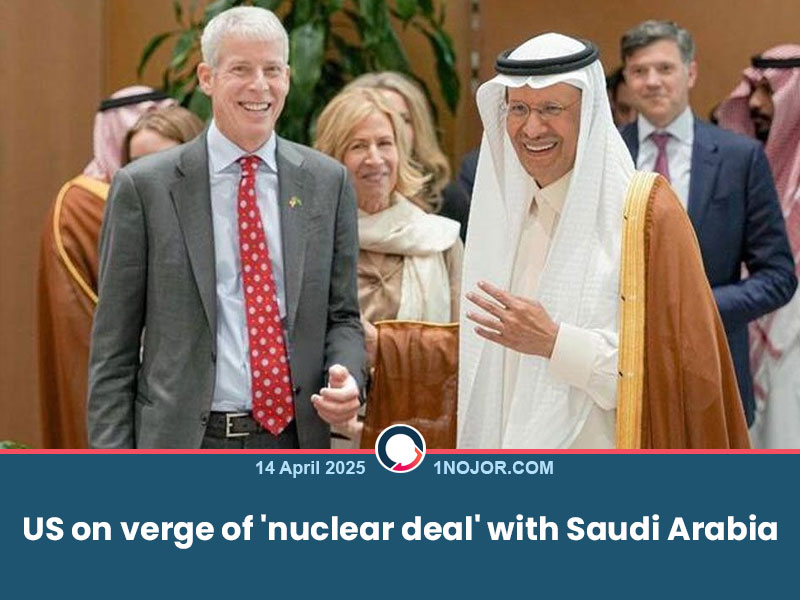
U.S. Energy Secretary Chris Wright announced in Riyadh that a preliminary agreement is in place between the U.S. and Saudi Arabia on civilian nuclear cooperation. The partnership aims to develop Saudi Arabia’s commercial nuclear power sector, with significant progress expected this year. Wright also hailed Saudi investments in the U.S. and praised the hospitality of Crown Prince Mohammed bin Salman and Energy Minister Prince Abdulaziz.
The ‘1 Nojor’ media platform is now live in beta, inviting users to explore and provide feedback as we continue to refine the experience.