

The ‘1 Nojor’ media platform is now live in beta, inviting users to explore and provide feedback as we continue to refine the experience.
BNP leader Syed Emran Saleh Prince has warned that an extended reform process will only delay elections and allow vested interests to destabilize the country. He stressed that true reform should ensure people's ownership of the state through participatory elections. Prince reiterated BNP’s commitment to development and prioritizing national interests over party agendas.
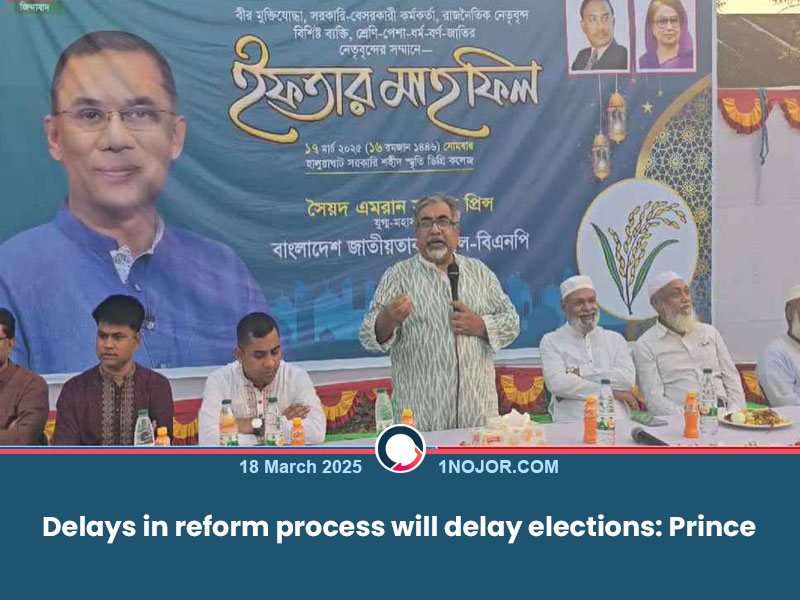
Political leader Nazrul Islam Khan has urged citizens to unite for the establishment of democracy. He highlighted past struggles and sacrifices for democratic change and warned against ongoing conspiracies aimed at undermining democratic values. Reflecting on historical protests, he emphasized the crucial role played by students and citizens in achieving political transformations.

US intelligence chief Tulsi Gabbard has expressed concern over ongoing persecution of religious minorities in Bangladesh. In an interview with NDTV World, she stated that the Trump administration is committed to combating global Islamist terrorism. She also mentioned that the new US cabinet has initiated discussions with Bangladesh’s interim government regarding these issues. Gabbard emphasized that radical Islamist threats operate under a common ideology aimed at establishing an Islamic caliphate.

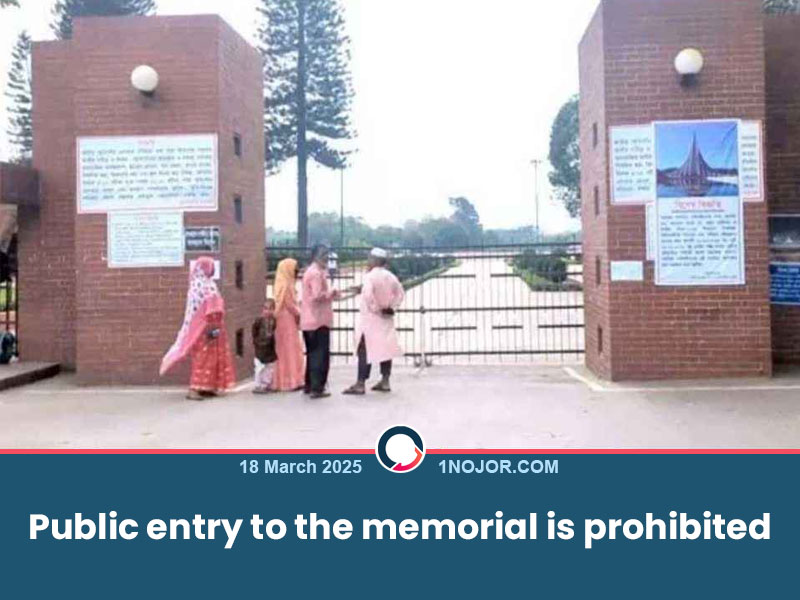
A nine-day public entry restriction has been imposed at the National Memorial ahead of Independence and National Day. A notice has been posted at the main gate, citing preparations for official tributes from the President, Chief Adviser, and foreign diplomats on March 26. During this period, cleaning and beautification work will take place. The gates will be reopened to the public after the official ceremonies.
Ahead of Eid-ul-Fitr, the Dhaka Metropolitan Police (DMP) has announced traffic control measures in areas like Panthapath and New Market to manage congestion. According to a directive issued by the DMP Commissioner, traffic diversions may be implemented between 1 PM and 10 PM on March 21, 22, and 26 until the day before Eid. Rickshaw drivers and passengers have been requested to use designated lanes for smooth traffic flow.
In violation of international law, the Indian Border Security Force (BSF) attempted to construct a barbed-wire fence at the Dahagram border in Lalmonirhat’s Patgram upazila. Local sources reported that BSF began constructing the fence near Zero Line at sub-pillar 48 of pillar 42. Upon noticing the activity, locals alerted the Border Guard Bangladesh (BGB), who intervened and successfully halted the construction.

Two students from Pabna University of Science and Technology (PUST) have been temporarily expelled over allegations of blasphemy. Proctor Prof. Dr. Kamruzzaman Khan stated that the accusations emerged on Friday, March 14, after controversial Facebook posts and comments by Bikarna Das Divya and Pronoy Kundu went viral. Following protests by students demanding their expulsion, the university administration issued show-cause notices to the accused. As their responses were deemed unsatisfactory, an emergency meeting on Sunday resulted in their temporary expulsion.
Due to Israel’s blockade, one million children in Gaza are experiencing extreme hunger, according to UNICEF. The organization reported that thousands are deprived of clean water and basic sanitation. “Immediate access to water and electricity is necessary to save children’s lives,” said UNICEF Regional Director Eduardo Beigbeder from Deir al-Balah. He emphasized that water is a fundamental human right and should not be denied. While UNICEF and its partners are striving to provide aid, Beigbeder warned that unless the blockade is lifted or a lasting ceasefire is established, the crisis will continue to worsen.

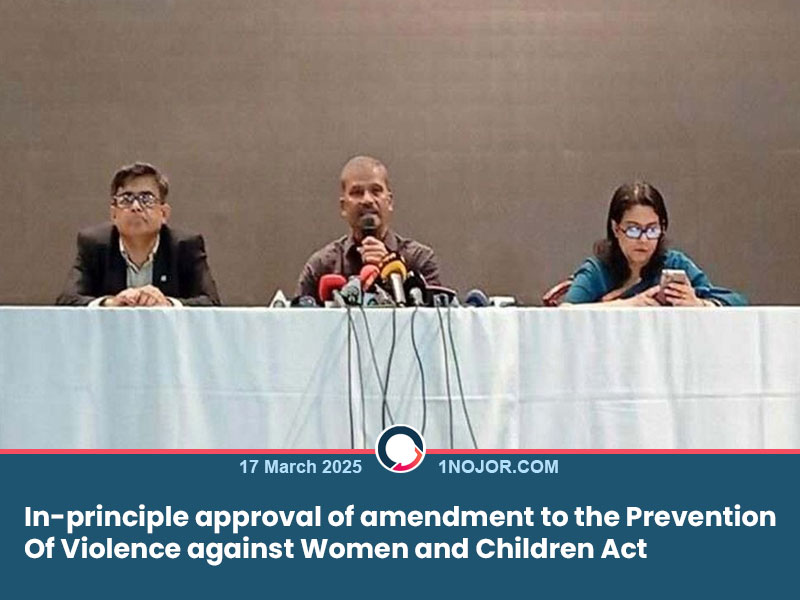
Adviser Rizwana Hasan has announced that the government has granted policy approval for amendments to the Women and Child Protection Act. The decision was made during a special meeting chaired by the Chief Adviser on Monday. Legal Adviser Asif Nazrul has drafted the amendments, which aim to reduce the investigation period for rape cases from 30 days to 15 and shorten trial durations from 180 days to 90. The revised law will also allow trials to proceed based solely on medical certificates, even without DNA reports, if deemed necessary by the judge.
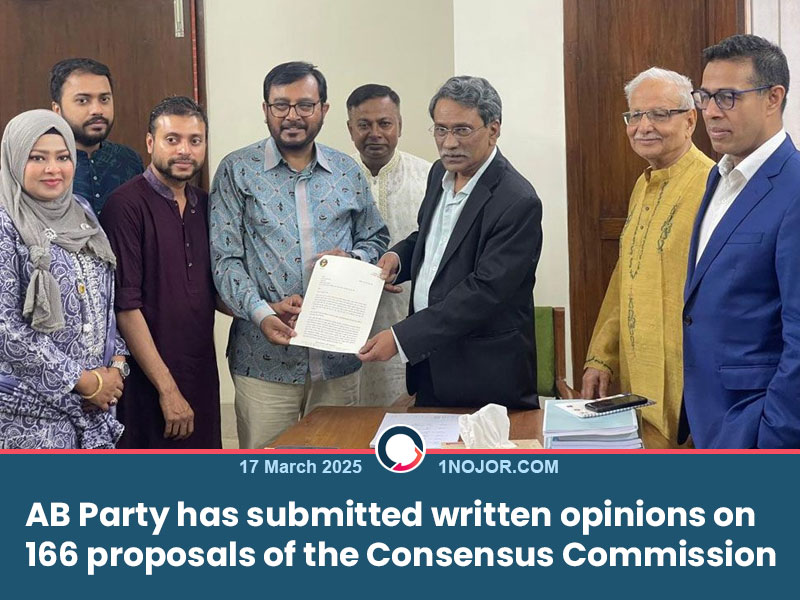
The AB Party has provided a written response to the National Consensus Commission’s 166 proposed reforms. The party has agreed with 108 proposals, opposed 32, and partially supported 26. Among their key positions, they advocate for the direct election of the President, oppose a bicameral parliament, reject a provincial governance system, and support requiring a two-thirds majority in both houses for constitutional amendments, along with provisions for referendums. Additionally, the party has proposed suspending the current constitution and drafting a new one in alignment with the spirit of the July Revolution.
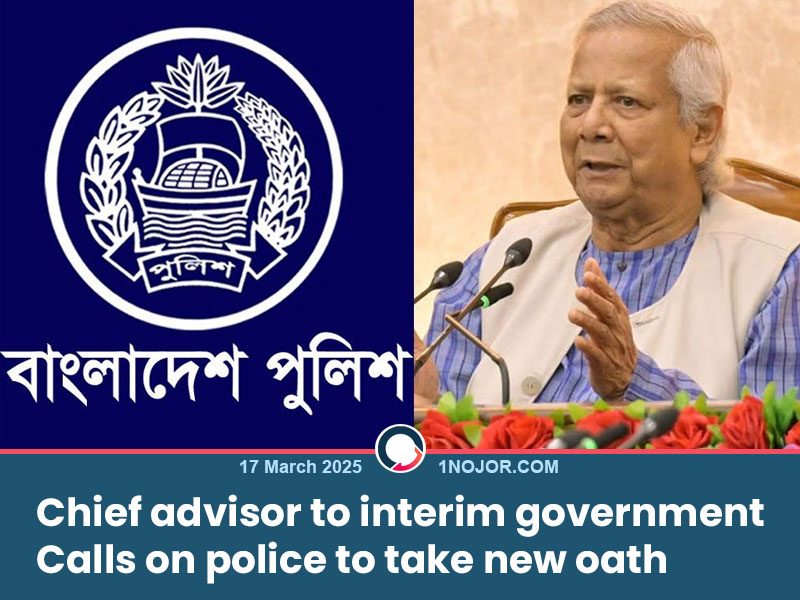
Chief Adviser Muhammad Yunus has called upon the police to take a fresh oath, pledging to serve the people without obstruction. “We must not hinder the public; we must ease their path and stand by them. If we do this, there will be no problems in this country,” he stated. He emphasized the need for the police to be seen as protectors rather than enforcers, adding, “Law is our common refuge, and the police should be its guardians. If we can establish this image, people will forget the past grievances. The stains of the last 16 years cannot be erased overnight, but we can start fresh and build a new reputation.”
The Election Commission (EC) has sent a letter expressing disagreement with certain recommendations made by the Reform Commission. The EC’s letter highlights concerns over specific proposals that it believes could impact the integrity of the electoral process. The details of the objections have not been disclosed, but sources suggest that they relate to structural changes in election oversight and procedural transparency.

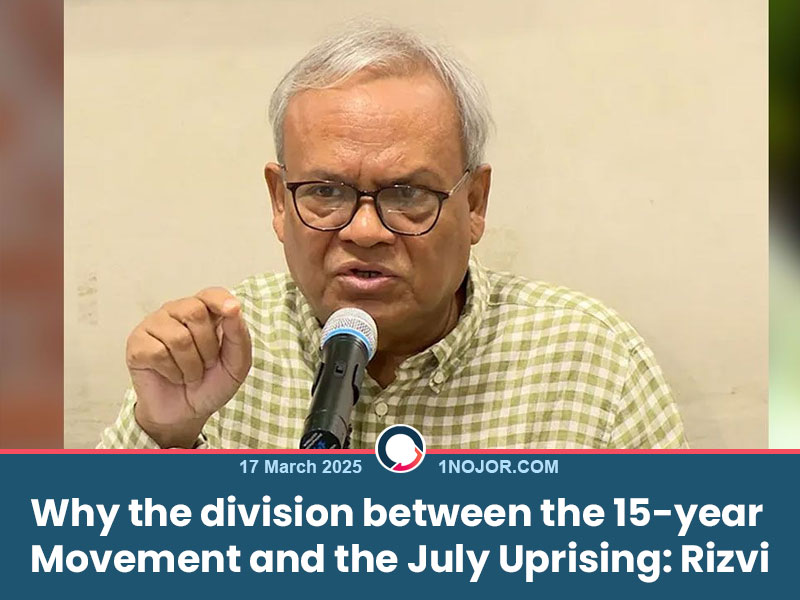
BNP leader Ruhul Kabir Rizvi has questioned the attempts to create a division between the 15-year-long movement for democracy and the July uprising. He argued that the recent uprising was the culmination of the prolonged struggle led by BNP. “In these 15 years, Elias Ali, Chowdhury Alam, and Sumon have disappeared. Why? Because they were vocal about free elections and liberating Bangladesh from fascism,” he said. Rizvi claimed that the ultimate manifestation of this struggle came when young protesters sacrificed their lives in July-August to remove Sheikh Hasina. Addressing Nobel laureate Dr. Muhammad Yunus, who now serves as Chief Adviser, Rizvi urged, “People trust you. We hope you will ensure a free and fair election.”
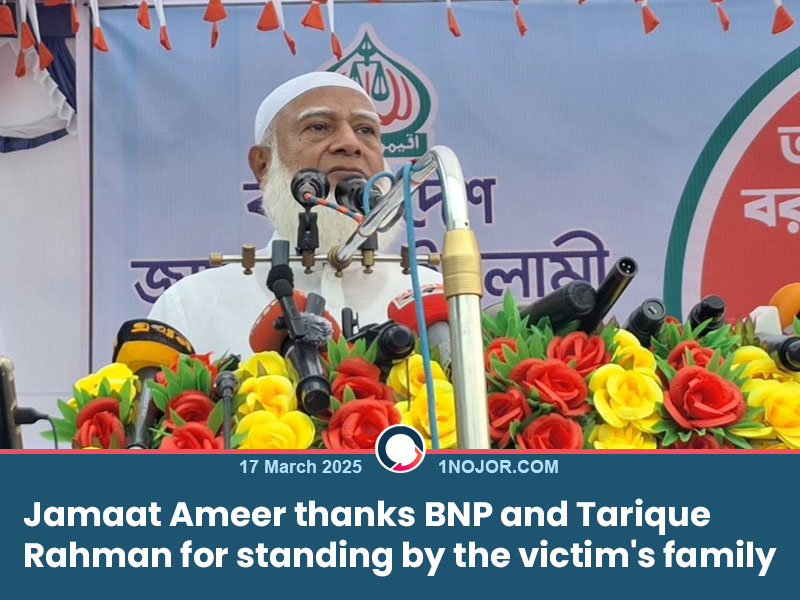
Jamaat-e-Islami Ameer Dr. Shafiqur Rahman has expressed gratitude to the BNP and its acting chairman, Tarique Rahman, for standing by the family of a child rape victim whose father was murdered. He revealed that the BNP had reached out to the victim’s family and taken full responsibility for the legal proceedings. “Jamaat will work alongside BNP to ensure exemplary punishment for the perpetrators,” he added. Earlier, on Monday morning, Dr. Rahman visited the victim’s family in Barguna and announced that Jamaat would cover the children’s education and medical expenses, along with the family’s other financial needs.
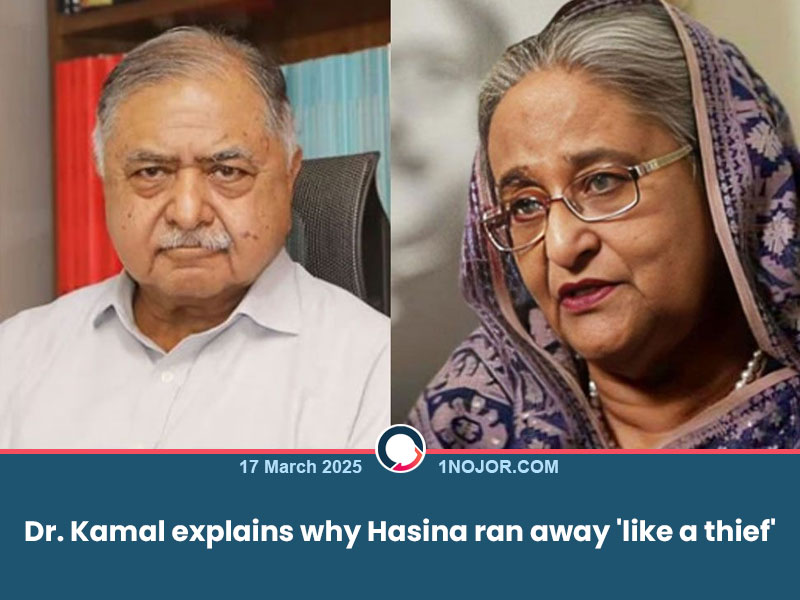
Dr. Kamal Hossain has stated that Sheikh Hasina is solely responsible for the fate of the Awami League. He accused her of sidelining dedicated and tested party leaders, humiliating them, and establishing a system of nepotism within the party. “In the Awami League, her word was the law. She considered herself a queen and the people as her subjects. She could not tolerate dissent,” Dr. Kamal said. According to him, this intolerance led to her fleeing “like a thief.” Notably, Kamal Hossain and Latif Siddiqui had previously faced Hasina’s wrath.
The ‘1 Nojor’ media platform is now live in beta, inviting users to explore and provide feedback as we continue to refine the experience.