

The ‘1 Nojor’ media platform is now live in beta, inviting users to explore and provide feedback as we continue to refine the experience.
Global oil prices increased following remarks by US President Donald Trump suggesting potential military action against Iran if a memorandum of understanding between the two countries is not implemented. Trump stated that the United States would 'shoot again' and 'bomb again' if the agreement fails, prompting renewed concern in energy markets. According to a Reuters report cited by Al Jazeera, Brent crude futures rose by 54 cents, or 0.7 percent, to reach 79.50 dollars per barrel. Meanwhile, US West Texas Intermediate (WTI) crude increased by 49 cents, or 0.6 percent, to 76.54 dollars per barrel. The comments triggered a modest rebound in prices after recent declines. Despite the uptick, the report noted that global oil prices remain near their lowest levels in the past three months, indicating continued market caution amid geopolitical uncertainty.

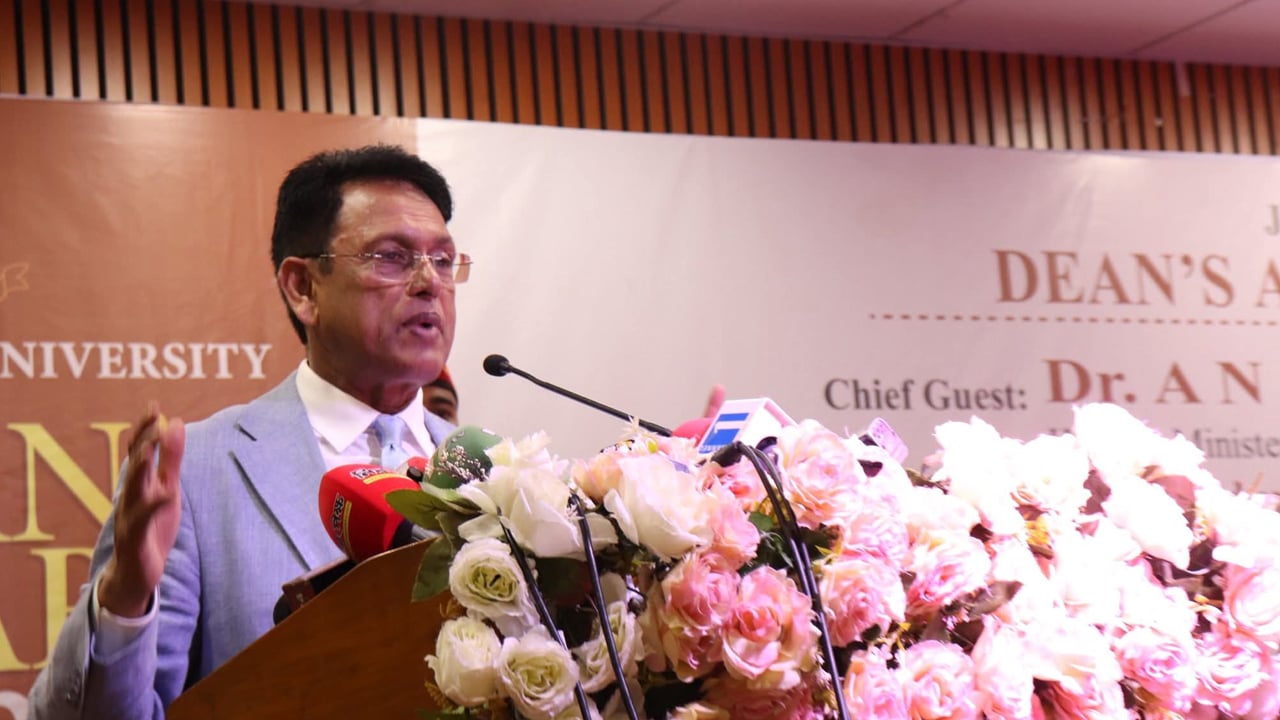
Education Minister Dr. A N M Ehsanul Haque Milon said Jagannath University has always played a significant role in Bangladesh’s history, citing its involvement in the 1952 Language Movement, the 1971 Liberation War, and the 2024 mass uprising. He made the remarks on Wednesday morning while addressing the Dean’s Award 2026 ceremony at the university’s central auditorium, where he praised the institution’s legacy and pledged continued government attention. The minister recalled his tenure from 2001 to 2006, mentioning efforts to curb book smuggling with university students and the policies that led to Jagannath’s transformation from a college into a full-fledged university under Begum Khaleda Zia. He emphasized the need for holistic student development through academics, debate, and sports, announcing that education reforms would begin in 2027 with updated syllabuses in 2028. He also criticized past university leadership and commended the current government’s dedication to education. Member of Parliament Hamidur Rahman Hamid congratulated award recipients and urged them to build a knowledge-based, equitable Bangladesh. He also called for allocating nearby vacant land for university staff housing and improving campus facilities.
Lionel Messi achieved several historic milestones as Argentina defeated Algeria 3-0 in their opening match of the 2026 FIFA World Cup at Arrowhead Stadium in Kansas City. The Argentine captain scored a hat-trick, marking his first ever in a World Cup match, and brought his total World Cup goals to 16, equaling Germany’s Miroslav Klose. At 38 years and 357 days old, Messi also became the oldest player to score a hat-trick in World Cup history. Messi’s appearance in this match made him the first footballer to participate in six different World Cups (2006, 2010, 2014, 2018, 2022, and 2026). It was also his 200th international match for Argentina, making him only the third player to reach that milestone after Cristiano Ronaldo and Kuwait’s Bader Al-Mutawa. He now has 120 goals for his country. Additionally, Messi became the second player after Ronaldo to score in five separate World Cups and matched Brazil’s Rivelino’s record of five goals from outside the box in World Cup history.

The Bangladesh Police has transferred and reassigned 12 senior officers holding the ranks of Additional Superintendent of Police and Assistant Superintendent of Police. The order, signed by Inspector General of Police Md. Ali Hossain Fakir, was issued on Wednesday, June 17, 2026. According to the official circular, the transfers have been made in the public interest and must take effect by July 1, 2026. Officers failing to hand over their responsibilities within the stipulated time will be considered released from duty starting July 2. The order lists officers from various units, including the Special Branch, Criminal Investigation Department (CID), Metropolitan Police divisions, and training centers. Among those transferred are officers from Shariatpur, Barishal, Chuadanga, Jhenaidah, Dhaka, Gazipur, and Khulna. The new postings include positions in the Special Branch, CID, Police Headquarters, and several in-service training centers. The directive reflects routine administrative reshuffling within the Bangladesh Police aimed at ensuring operational efficiency and effective personnel management across different divisions.
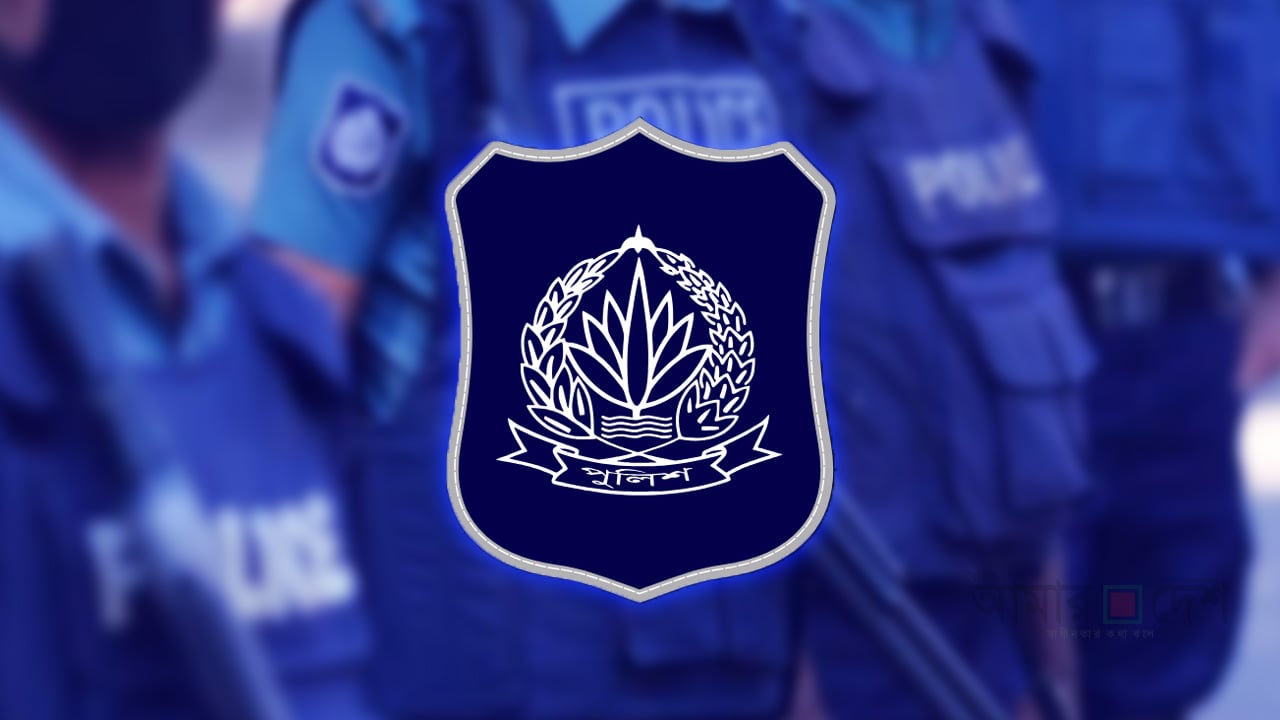
Education Minister Ehsanul Haque Milon told the National Parliament on Wednesday that recruitment of teachers and staff across educational institutions in Bangladesh has been halted because of ongoing legal complications. Speaking under Rule 300, he said efforts have been made since he took office to resolve the cases, but the appeals are yet to be listed in the Appellate Division, preventing progress in the recruitment process. He explained that appointments through the Non-Government Teachers’ Registration and Certification Authority (NTRCA), including positions of institution heads and college principals, remain suspended due to these cases. Recruitment of office assistants-cum-night guards in primary schools is also blocked for the same reason, with thousands of cases still pending in court. The minister further noted that around 33,000 head teacher positions remain vacant nationwide. Promotion-related complications and ongoing litigation have prevented many teachers from being promoted before retirement, leaving key leadership roles unfilled in schools.
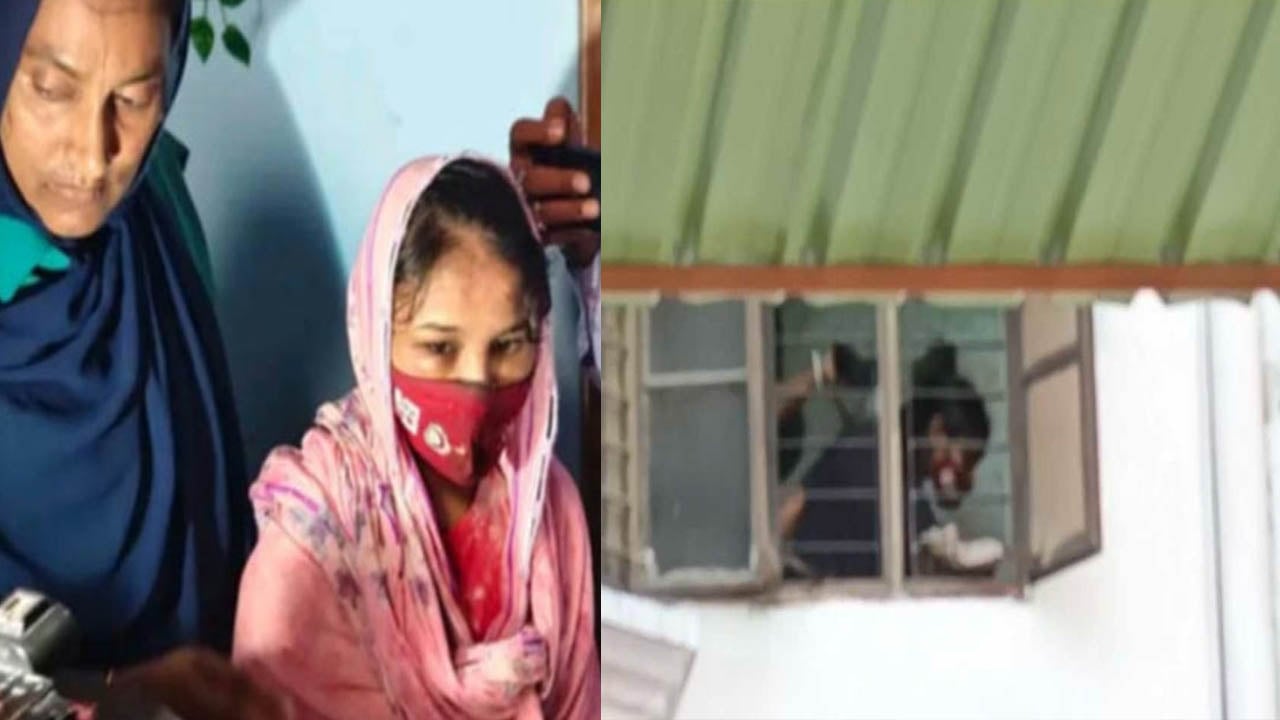
A police couple in Khulna has been accused of physically torturing their domestic worker, who was later hospitalized with serious injuries. The incident occurred around 12:30 p.m. on Wednesday at a residence in the Sonadanga residential area’s second phase. According to the allegation, Assistant Sub-Inspector (ASI) Sanjay Mitra and his wife ASI Popi Halder, both stationed at Sonadanga Police Station, assaulted their domestic worker, Milon Chandra Das, allegedly over a cooking dispute. Reports claim that Milon was beaten and burned with a hot pan. Milon, originally from Narsingdi district and the son of Okil Chandra Das, had been working for the couple since losing his parents at a young age. Following the incident, police officer Md. Saiful Islam rescued him and took him to Khulna Medical College Hospital, where doctors admitted him to the surgery ward after initial treatment. Saiful Islam stated that no written complaint had yet been filed by the victim or his family, but legal action would follow upon receiving one. The incident has caused public uproar in the area, and authorities are reportedly monitoring the situation. Statements from the accused officers were not immediately available.
French President Emmanuel Macron has called for a full and immediate ceasefire in Lebanon, expressing deep concern over the country's ongoing situation. Speaking during the G7 summit discussions on Tuesday, Macron said that G7 leaders unanimously agreed that such a ceasefire is essential. He emphasized that any potential agreement between the United States and Iran must ensure the protection of Lebanon’s sovereignty and territorial integrity, urging the international community to act responsibly. Reports indicate that Israeli attacks in southern Lebanon have slowed but not completely stopped, keeping tensions high along the border. The continued instability has raised fears for civilian safety and regional security, as cross-border hostilities persist despite diplomatic appeals. Macron’s remarks highlight growing international concern over Lebanon’s fragile security environment and the need for coordinated global efforts to prevent further escalation.

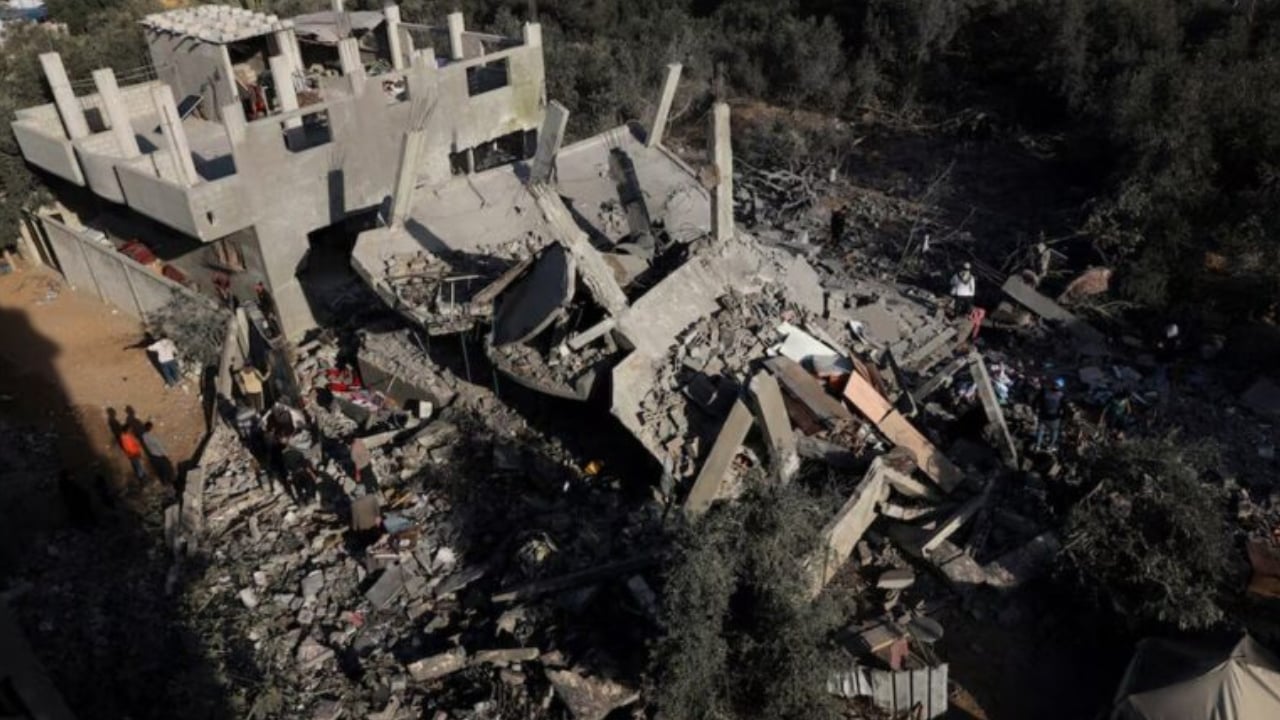
Israeli military operations have continued in the Gaza Strip despite a ceasefire that began last October through U.S. mediation. According to the latest data from Gaza’s Health Ministry, 1,005 Palestinians have been killed since the ceasefire took effect. The ministry reported that ongoing attacks and military actions have worsened the humanitarian situation in Gaza, with civilian casualties continuing to rise and international concern increasing. Earlier this week, the Health Ministry stated that the total death toll from Israel’s ongoing war in Gaza has surpassed 73,000. The ministry said that the prolonged conflict has claimed the lives of a large number of women and children, while thousands more have been injured. The newly released figures have raised renewed questions about the effectiveness of the ceasefire and the safety of civilians. Calls from the international community for an end to hostilities and for ensuring humanitarian aid have grown stronger, according to the report.
Brazil received a major boost ahead of their second group-stage match at the World Cup, as star forward Neymar Jr. returned to light training after recovering from injury. The team, based in Philadelphia, is preparing to face Haiti following a draw against Morocco in their opening match. With qualification for the knockout stage at stake, Brazil are determined to secure a win in this crucial encounter. Although Neymar has resumed running and ball work at the base camp, the medical team has advised caution. The coaching staff is reluctant to rush him back into competitive action, prioritizing his full recovery over immediate participation. As a result, Brazil are planning their strategy for the Haiti match without their key player. The match, scheduled for early Saturday morning, will be decisive for Brazil’s position in Group C. The coaching team is expected to rely on other attacking players to fill the gap left by Neymar’s likely absence.

The Jhalakathi district administration has cancelled 33 firearm licenses belonging to 25 leaders and activists of the Awami League and its affiliated organizations. According to an official order issued by the district administration, the decision was made following the directives of the Ministry of Home Affairs and in the interest of public safety. Among those whose licenses were revoked are Hafiz Al Mahamud, General Secretary of Sadar Upazila Awami League; Rezaul Karim Zakir, Convener of the District Jubo League; and Kamal Sharif, Joint Convener of the District Jubo League. The list also includes former municipal mayor Afzal Hossain Rana, District Awami League Treasurer Monirul Islam Talukder, former Upazila Chairman Syed Razzak Ali Selim, and Joint General Secretary Mujibul Haque Akn. Other affected individuals include local representatives, political figures, Jubo Mohila League leader Yasmin Rabi Poppy, and Jatiya Party central leader M A Kuddus Khan. Police confirmed that all firearms with cancelled licenses have been deposited at the four police stations of Jhalakathi district, and legal procedures are underway.

Two children were killed by lightning in Fulgazi upazila of Feni on Wednesday afternoon. The incident occurred in the Basantapur Purba Para area. The victims were identified as Nadia Akter, aged 10, daughter of Md. Shahid from Basantapur Purba Para, and Abir Hossain, aged 7, son of Md. Arif from Purba Debpur village in Mahamaya union of Chhagalnaiya upazila. They were cousins. According to family sources, the children were playing near their home when lightning struck, leaving them critically injured. Relatives quickly took them to Fulgazi Upazila Health Complex, where the attending doctor declared them dead upon arrival. Dr. Anisur Rahman from the emergency department confirmed that both children had died before reaching the hospital. Fulgazi Police Station Officer-in-Charge S.M. Mizanur Rahman stated that the bodies were handed over to their families after hospital procedures.

Jamaat-e-Islami Central Working Committee member and Supreme Court senior lawyer Shishir Monir publicly praised the Speaker of the National Parliament, Major (Retd.) Hafiz Uddin Ahmad Bir Bikram, and Deputy Speaker Kaiser Kamal. The appreciation was expressed in a Facebook post made on Wednesday, where Monir commended both leaders for their roles in conducting the parliament. In his post, Shishir Monir wrote that the current Speaker and Deputy Speaker’s roles in managing the National Parliament are praiseworthy and extended his congratulations to them. The post drew attention as it came from a senior Jamaat leader and legal professional, highlighting a rare instance of public commendation toward parliamentary leadership from an opposition-linked figure. The report was published by Amar Desh Online on June 17, 2026, at 21:02 local time, focusing on Monir’s social media remarks and their political significance within the context of parliamentary affairs.
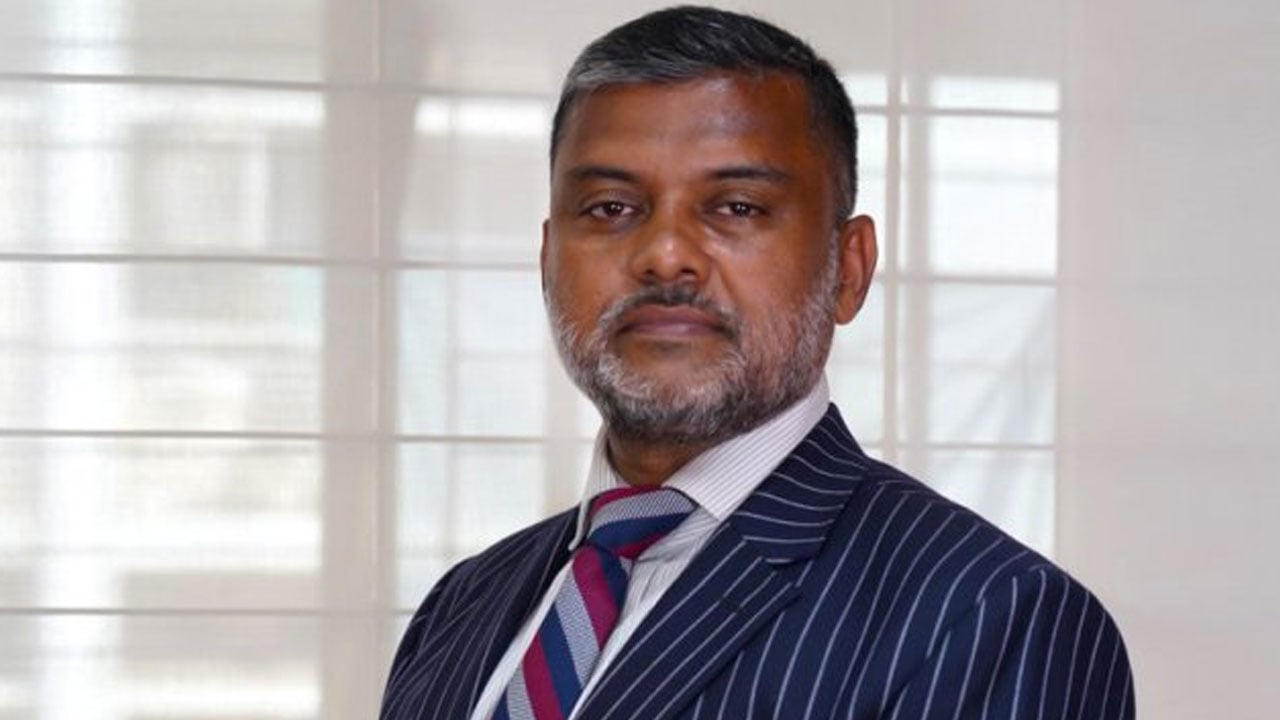
The Bangladesh Jubo Dal has expelled a leader from its Mugda Thana unit following allegations of physically and mentally harassing a journalist. According to a press release issued on Wednesday afternoon, the organization removed Kazi Jewel, former general secretary of the Mugda Thana Jubo Dal, from all party positions, including primary membership. The incident involved multimedia reporter Zahedul Islam Arif of the daily Somoyer Alo, who was reportedly attacked while performing his professional duties. The report states that the incident occurred during a Jubo Dal protest rally in Dhaka against political propaganda. During the event, Kazi Jewel allegedly assaulted the journalist and behaved inappropriately. The central leadership of Jubo Dal clarified that the organization would not take responsibility for the expelled leader’s misconduct and instructed members to avoid maintaining any organizational ties with him. The expulsion underscores the party’s attempt to distance itself from acts of violence against media professionals and to reinforce internal discipline within its ranks.
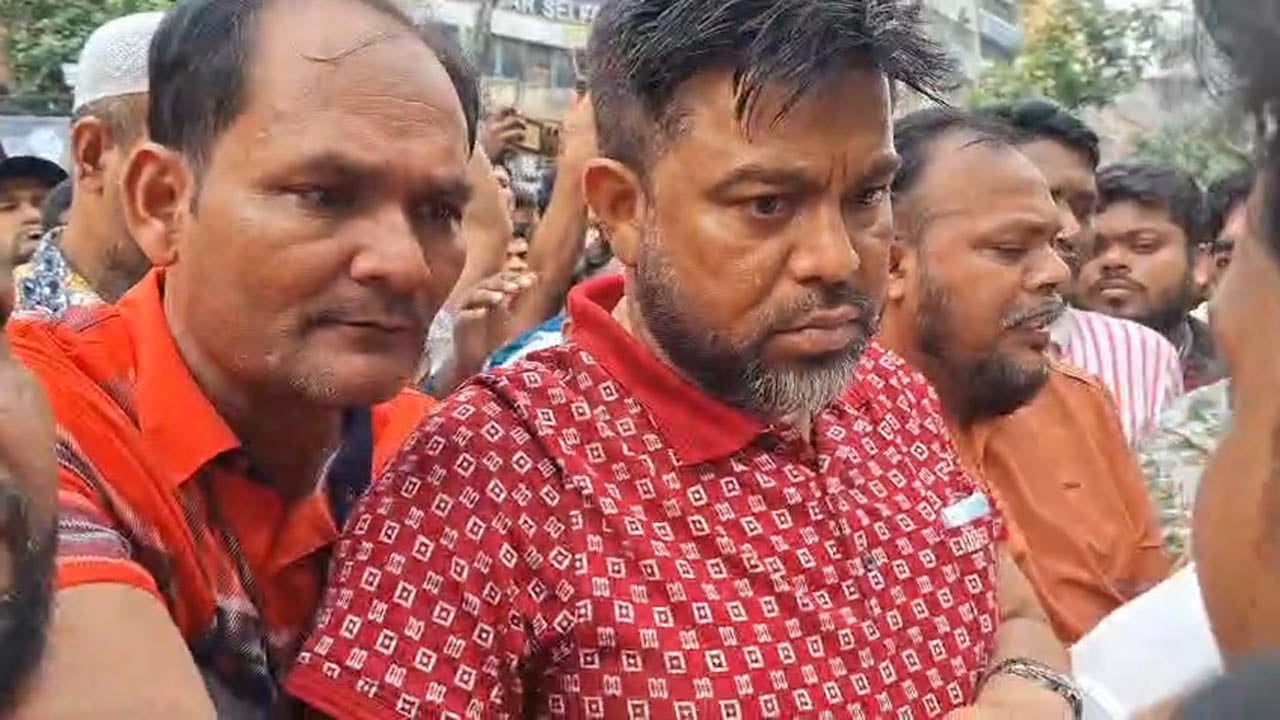
Bangladesh Jamaat-e-Islami Assistant Secretary General Dr. Hamidur Rahman Azad has accused the BNP of rejecting the February 12 referendum verdict on constitutional reform by using its power. He made the remarks on Wednesday while addressing a meeting with leaders of the Faridpur city and district units of Islami Chhatra Shibir. Azad stated that 71 percent of voters supported constitutional reform, not mere amendment, and claimed that Jamaat-e-Islami, along with 11 allied parties, continues both parliamentary and street movements to implement the people's verdict. He expressed determination to compel the government to accept this demand through a united public movement. He further said that Bangladesh remains trapped in corruption and misrule due to a lack of honest and competent leadership, urging Chhatra Shibir members to take responsibility for filling this gap. Azad emphasized character building, ideological development, organizational discipline, and standing by students at all levels.
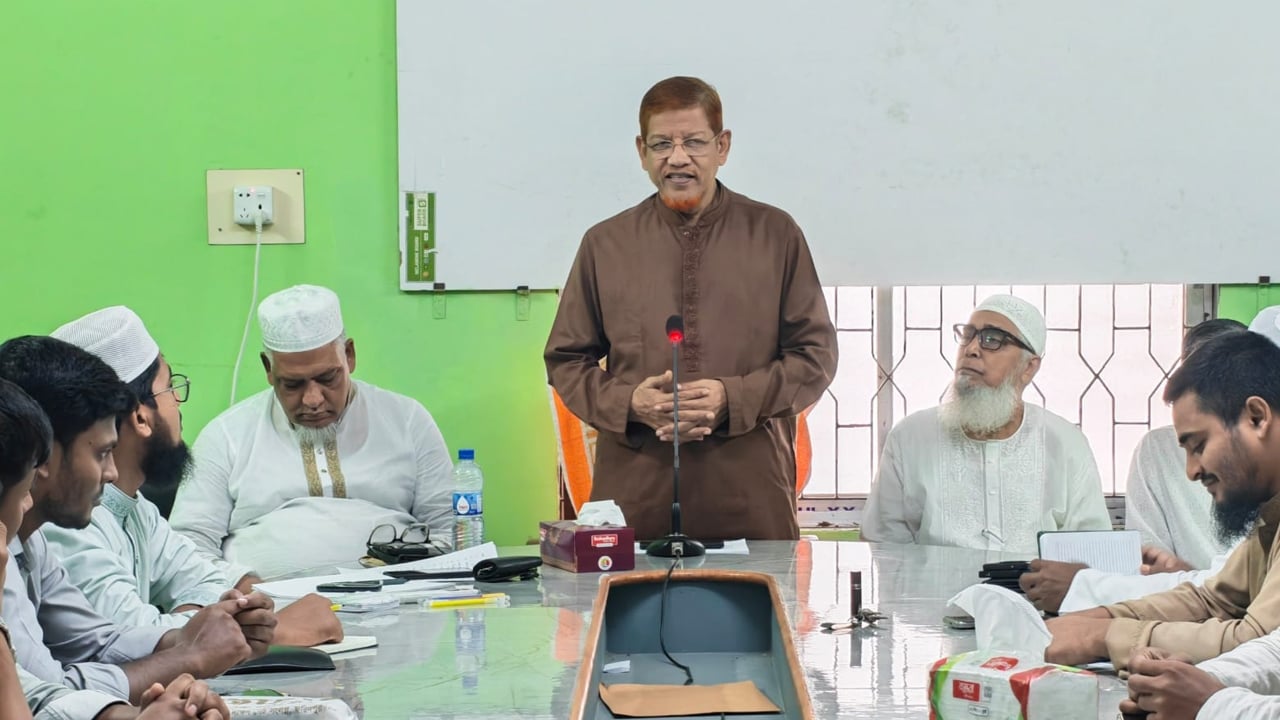
Prime Minister Tarek Rahman expressed displeasure on Wednesday morning after seeing several Sylhet-region MPs waiting at Sylhet MAG Osmani Airport to welcome him instead of attending Parliament. The Prime Minister, who arrived to attend a pre-scheduled program in Moulvibazar, questioned their absence from the ongoing parliamentary session and urged them to return to the House. Following the Prime Minister’s remarks, Sylhet-6 MP Advocate Emran Ahmad Chowdhury returned to Dhaka in the afternoon and joined the national Parliament session. He later confirmed his attendance through a Facebook post, stating that he followed the Prime Minister’s instruction immediately. Chowdhury also praised Tarek Rahman’s efforts to strengthen Parliament and make it the center of all national activities. Earlier in the day, Prime Minister Tarek Rahman traveled from Dhaka to Sylhet and then to Moulvibazar’s Sreemangal, where he distributed ‘Family Cards’ and planted tree saplings at two local school grounds.
The ‘1 Nojor’ media platform is now live in beta, inviting users to explore and provide feedback as we continue to refine the experience.